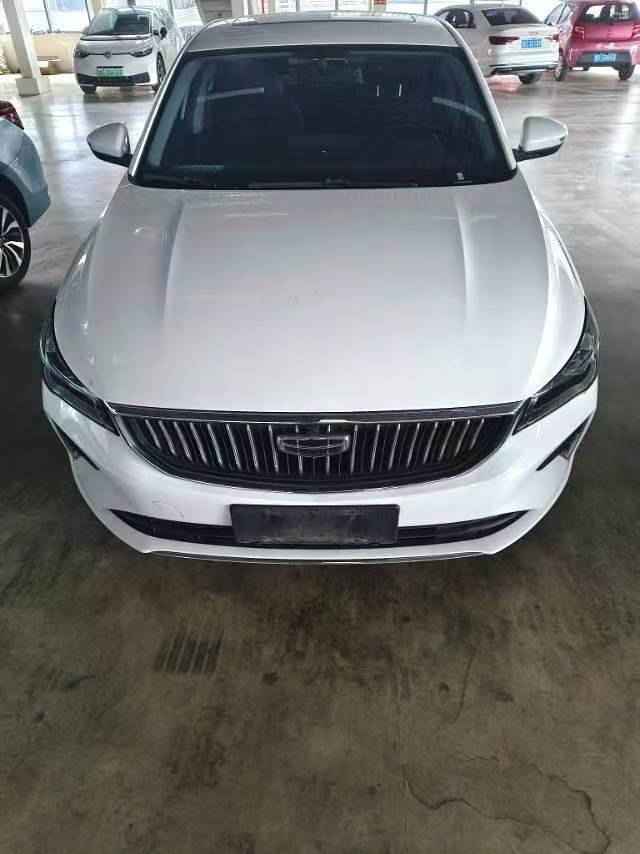
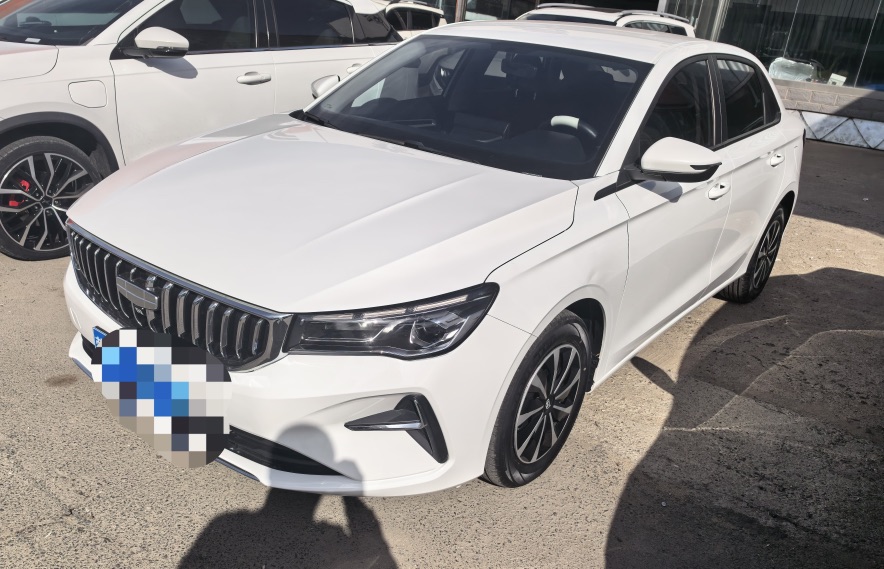
48H

Basic Information

BrandGEELY
SeriesEmgrand
Year2026
First Registration2026/01
Mileage8,000km
Transfer Count0times
FuelGasoline
TransmissionDCT
Engine1.5T 181 L4
Color
Seats-

Condition Description

官方质检 · 60天全车质保· 7天无理由有偿退车

Configuration Highlights

✓上牌时间: 2026-01
✓表显里程: 0.8万公里
✓车源地: 东莞
✓排放标准: 国六b
✓发动机: 1.5T
✓轴距: 2755mm
✓变速箱: 自动
✓最大功率: 133kW
✓功能配置: 21项
✓安全配置: 7项
✓动力类型: 前驱
✓空间舒适性: 一般

Q&A

More

Large international wire transfers (T/T) usually require anti-money laundering (AML) review. What materials will you provide to assist?

If your remitting bank requires verification of the transaction's authenticity, we will promptly provide: a commercial invoice (PI) signed and stamped by both parties, a scanned copy of the vehicle purchase contract, and our legal export enterprise registration certificate from the Ministry of Commerce in China.

How can I confirm the seller actually owns the car and that it has no outstanding liens or loans in China?

Ask the exporter for a copy of the vehicle registration certificate (机动车登记证书). It lists every owner change and any mortgage registration. If the car was financed, there will be a lien entry; make sure a release entry follows it. You can also verify the VIN against public records through the traffic management platform (12123) — a legitimate exporter can generate a status report on the spot. Check that the seller's company name on the invoice matches the registered owner. For extra safety, require a written statement that the vehicle is free of liens, loans, court seizures, and lease agreements, and wire payment only to the company's corporate account after ownership is transferred to the export entity. That sequence — transfer first, payment second — is your strongest protection.

What if the used car I imported from China turns out to be a bad deal—can I return it or get a refund?

In practice, returning an imported car is extremely difficult, so your protection must be built in before payment, not after. Once a used car has been exported, reversing the transaction involves re-export paperwork, duties, and freight costs that typically exceed any refund you'd recover. Most exporters' contracts treat the sale as final once the bill of lading is issued. What you can realistically do: 1. If the car differs materially from the contract (wrong VIN, undisclosed accident, tampered odometer), you have grounds for a claim. Document everything and negotiate a partial refund or repair credit—full refunds are rare. 2. If the seller committed outright fraud, you can pursue legal action in China or report to the platform, but cross-border enforcement is slow and costly. 3. Some exporters offer a short arrival warranty (usually 30-90 days) covering major mechanical failures. Claims require immediate notification, third-party inspection reports, and proof the damage existed at shipment. The practical takeaway: never rely on the possibility of a return. Spend the money on a thorough pre-shipment inspection and clear contract terms instead—it's far cheaper than a dispute.