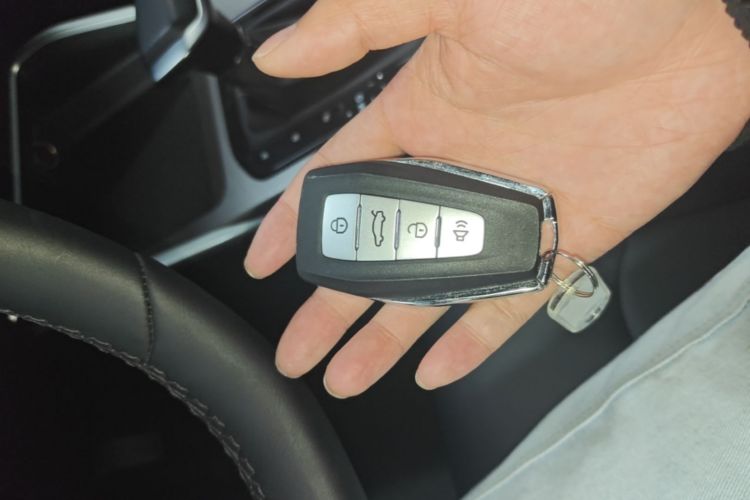
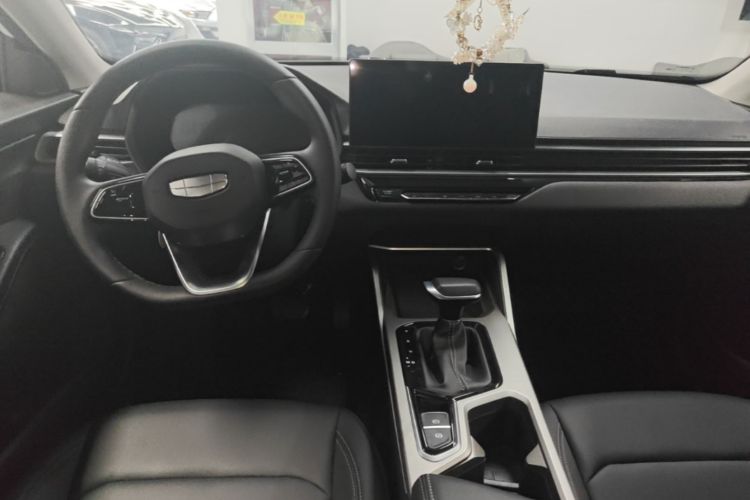
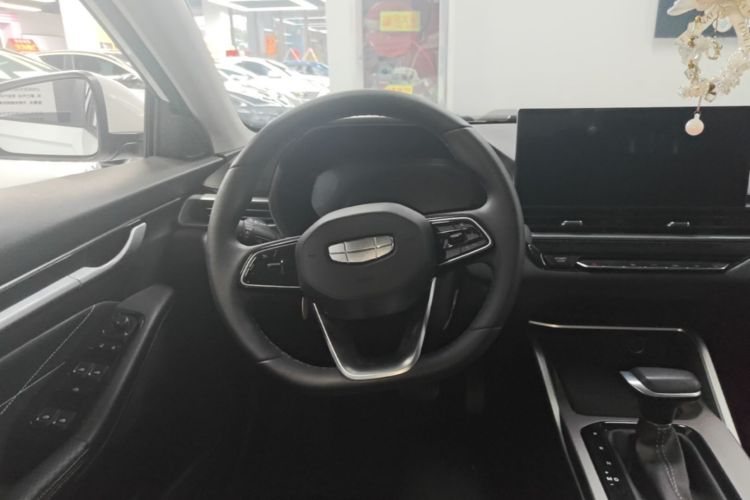
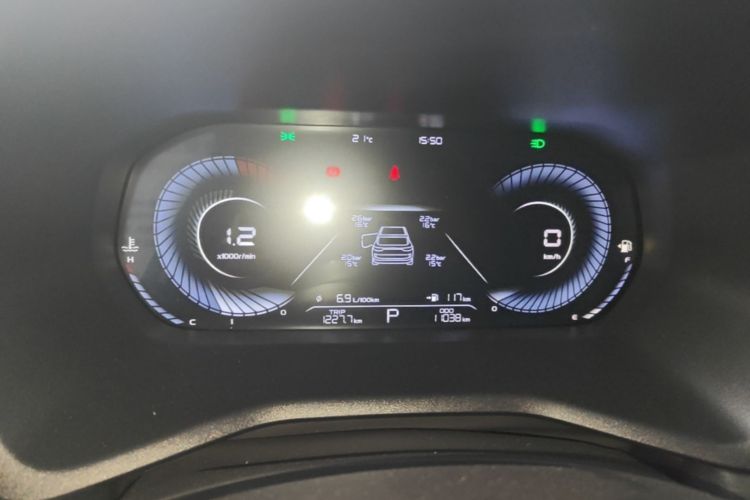
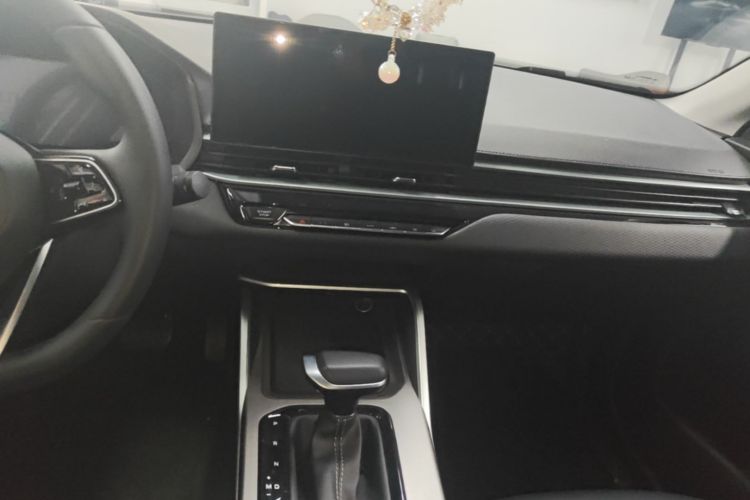
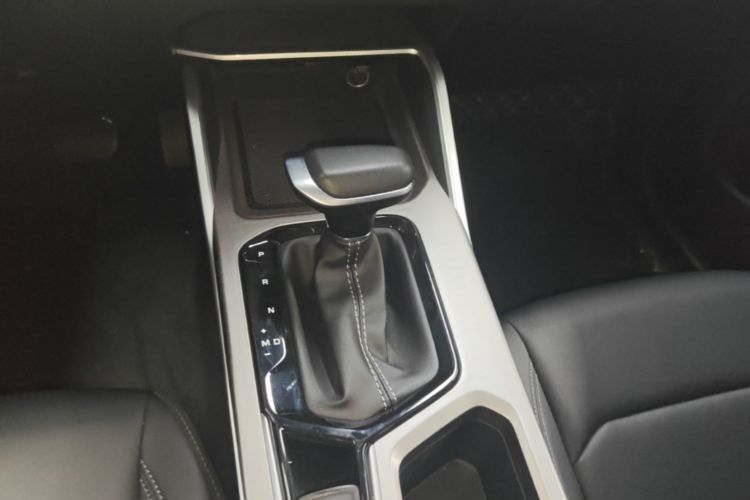
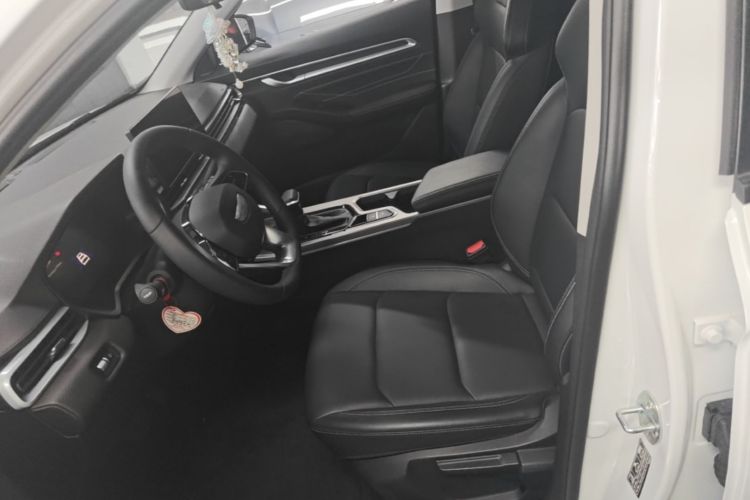
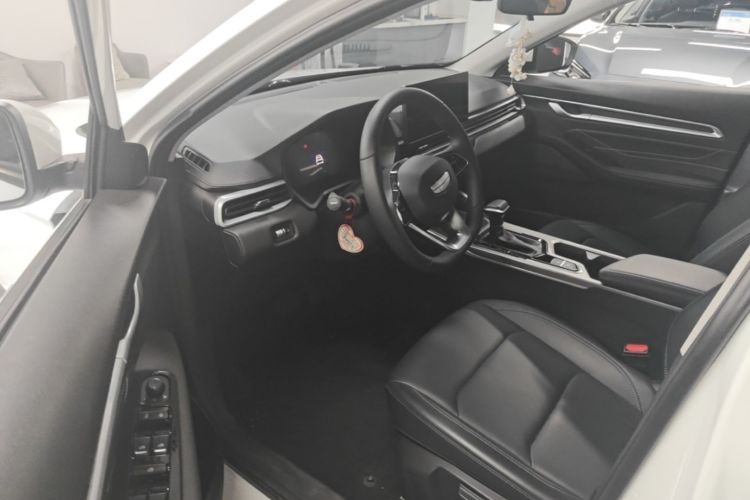



24H

Basic Information

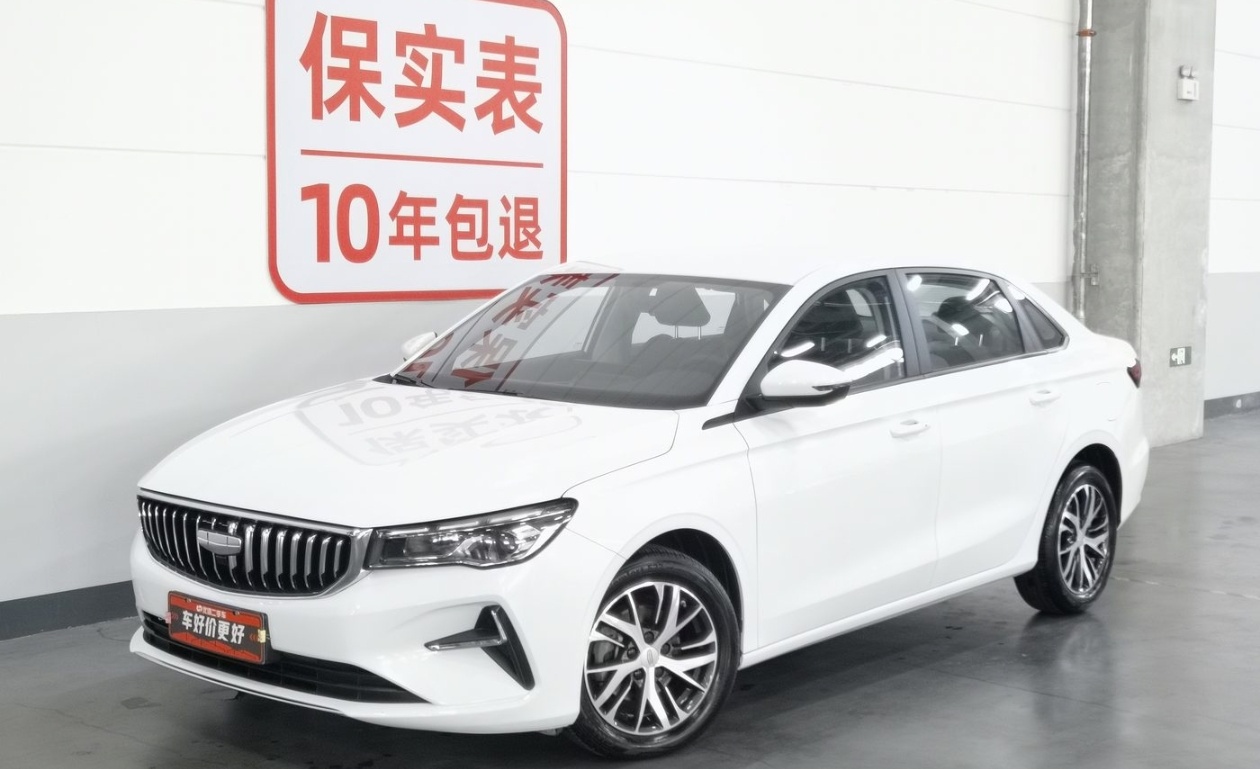
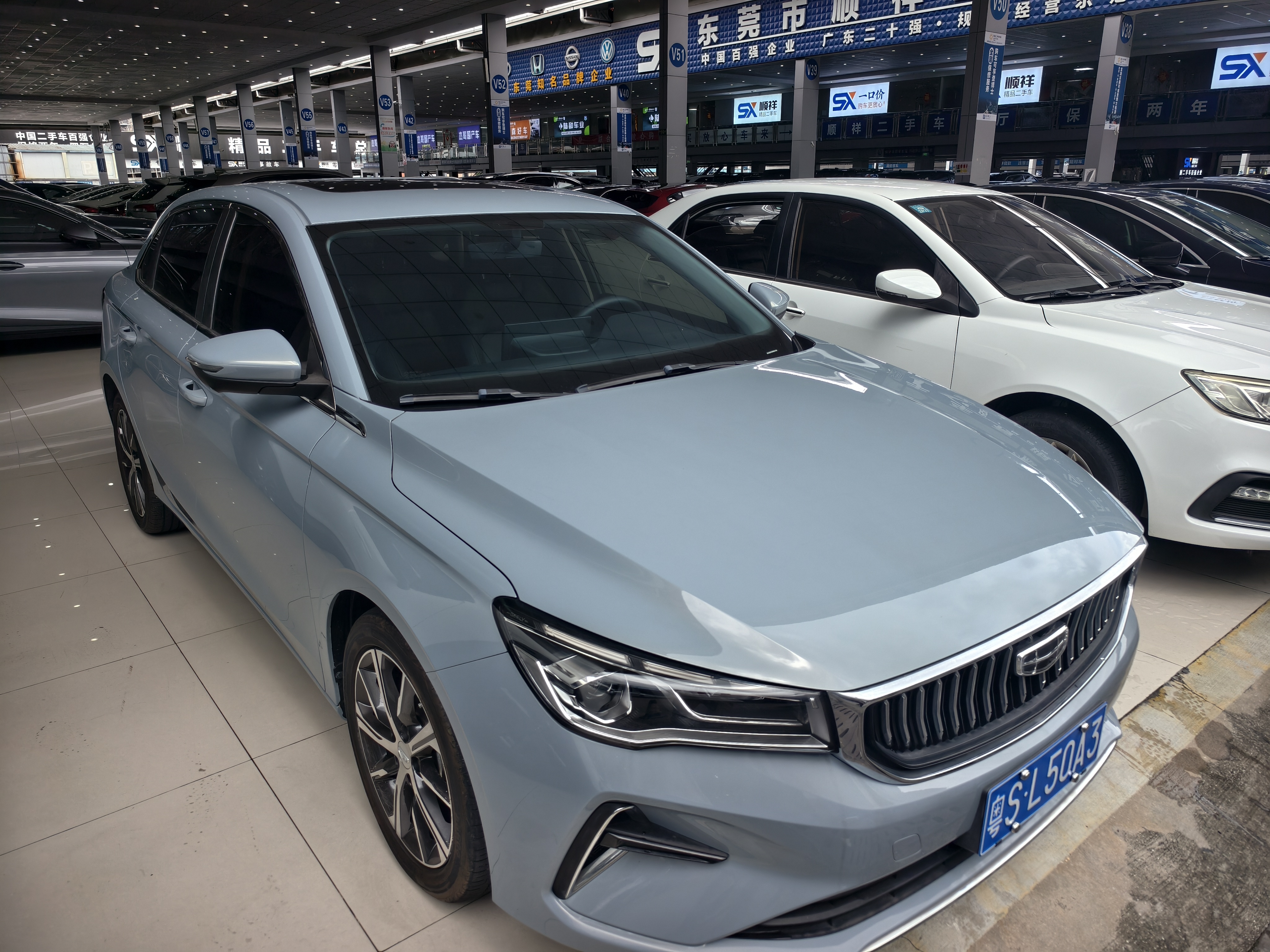
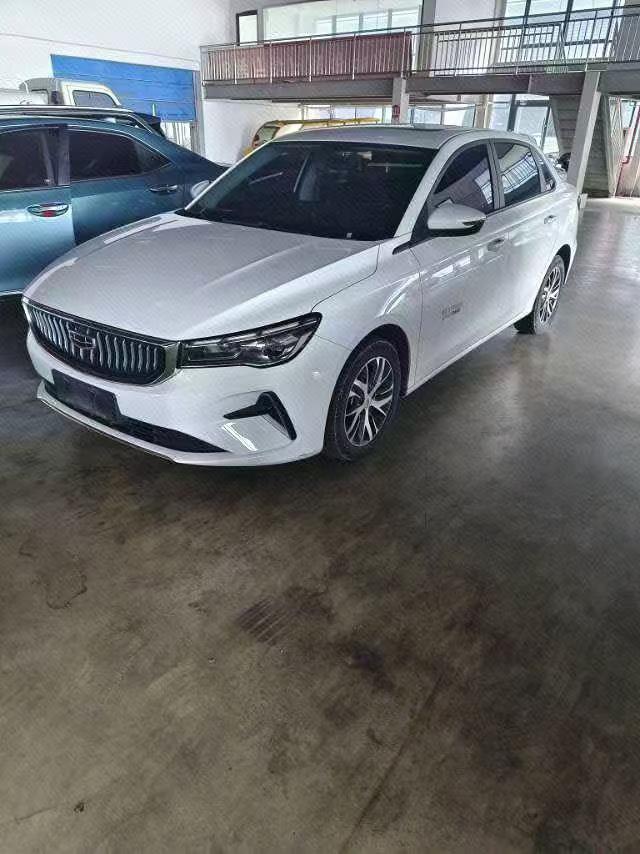
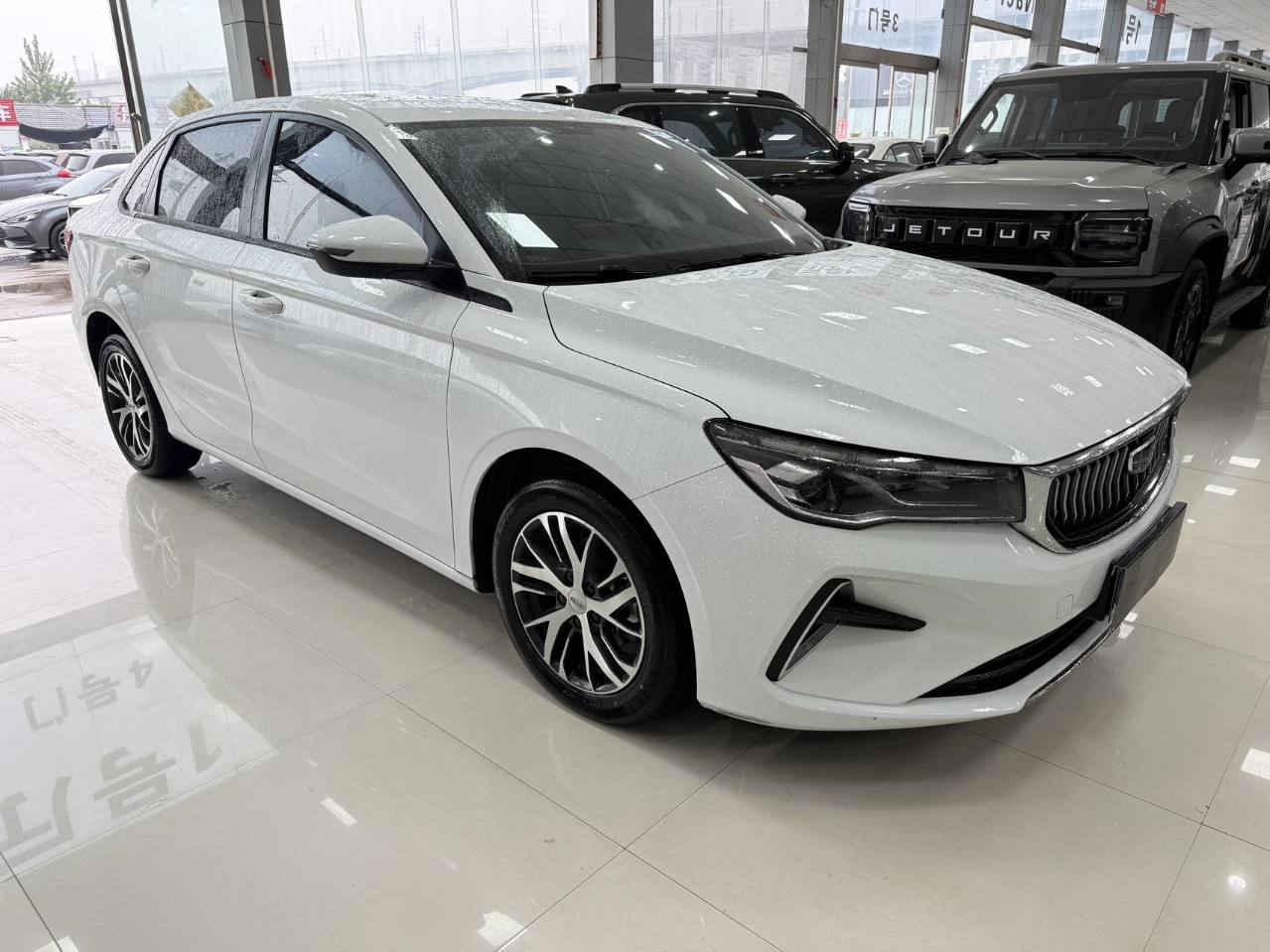
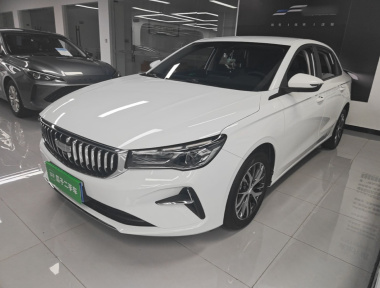
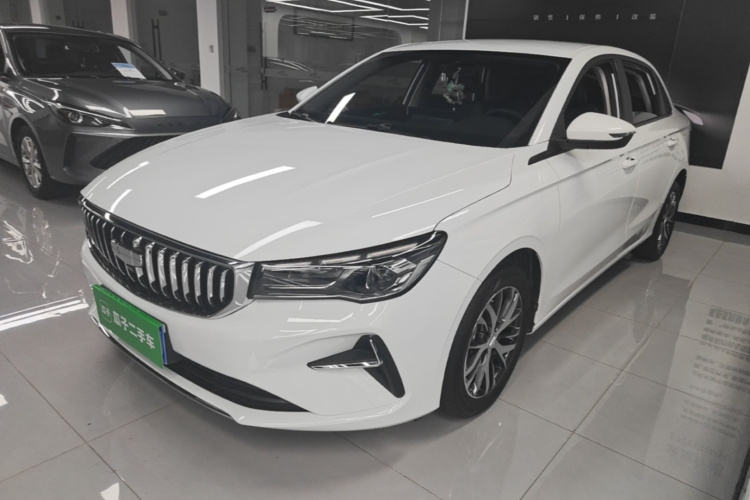
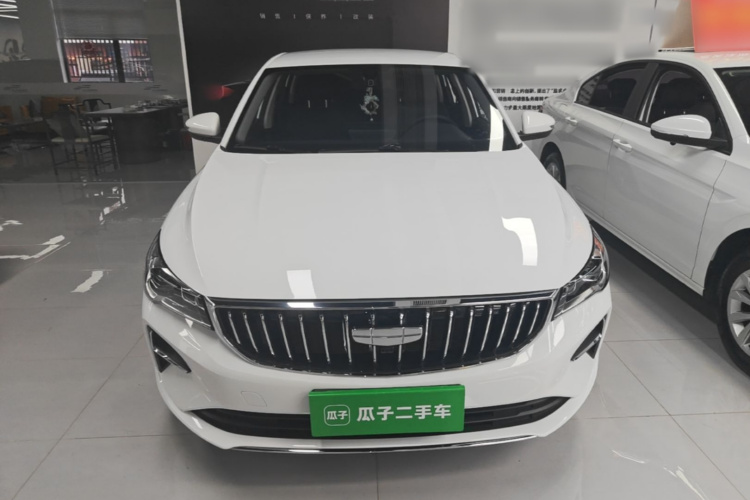
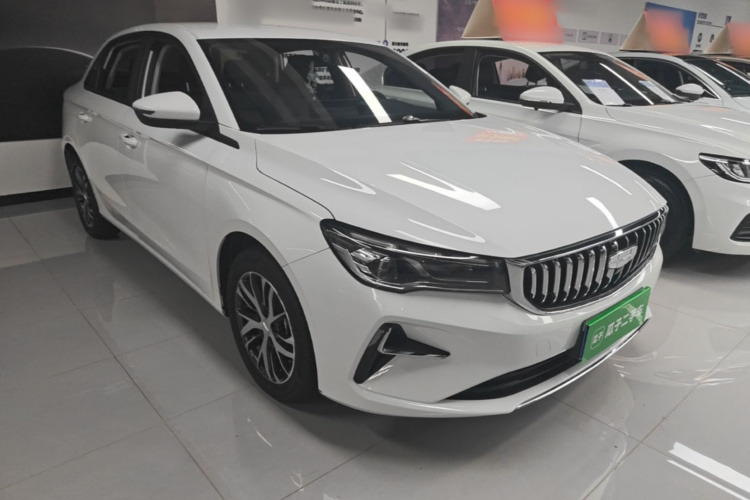
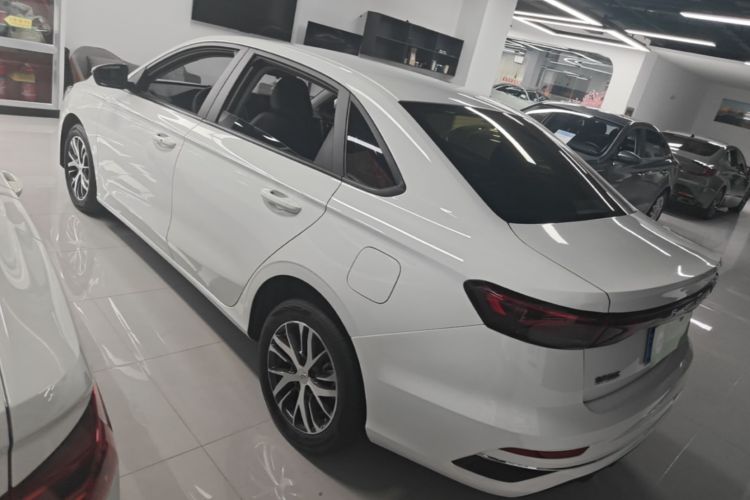
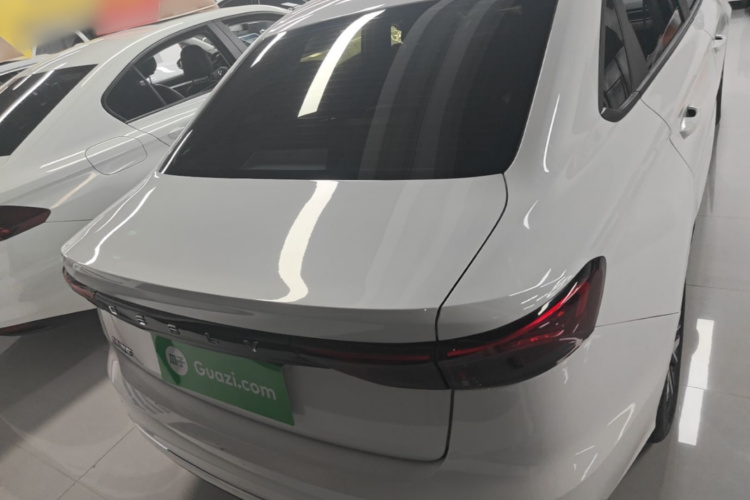
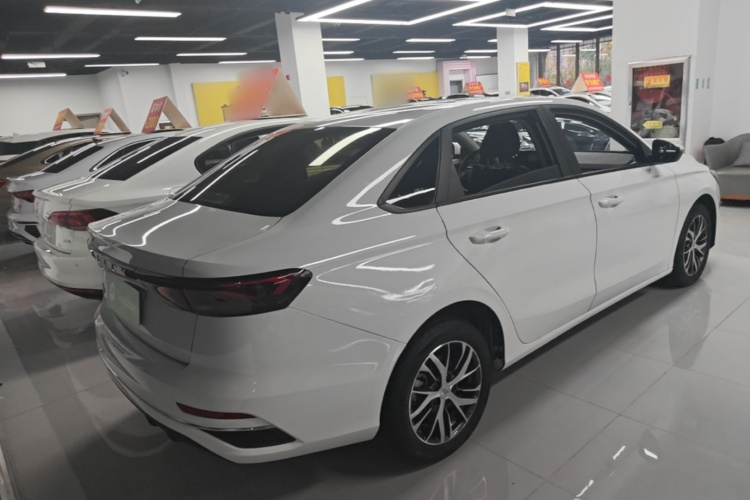
BrandGEELY
SeriesEmgrand
Year2025
First Registration2025/04
Mileage11,000km
Transfer Count0times
FuelGasoline
TransmissionCVT
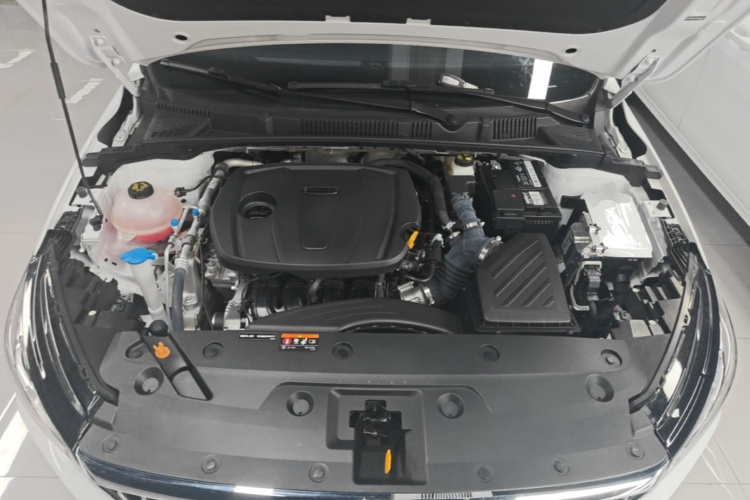
Engine1.5L 127 L4
Color
Seats5seats

Condition Description

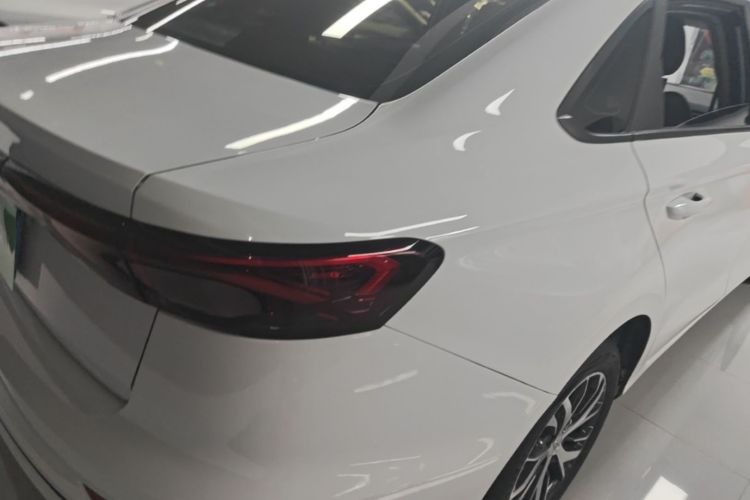
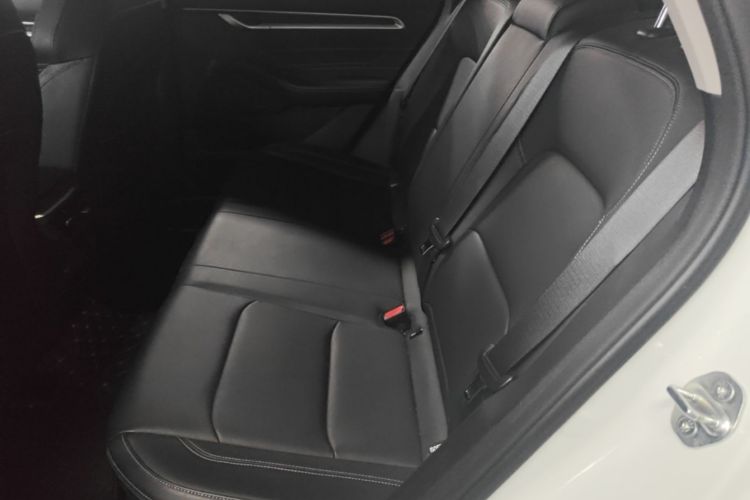
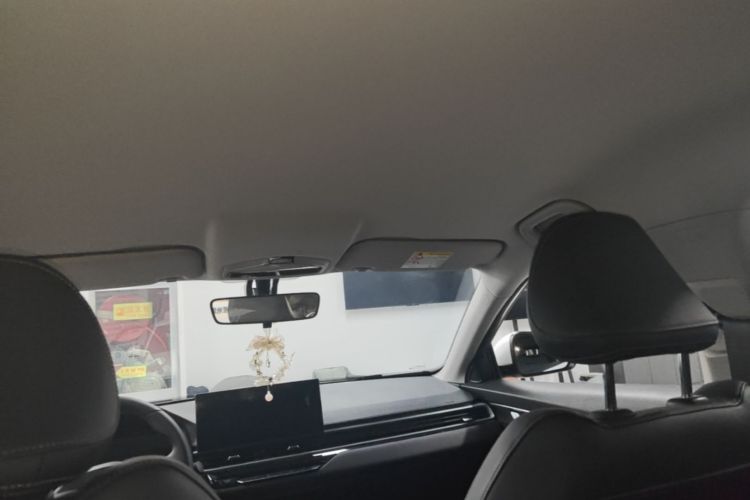
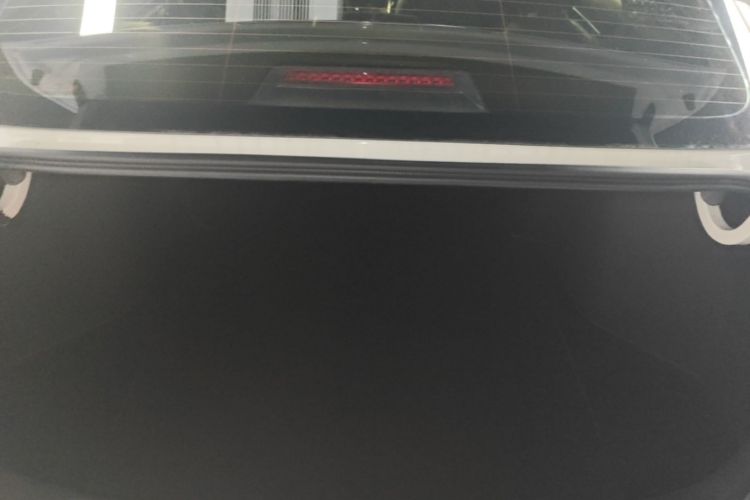
Basic condition good; 1 insurance claim; 0 transfers

Q&A

More

Can B2C individual buyers purchase just one car as a "sample order" to test the waters?

Of course. Our system supports single unit orders. However, objectively speaking, the shipping booking fees, documentation processing fees, and customs clearance fees for a single vehicle are very high. We recommend that individual buyers calculate the total landing cost before making a decision.


What should be done if the parameters on the vehicle's Chinese registration certificate do not match those in the destination country's customs database?

The commercial invoice and export license we provide are based on the vehicle's underlying VIN and official Chinese nameplate data. If there are minor discrepancies with the destination country's customs system parameters (such as curb weight), we will issue a "Parameter Explanation Letter" stamped by our company to assist you in explaining, but we cannot change the official document data.

What's the difference between RoRo and container shipping when importing a used car from China?

RoRo (roll-on/roll-off) means your car is driven onto the vessel and secured on an open deck. It's usually the cheapest option and has frequent sailings from Chinese ports like Shanghai and Guangzhou. The downside: the car is exposed to sea air and handling, and you typically can't load spare parts inside the car. Container shipping puts the car in a 20ft or 40ft container. It costs more per car (a 40ft can fit 2-4 cars if you share with other buyers), but the car is sealed and protected, and you can pack spare parts, tools, or personal items inside. Container is the better choice for high-value cars, EVs with sensitive electronics, or harsh-route destinations. Practical tips: RoRo requires the car to be drivable and the battery disconnected per shipping rules; EVs often must ship at low state of charge. Either way, photograph the car at the port of loading and buy marine insurance. Transit time difference between the two modes is usually small - port congestion matters more than the mode itself.