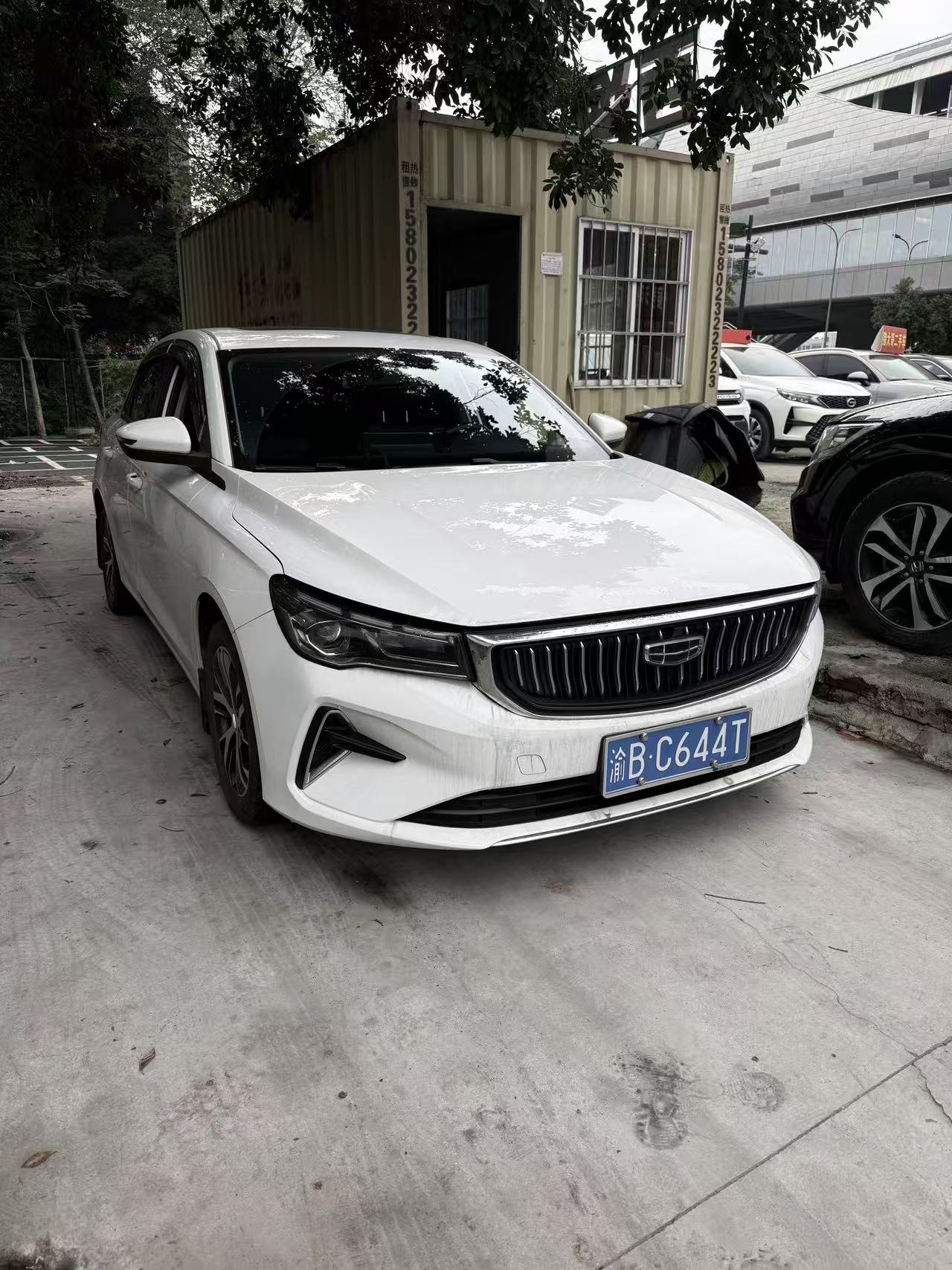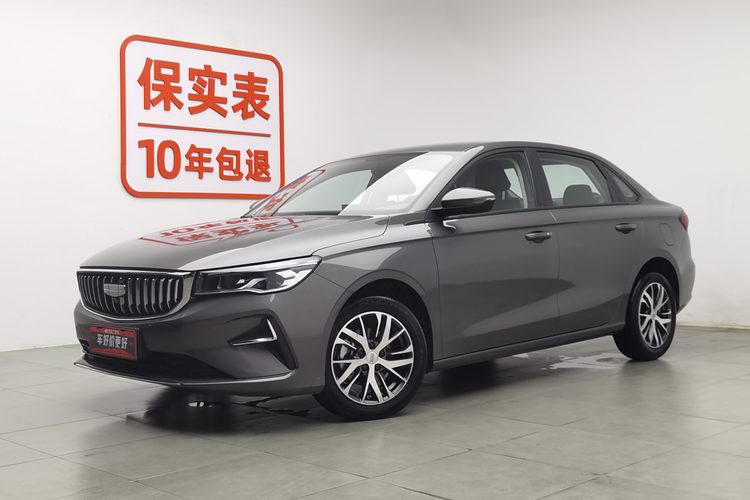
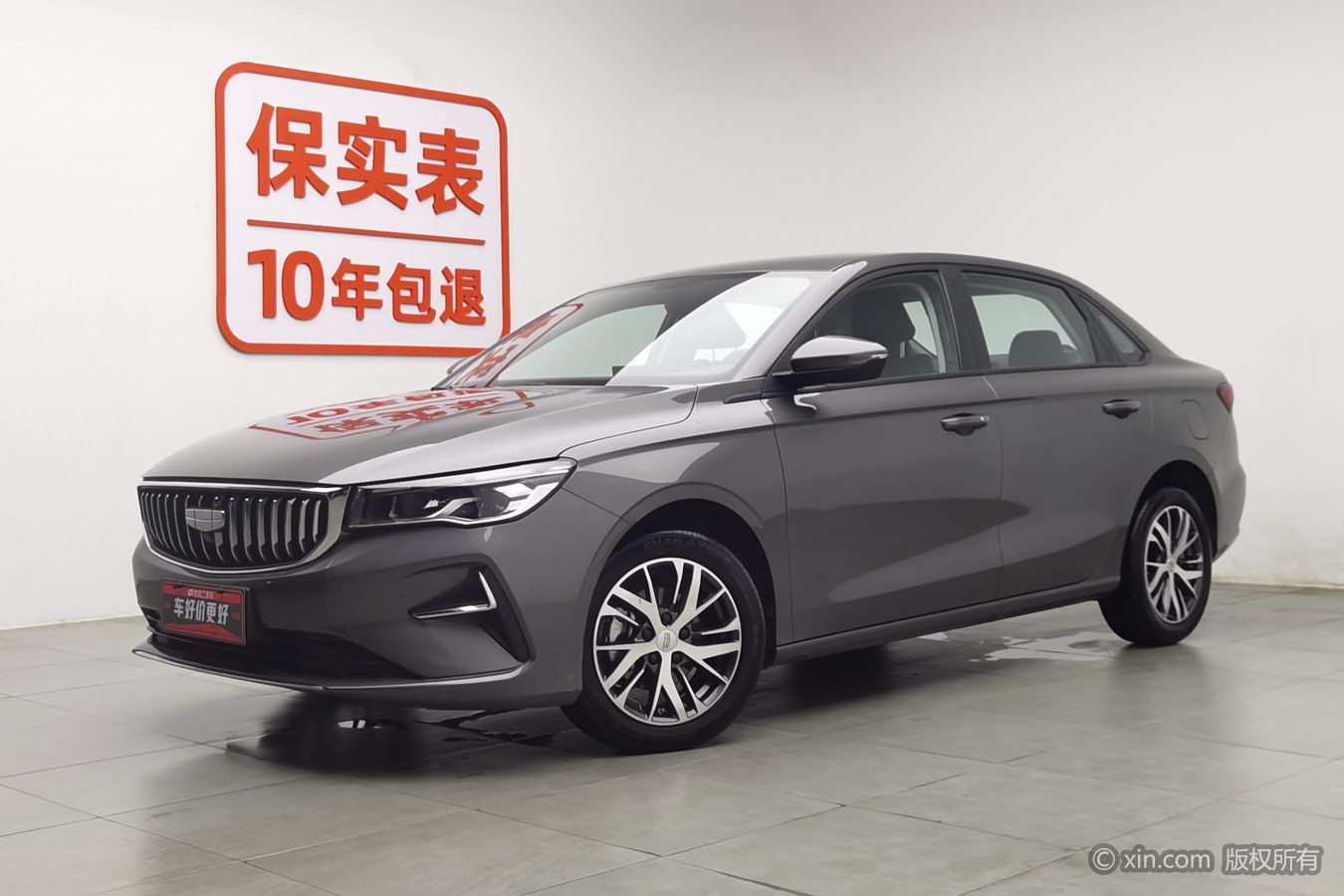
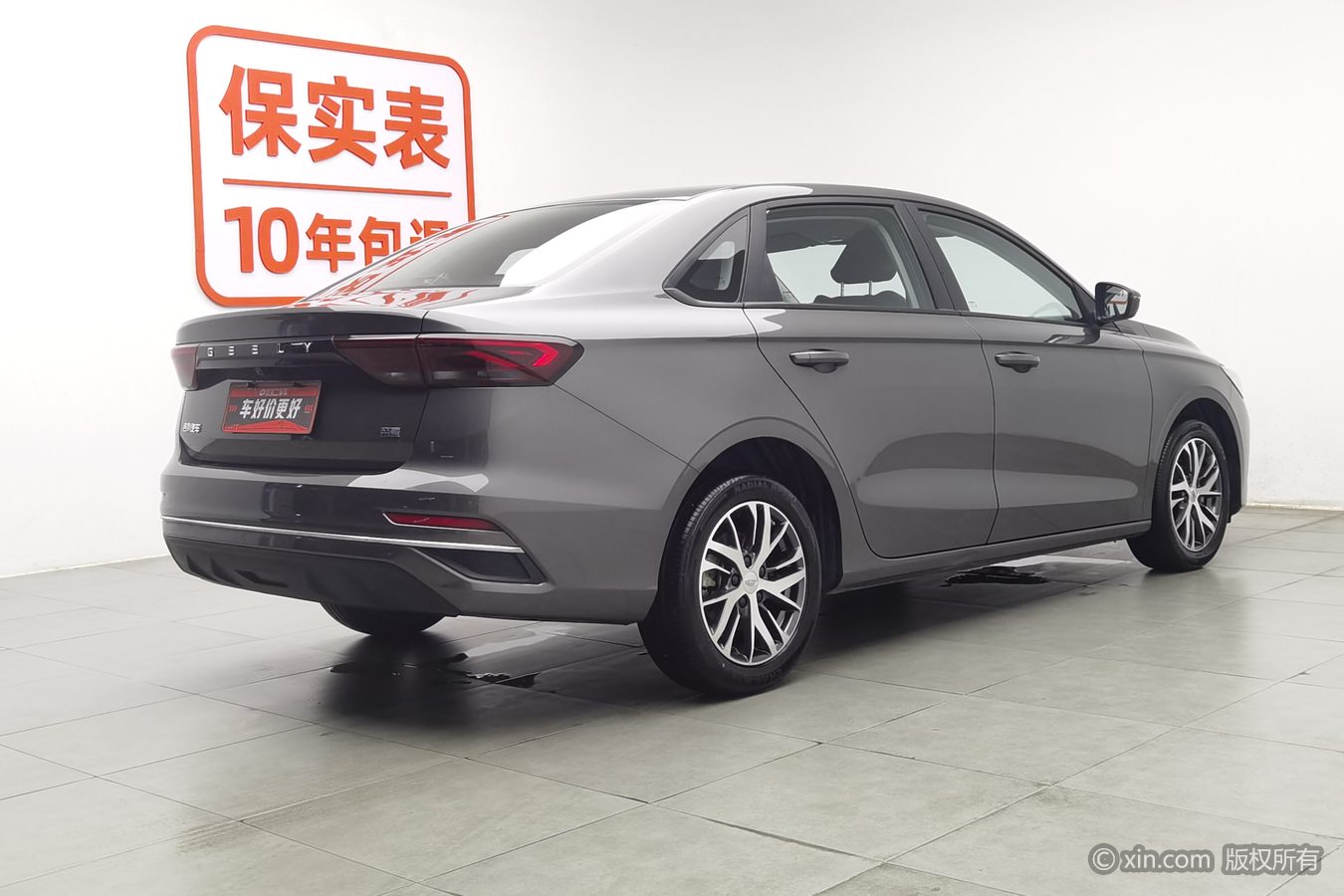



Basic Information

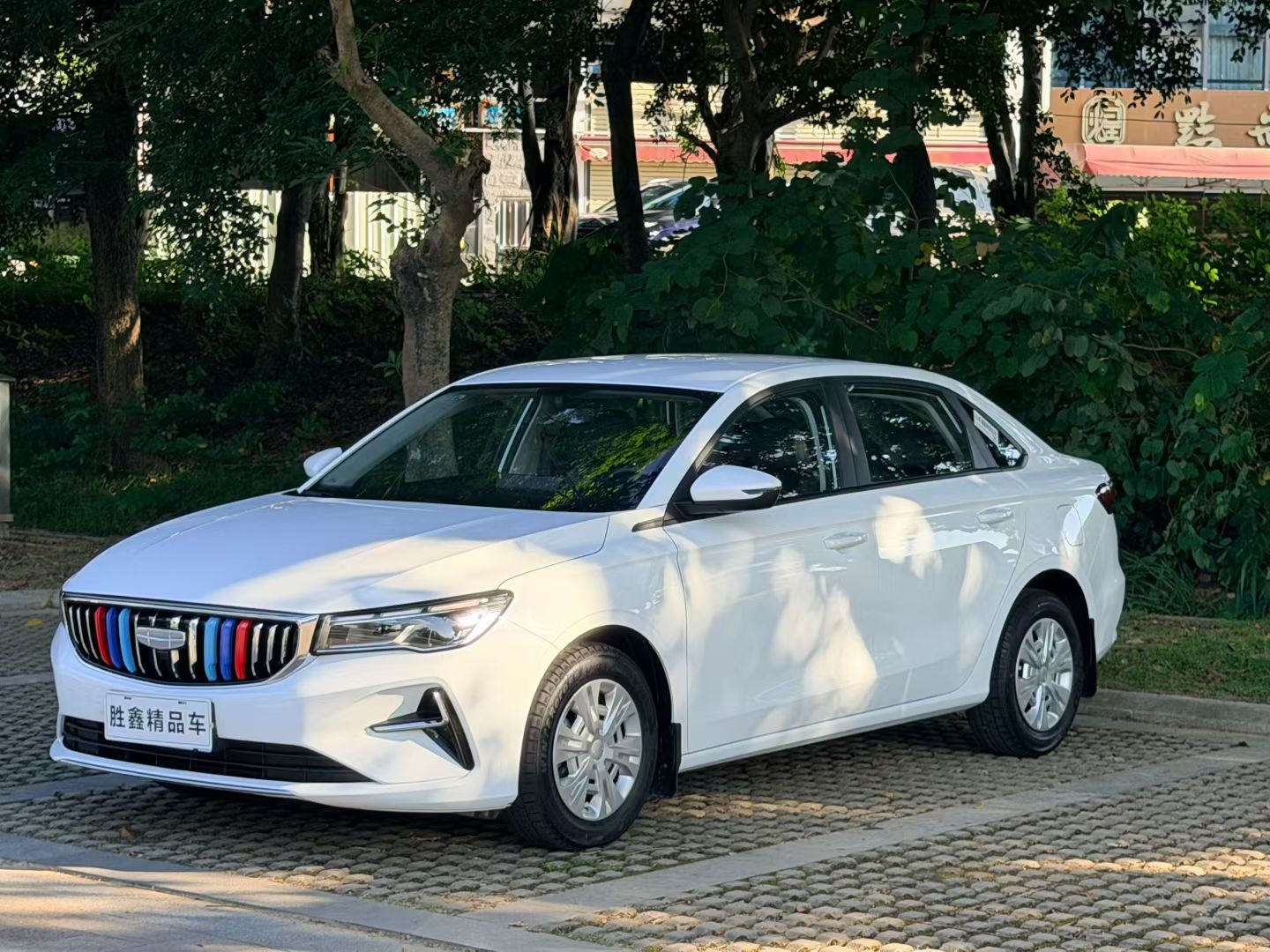
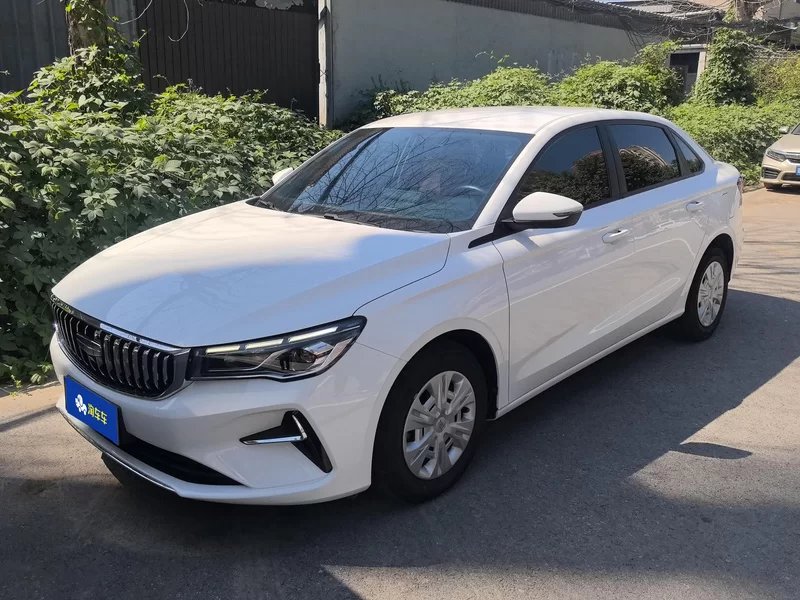
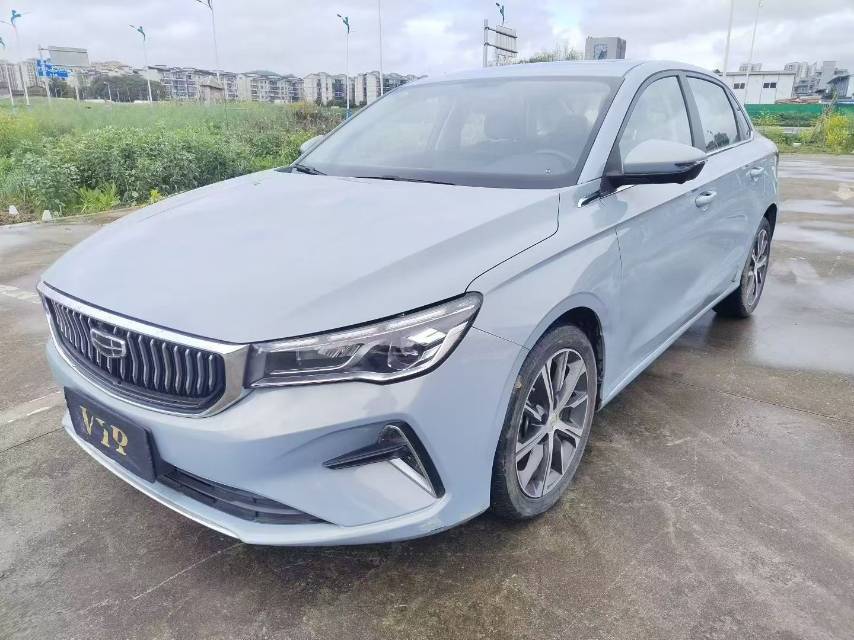
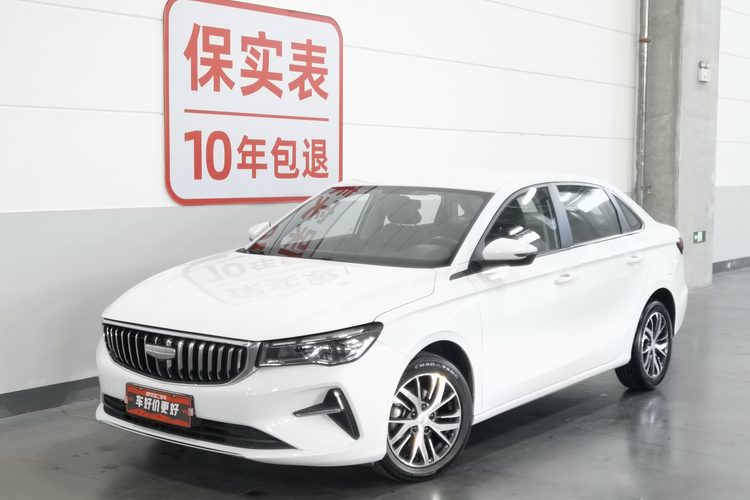
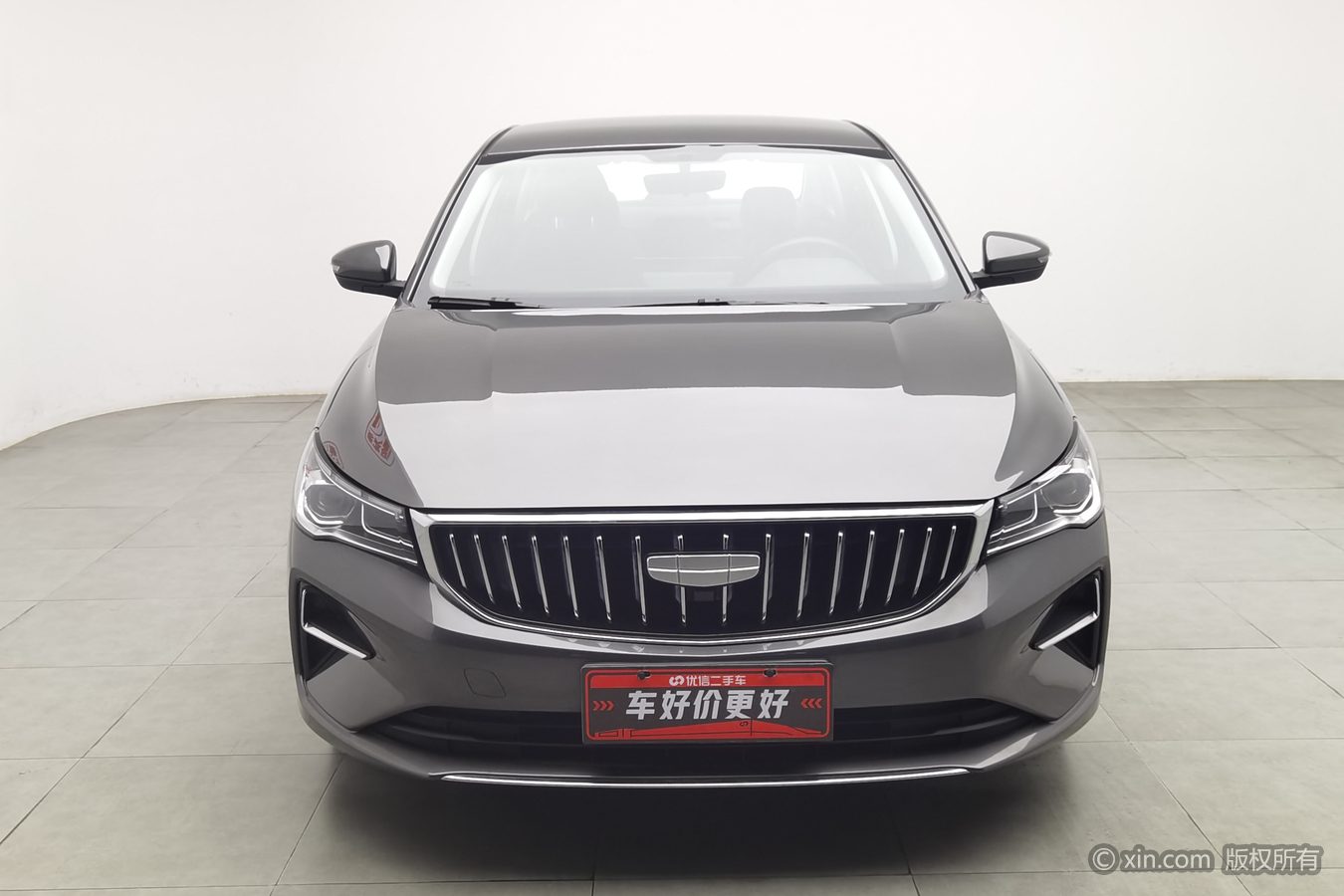
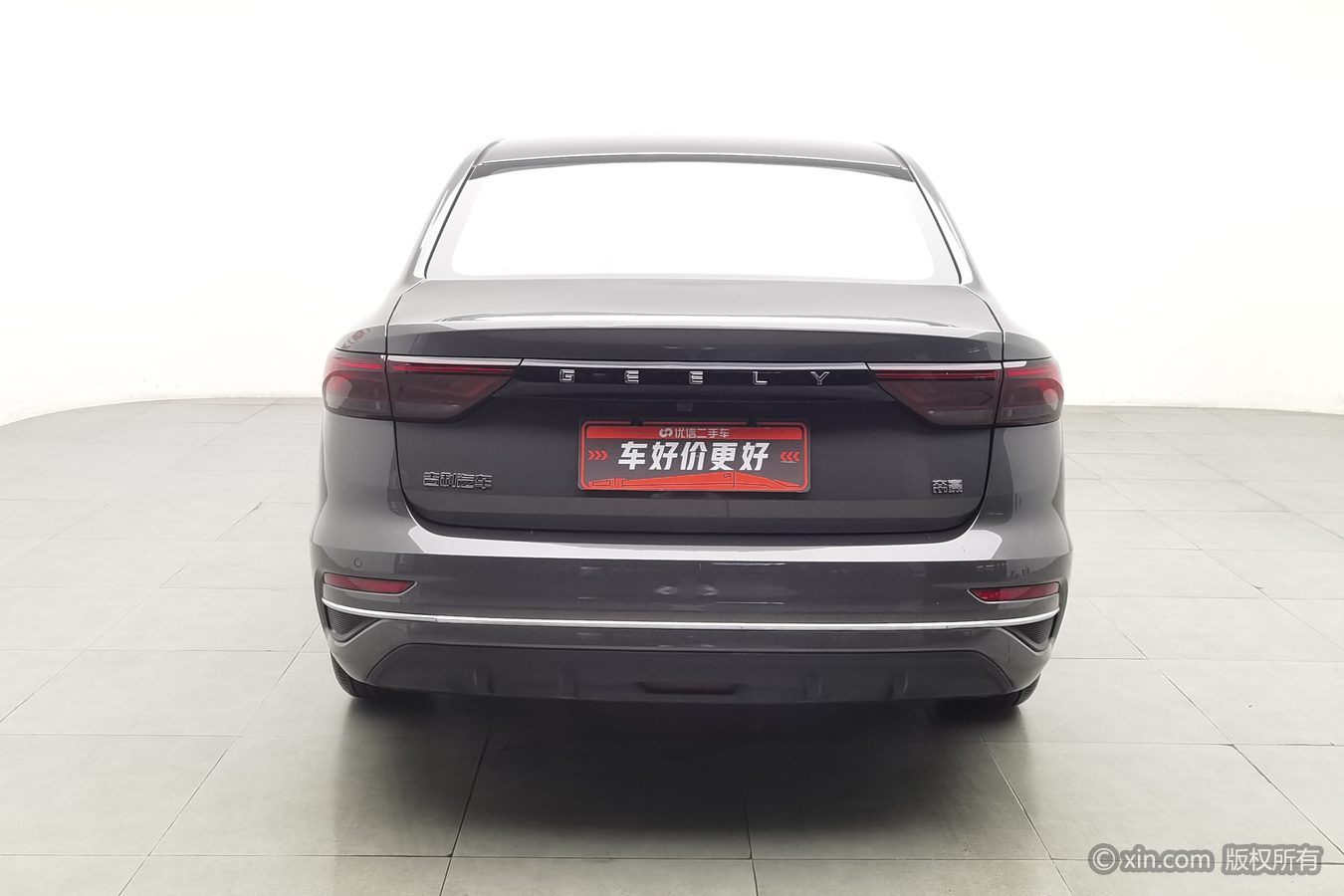
BrandGEELY
SeriesEmgrand
Year2025
First Registration2025/01
Mileage23,000km
Transfer Count0times
FuelGasoline
TransmissionCVT
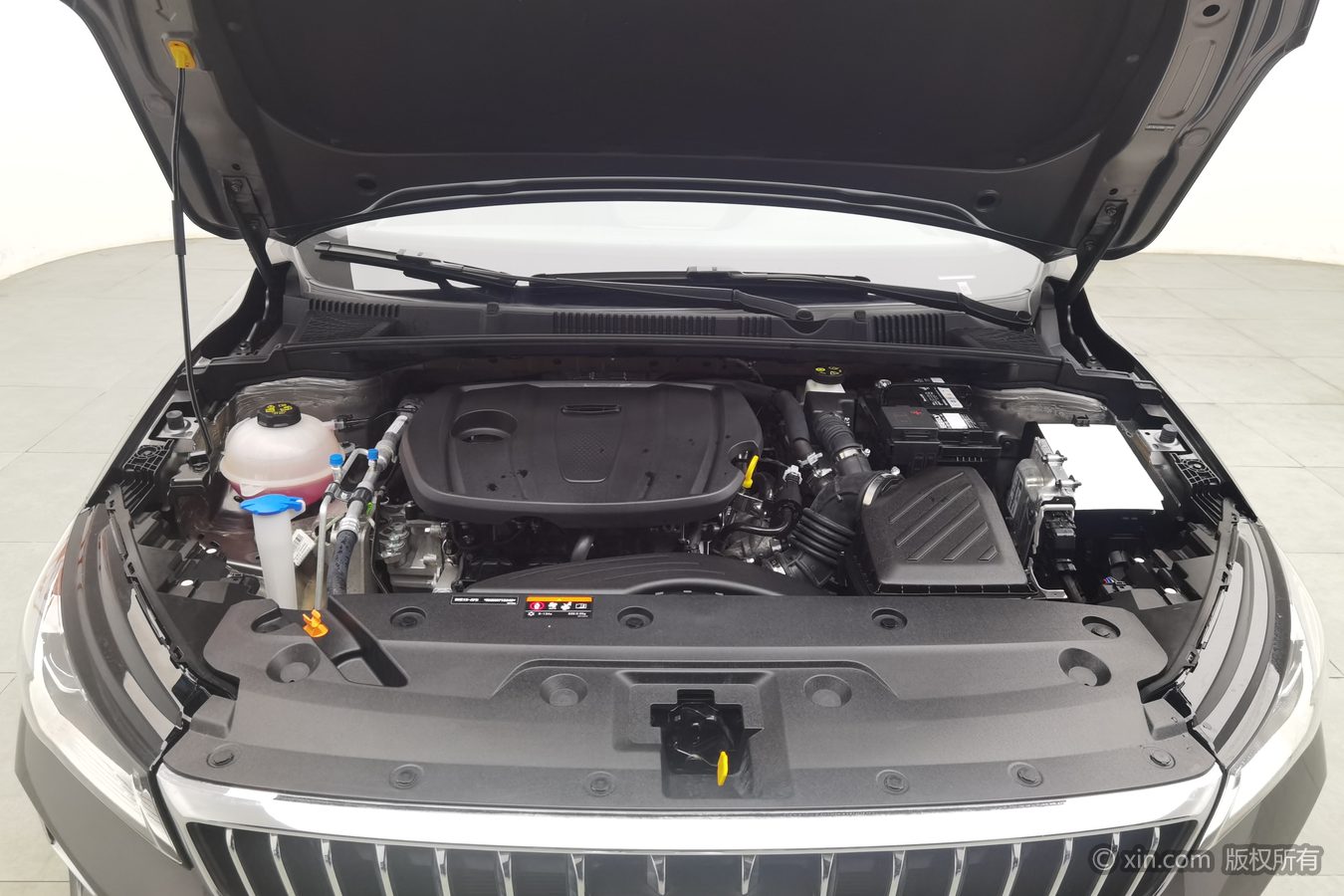
Engine1.5L 127 L4
ColorGrey
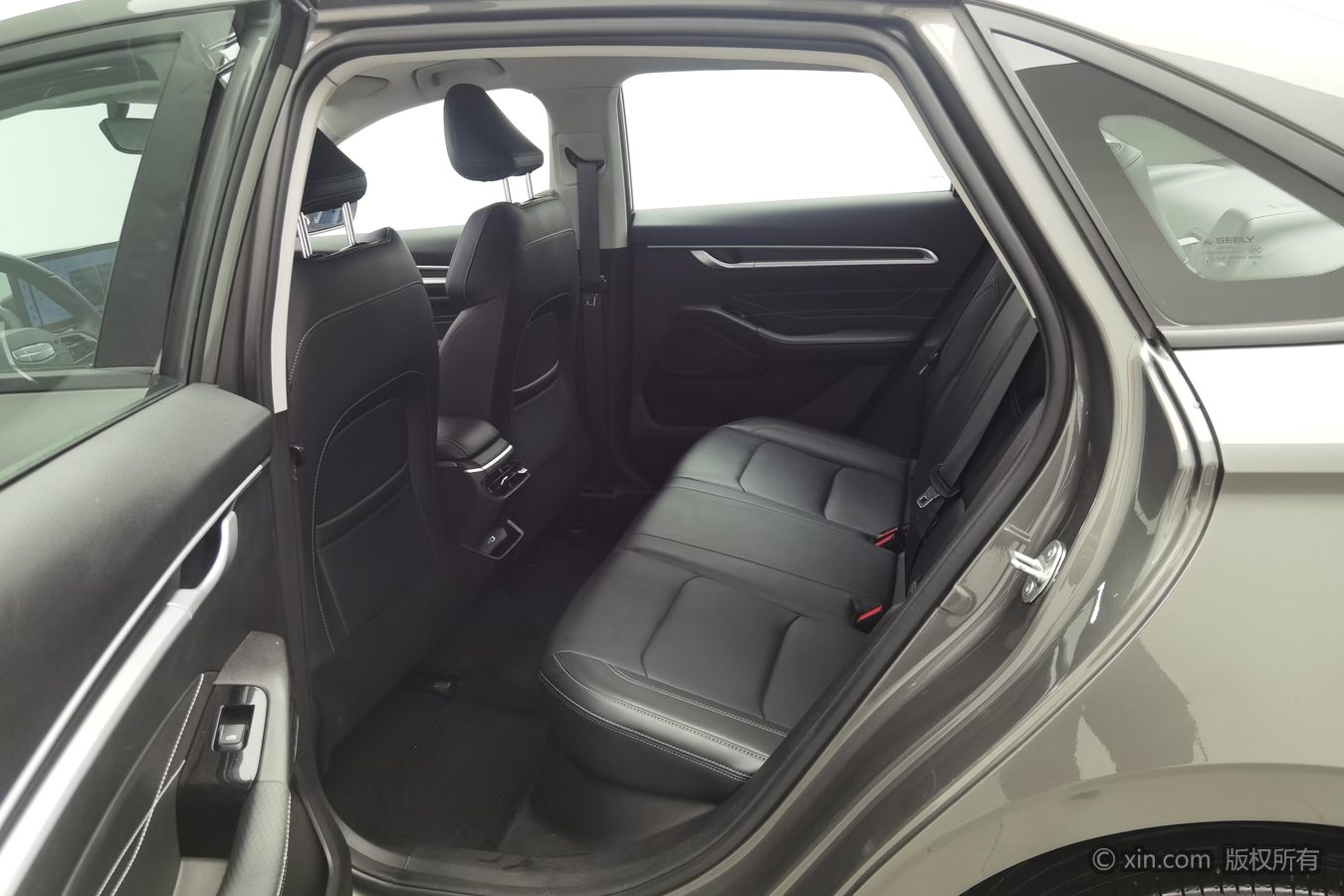
Seats5seats

Condition Description

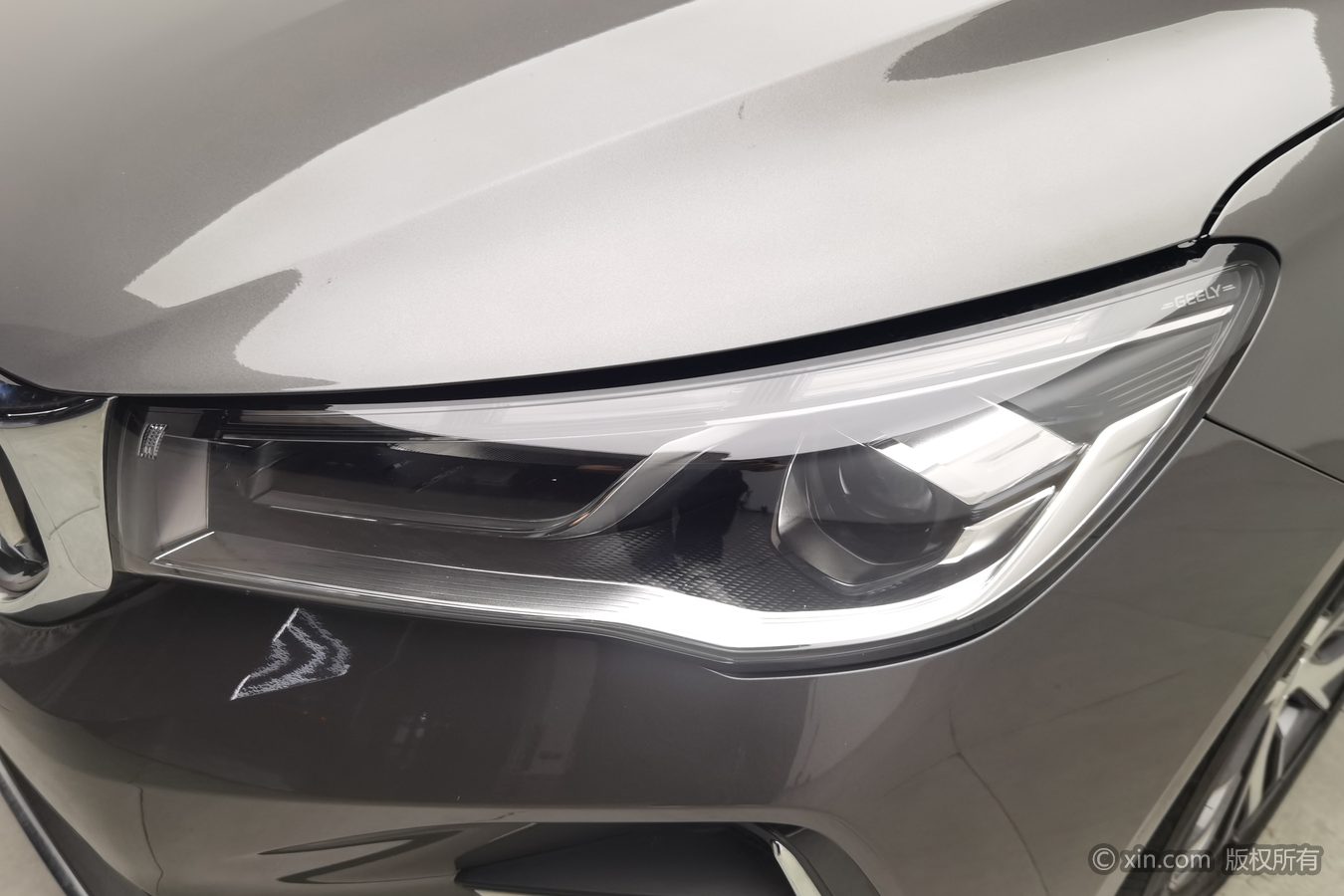
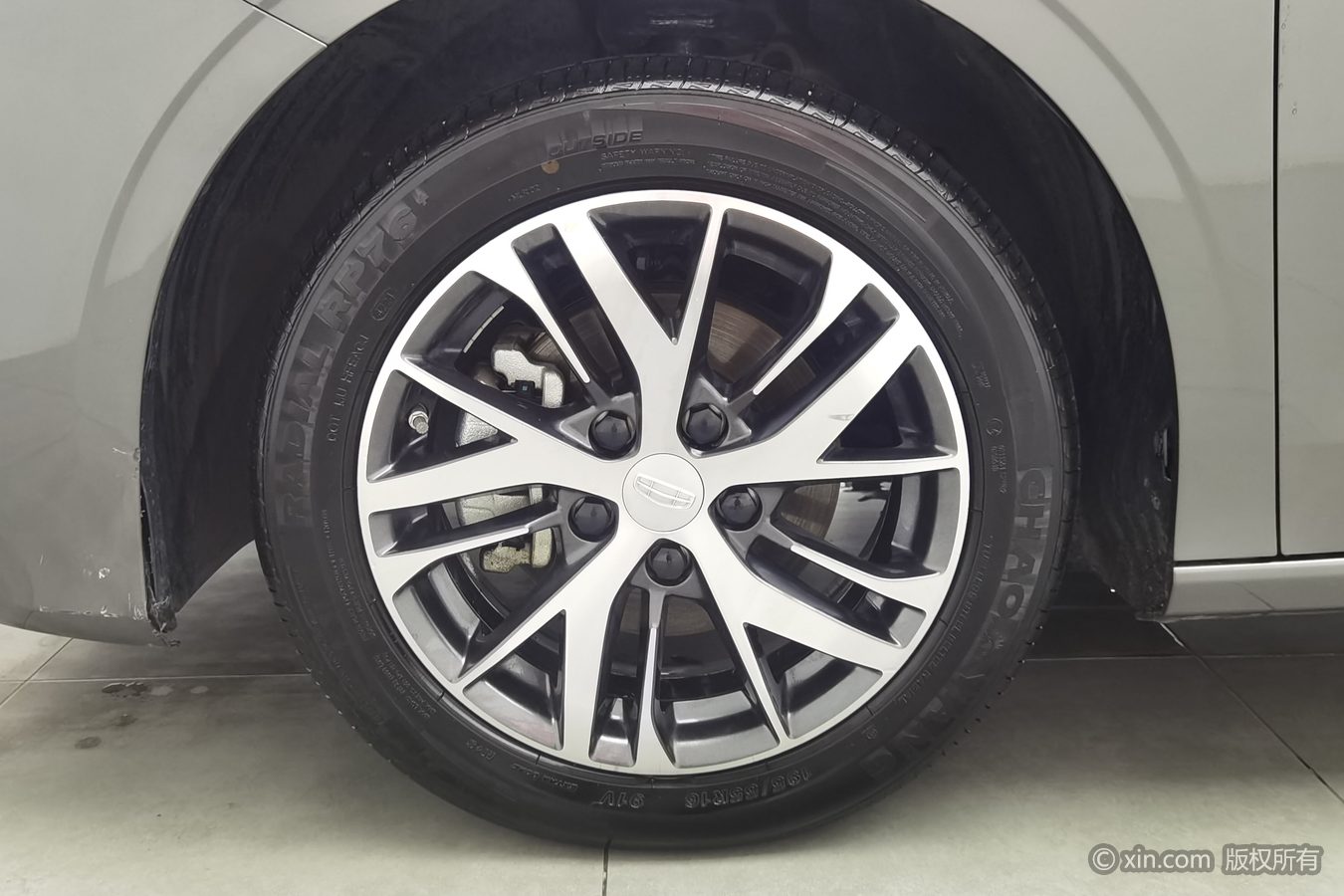
No odometer tampering, no structural damage, no water damage, no fire damage.

Configuration Highlights

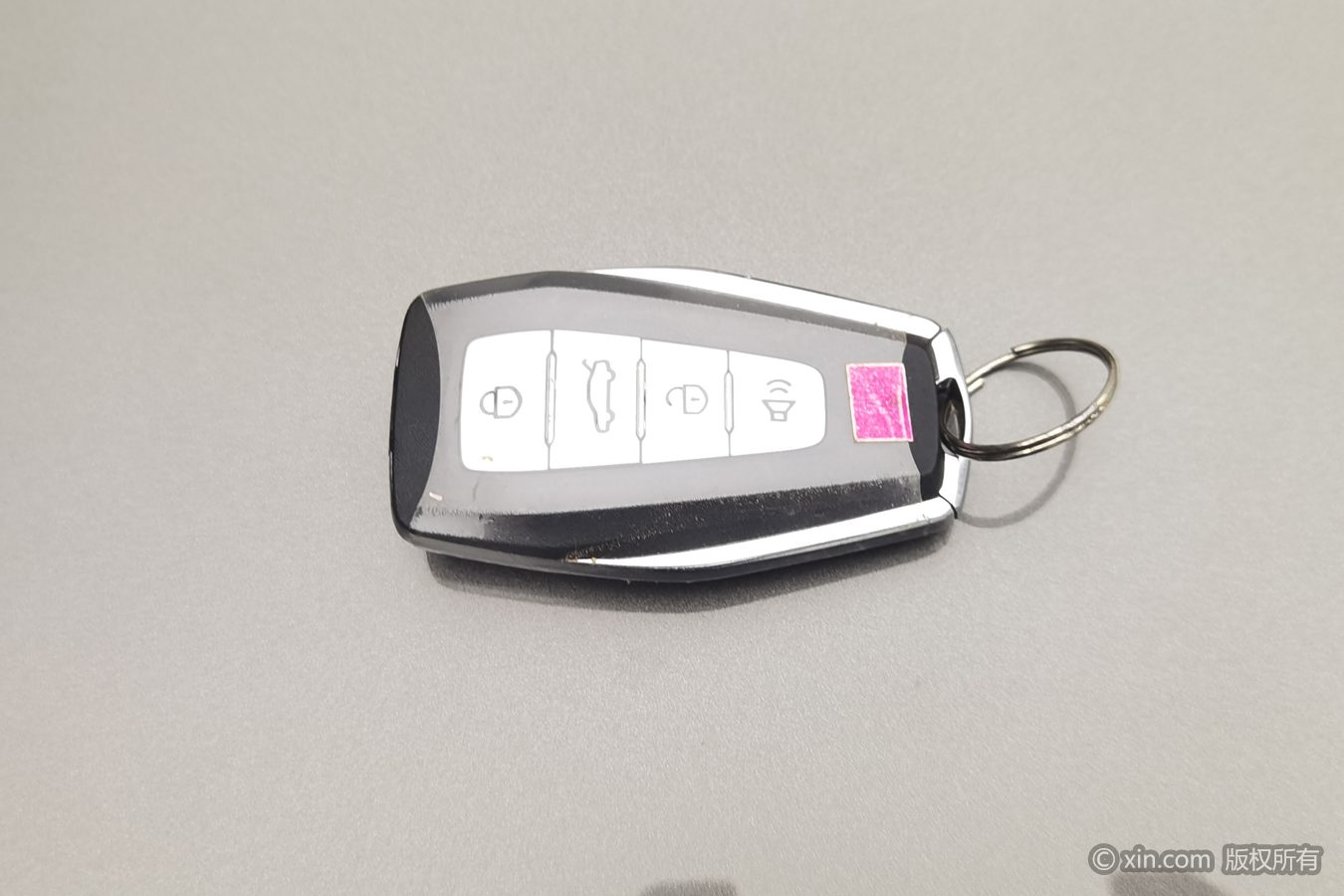
✓Remote Start
✓Auto Hold
✓Tire Pressure Monitoring
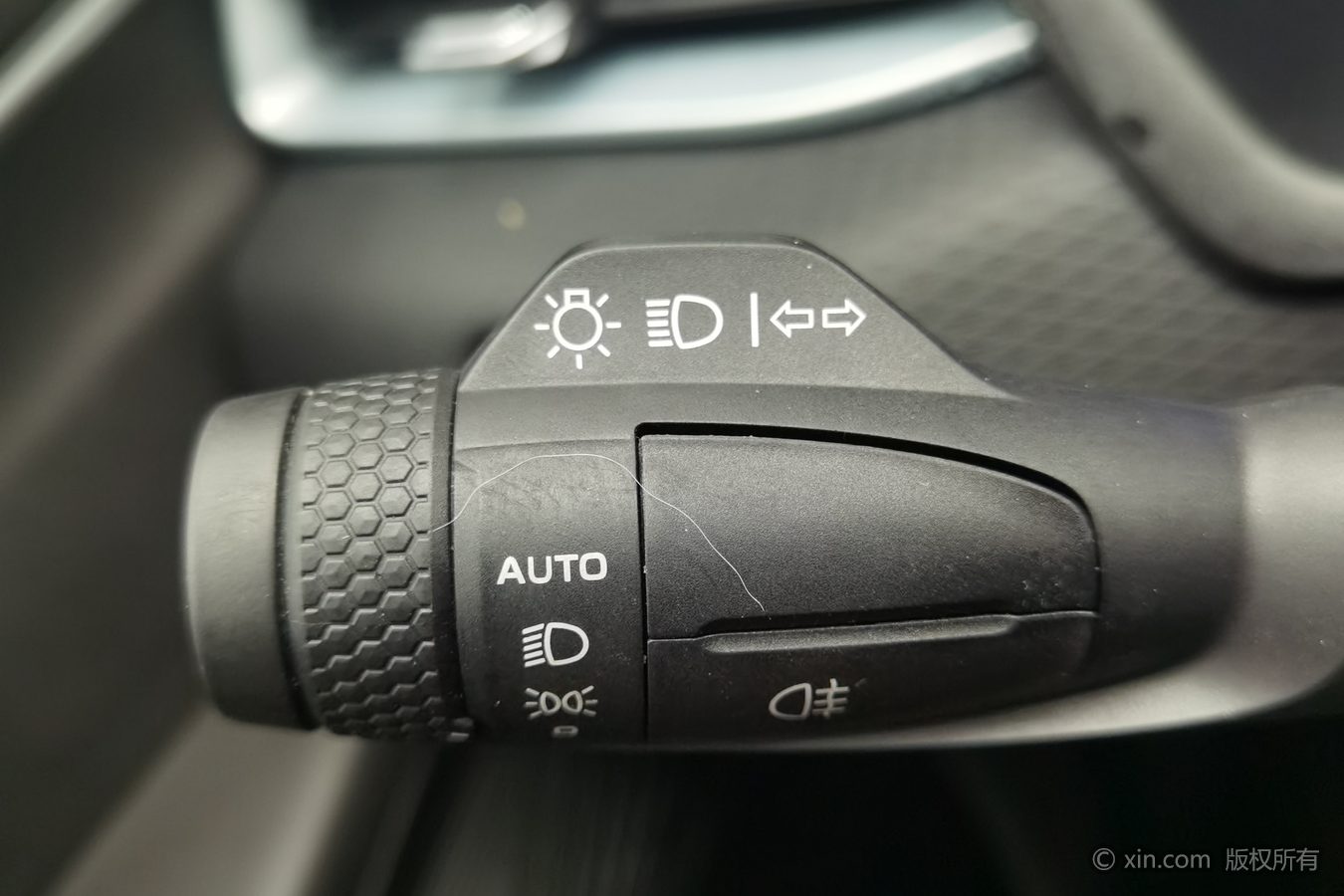
✓Auto Headlights

Document Information

Inspection Expiry Date2027/01
Warranty Expiry Date-
Insurance Expiry Date-

Q&A

More

If a coup occurs in the destination country or if import regulations are suddenly changed, preventing the vehicle from clearing customs, does this count as force majeure?

It completely falls under force majeure. After the delivery is completed (crossing the ship's rail) under FOB or CIF terms, the seller (us) bears no liability for refunds or compensation due to political risks or legal changes in the destination country that hinder customs clearance or lead to confiscation.


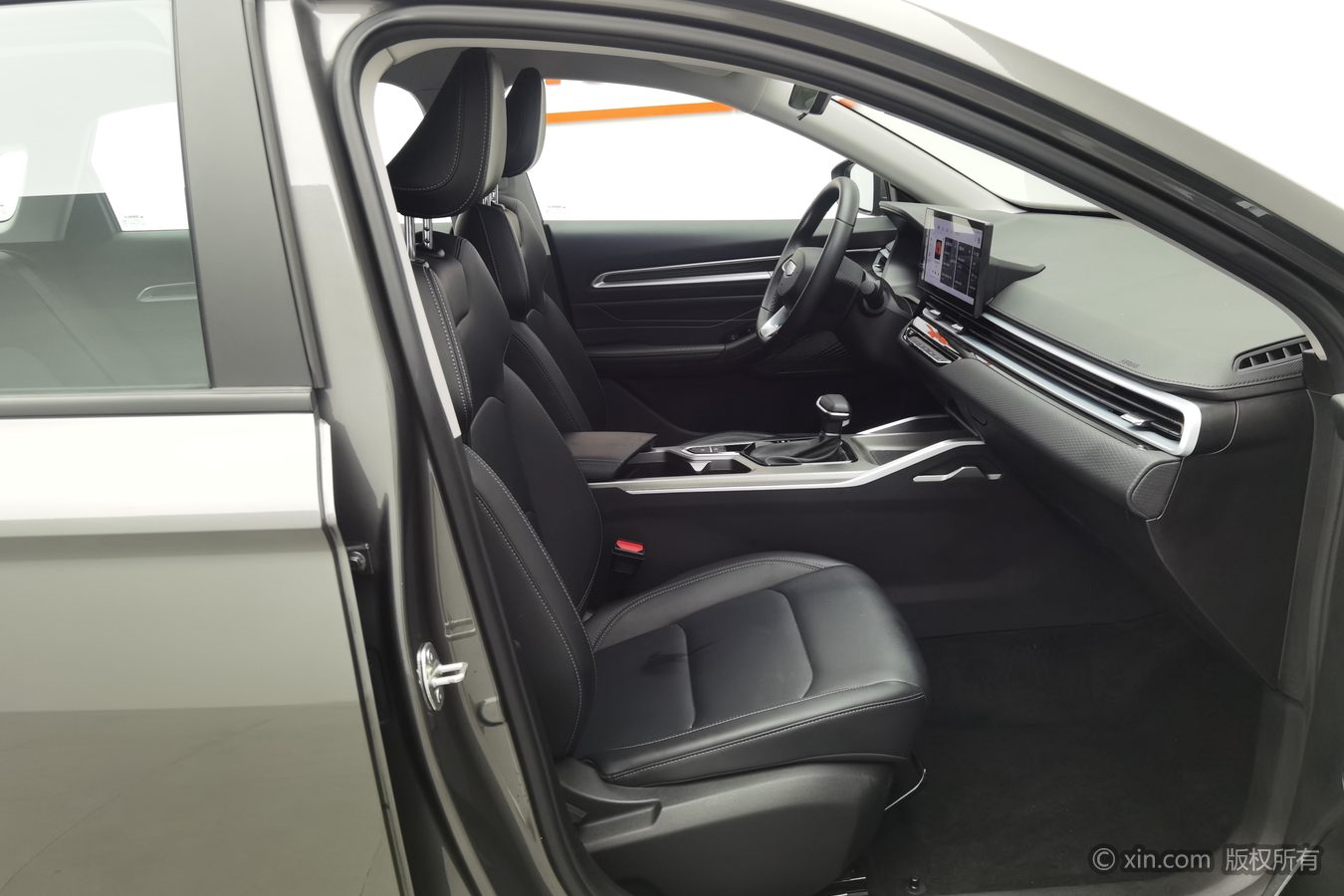
How is the degree of wear on the interior defined? (e.g., steering wheel, seat patina or cracking)

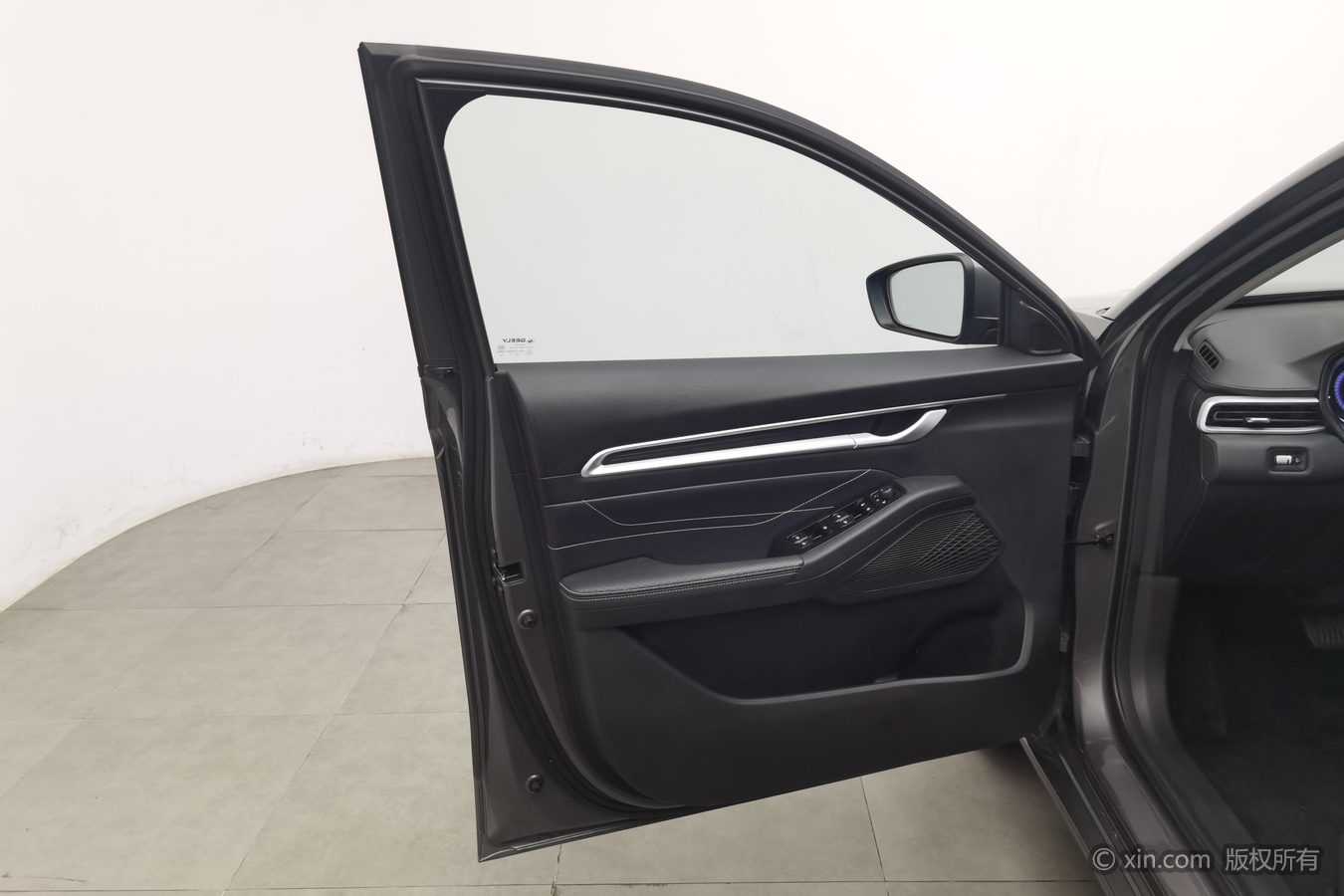
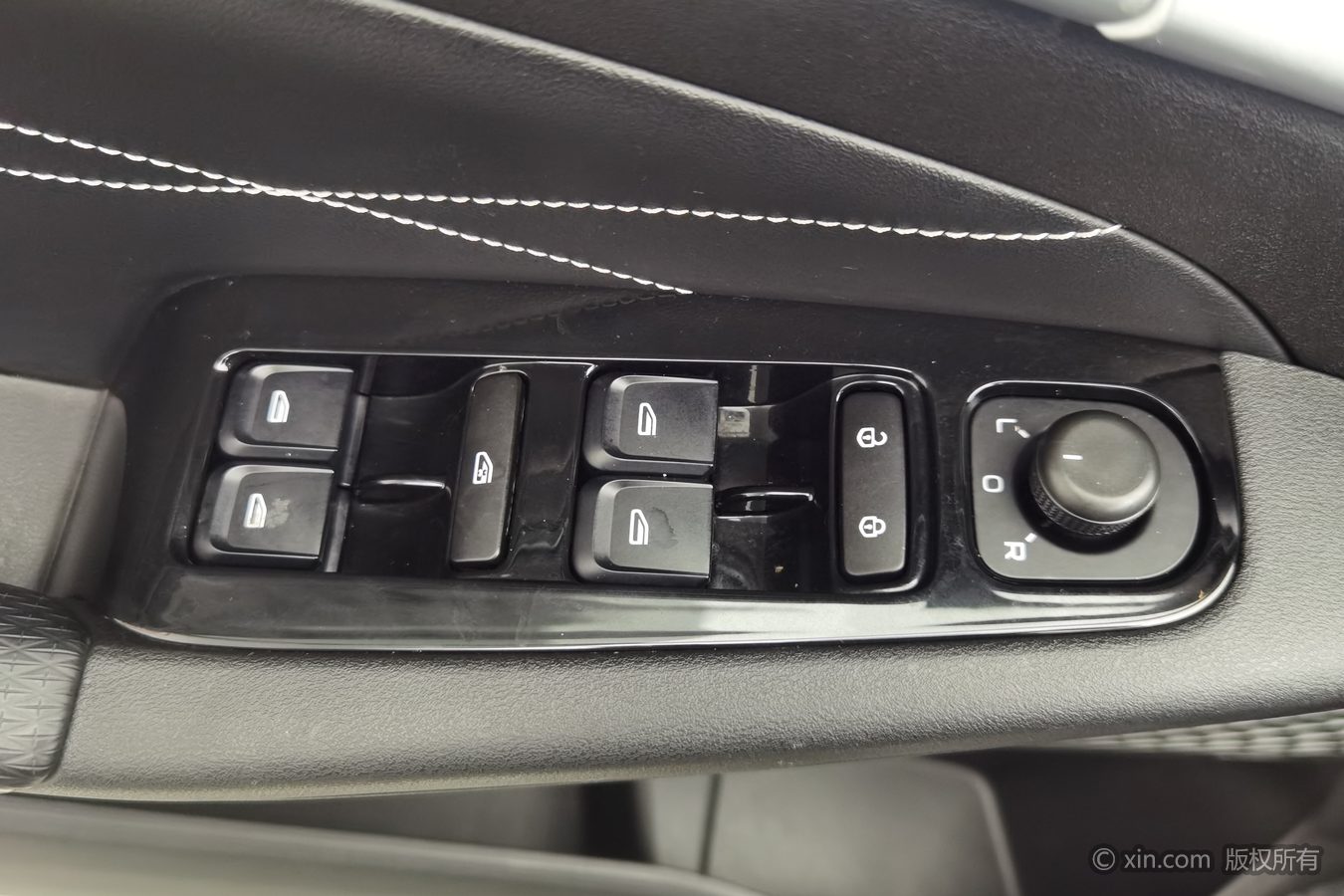
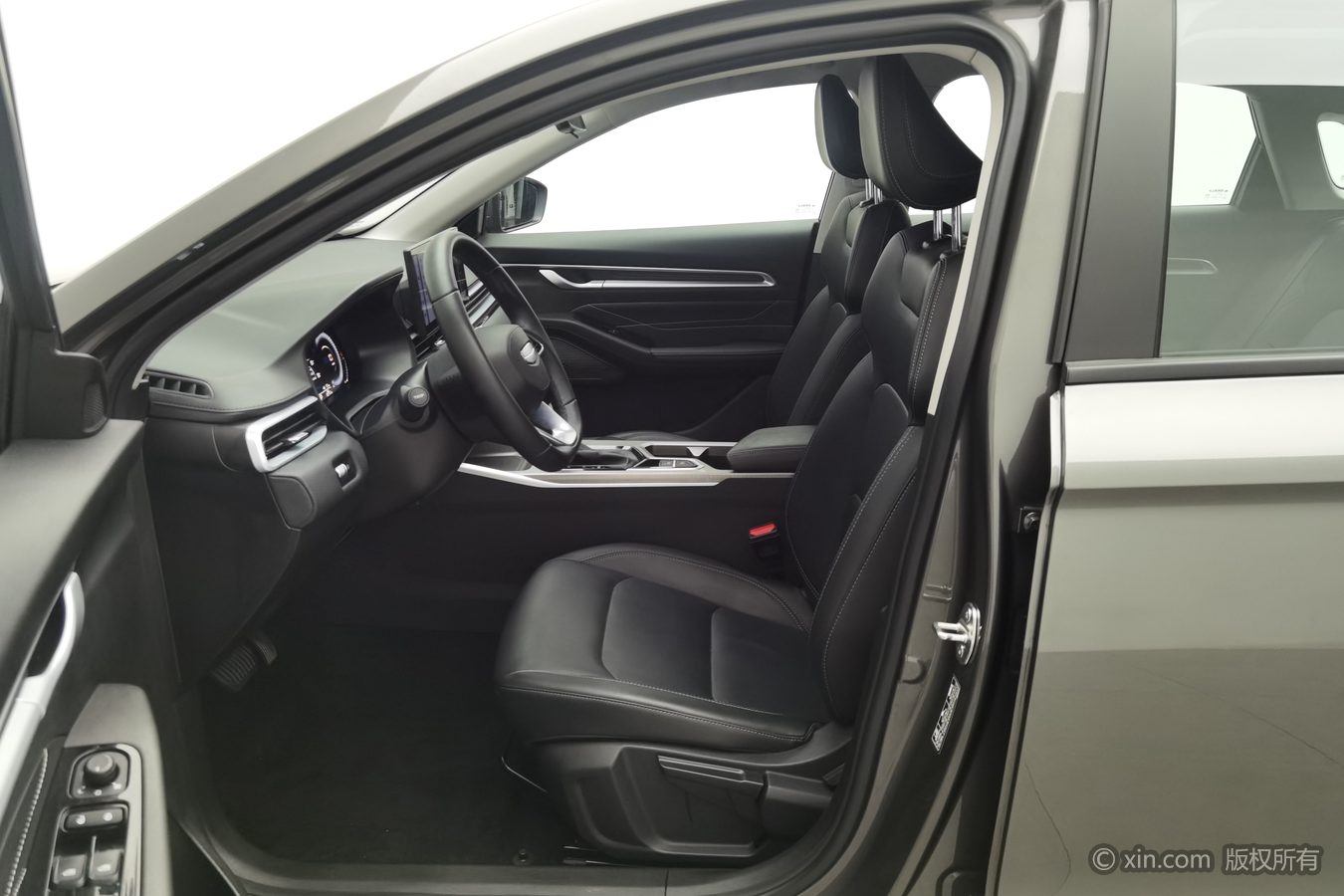
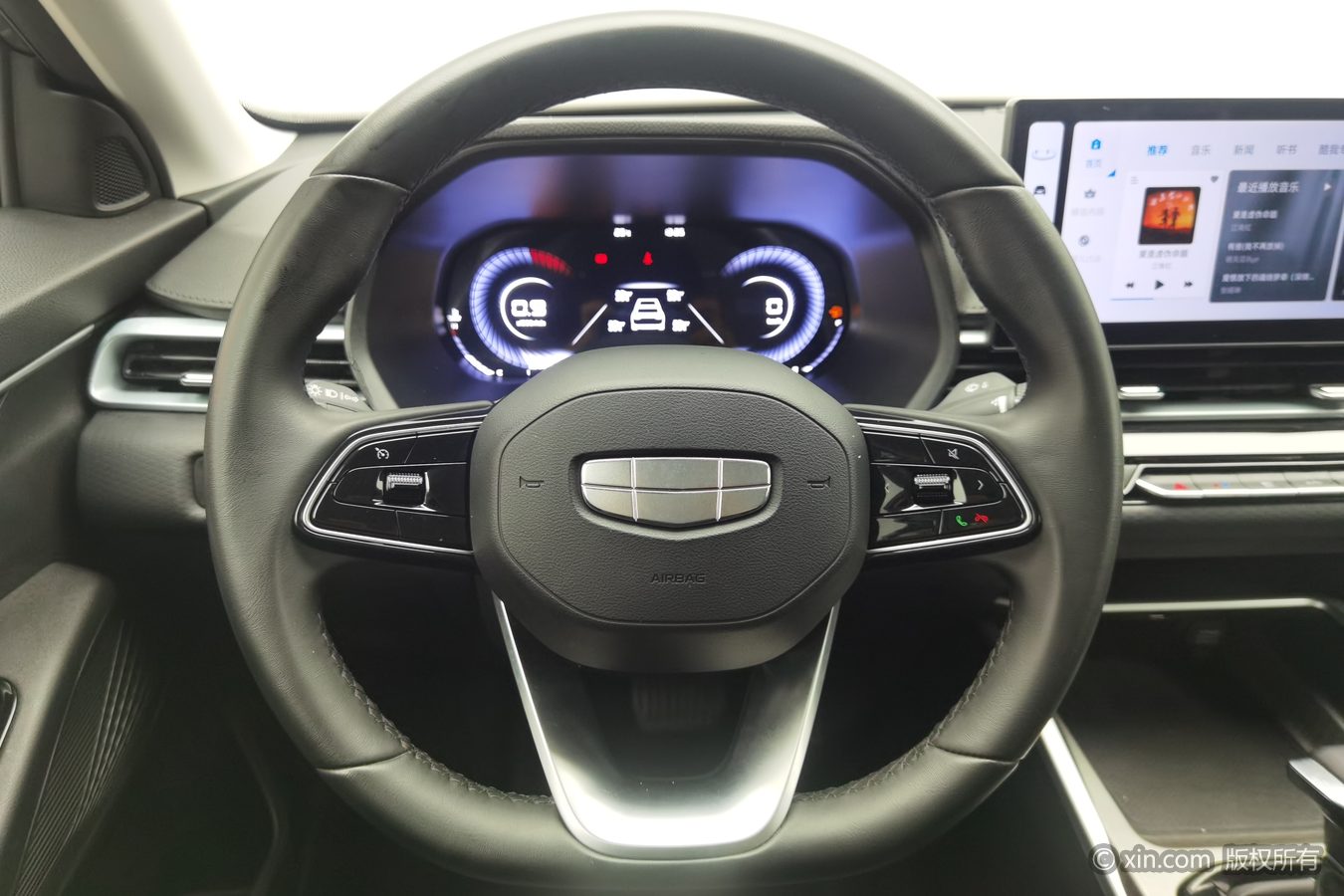
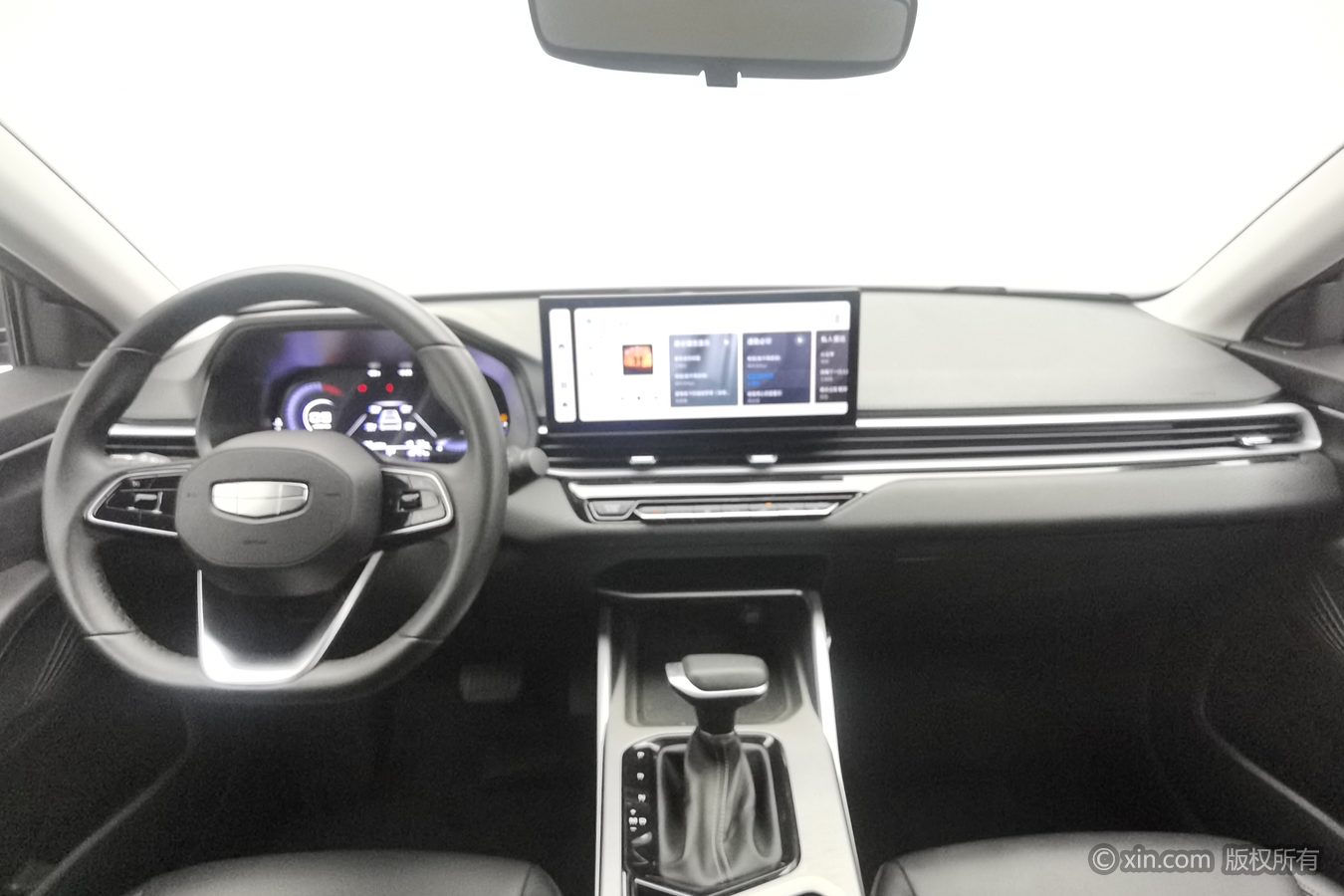
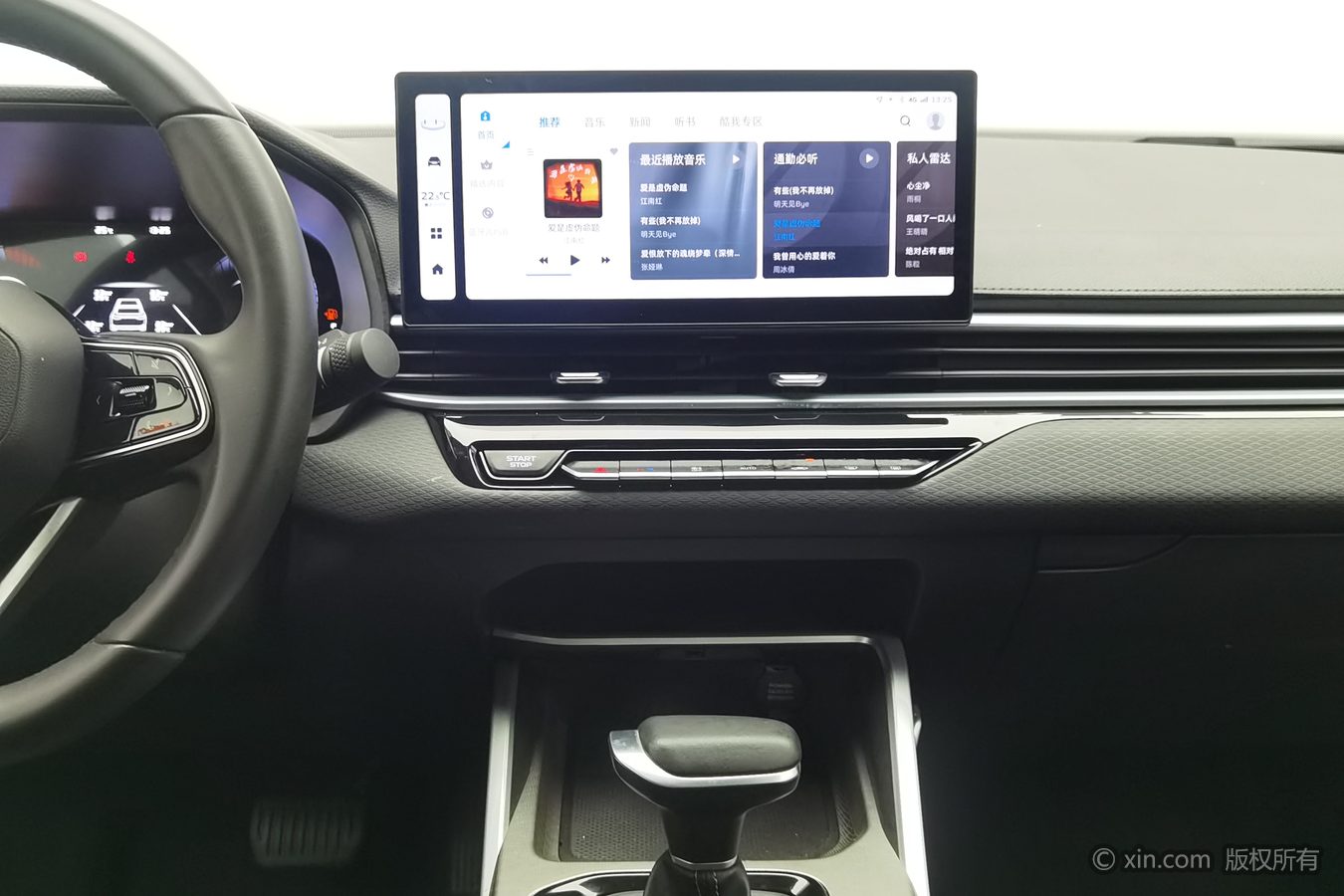
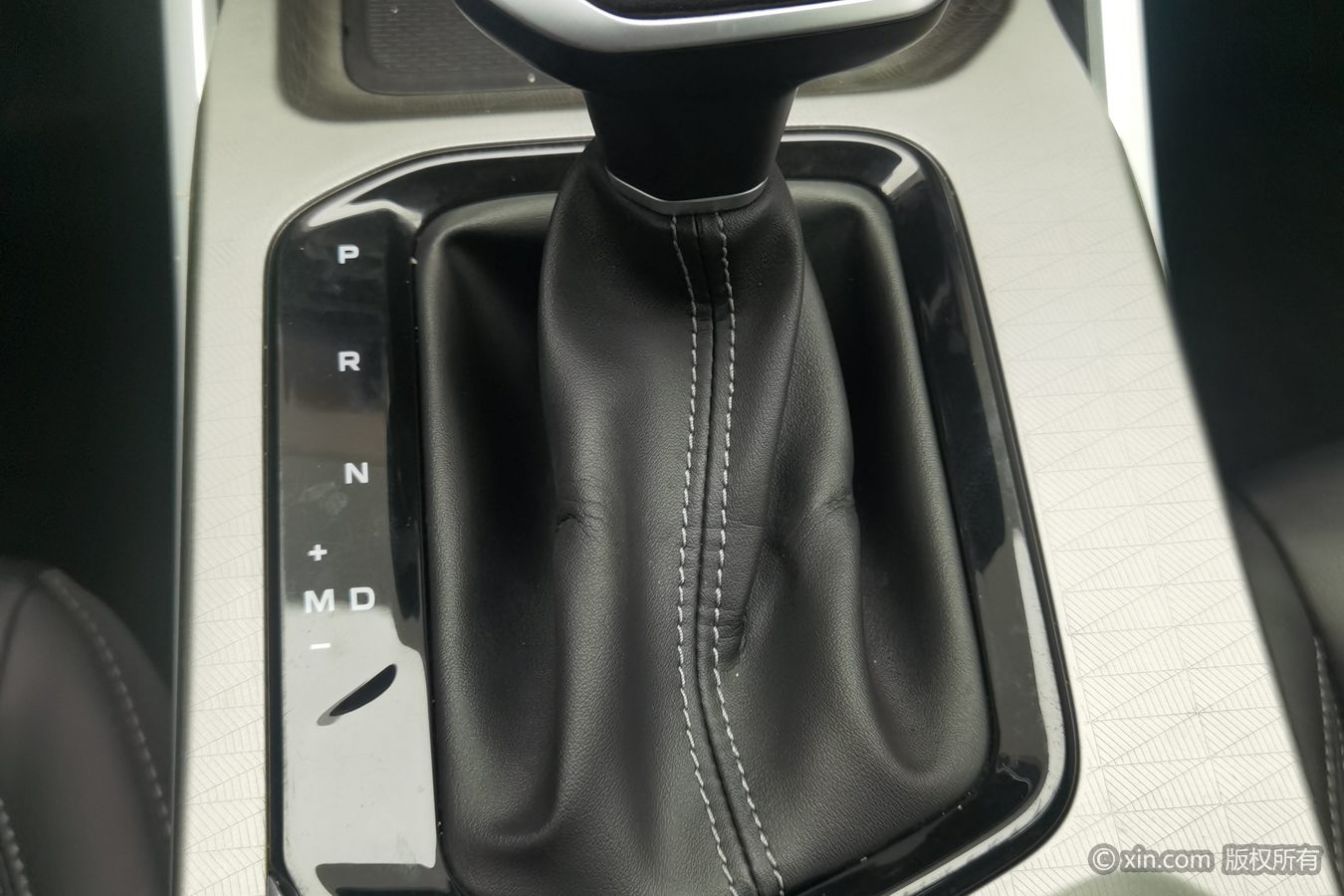
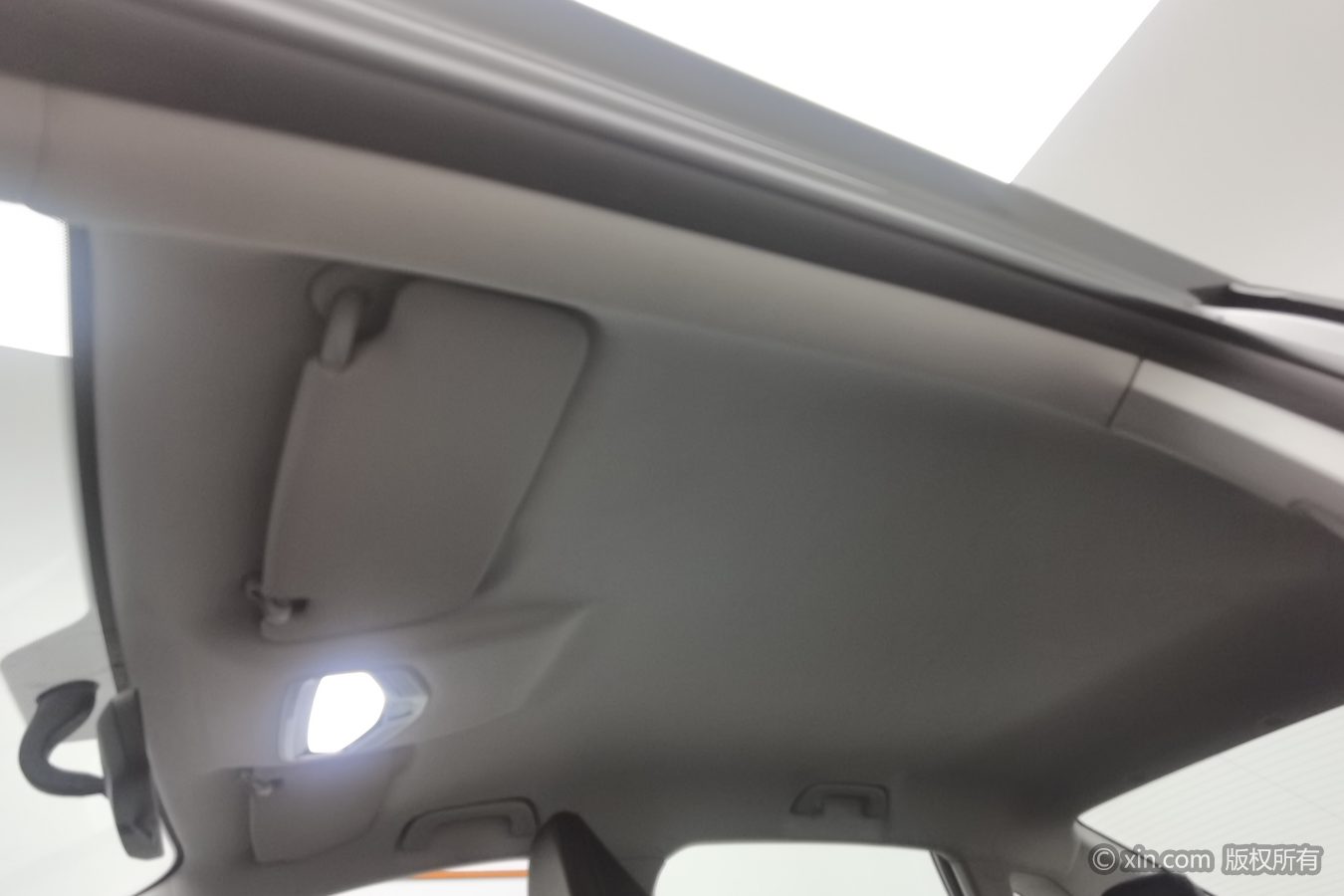
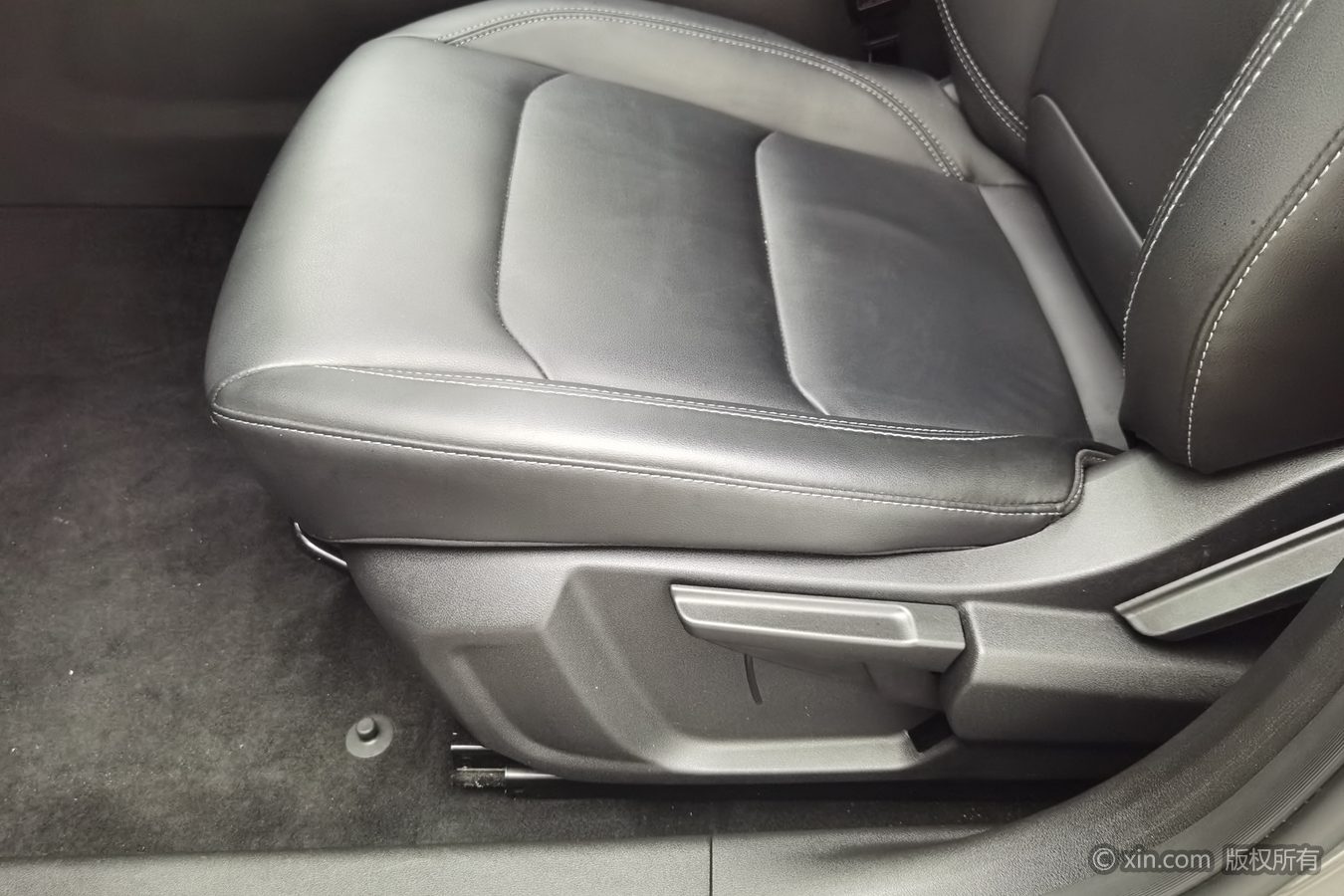
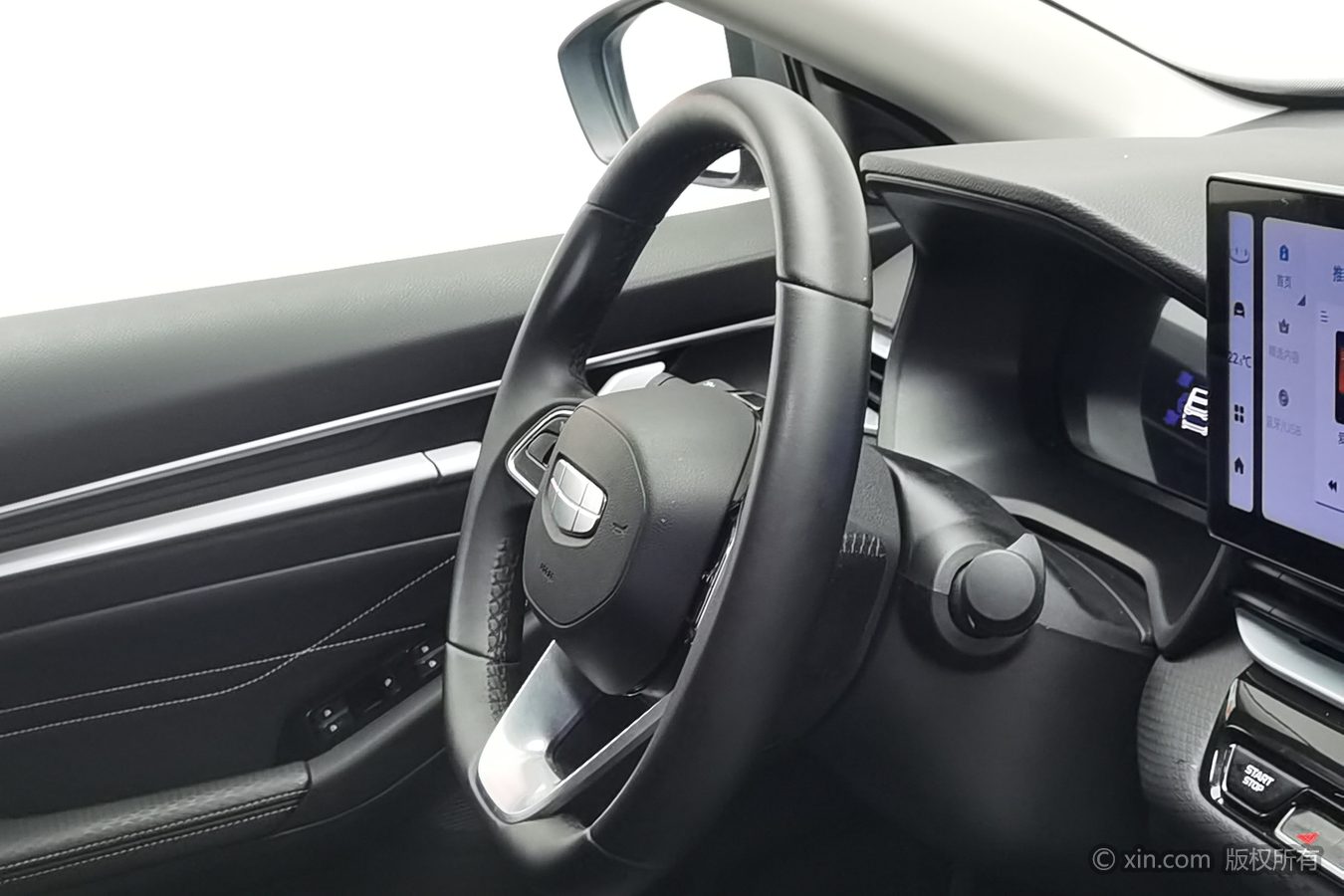
Interior assessment is divided into three core areas: the driver's high-frequency contact area (steering wheel, gear shift, edge of the driver's seat), central control button area, and rear seats and ceiling. The natural sheen of leather surfaces (patina) is normal; however, any physical damage (such as leather tearing, fabric burn holes, or plastic breakage) will be classified as "structural interior damage" and clearly marked.

What's the difference between RoRo and container shipping when importing a used car from China?

RoRo (roll-on/roll-off) means your car is driven onto the vessel and secured on an open deck. It's usually the cheapest option and has frequent sailings from Chinese ports like Shanghai and Guangzhou. The downside: the car is exposed to sea air and handling, and you typically can't load spare parts inside the car. Container shipping puts the car in a 20ft or 40ft container. It costs more per car (a 40ft can fit 2-4 cars if you share with other buyers), but the car is sealed and protected, and you can pack spare parts, tools, or personal items inside. Container is the better choice for high-value cars, EVs with sensitive electronics, or harsh-route destinations. Practical tips: RoRo requires the car to be drivable and the battery disconnected per shipping rules; EVs often must ship at low state of charge. Either way, photograph the car at the port of loading and buy marine insurance. Transit time difference between the two modes is usually small - port congestion matters more than the mode itself.