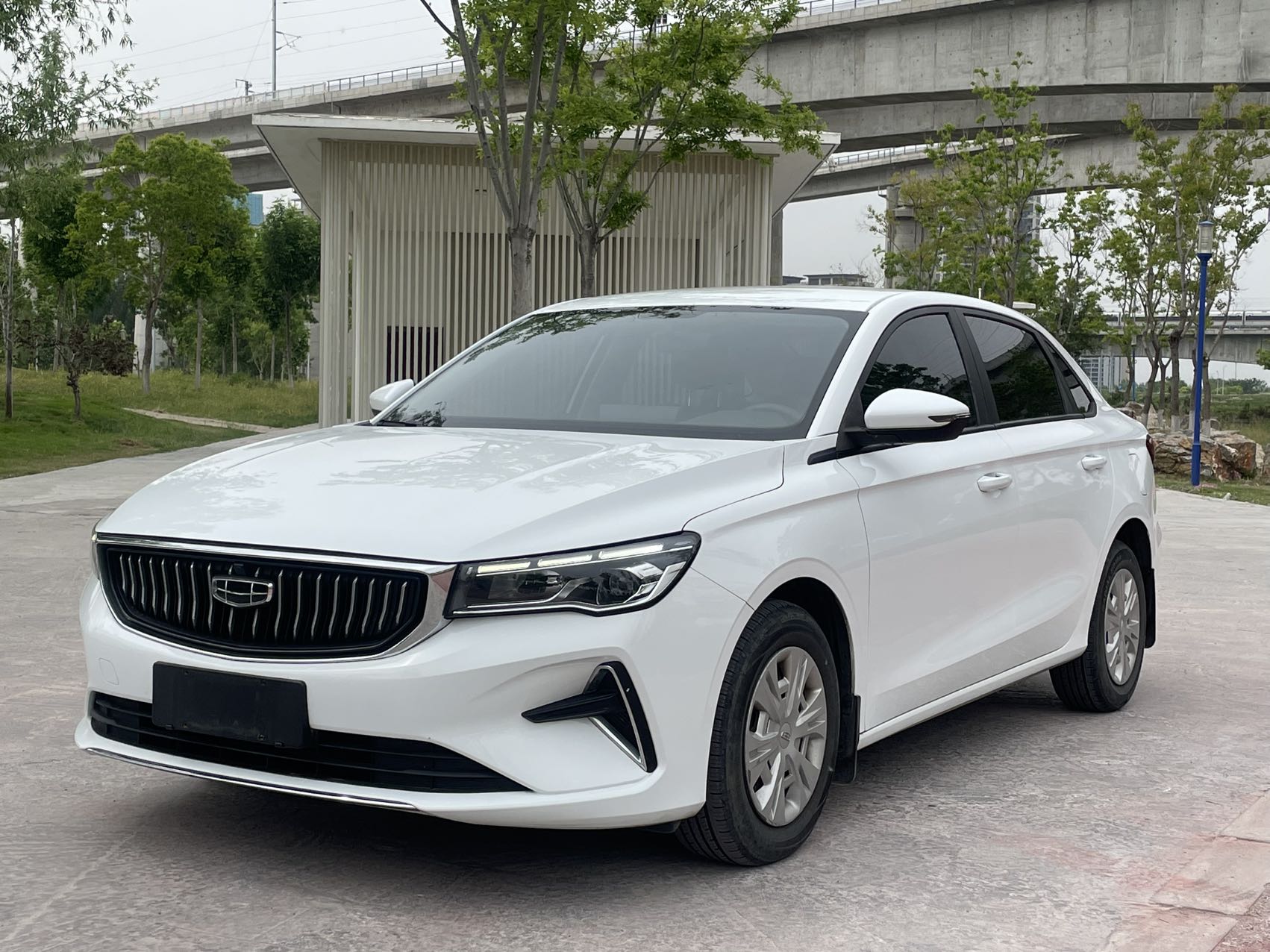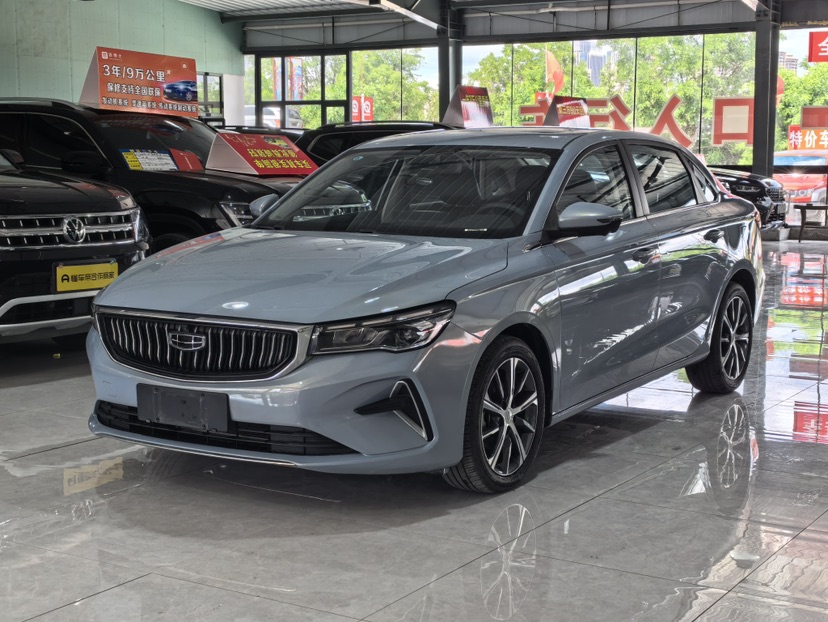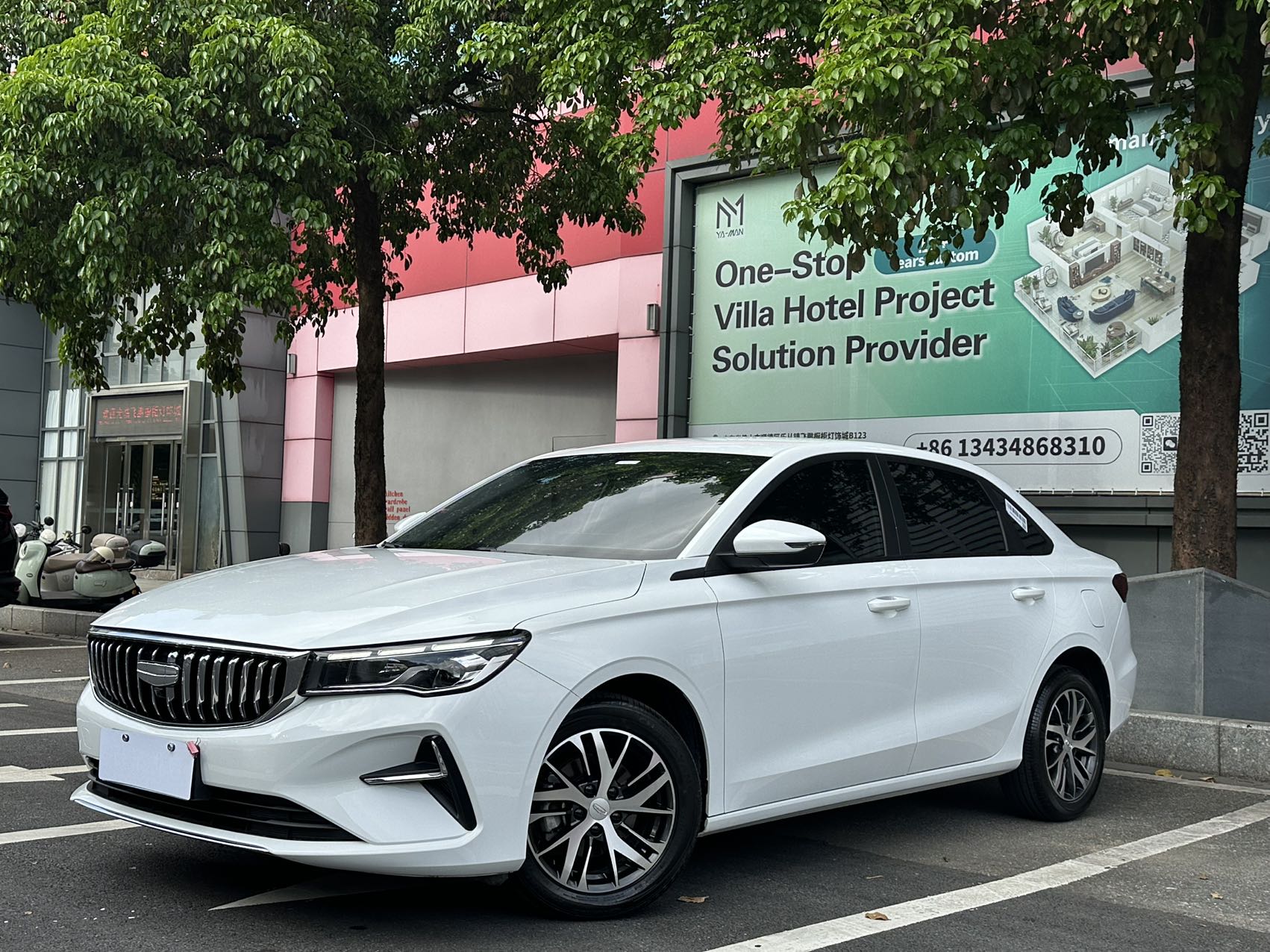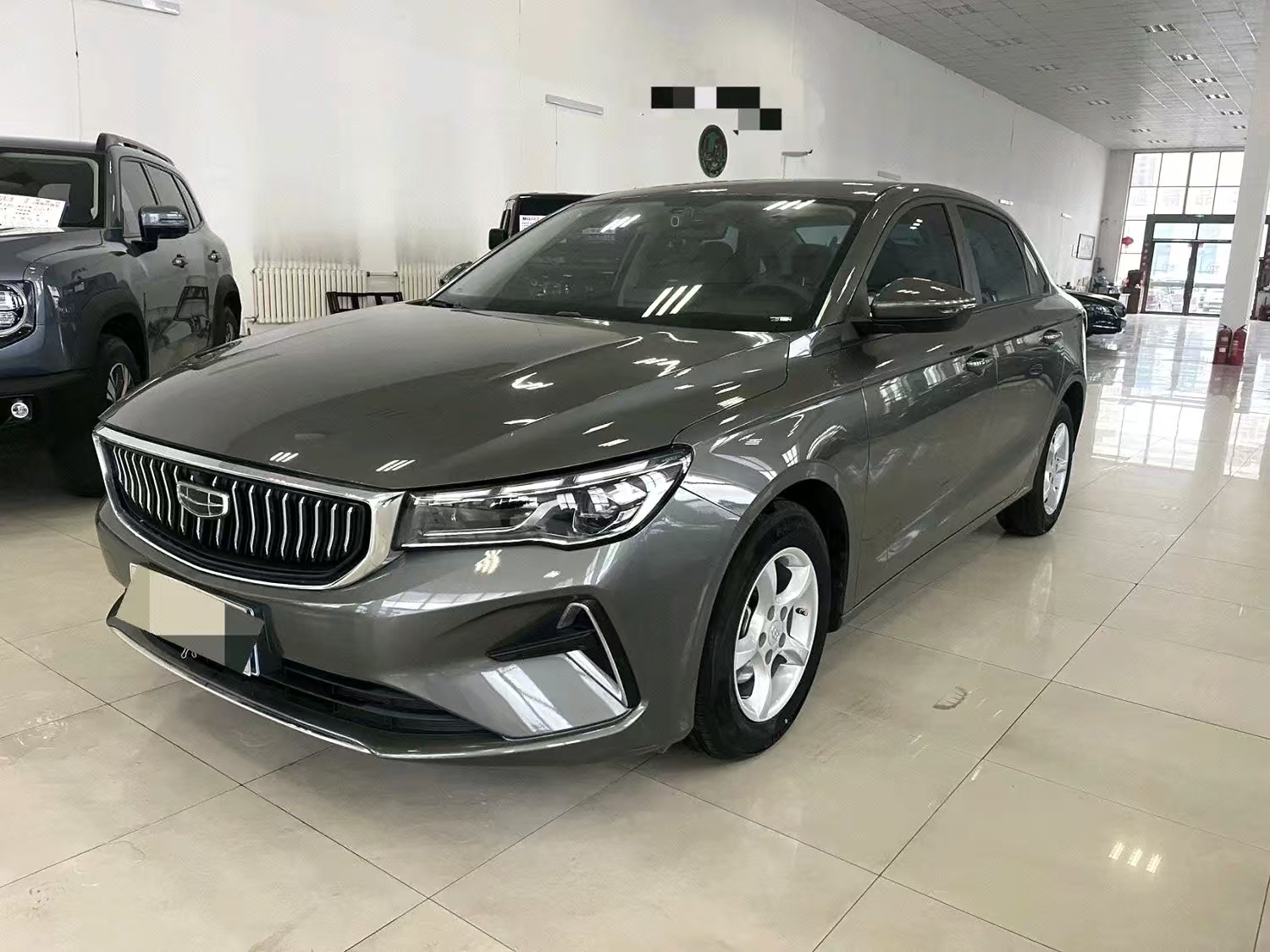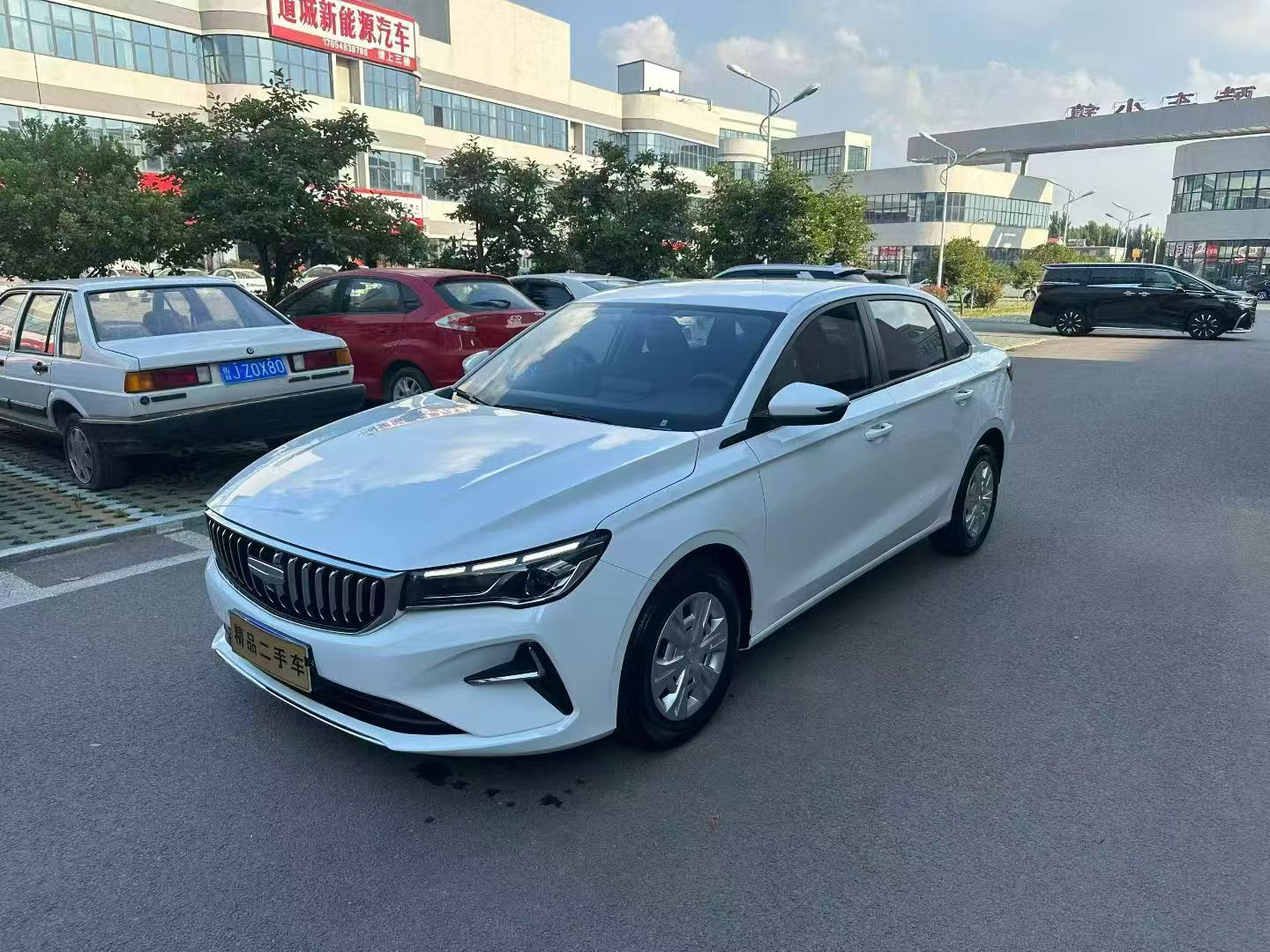
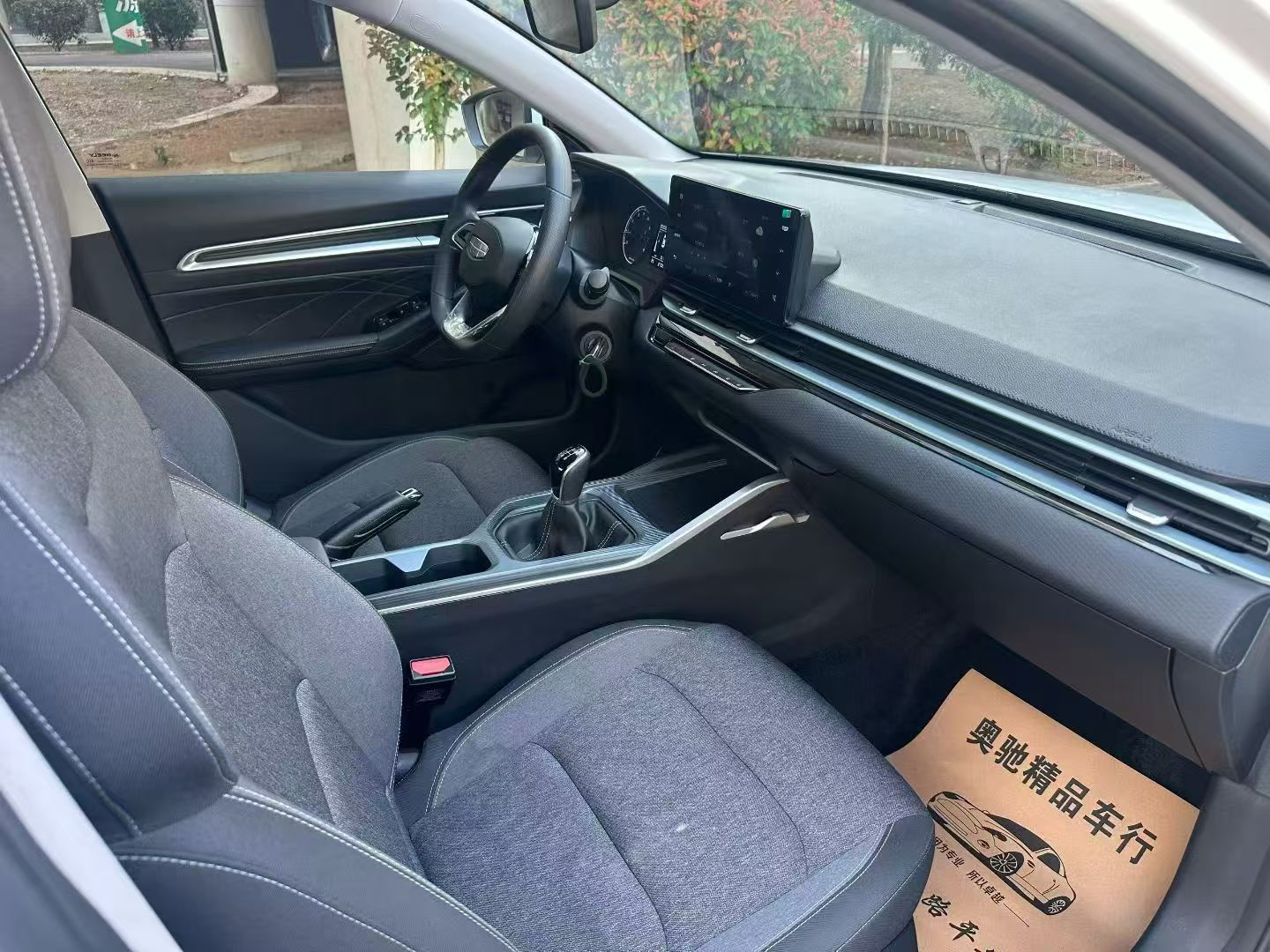
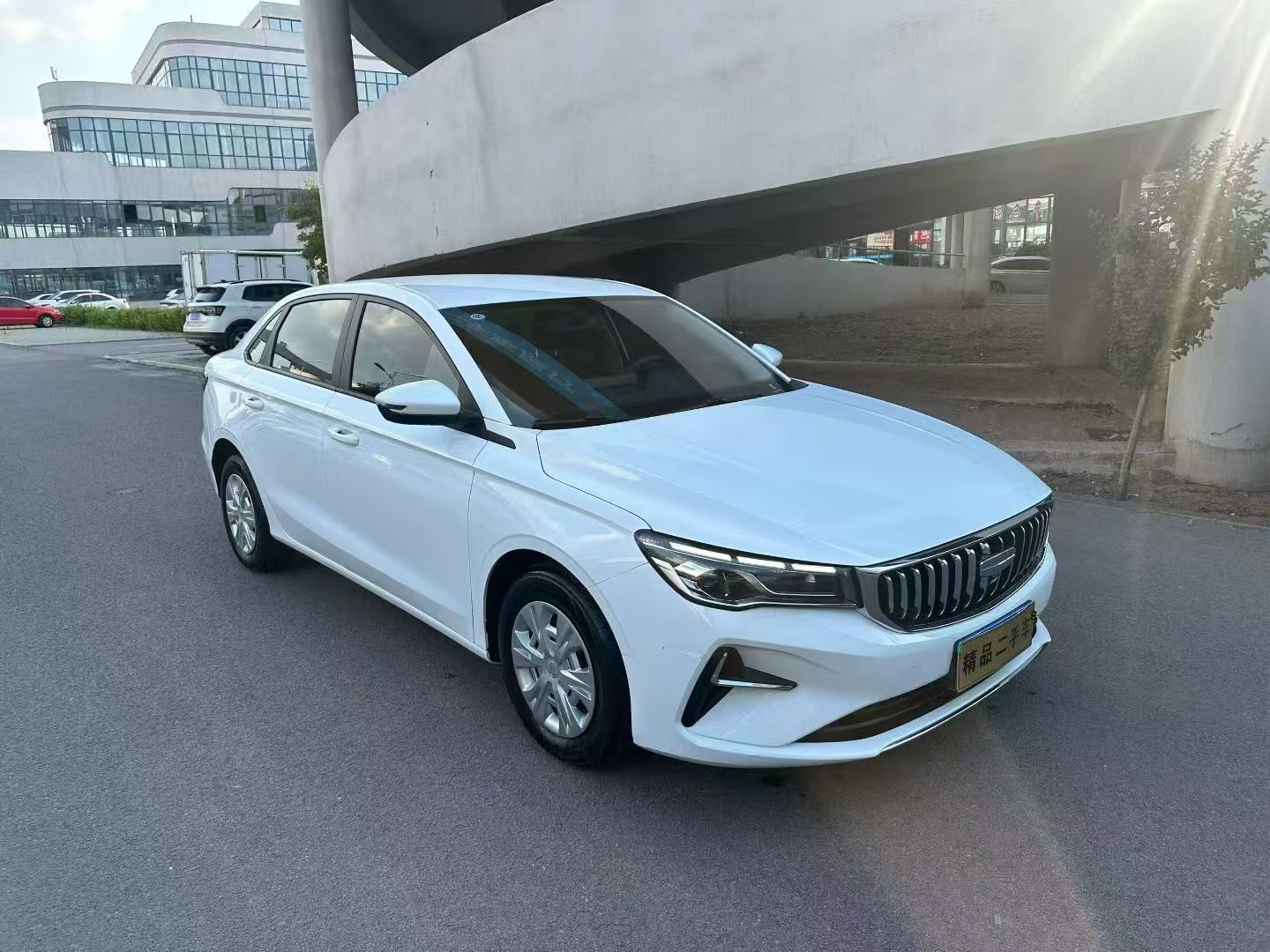
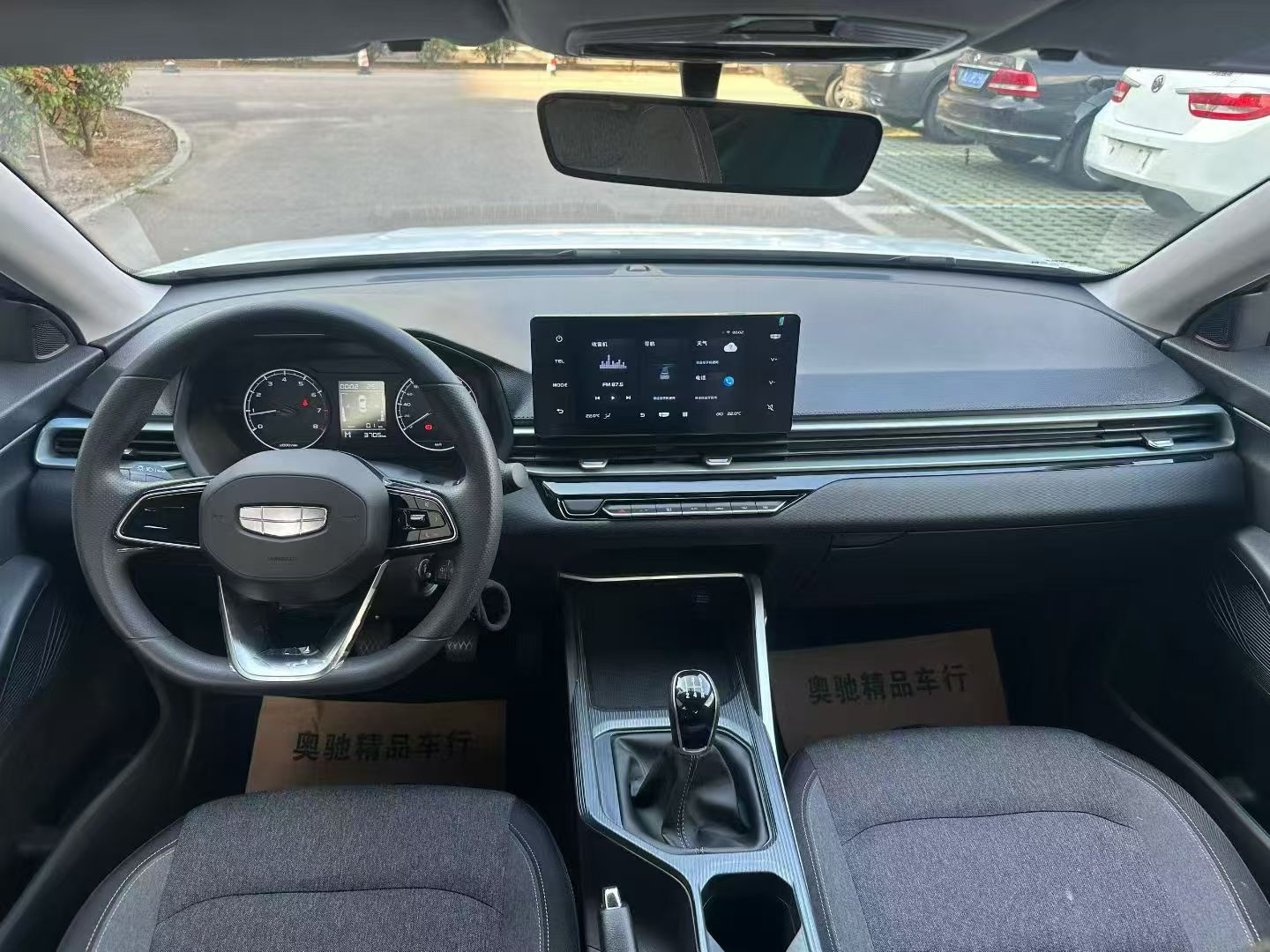



Stock

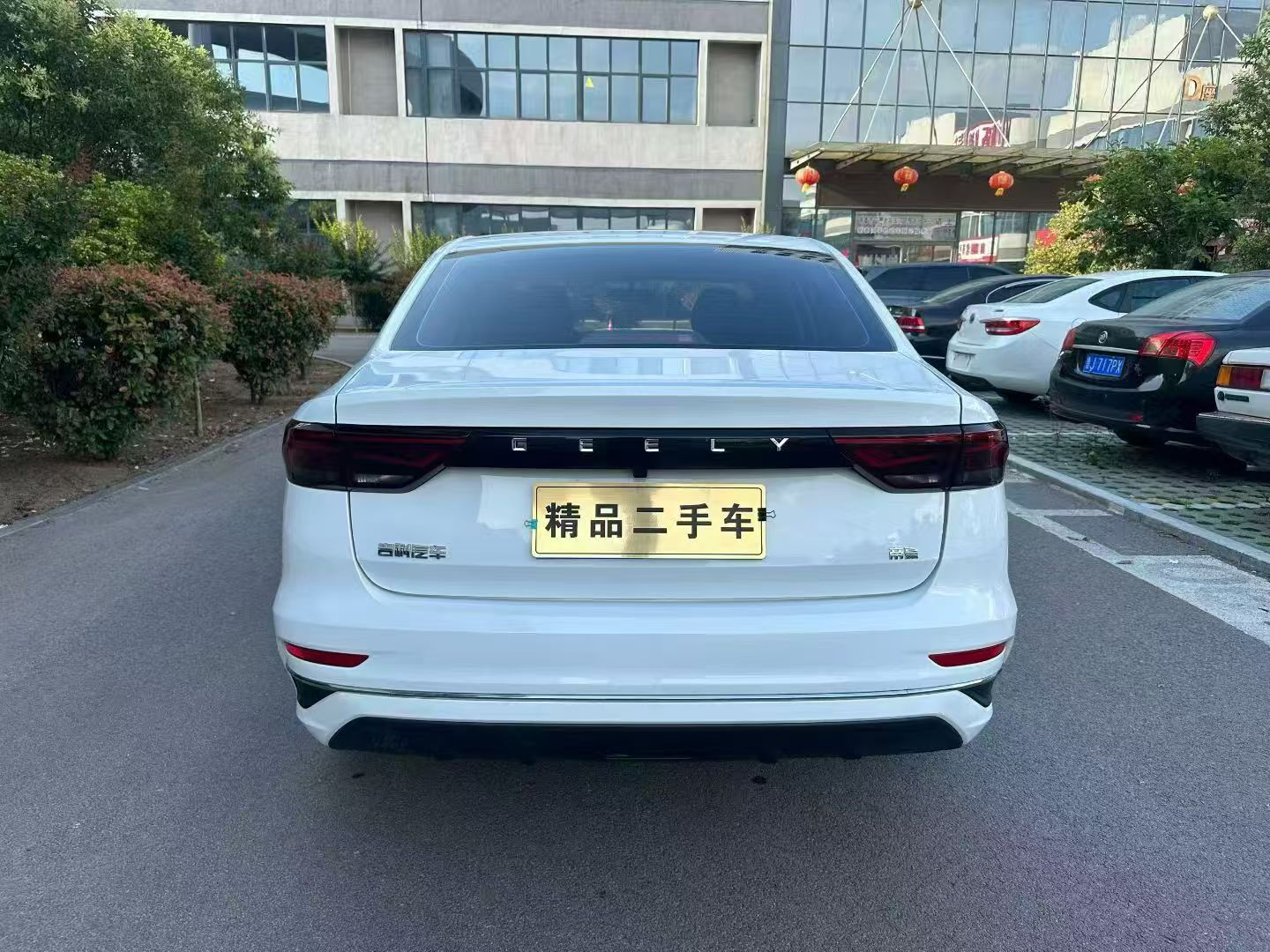
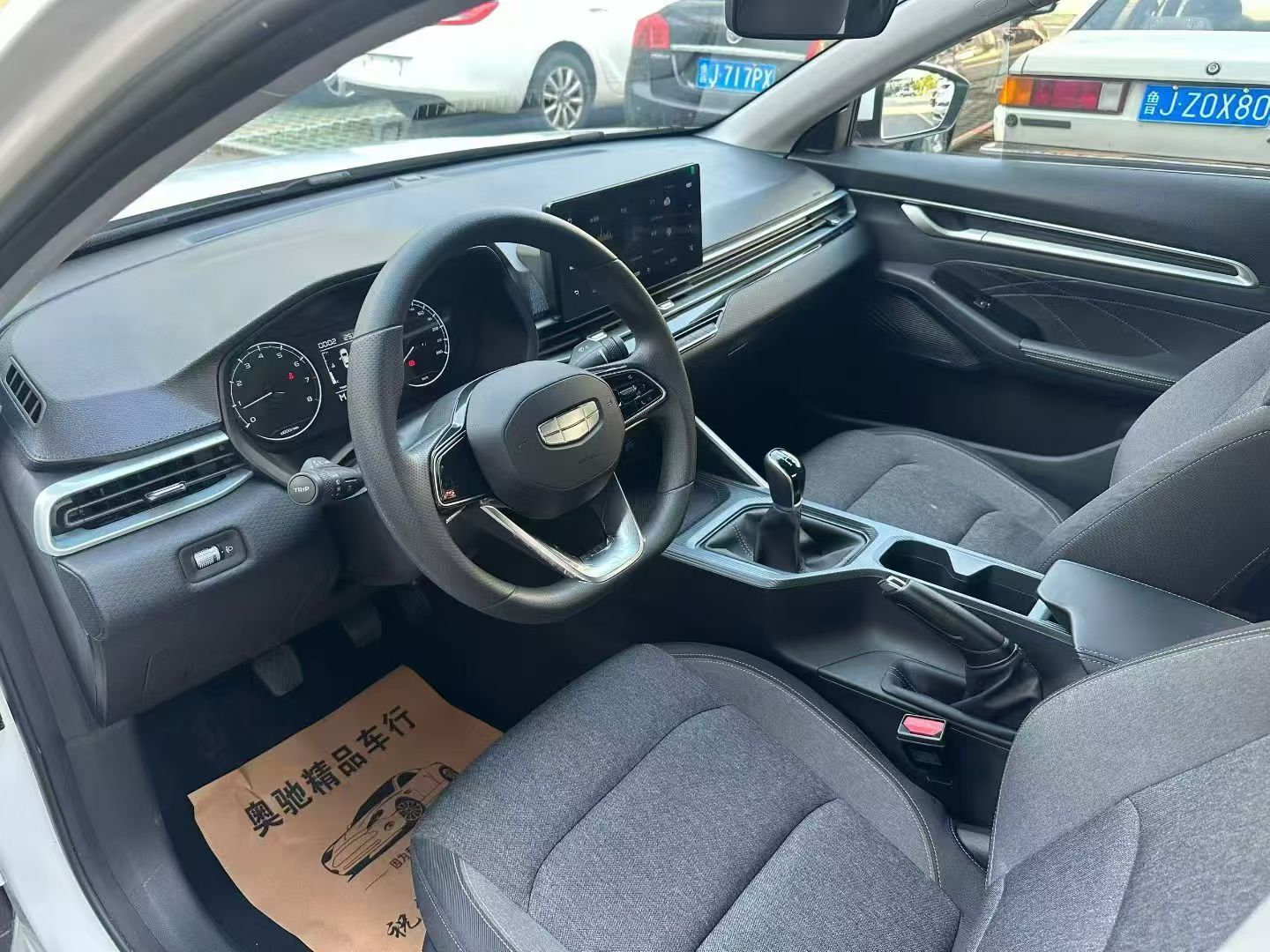
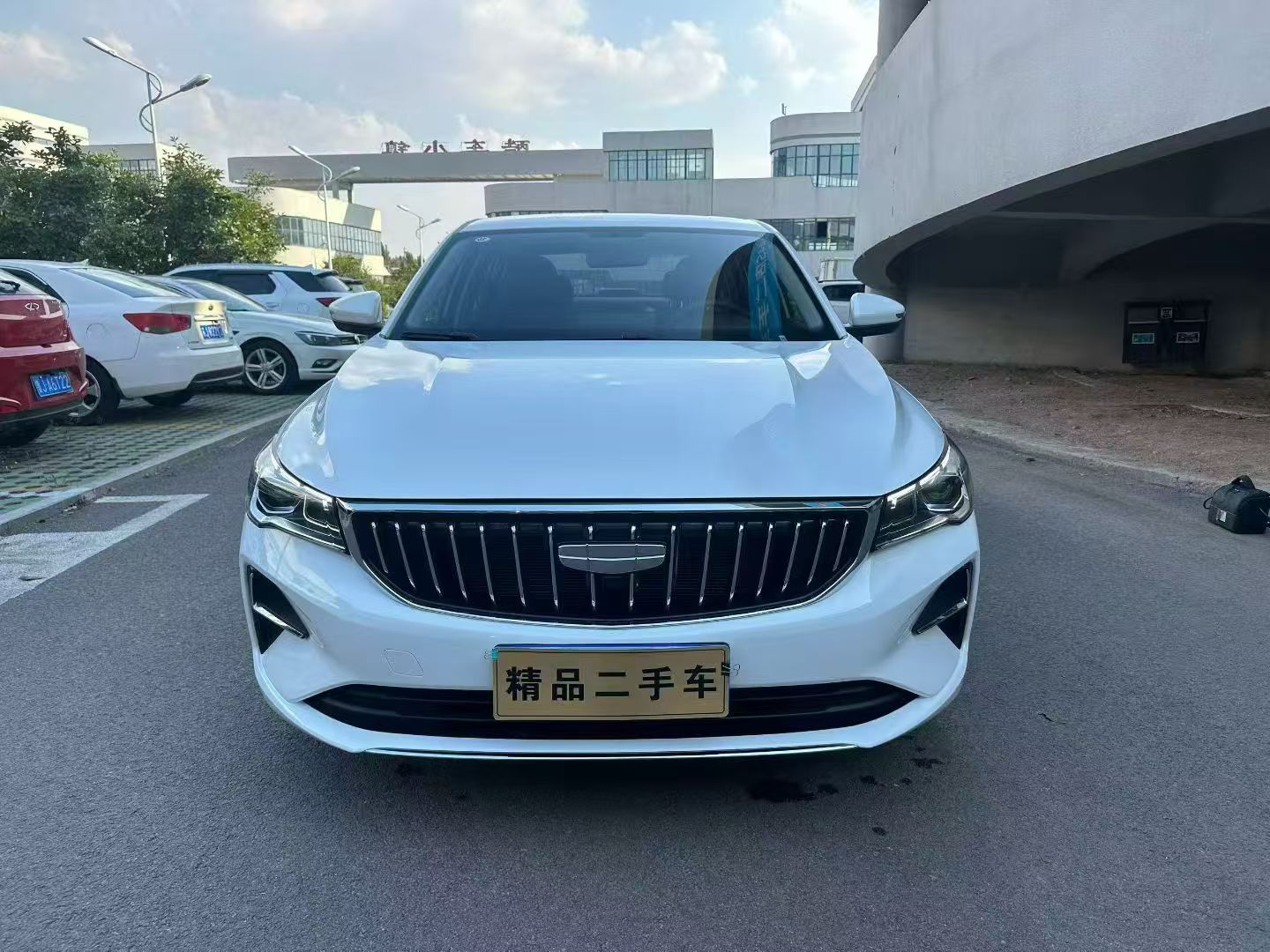
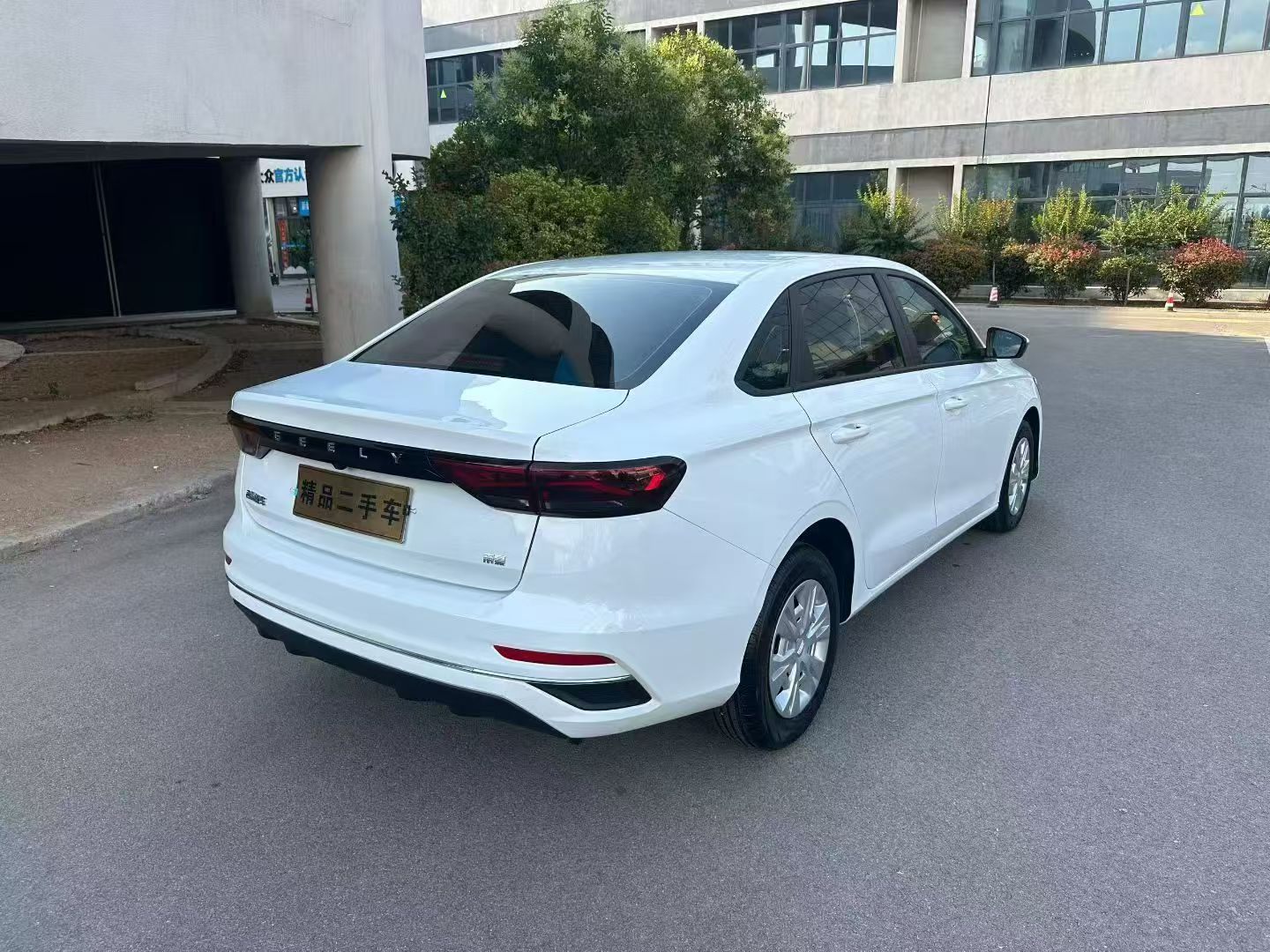
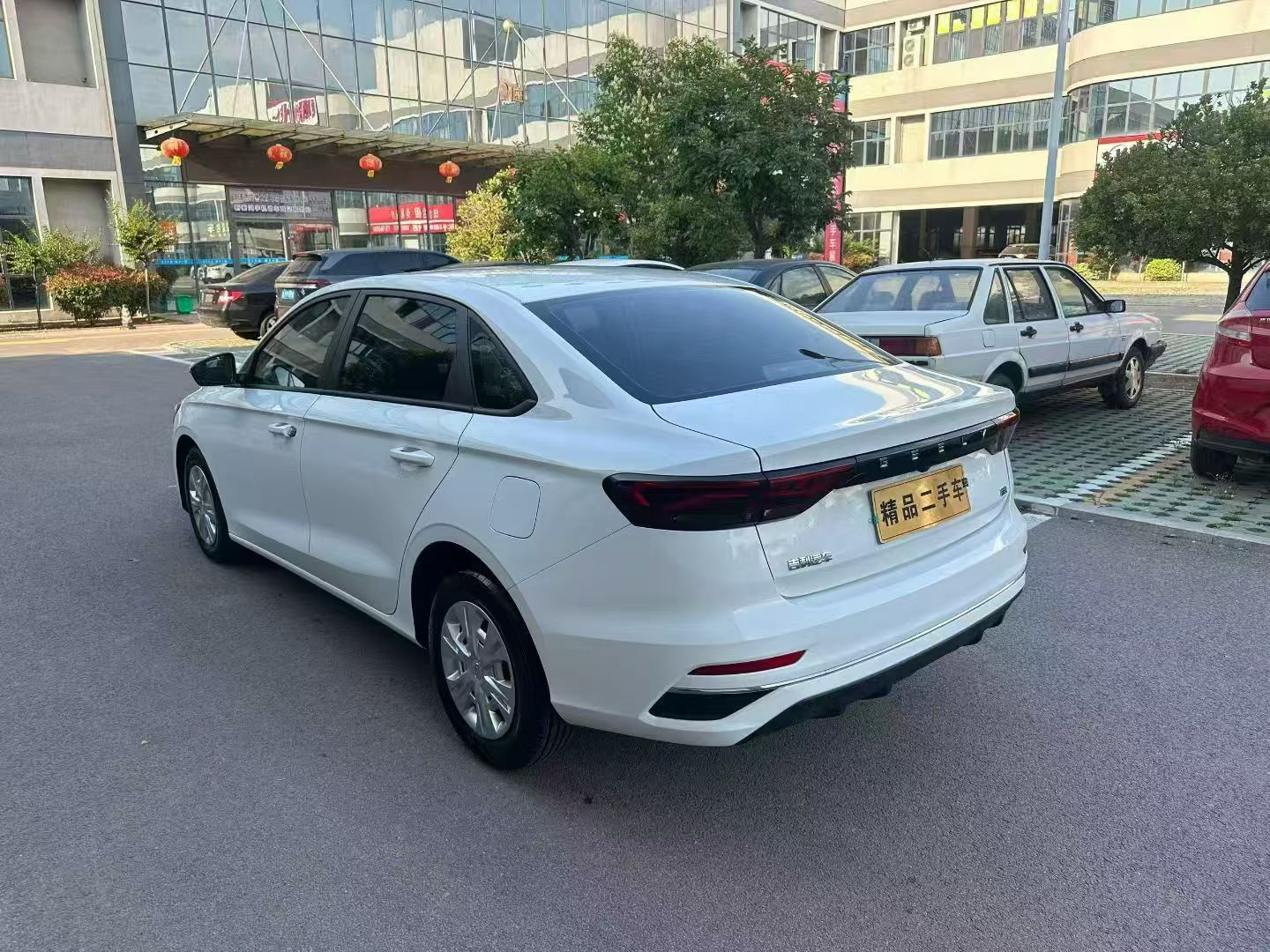
Basic Information

BrandGEELY
SeriesEmgrand
Year2025
First Registration2025/02
Mileage3,000km
Transfer Count0times
Fuel-
Transmission-
Engine-
ColorWhite
Seats-

Condition Description

Original paint

Q&A

More

Can I get spare parts for a Chinese-brand car in my country, and how do I order them from China?

Parts availability depends on the brand's official presence in your market, but even unsupported brands can be maintained through direct ordering. Check three channels first: the brand's official dealer network (if any), third-party importers who specialize in Chinese auto parts, and generic equivalents. For wear items like brake pads, filters, and wipers, aftermarket suppliers usually stock cross-references by VIN. For model-specific parts — headlights, sensors, control modules — order directly from China. Ask your exporter for the parts catalog by VIN, confirm OEM part numbers, and compare prices. A turbocharger that costs $900 from a local dealer often ships from China for $350 plus $80 freight. Practical tips: bundle multiple parts into one shipment to amortize freight; ask for DDP (delivered duty paid) pricing so customs clearance is handled; and always verify part numbers against your VIN before paying, as Chinese models have running changes mid-year. Keep a small stock of common wear parts — oil filters, air filters, spark plugs — to avoid a 4-6 week wait for routine maintenance.


How do I calculate the true total landed cost of importing a used car from China before I commit?

Work backwards from the car's price at the destination, not the seller's quote. Add these layers: 1. Vehicle price: negotiated with the exporter, usually FOB (free on board) China port. 2. Inland China costs: transport to port, export customs clearance, and documentation fees. Ask whether these are included in the FOB price or billed separately (typically $200–500). 3. Freight: ocean shipping to your port. RoRo is cheaper ($800–1,500); a 20ft container costs $1,200–2,500 depending on route. Add BAF/PSS surcharges, which fluctuate monthly. 4. Insurance: usually 1–2% of (vehicle value + freight) for all-risk cover. 5. Destination charges: port handling, terminal fees, customs duties, VAT/GST, and homologation or inspection fees. These vary enormously by country — in some markets duties alone add 30–80% of the car's value. 6. Local delivery: trucking from the port to your city. Get a written itemized estimate from a licensed customs broker in your country before paying any deposit. Rule of thumb: add 40–70% on top of the FOB price for most African and Latin American destinations, 20–35% for GCC countries.

Can the strength of the energy recovery system in electric vehicles be adjusted with physical buttons?

Most models adjust through the central control screen menu, while a few models (like some BYD or MG) retain physical levers or paddles on the center console or steering wheel. We will check if the drag feel when the system engages is linearly normal.