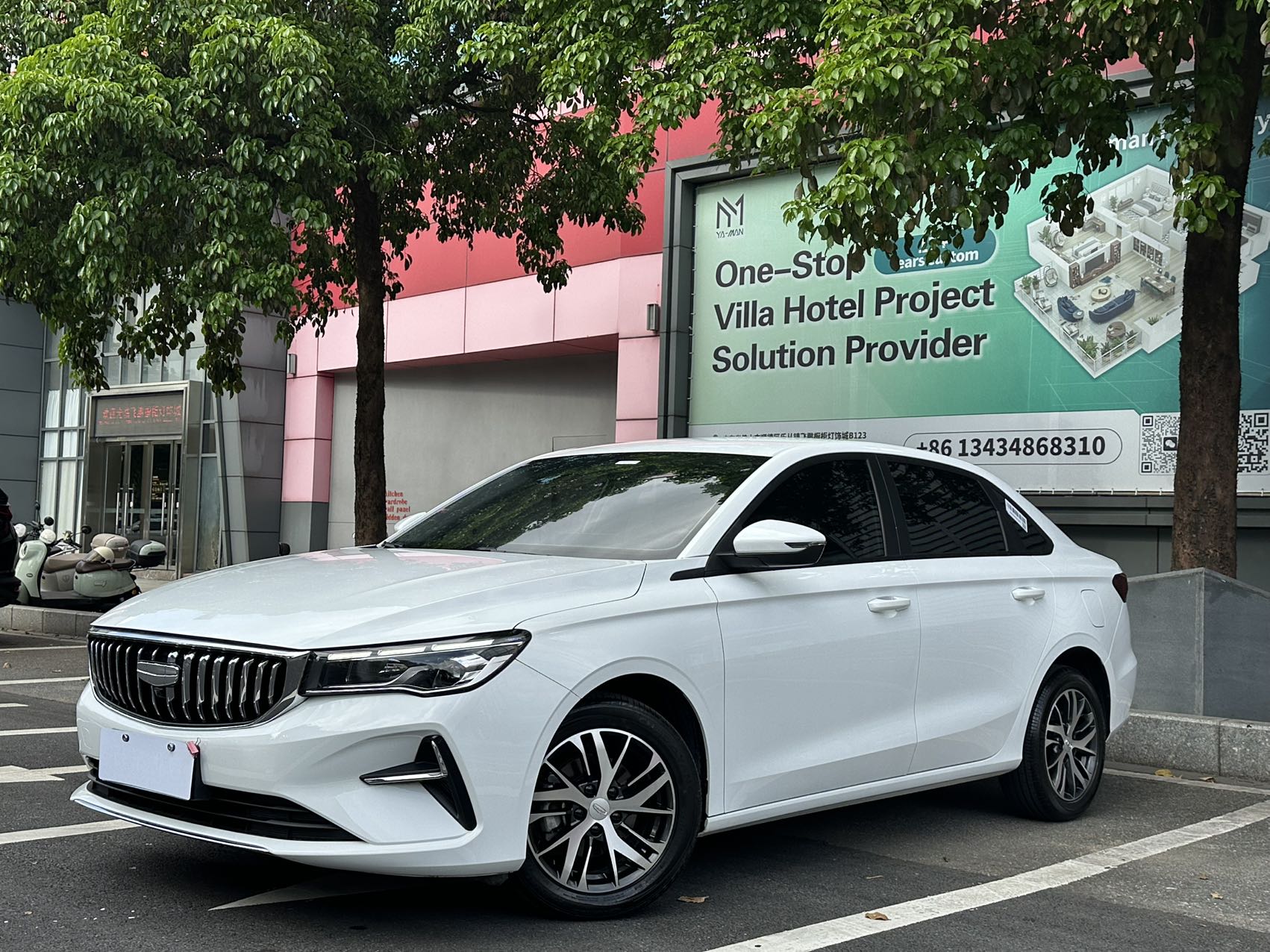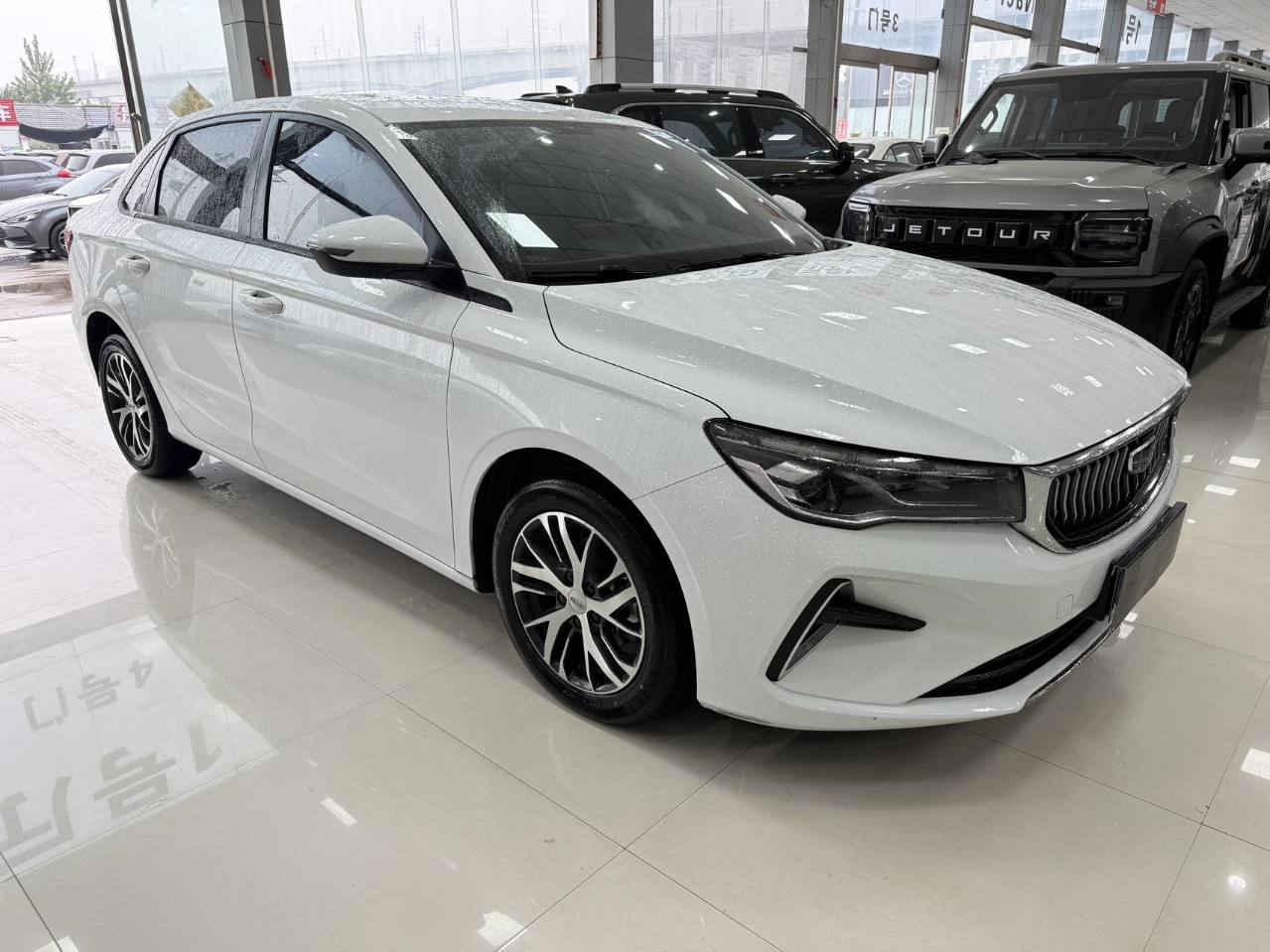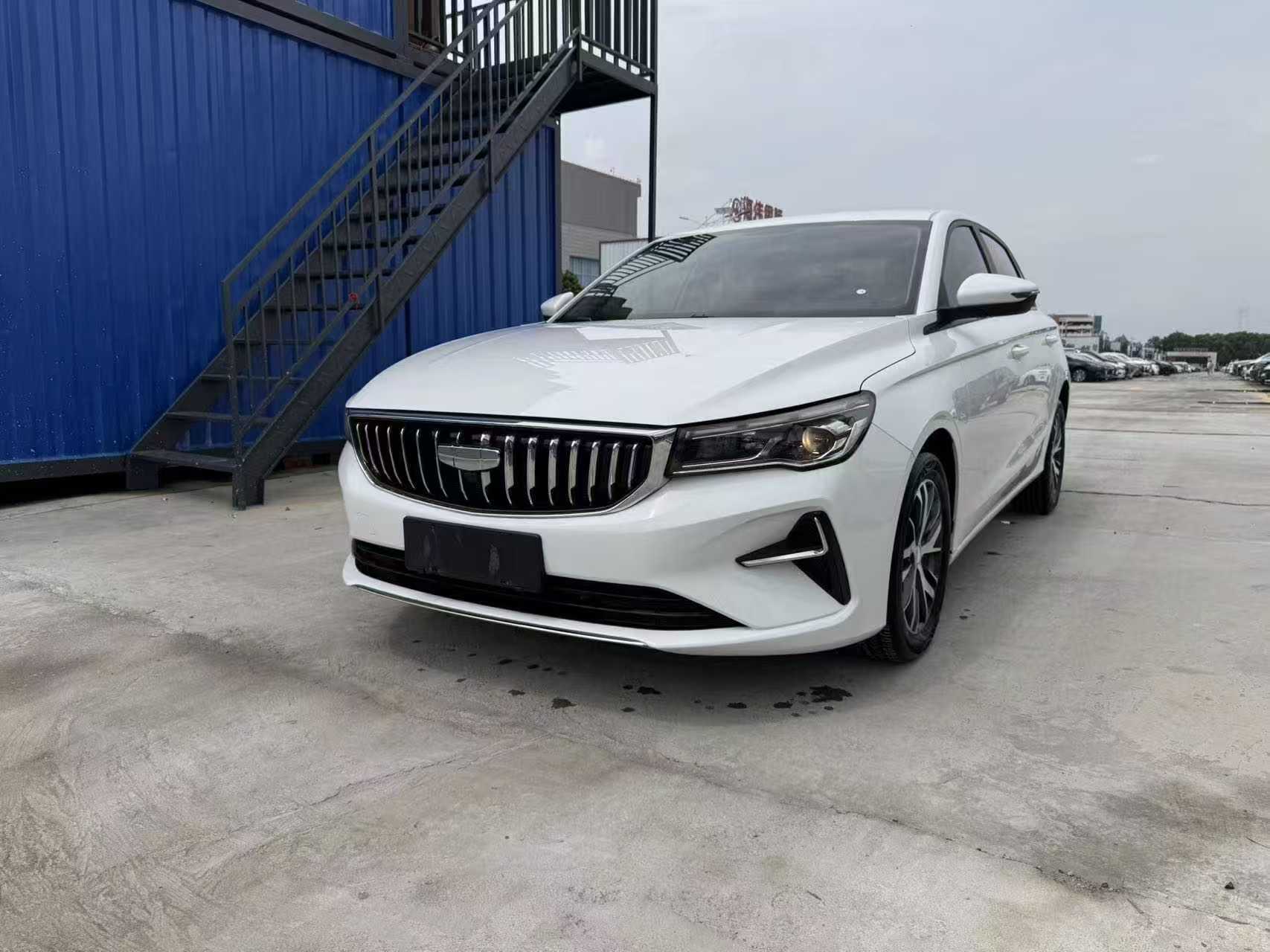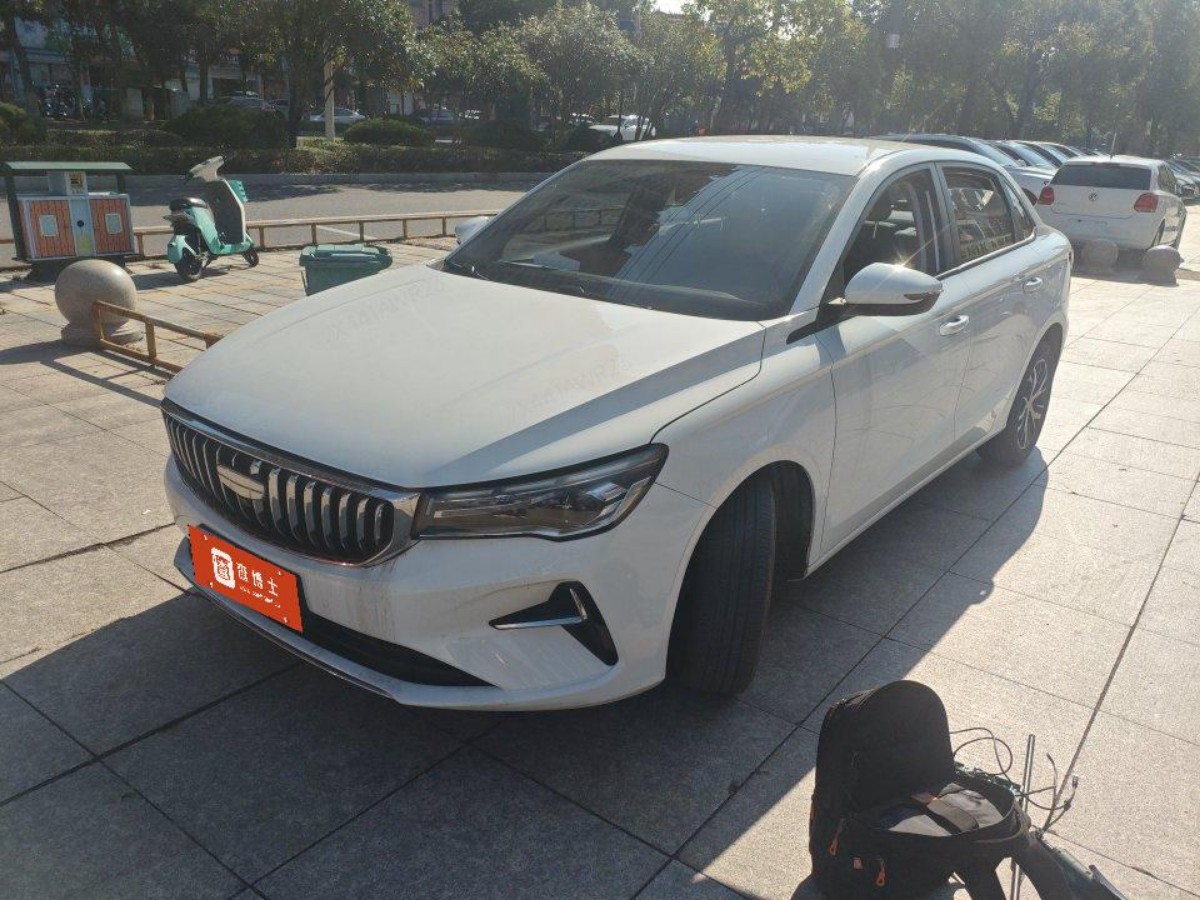
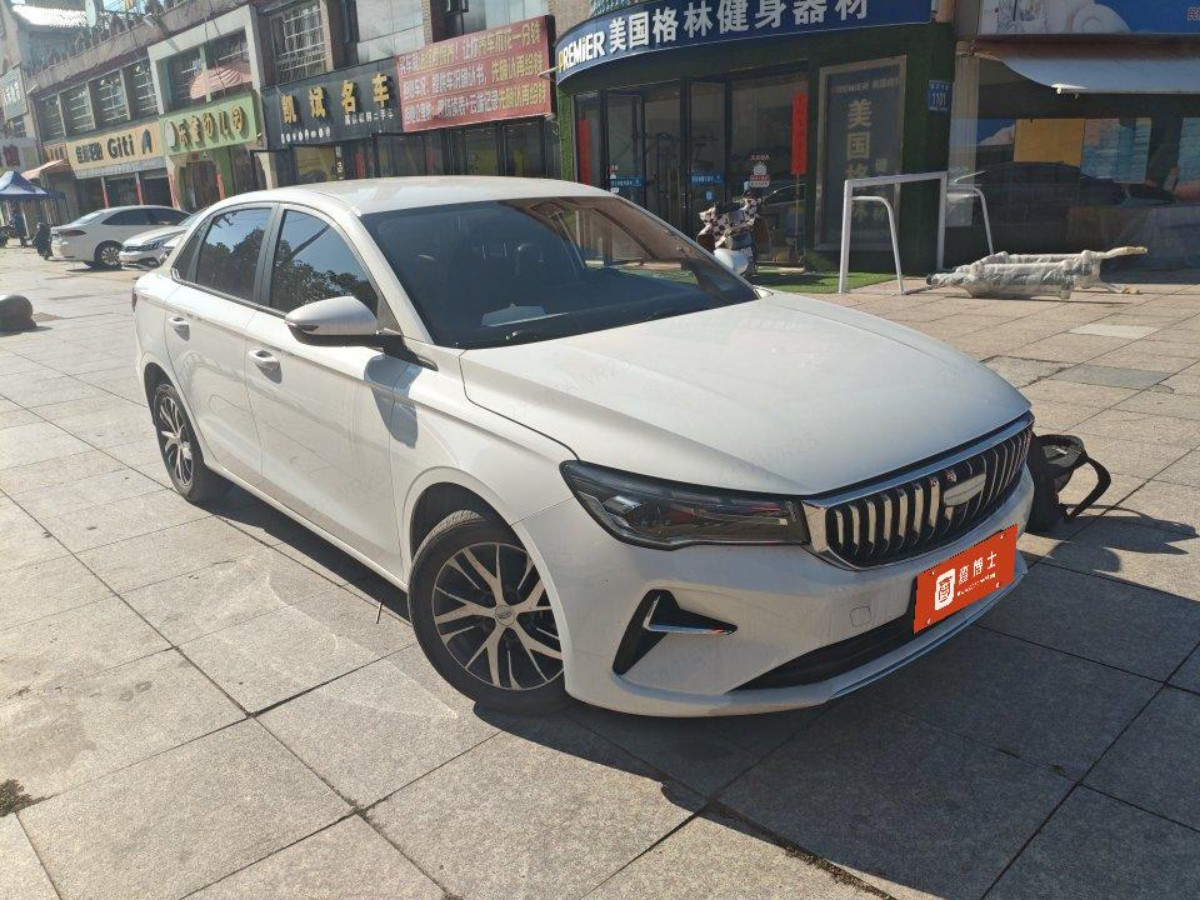
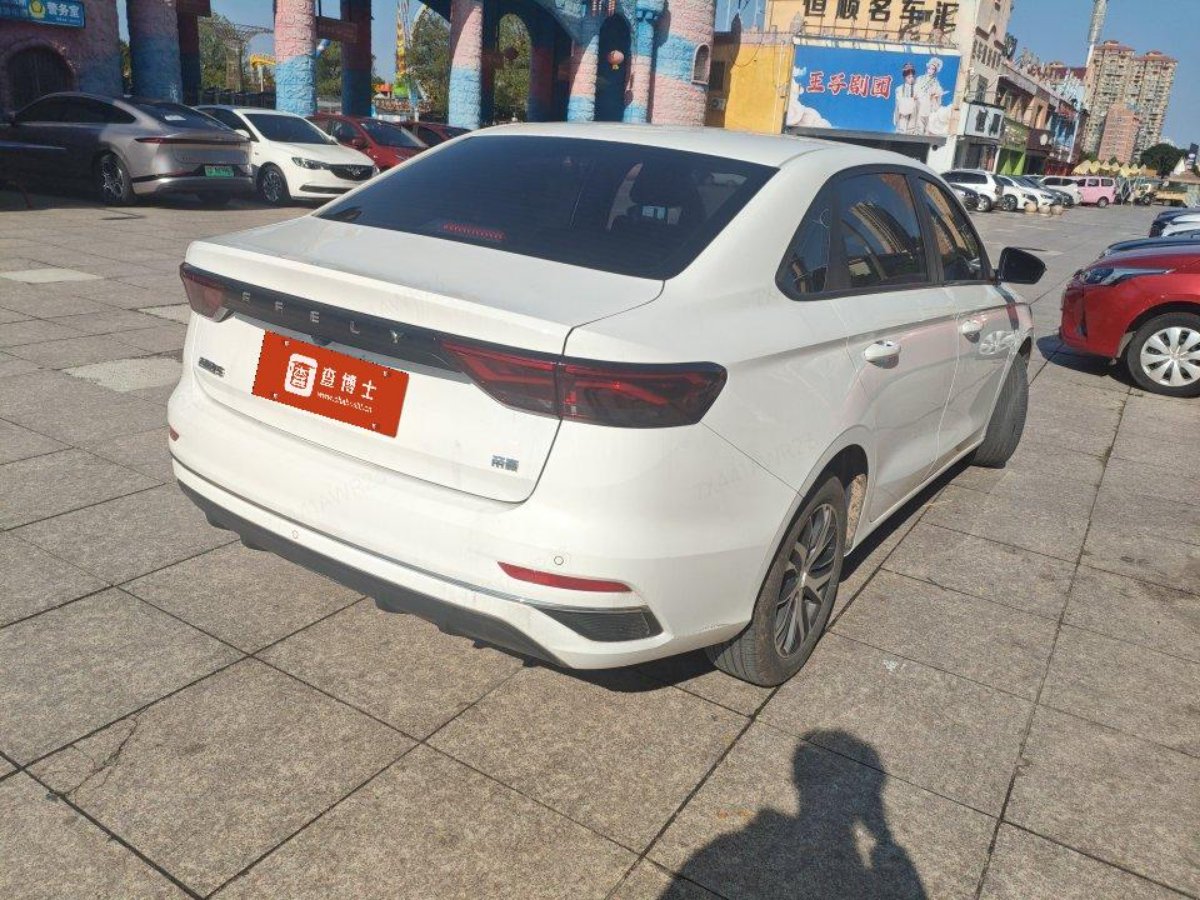
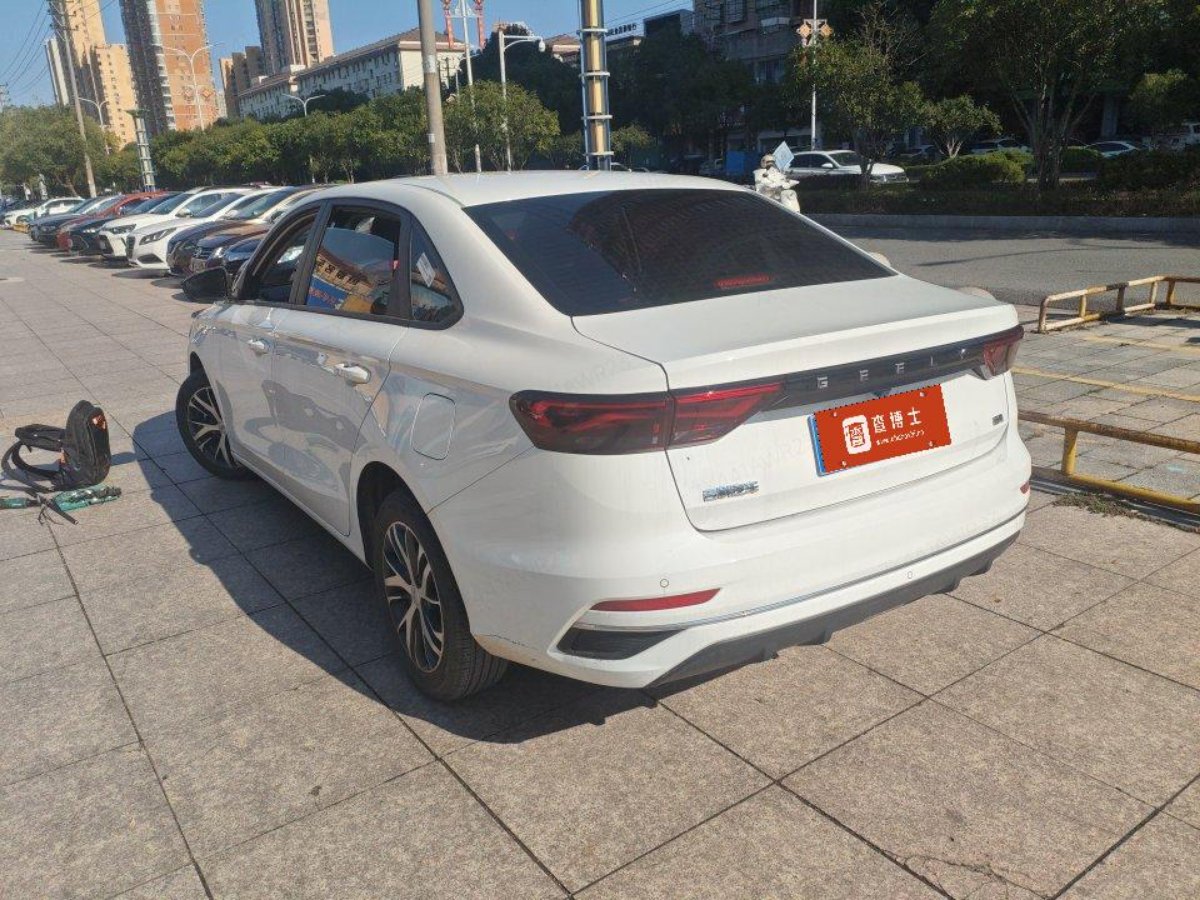



Basic Information

BrandGEELY
SeriesEmgrand
Year2025
First Registration2025/11
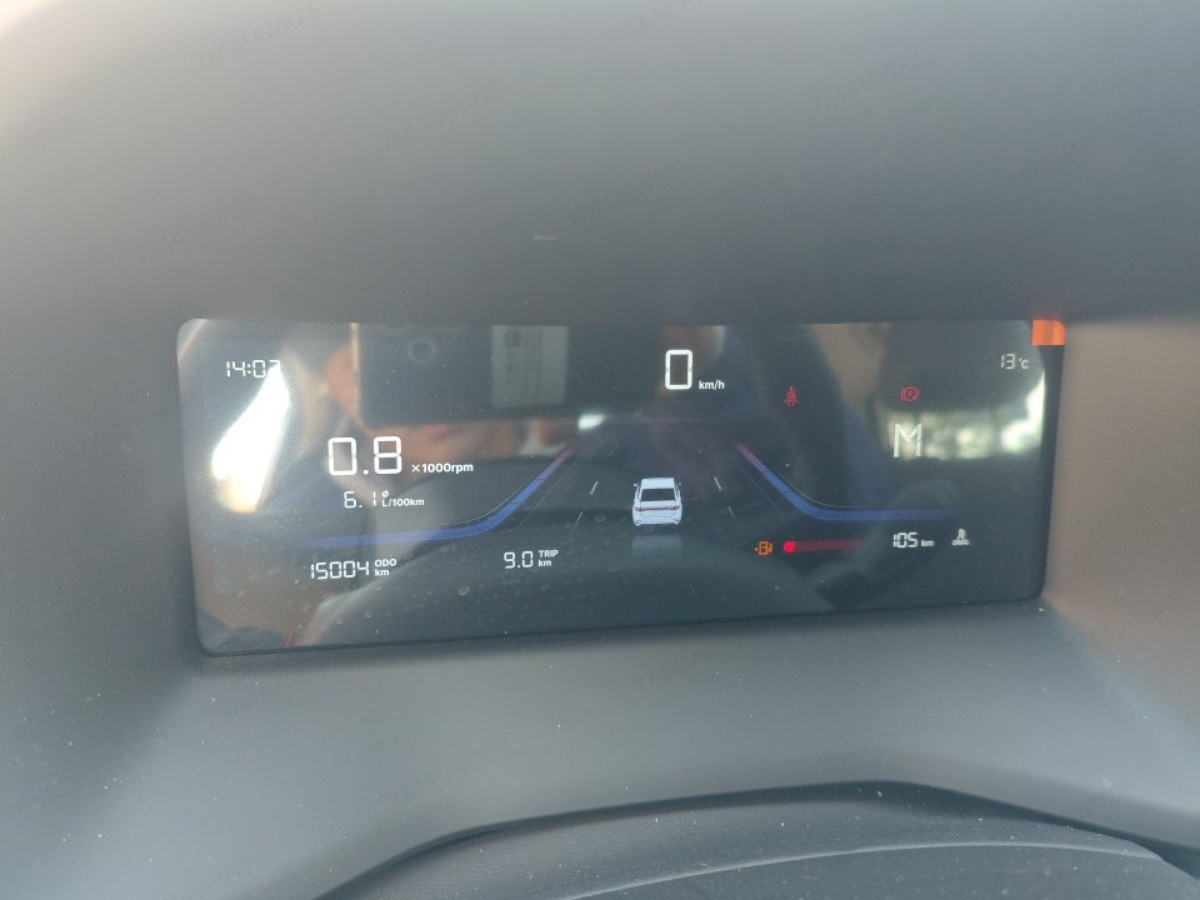
Mileage15,000km
Transfer Count1times
FuelGasoline
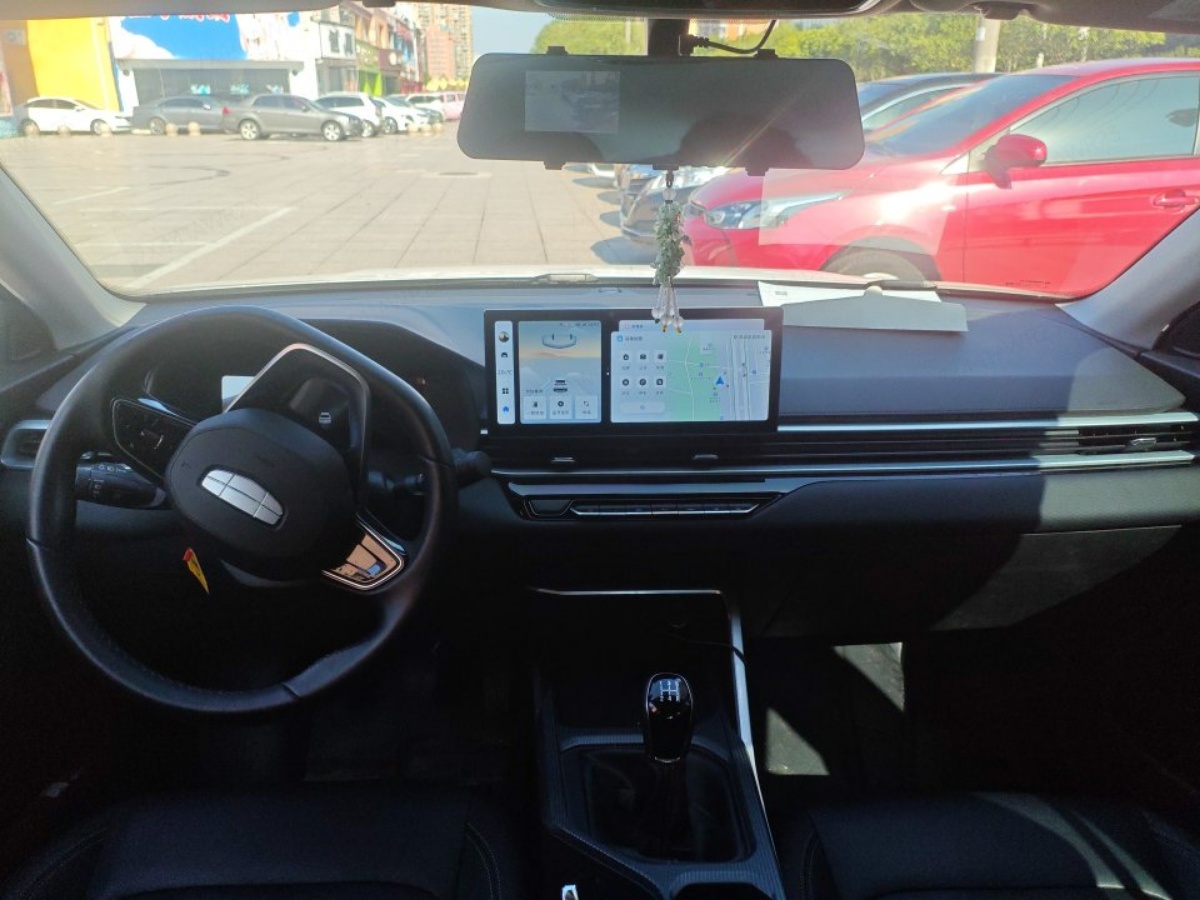
TransmissionManual
Engine1.5L 127 L4
ColorWhite
Seats5seats

Condition Description

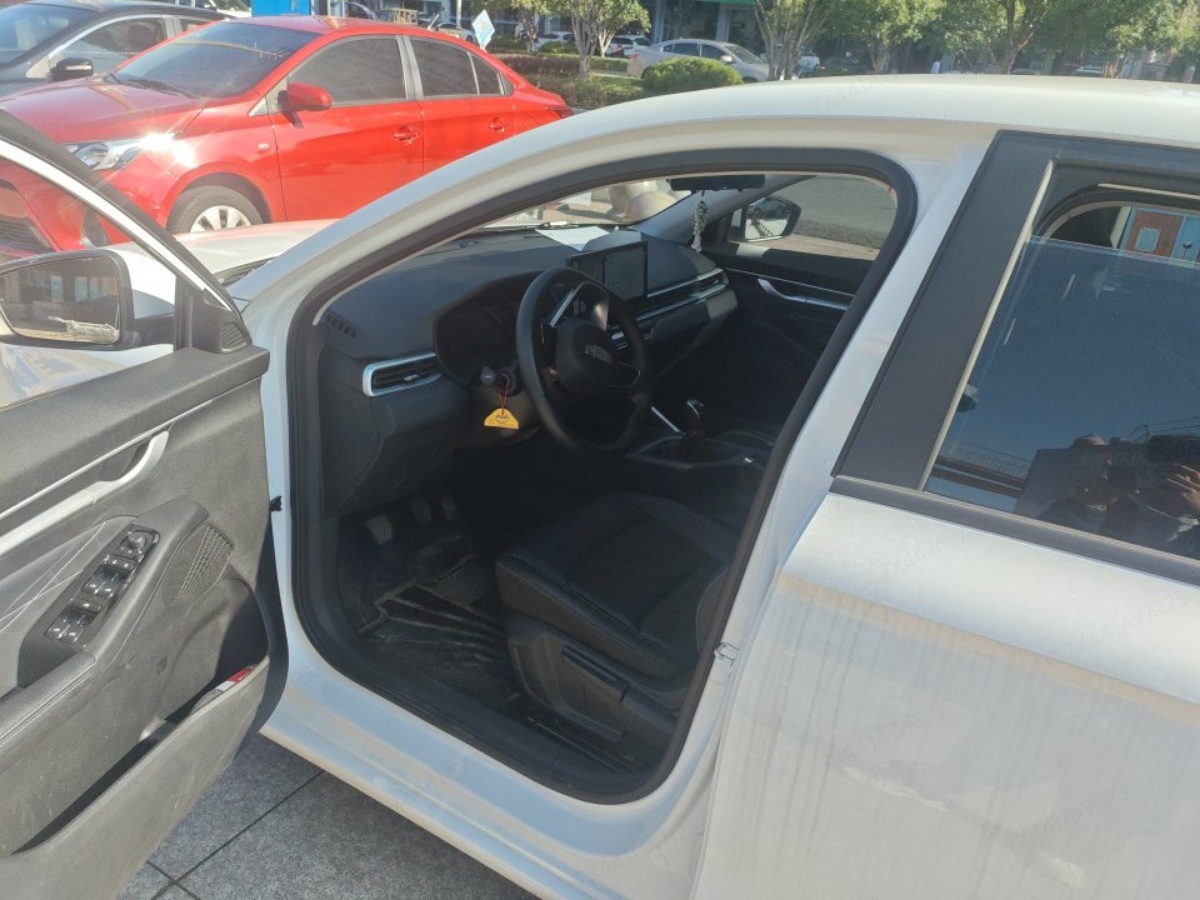
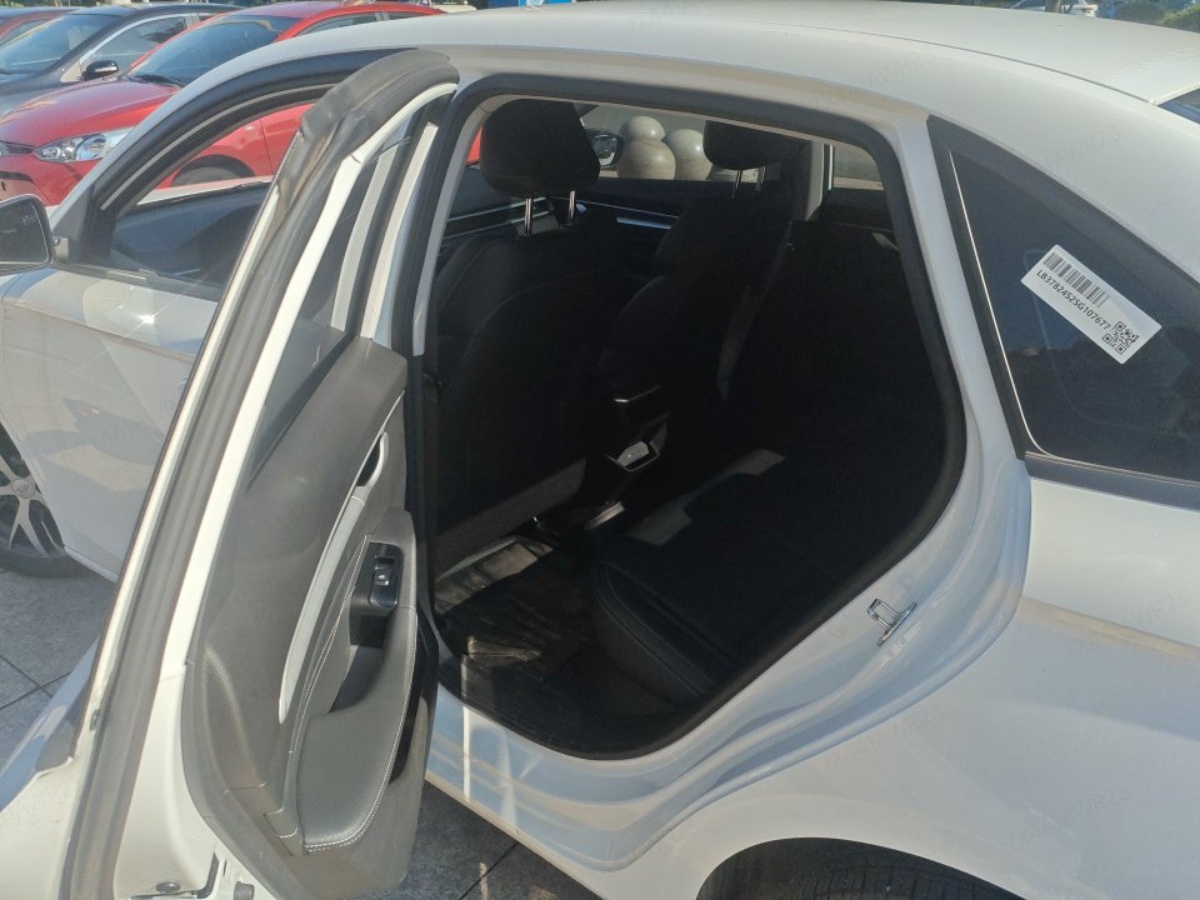
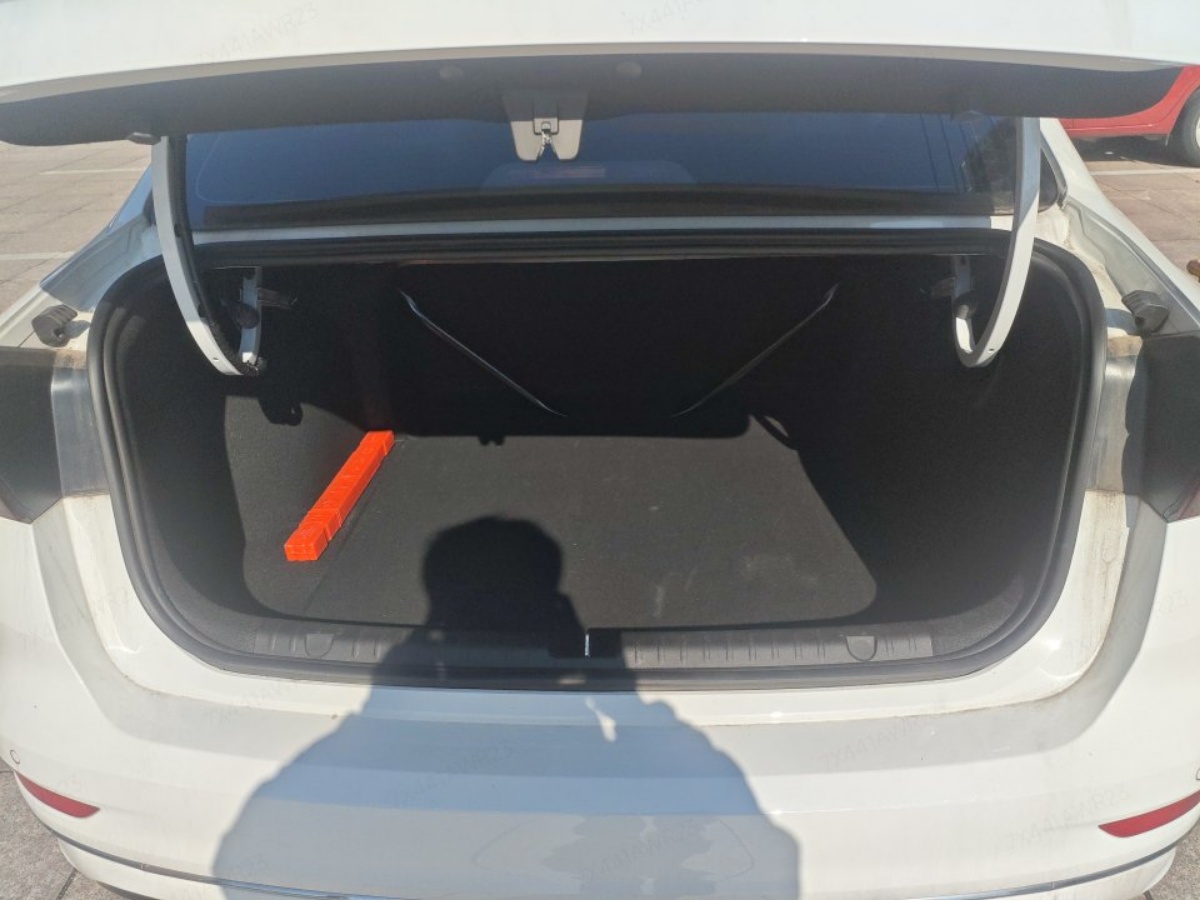
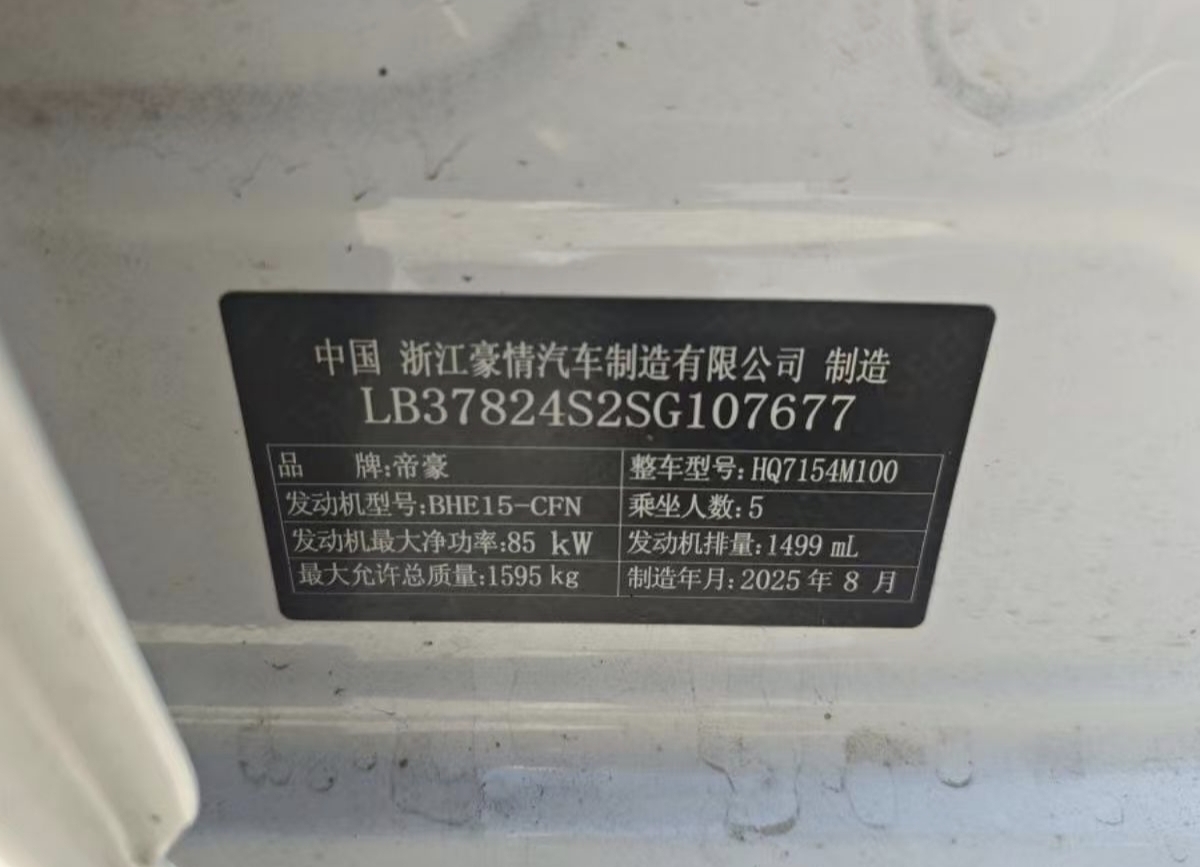
Manufactured August 2025; first registered November 2025; mileage 15,000 km; condition: original paint, no repairs.

燃油车
轿车
手动
维保开放
事故开放
查验开放

Configuration Highlights

✓品牌: 吉利汽车
✓车系: 帝豪
✓车型: 2025款 第4代 1.5L 手动龙腾版
✓车身类型: 轿车
✓座位数: 5
✓排量: 1.5L
✓变速箱: 手动
✓能源类型: 燃油车
✓VIN: LB37824S2SG107677
✓搜索关键词: 吉利汽车帝豪 2025款帝豪第4代1.5L手动龙腾版

Document Information

Inspection Expiry Date2026/08
Warranty Expiry Date-
Insurance Expiry Date2026/11

Q&A

More

How to prove the state of health (SOH) of a second-hand electric vehicle battery? Will a testing report be provided?

We understand that the power battery is the core asset of an EV. Before export, our technical team will use professional OBD diagnostic equipment to read the underlying data from the Battery Management System (BMS). We will provide you with a technical report that includes key indicators such as battery health percentage (SOH), cell pressure differences, and charge-discharge cycle counts. If the SOH is below our established export safety standard (usually above 80%, depending on the vehicle's age), the vehicle will be intercepted and not sent overseas.


Are the quality assessment standards for used commercial vehicles (pickups, light vans) the same as for passenger cars?

Completely different. The assessment of commercial vehicles focuses on: the extent of wear/deformation in the cargo area, whether the frame has been twisted due to overload, the fatigue of the leaf springs, and the emissions of the diesel engine. Minor exterior scratches carry very little weight in the assessment of commercial vehicles.

Will you conduct a thorough inspection of the engine and transmission of the used car?

We will never perform blind deep disassembly unless there are clear severe fault codes or extreme noises. The sealing of the engine and transmission is crucial, and compromising the factory seals to investigate non-existent issues is unprofessional. We rely on data flow and external acoustic and fluid analysis to make judgments.