


24H

Basic Information

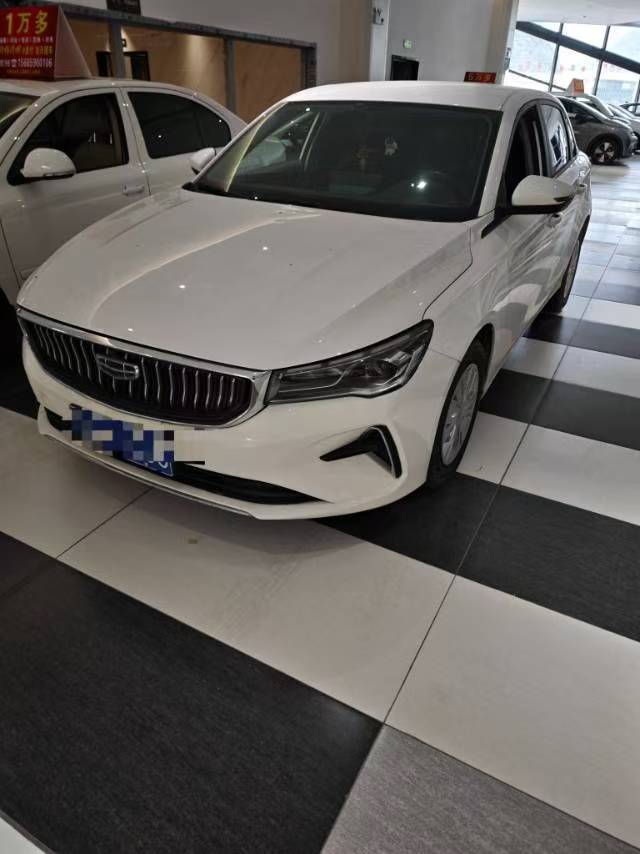
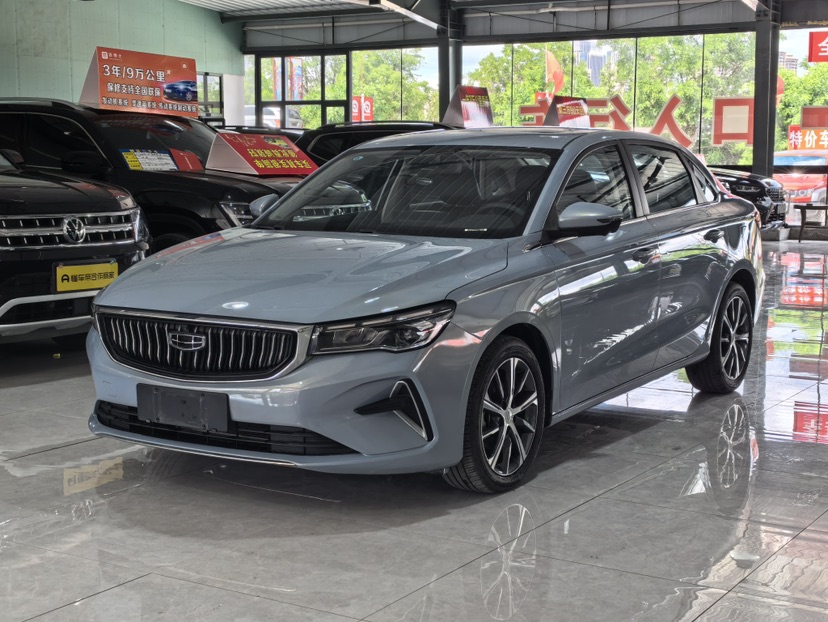
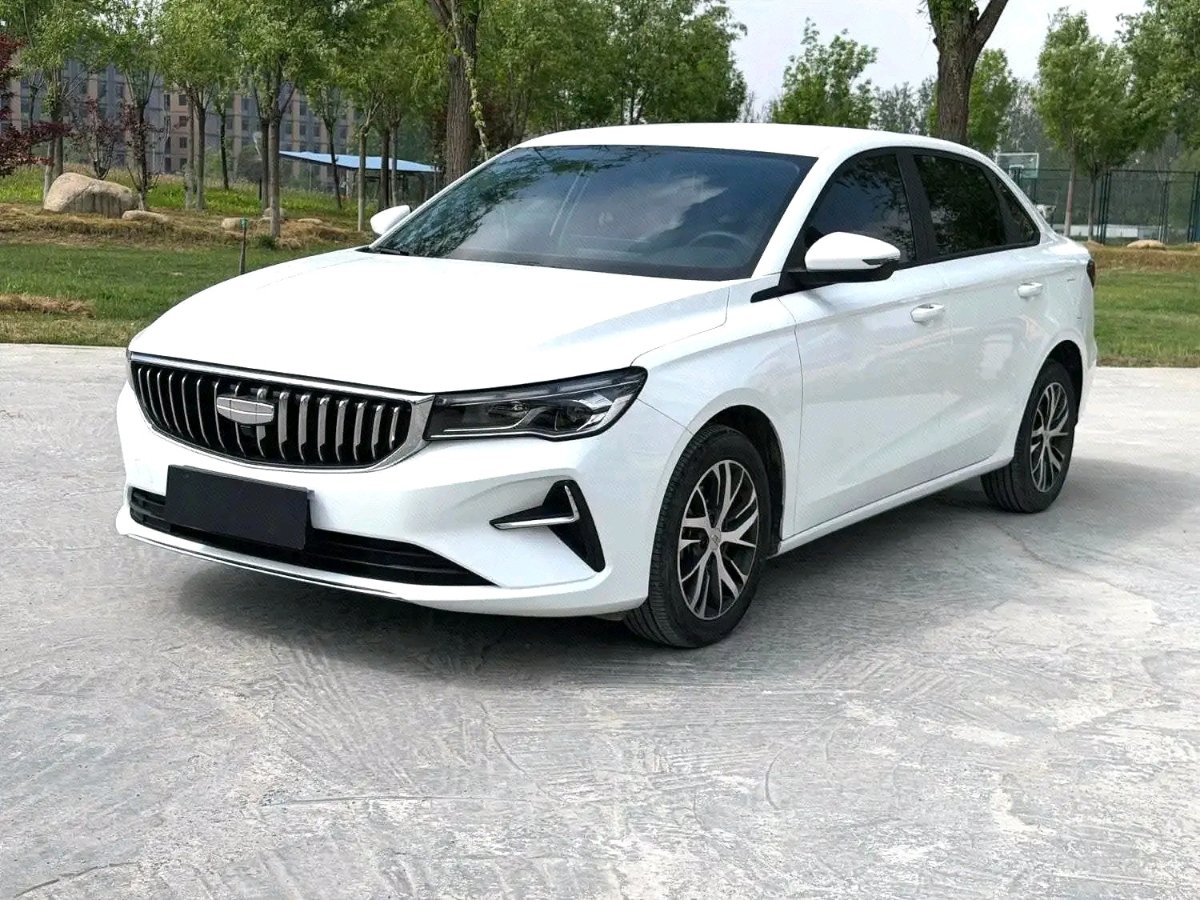
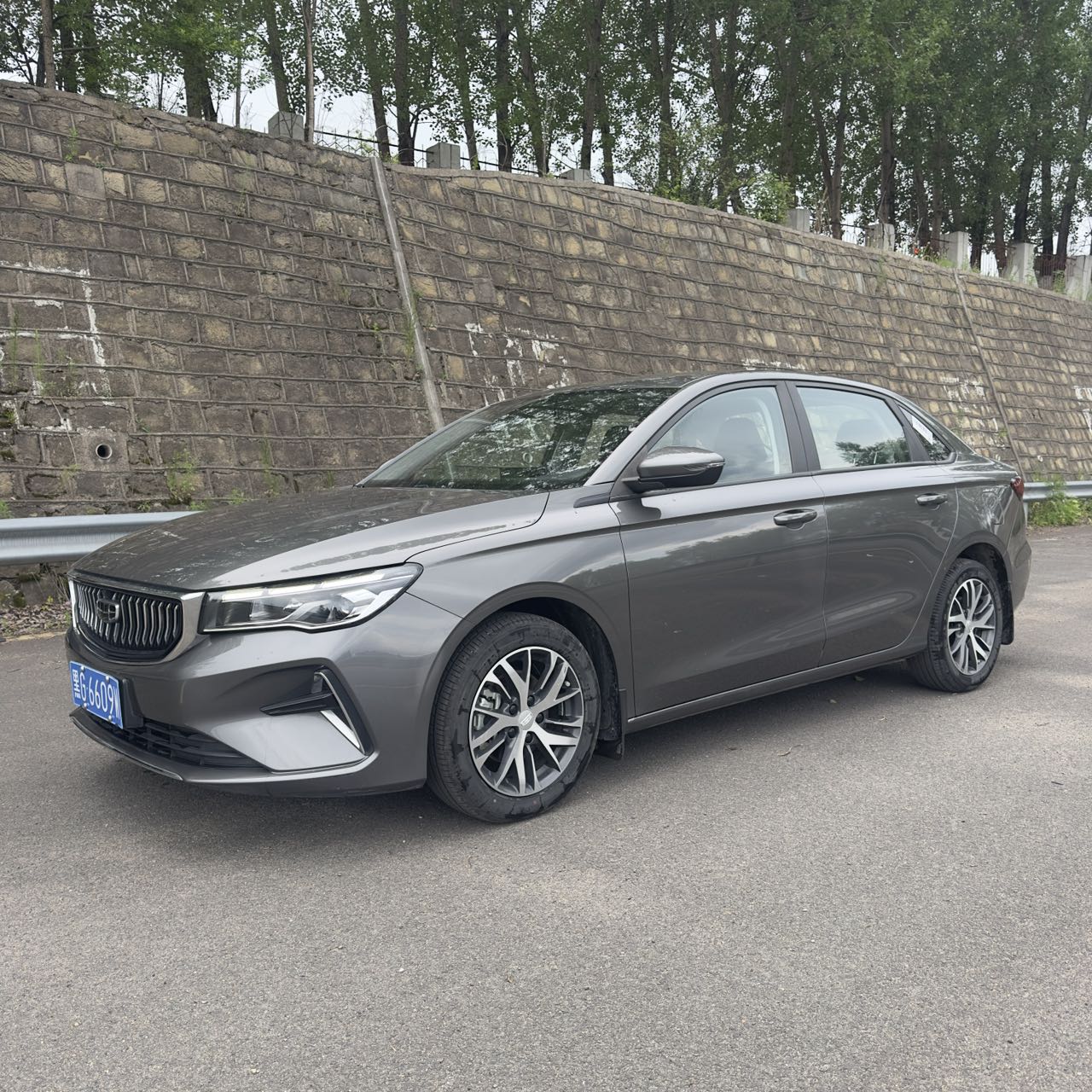
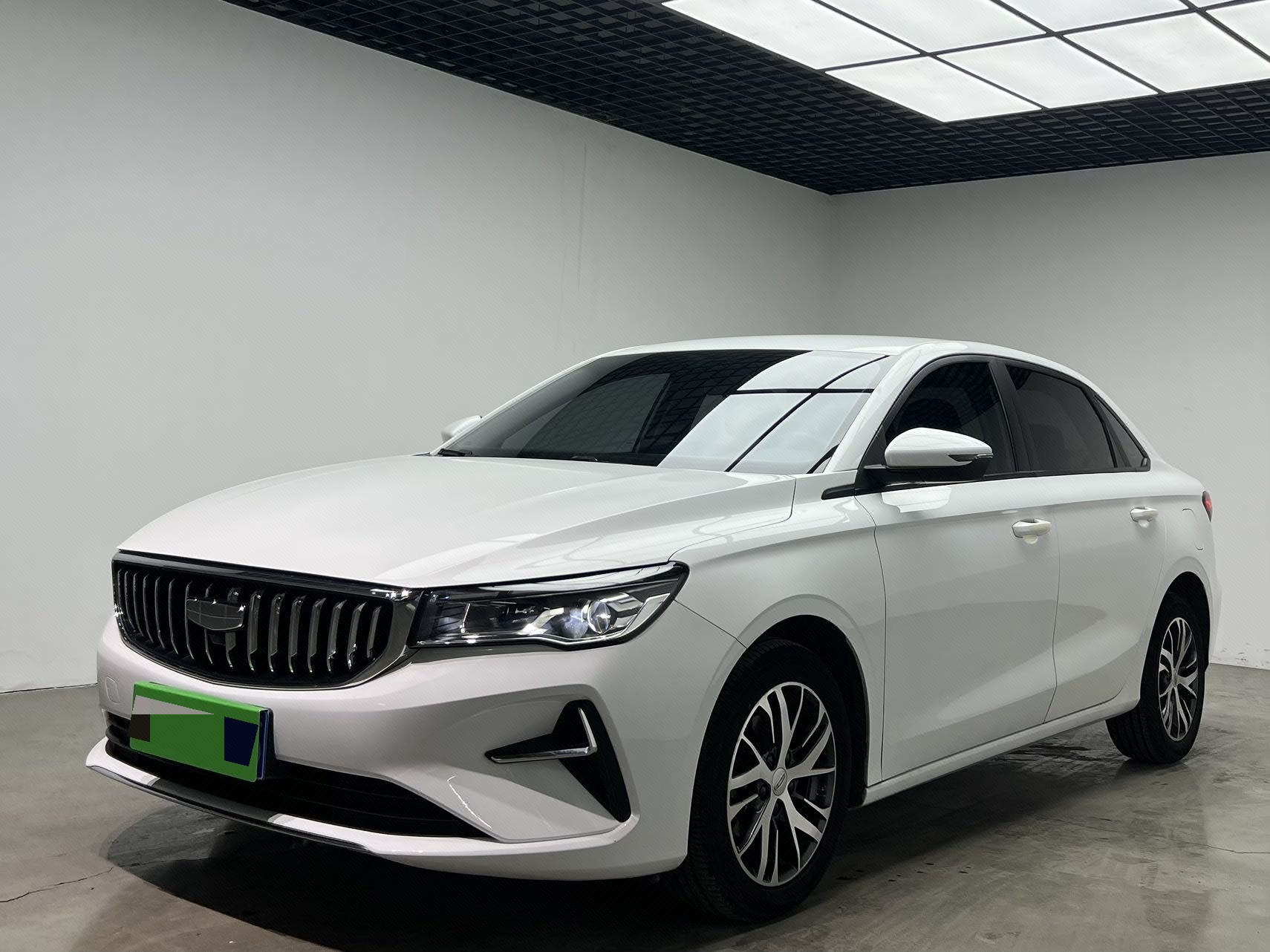
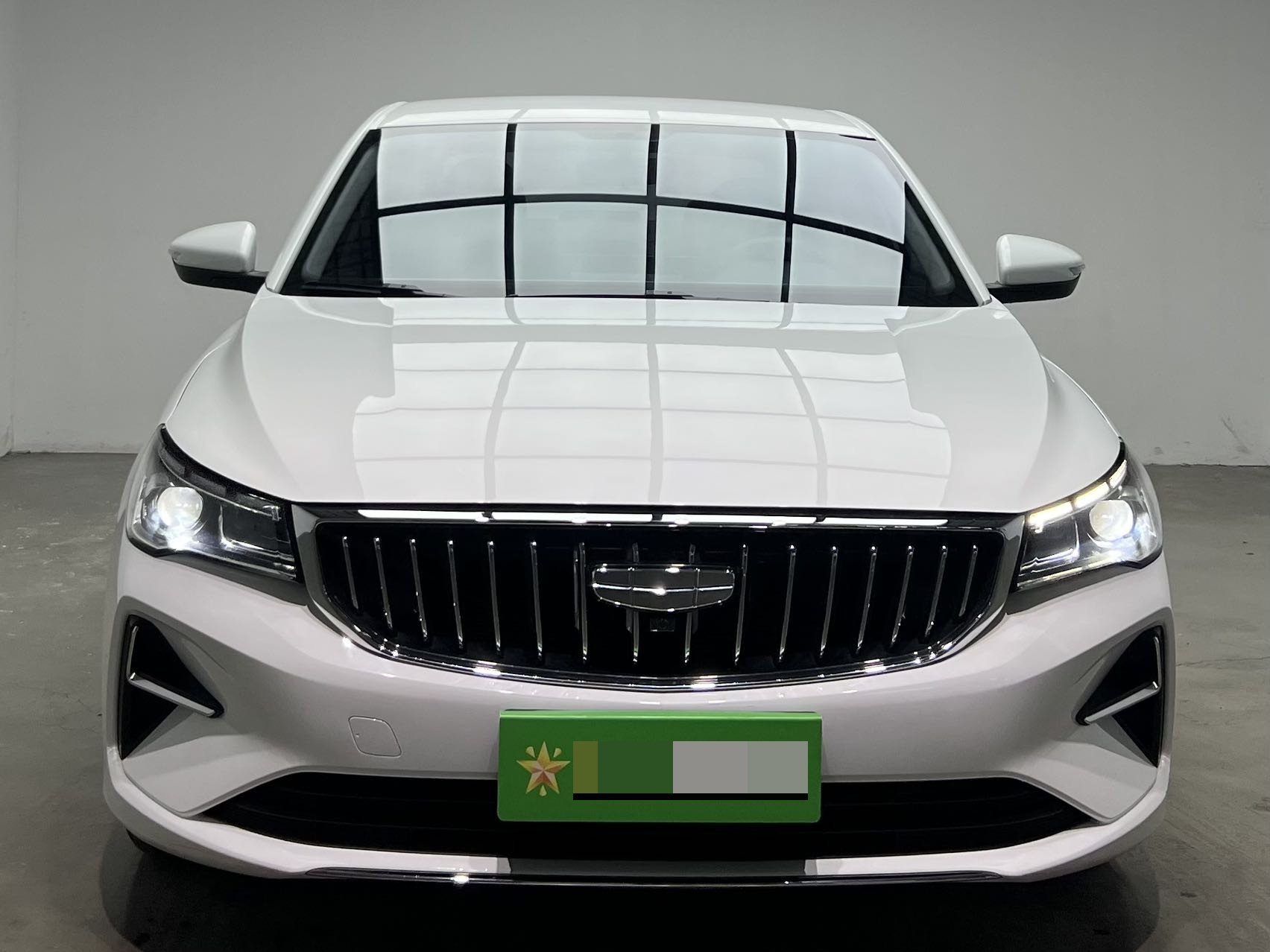
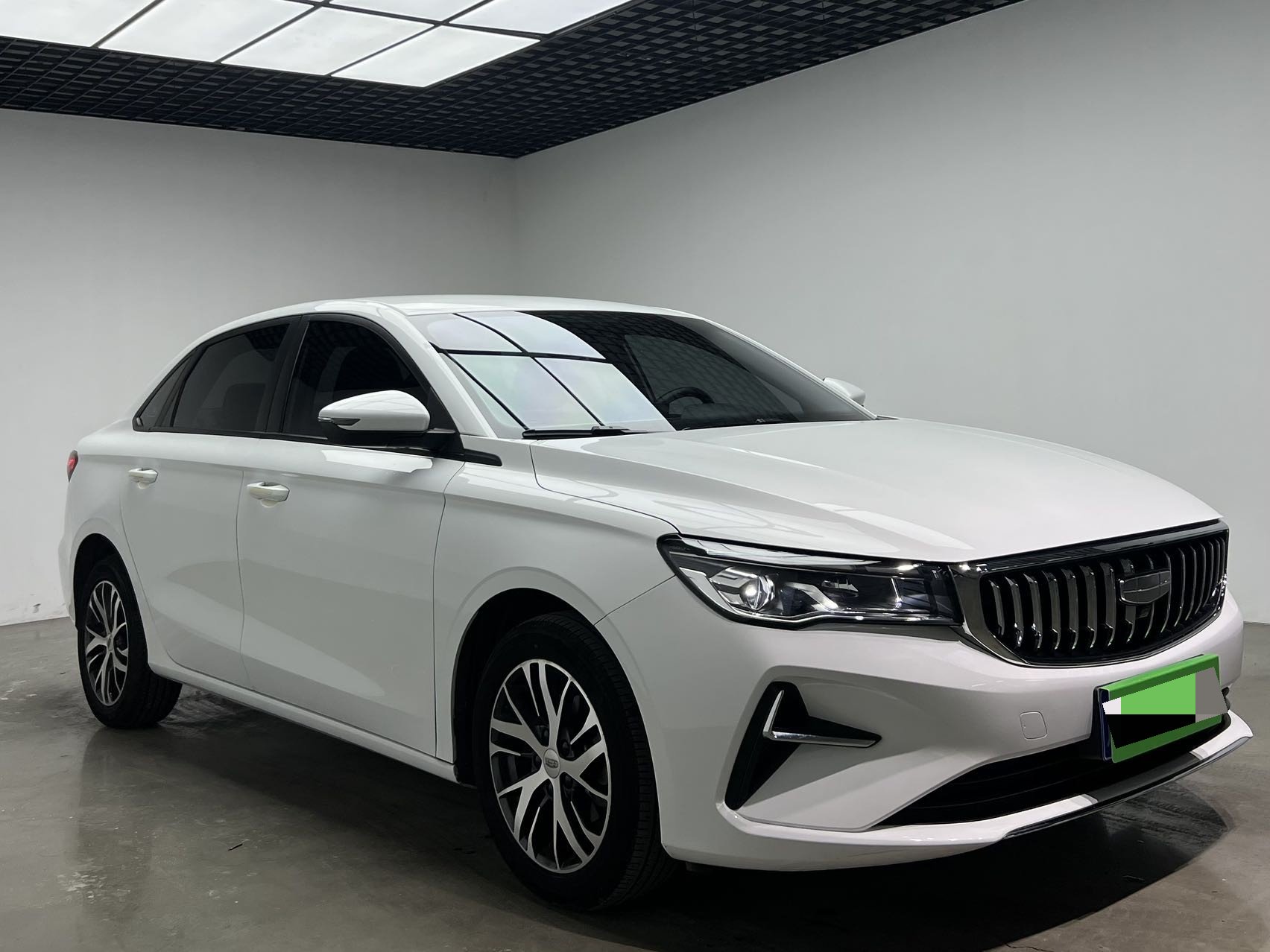
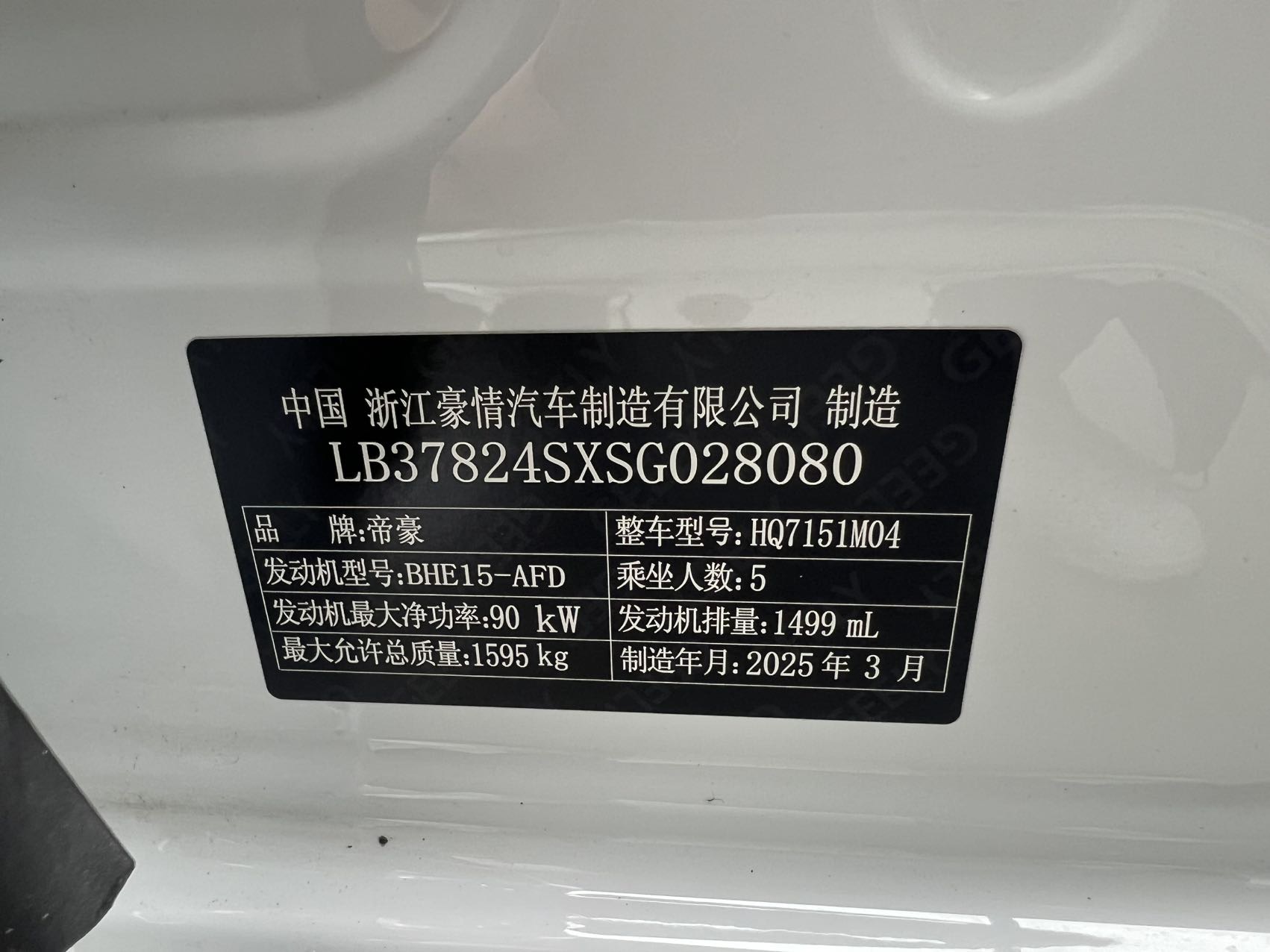
BrandGEELY
SeriesEmgrand
Year2025
First Registration2025/03
Mileage50,000km
Transfer Count0times
FuelGasoline
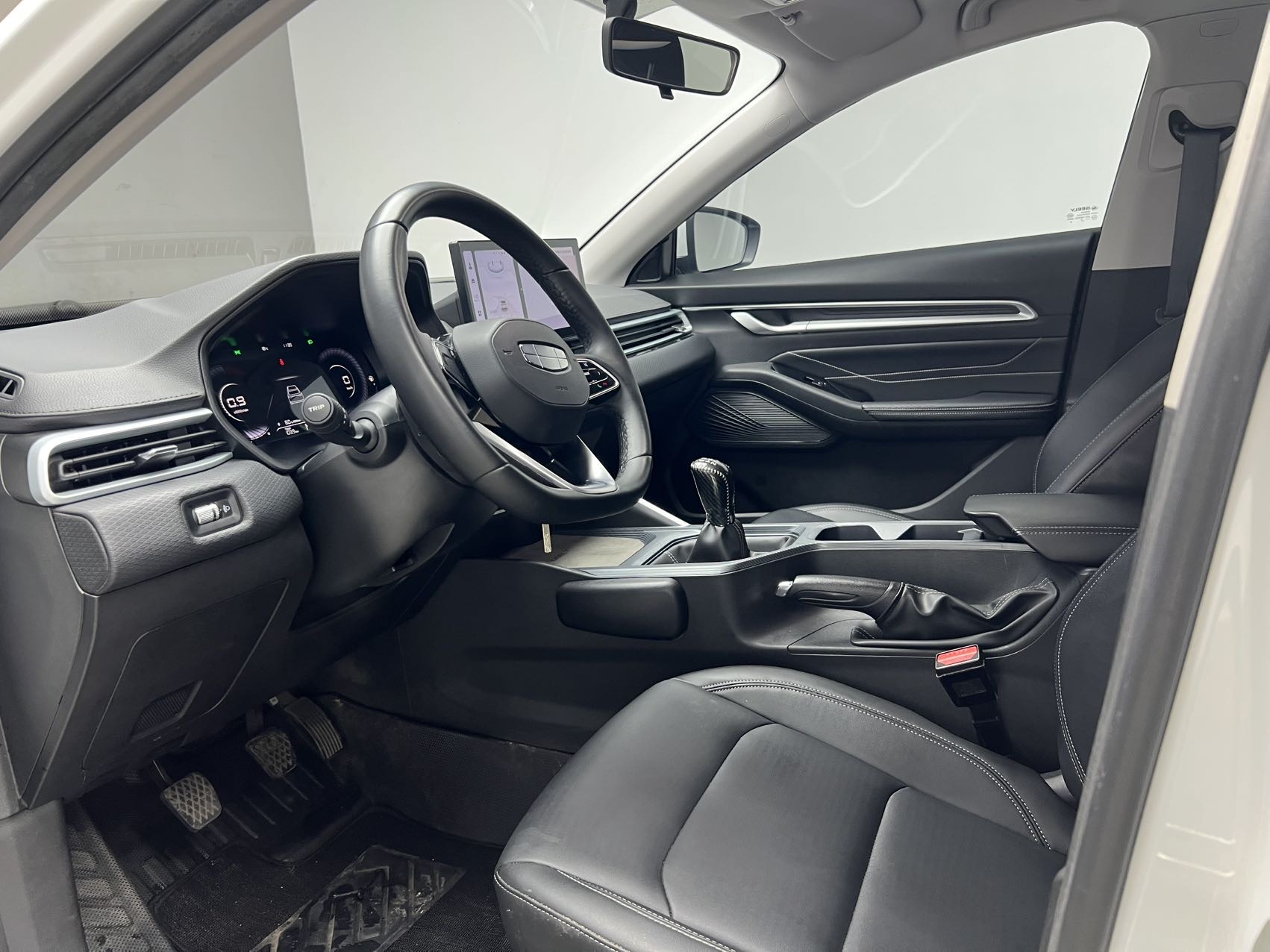
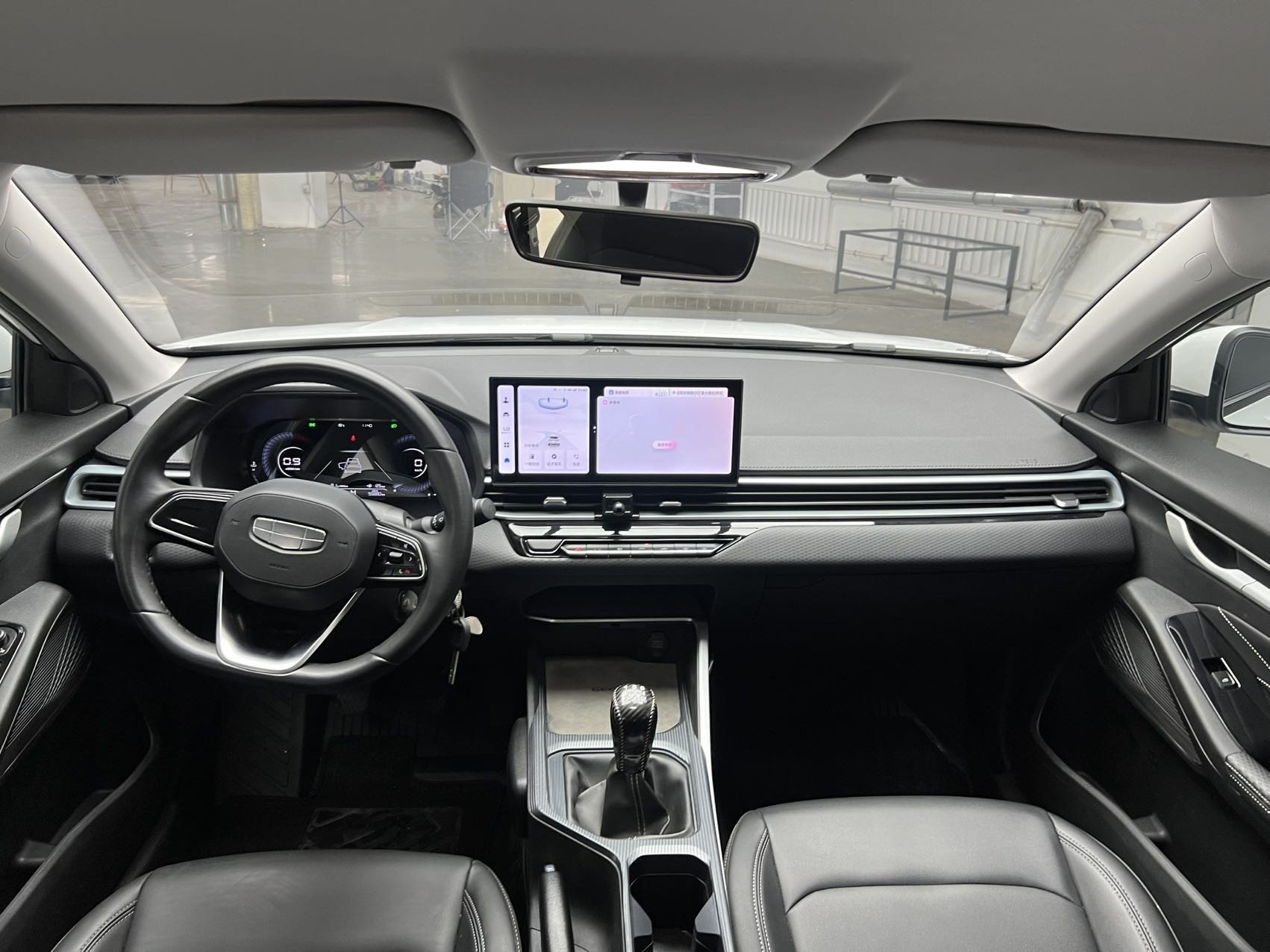
TransmissionManual
Engine1.5L 127 L4
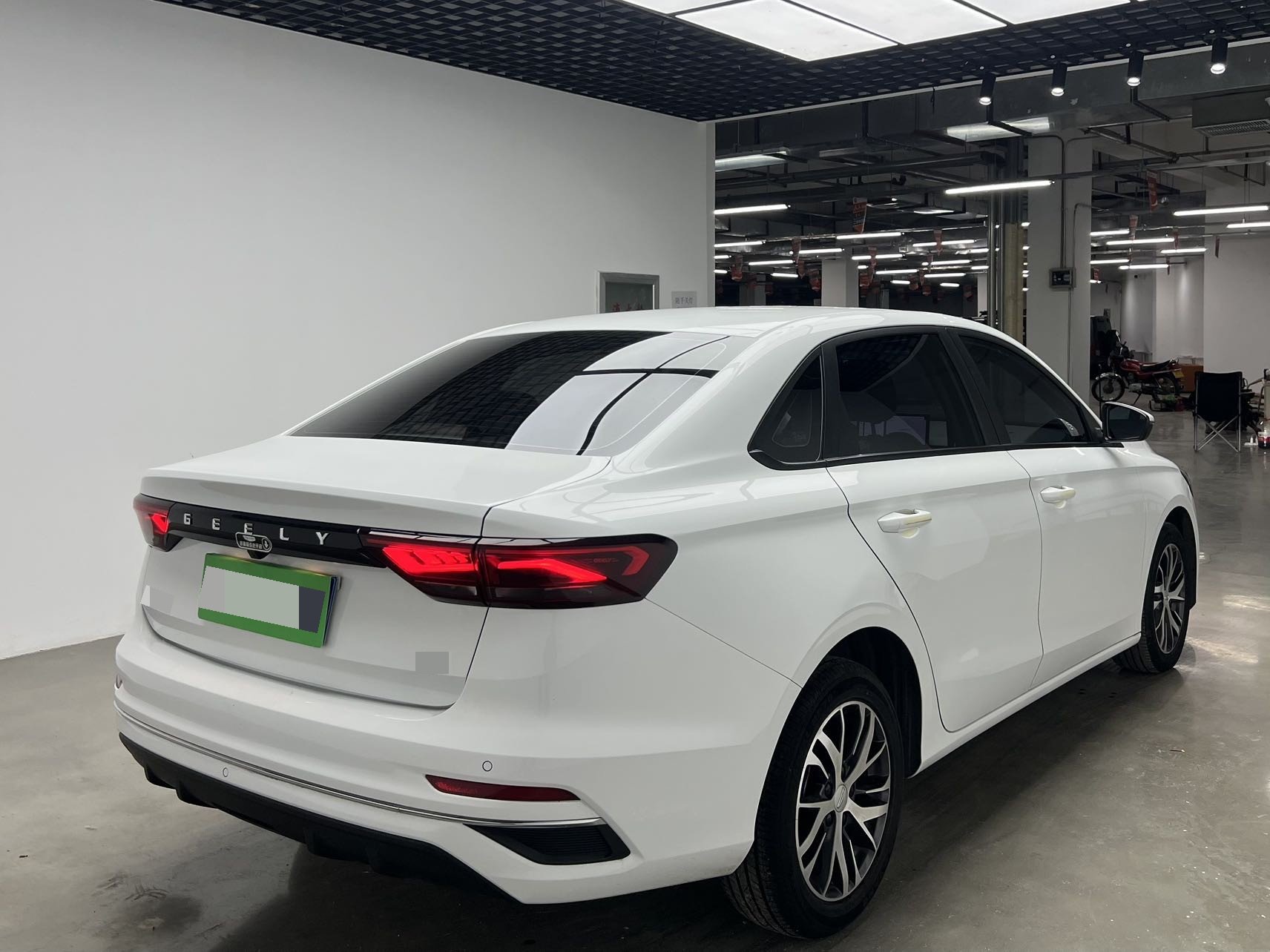
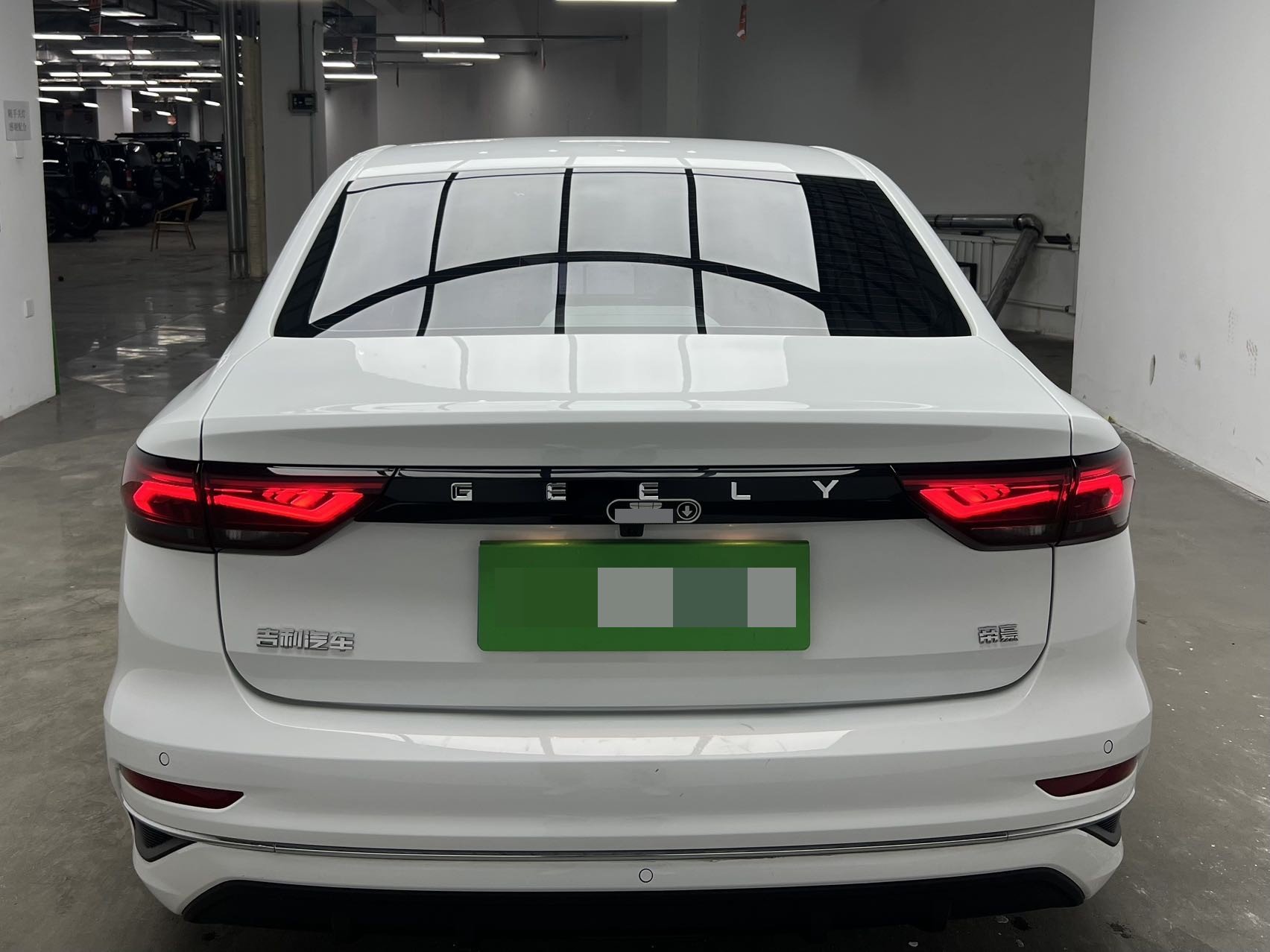
ColorWhite
Seats5seats

Condition Description

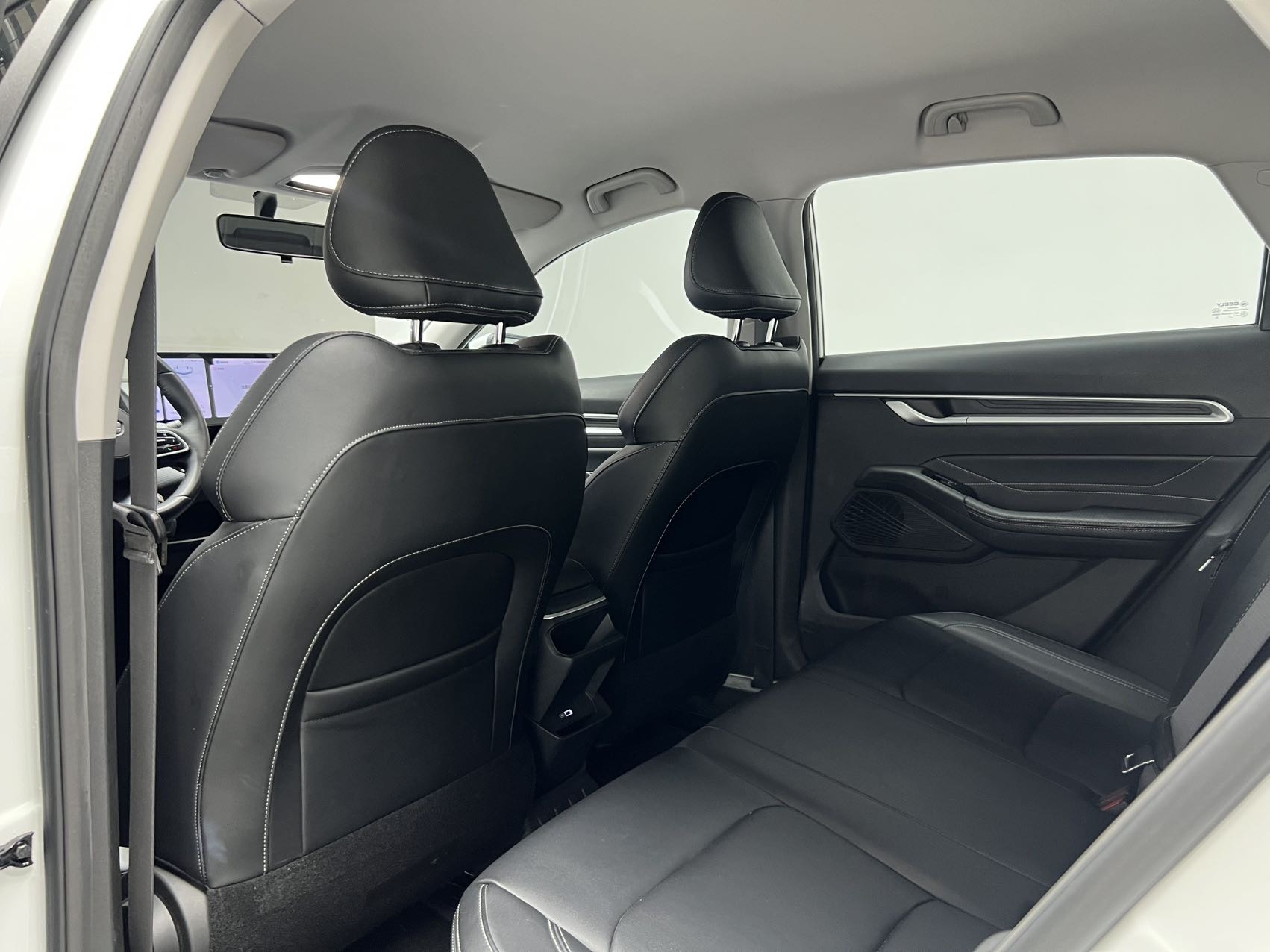
Personal one-owner car. Two scratches and repaint on the left rear door and rear fender. Interior and exterior are like new.

Document Information

Inspection Expiry Date-
Warranty Expiry Date-
Insurance Expiry Date2027/03

Q&A

More

Should I ship my car from China in a container or by RoRo vessel?

Both are common, and the right choice depends on budget and destination: 1. Container shipping (20ft/40ft): The car is sealed inside a container, offering better protection and allowing you to load spare parts inside the car. Typical cost from Shanghai to major world ports: $1,500-$3,000 per car. Best for long distances and high-value vehicles. 2. RoRo (roll-on/roll-off): The car is driven onto the ship and secured on deck. Cheaper ($800-$1,800 to most ports) and faster to load, but exposed to weather and port handling. Not all routes offer RoRo service. Transit time examples: to the Gulf 15-25 days, to West Africa 30-45 days, to Latin America 25-40 days, to Europe 20-35 days. Ask your exporter which option serves your destination port, and always insure the shipment for full value.


What engine health tests, like compression and leak-down, should be included in a pre-shipment inspection of a used car from China?

For gasoline cars, insist on a compression test: each cylinder should read within 10-15% of the others, and the actual values should match factory specs for that engine. A single low cylinder points to worn rings or valve problems that idle checks will never reveal. A leak-down test goes further. It pressurizes each cylinder and measures how much air escapes and where. Air hissing from the oil filler cap means ring wear; from the intake or exhaust means valve issues; bubbles in the radiator coolant mean a head gasket problem. This is the single most revealing test for engine condition. Also request OBD scan data with freeze-frame records, a coolant system pressure test (to catch hidden leaks), and an inspection of the timing belt or chain condition with service history. For electric vehicles, compression tests don't apply — instead ask for a battery health report from the BMS, motor insulation readings, and a road test logging any inverter or drive-unit fault codes. A written report with photos or video of each test is essential evidence for your records.

How are import duties on used cars from China calculated, and which HS code applies?

Used cars are classified under HS heading 8703 (motor vehicles for transport of persons), with the last four digits determined by engine type and size. Gasoline cars usually fall in 8703.21–8703.80 depending on displacement; pure EVs fall under 8703.80; hybrids have their own subheadings. The duty amount depends on your country's tariff schedule: 1. Most countries charge duty on the CIF value (car price + freight + insurance), not the FOB price. 2. Many developing markets levy higher duties on used vehicles than new ones, and some add a surcharge based on age — older cars can cost significantly more to clear. 3. After duty, you typically pay VAT/GST on the CIF + duty total, plus port and customs fees. Practical tips: ask your exporter to state the exact HS code on the commercial invoice and confirm it with a local customs broker before shipping. A wrong code can trigger reclassification, penalties, or delays. Also budget for any excise tax tied to engine capacity — in several markets a 2.5L car clears far cheaper than a 3.5L one.