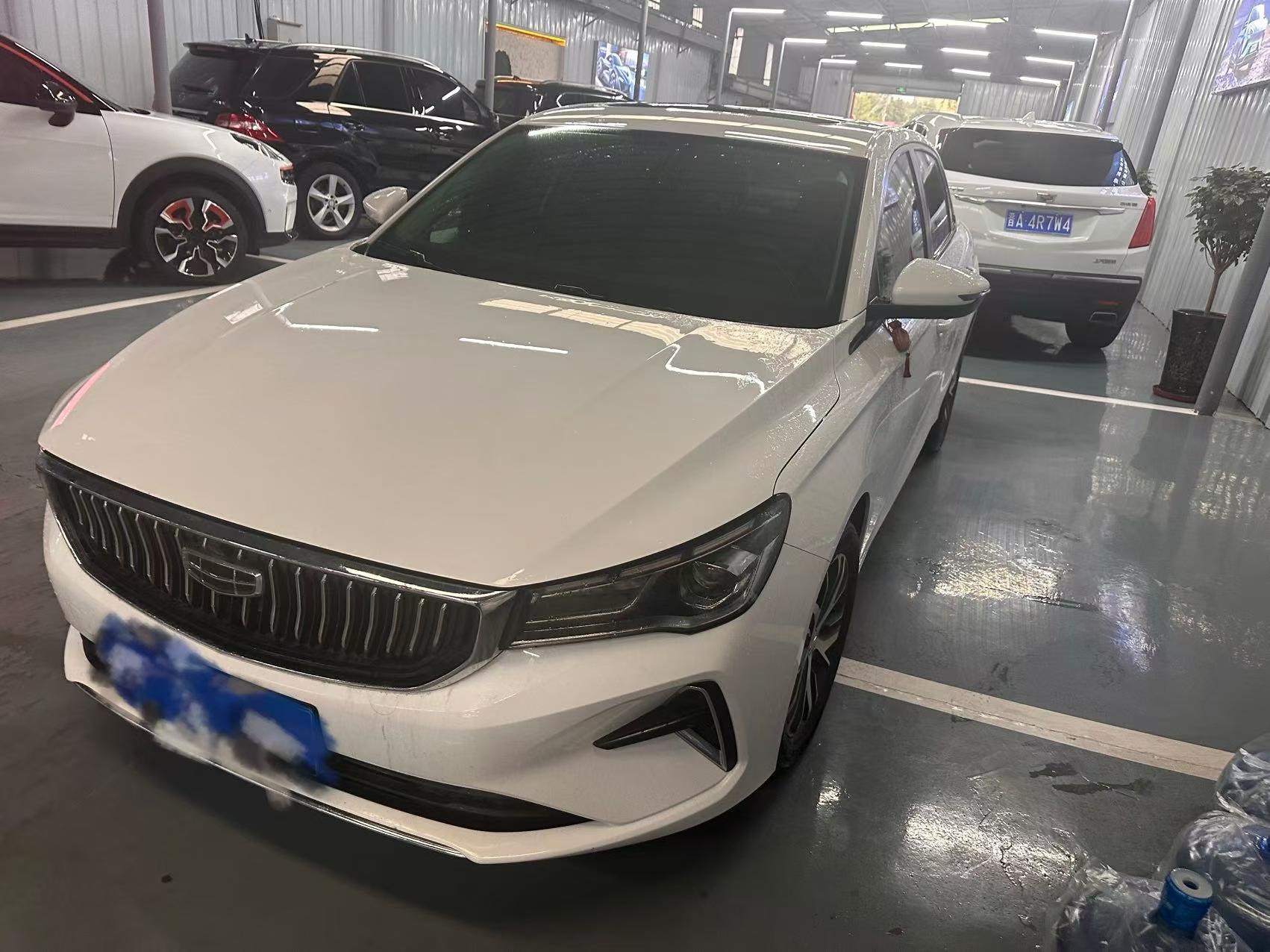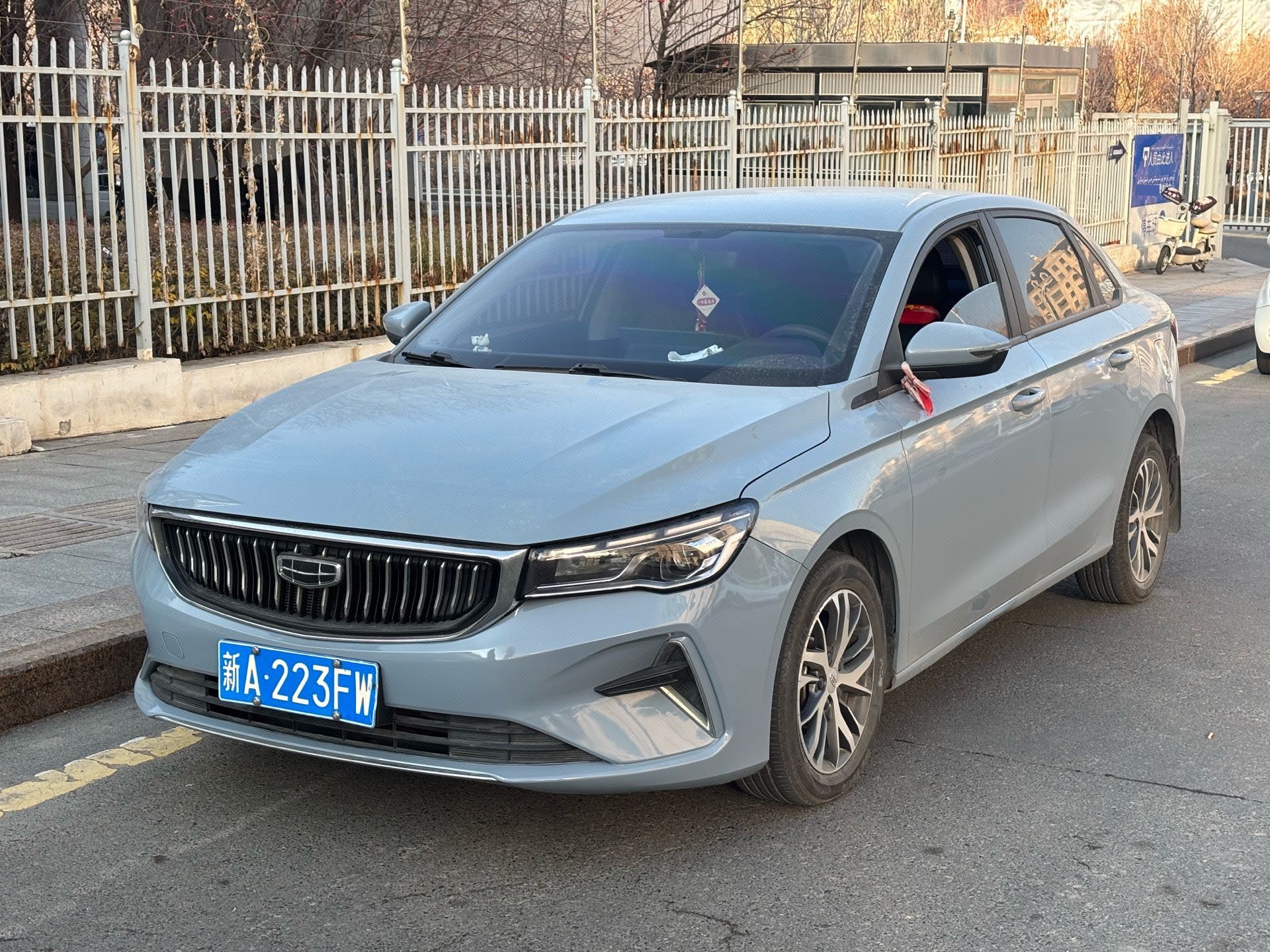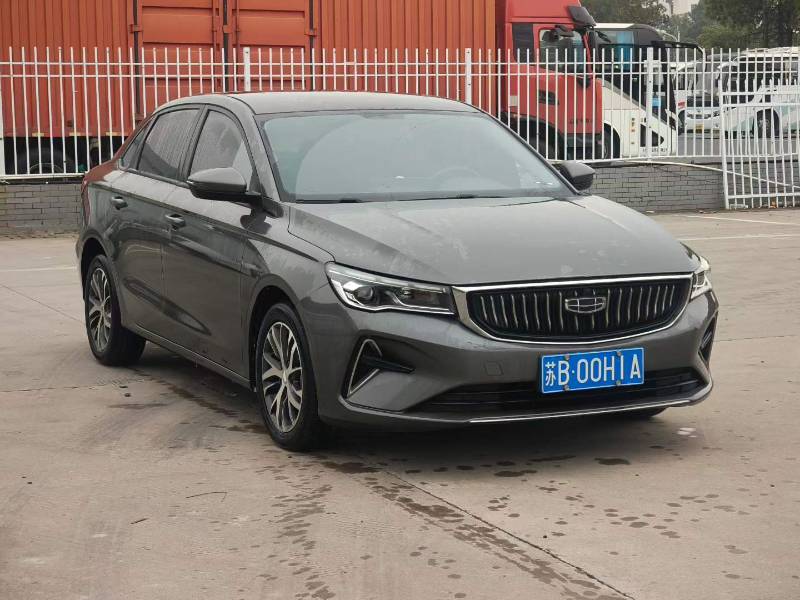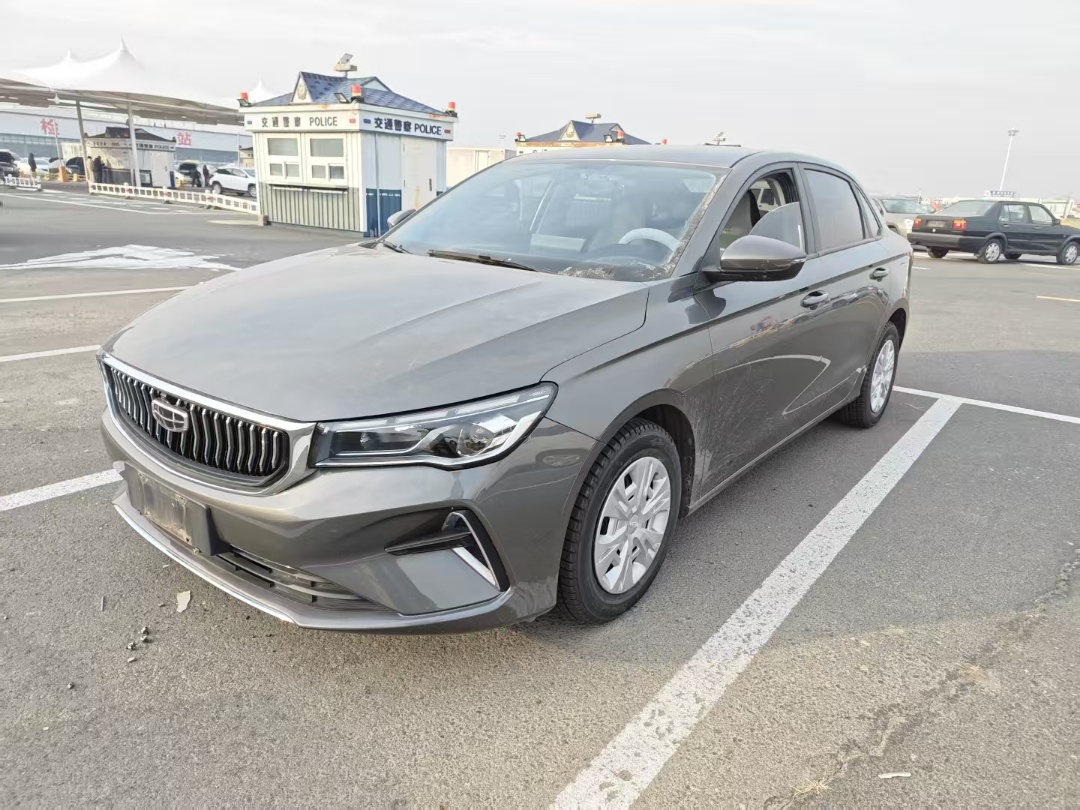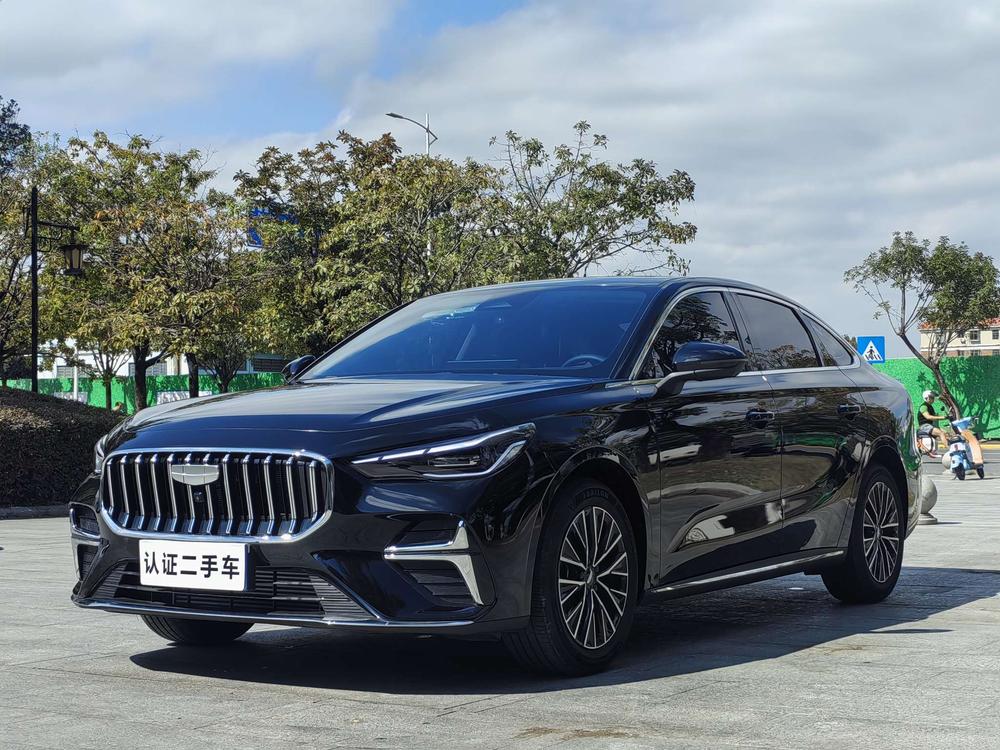
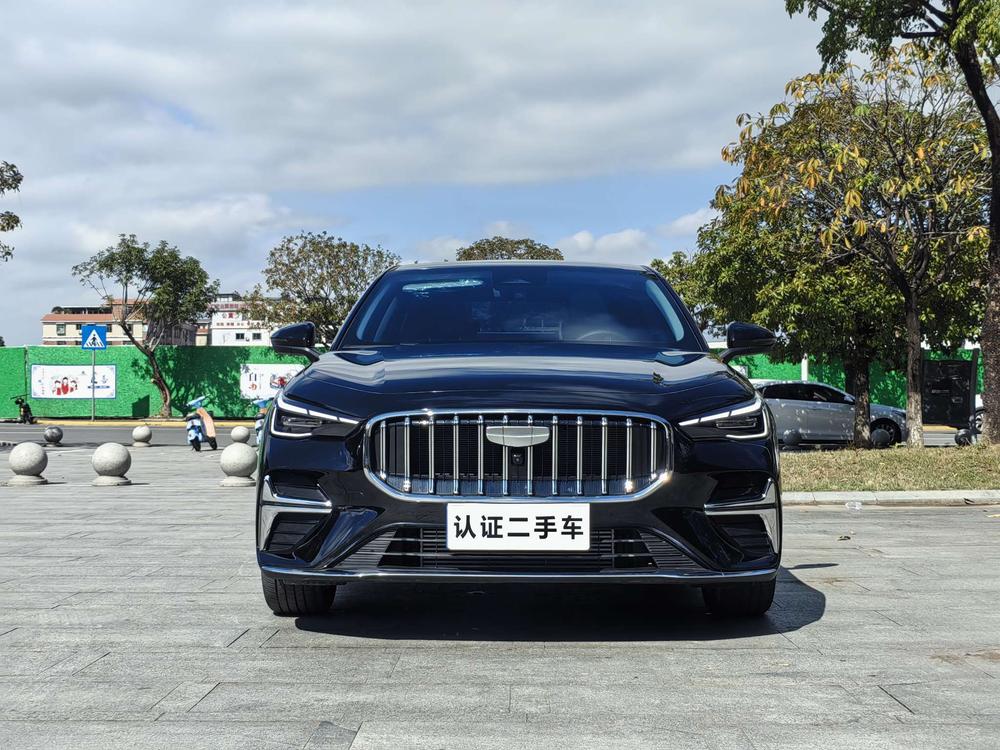
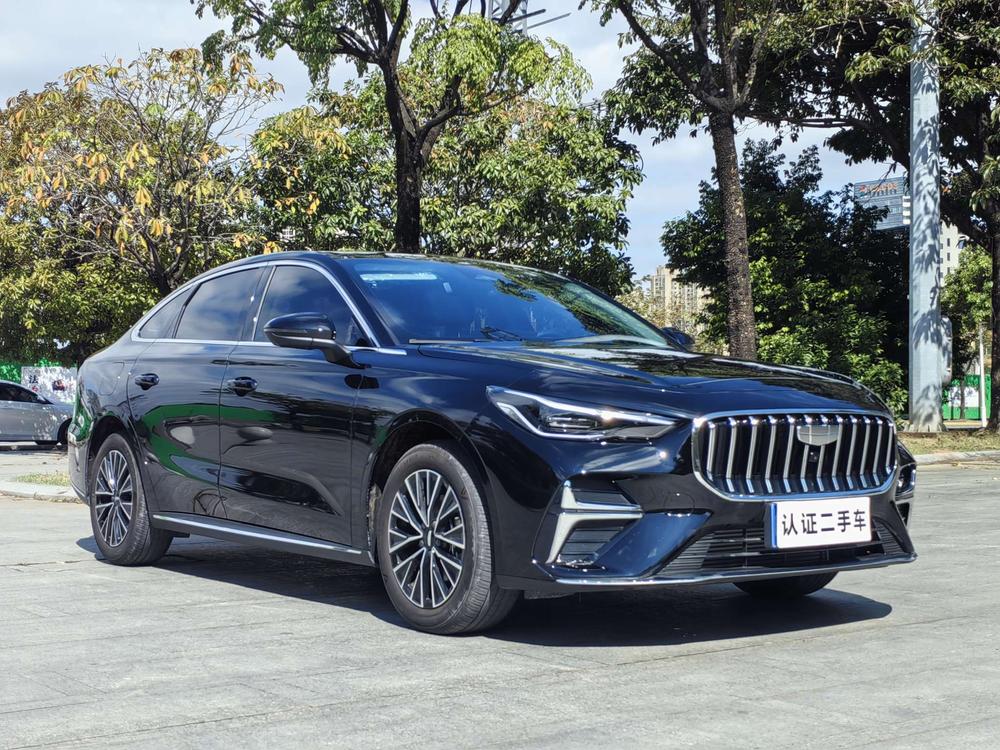
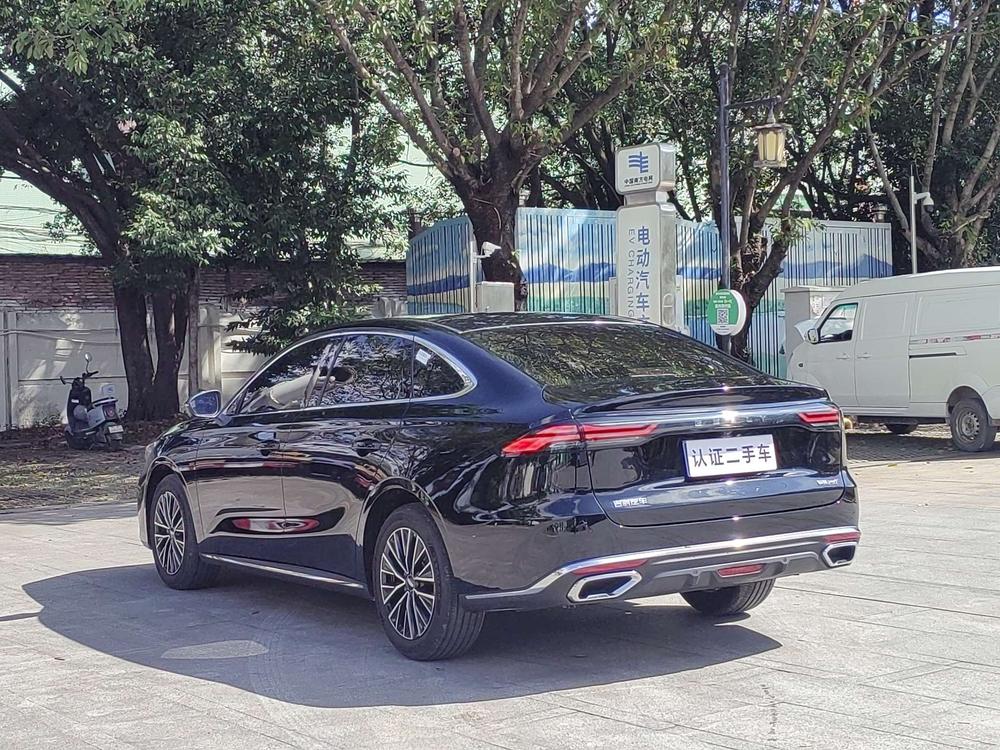
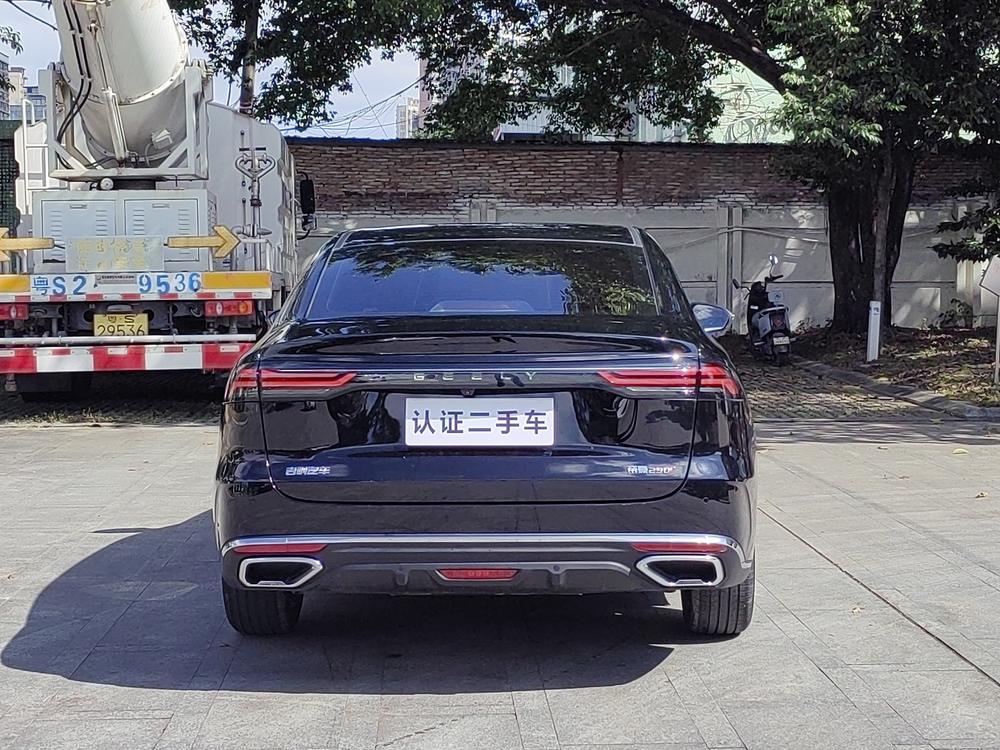
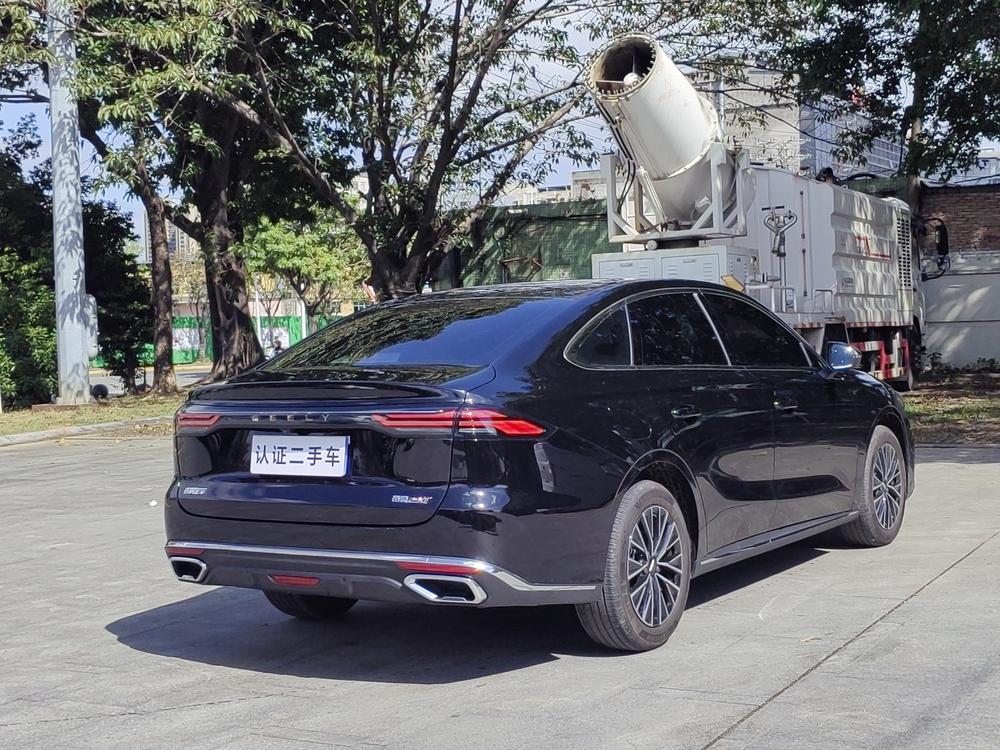
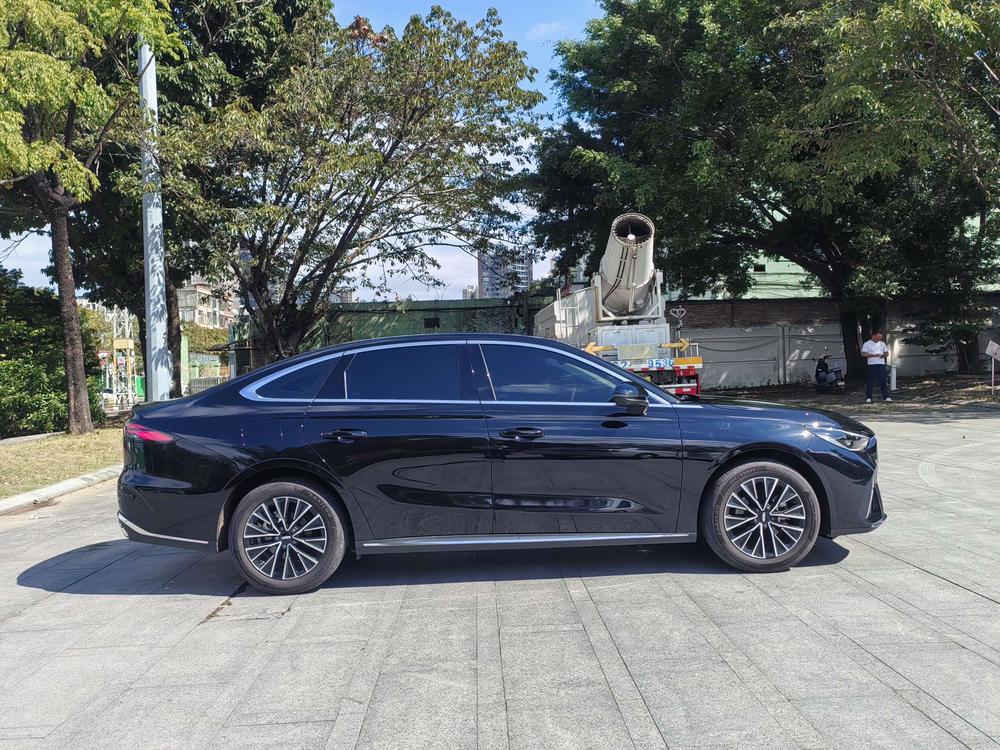
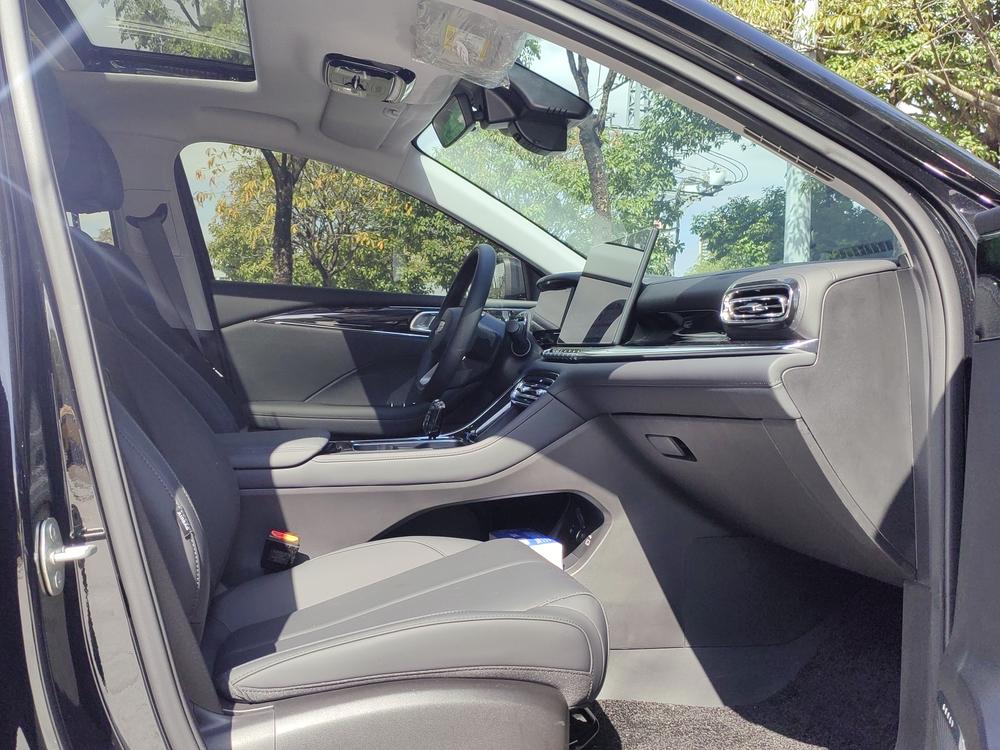
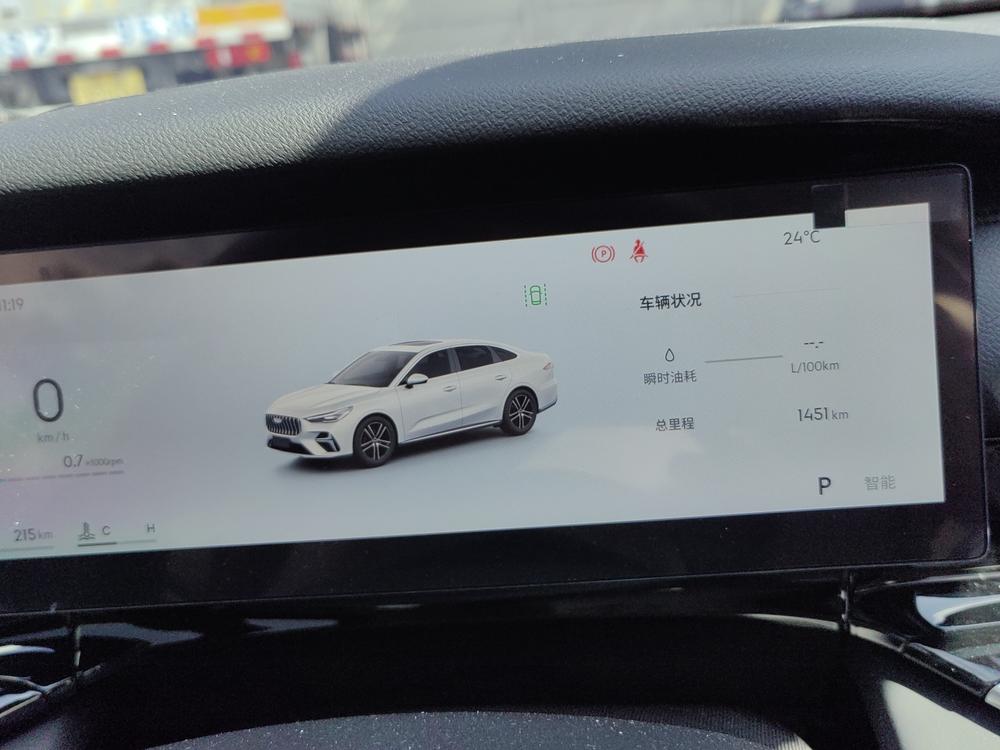
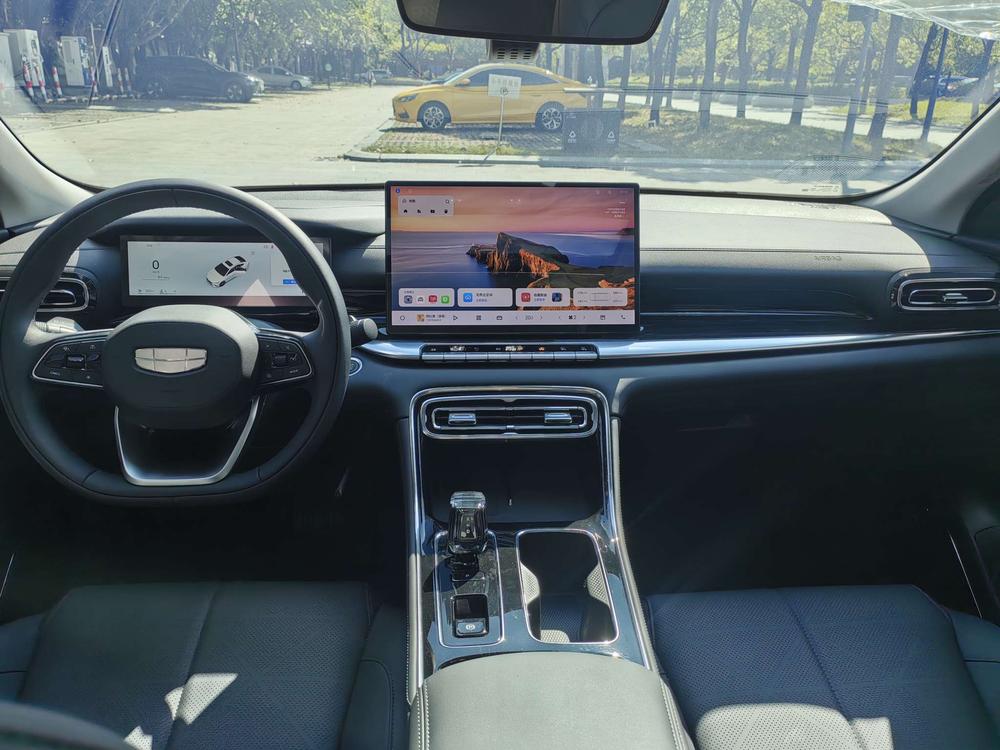
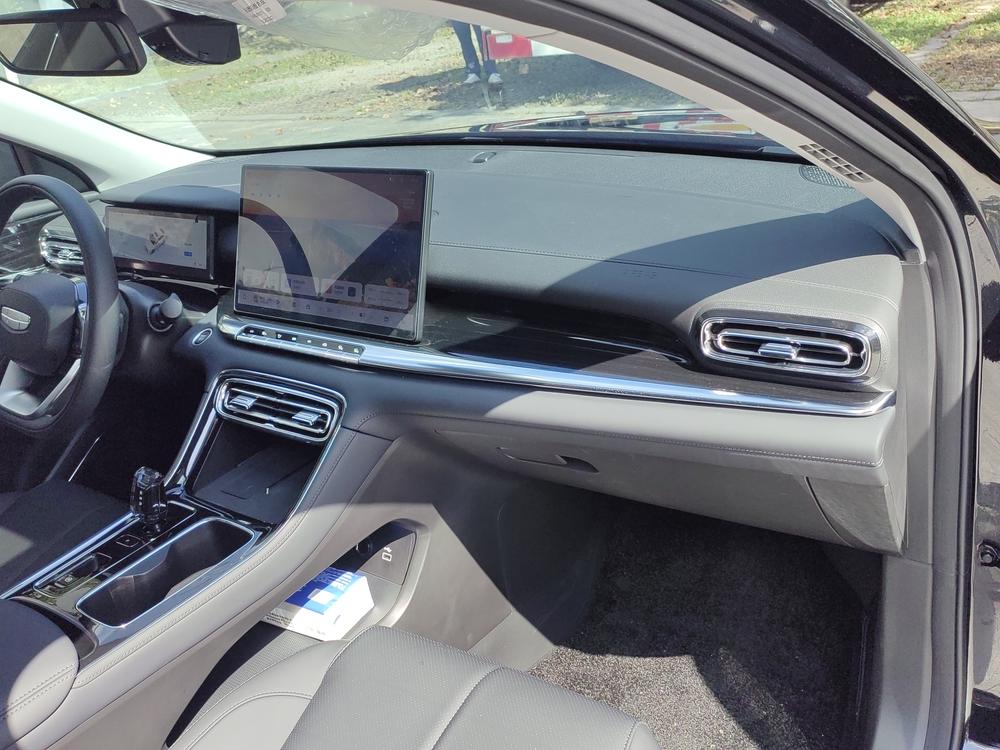
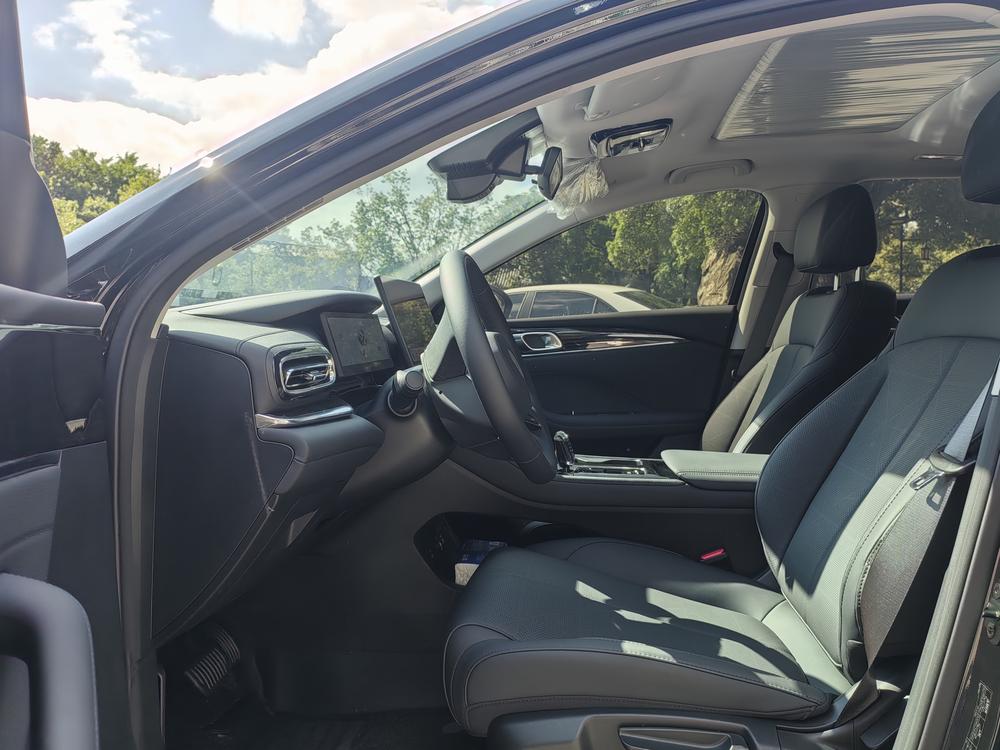
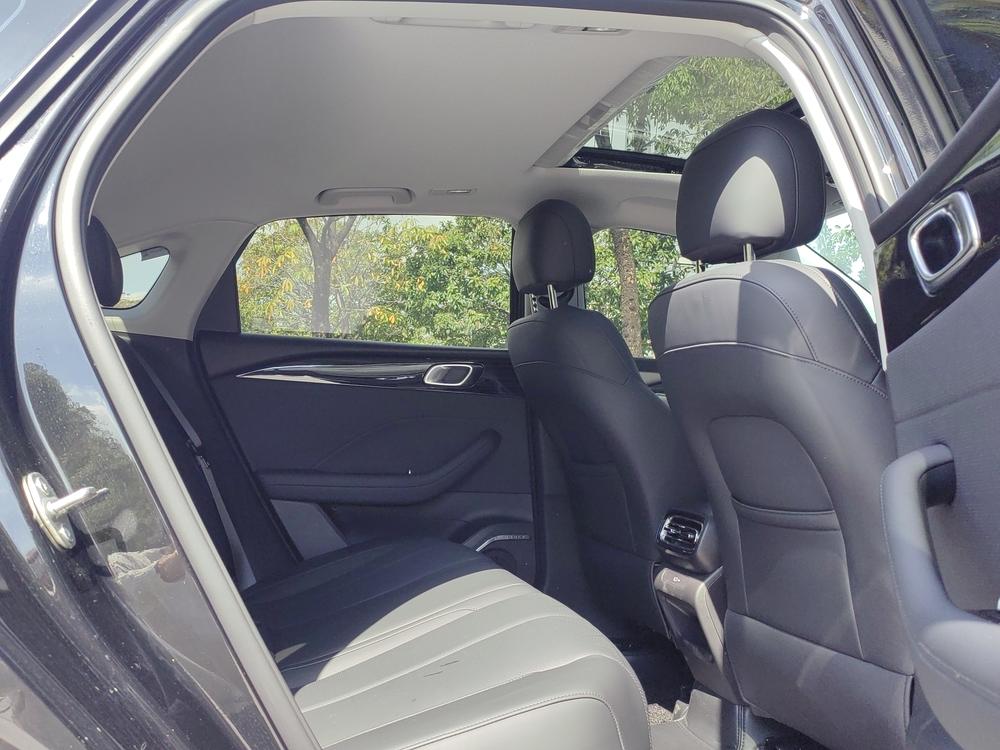
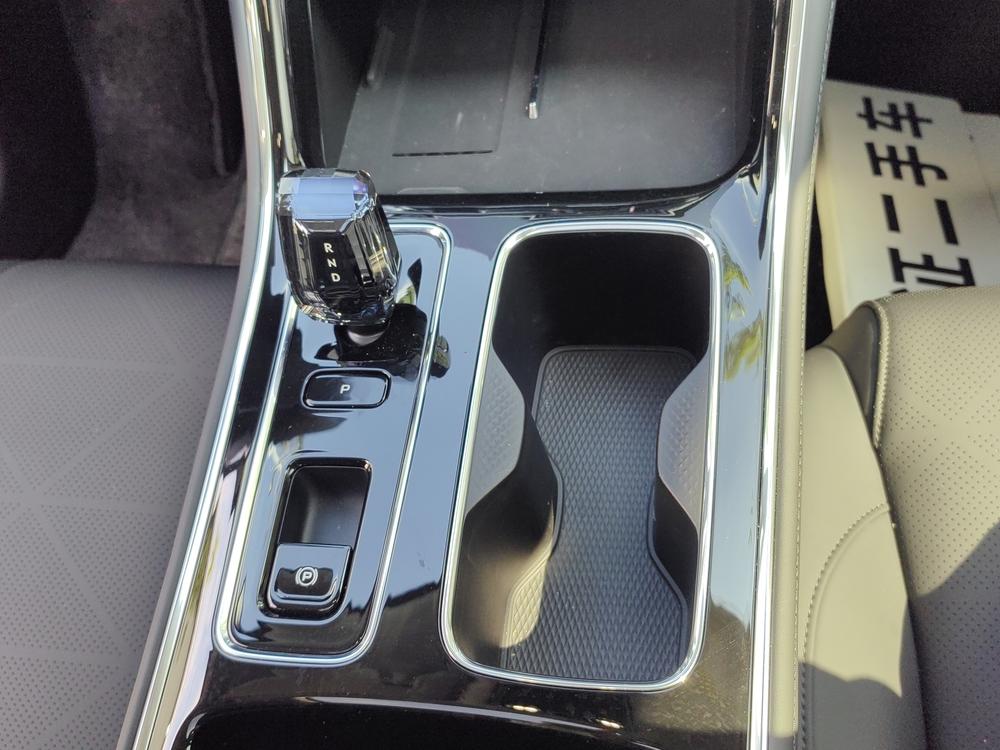
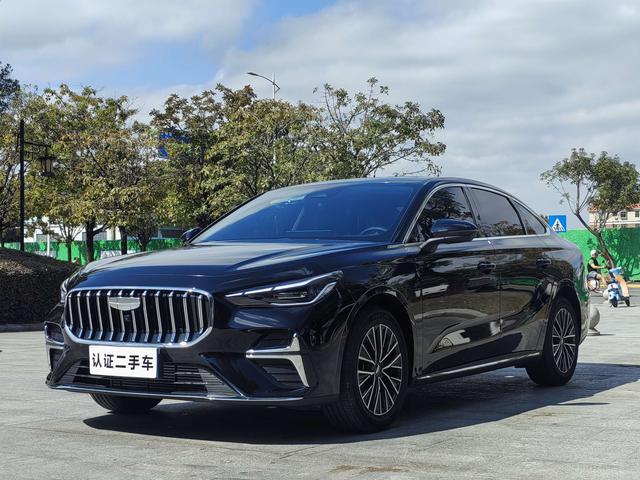



Basic Information

BrandGEELY
SeriesEmgrand
Year2026
First Registration2026/07
Mileage1,000km
Transfer Count0times
FuelGasoline
TransmissionDCT
Engine1.5T 181 L4
Color
Seats-

Condition Description

官方质检 · 60天全车质保· 7天无理由有偿退车

Configuration Highlights

✓上牌时间: 2026-07
✓表显里程: 0.1万公里
✓车源地: 东莞
✓排放标准: 国六b
✓发动机: 1.5T
✓轴距: 2755mm
✓变速箱: 自动
✓最大功率: 133kW
✓功能配置: 17项
✓安全配置: 2项
✓动力类型: 前驱
✓空间舒适性: 一般

Q&A

More

What maintenance schedule should I follow for my imported Chinese car, and where can I find the official service intervals?

Start with the owner's manual for your exact model and year—it lists the official service intervals and the required fluid specifications. If the manual is only in Chinese, ask the exporter for the English version, or check the manufacturer's website and owner community forums for your region. After the car arrives, do a baseline service even if the seller says it was just serviced: engine oil and filter, air filter, cabin filter, brake fluid check, coolant, and a 12V battery test. From then on, follow the "severe" or "extreme conditions" schedule rather than the normal one—dusty roads, short trips, and hot or very cold climates all count as severe duty, and intervals are usually shorter. Keep every invoice and record. A documented maintenance history makes warranty claims easier and protects resale value.


How does the step-by-step process work when buying a used car from China for export?

The standard process looks like this: 1. Selection: pick the car, request the VIN, registration certificate, and recent photos/videos. For higher-value cars, order an independent third-party inspection. 2. Negotiation and contract: agree on price and terms. Sign a written contract stating the car's condition, price, payment schedule, and delivery terms (FOB or CIF). 3. Deposit: typically 20-30% to reserve the car. Pay to the company's corporate account, never a personal one. 4. Verification: your agent or inspector confirms the car matches the contract before the balance is due. 5. Balance and export: pay the remaining amount; the seller arranges inland transport, export customs clearance, and port loading. 6. Shipping documents: you receive the commercial invoice, packing list, and bill of lading - usually by courier or email. 7. Arrival: your customs broker clears the car, you pay duties and taxes, then register it locally. Total timeline is usually 4-8 weeks depending on the shipping route.

How do I decode a Chinese VIN and what can it tell me about a used car before I buy?

A Chinese VIN is 17 characters, and decoding it takes minutes but reveals a lot. Positions 1-3 are the World Manufacturer Identifier. Cars sold domestically in China usually start with L (for example LFV for FAW-VW, LGB for Dongfeng Nissan), which tells you it was built in China rather than imported. Position 10 is the model year letter or number. Positions 4-8 describe the model, body type, and drivetrain, so you can verify the seller's description matches the actual car. Cross-check the VIN in three places: the plate at the base of the windshield, the sticker on the door jamb or B-pillar, and the registration certificate. Mismatched VINs or signs the plates were re-riveted are a serious red flag for a cloned or rebuilt vehicle. Use the VIN to pull a history report from a Chinese data provider and to verify recall status with the manufacturer. Any seller who hesitates to share the full VIN is telling you something important.