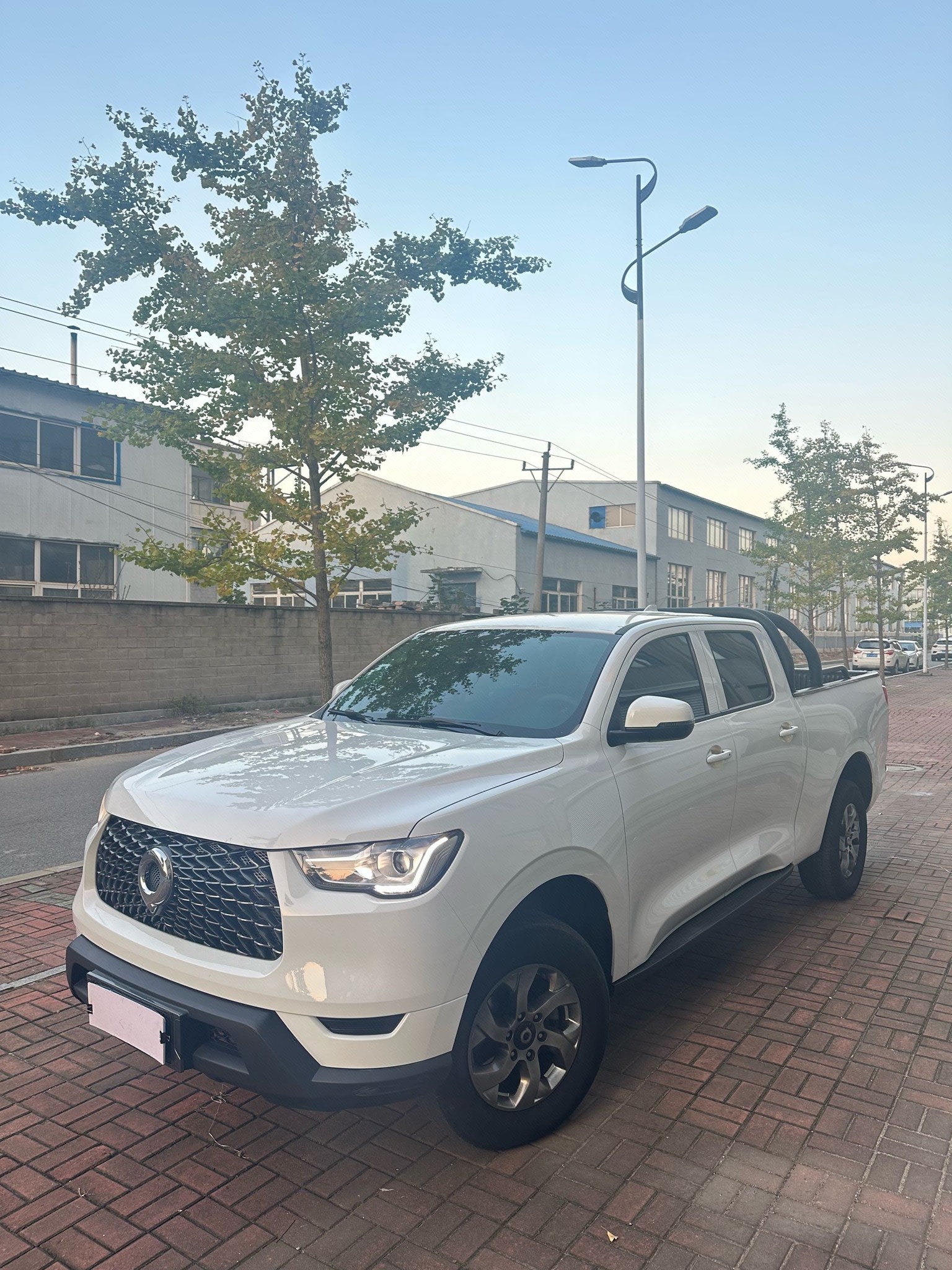
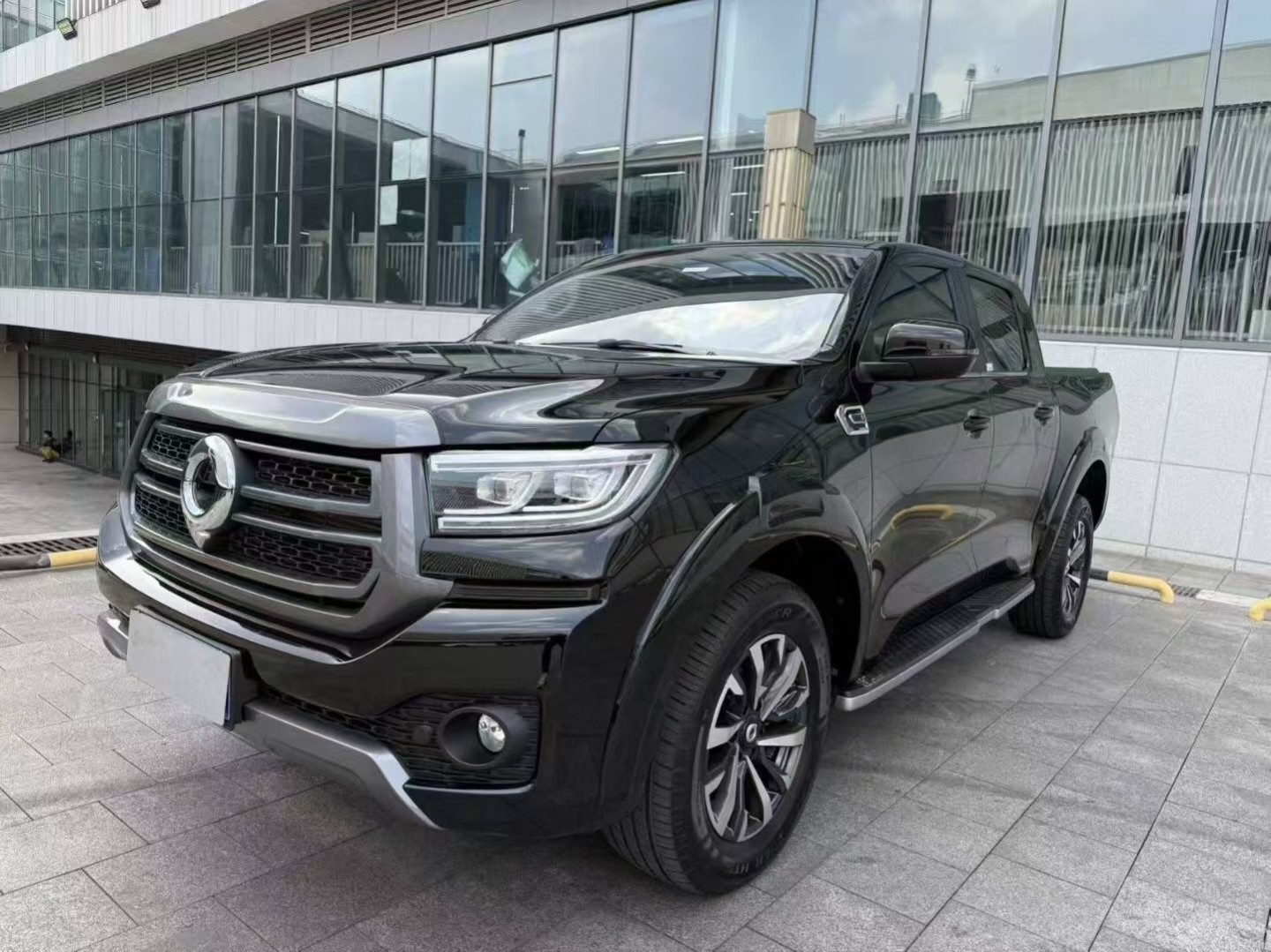
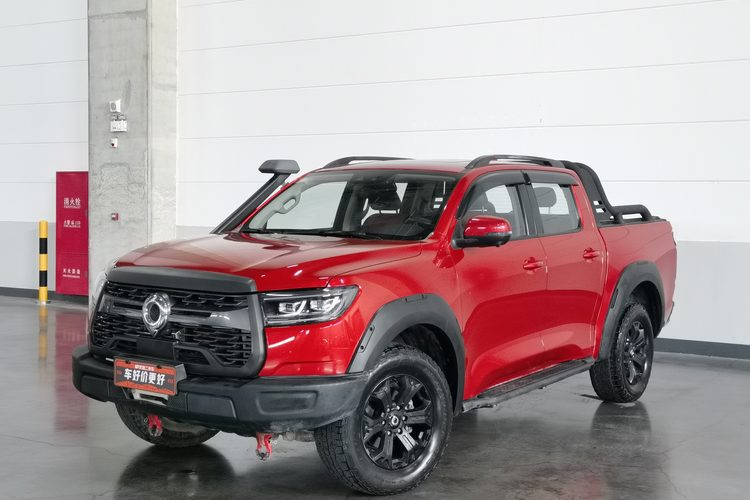
Basic Information

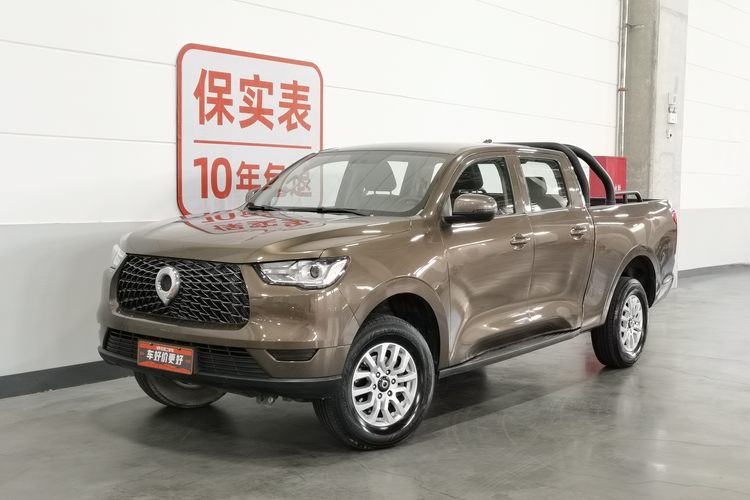
BrandGreat Wall
SeriesPoer
Year2022
First Registration2022/07
Mileage50,000km
Transfer Count-
FuelDiesel
TransmissionAutomatic
Engine2.0T 163 L4
ColorWhite
Seats-

Condition Description

very good

Excellent vehicle condition, with third-party inspection report. 0 down payment available, 3-5 year repayment plan supported. [Vehicle Name] Great Wall Cannon 2.0T Commercial Automatic Diesel 2WD Elite Long Box Car [Registration Date] July 2022 [Mileage] Over 50,000 km [Engine Displacement] 2.0T [Vehicle Configuration] Keyless entry, push-button start, multi-function steering wheel, paddle shifters, cruise control, large connected screen with reversing camera, leather seats, etc.

90-day repurchase guarantee

Configuration Highlights

✓ISOFIX Child Seat Anchors
✓Auto Hold
✓Keyless Start System
✓Paddle Shifters
✓Bluetooth/Hands-free

Accident & Maintenance Records

Accident Record

🔗 Open Link

Maintenance Record

🔗 Open Link

Document Information

Inspection Expiry Date2026/07
Warranty Expiry Date-
Insurance Expiry Date2026/07

Q&A

More

Is China's "National VI B" emission standard equivalent to Europe's Euro VI standard?

From a technical perspective, China's "National VI B (China VI-b)" is one of the strictest emission standards globally, with limits on carbon monoxide, nitrogen oxides, and particulate matter that are even stricter than some of Europe's Euro VI standards. However, the two are not legally recognized by each other, depending on your country's import regulations.
When B2B buyers make bulk purchases, can they request to combine the accessory costs and vehicle price on the same commercial invoice to reduce overall tariffs?

No, this is a serious customs violation. Complete vehicles (HS Code 8703) and auto parts (HS Code 8708, etc.) are subject to completely different import tax rates. Combining them on one invoice could lead to the invoice being returned by customs and may expose you to tax fraud accusations at the destination port.

How to check the condition of the turbocharger (oil leaks, unusual noises, insufficient pressure) for turbocharged vehicles?

Experience turbo lag and power surge during road tests; check for significant oil accumulation at the turbo intake and intercooler connections (slight oil vapor is normal); and use OBD to read the real-time boost pressure peak to see if it meets factory settings.