

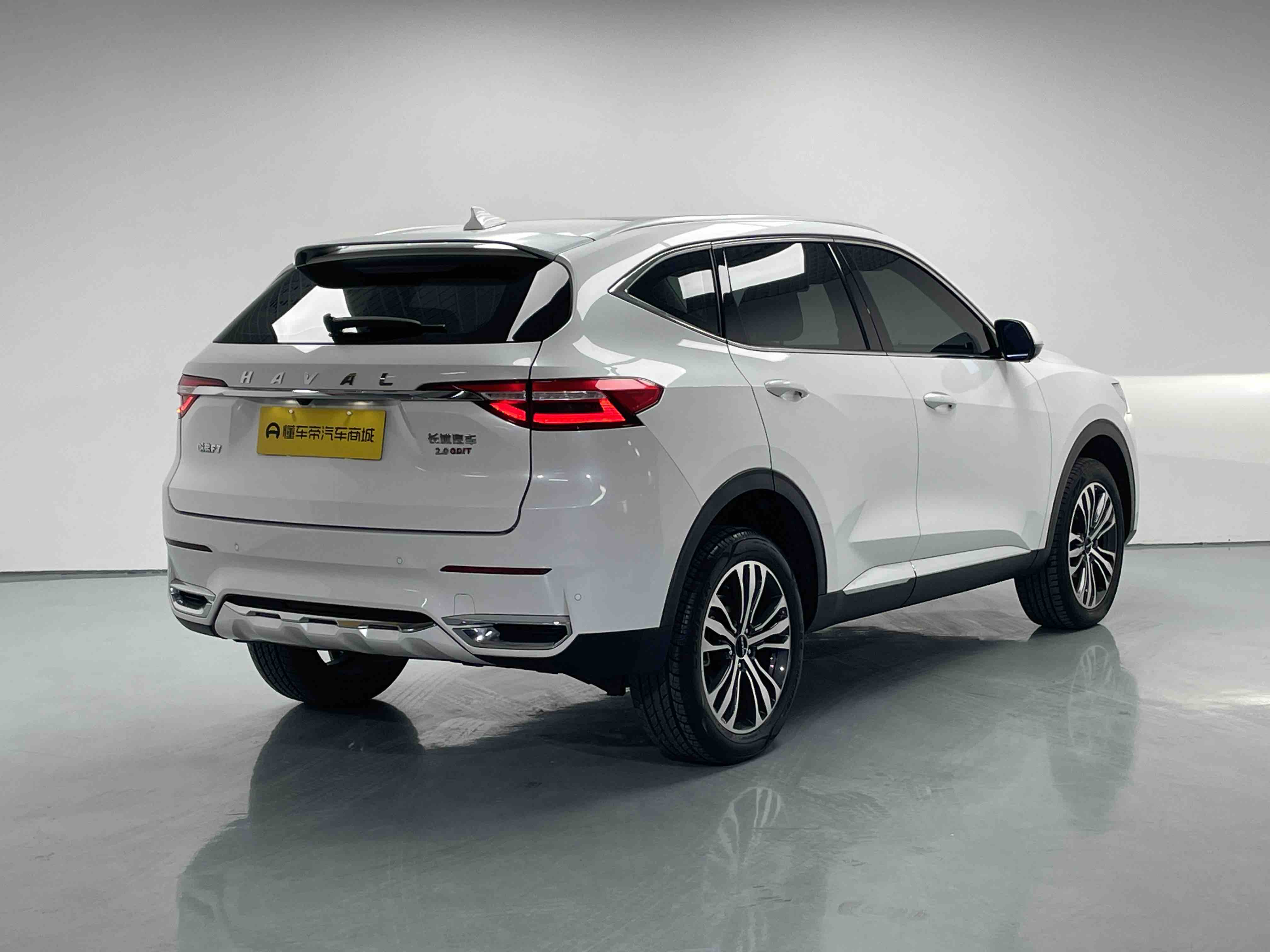
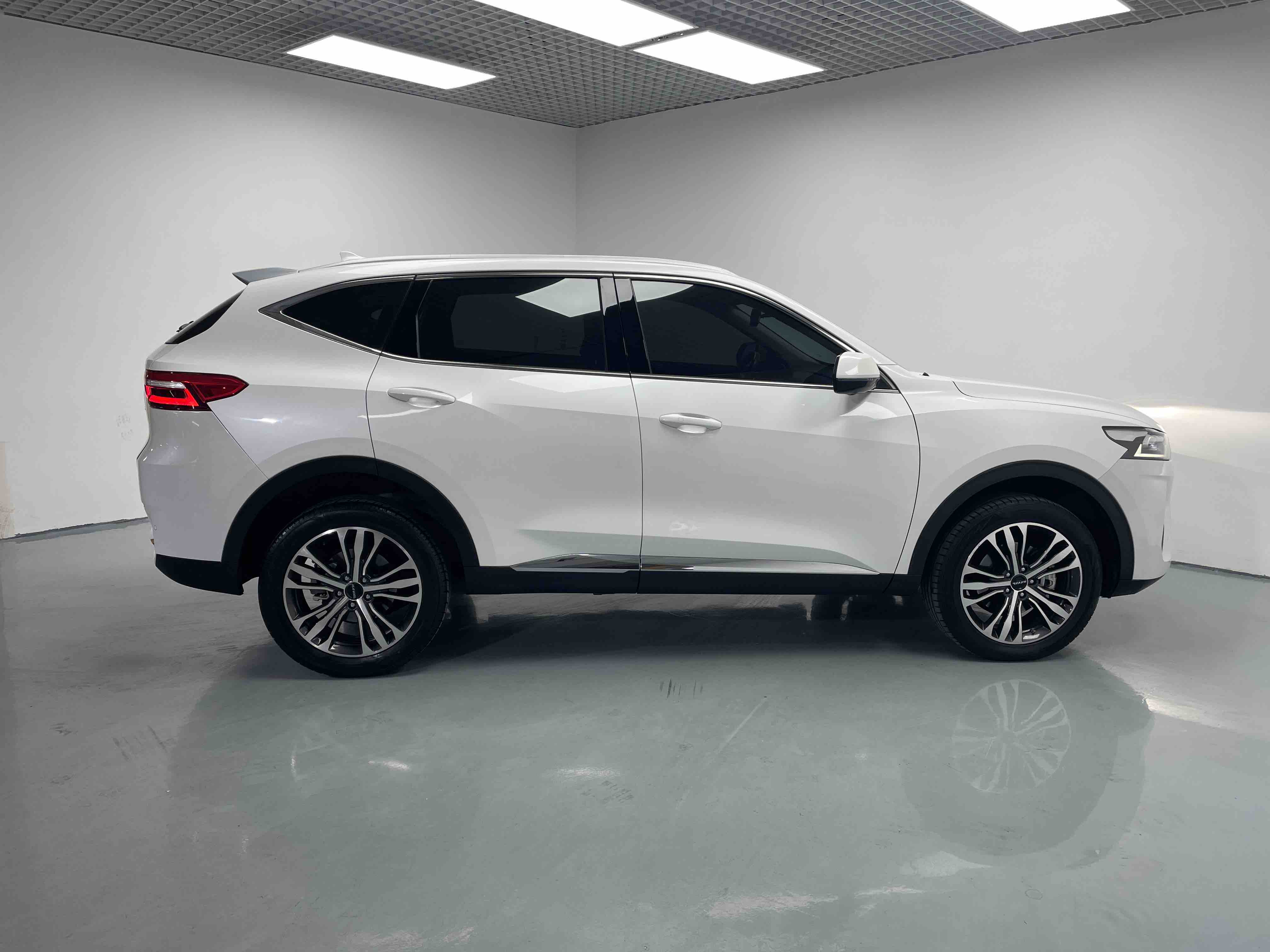
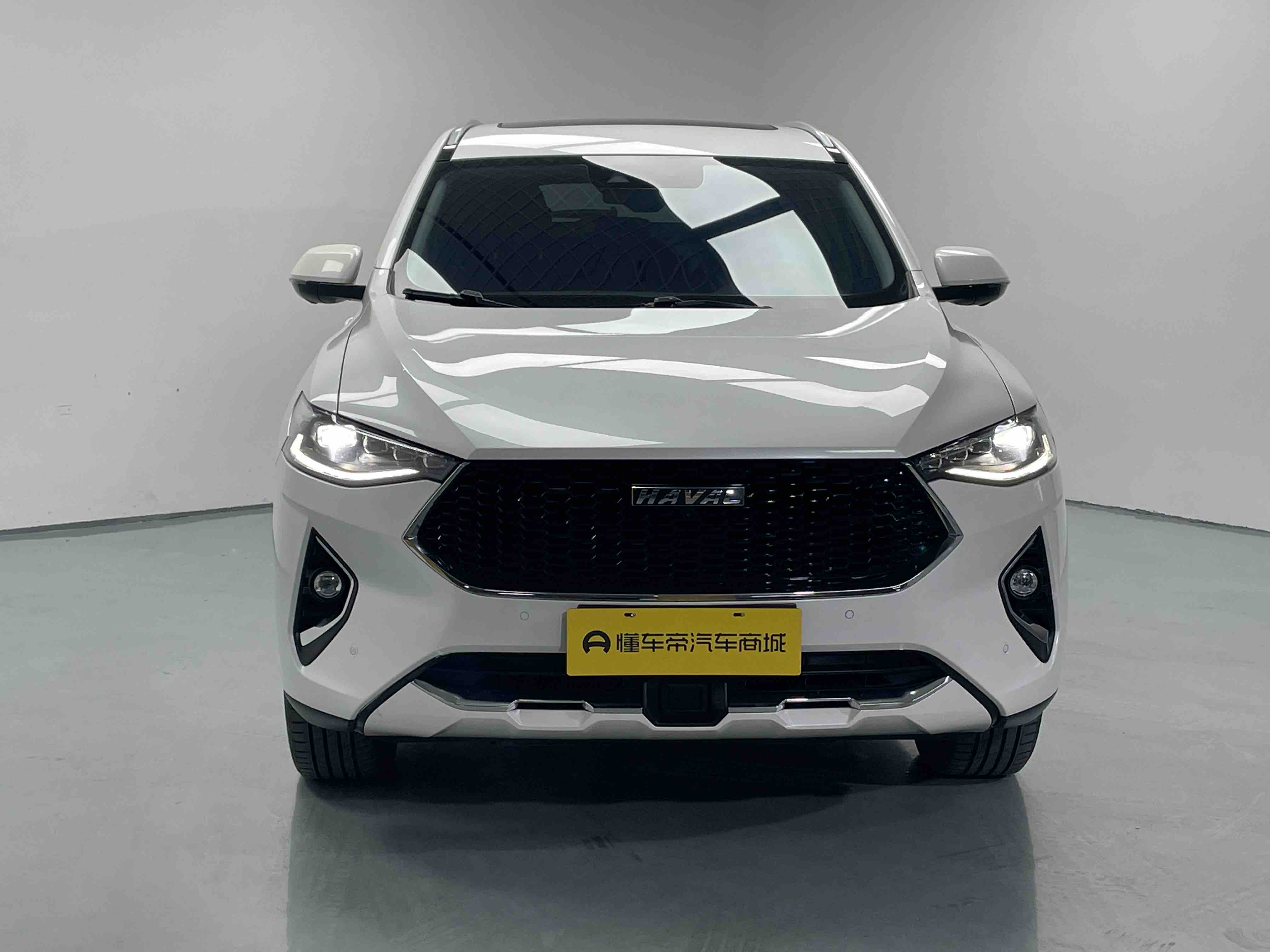
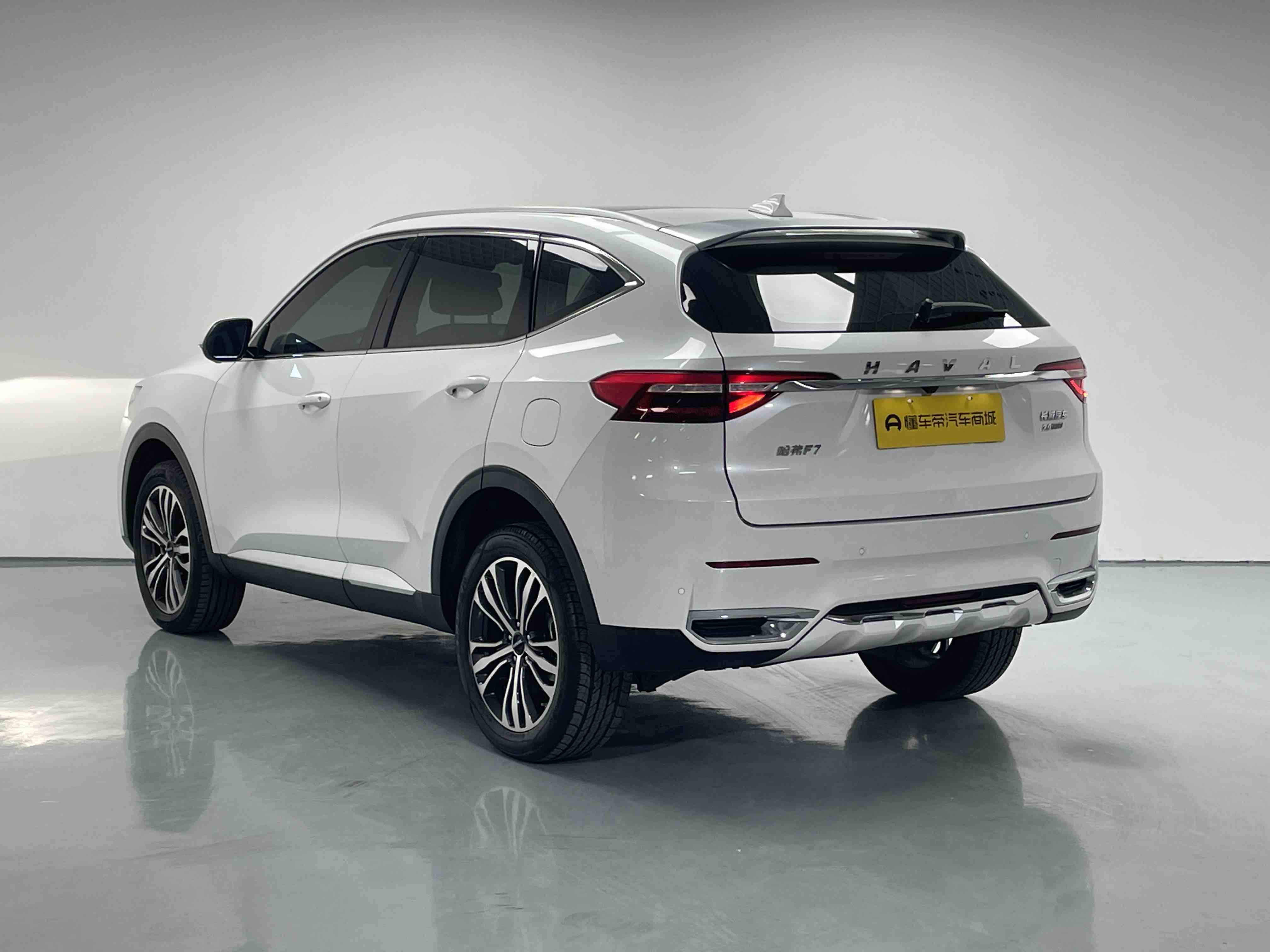
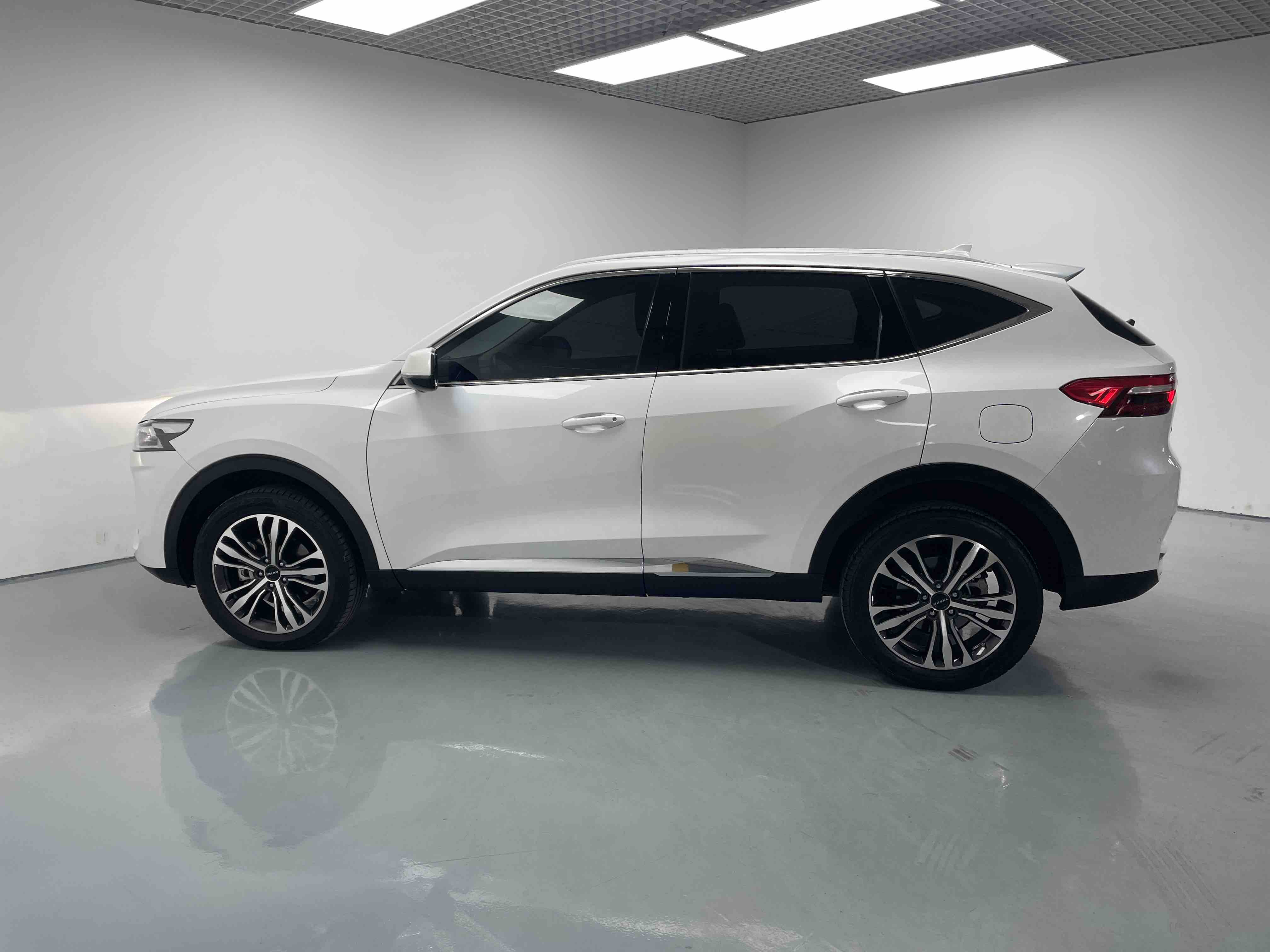
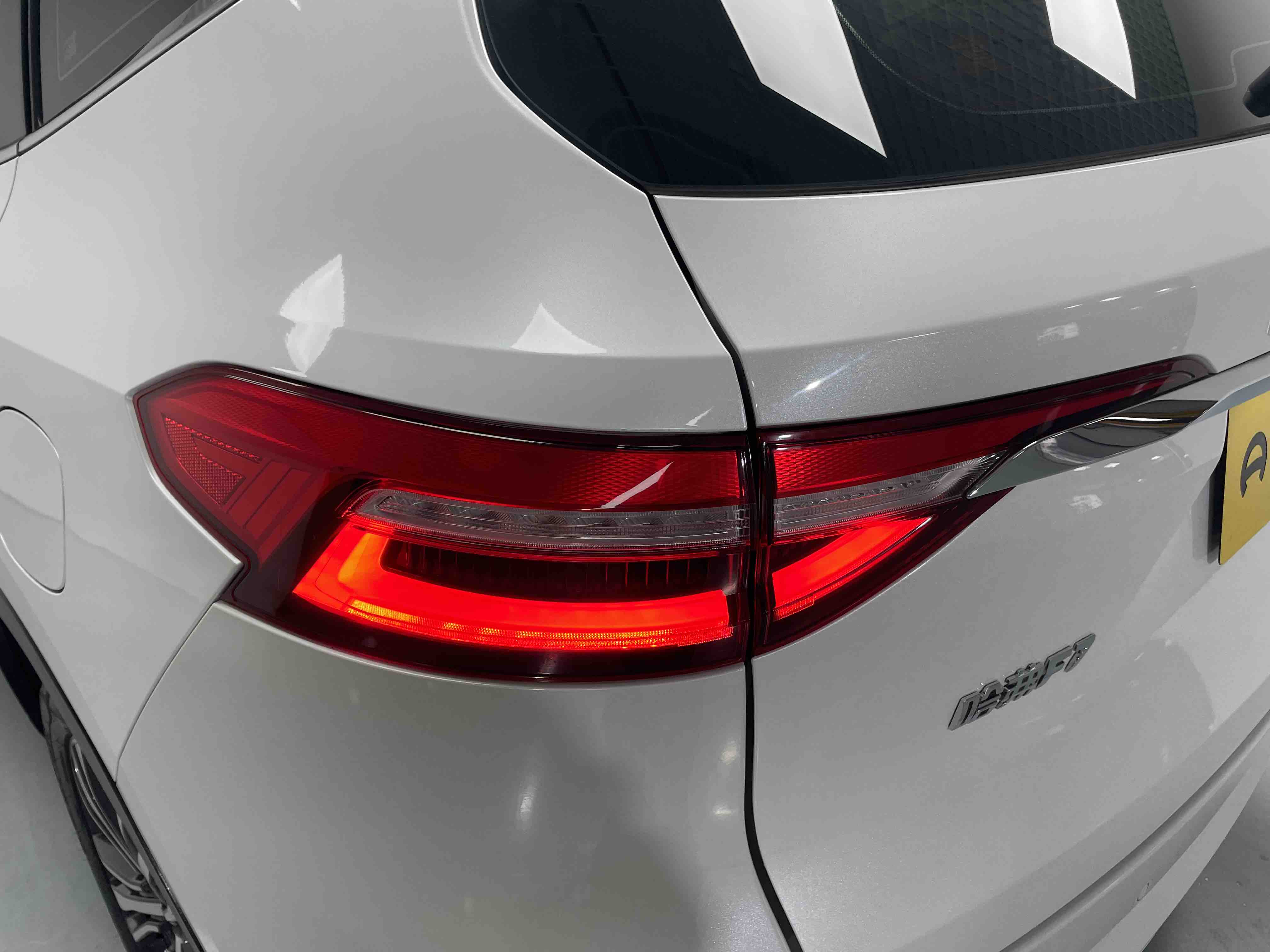
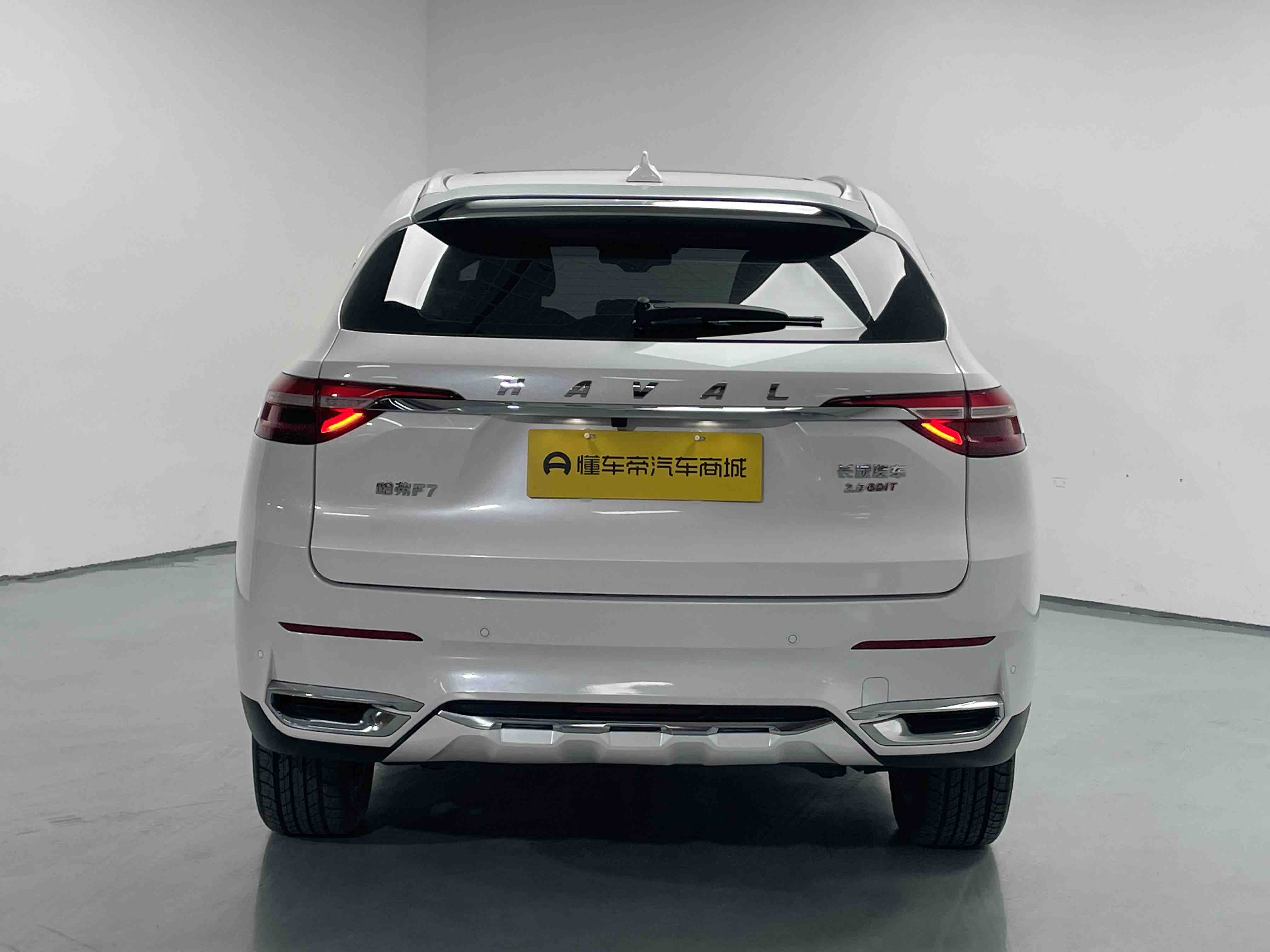
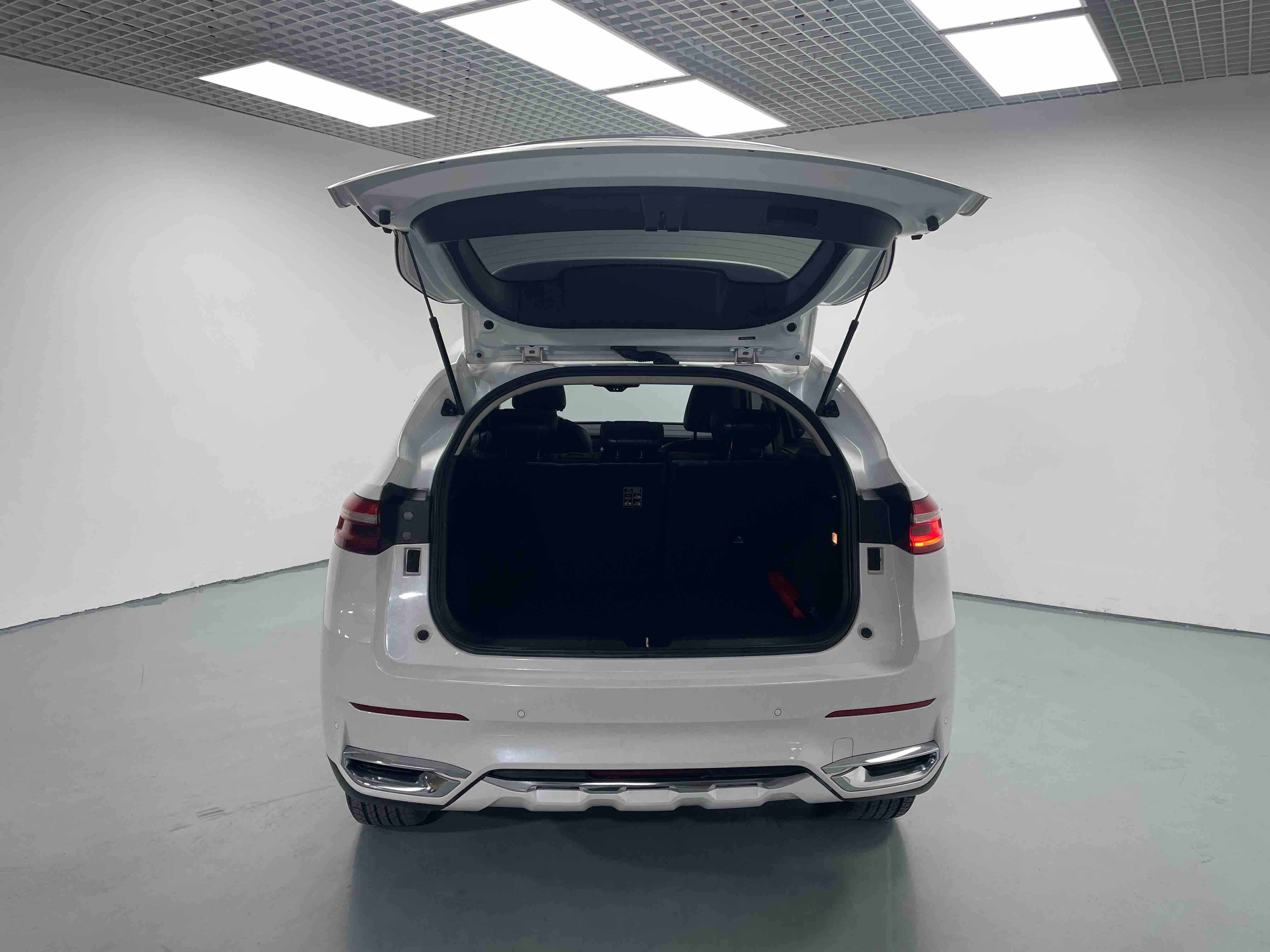
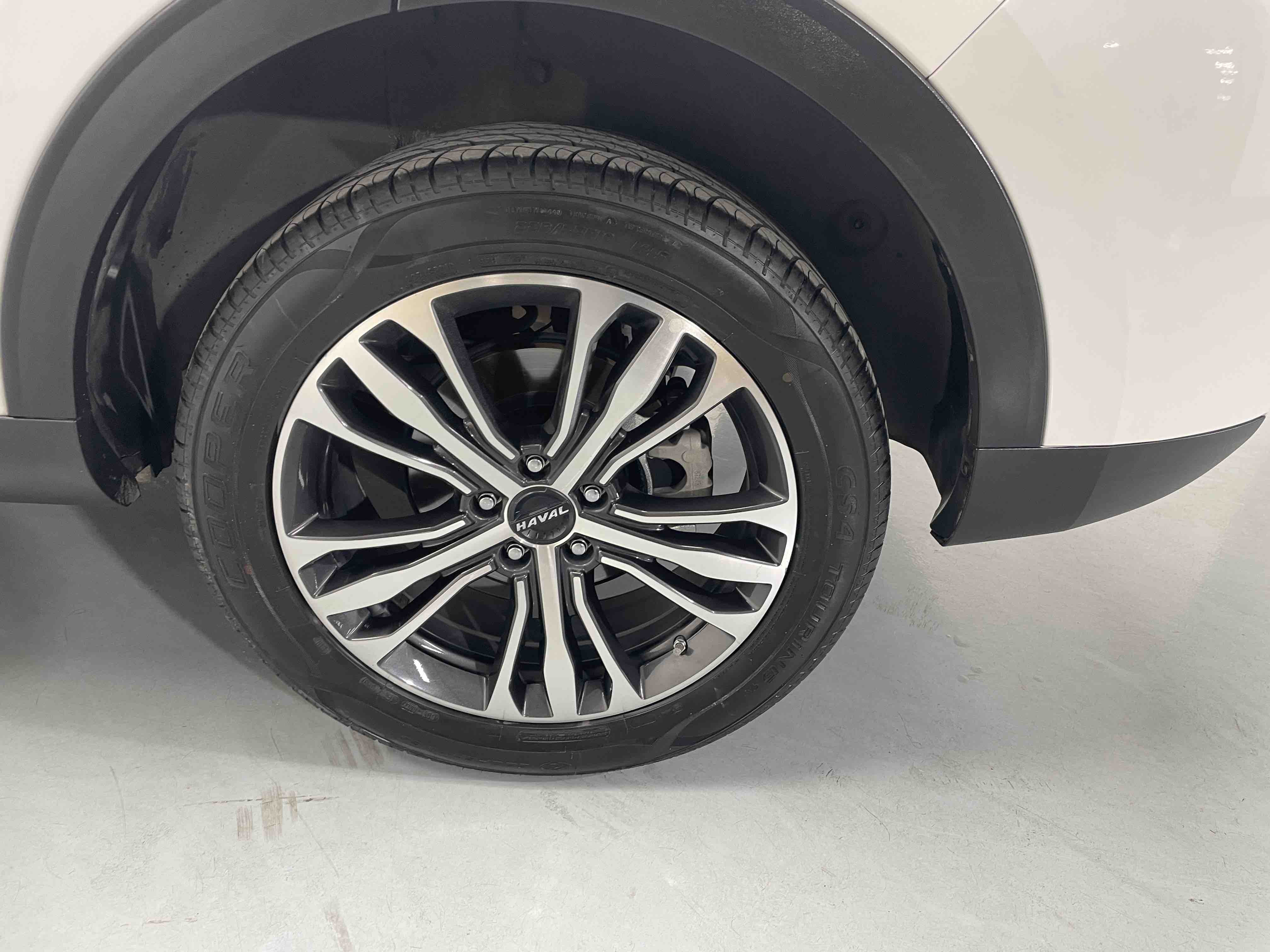
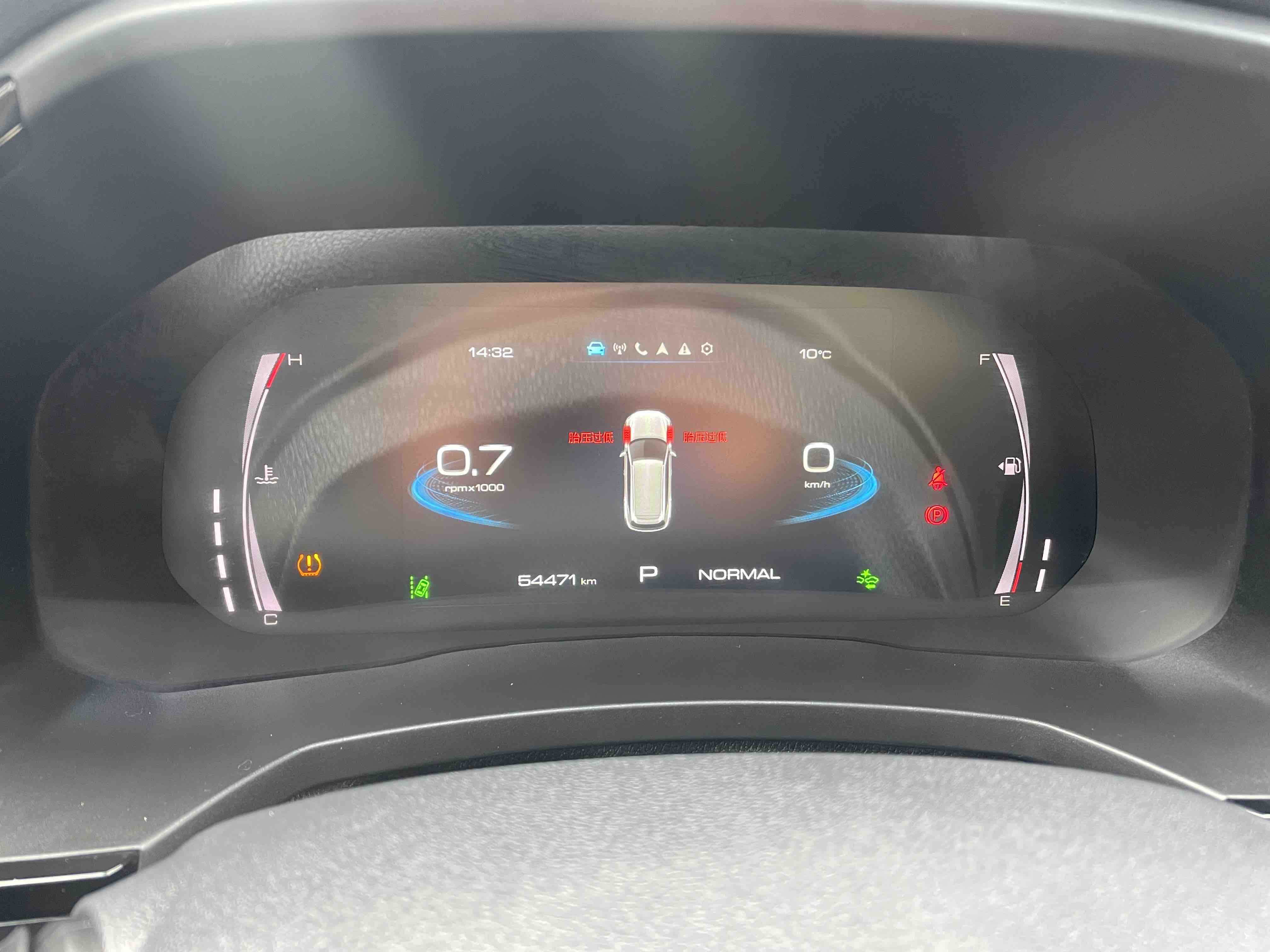
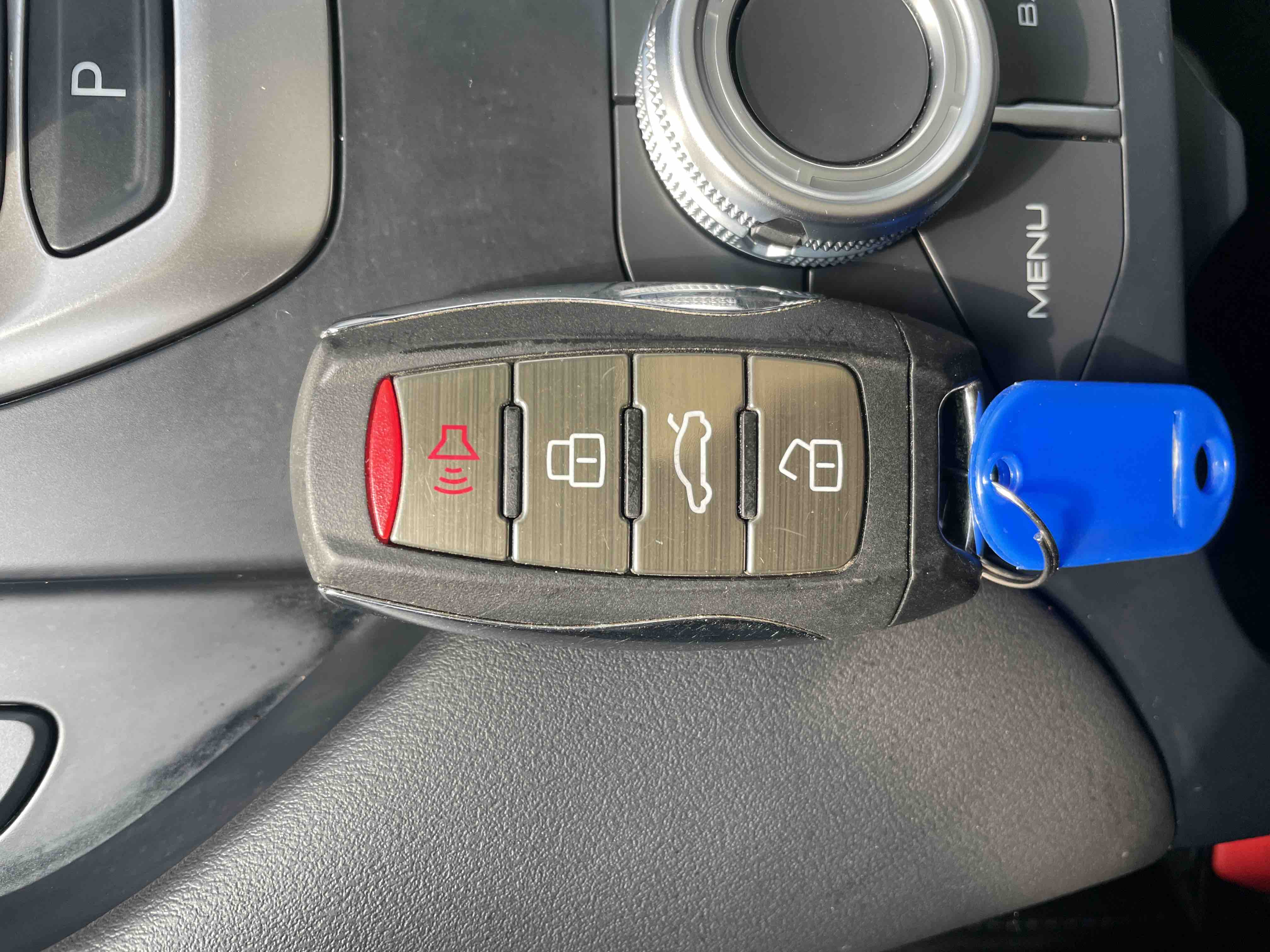
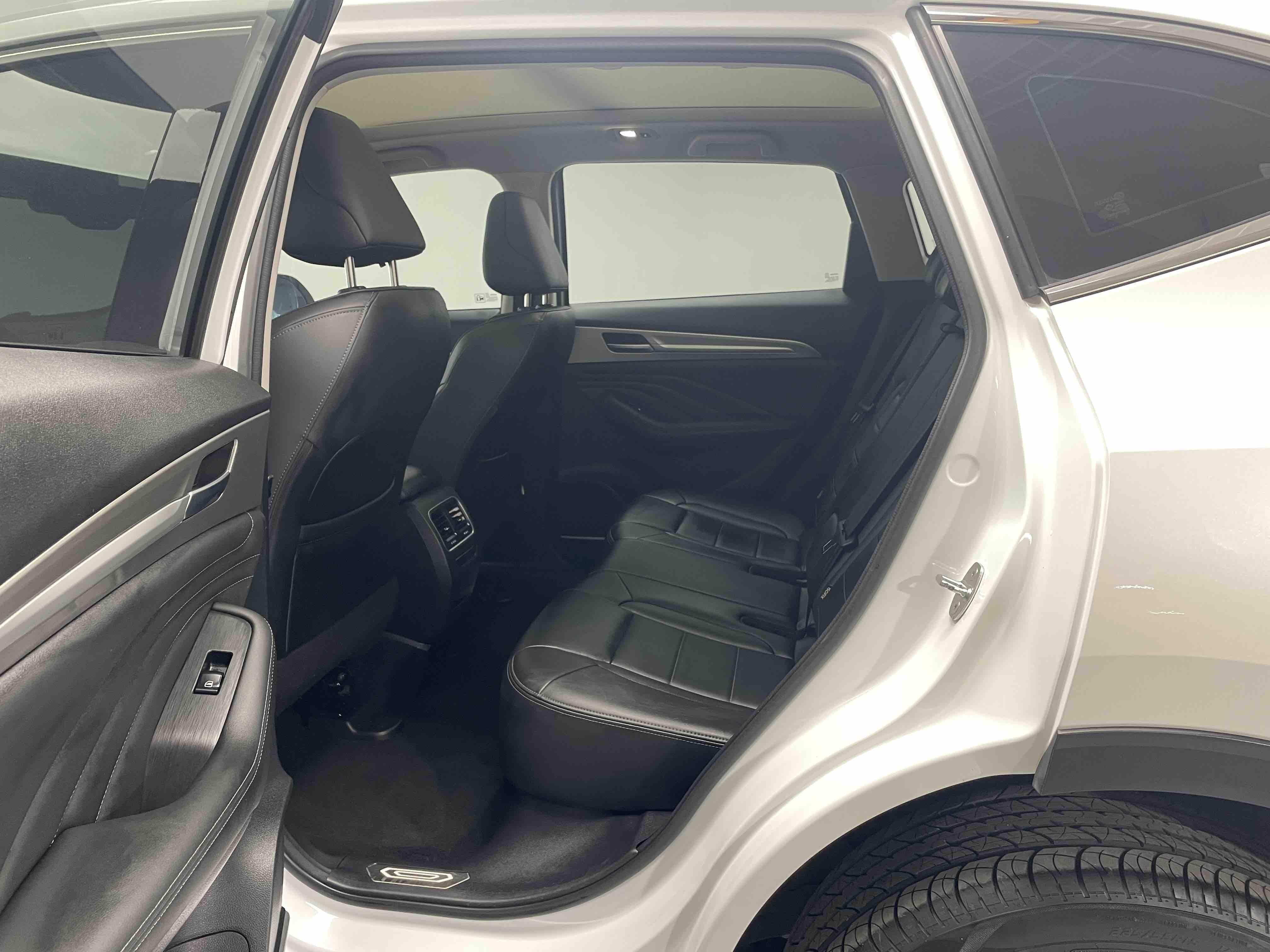
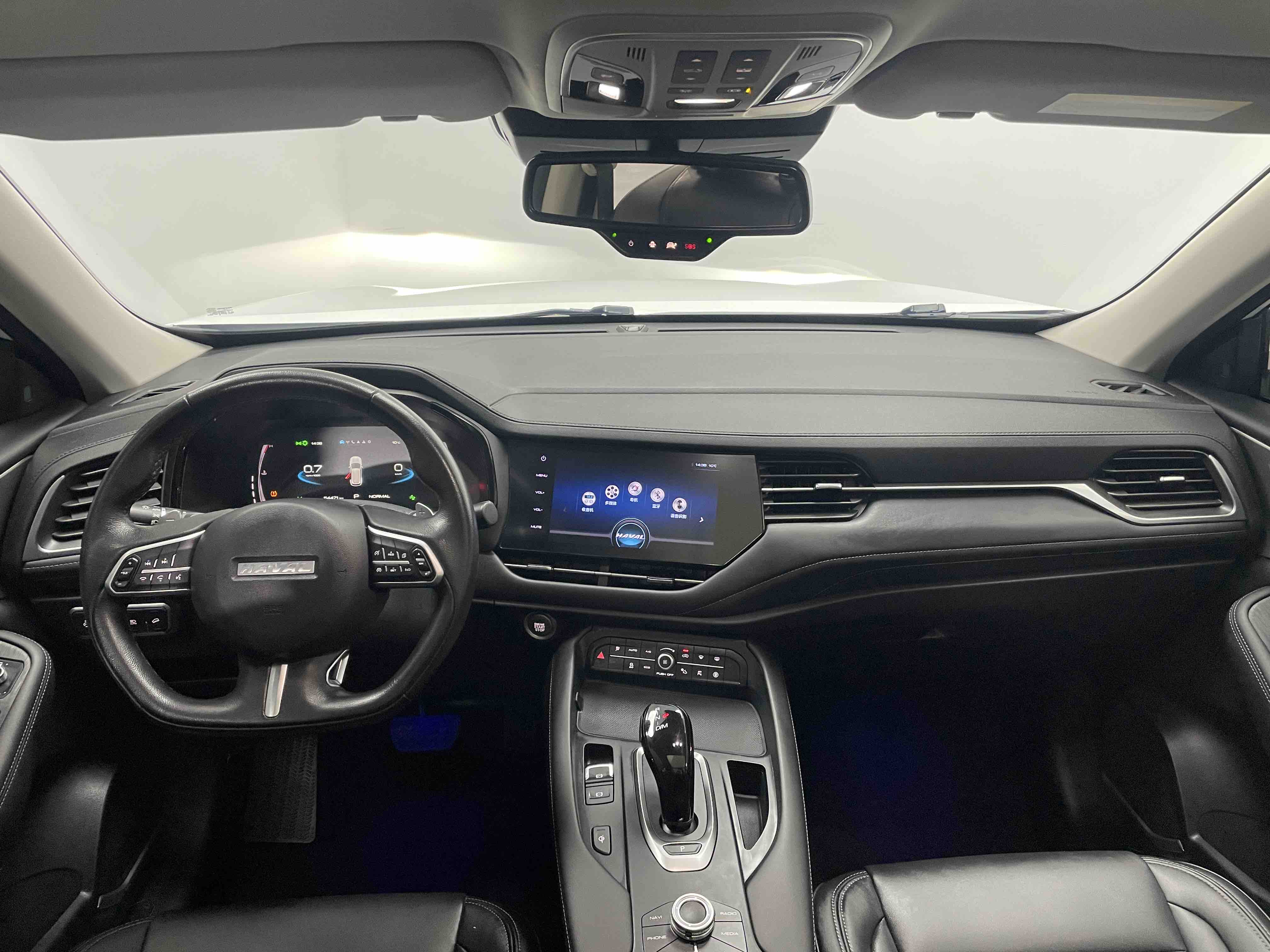
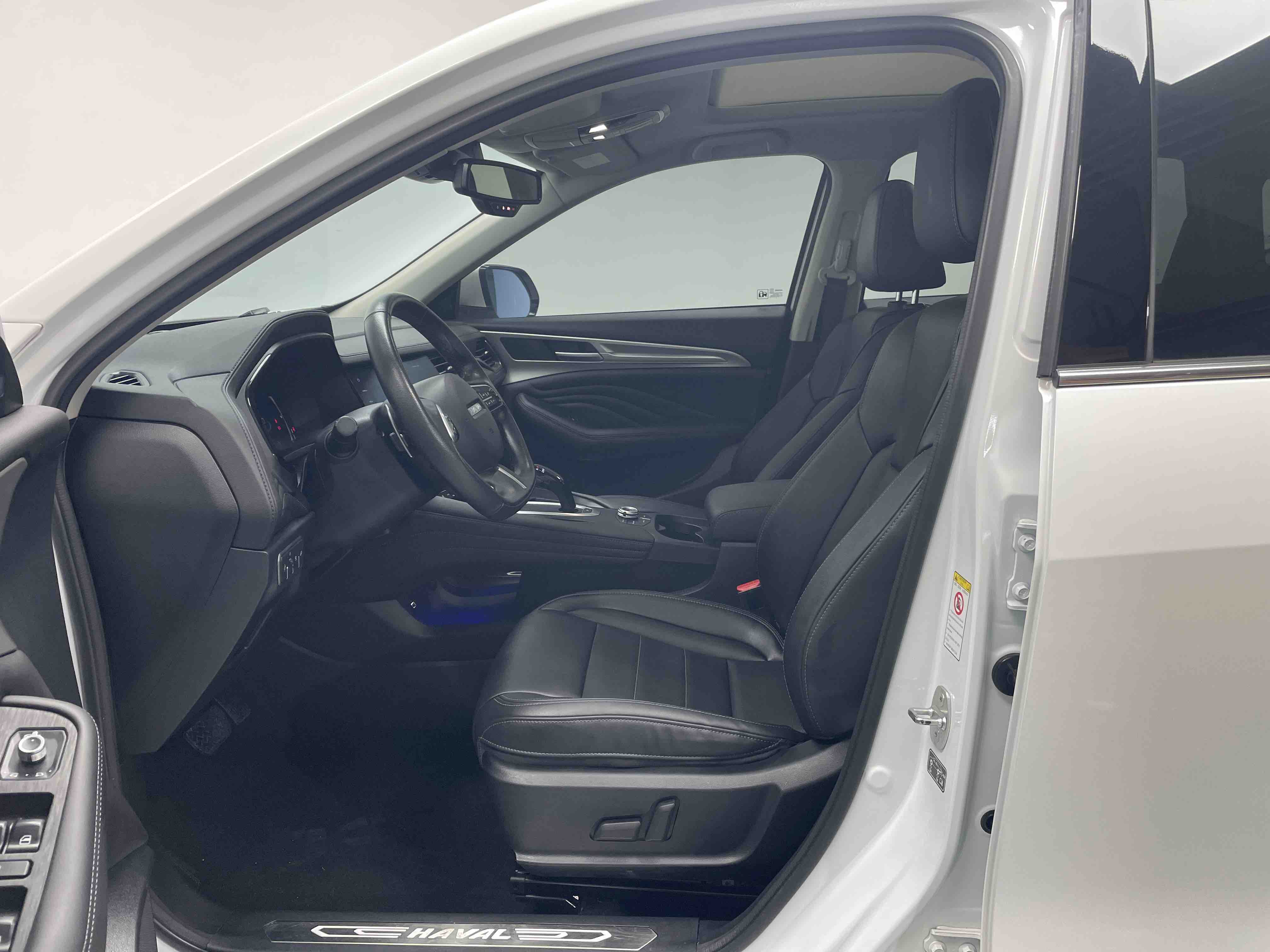
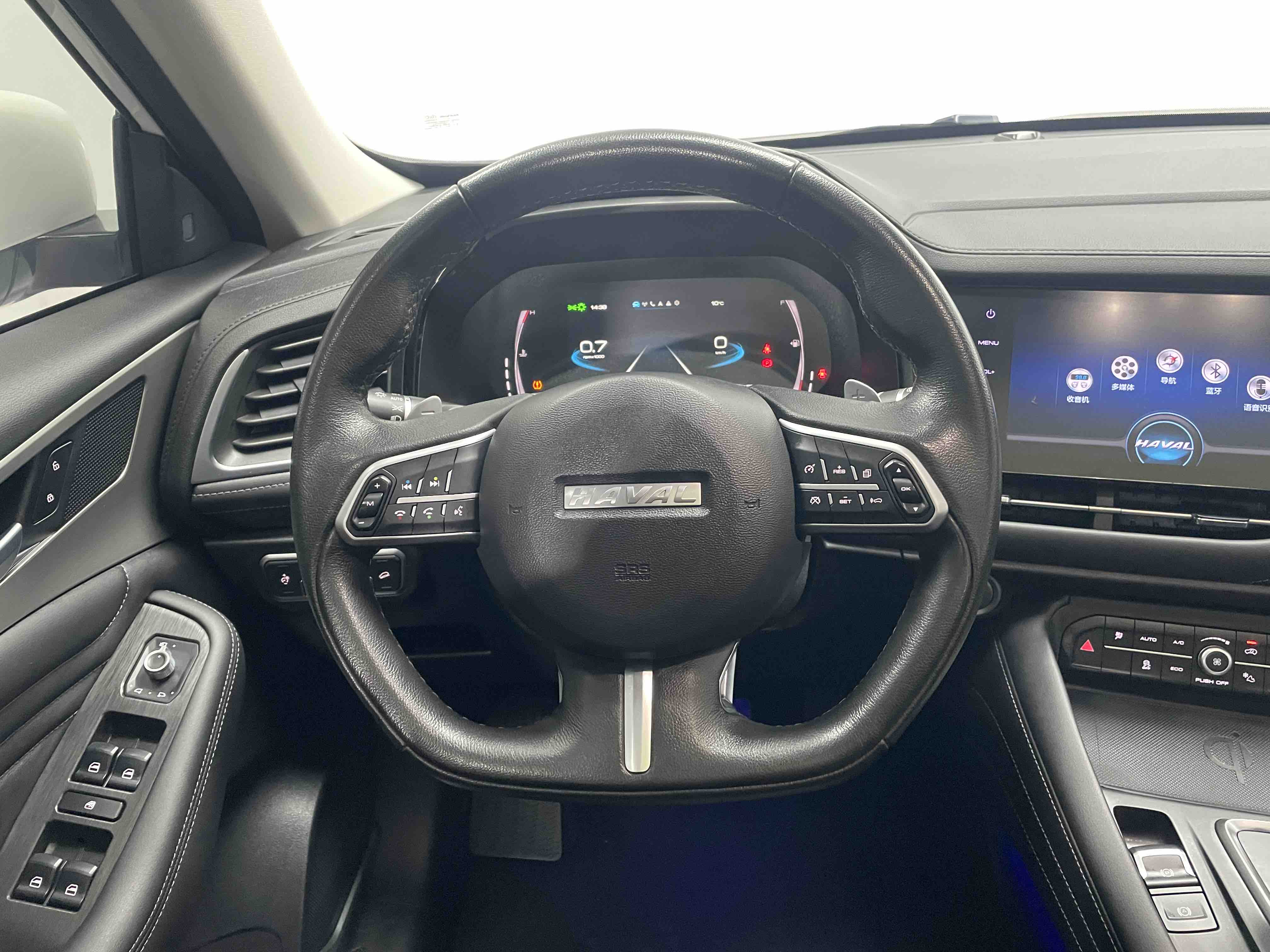
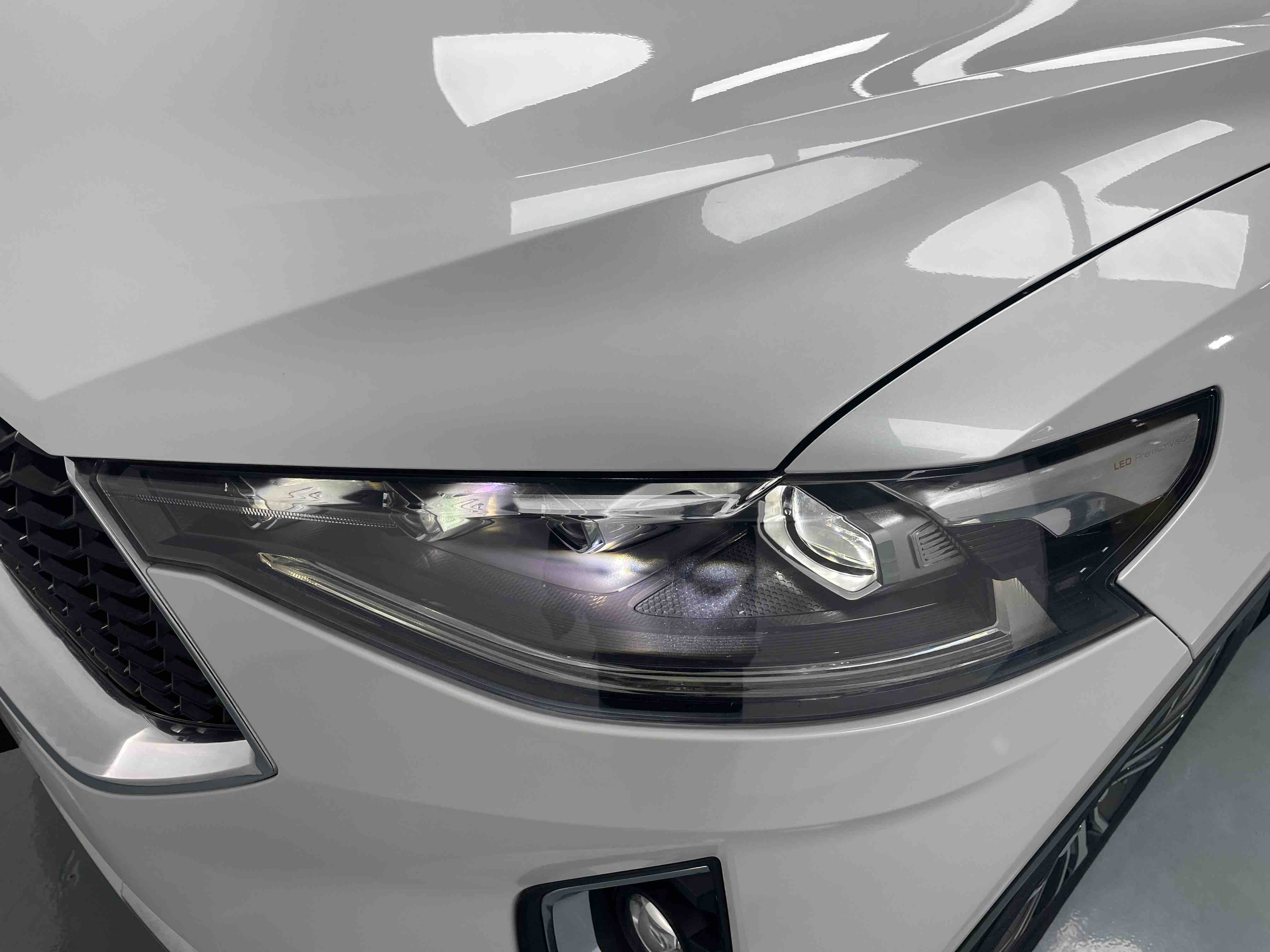



Basic Information

BrandHaval
SeriesF7
Year2019
First Registration2019/02
Mileage5.45km
Transfer Count-
FuelGasoline
TransmissionDCT
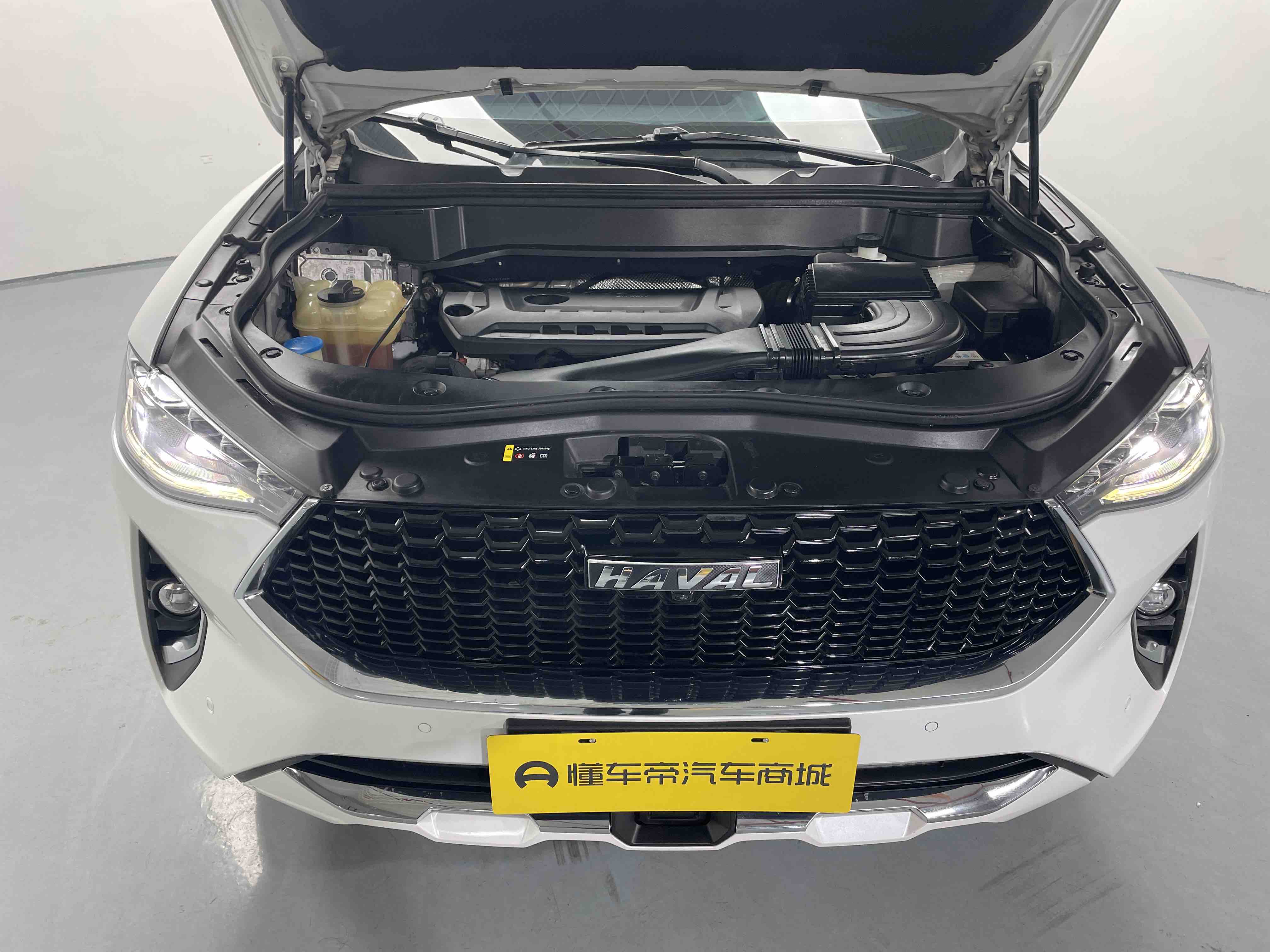
Engine2.0T 197 L4
ColorWhite
Seats5seats

Condition Description

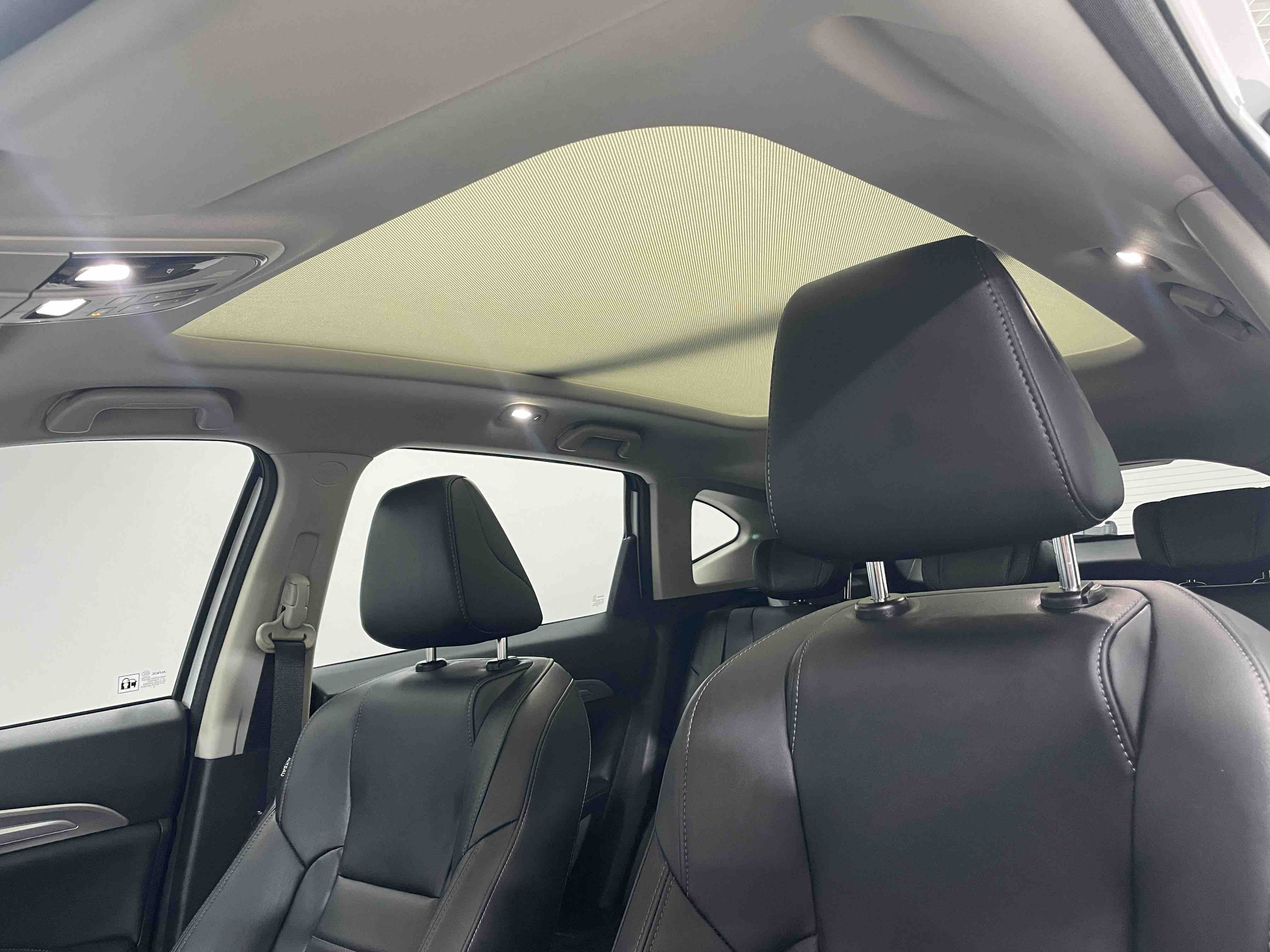
Internal Description: Premium Retail Paint Repair: Left Rear Door, Rear Bumper, Rear Tailgate Sheet Metal Repair: Left Front Leaf, Left Front Door Parts Replacement: None Number of Ownership Transfers: 0 Exterior Condition: 85 points Interior Condition: 90 points Selling Points: The most satisfying aspect is undoubtedly the appearance—powerful and aggressive—while the interior boasts a highly designed aesthetic. White is a popular color. The most satisfying features are the power performance and comfort features. The 2.0T engine with a 7-speed dual-clutch transmission and four-wheel drive provides ample power. Five driving modes are practical for all road conditions. The configuration is also quite high, with all the necessary features included. Payment Account: Public

Configuration Highlights

Driver/Passenger Airbags
Front/Rear Side Airbags
Front/Rear Curtain Airbags
Tire Pressure Monitoring
ISOFIX Child Seat Anchors
Keyless Start System
Keyless Entry System
ABS Anti-lock Braking
Electronic Brake Distribution
Electronic Stability Control
Hill Start Assist
Auto Hold
Hill Descent Control
Panoramic Sunroof
Roof Rack
Multifunction Steering Wheel
Paddle Shifters
Front Parking Sensors
Seat Material
Driver/Passenger Power Seats
Rear Cupholders
GPS Navigation
Low Beam Headlights
Daytime Running Lights
Auto Headlights
Adjustable Headlight Height
Power Windows
Anti-pinch Windows
Climate Control Type
Rear Air Vents
Start-Stop System
Blind Spot Assist
Lane Departure Warning
Active Safety System

Q&A

More

When checking the history records, can you distinguish whether the vehicle was involved in a "single-vehicle accident (like hitting a wall)" or a "multi-vehicle rear-end collision"?

If insurance claims records are accessed, there will usually be notes like "the insured vehicle is fully responsible for hitting a fixed object" or "third-party liability insurance payment." We can roughly reconstruct the accident scene based on this and cross-verify the stress points on the vehicle's frame with paint thickness gauge data.

How do you detect carbon buildup and wear inside the engine using technology without deep disassembly?

We use two steps: 1. Insert a medical-grade endoscope through the spark plug hole to visually inspect cylinder wall scratches and carbon buildup on the piston top; 2. Extract an engine oil sample to check for large metal debris or emulsification (caused by coolant leakage).

Will you clearly inform if the vehicle was previously a commercial vehicle (ride-hailing, taxi, rental)?

The "usage type" section on the vehicle registration certificate has legal validity. Any vehicle that changes from "commercial" to "non-commercial" has a usage intensity far exceeding that of personal vehicles, and we will label these prominently. Such vehicles are usually cheaper but have more severe mechanical wear.

Haval F7 2.0T 197 L4

哈弗 F7 2019款 2.0T 四驱i悦

EXW: $8,722
Car CodeSWA1597956
Publish Date2026/01/26
