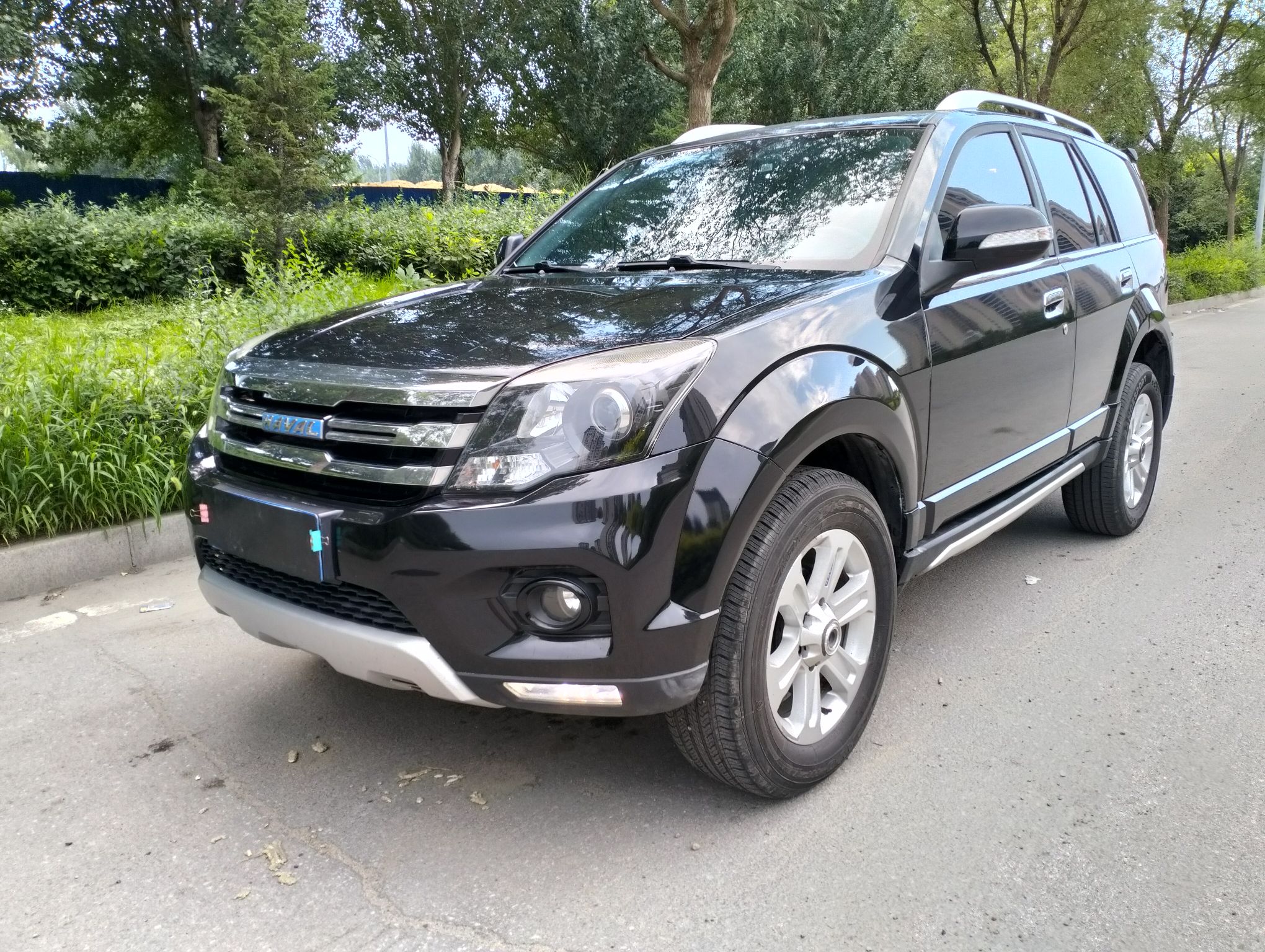
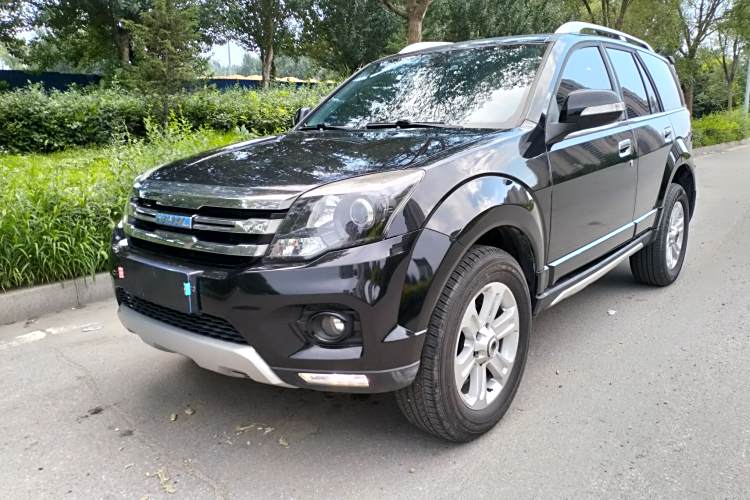
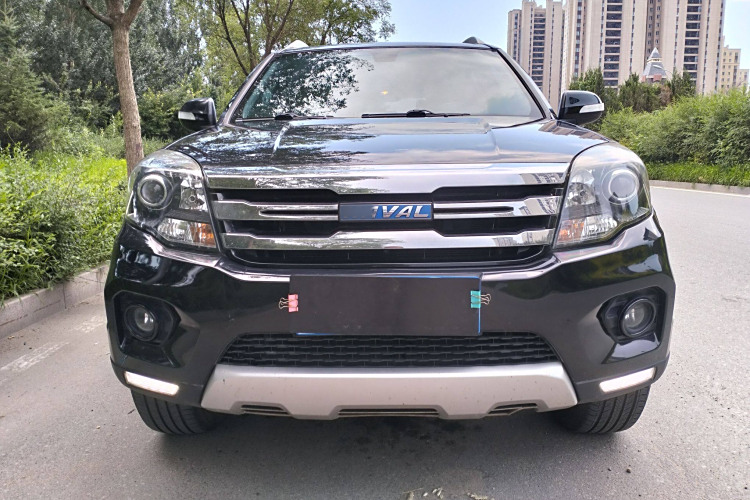
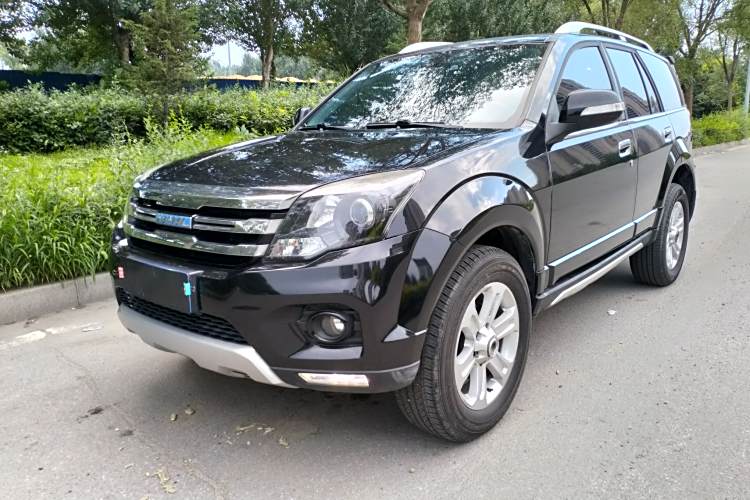



Basic Information

BrandHaval
SeriesH5 Class
Year2017
First Registration2017/09
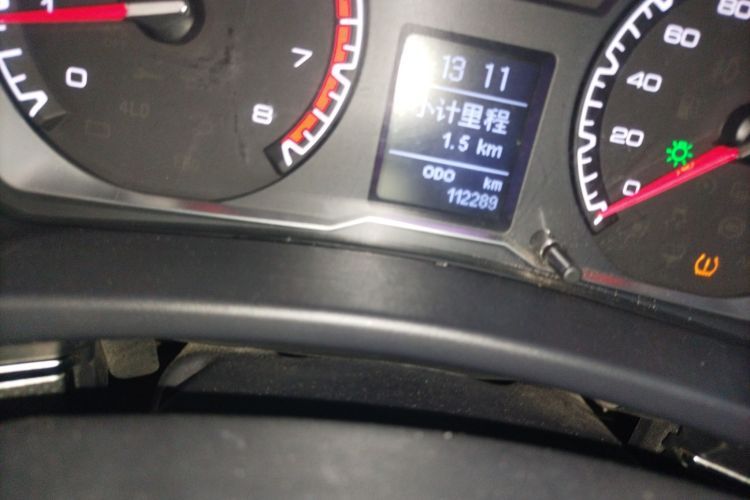
Mileage112,300km
Transfer Count1times
FuelGasoline
TransmissionManual
Engine2.0T 190 L4
ColorBlack
Seats5seats

Condition Description

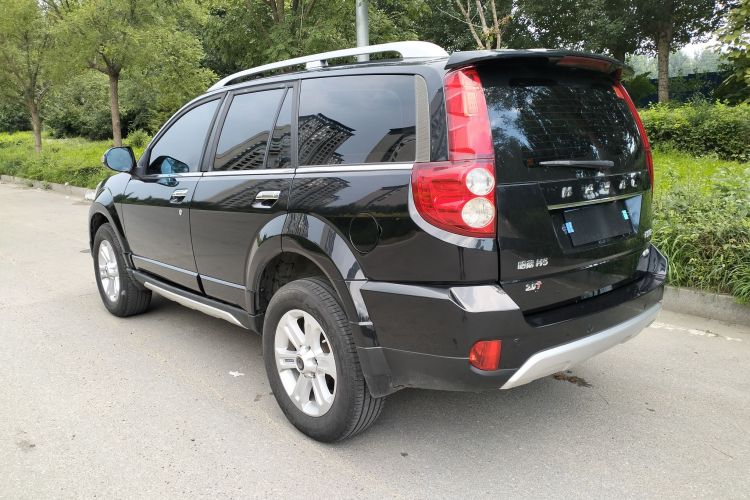
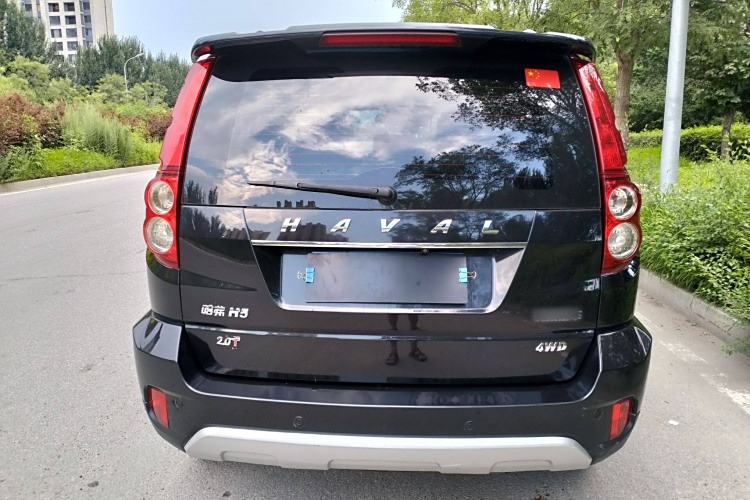
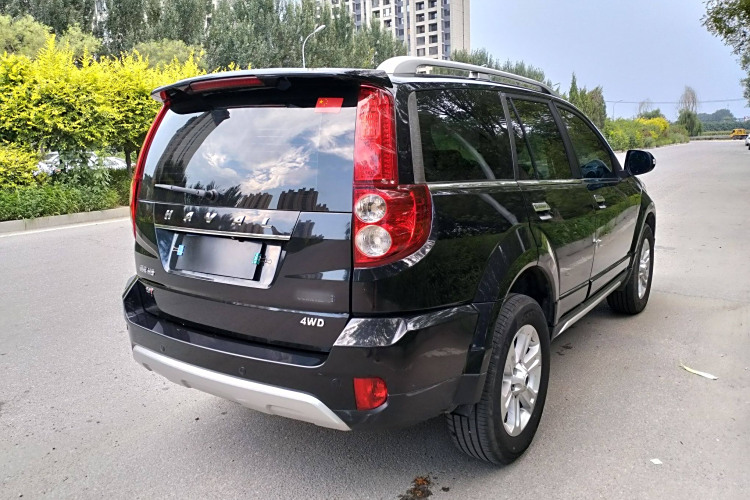
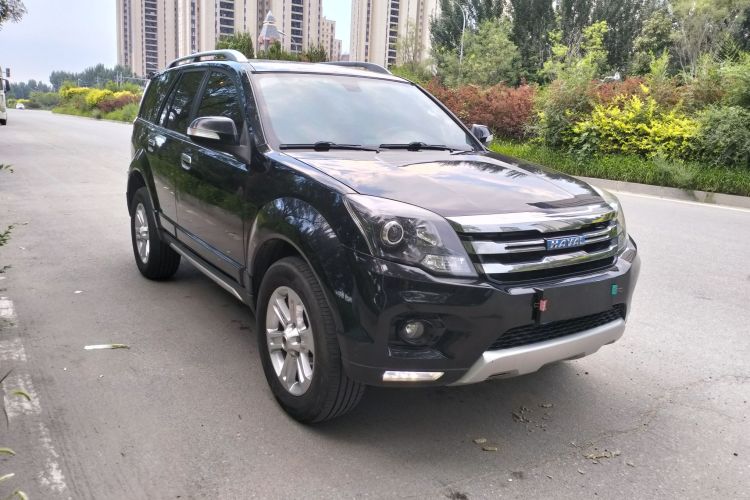
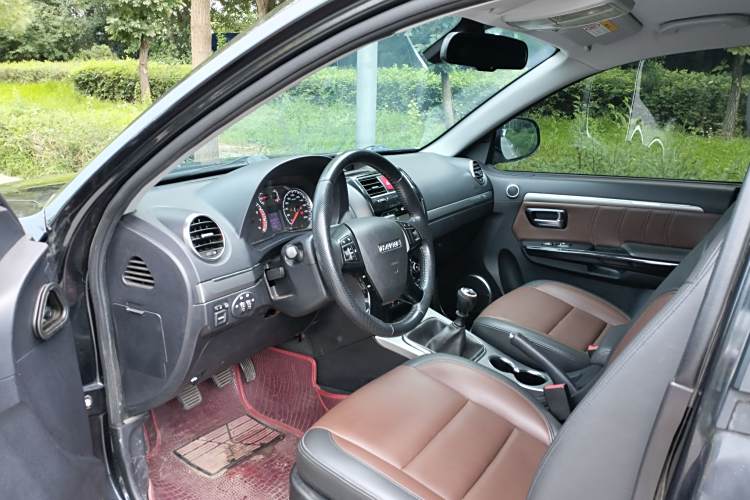
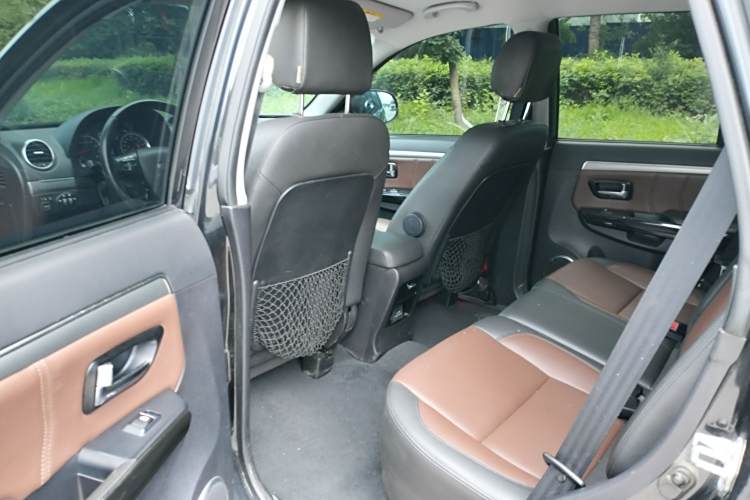
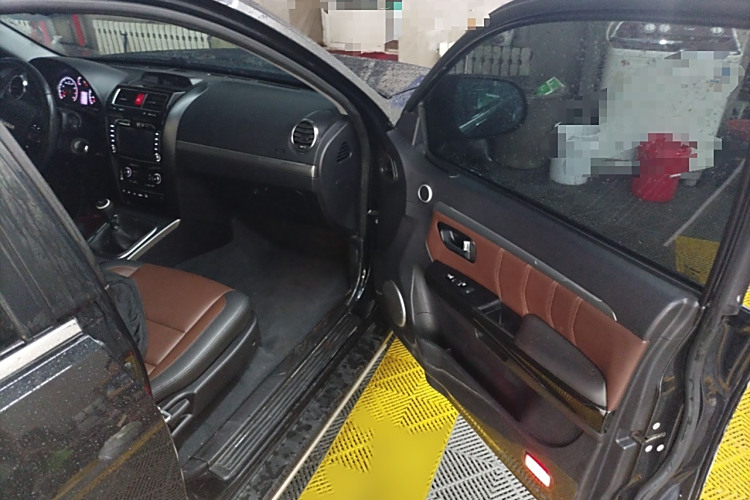
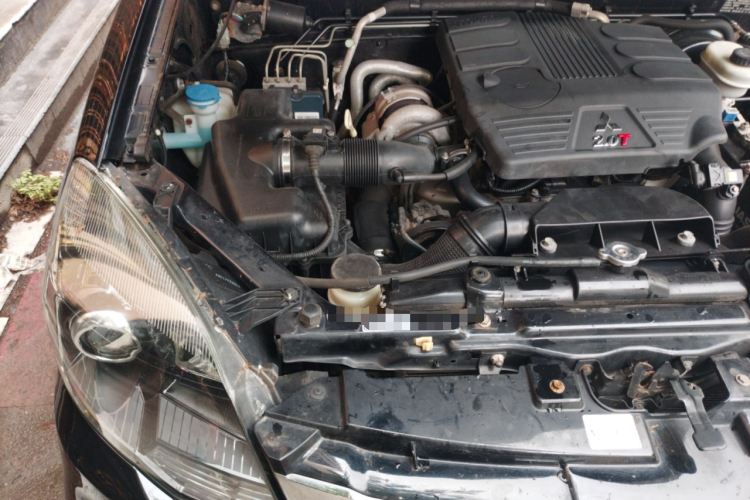
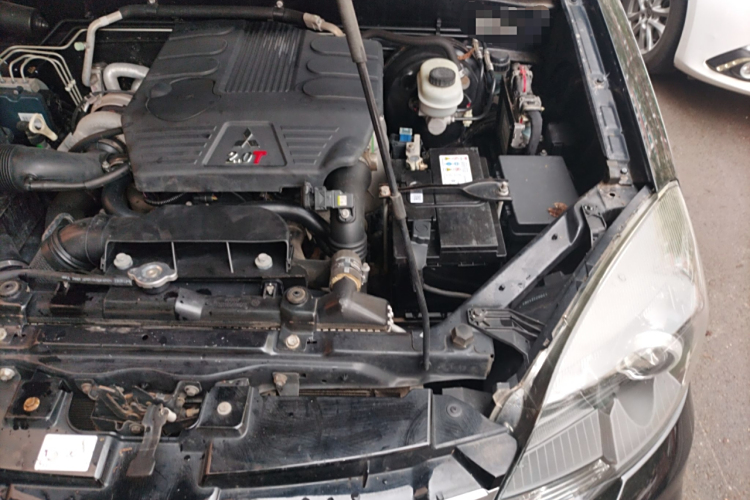
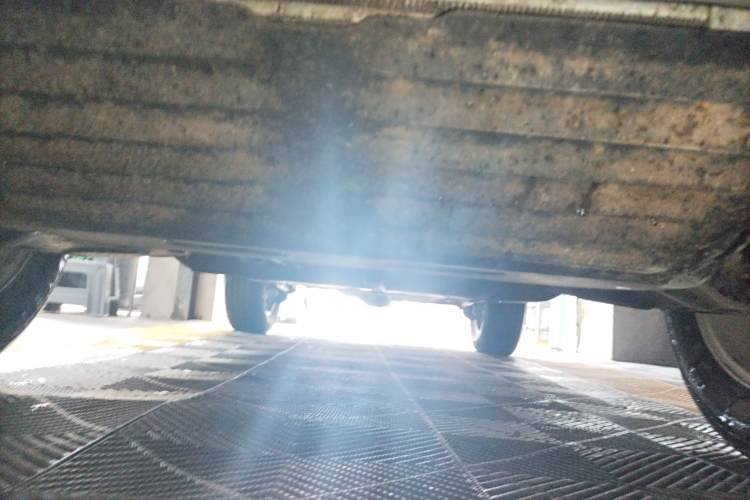
Vehicle condition meets standards, passed inspection, good condition, 1 claim filed, 1 ownership transfer.

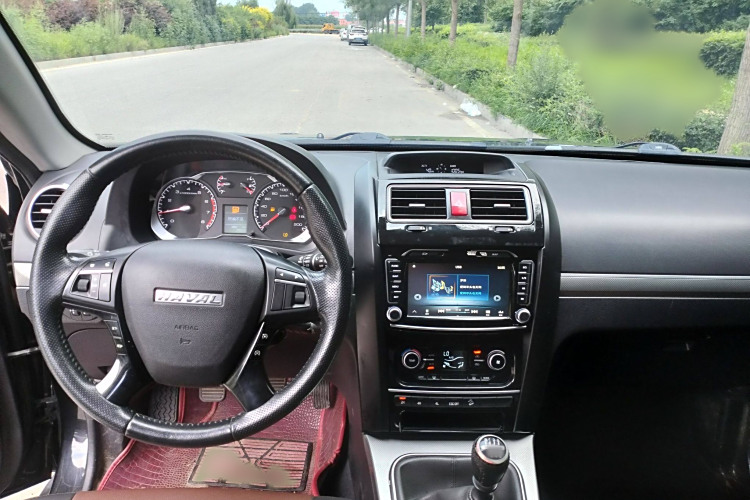
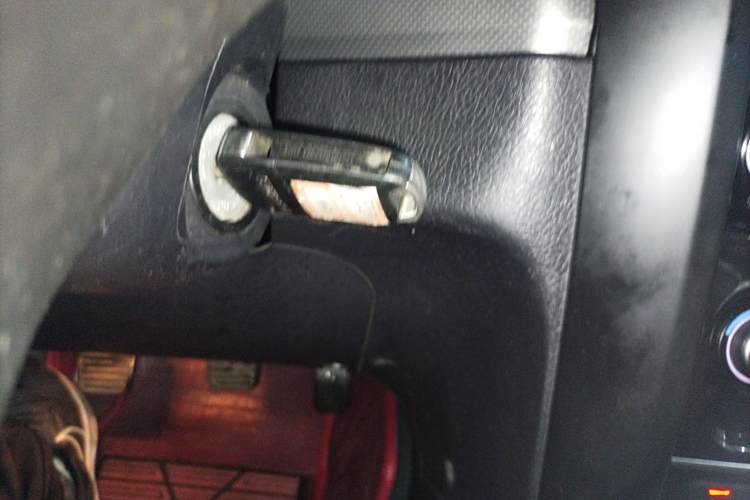
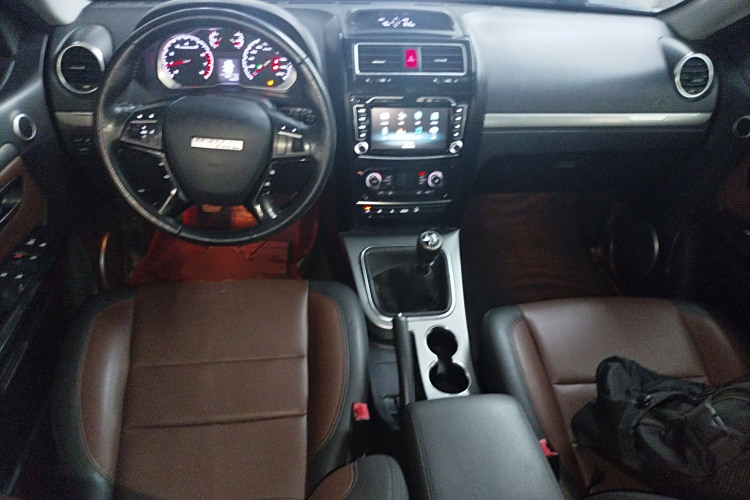
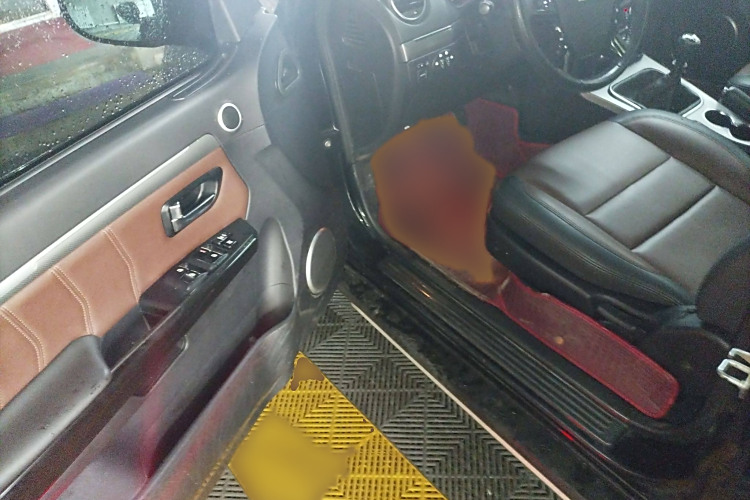
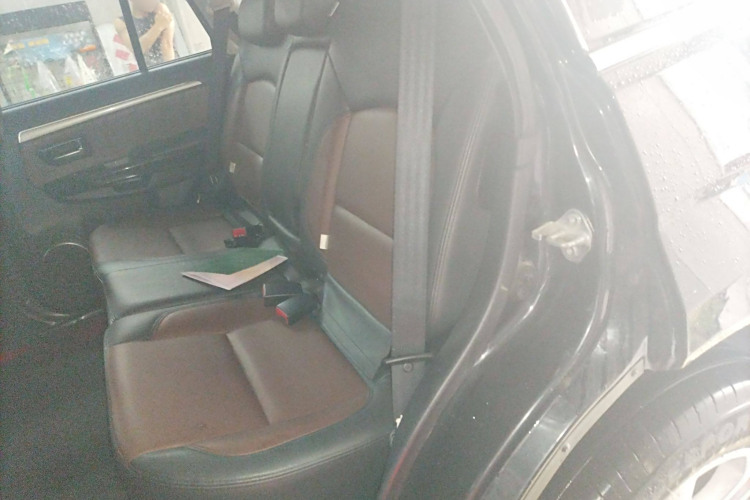
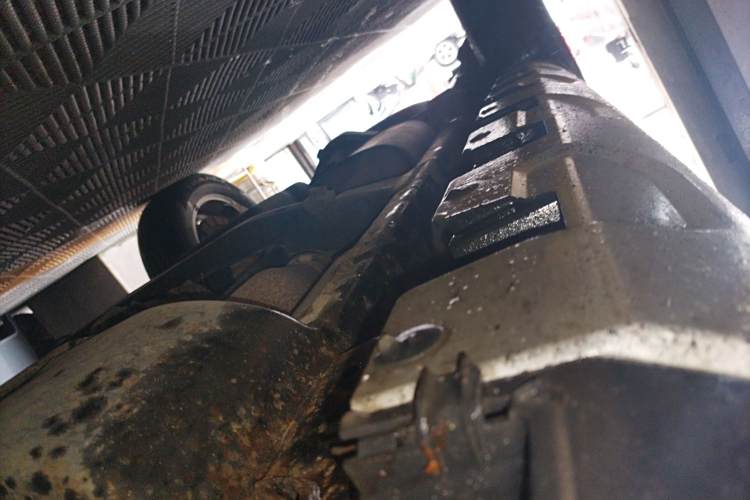
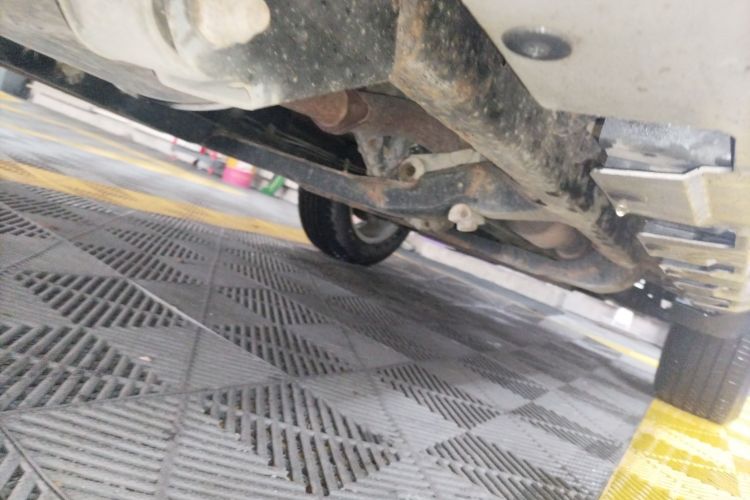
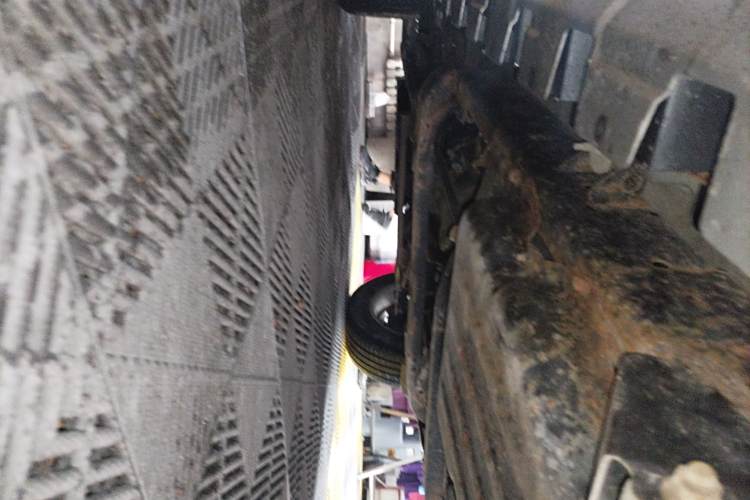
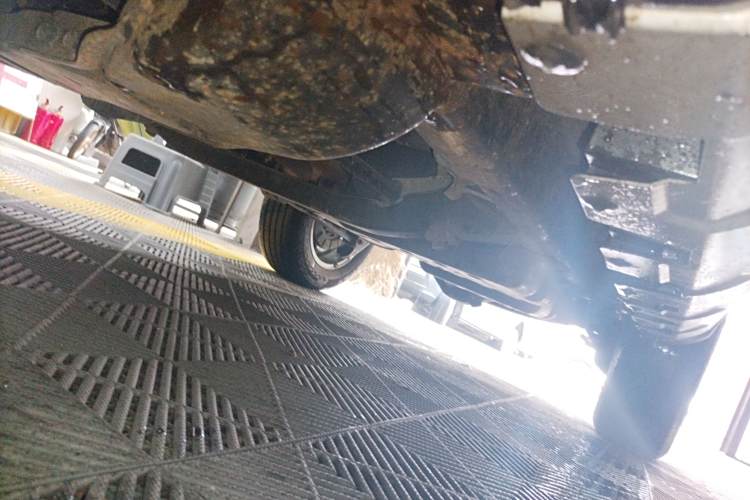
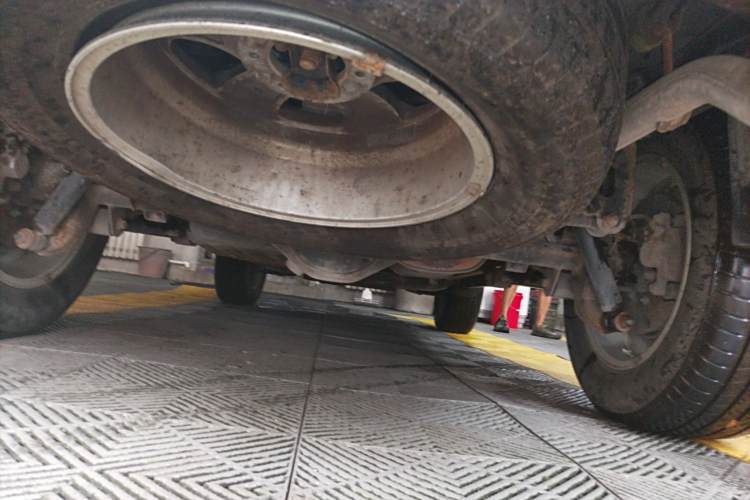
This Haval H5 SUV boasts an excellent driving experience and value for money. It features a 6-speed manual transmission and a part-time four-wheel-drive system, powered by a 2.0T 190-horsepower engine, providing ample power. In terms of features, it includes a reversing camera, a color central control screen, and cruise control, offering a comfortable and convenient driving experience. Furthermore, safety features such as vehicle stability control and tire pressure monitoring systems enhance driving peace of mind. Overall, the Haval H5 is a compact SUV with high value for money and an excellent driving experience. This particular vehicle is 8 years old, with an average annual mileage of 14,000 kilometers, typical family daily use, and one previous ownership transfer. The exterior may show noticeable signs of wear and tear; the interior shows noticeable signs of use or dirt; the overall body structure is intact, with a few minor abnormalities; the powertrain is functioning normally.

Configuration Highlights

✓4WD System
✓Rain-sensing Wipers
✓Backup Camera
✓Power Folding Mirrors
✓Auto Headlights
✓Cruise Control
✓Tire Pressure Monitoring
✓Hill Start Assist
✓Rear Parking Sensors

Q&A

More

Beyond the car price, what costs should I budget when importing a used car from China?

A realistic budget has several layers beyond the vehicle price. First, inland logistics in China: moving the car to the export port typically costs $300-$800. Second, export handling: inspection, customs declaration and paperwork usually add $500-$1,000. Third, ocean freight. A 20ft container to most destinations runs $1,200-$3,000 depending on route; RoRo shipping can be cheaper for driveable cars. Add marine insurance, usually 0.3%-0.5% of the car value. Fourth, destination charges: port handling, customs duties, VAT/GST and local registration fees. These vary widely; some countries charge duties of 20%-80% of the vehicle value plus an excise based on engine capacity. Finally, any compliance work: inspection certificates, modifications to meet local standards, or homologation. Ask your exporter for a full CIF quote and have a local customs broker confirm destination taxes before you commit.

Why are the shipping costs for used electric vehicles (EVs) usually higher than for internal combustion engine vehicles (ICEs)?

Pure electric vehicles are classified as Class 9 Dangerous Goods due to their large lithium batteries, leading to strict shipping regulations. Shipping companies have high requirements for the loading position and fire isolation measures for dangerous goods, and some roll-on/roll-off ships refuse to accept used EVs. As a result, EVs often require more expensive special container shipping and incur additional handling fees for hazardous materials.

If we have a dispute in the transaction, which country's laws govern the car purchase contract?

To ensure the legal rights of both parties, the "International Used Car Sales Contract" we signed is in both Chinese and English. Generally, the contract is governed by Chinese law. All liabilities for breach of contract and force majeure clauses will be clearly defined in the contract.

Haval H5 Class 2.0T 190 L4

哈弗H5经典 2016款 经典版 2.0T 手动四驱精英型

EXW: $6,879
Car CodeSWA1459350
Publish Date