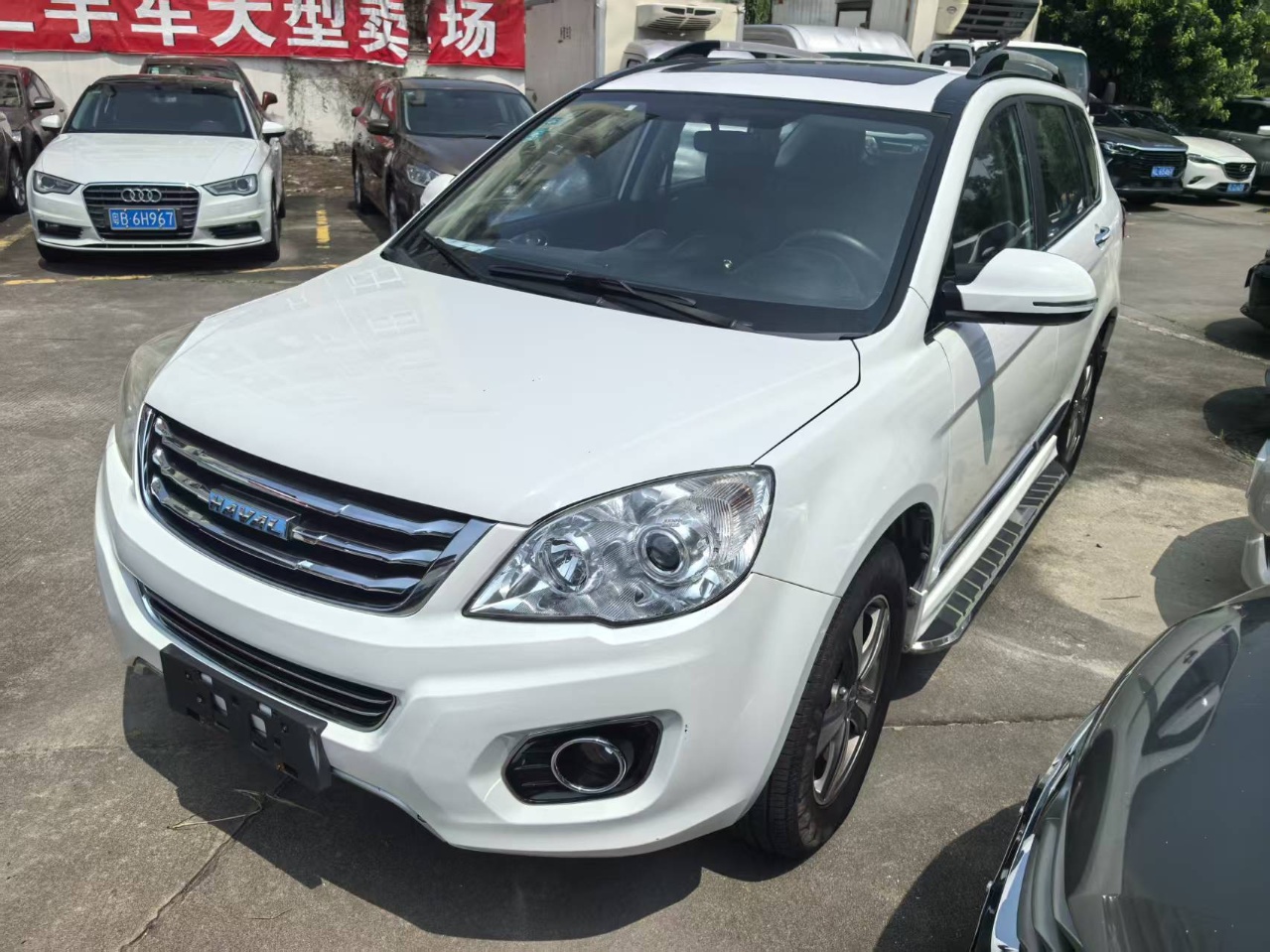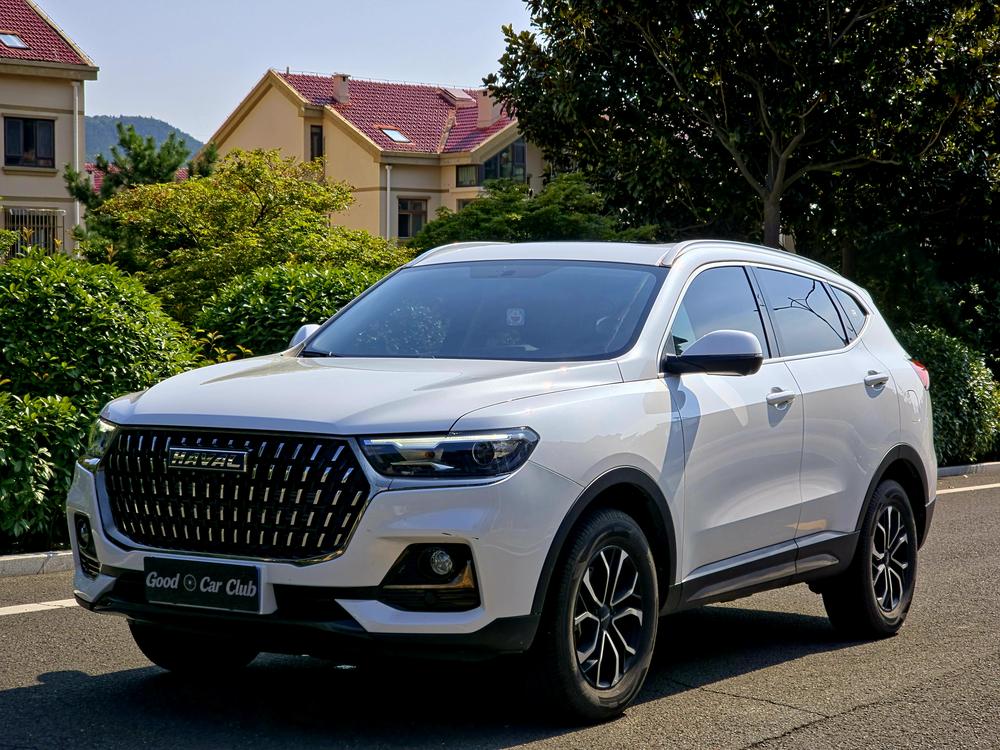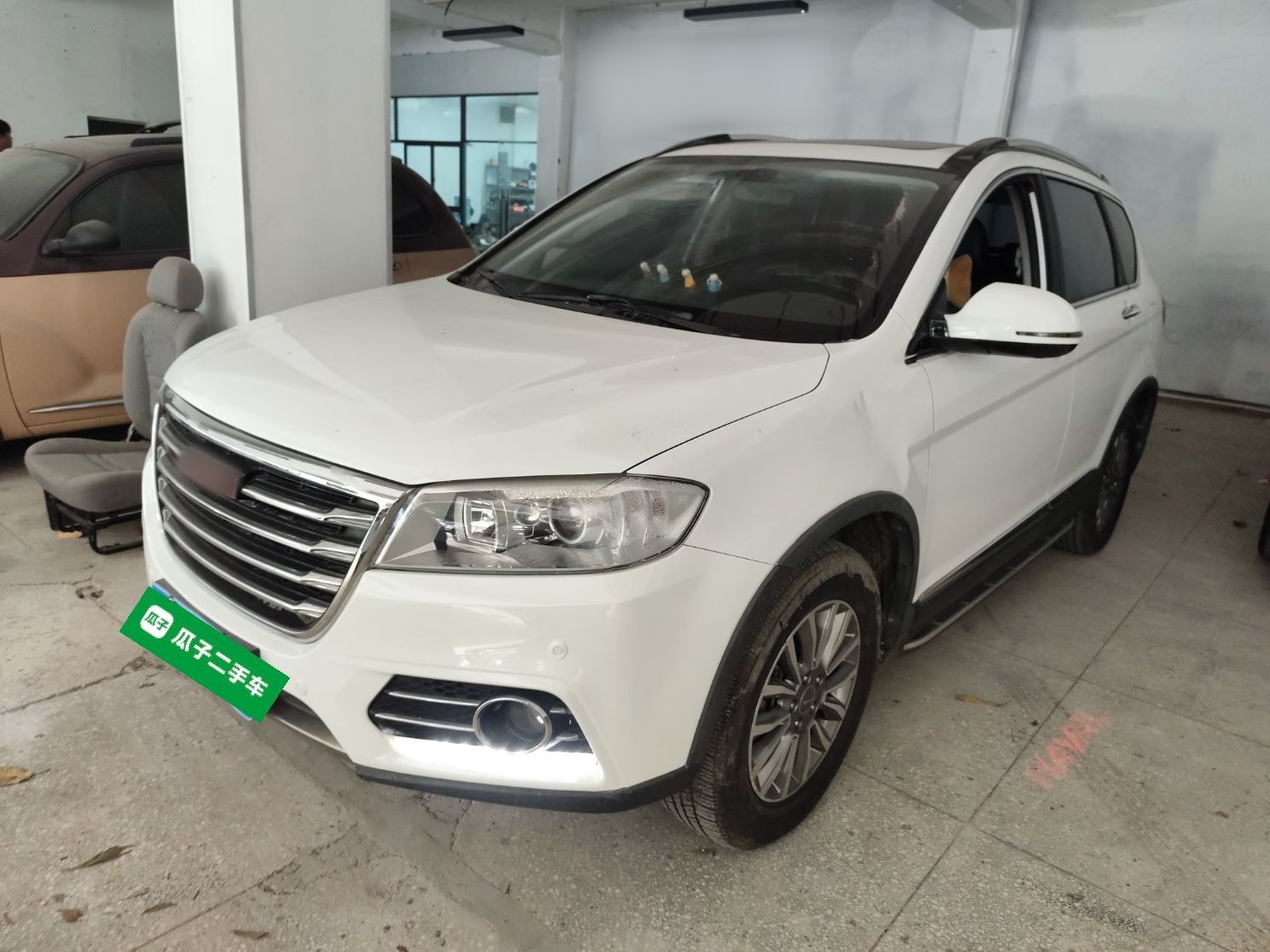



Basic Information

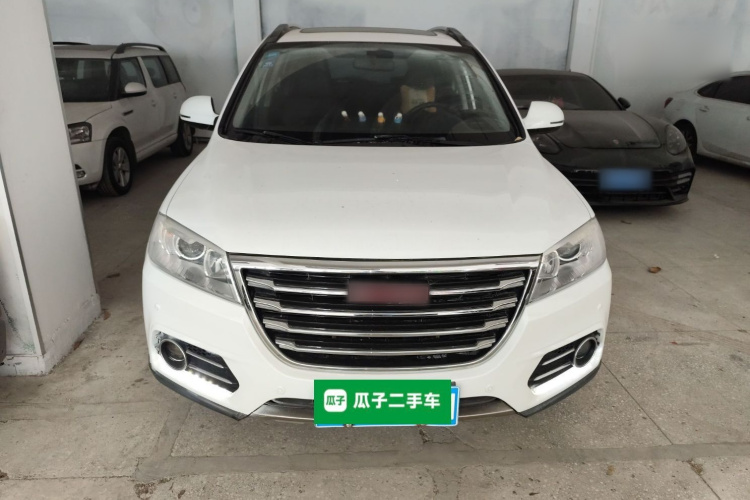
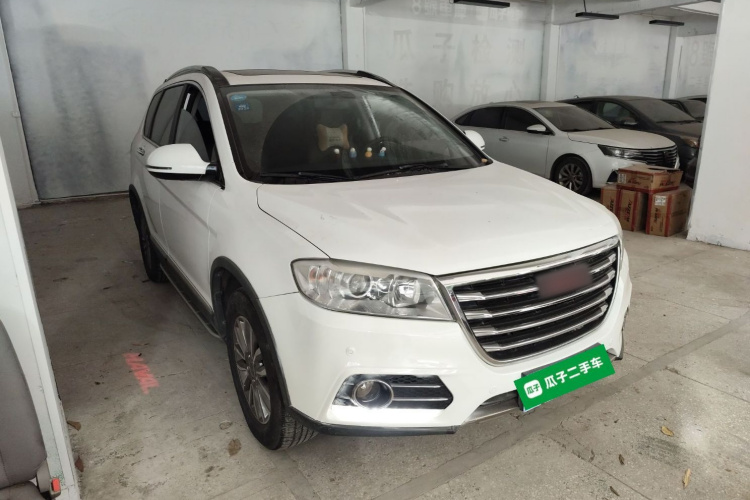
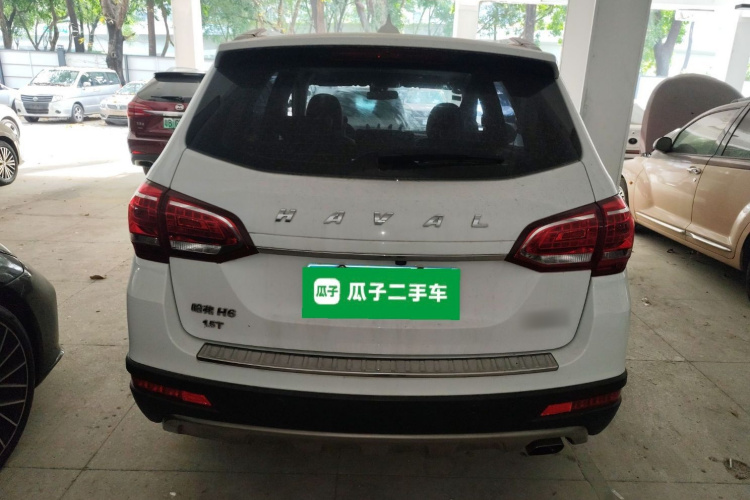
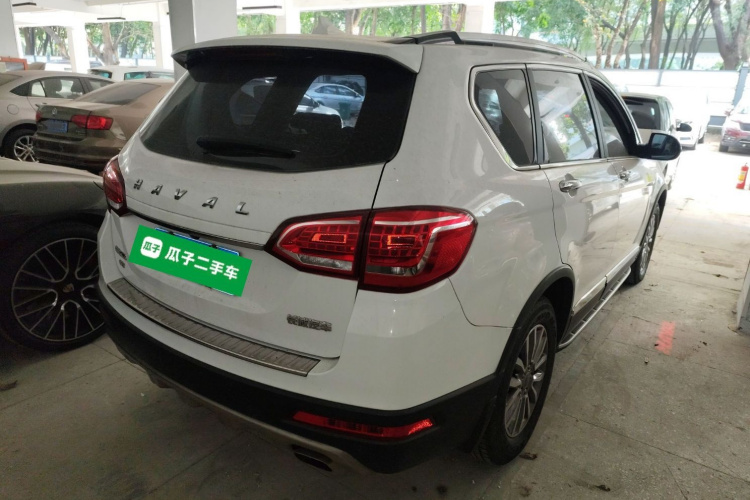
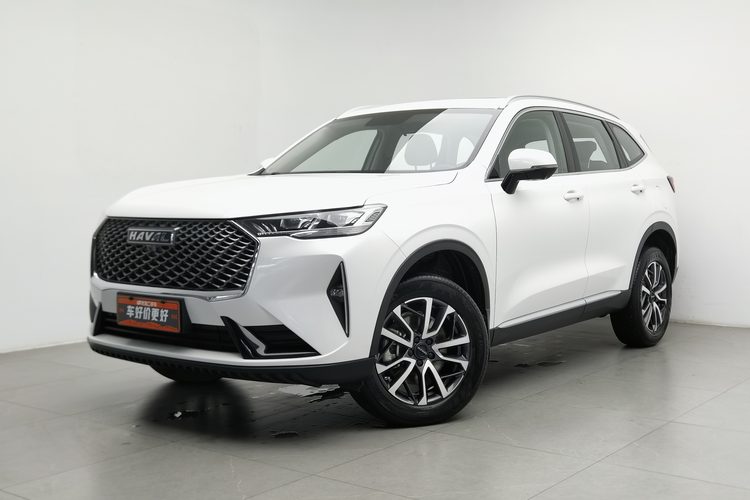
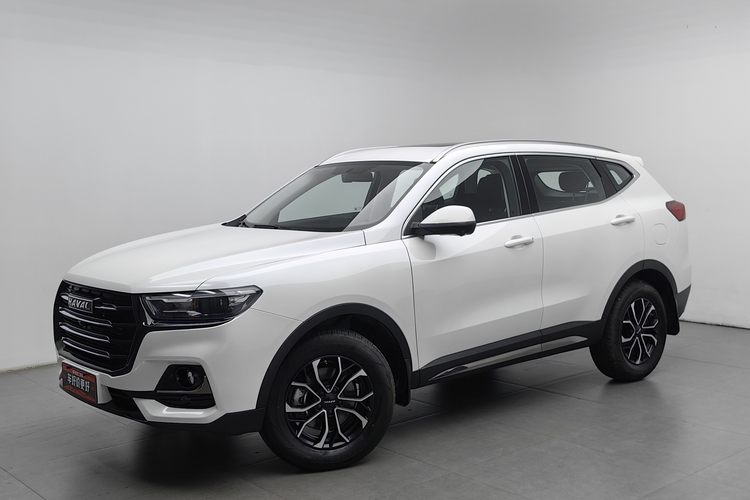
BrandHaval
SeriesH6
Year2016
First Registration2016/04
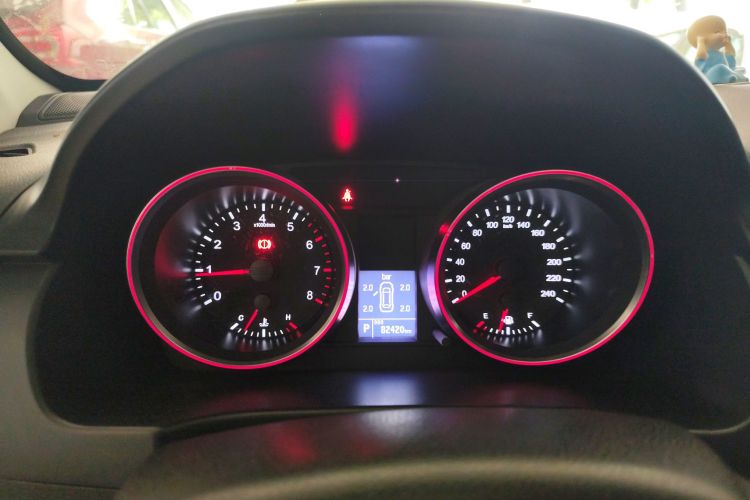
Mileage82,400km
Transfer Count-
FuelGasoline
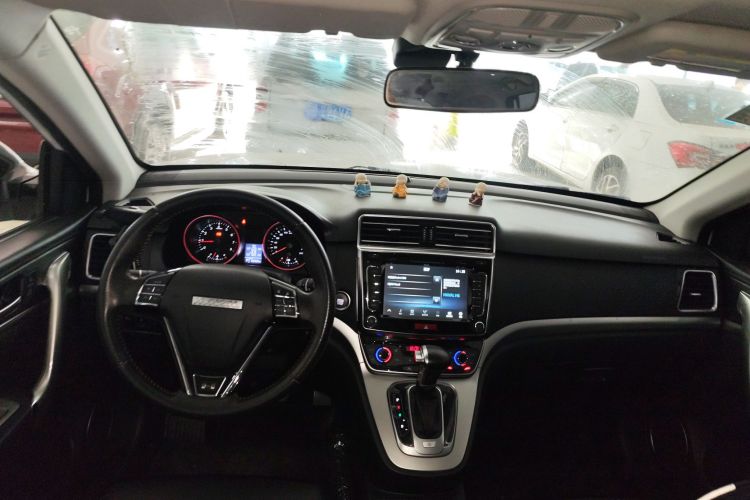
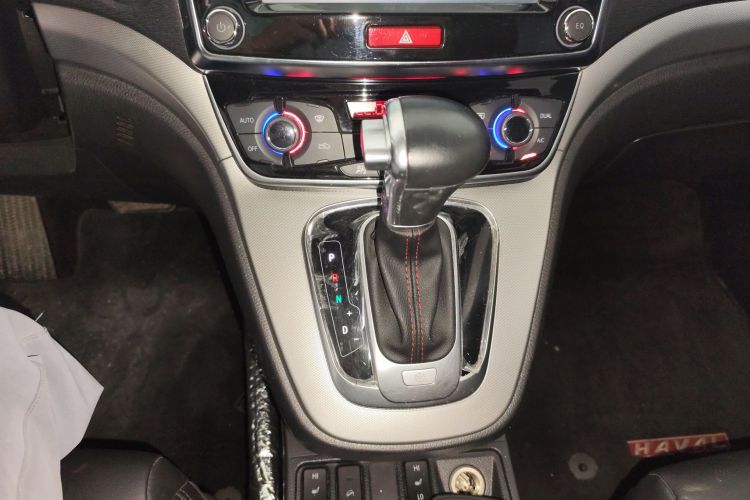
TransmissionManumatic
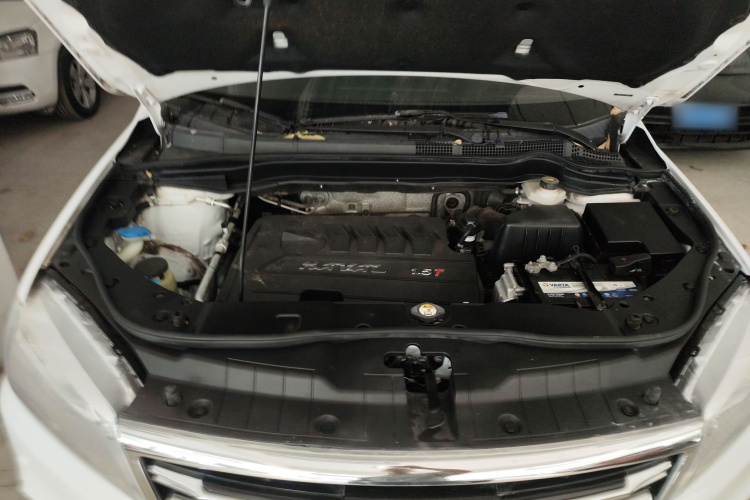
Engine1.5T 150 L4
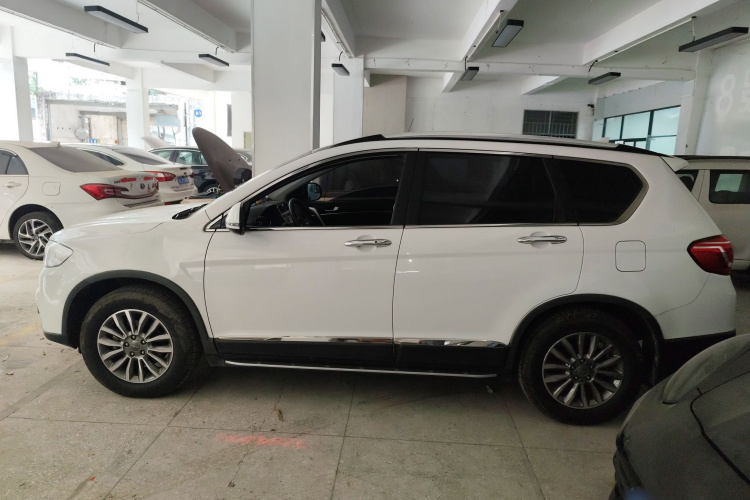
ColorWhite
Seats-

Condition Description

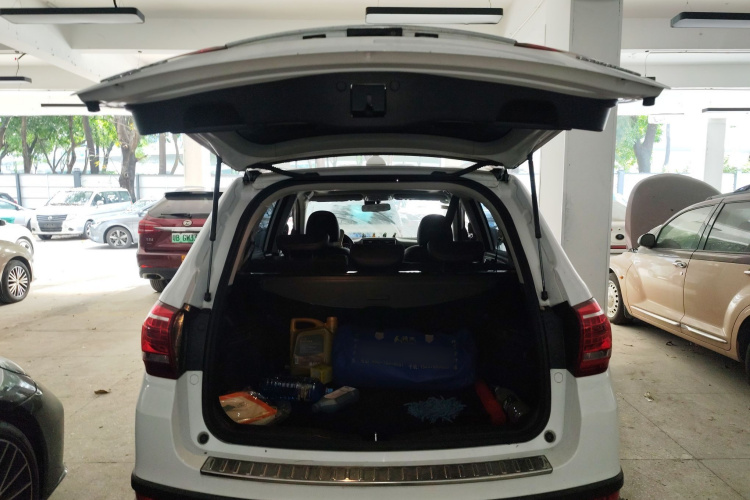
Vehicle condition meets standards; inspection passed; 0 claims; 0 ownership transfers.

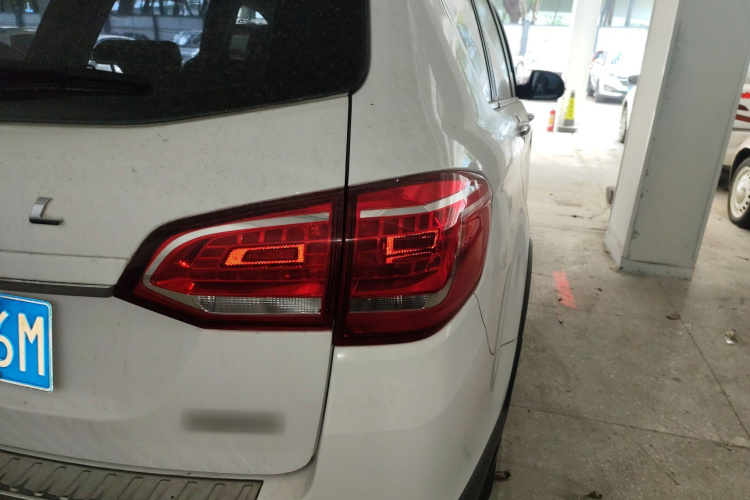
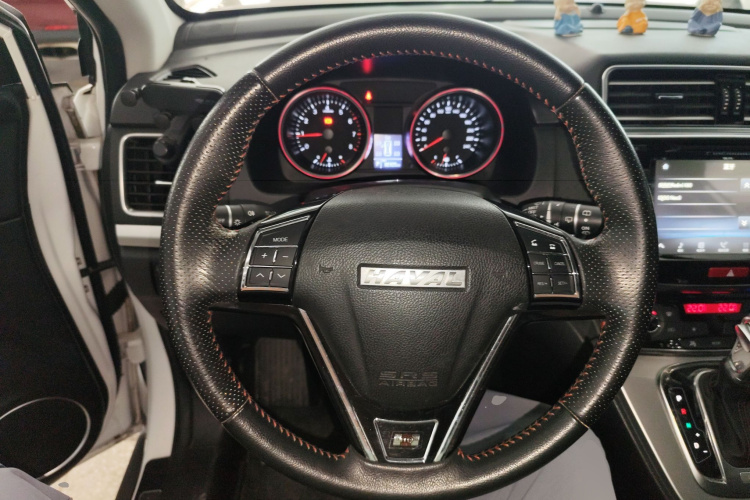
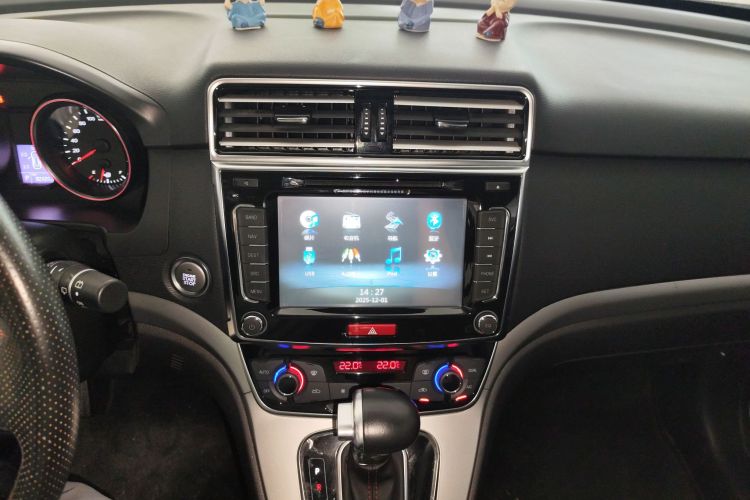
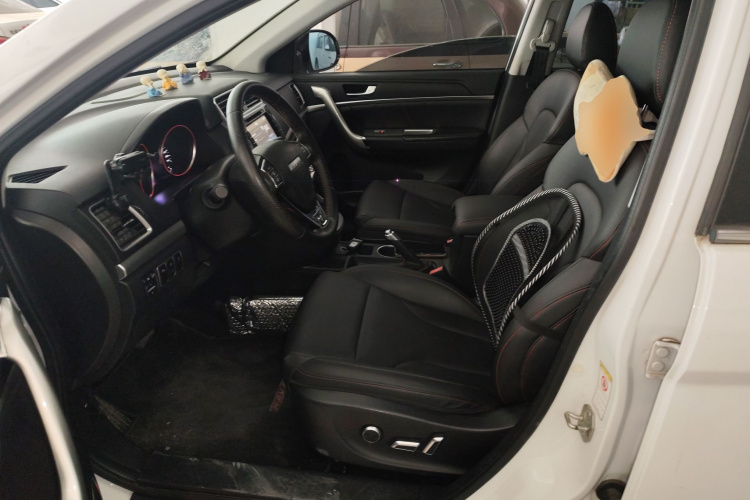
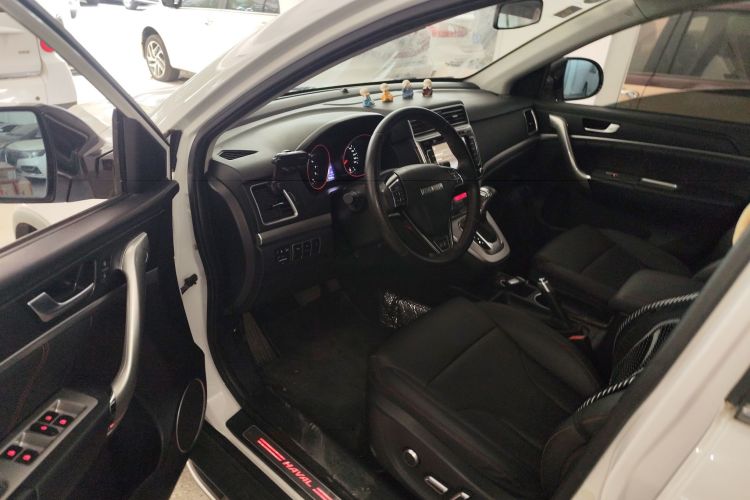
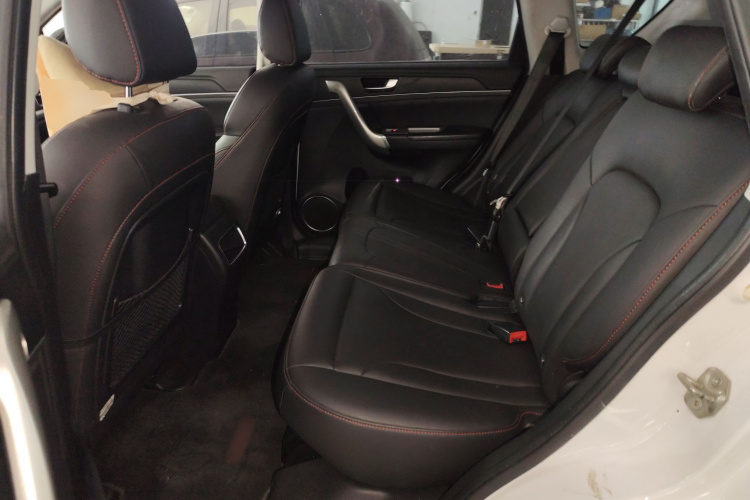
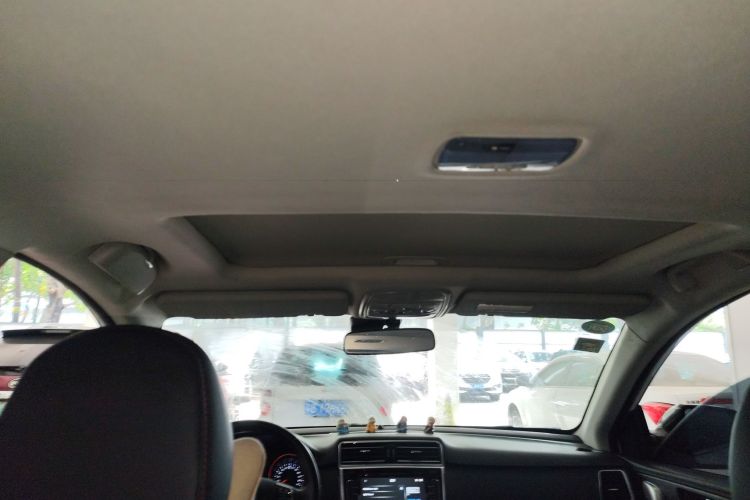
This vehicle is 10 years old, with an average annual mileage of 8,200 kilometers. It has a low frequency of daily use and has never been transferred to another owner, making it a good first-hand vehicle. There may be obvious signs of wear and tear on the exterior. The interior shows obvious signs of use or dirt. The overall body frame is intact, but there are a few abnormal issues. The fluids are normal, and the power system is functioning well.

Configuration Highlights

✓Cornering Lights
✓Ambient Lighting
✓Front Radar
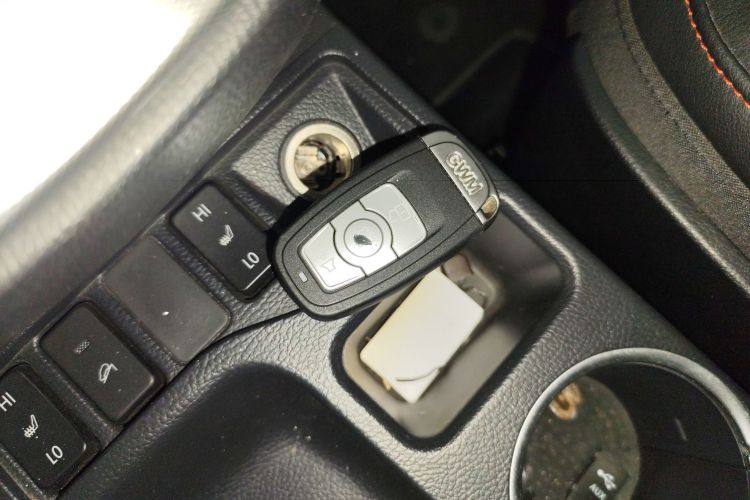
✓Keyless Entry
✓Rain-sensing Wipers
✓Backup Camera
✓Power Folding Mirrors
✓Power Seats
✓Auto Headlights
✓Cruise Control
✓Keyless Start
✓Tire Pressure Monitoring
✓Heated Mirrors
✓Hill Start Assist
✓Rear Parking Sensors
✓Anti-pinch Windows

Q&A

More

Will you provide a comprehensive landing cost calculation for different destination ports (e.g., Jebel Ali Port vs. Mombasa Port)?

We will provide a detailed logistics and insurance cost table from the port of origin to the destination port, but since we do not have access to the rapidly changing tariff dynamics of multiple countries, we cannot provide an absolute "Delivered Duty Paid (DDP)" calculation.
What are the differences in power loss performance of used lithium iron phosphate (LFP) and ternary lithium (NMC) batteries in cold countries?

If your market is in extremely cold regions (like Russia or Northern Europe), we strongly recommend purchasing ternary lithium (NMC) models equipped with heat pump air conditioning. The range achievement rate of used LFP batteries typically plummets at minus 15 degrees, and we will alert you accordingly.

How is liability defined if the battery pack is damaged during long-distance sea transport due to extreme temperatures?

This is considered a force majeure risk. We will require the vehicle's state of charge (SOC) to be maintained in a safe dormant range of 30%-50% before loading, and we will insure you for all marine risks under CIF terms. If the battery suffers thermal runaway total loss due to abnormal cargo hold temperatures, the insurance company will compensate.