







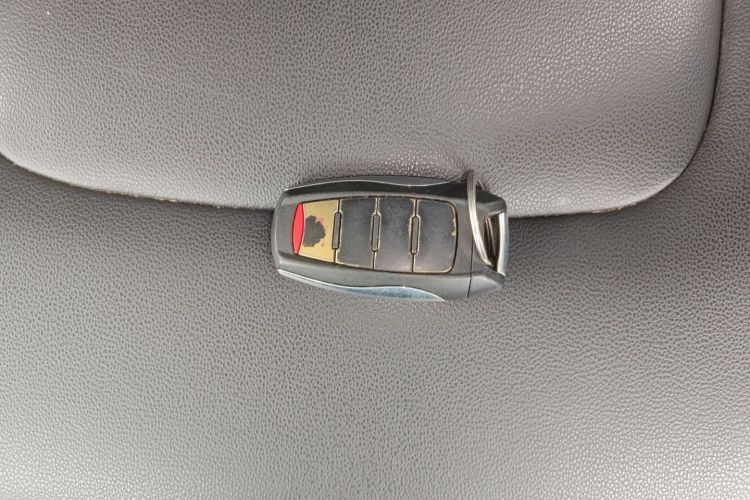
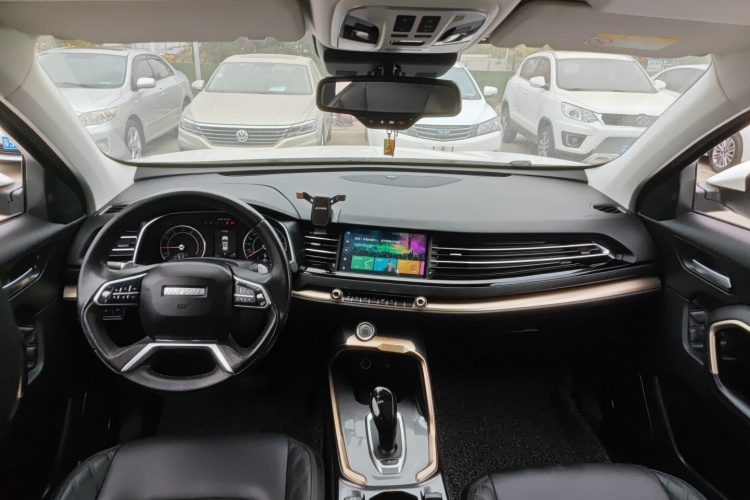
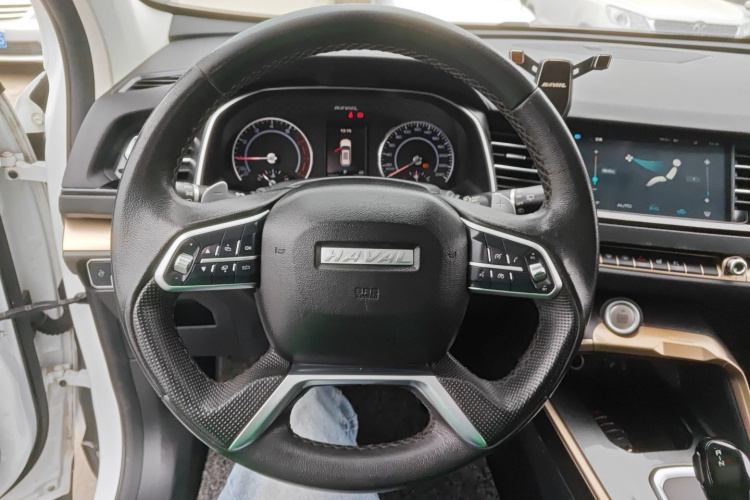
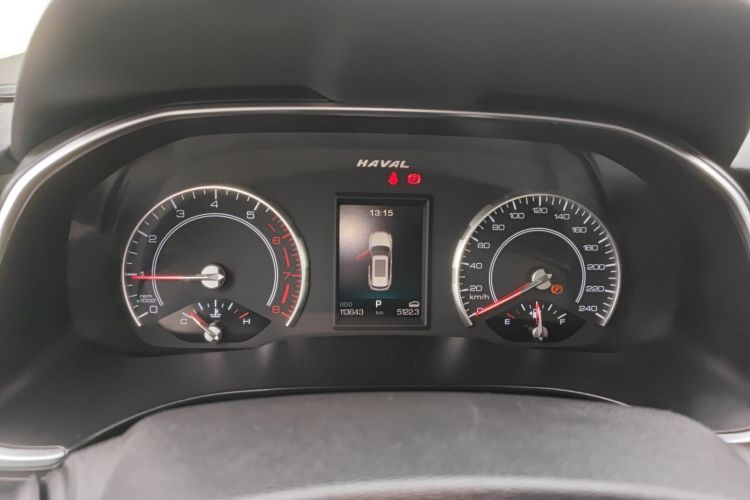
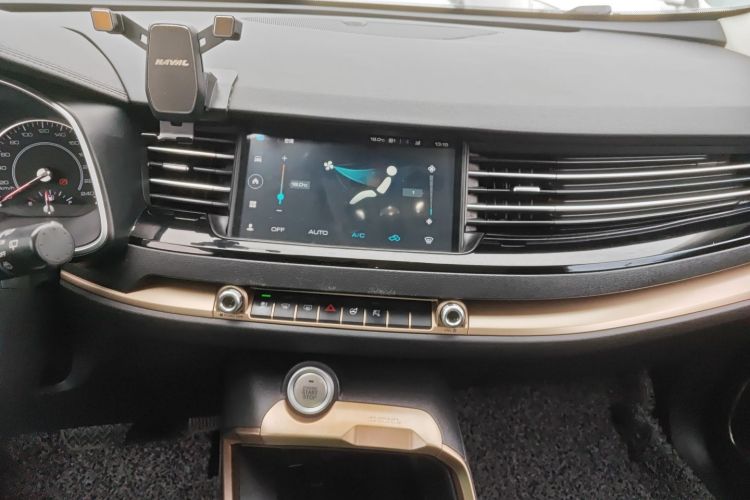
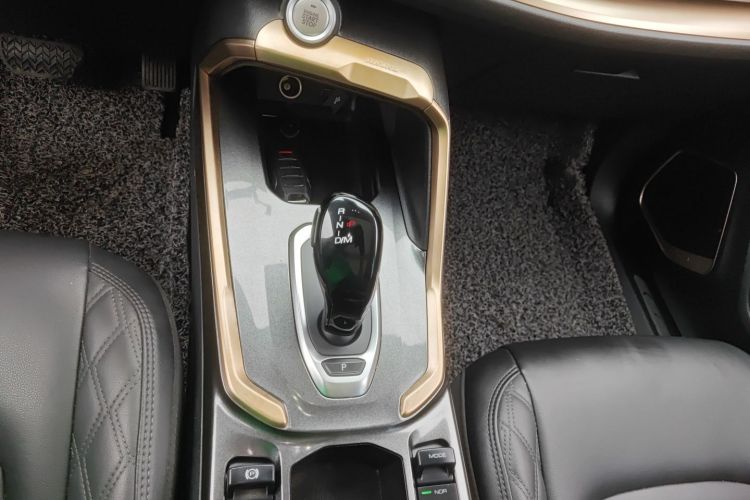
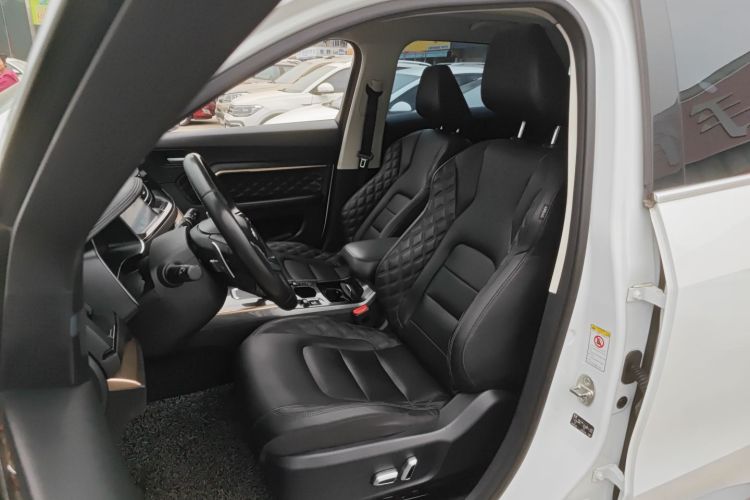
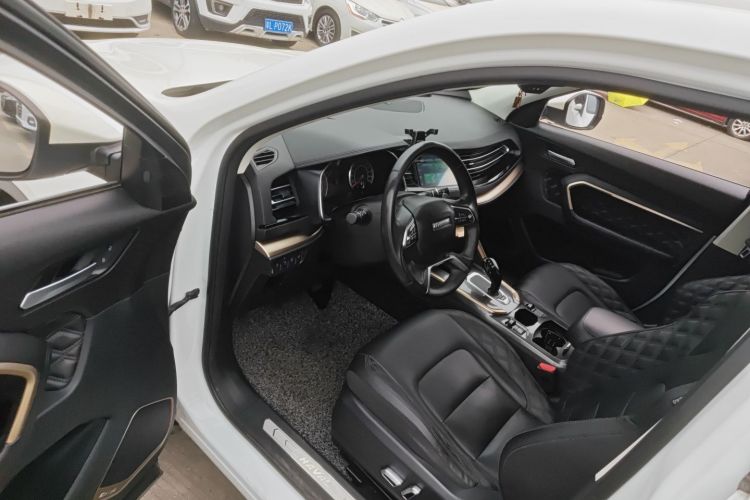
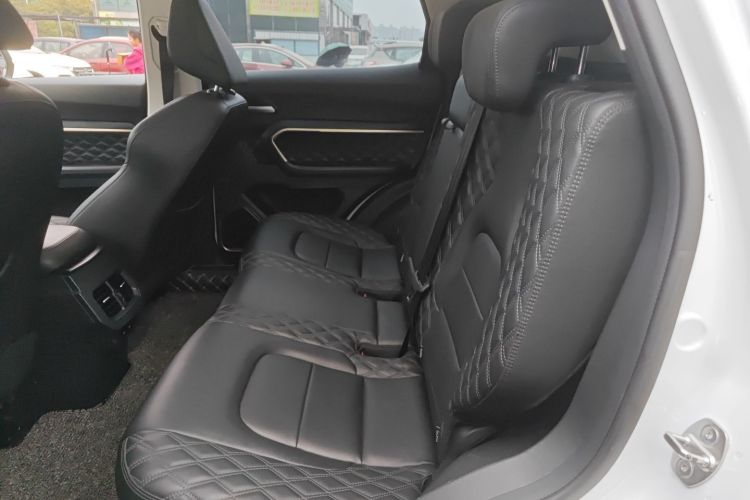
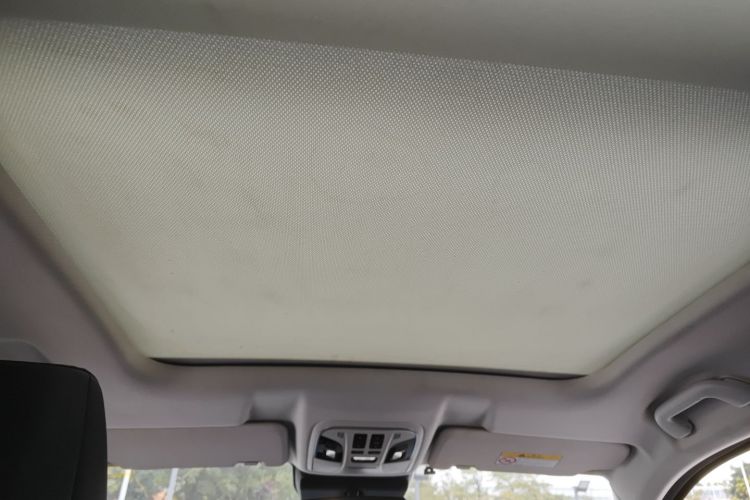
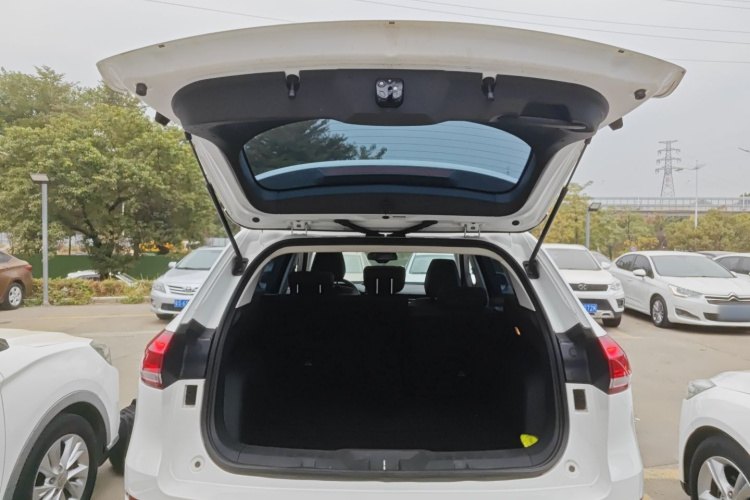
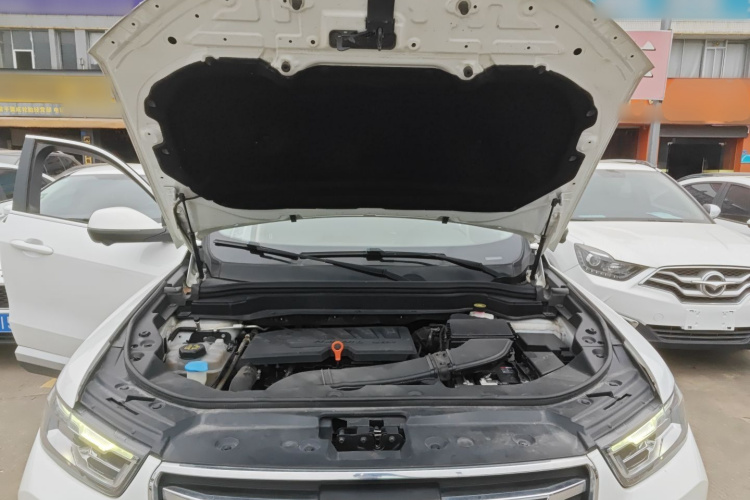



Basic Information

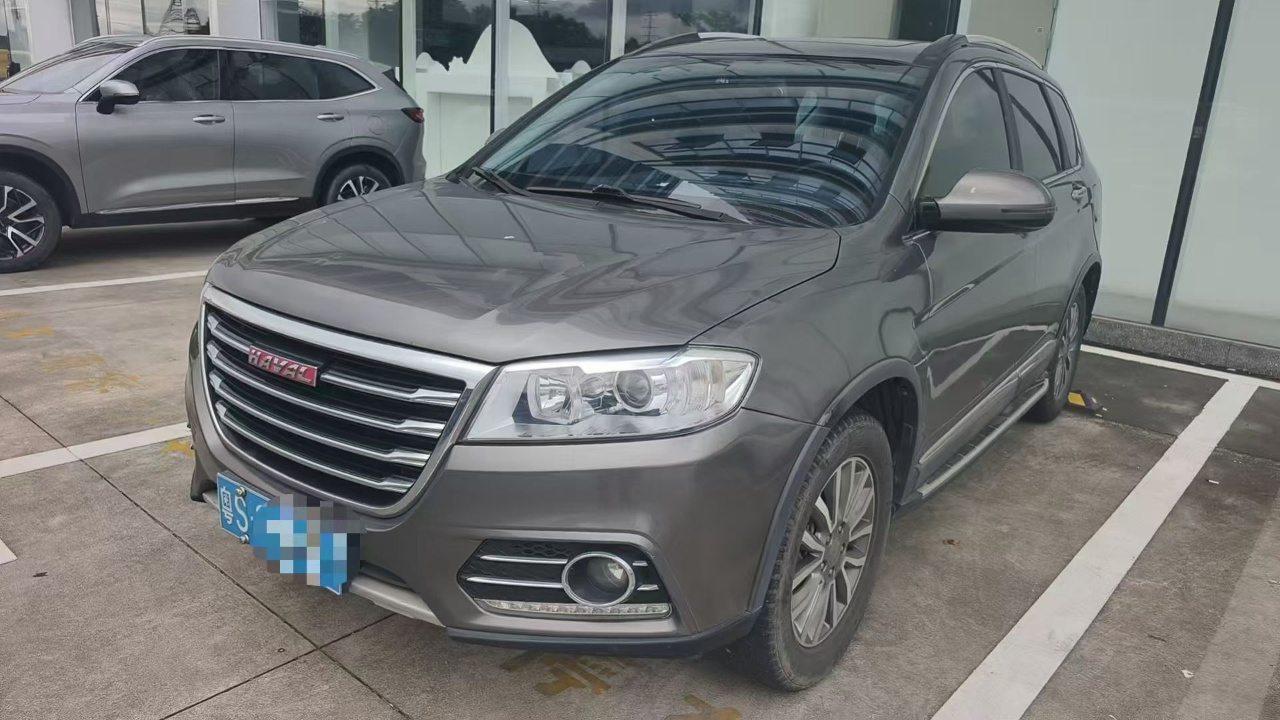
BrandHaval
SeriesH6
Year2019
First Registration2019/10
Mileage113,600km
Transfer Count-
FuelGasoline
TransmissionDCT
Engine1.5T 169 L4
ColorWhite
Seats-

Condition Description

Vehicle condition meets standards, passed inspection, good condition, 2 claims filed, 0 ownership transfers.

This car is 7 years old, with an average annual mileage of 16,200 kilometers, typical of normal family daily use, and has never been transferred to another owner, making it a good first-hand car; there may be obvious signs of wear and tear on the exterior; the interior shows obvious signs of use or dirt; the overall body frame is intact, but there are a few abnormal issues; the powertrain is functioning normally.

Configuration Highlights

✓Surround View Camera
✓Panoramic Sunroof
✓Cornering Lights
✓Paddle Shifters
✓Smartphone Connectivity
✓High Beam Assist
✓Auto Hold
✓Keyless Entry
✓Rain-sensing Wipers
✓High-definition Low Beam
✓Power Folding Mirrors
✓Engine Start-Stop
✓Power Seats
✓Auto Headlights
✓Cruise Control
✓Keyless Start
✓Rear Air Vents
✓Tire Pressure Monitoring
✓Heated Mirrors
✓Hill Start Assist
✓Rear Parking Sensors
✓Anti-pinch Windows

Q&A

More

When B2B buyers make bulk purchases, can they request to combine the accessory costs and vehicle price on the same commercial invoice to reduce overall tariffs?

No, this is a serious customs violation. Complete vehicles (HS Code 8703) and auto parts (HS Code 8708, etc.) are subject to completely different import tax rates. Combining them on one invoice could lead to the invoice being returned by customs and may expose you to tax fraud accusations at the destination port.

If the remittance info for the international wire transfer has the wrong contract number, will it cause delays in currency exchange and shipping?

It will cause serious obstacles. China's foreign exchange controls are extremely strict. If the remittance note and the remitter do not match our declared contract, the bank will reject the transaction (Pending). We will need to spend several days submitting additional explanations to the foreign exchange authority, which will inevitably delay the shipping schedule.

If a third-party inspection report misses significant technical defects and they are discovered upon arrival at the destination port, how is liability determined?

This is a key legal issue. If the inspection is conducted by a third party appointed by us, we will be the primary responsible party and provide limited compensation to you, after which we will seek reimbursement from the inspection agency; if the inspection agency is designated by you personally (such as SGS), you will need to file a claim directly with that agency according to its service terms.