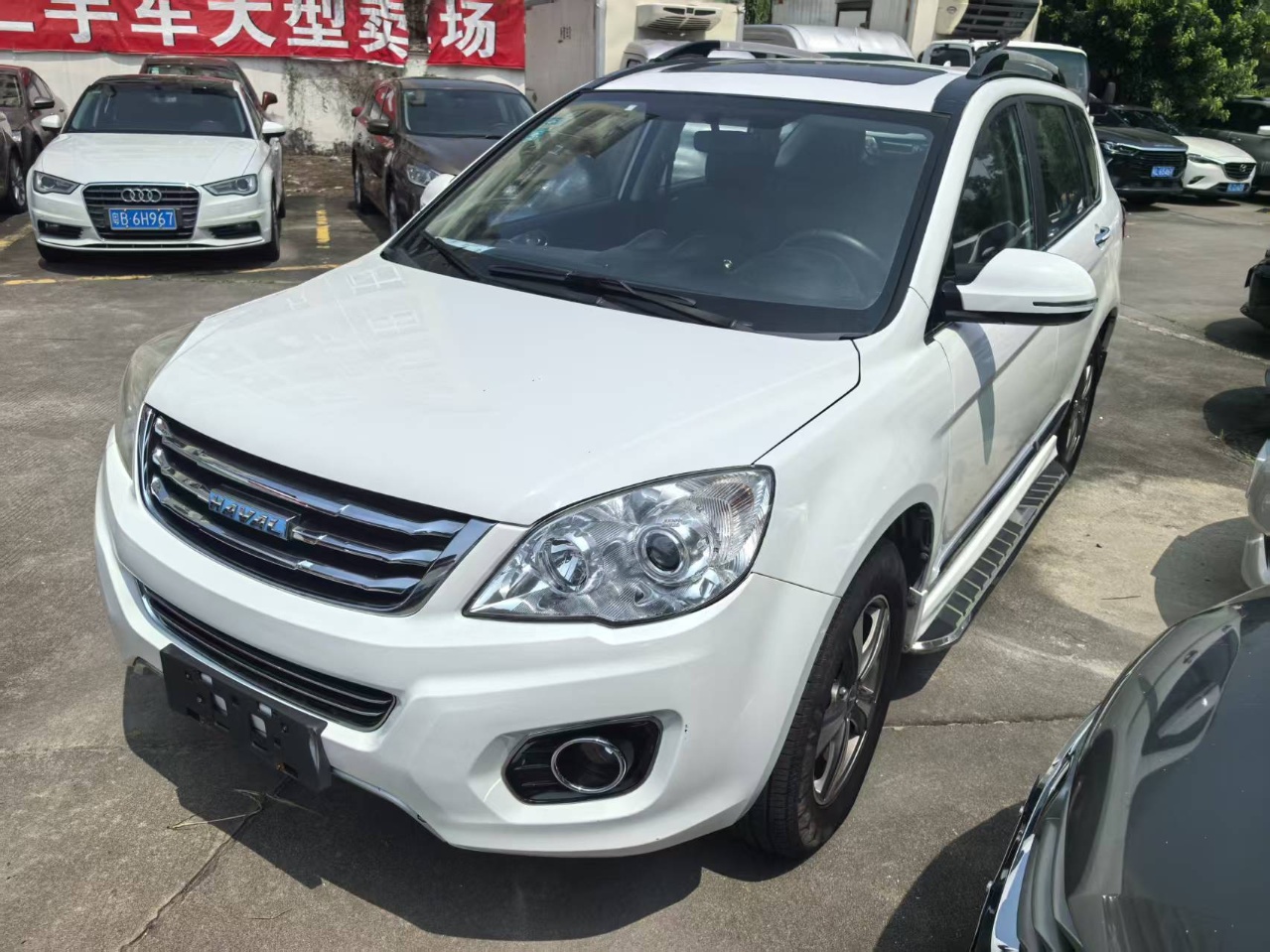




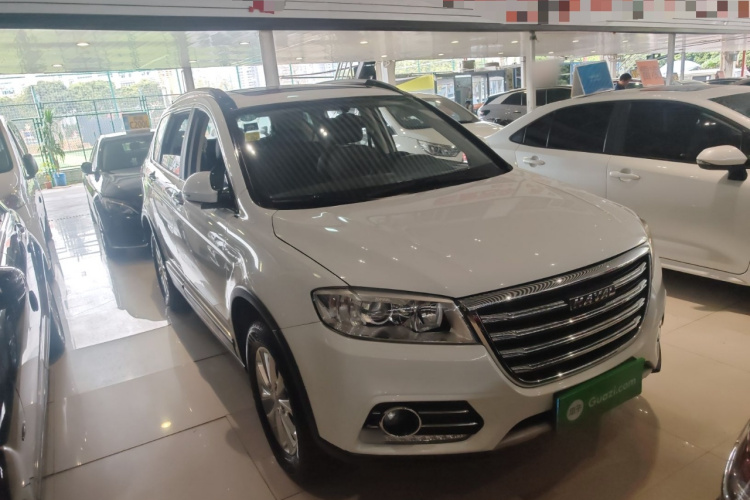




Basic Information

BrandHaval
SeriesH6
Year2020
First Registration2020/04
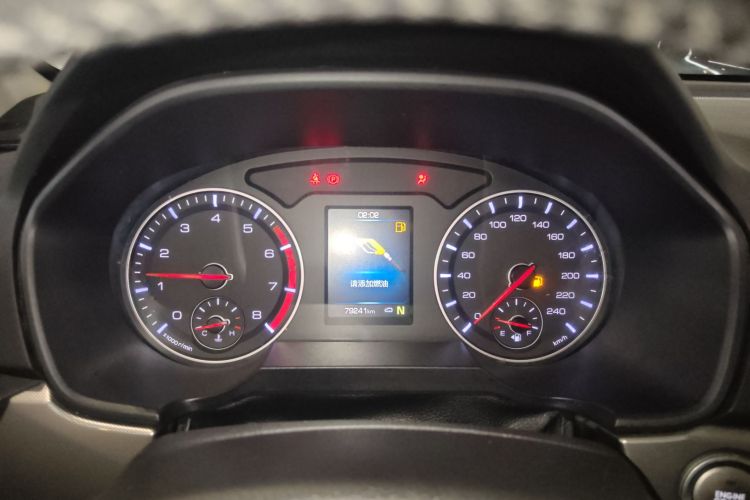
Mileage79,200km
Transfer Count-
FuelGasoline
TransmissionDCT
Engine1.5T 150 L4
ColorWhite
Seats-

Condition Description

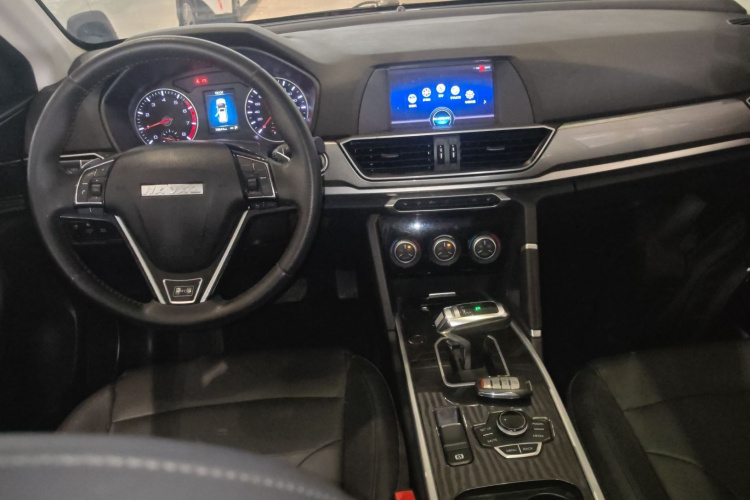
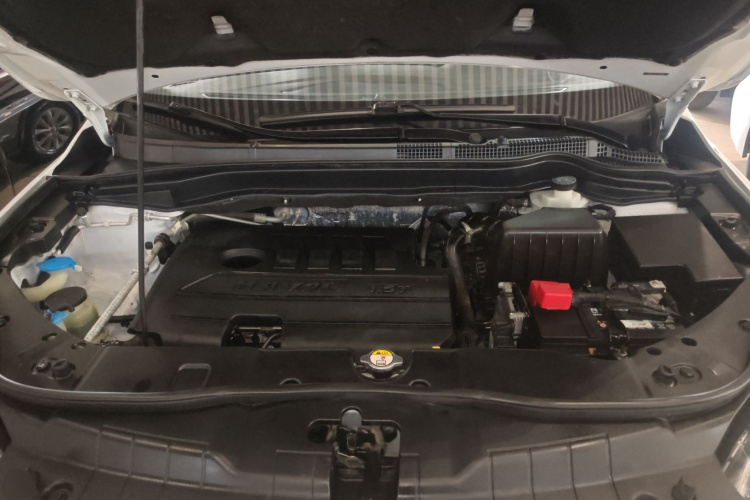
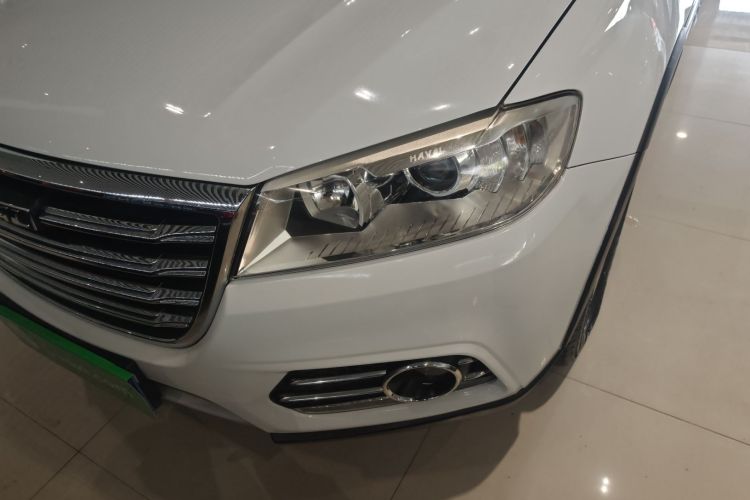
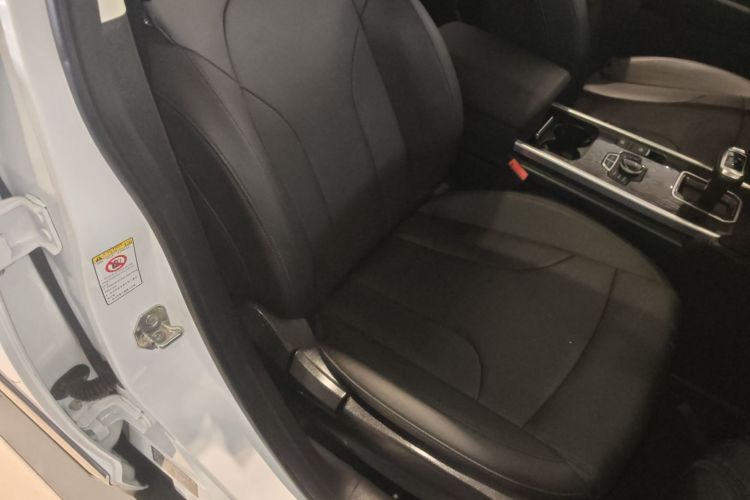
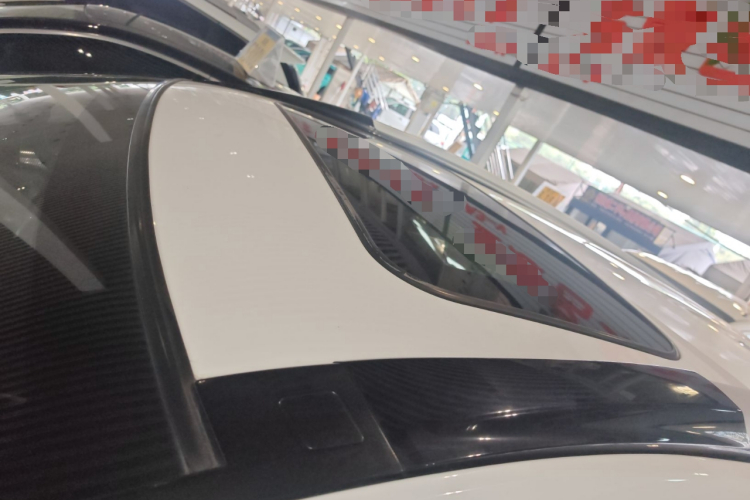
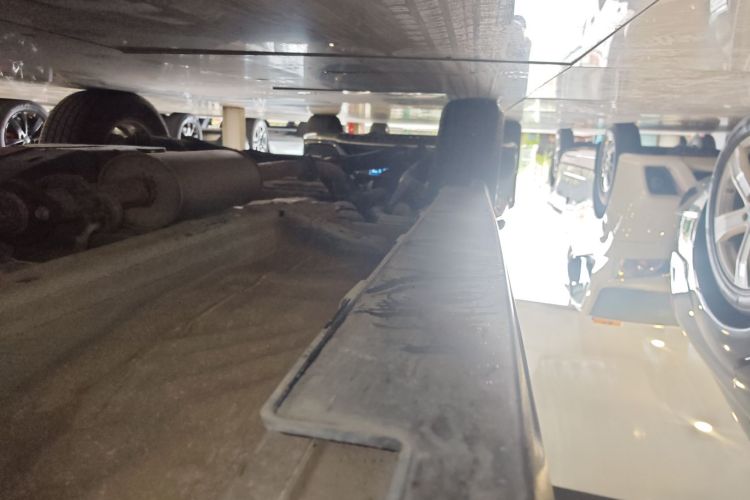
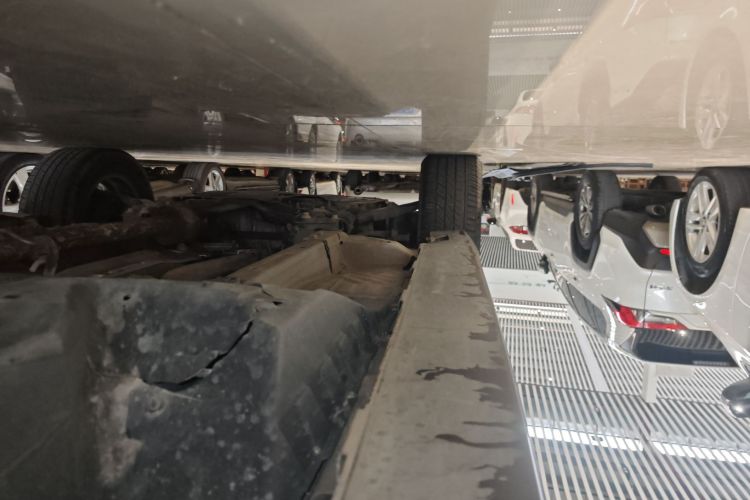
Vehicle in excellent condition, passed inspection, better than 80% of vehicles for sale, excellent condition, 2 claims filed, 0 ownership transfers.

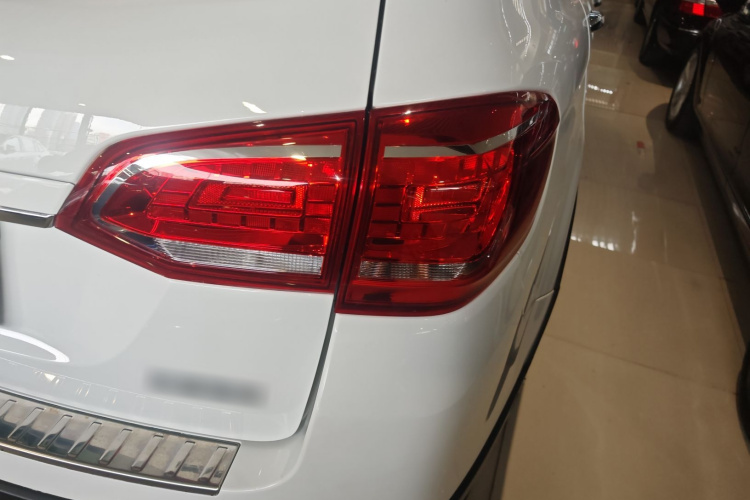
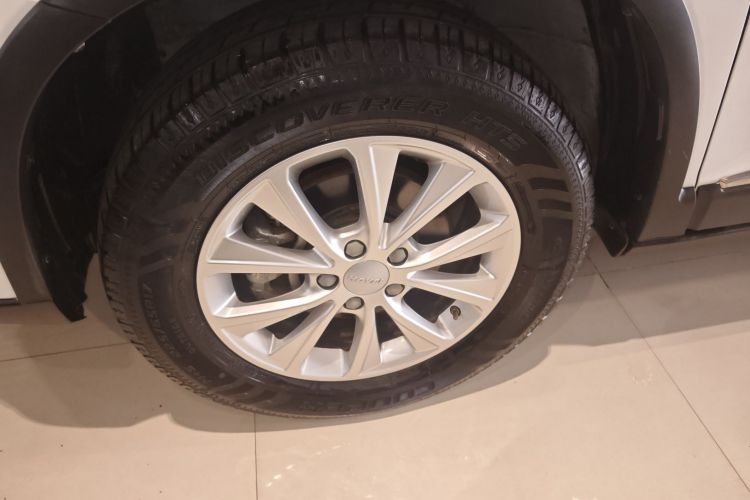
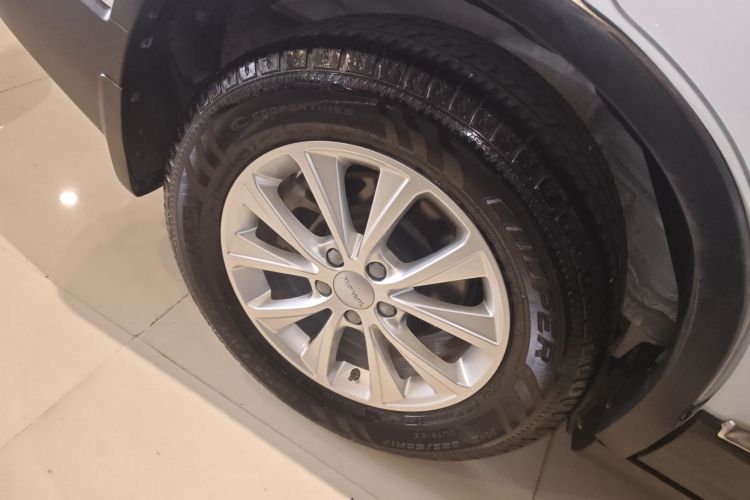
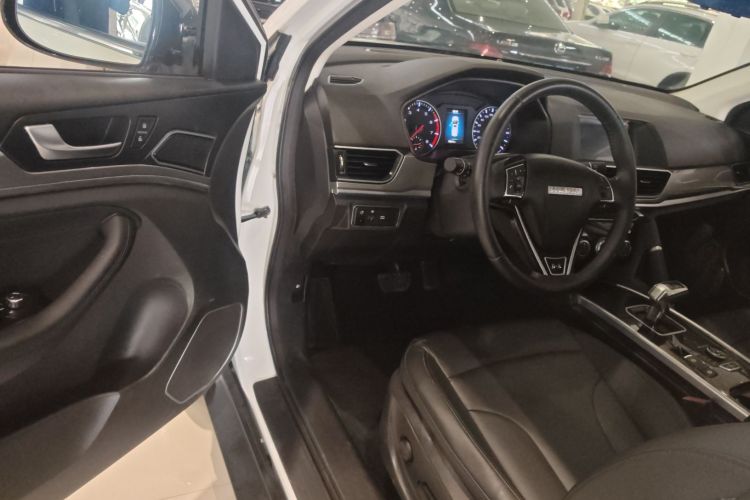
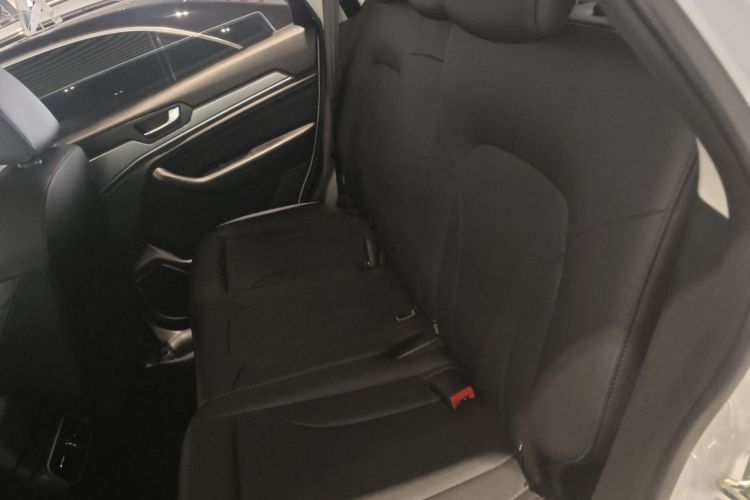
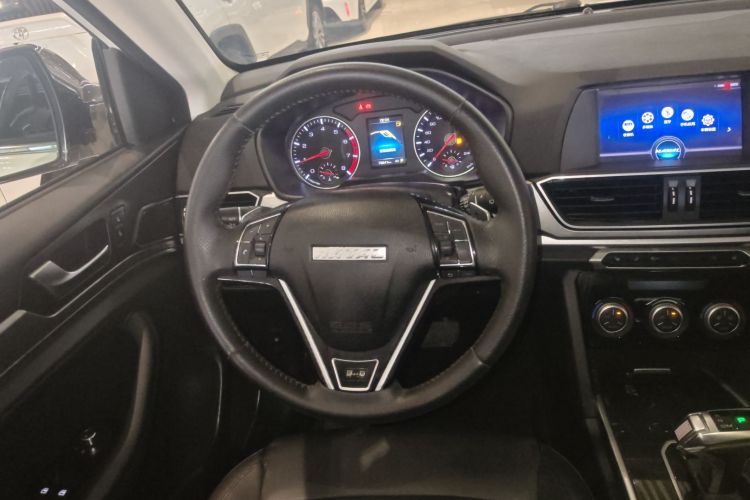
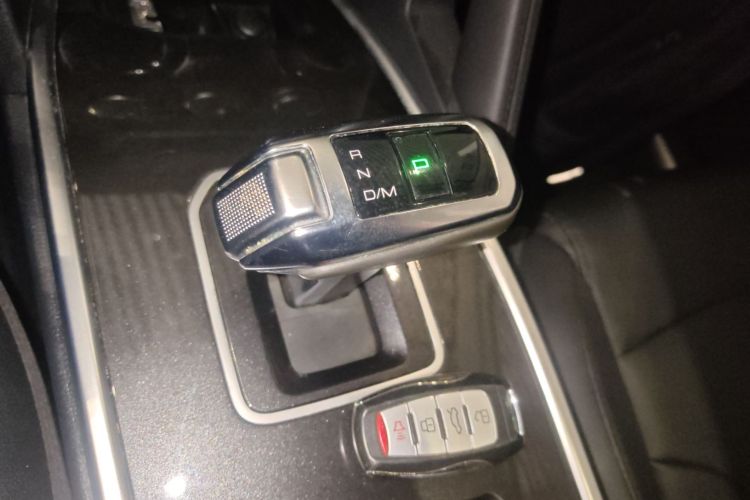
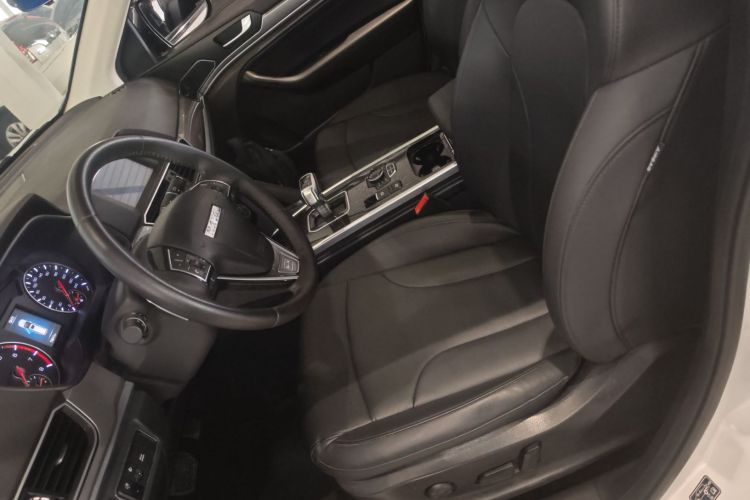
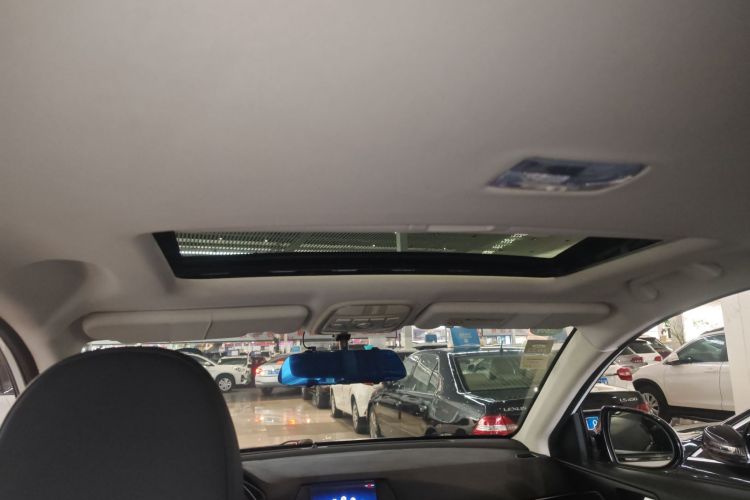
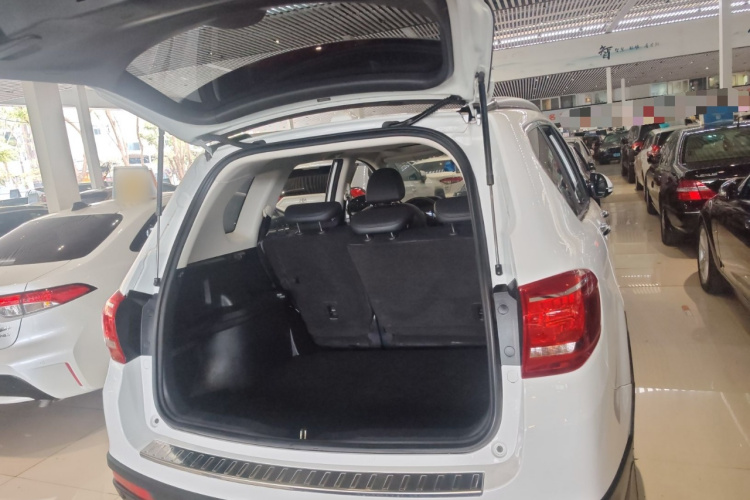
This car is 6 years old, with an average annual mileage of 13,200 kilometers, typical of normal family daily use. It has never been transferred to another owner, making it a good first-hand car. The exterior is in excellent condition, with a glossy paint finish but possibly minor scratches. The interior is clean and tidy, with minor signs of use. The overall body frame is intact and without any abnormalities. Fluids are normal, and the powertrain operates smoothly without any issues.

Configuration Highlights

✓Cornering Lights
✓Paddle Shifters
✓Smartphone Connectivity
✓Auto Hold
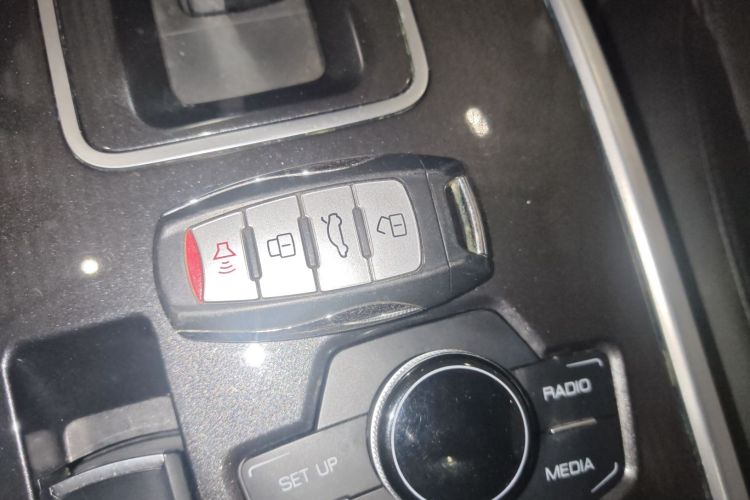
✓Keyless Entry
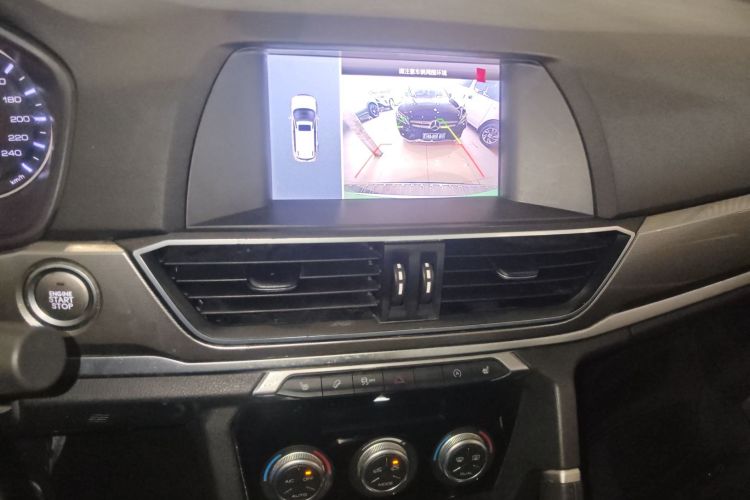
✓Backup Camera
✓Engine Start-Stop
✓Power Seats
✓Cruise Control
✓Keyless Start
✓Rear Air Vents
✓Tire Pressure Monitoring
✓Heated Mirrors
✓Hill Start Assist
✓Rear Parking Sensors
✓Anti-pinch Windows

Q&A

More

What are the specific thresholds for tiered pricing (Volume Discount) in B2B bulk purchasing?

Our bulk discounts are not simply calculated by the number of units, but by shipping batches. Typically, consolidating enough for a 40-foot container (which can hold 2-3 vehicles, depending on size) can waive some logistics fees; purchasing more than 5 units at once triggers tiered discounts.


How do you detect carbon buildup and wear inside the engine using technology without deep disassembly?

We use two steps: 1. Insert a medical-grade endoscope through the spark plug hole to visually inspect cylinder wall scratches and carbon buildup on the piston top; 2. Extract an engine oil sample to check for large metal debris or emulsification (caused by coolant leakage).

How to check the condition of the turbocharger (oil leaks, unusual noises, insufficient pressure) for turbocharged vehicles?

Experience turbo lag and power surge during road tests; check for significant oil accumulation at the turbo intake and intercooler connections (slight oil vapor is normal); and use OBD to read the real-time boost pressure peak to see if it meets factory settings.