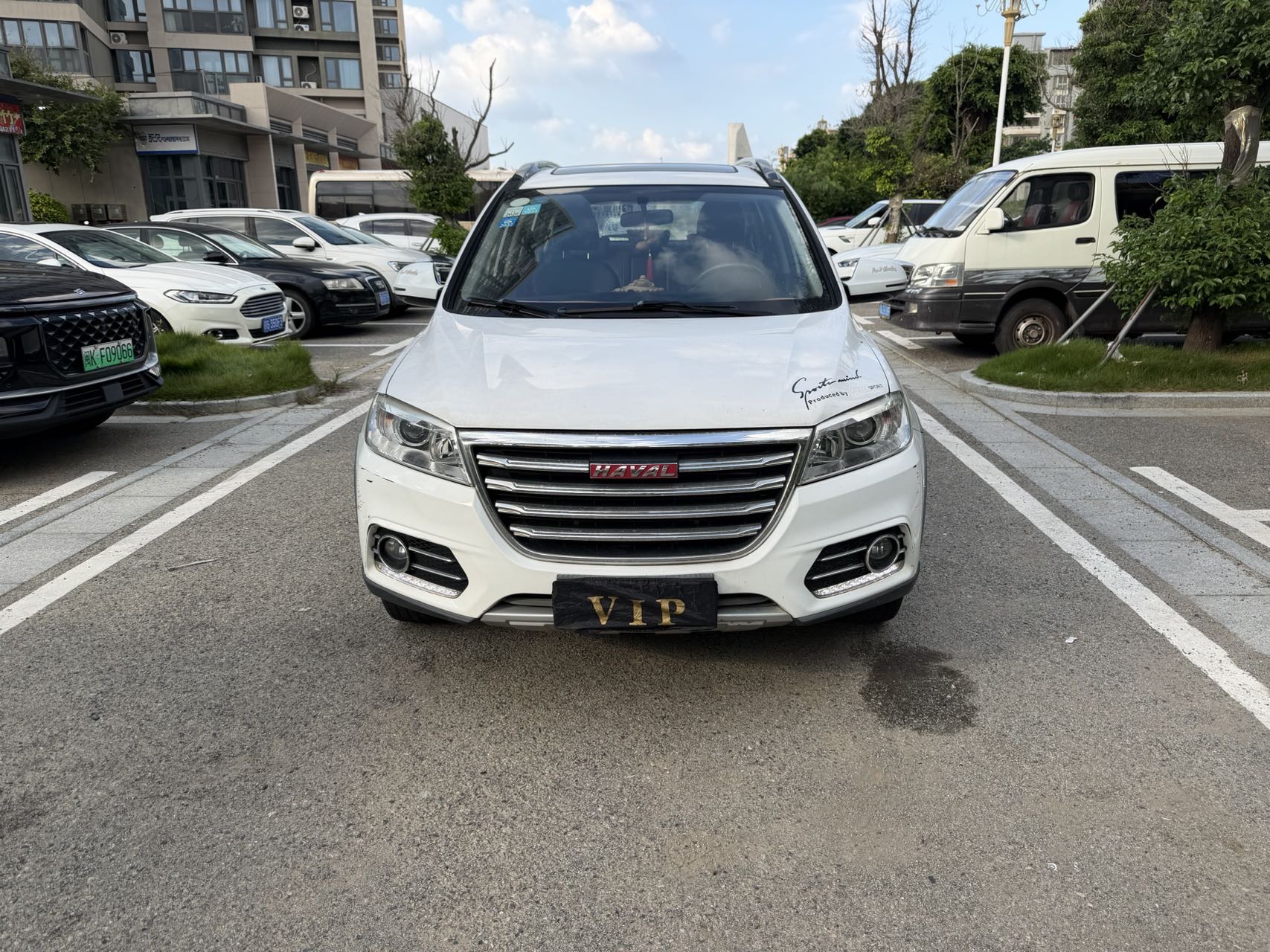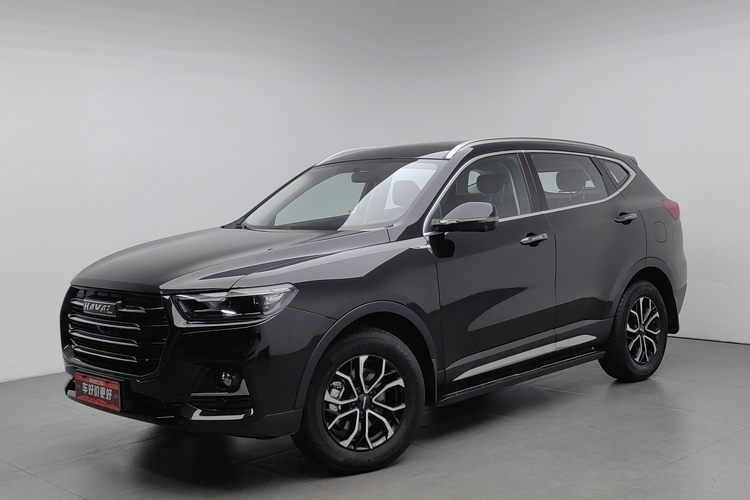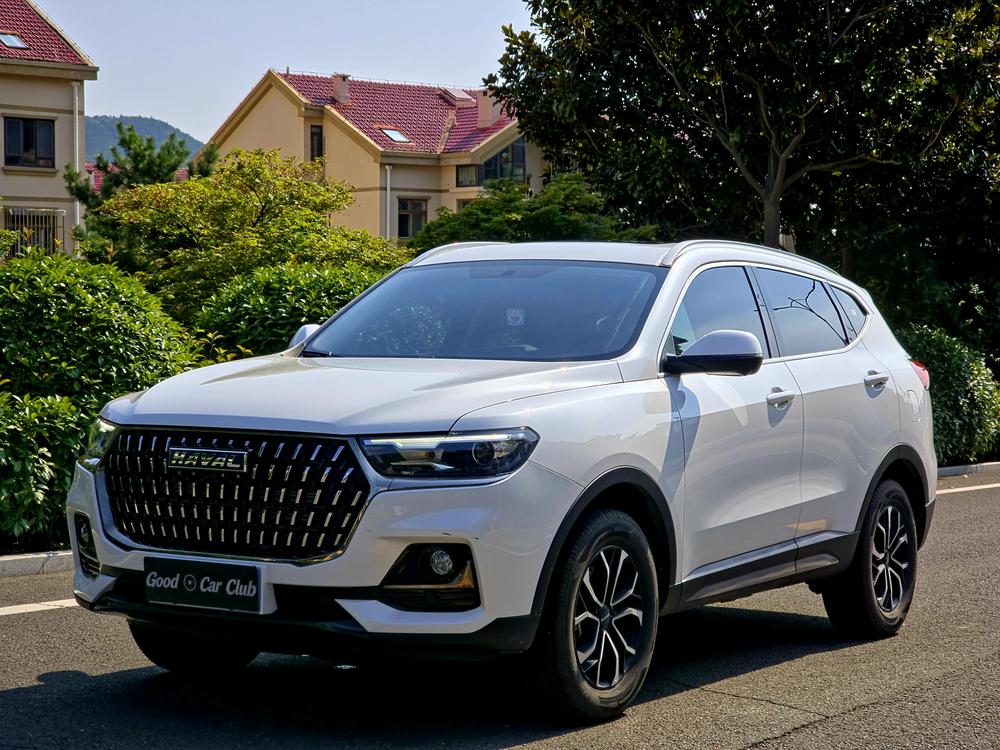
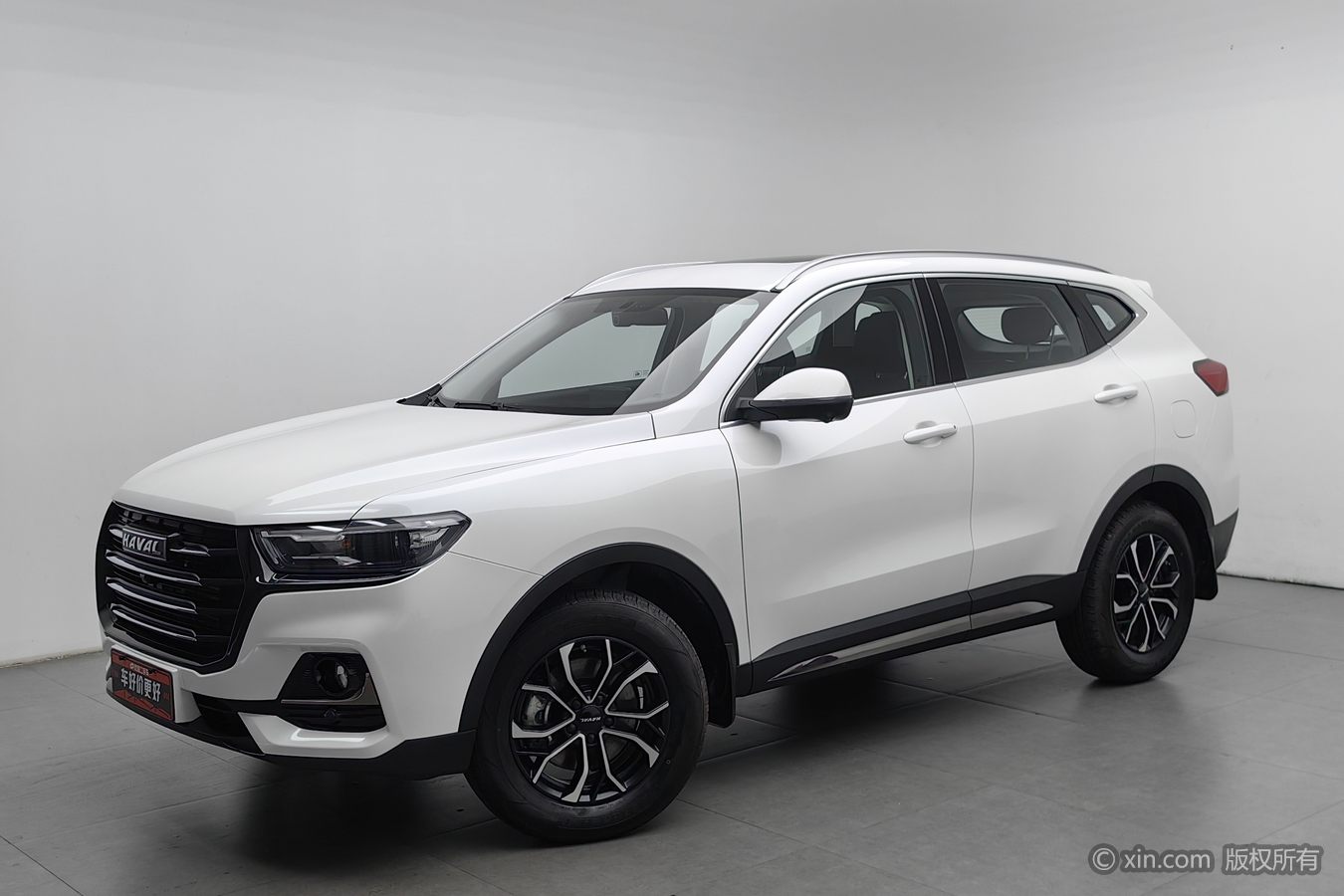
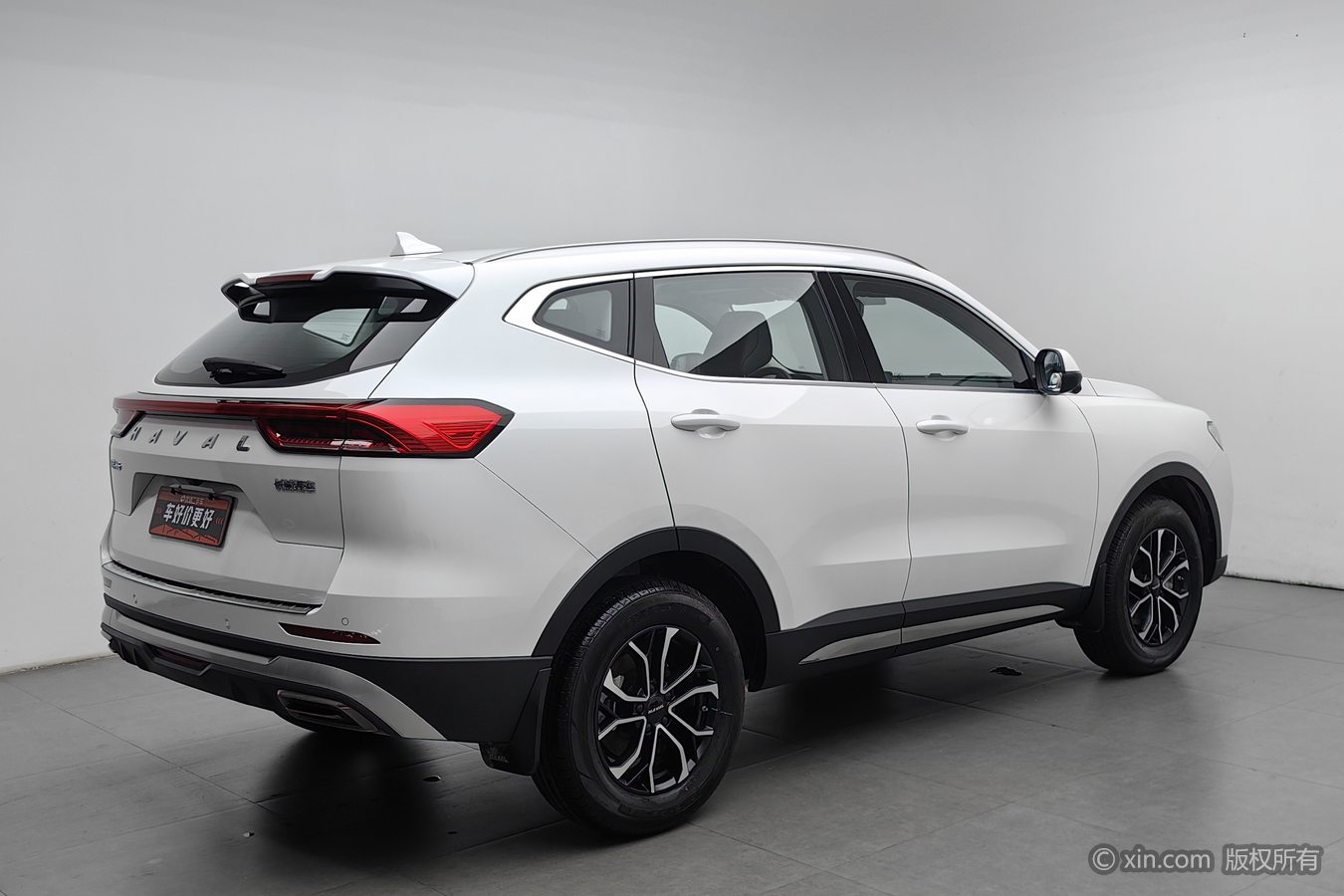
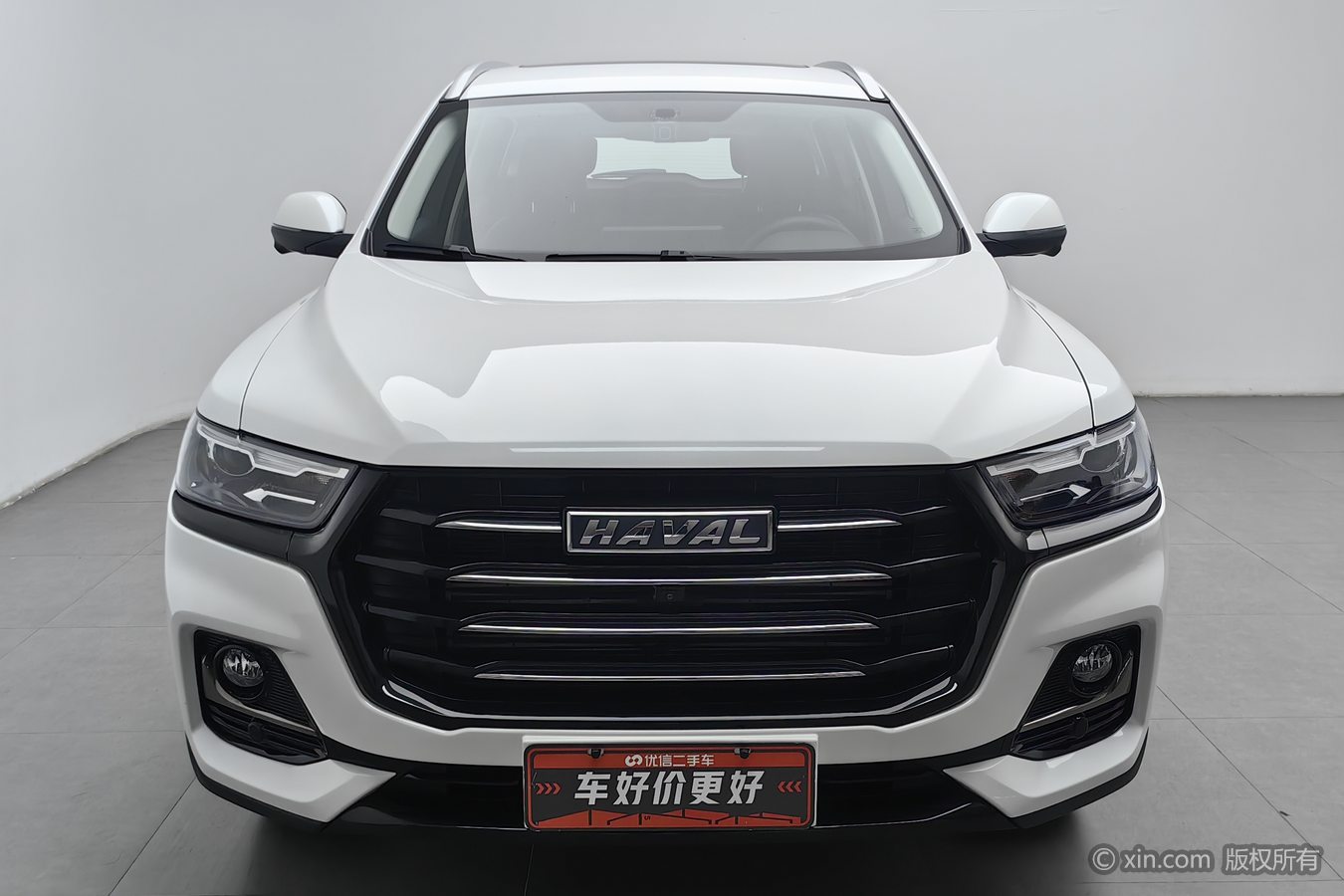
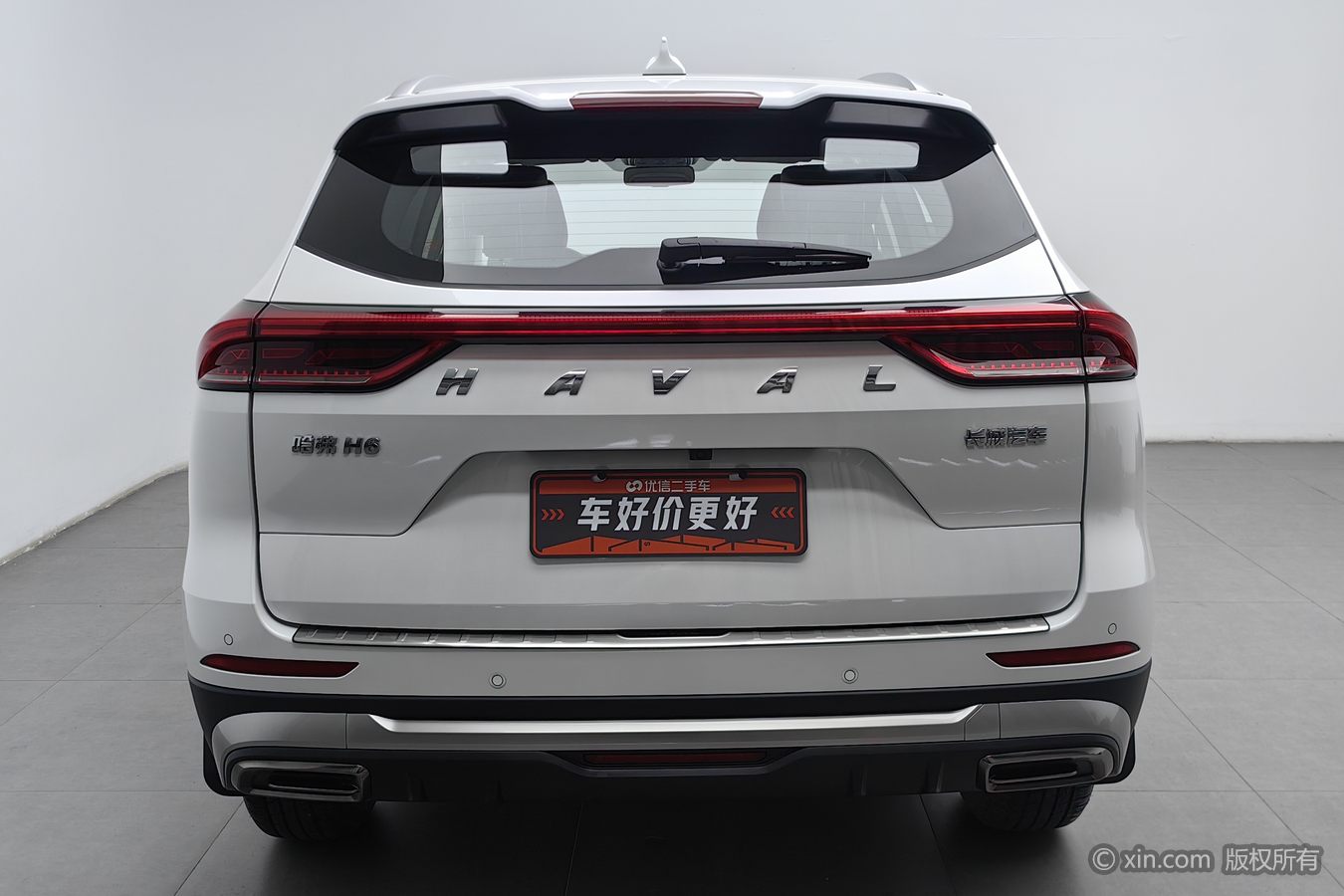
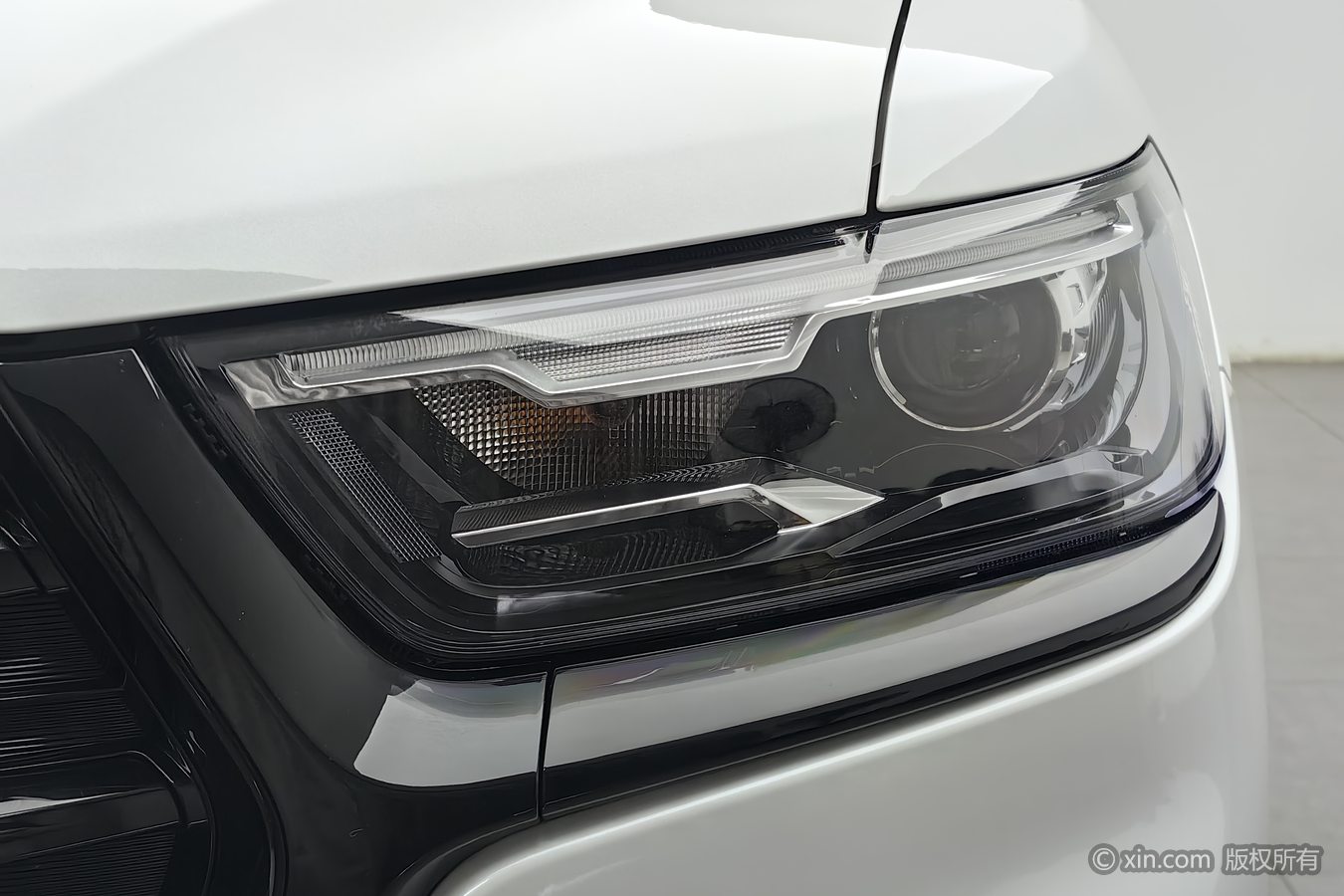
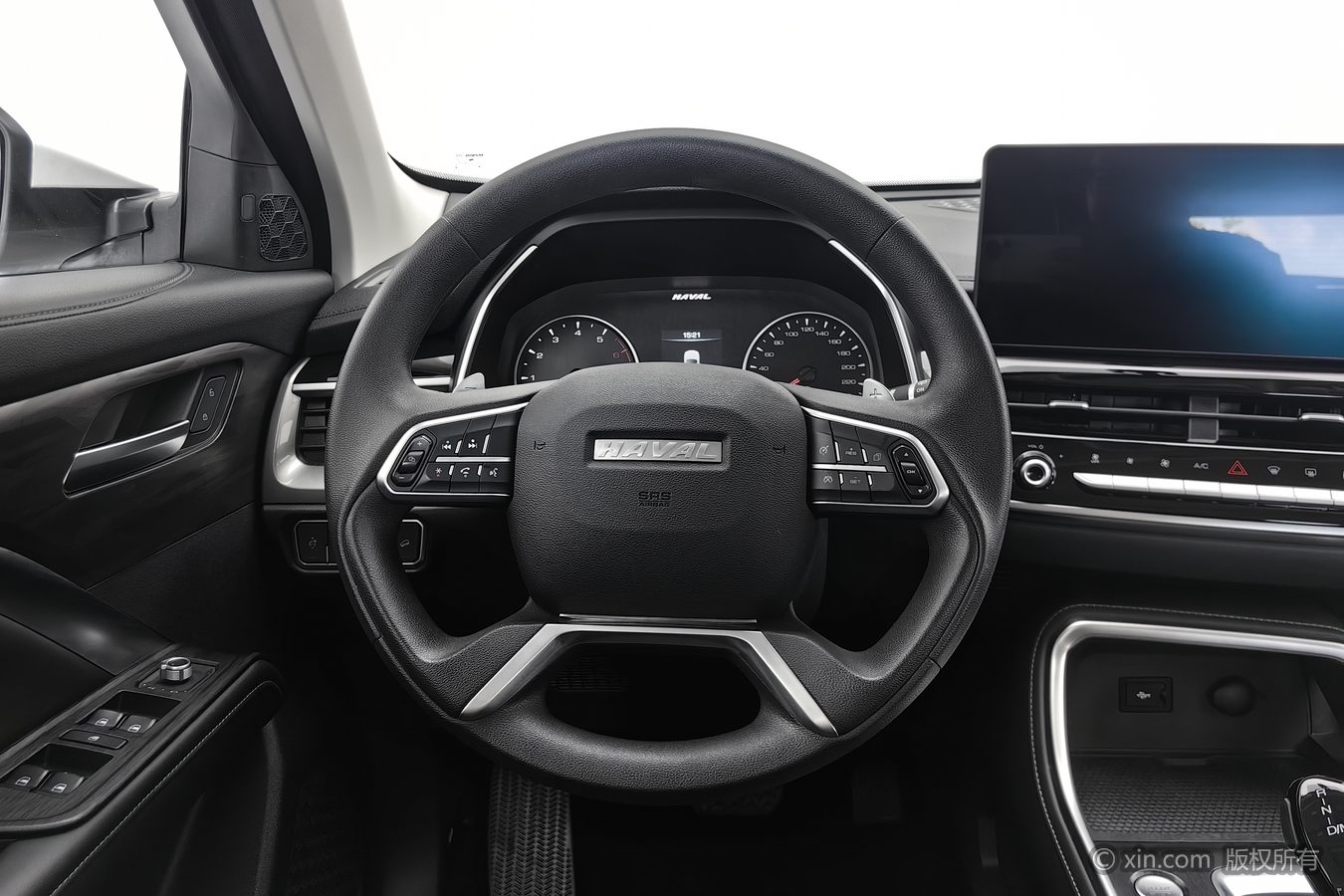
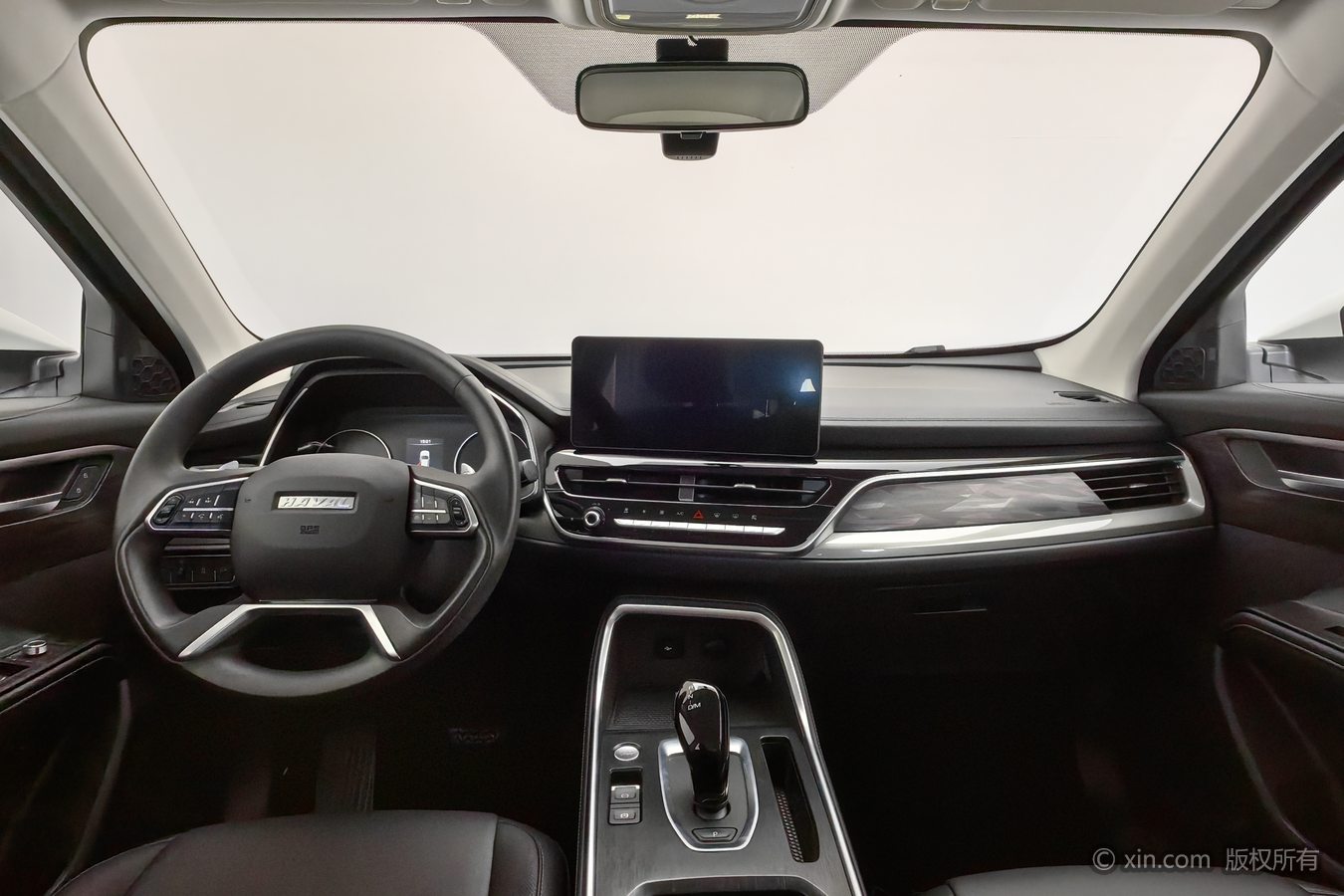
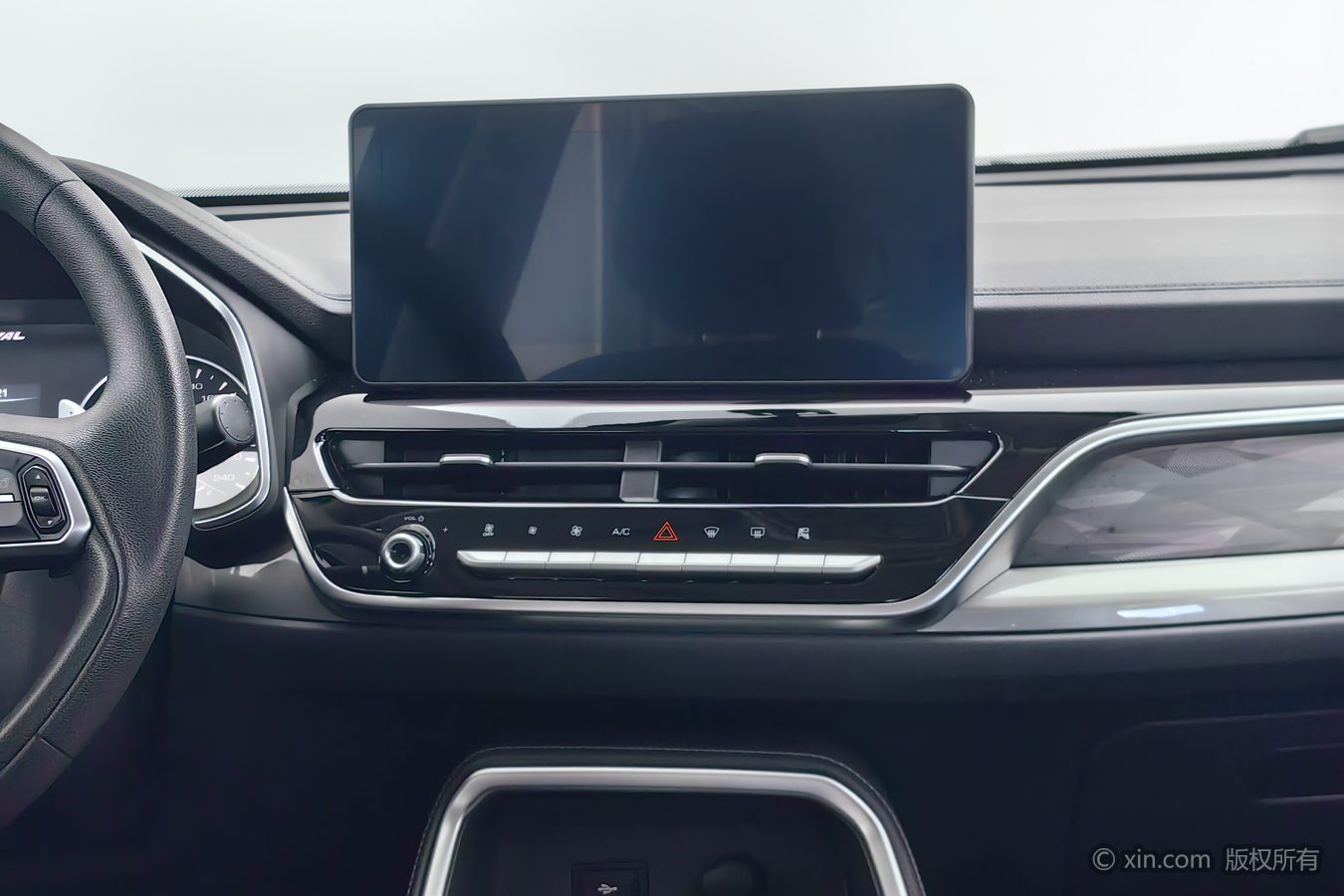
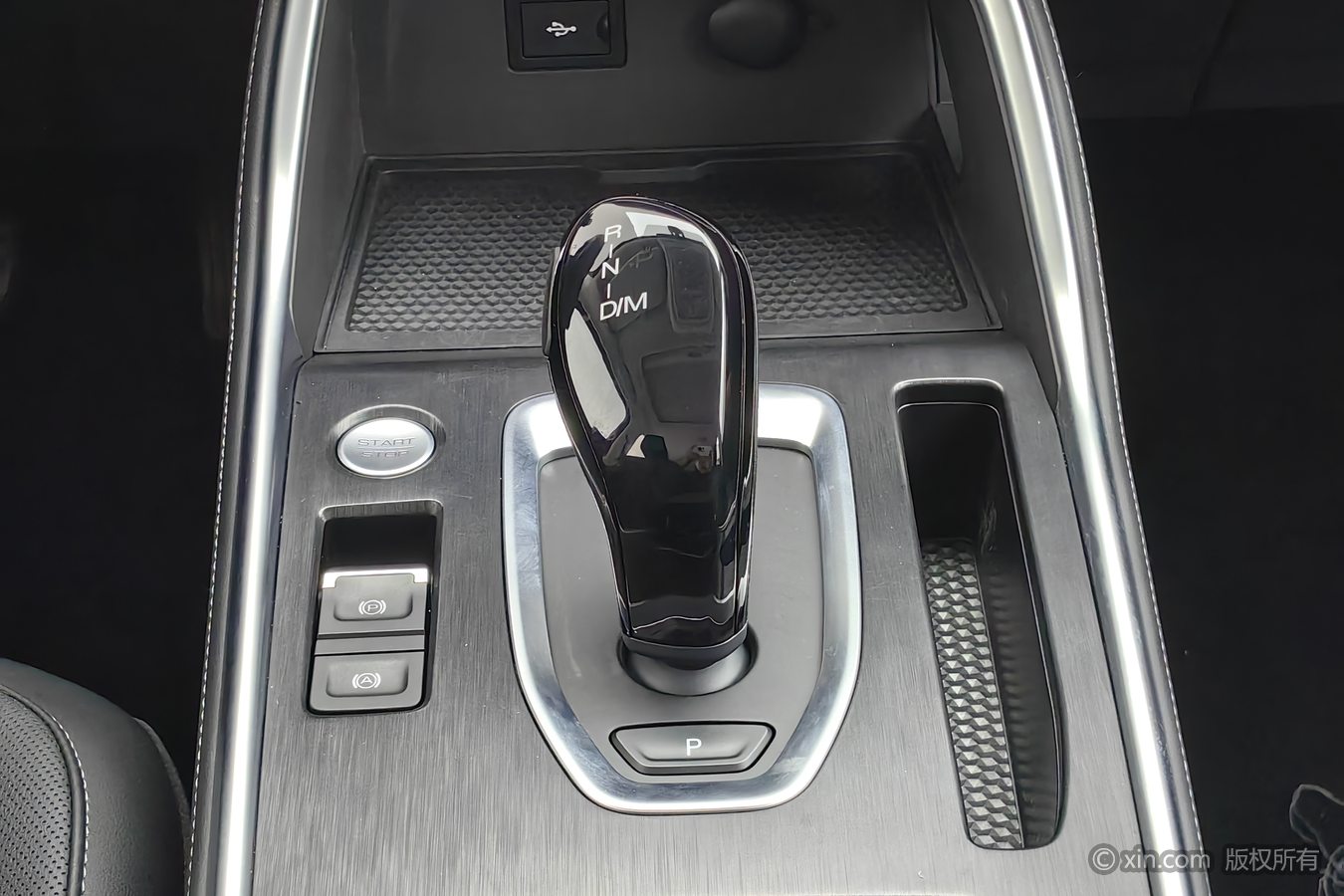
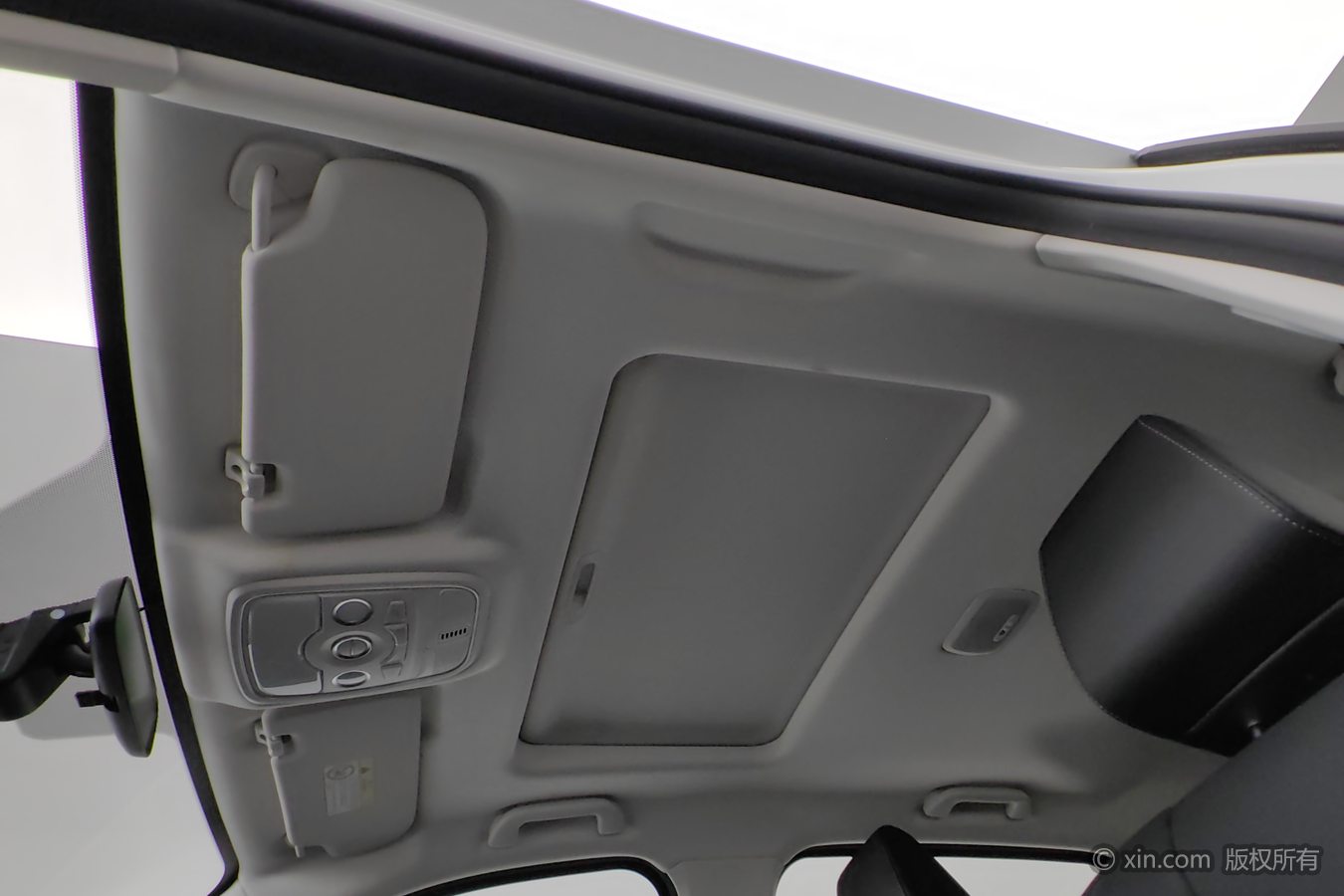
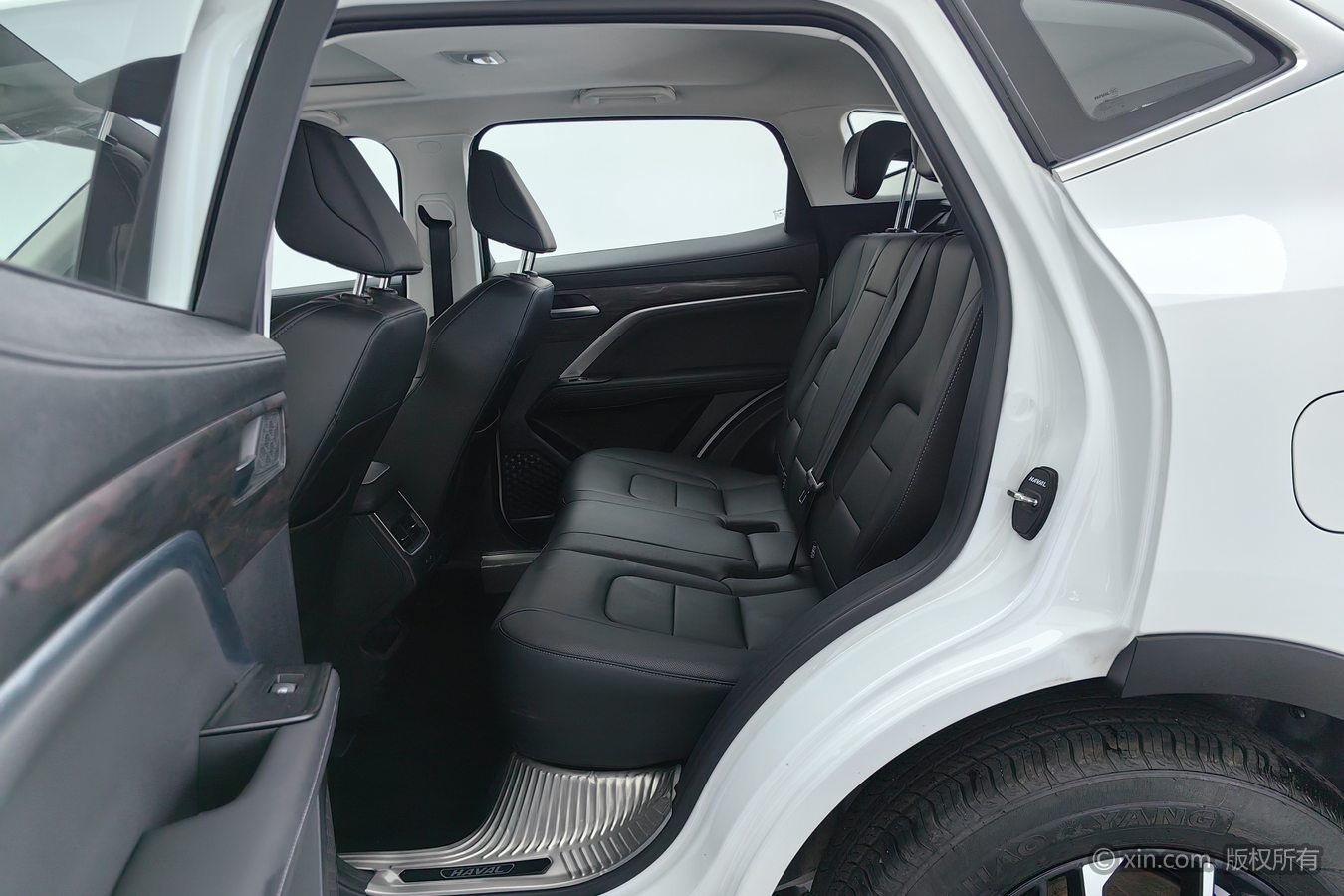
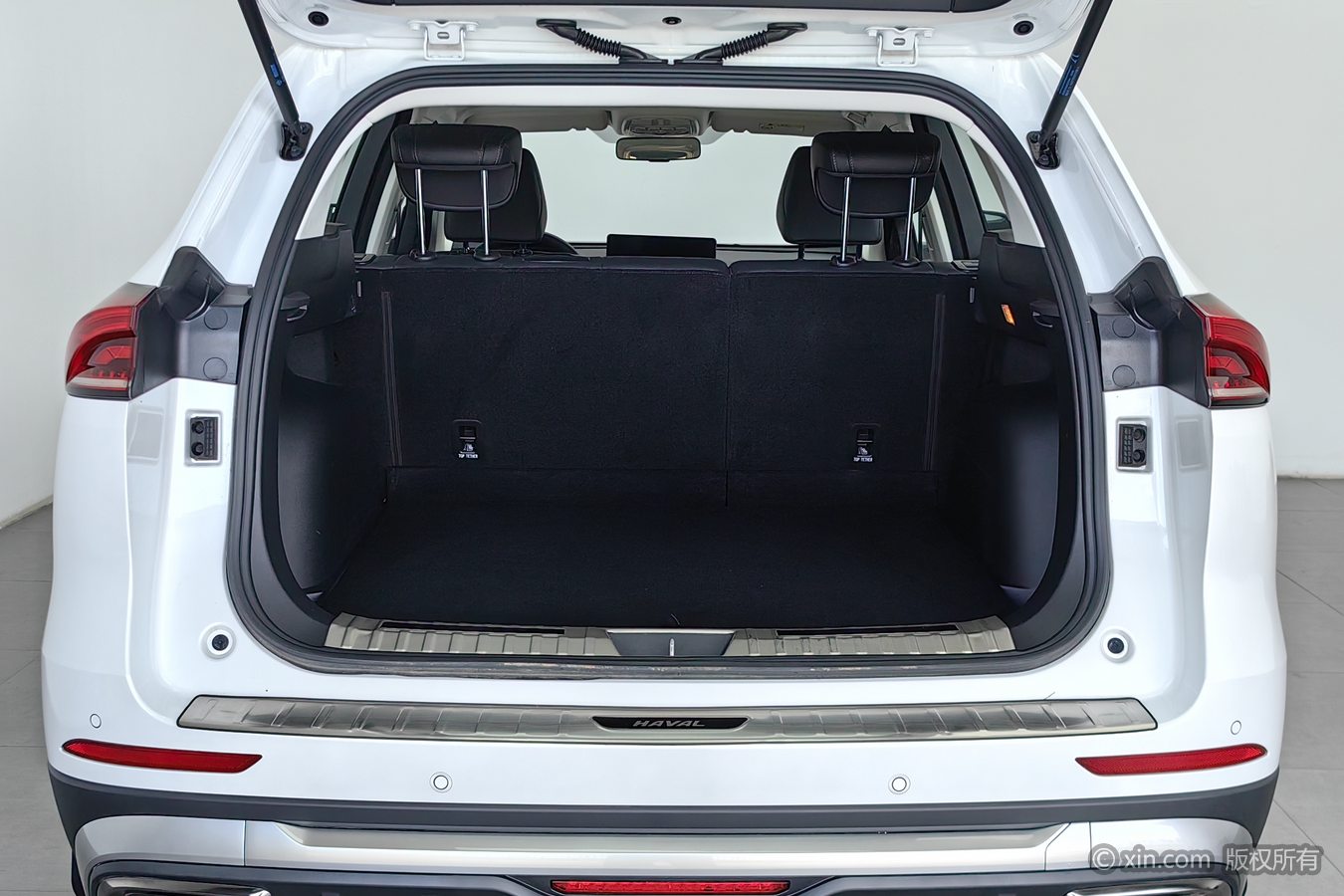
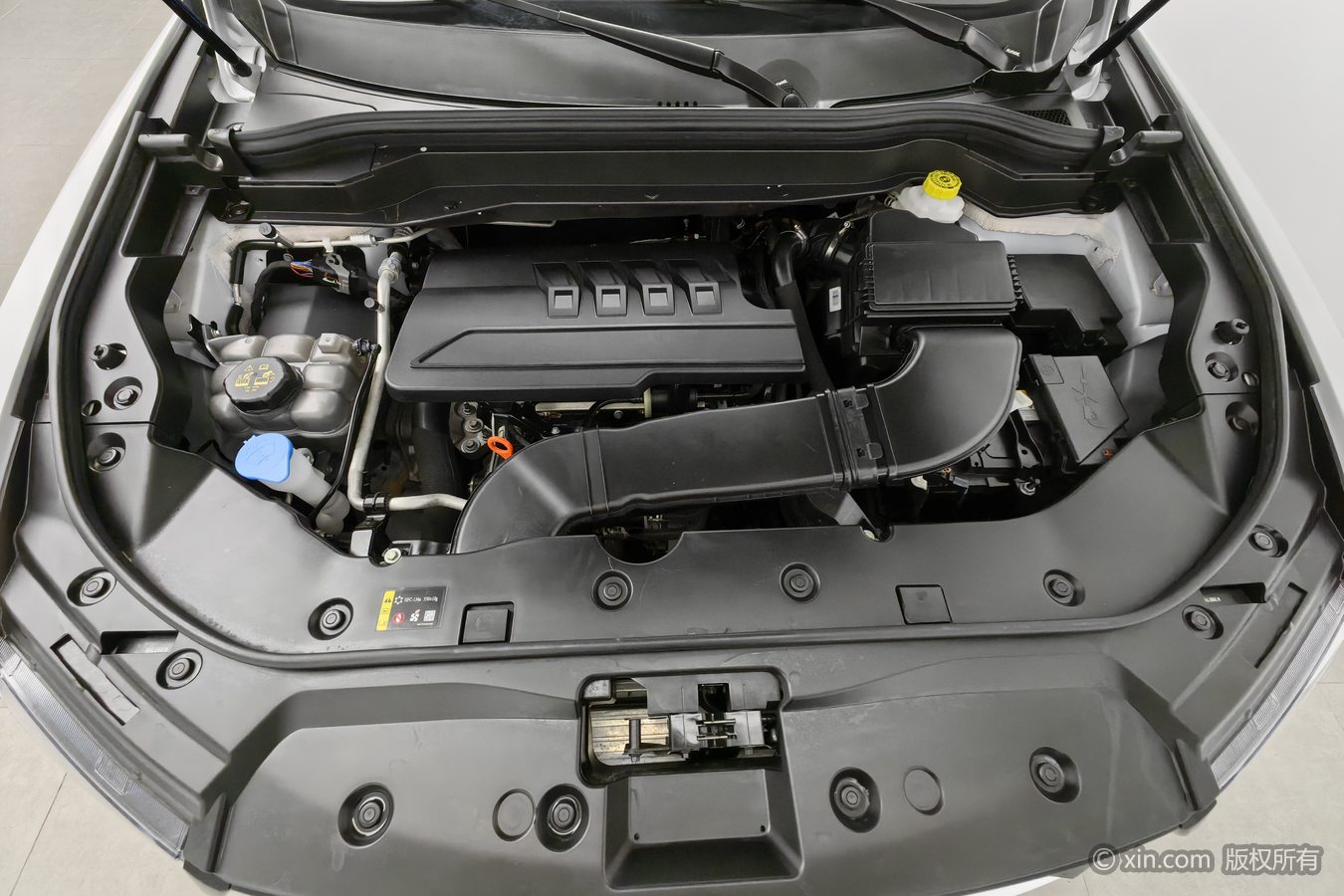
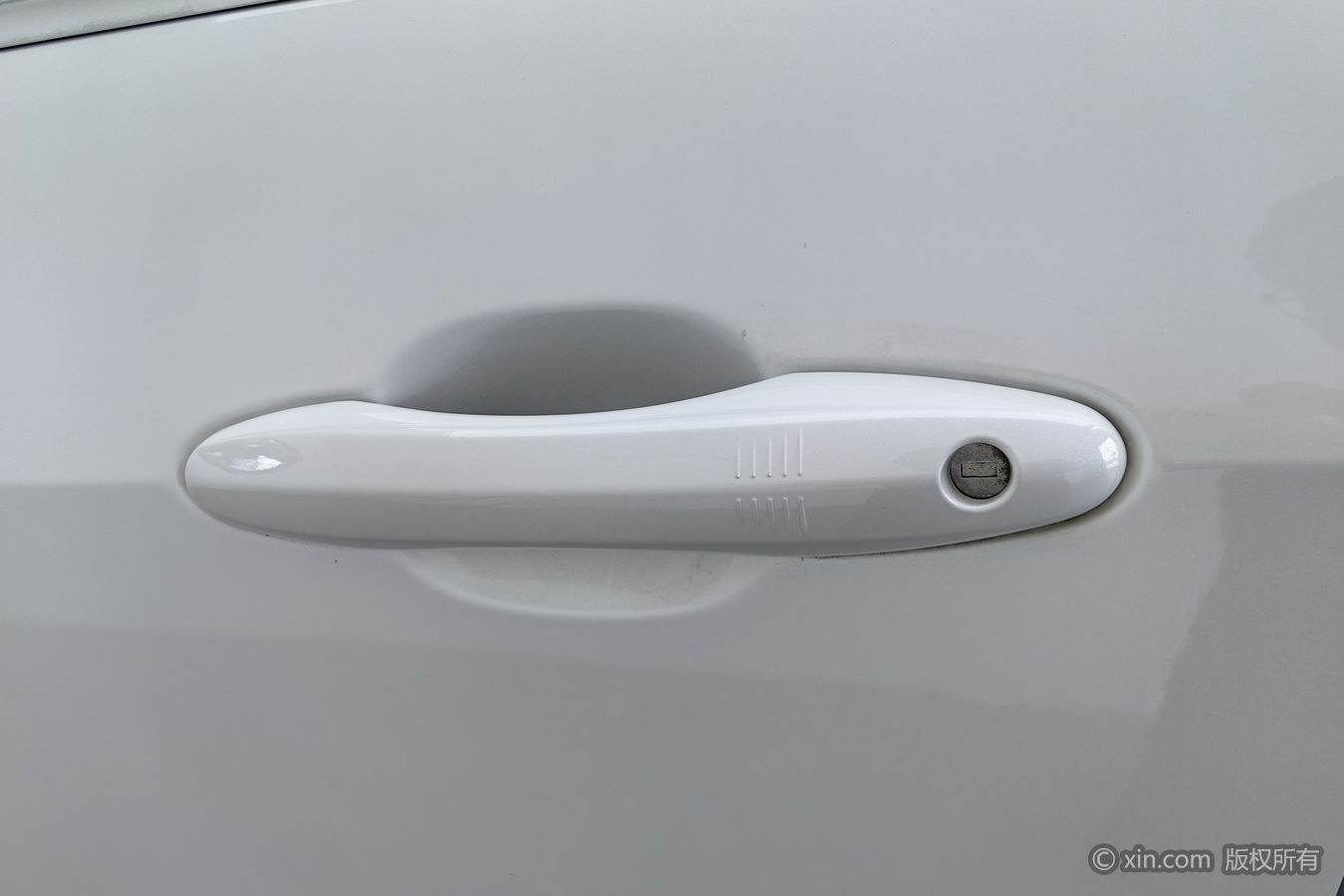
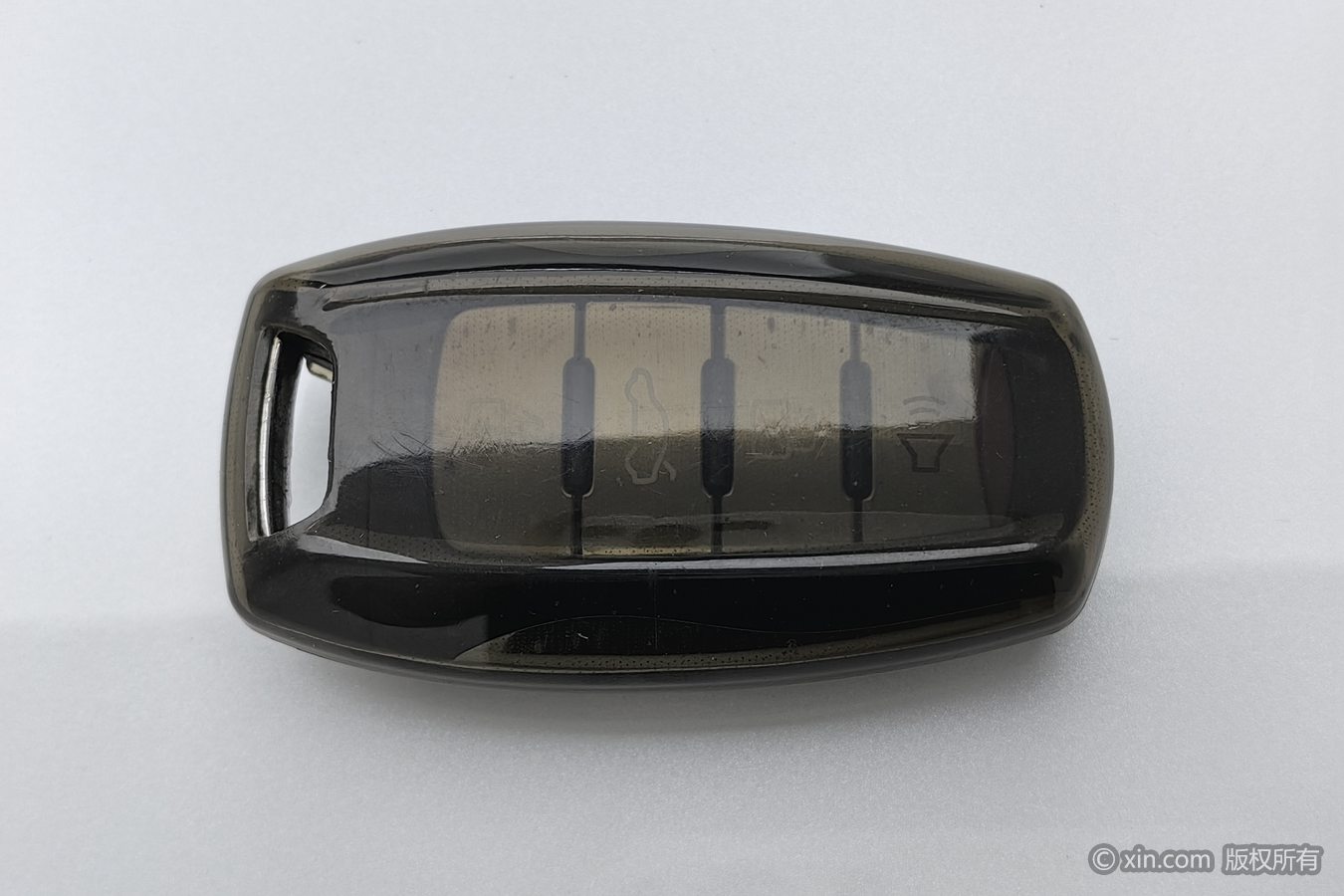
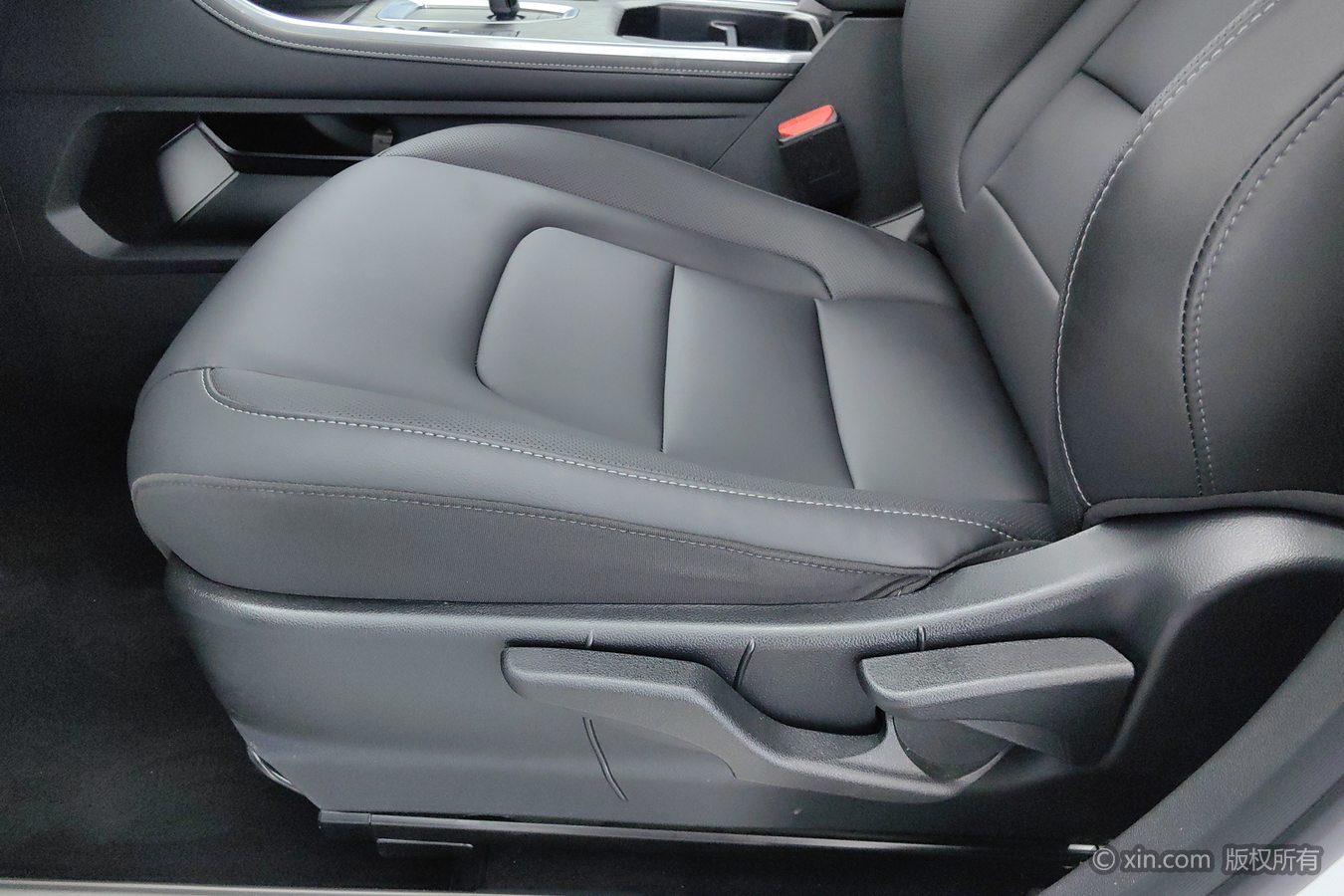
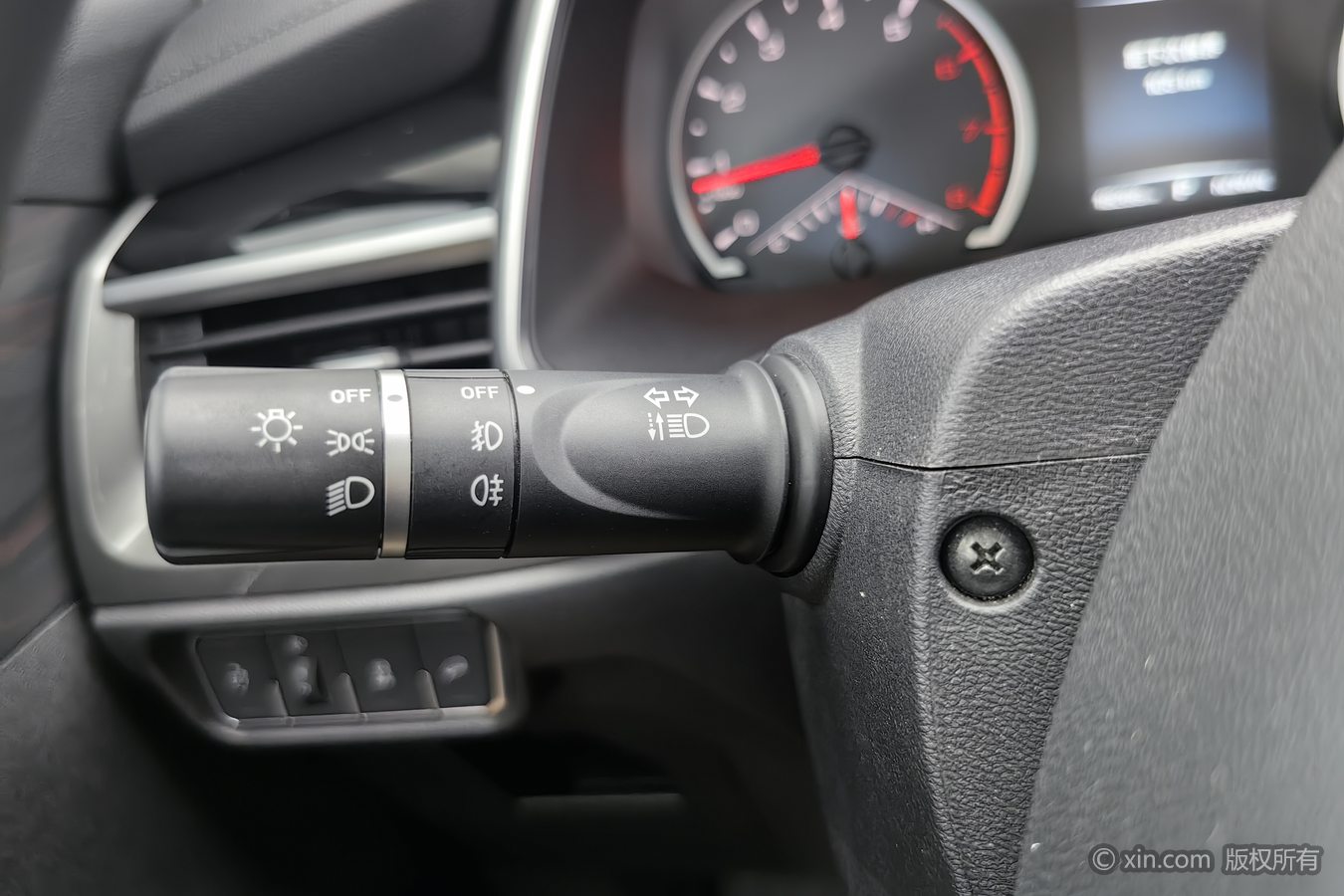
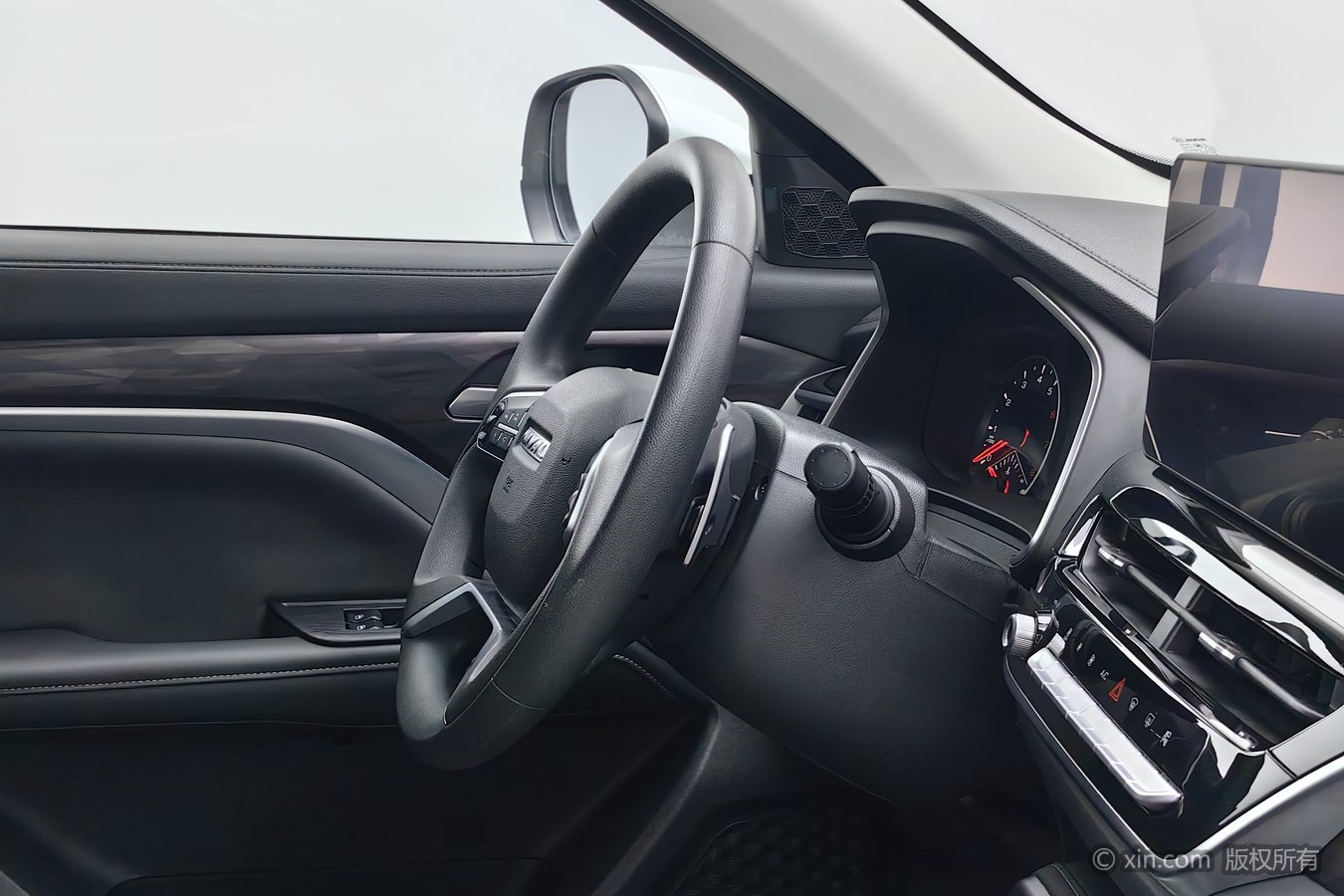
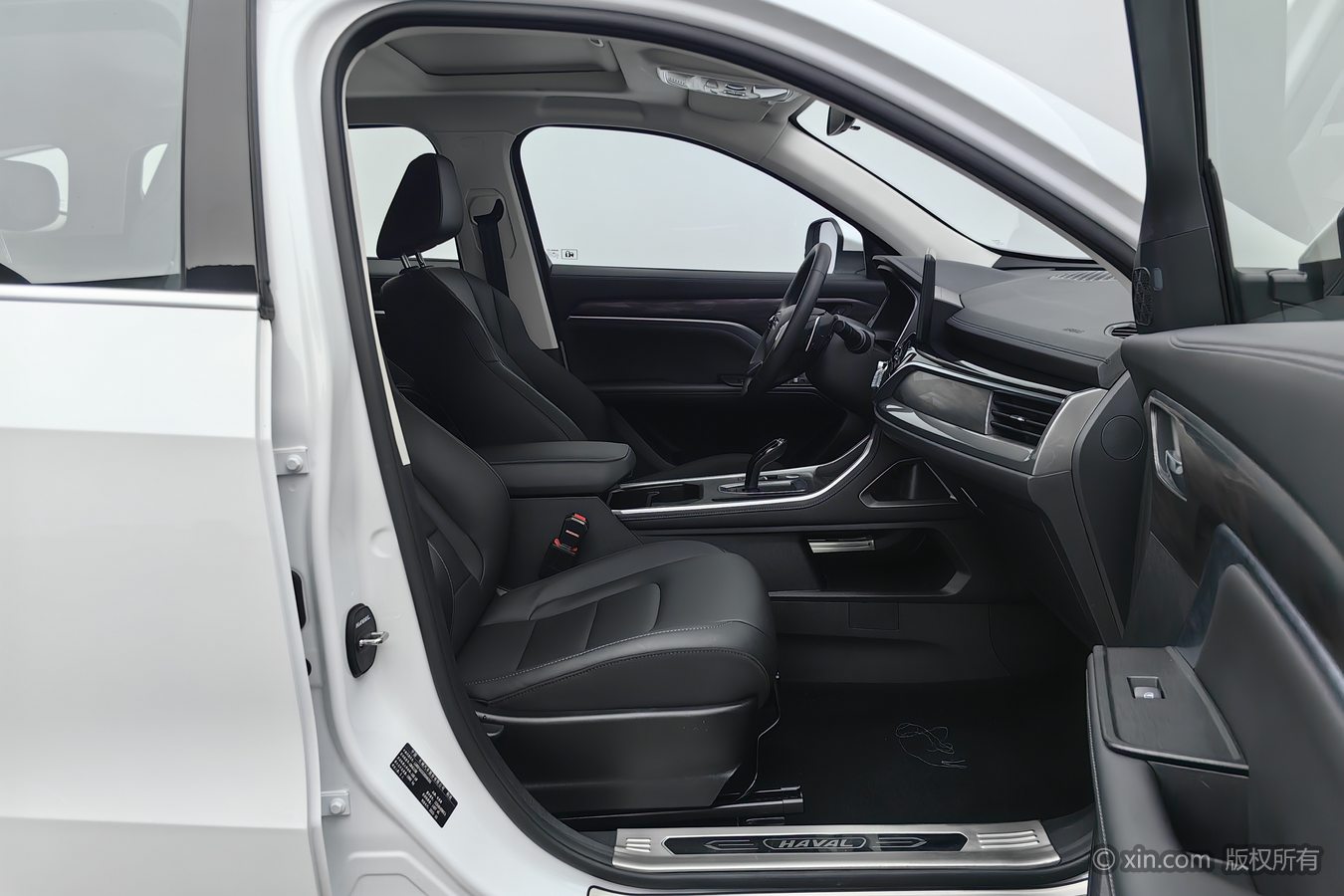
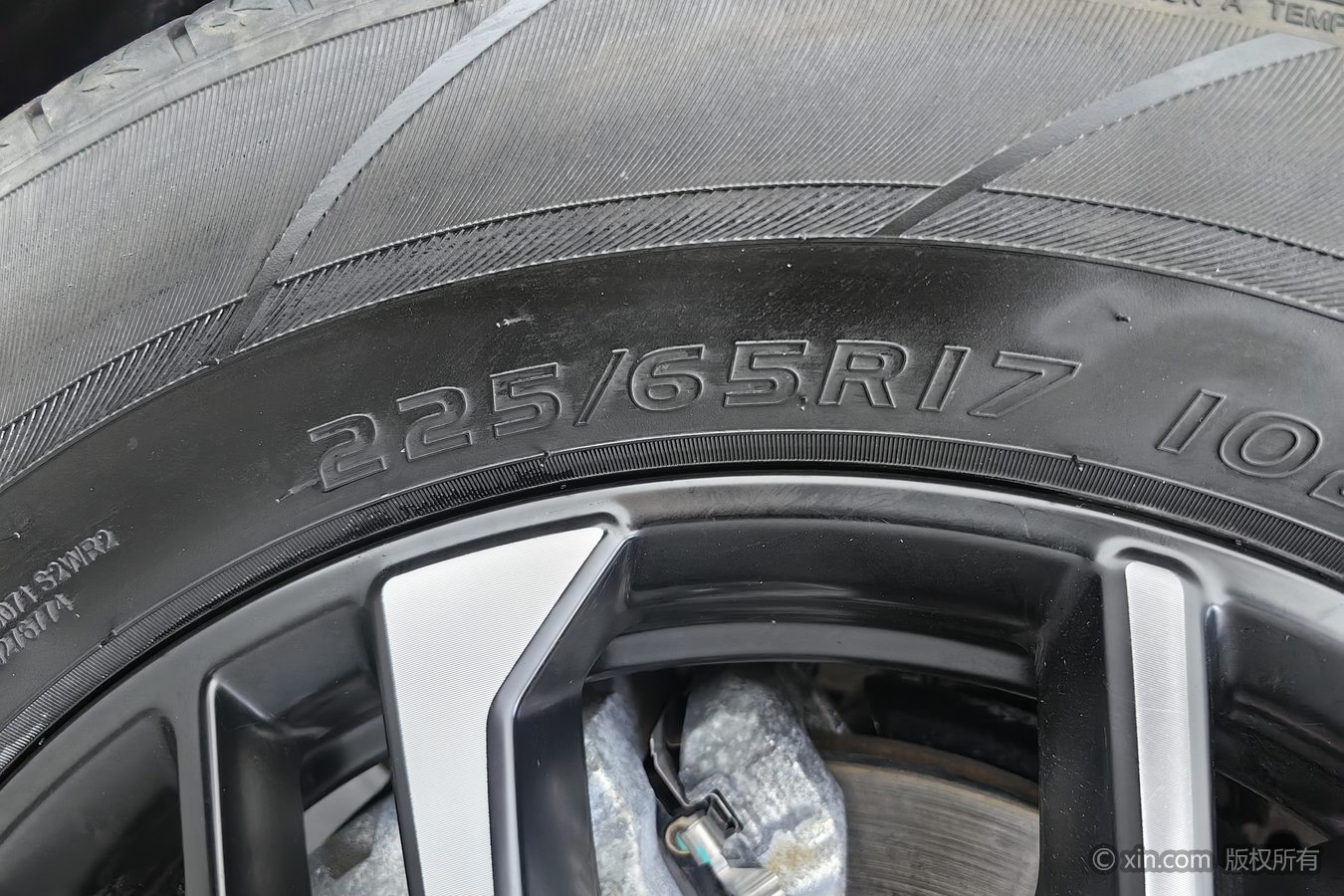



Basic Information

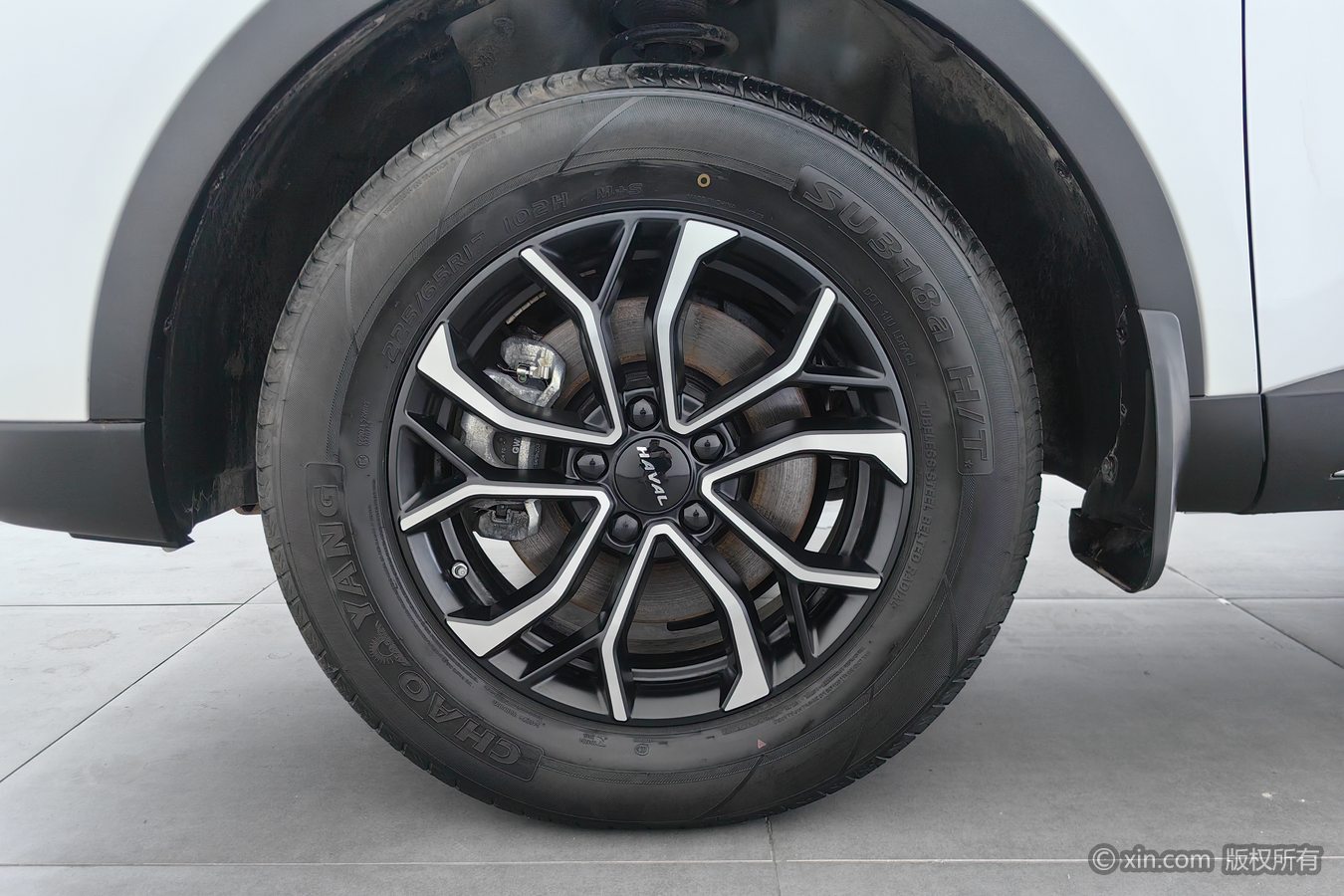
BrandHaval
SeriesH6
Year2026
First Registration2026/01
Mileage18,000km
Transfer Count0times
FuelGasoline
TransmissionDCT
Engine1.5T 150 L4
ColorWhite
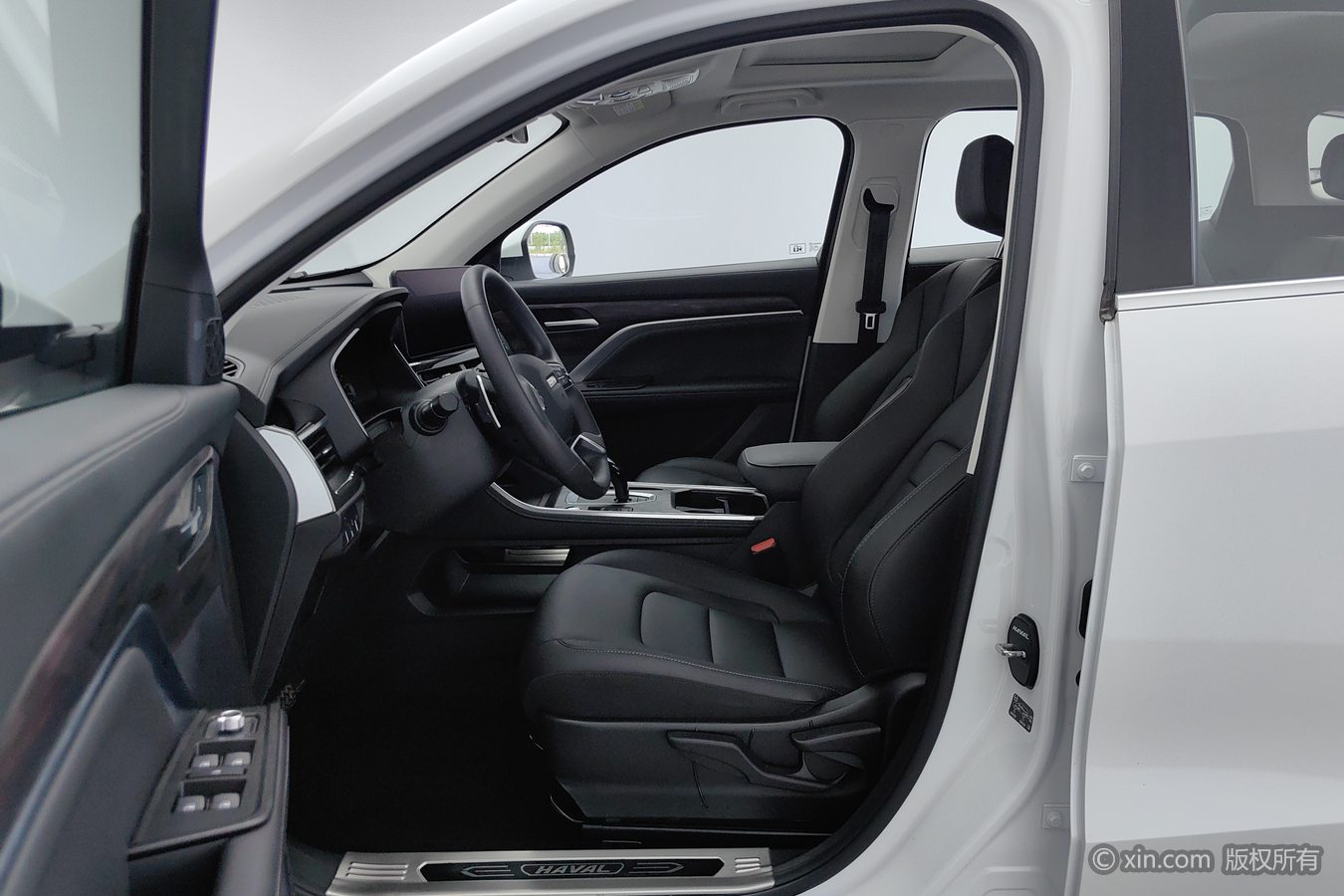
Seats5seats

Condition Description

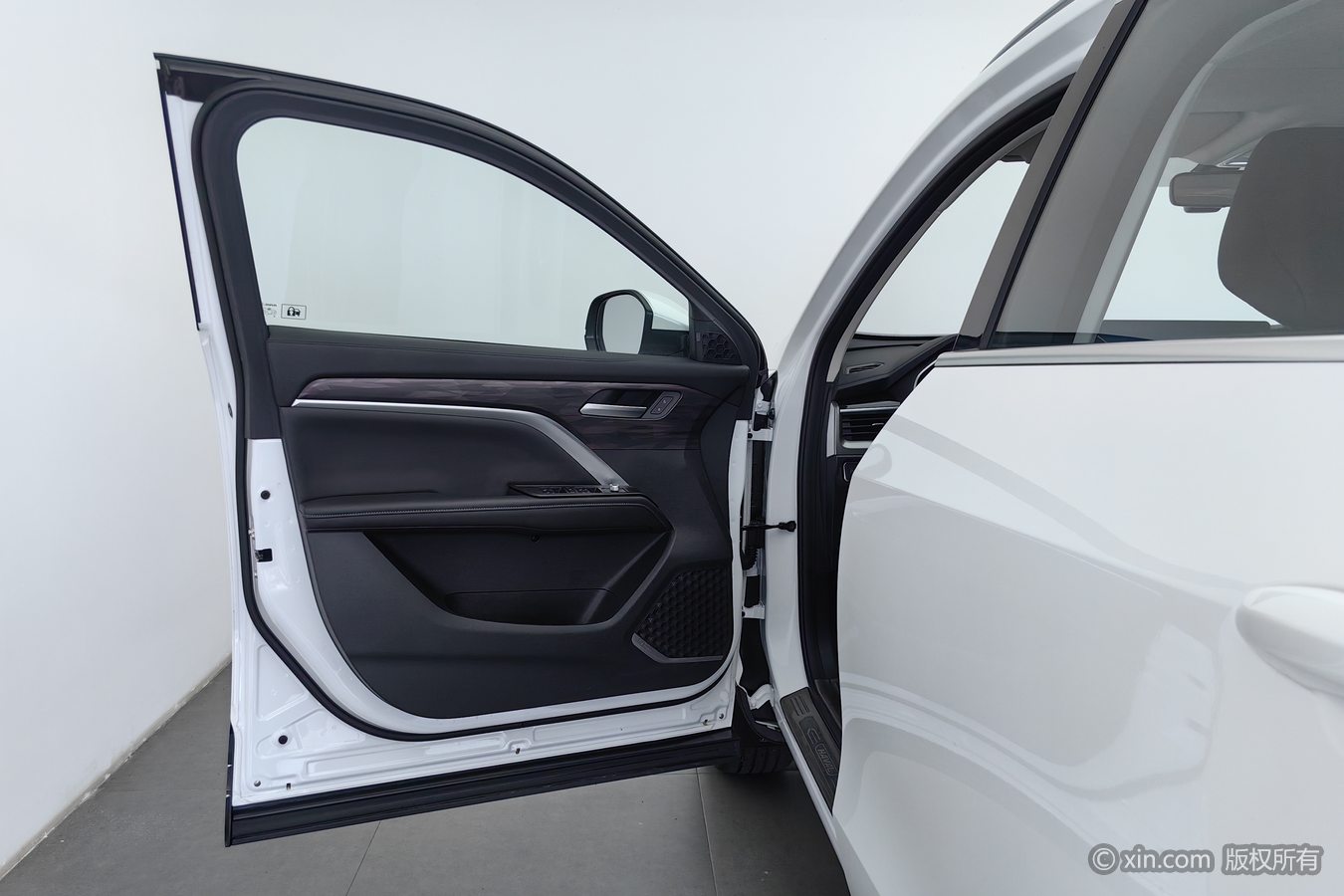
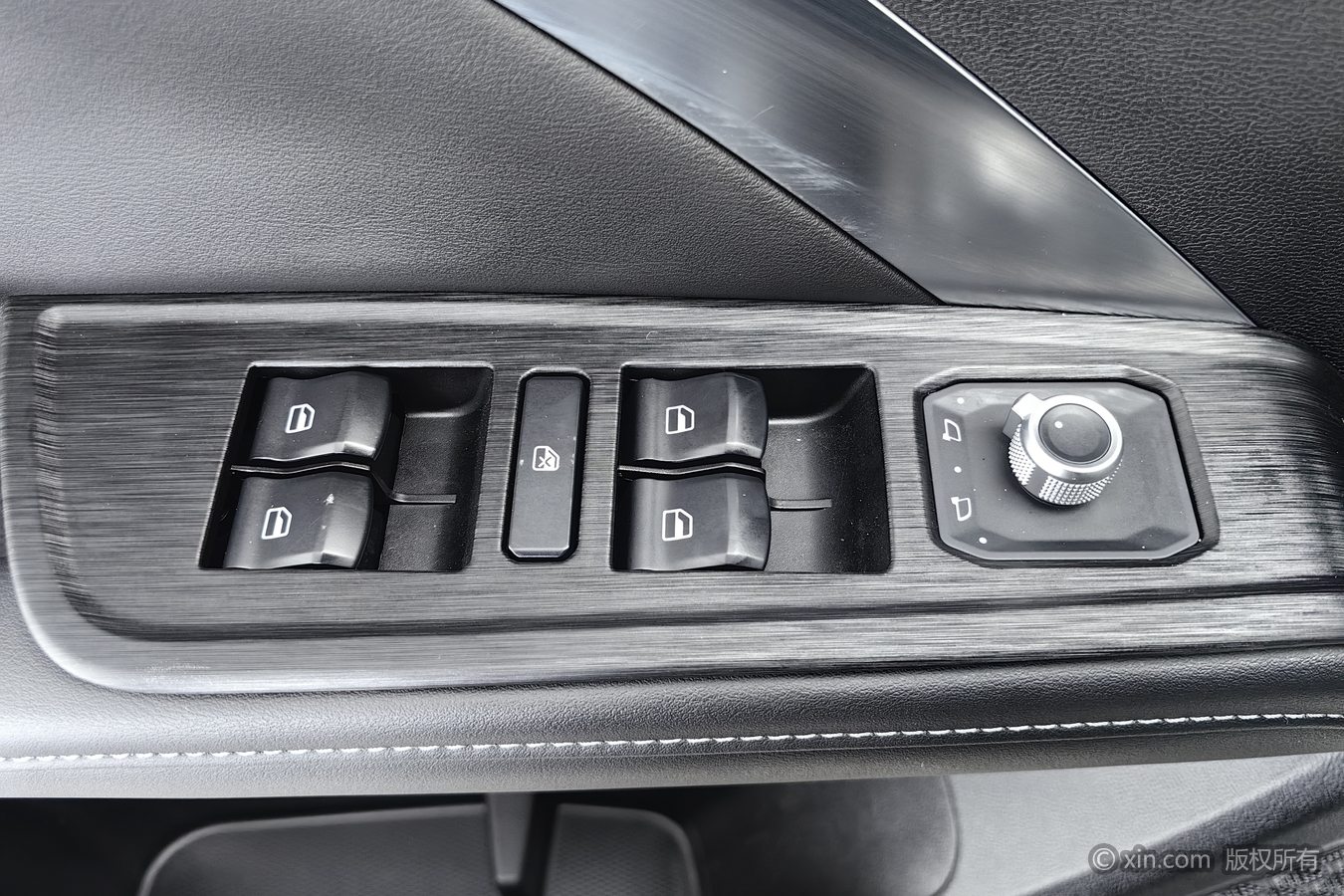
Original paint, original condition, excellent vehicle.

Configuration Highlights

✓Remote Start
✓Auto Hold
✓Paddle Shifters
✓360-Degree Camera

Document Information

Inspection Expiry Date2028/01
Warranty Expiry Date-
Insurance Expiry Date-

Q&A

More

Which import documents do I need for a used car from China, and who issues each one?

The standard set is: 1. Commercial invoice and sales contract - issued by the exporter; the basis for customs valuation. 2. Packing list - exporter; details the vehicle and any spare parts shipped with it. 3. Bill of lading - issued by the shipping line; your proof of ownership of the cargo. Never pay the full balance before receiving at least a copy of it. 4. Certificate of origin - issued by the China Council for the Promotion of International Trade (CCPIT); some countries require it for preferential duty rates. 5. Export customs declaration - Chinese customs; confirms the car was legally exported. 6. Pre-shipment inspection report - issued by companies like Intertek, SGS or the EAA scheme, if your country mandates it. Ask the exporter for scanned copies of all documents before shipping so you or your broker can verify completeness.

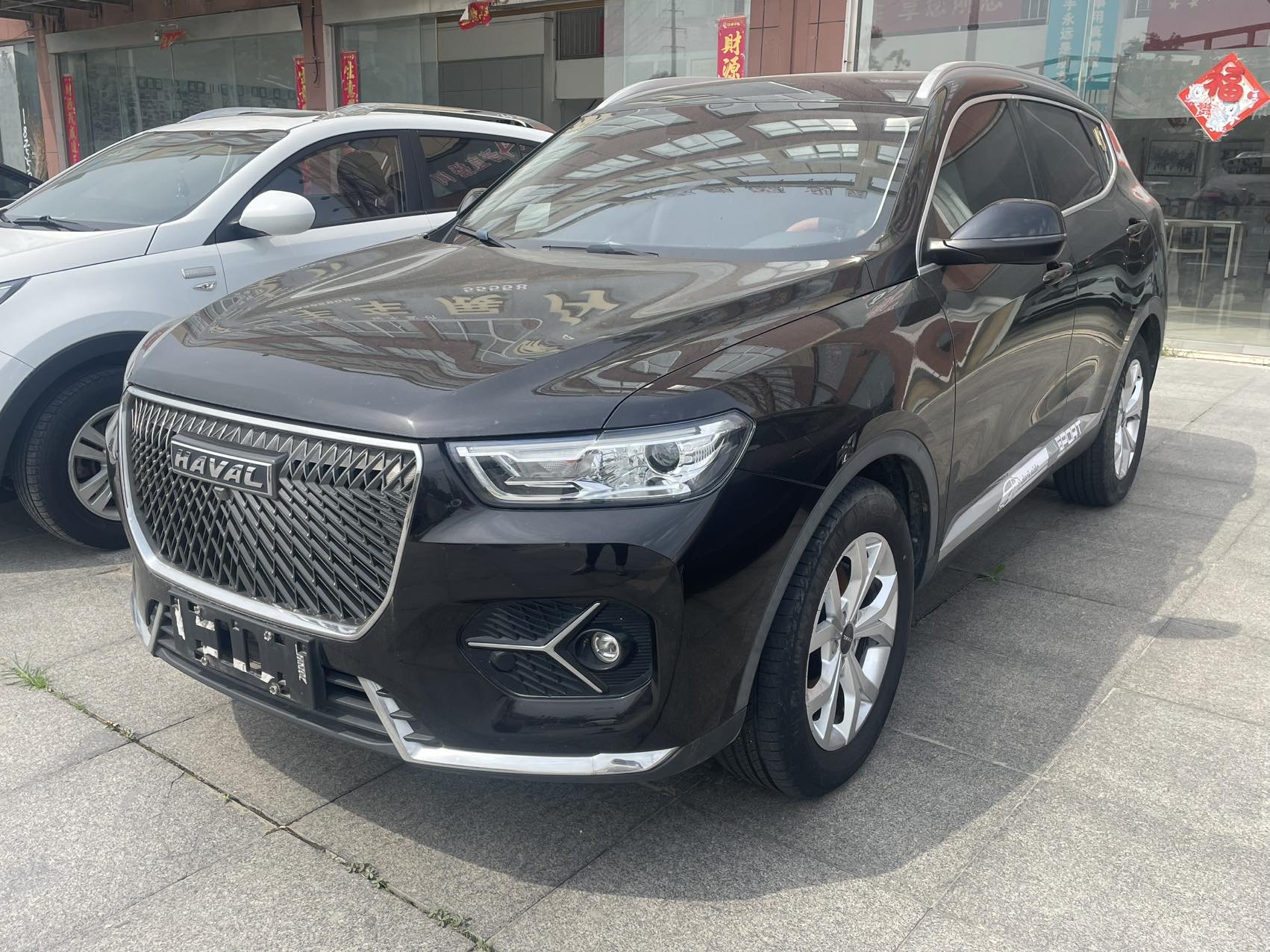
If I want to upgrade the factory halogen headlights to LED headlights and it causes the vehicle's BCM (Body Control Module) to lock, can you assist in unlocking it?

It's extremely difficult. Unauthorized modifications can lead to module current overload protection, resulting in a lock. In China, you need to use the factory online engineer account to reprogram it. It's basically impossible to perform online decoding overseas. We strongly warn against blindly modifying the electrical systems of modern integrated circuit vehicles.

How to check the condition of the turbocharger (oil leaks, unusual noises, insufficient pressure) for turbocharged vehicles?

Experience turbo lag and power surge during road tests; check for significant oil accumulation at the turbo intake and intercooler connections (slight oil vapor is normal); and use OBD to read the real-time boost pressure peak to see if it meets factory settings.