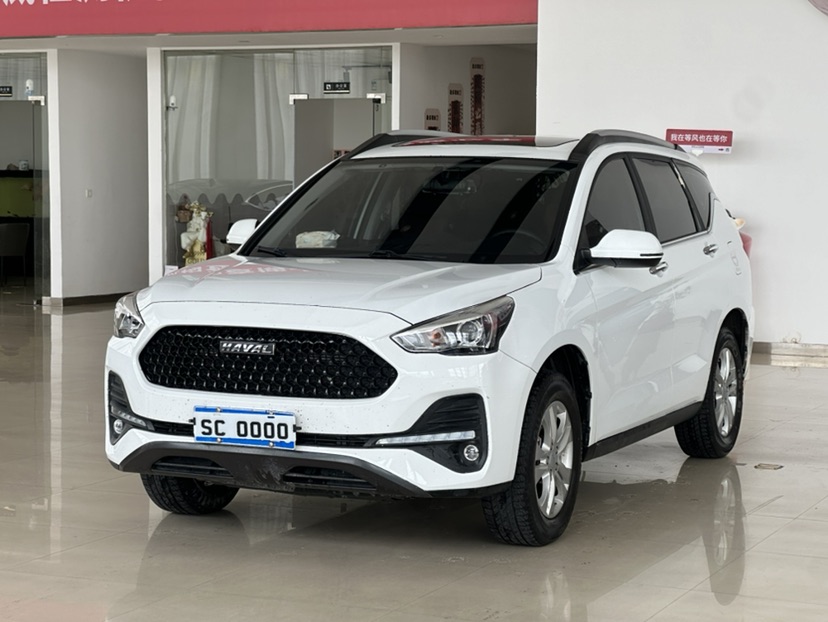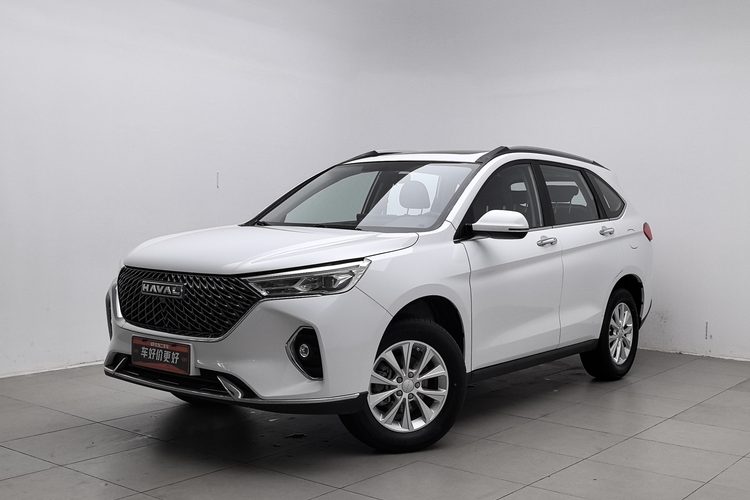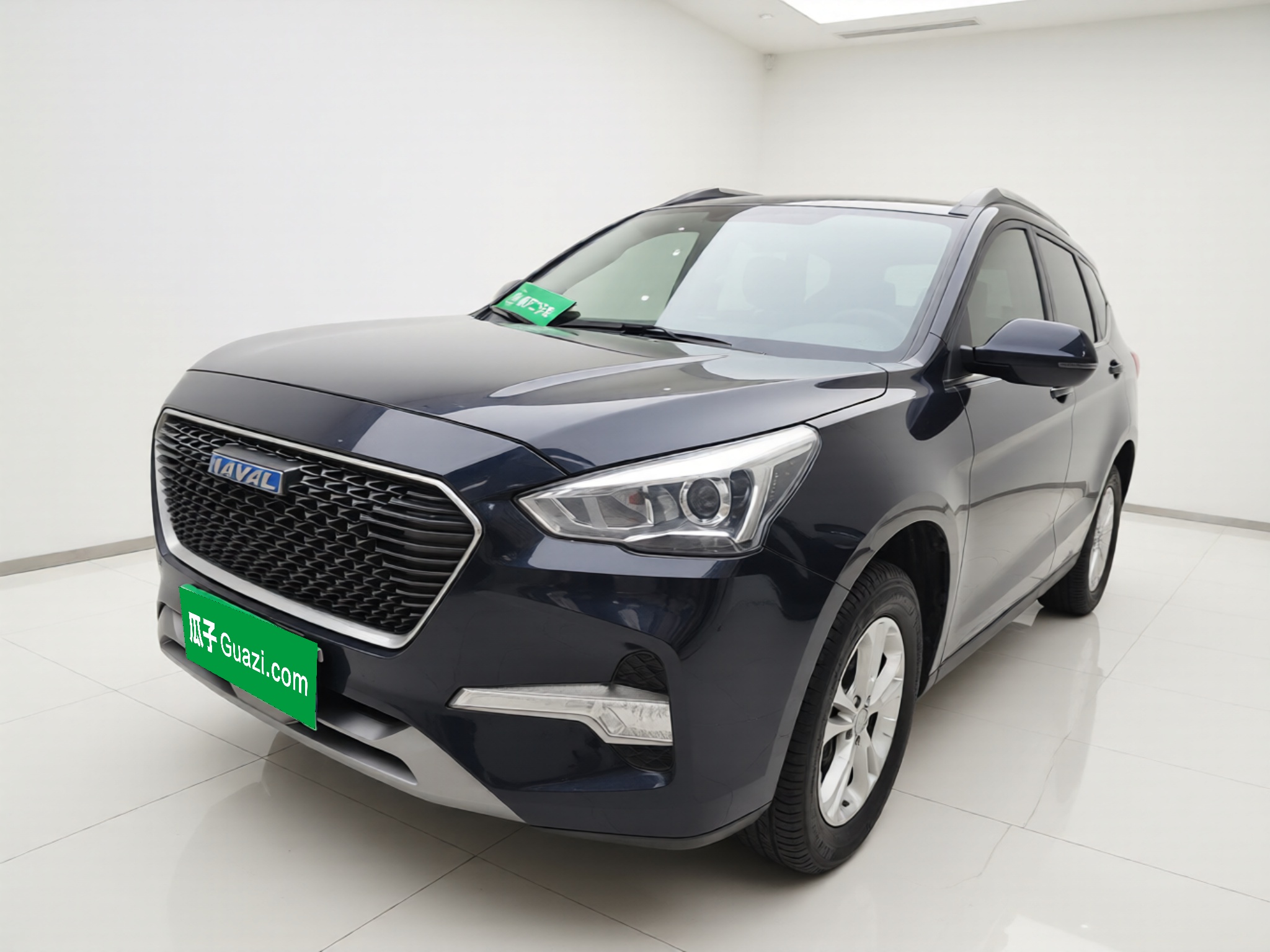
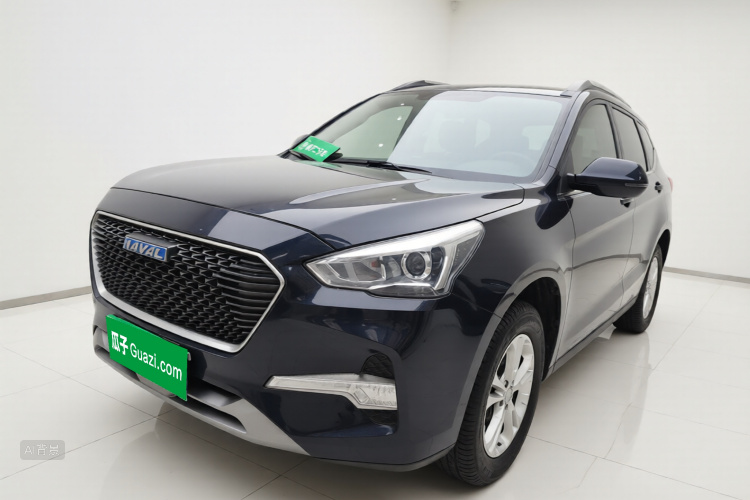

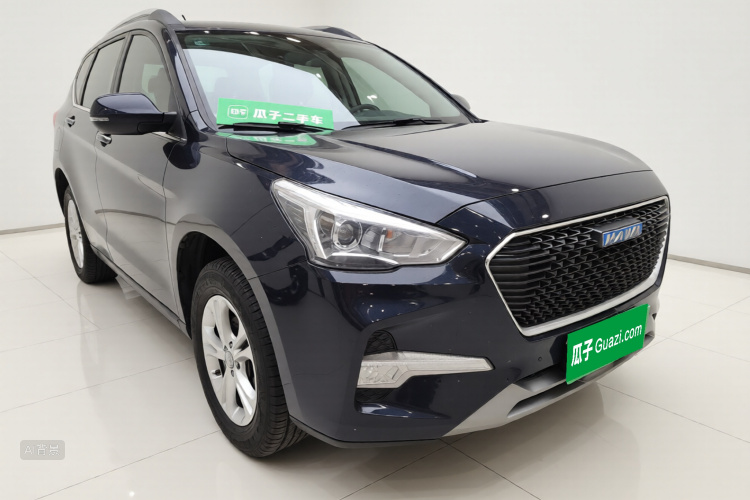
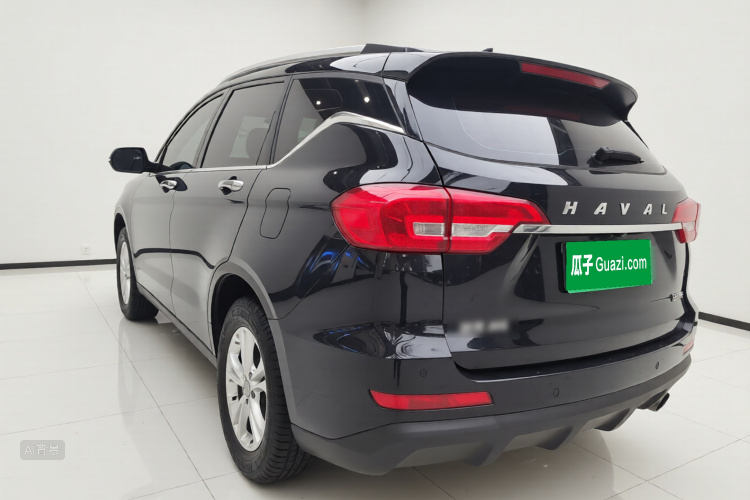
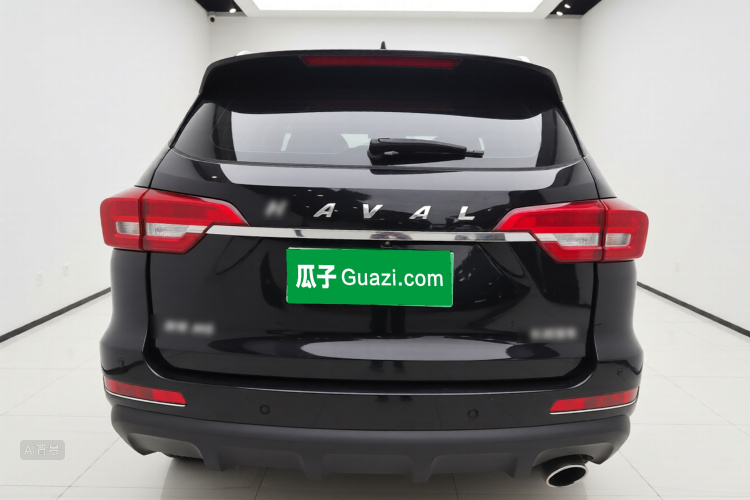
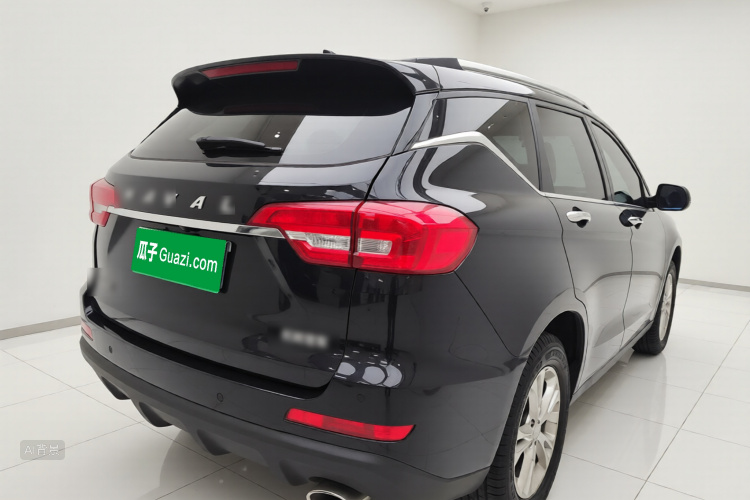

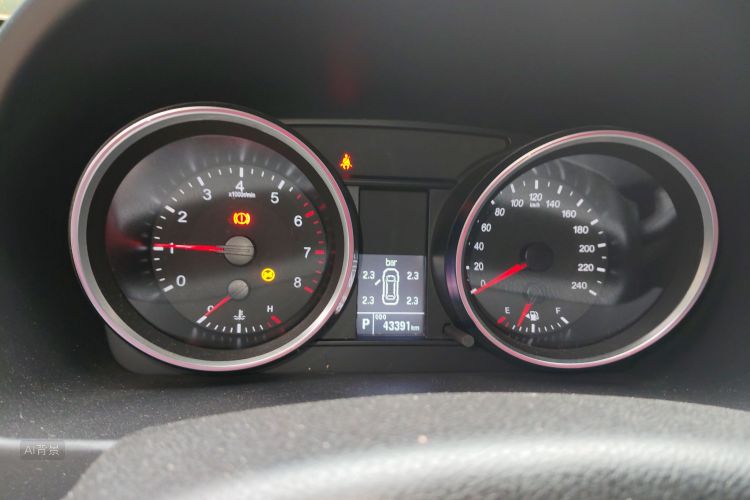
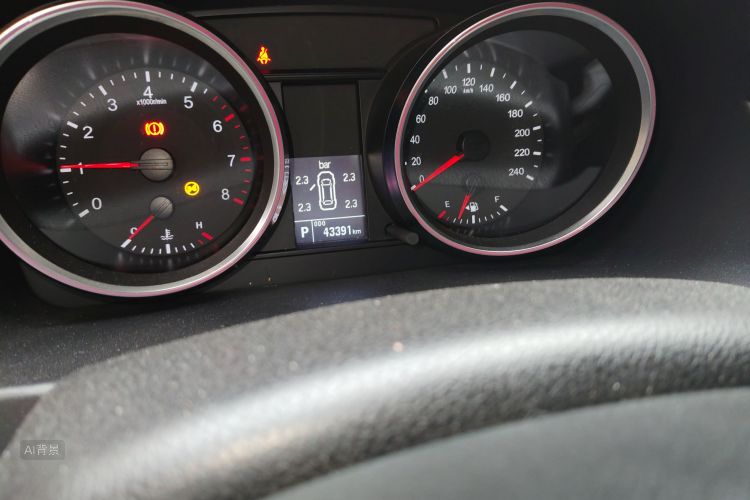
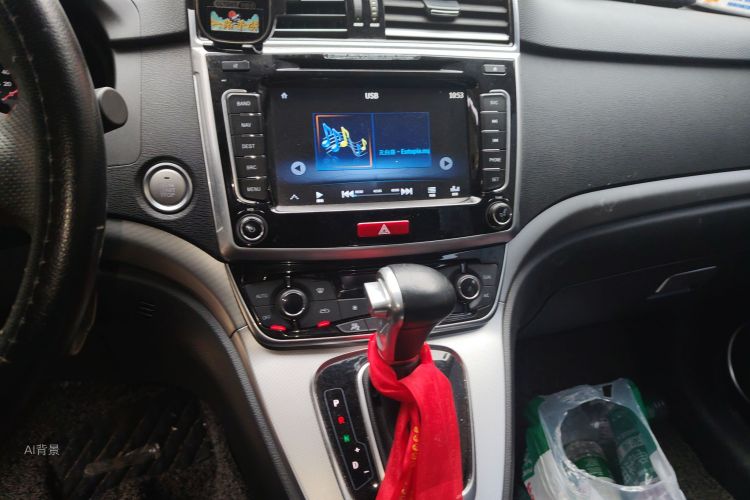
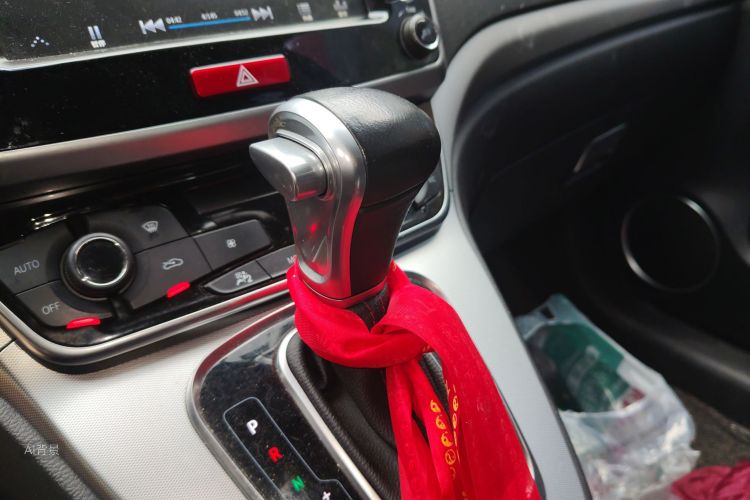
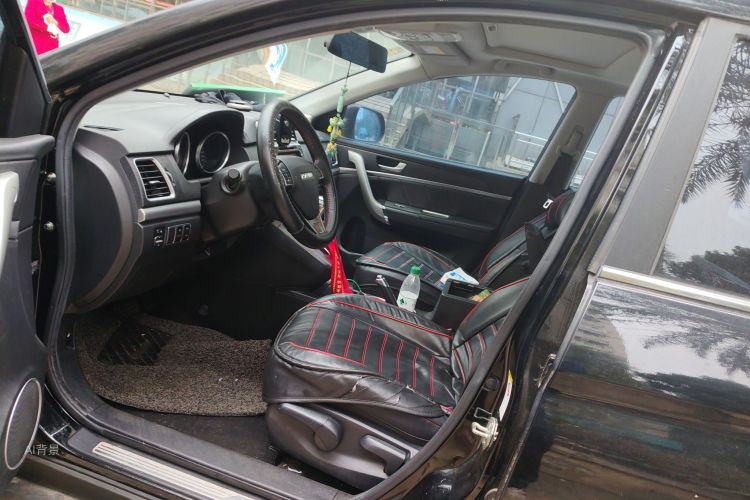
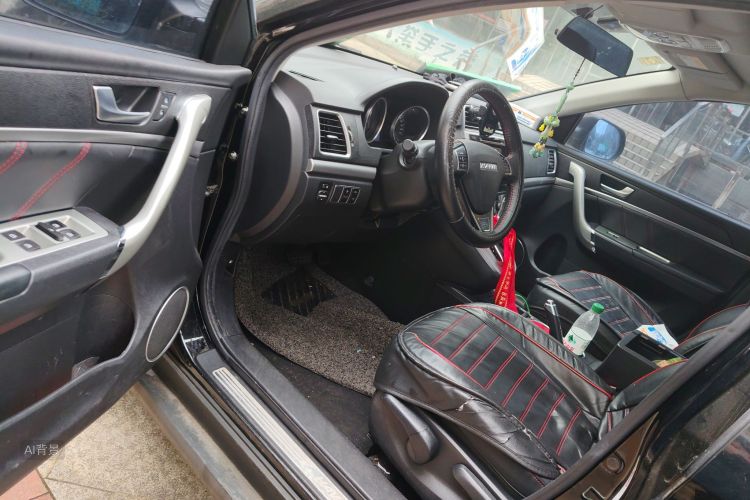
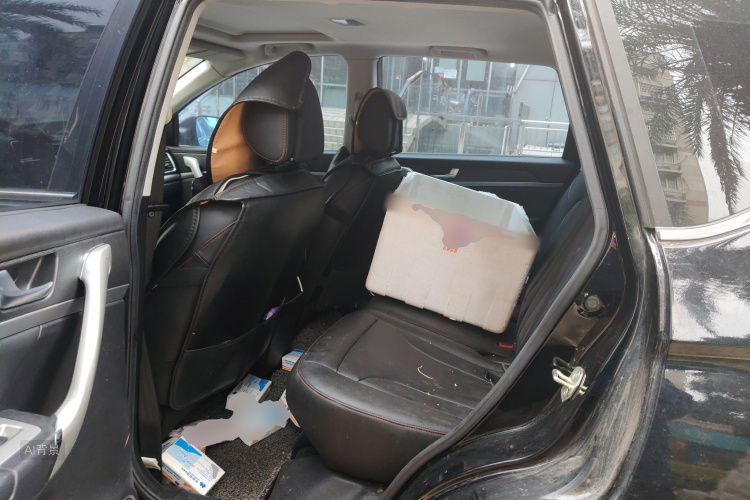

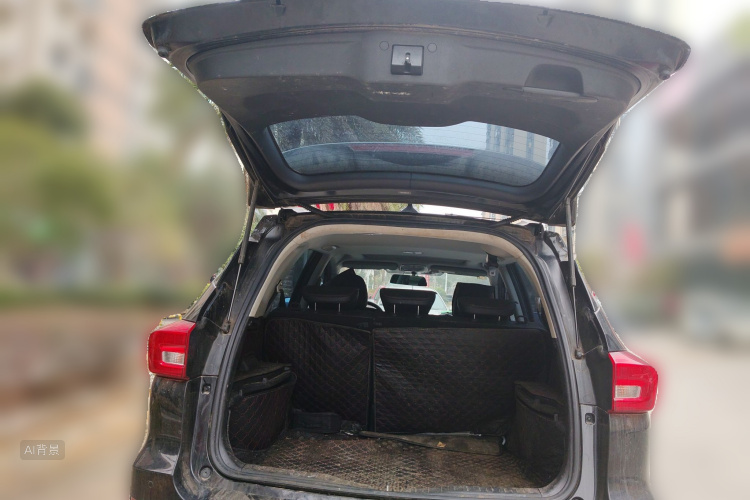
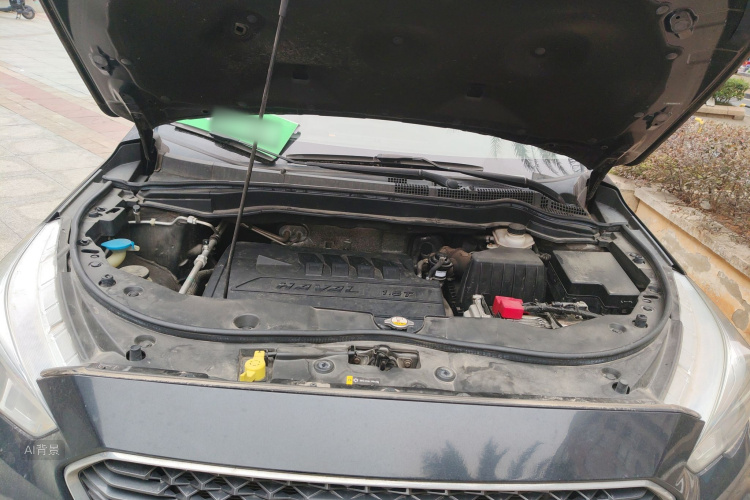



Basic Information

BrandHaval
SeriesM6
Year2017
First Registration2017/12
Mileage43,400km
Transfer Count-
FuelGasoline
TransmissionManumatic
Engine1.5T 150 L4
ColorBlack
Seats-

Condition Description

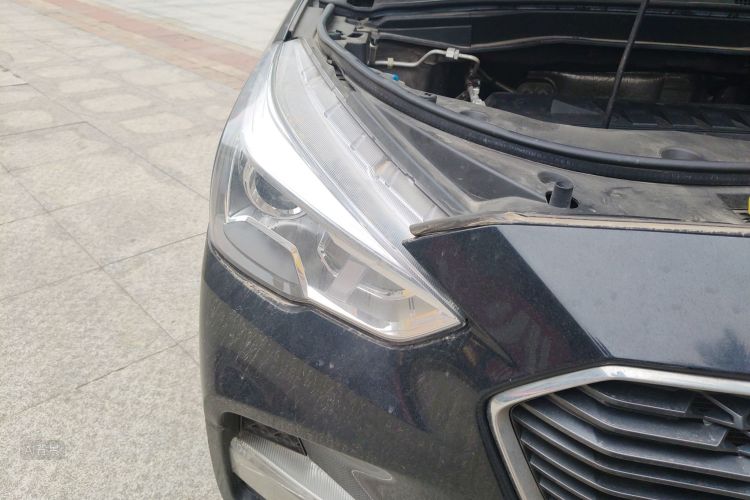
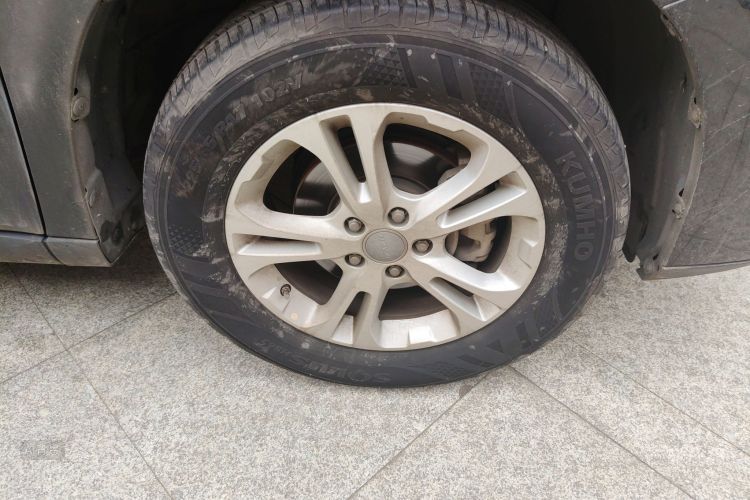
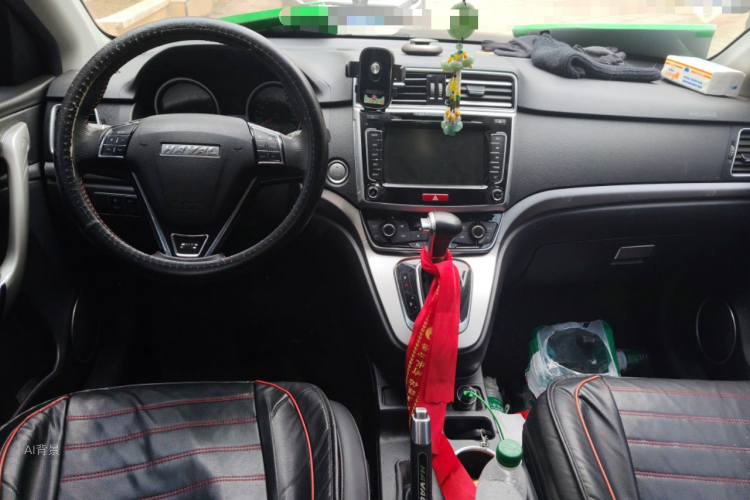
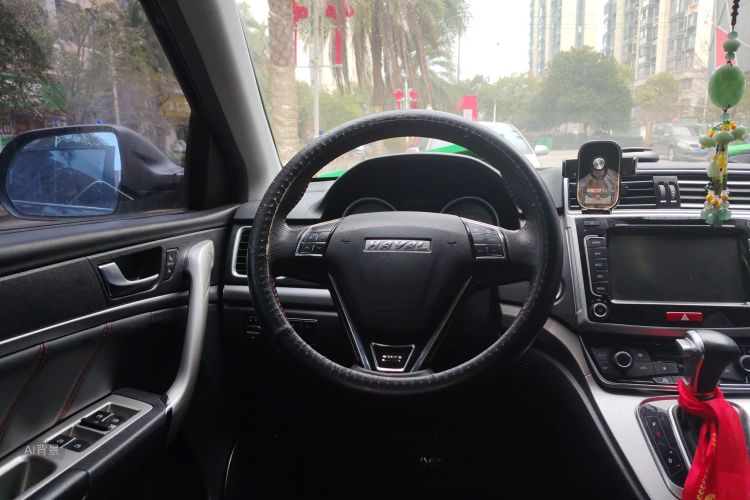
Vehicle condition meets standards, passed inspection, good condition, 2 claims filed, 0 ownership transfers.

This vehicle is 9 years old, with an average annual mileage of 4,800 kilometers. It has been used very infrequently and has never been transferred to another owner, making it a good first-hand vehicle. There may be some obvious signs of wear and tear on the exterior. The interior is in good condition with normal signs of use. The overall body frame is intact, but there are a few abnormal issues. The fluids are normal, and the powertrain is functioning well.

Configuration Highlights

✓Cornering Lights
✓Keyless Entry
✓Backup Camera
✓Engine Start-Stop
✓Cruise Control
✓Keyless Start
✓Tire Pressure Monitoring
✓Heated Mirrors
✓Hill Start Assist
✓Rear Parking Sensors
✓Anti-pinch Windows

Q&A

More

What are the specific thresholds for tiered pricing (Volume Discount) in B2B bulk purchasing?

Our bulk discounts are not simply calculated by the number of units, but by shipping batches. Typically, consolidating enough for a 40-foot container (which can hold 2-3 vehicles, depending on size) can waive some logistics fees; purchasing more than 5 units at once triggers tiered discounts.
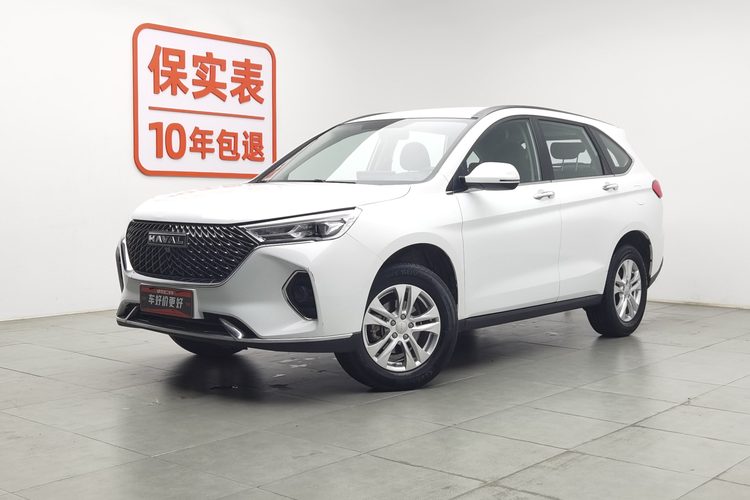
Can the strength of the energy recovery system in electric vehicles be adjusted with physical buttons?

Most models adjust through the central control screen menu, while a few models (like some BYD or MG) retain physical levers or paddles on the center console or steering wheel. We will check if the drag feel when the system engages is linearly normal.

Why are the shipping costs for used electric vehicles (EVs) usually higher than for internal combustion engine vehicles (ICEs)?

Pure electric vehicles are classified as Class 9 Dangerous Goods due to their large lithium batteries, leading to strict shipping regulations. Shipping companies have high requirements for the loading position and fire isolation measures for dangerous goods, and some roll-on/roll-off ships refuse to accept used EVs. As a result, EVs often require more expensive special container shipping and incur additional handling fees for hazardous materials.