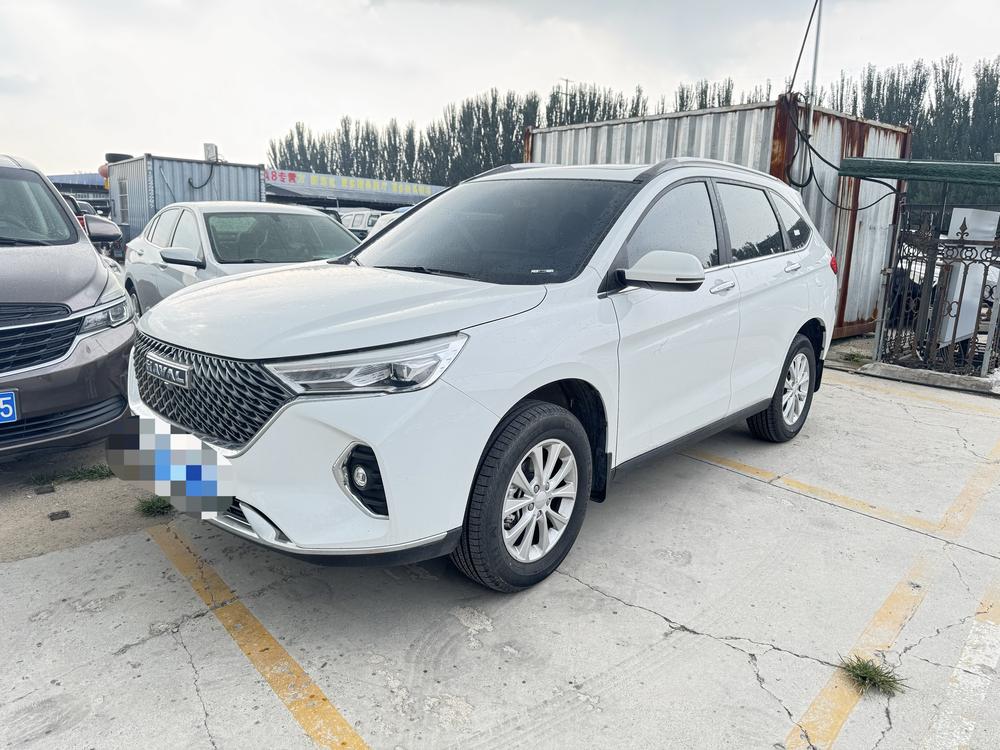
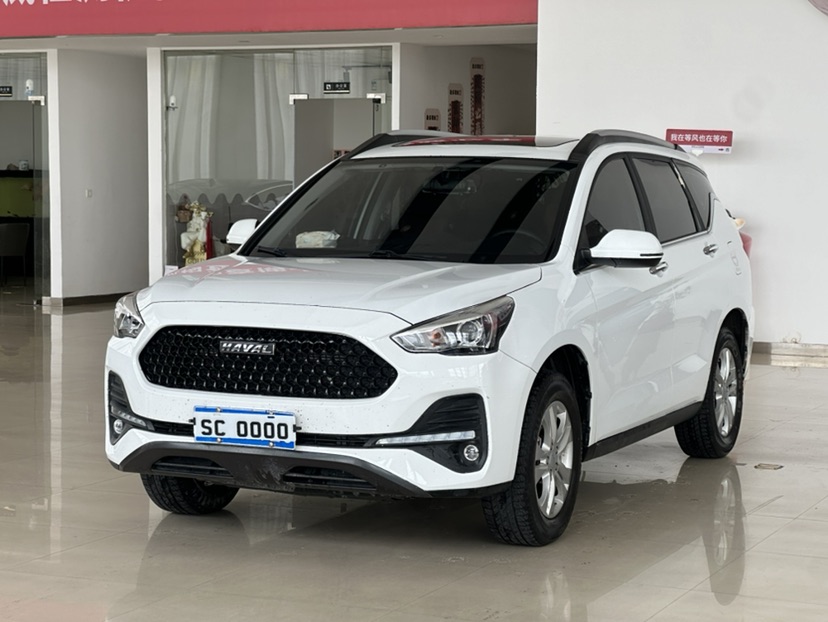
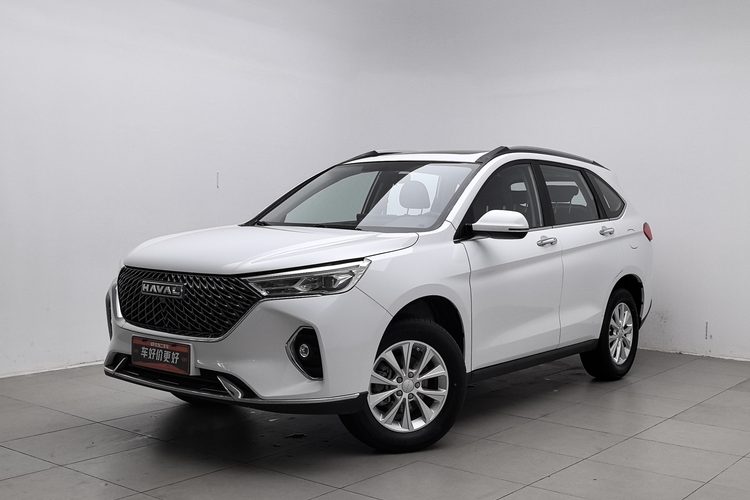
Basic Information

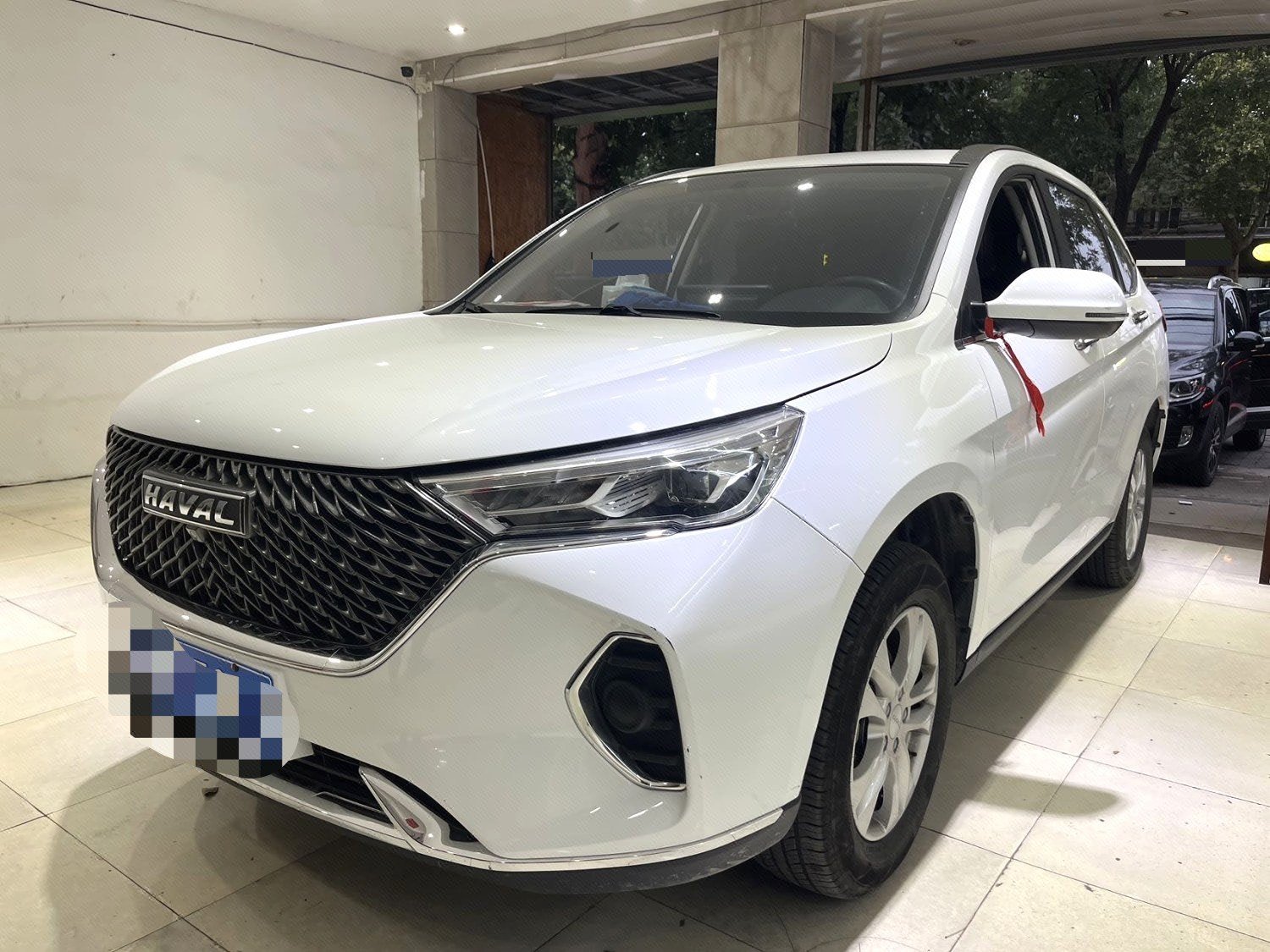
BrandHaval
SeriesM6
Year2022
First Registration2022/12
Mileage2.6km
Transfer Count-
FuelGasoline
TransmissionDCT
Engine1.5T 150 L4
ColorWhite
Seats-

Condition Description

Vehicle Re-inspection Form: Vehicle Model: M6plus Manufacturing Date: 2022.11 Registration Date: 2022.12 Suggested Retail Price: 10,000 RMB Engine Displacement: 1.5T Vehicle Identification Number: _____ Mileage: 26,000 ( ) Vehicle Color: White Detailed Condition: Replaced left front fender, left front door, and front plastic grille. Number of Ownership Transfers: 1 Electronic Insurance Policy: 26/12 Trade-in Documents: _____ Inspection Status: _____ Care Items: _____

Configuration Highlights

✓Driver/Passenger Airbags
✓Tire Pressure Monitoring
✓ISOFIX Child Seat Anchors
✓Keyless Start System
✓Keyless Entry System
✓ABS Anti-lock Braking
✓Electronic Brake Distribution
✓Electronic Stability Control
✓Hill Start Assist
✓Auto Hold
✓Hill Descent Control
✓Roof Rack
✓Multifunction Steering Wheel
✓Paddle Shifters
✓Seat Material
✓GPS Navigation
✓Low Beam Headlights
✓Daytime Running Lights
✓Adjustable Headlight Height
✓Power Windows
✓Anti-pinch Windows
✓Climate Control Type
✓Rear Air Vents
✓Start-Stop System

Q&A

More

I want to see the actual car, but I can't come to China. What should I do?

You can watch the car through live streaming or VR, or entrust a local third-party agency to inspect the car for you. Transparency about the car's condition is the foundation of trust.
Why are the shipping costs for used electric vehicles (EVs) usually higher than for internal combustion engine vehicles (ICEs)?

Pure electric vehicles are classified as Class 9 Dangerous Goods due to their large lithium batteries, leading to strict shipping regulations. Shipping companies have high requirements for the loading position and fire isolation measures for dangerous goods, and some roll-on/roll-off ships refuse to accept used EVs. As a result, EVs often require more expensive special container shipping and incur additional handling fees for hazardous materials.

How do you assess the appearance condition of a vehicle? What specific standards are there for scratches and dents?

We use quantitative standards. Minor scratches less than 3 cm that do not reach the base coat (which can be polished) are considered normal wear; scratches over 3 cm deep to the base coat or dents larger than 2 cm in diameter will be highlighted in the inspection report's "Appearance Defect Distribution Map" with close-up photos.