






Can third-party services join the platform?
Yes. Third-party service providers in logistics, inspection, customs clearance, and finance can join the platform as "service providers."
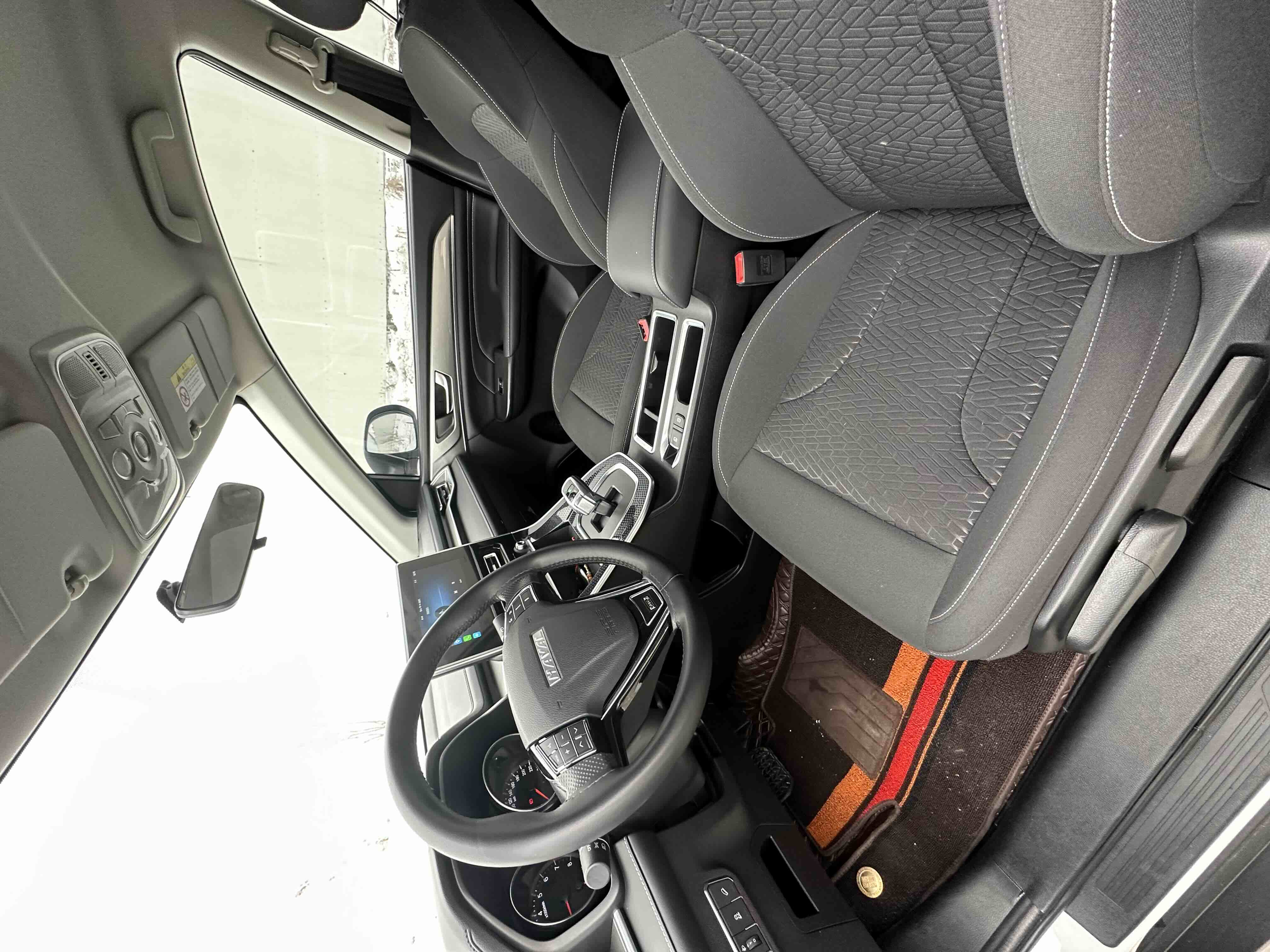
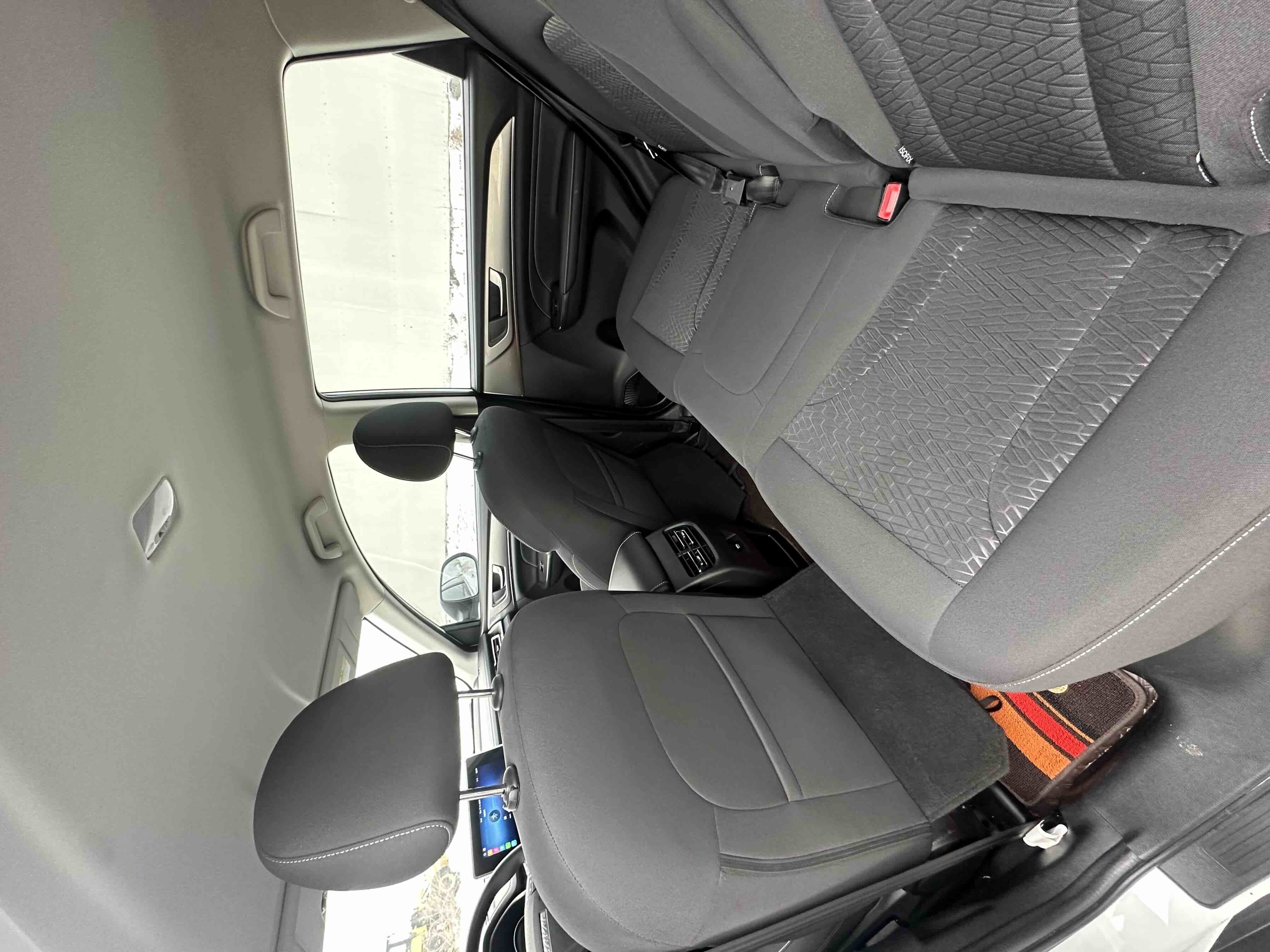
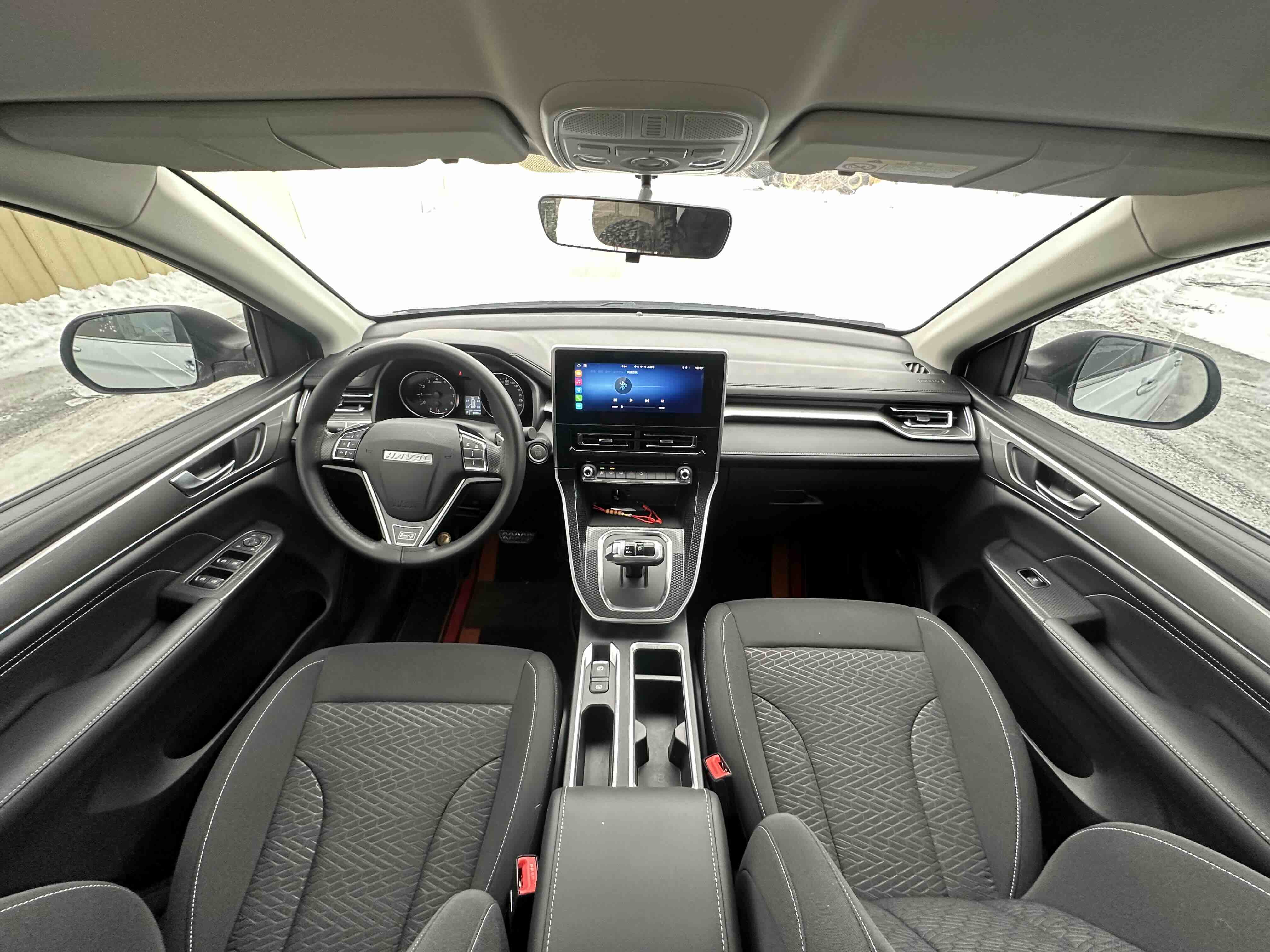
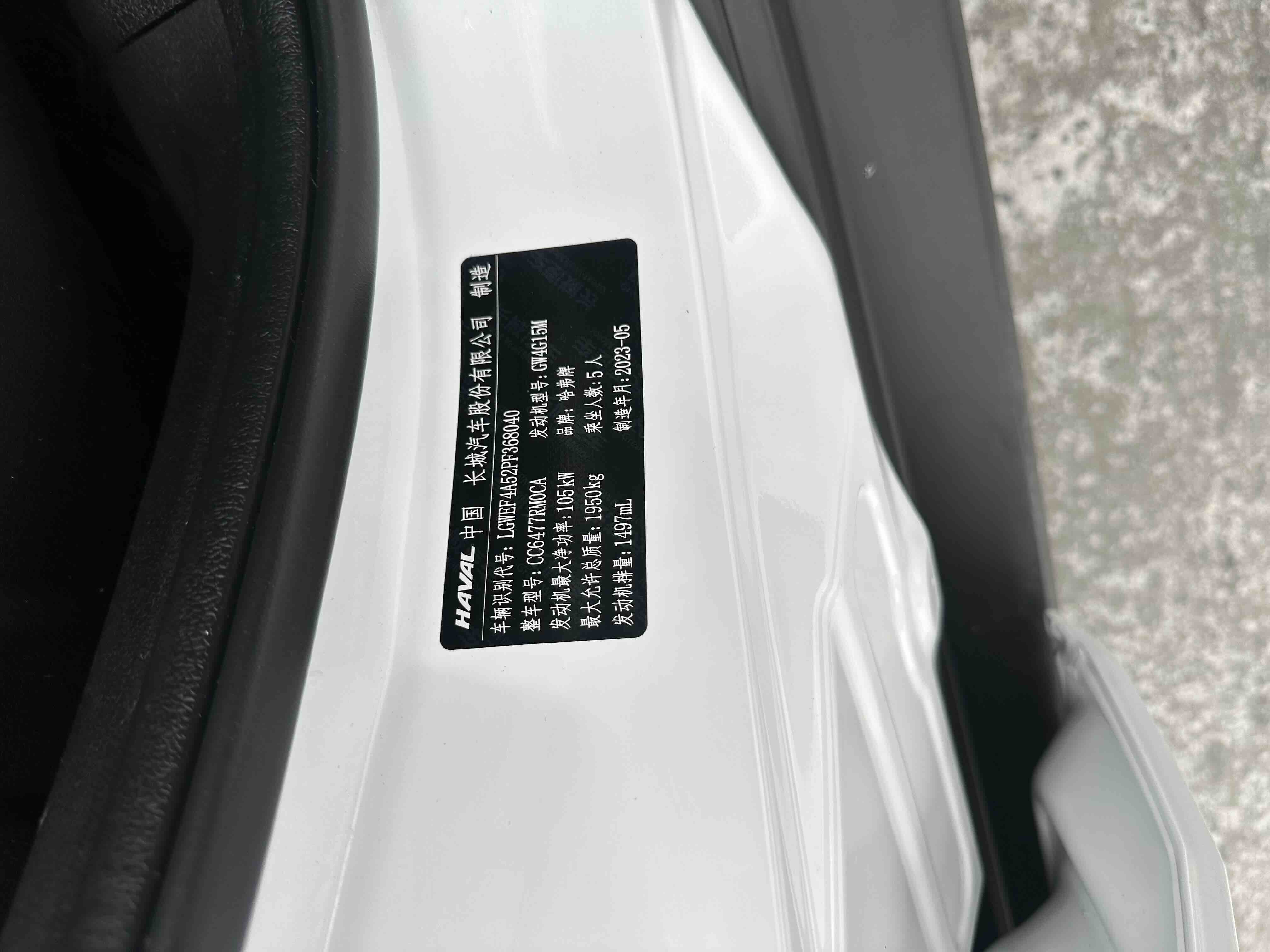
Internal Description: Number of Ownerships: Local First Owner Maintenance and Repair Records: Yes Snow Tires: No Spare Key: Yes Insurance Expiration Date: 26.5 Vehicle Defects: Rear tailgate replaced; dent on the left rear A-pillar; otherwise original paint and finish. Estimated Loan Amount: 4.3 (presumably in some currency unit, likely 0.45 million). This car is located in the new showroom outside Gate 1.
Yes. Third-party service providers in logistics, inspection, customs clearance, and finance can join the platform as "service providers."
4S dealership records are directly connected to the manufacturer's database, making the data hard to tamper with and the most reliable, with original parts guaranteed; third-party repair shops usually are not connected, making their data unverifiable. Therefore, we only consider the connected records from 4S dealerships as valid historical documentation.
The technician will start the vehicle and turn on the air conditioning system, measuring the actual temperature at the vents at the lowest and highest settings with a thermometer; at the same time, they will connect a manifold pressure gauge to check if the refrigerant pressure in the high and low pressure lines is within the normal range, determining if there is a chronic refrigerant leak.