Basic Information

BrandHonda
SeriesAccord
Year2008
First Registration2008/10
Mileage21.81km
Transfer Count-
FuelGasoline
TransmissionAutomatic
Engine2.0L 156 L4
ColorWhite
Seats-

Condition Description

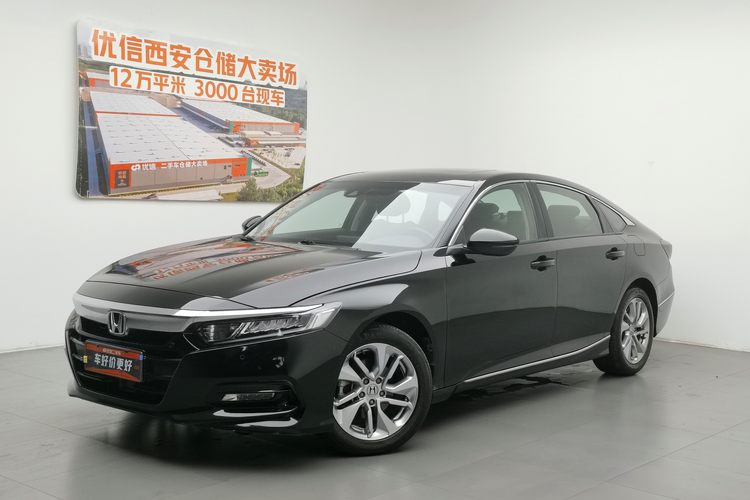
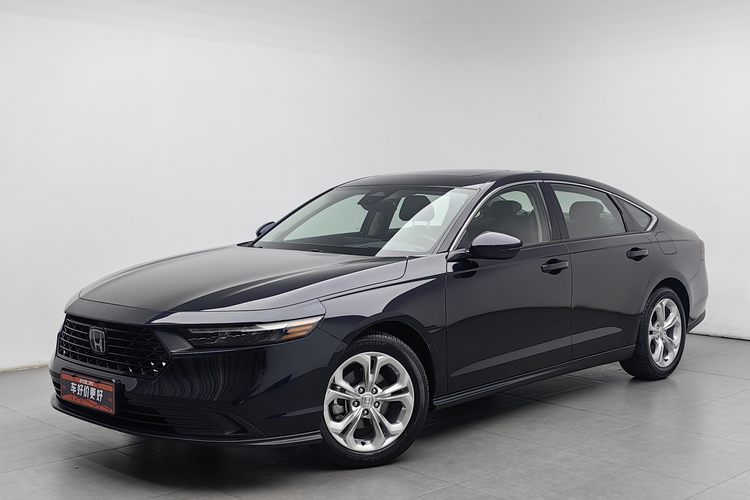
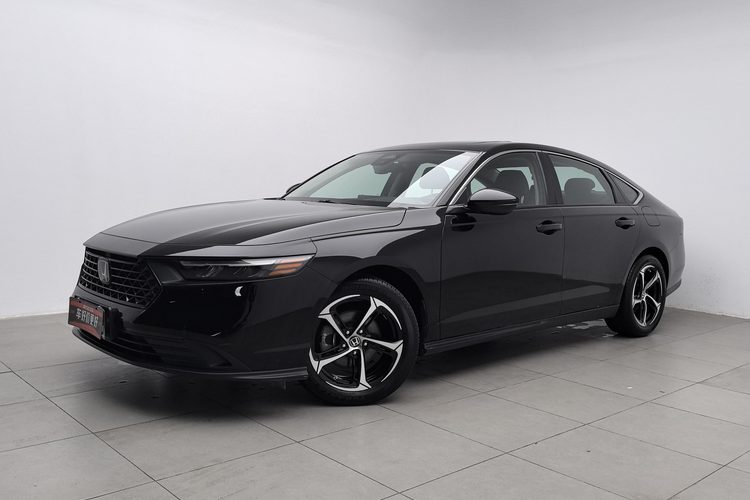
[Failed Accident Inspection] [Team] Foshan Team [Configuration] 2007 Honda Accord 2.0L Automatic Standard Edition [Last 6 Digits of VIN] 012968 [Registration Date] 2008-10 [Registration Location] Guangdong E [Vehicle Condition] Fully Paid [Mileage] 21.81 km [Vehicle Color] White [Interior Color] Black [Insurance Date] 2027.4 [Number of Ownership Transfers] 4 [Exterior Paintwork] 2-3 [Vehicle Condition Description] Full bodywork and paint job, black to white conversion. Deformed right rear longitudinal beam, right rear fender liner, and rear panel.

Configuration Highlights

✓Driver/Passenger Airbags
✓Front/Rear Side Airbags
✓ABS Anti-lock Braking
✓Electronic Brake Distribution
✓Multifunction Steering Wheel
✓Seat Material
✓Driver/Passenger Power Seats
✓Rear Cupholders
✓Low Beam Headlights
✓Auto Headlights
✓Adjustable Headlight Height
✓Headlight Washer
✓Power Windows
✓Anti-pinch Windows
✓Climate Control Type
✓Rear Air Vents

Q&A

More

Can you check the previous history of the vehicle's use (whether it was for personal transport or company use)?

The registration certificate will show whether the previous owner was an individual (registered with ID) or a company (registered with a business license). Vehicles under a company may be driven by multiple people, so we will focus on checking the uniformity of interior wear and the condition of the chassis.
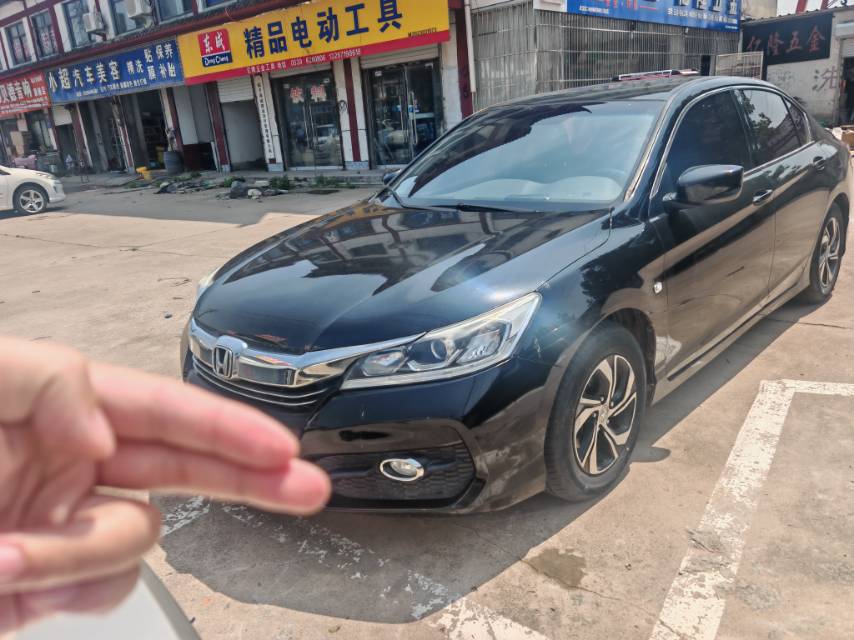

Is there specific data on paint thickness? How can we determine if it's the original factory paint?

We use a calibrated high-precision paint thickness gauge to take multiple measurements on at least 13 metal surfaces of the entire vehicle. The original paint thickness of mainstream Chinese models typically ranges from 90μm to 150μm. If any area exceeds 200μm or even reaches over 500μm, we will directly conclude that the area has undergone bodywork and filler repair.

How do you detect carbon buildup and wear inside the engine using technology without deep disassembly?

We use two steps: 1. Insert a medical-grade endoscope through the spark plug hole to visually inspect cylinder wall scratches and carbon buildup on the piston top; 2. Extract an engine oil sample to check for large metal debris or emulsification (caused by coolant leakage).