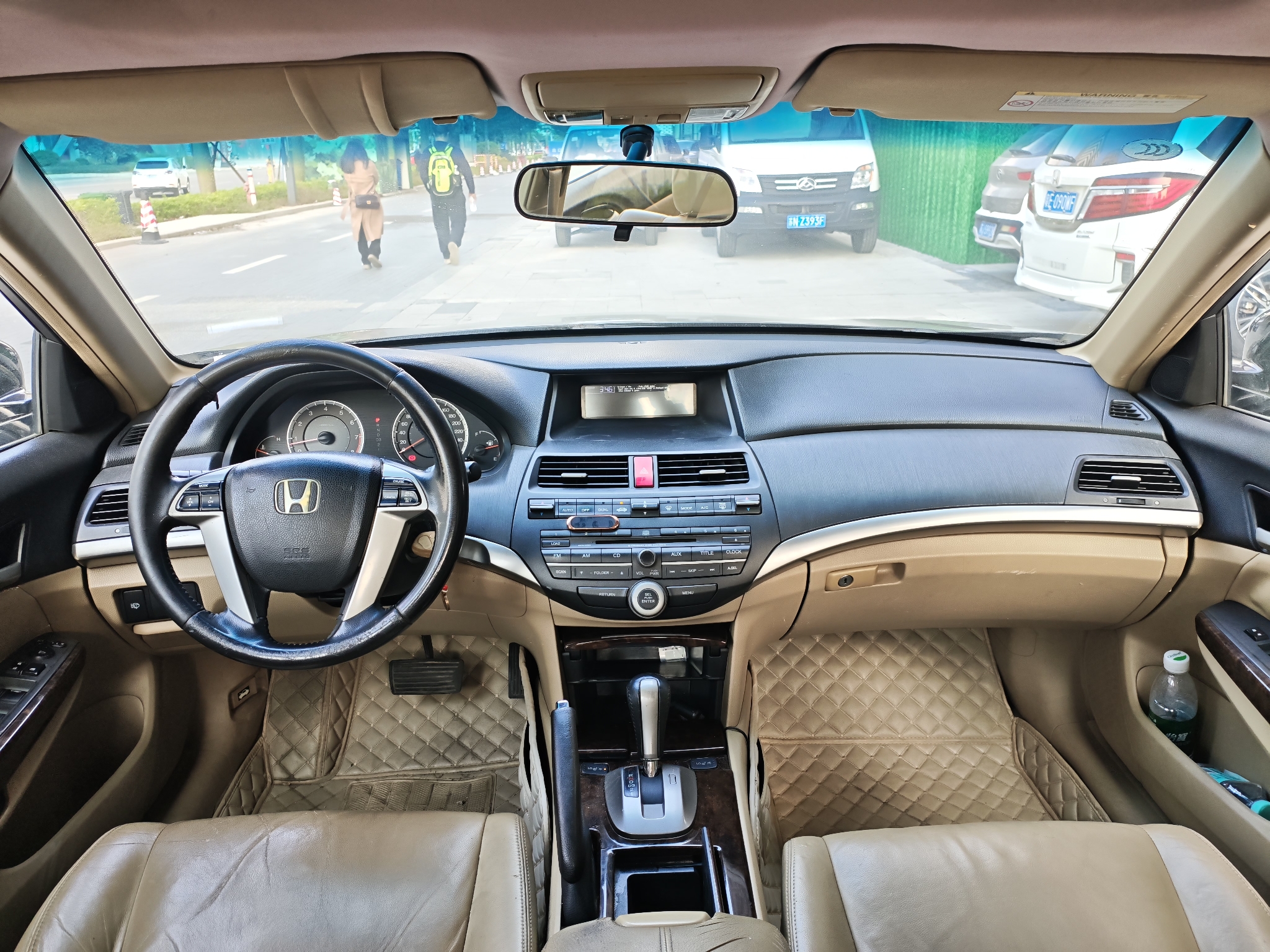
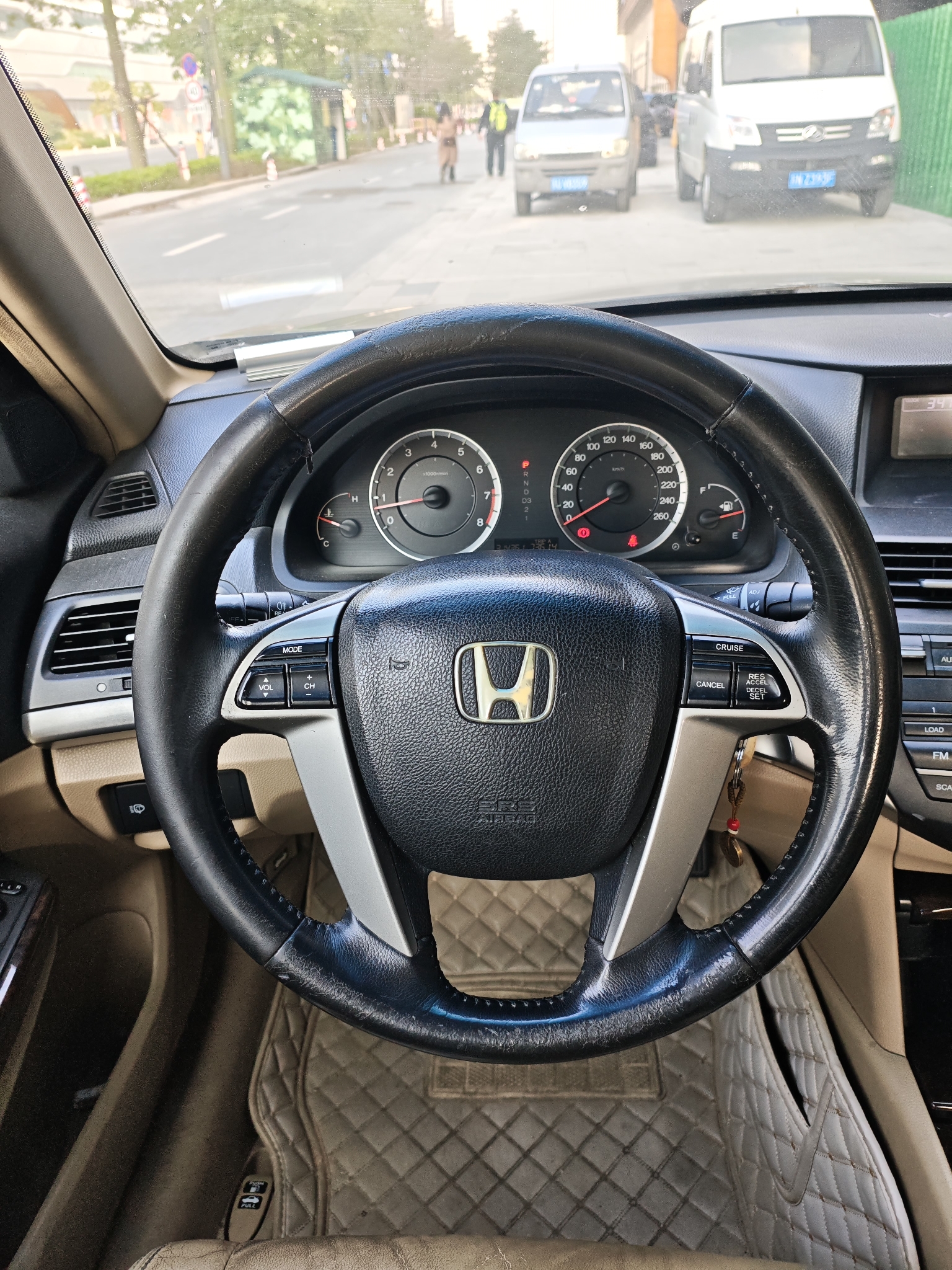
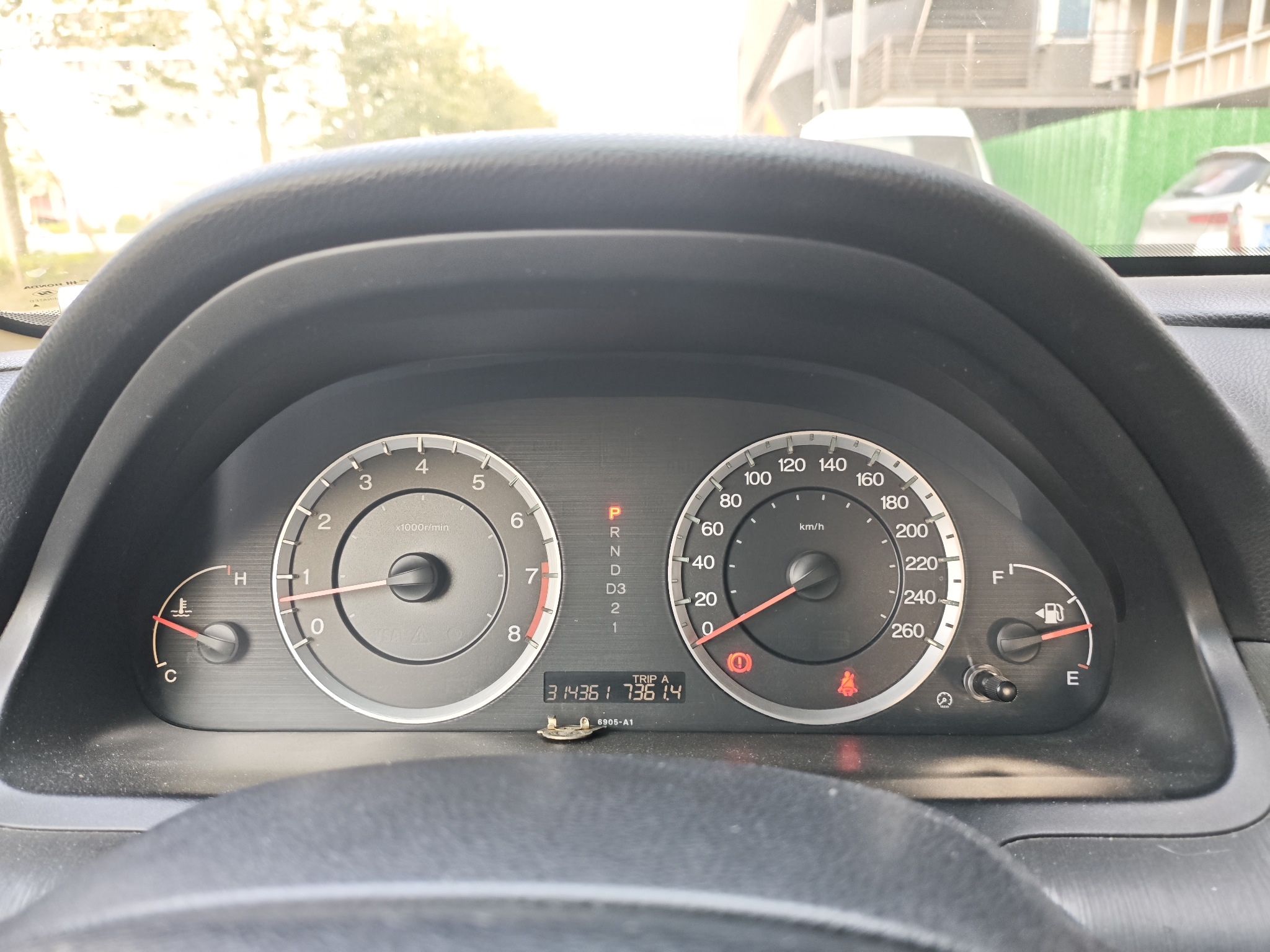
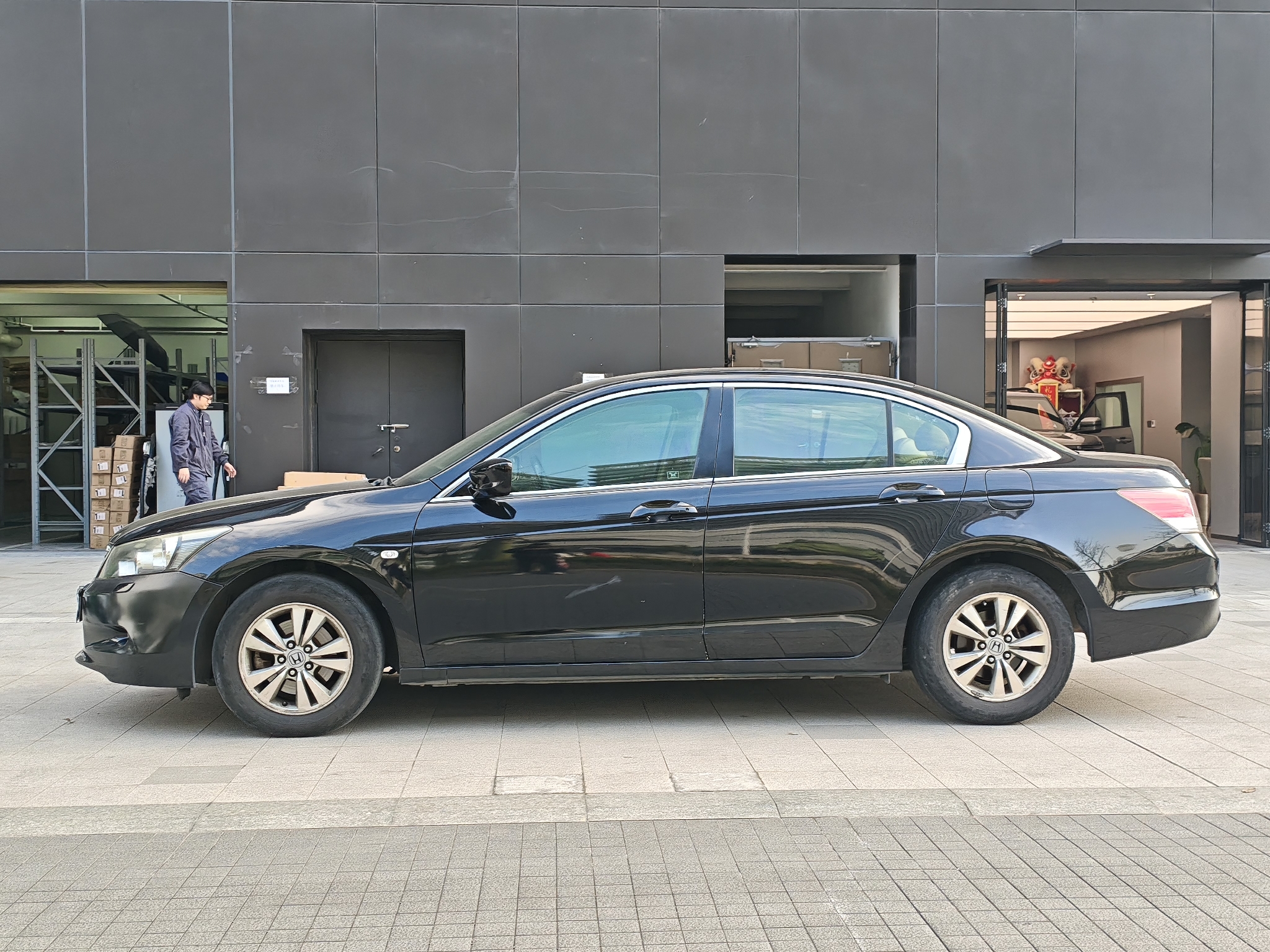
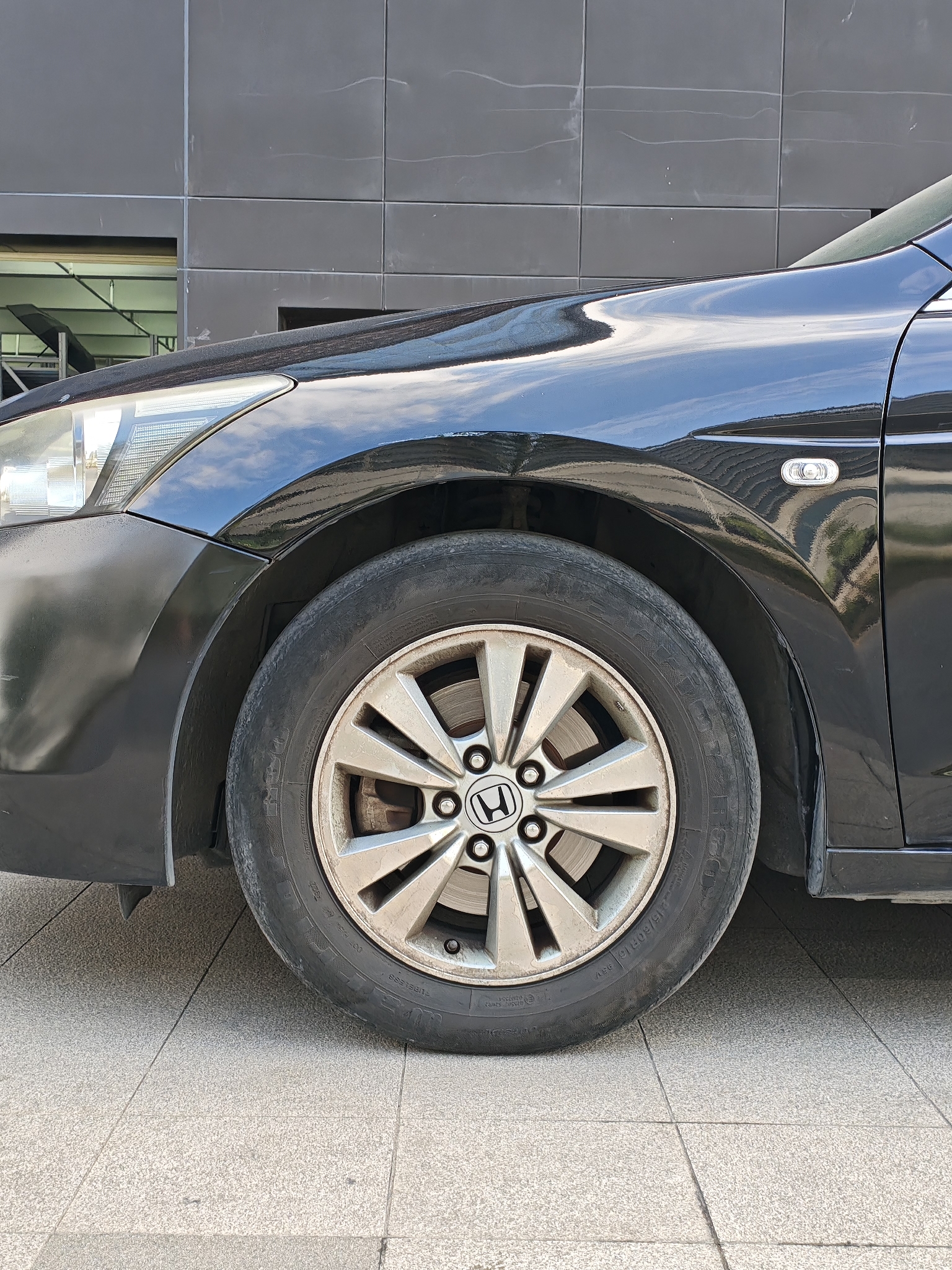



Basic Information

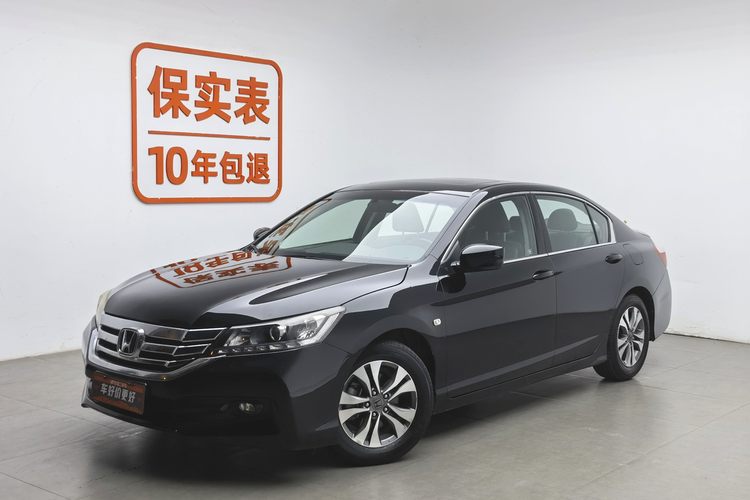
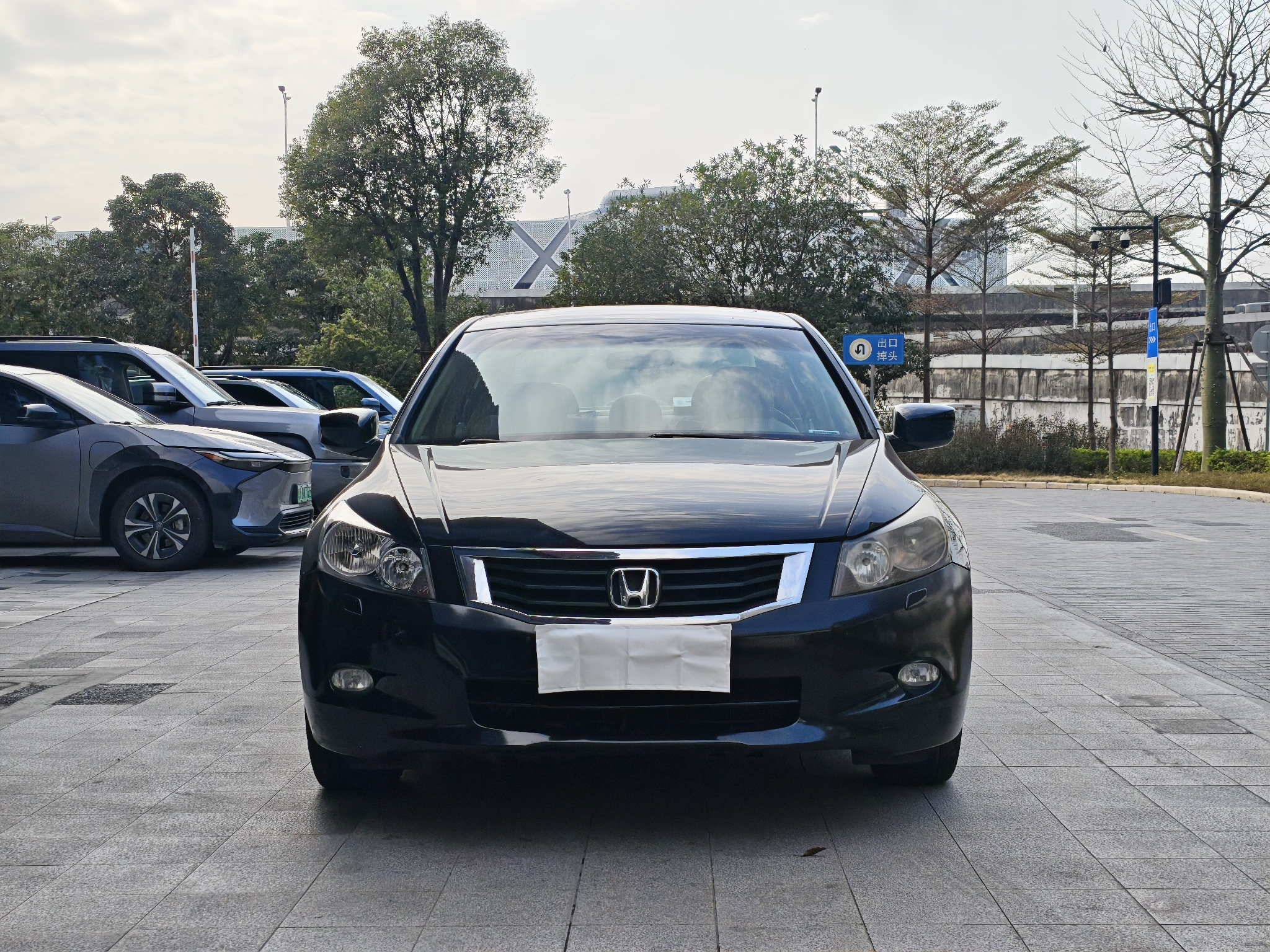
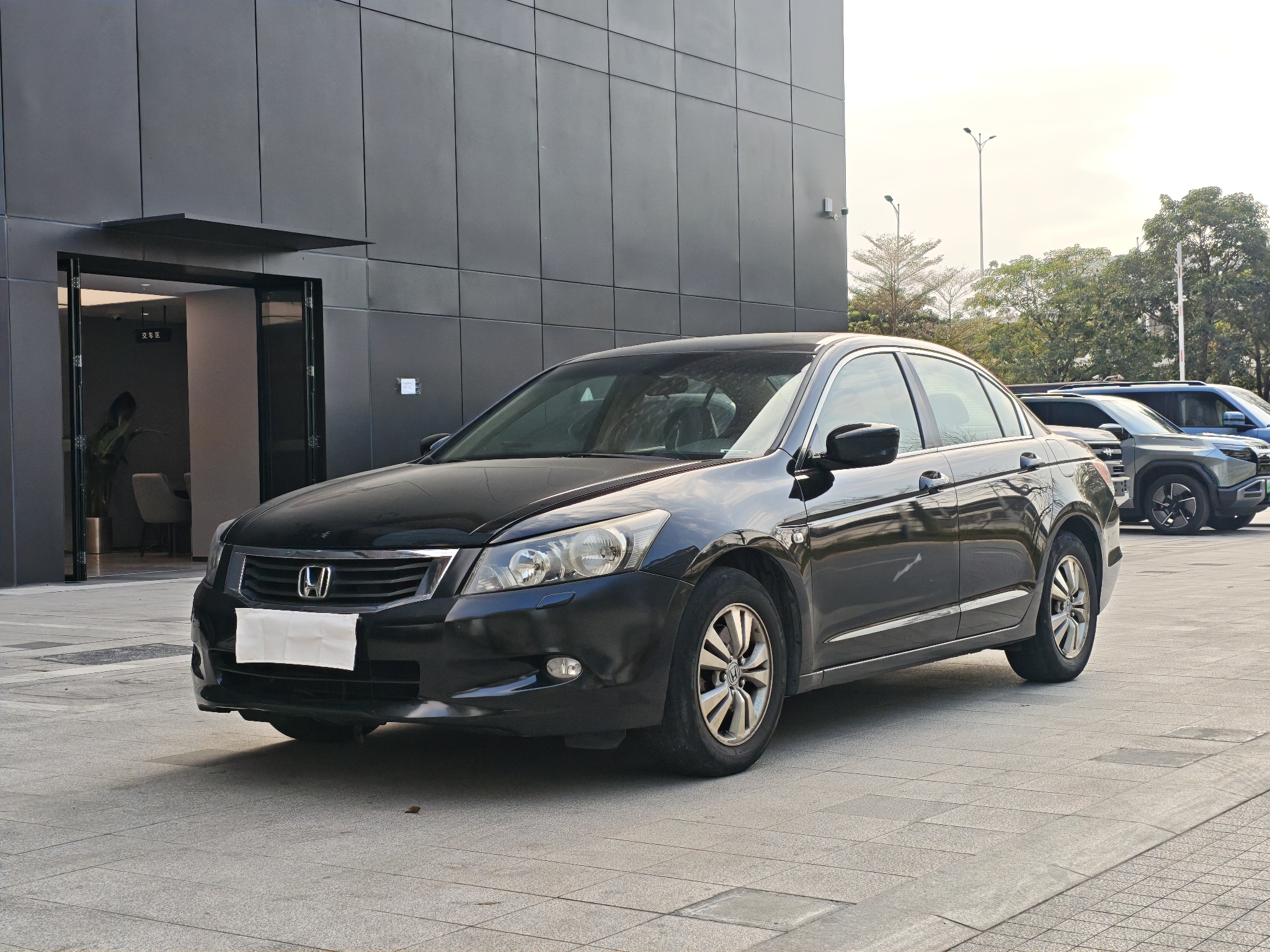
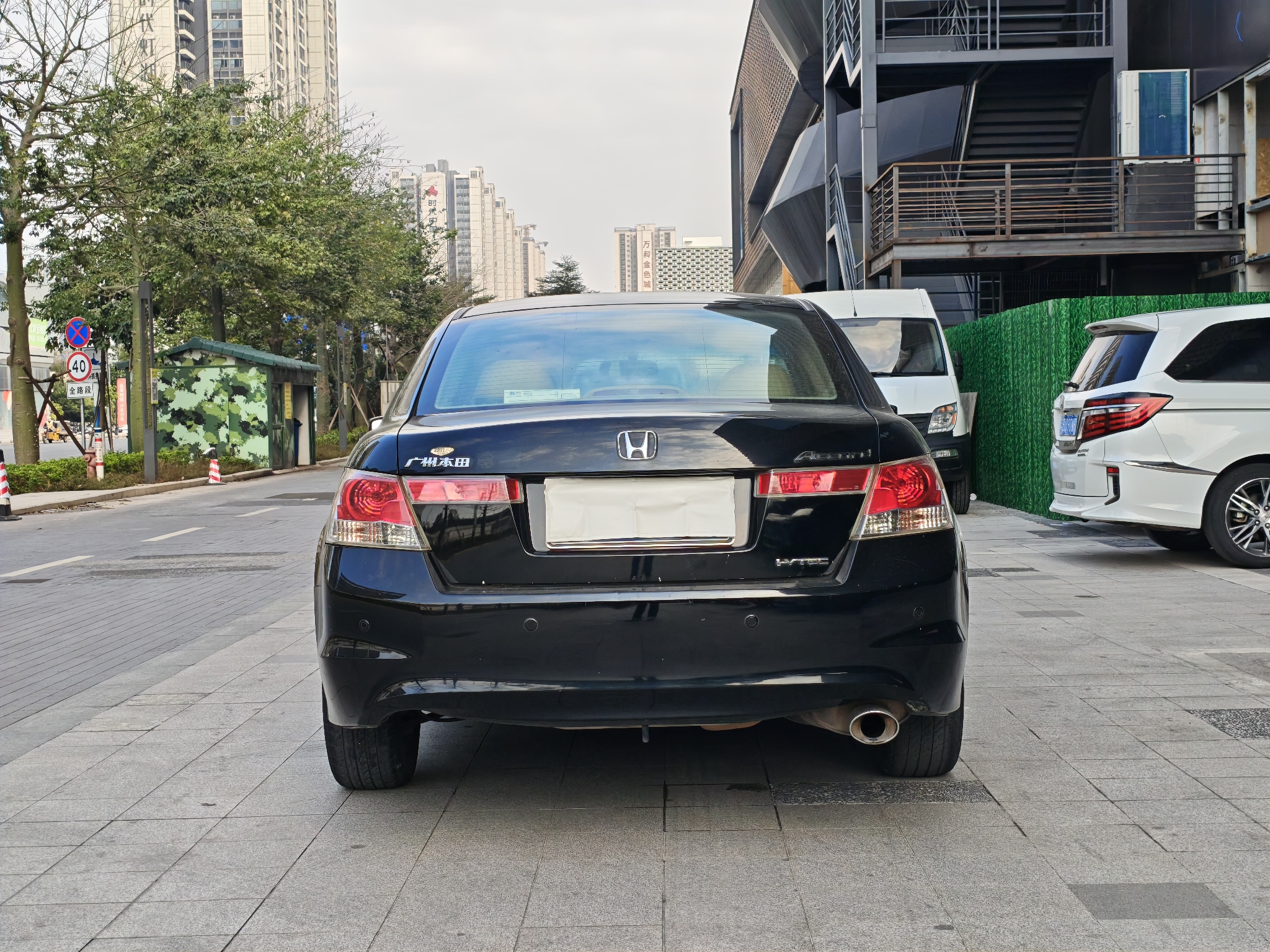
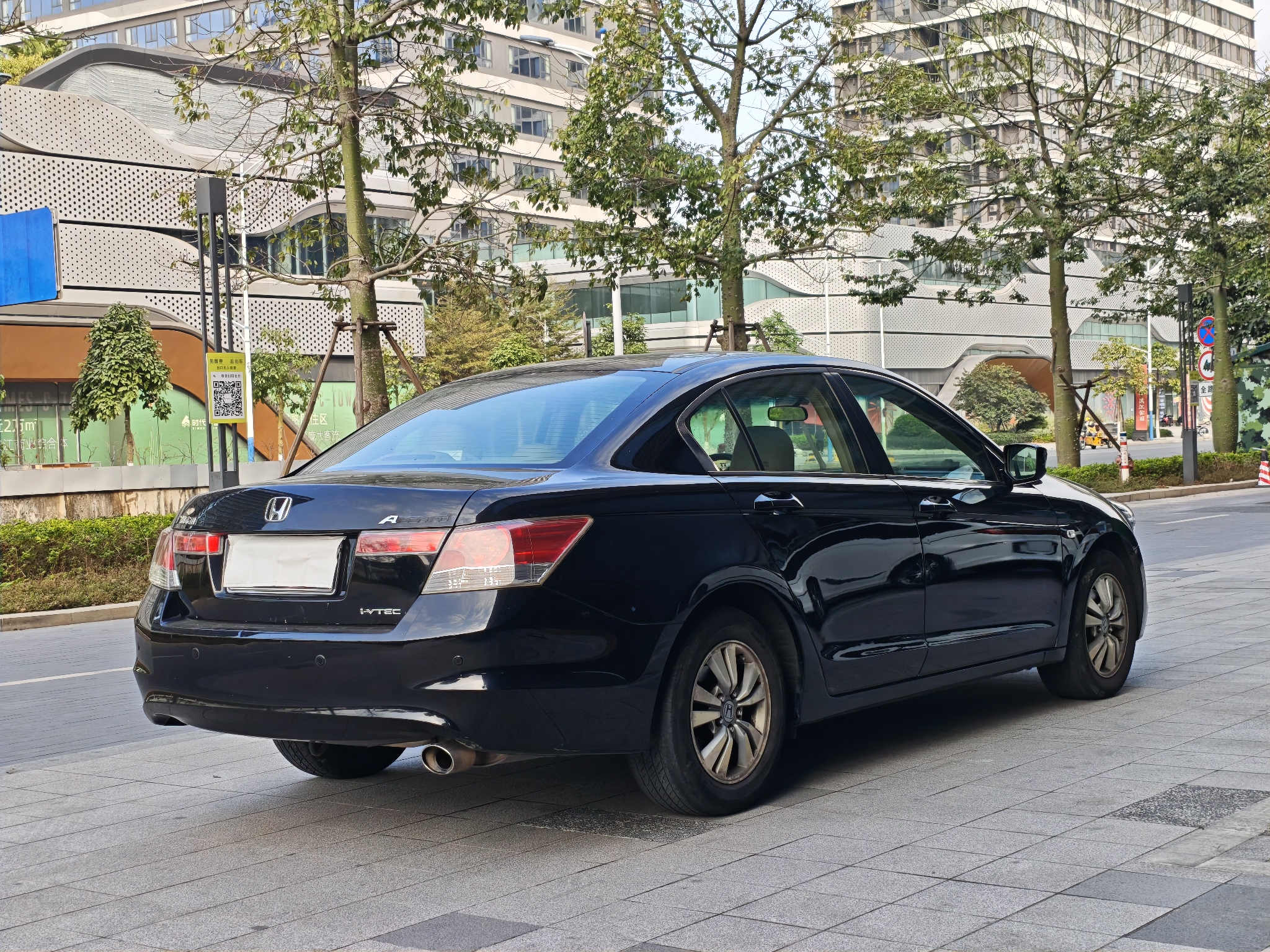
BrandHonda
SeriesAccord
Year2008
First Registration2008/04
Mileage31.3km
Transfer Count-
FuelGasoline
TransmissionAutomatic
Engine2.0L 156 L4
ColorBlack
Seats-

Condition Description

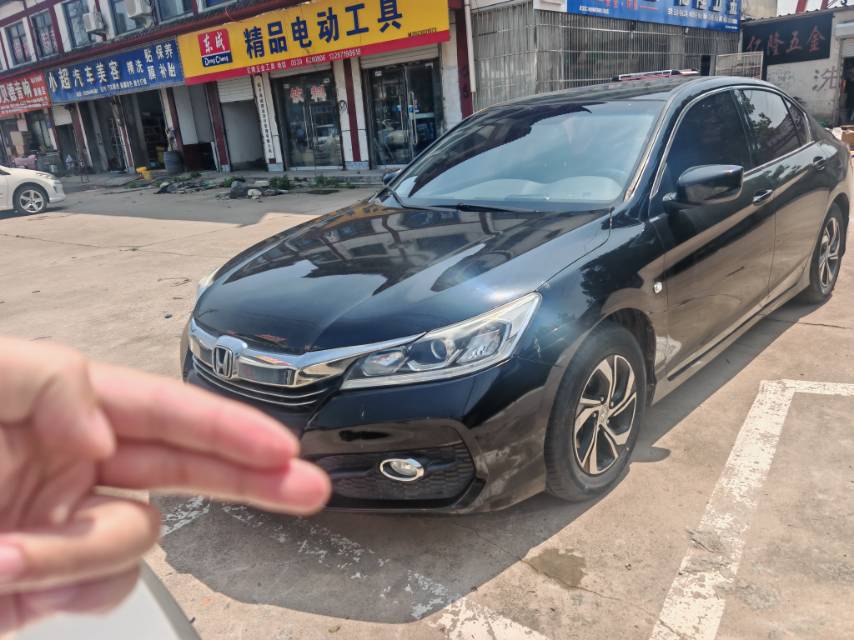
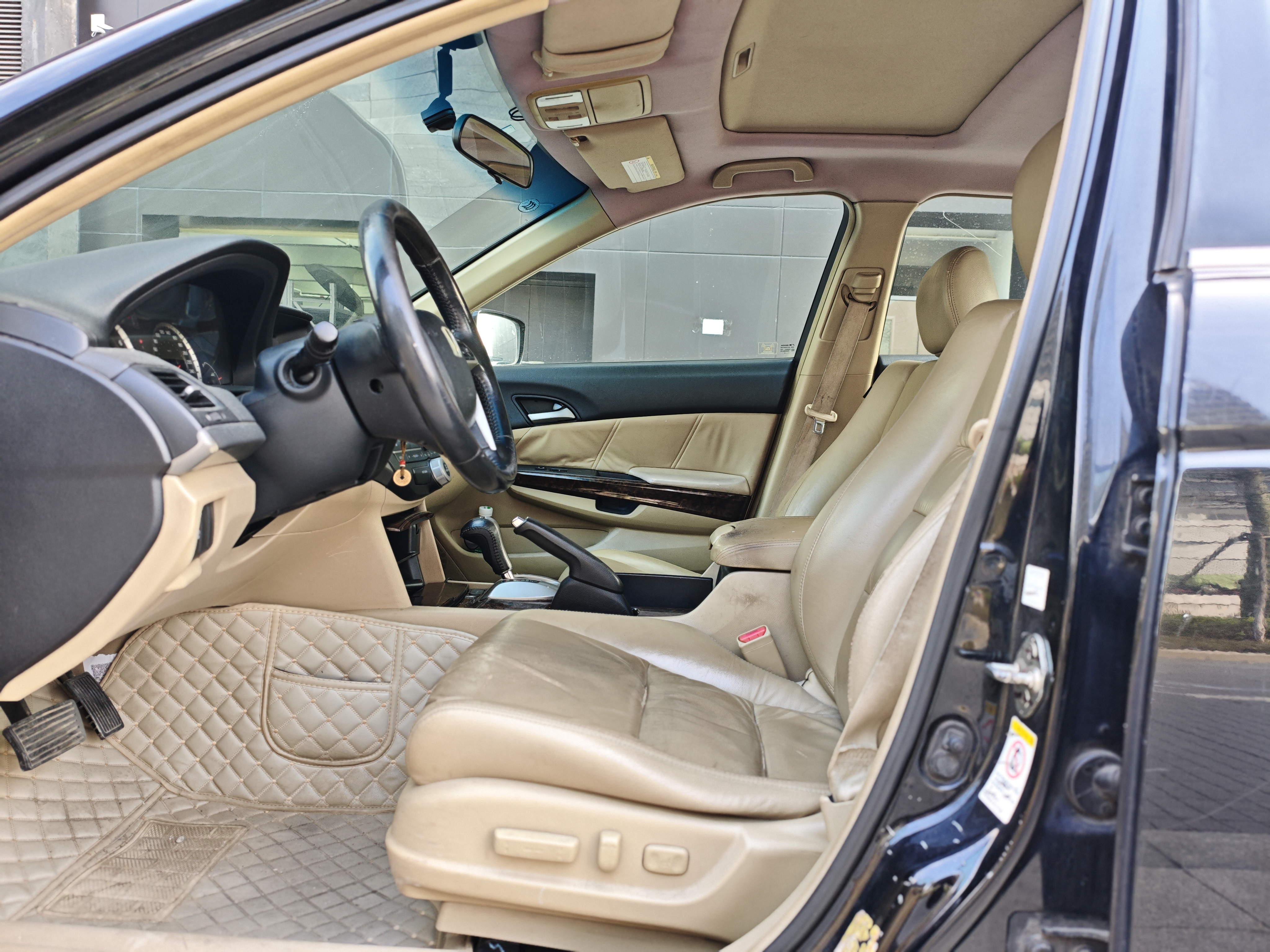
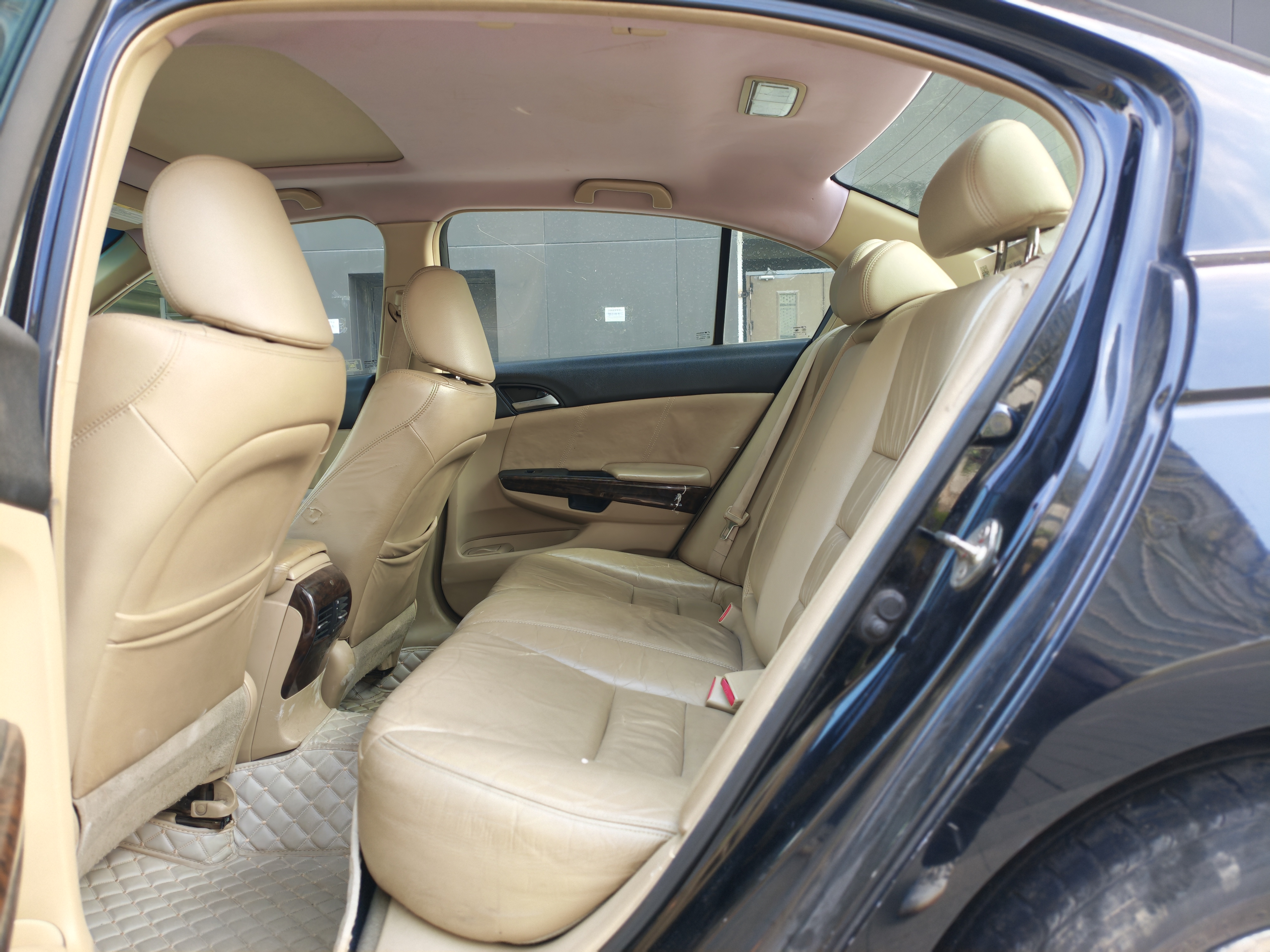
Right rear door sill repair and painting, right side bodywork and painting, left front door, left front fender bodywork, damaged front bumper, dirty interior, multiple areas of damage.

Configuration Highlights

✓Driver/Passenger Airbags
✓Front/Rear Side Airbags
✓ABS Anti-lock Braking
✓Electronic Brake Distribution
✓Multifunction Steering Wheel
✓Seat Material
✓Driver/Passenger Power Seats
✓Rear Cupholders
✓Low Beam Headlights
✓Auto Headlights
✓Adjustable Headlight Height
✓Headlight Washer
✓Power Windows
✓Anti-pinch Windows
✓Climate Control Type
✓Rear Air Vents

Q&A

More

Can you convert mainstream left-hand drive (LHD) cars in China to right-hand drive (RHD) and then export them?

We maintain an extremely cautious and firm denial. Some platforms may cater to such demands for orders, but converting left-hand drive to right-hand drive involves complex steering column cutting, firewall structure changes, and wiring harness reorganization. This non-factory deep modification poses significant safety risks and is very difficult to pass vehicle safety inspections in developed countries (such as Japan's earthquake test and the UK's IVA test). Out of responsibility for safety and long-term reputation, we refuse to provide any steering conversion services that damage the vehicle's underlying structure.
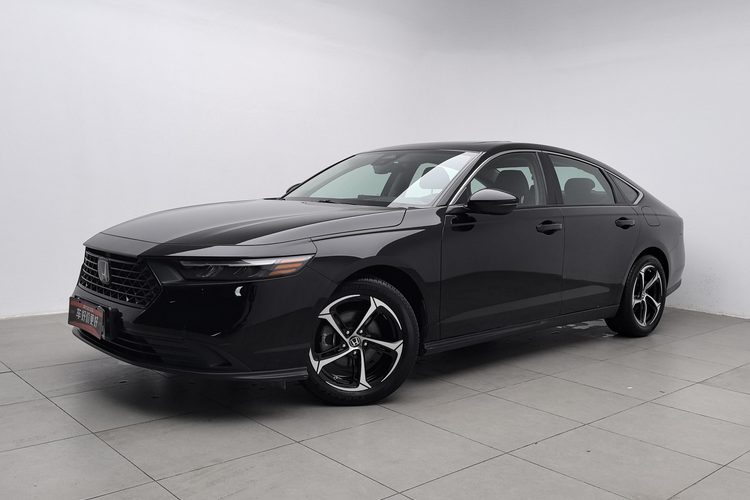
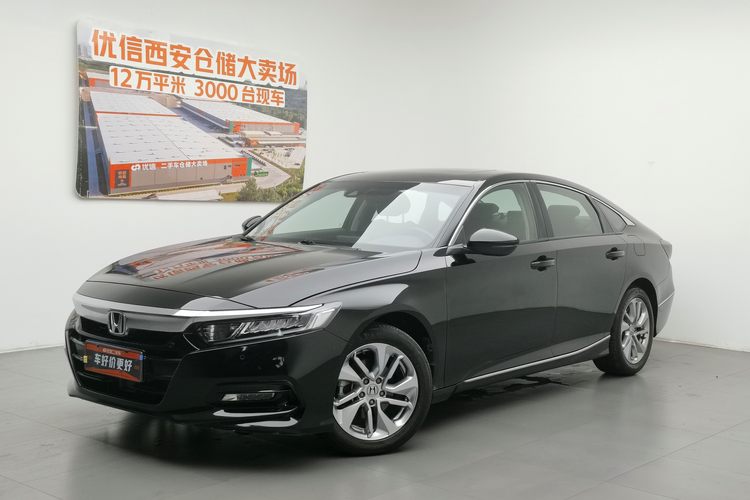
Will you provide a comprehensive landing cost calculation for different destination ports (e.g., Jebel Ali Port vs. Mombasa Port)?

We will provide a detailed logistics and insurance cost table from the port of origin to the destination port, but since we do not have access to the rapidly changing tariff dynamics of multiple countries, we cannot provide an absolute "Delivered Duty Paid (DDP)" calculation.

Why are the shipping costs for used electric vehicles (EVs) usually higher than for internal combustion engine vehicles (ICEs)?

Pure electric vehicles are classified as Class 9 Dangerous Goods due to their large lithium batteries, leading to strict shipping regulations. Shipping companies have high requirements for the loading position and fire isolation measures for dangerous goods, and some roll-on/roll-off ships refuse to accept used EVs. As a result, EVs often require more expensive special container shipping and incur additional handling fees for hazardous materials.