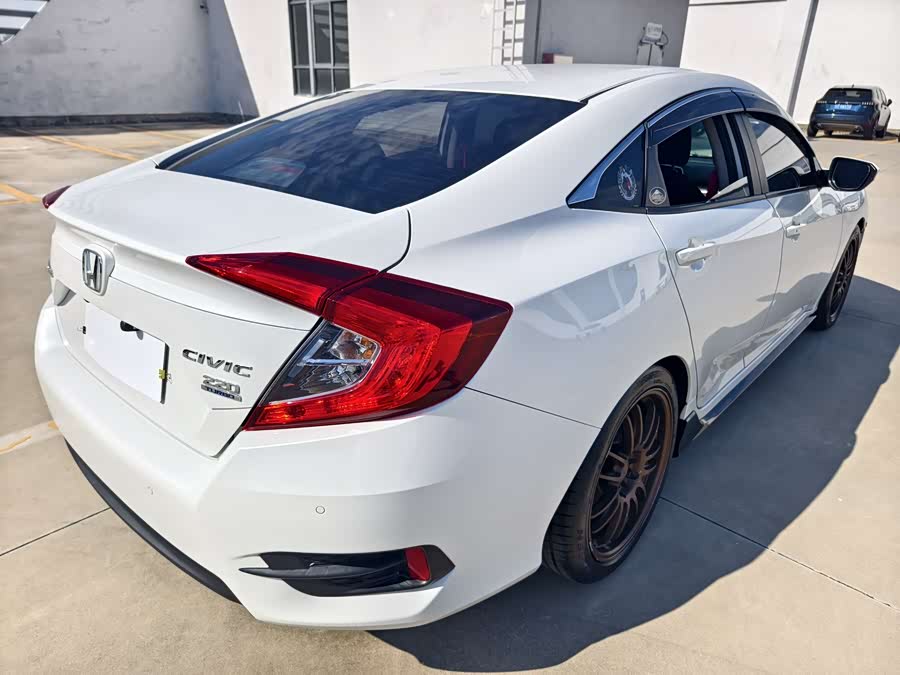
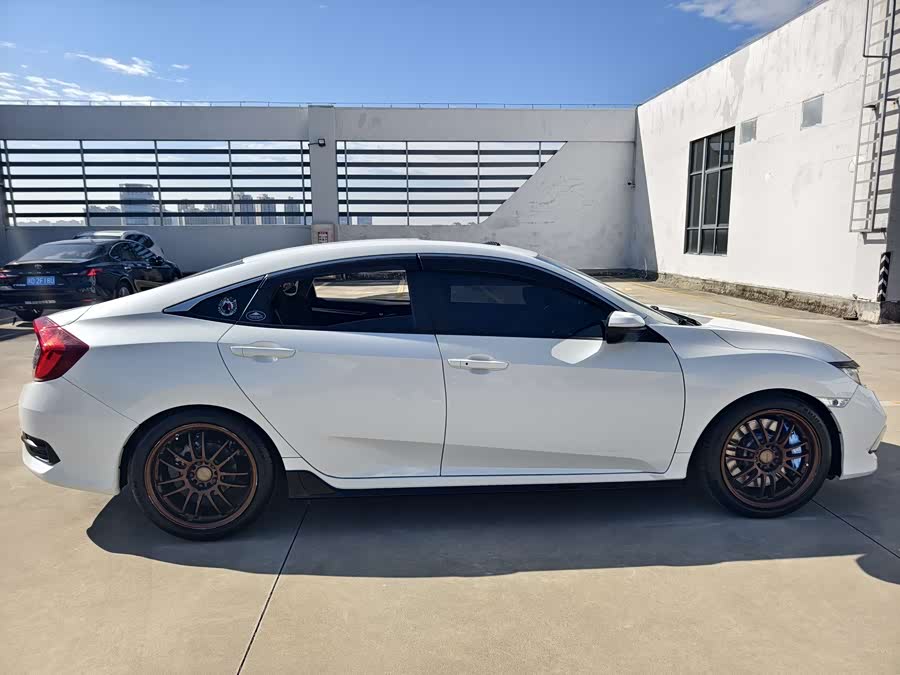
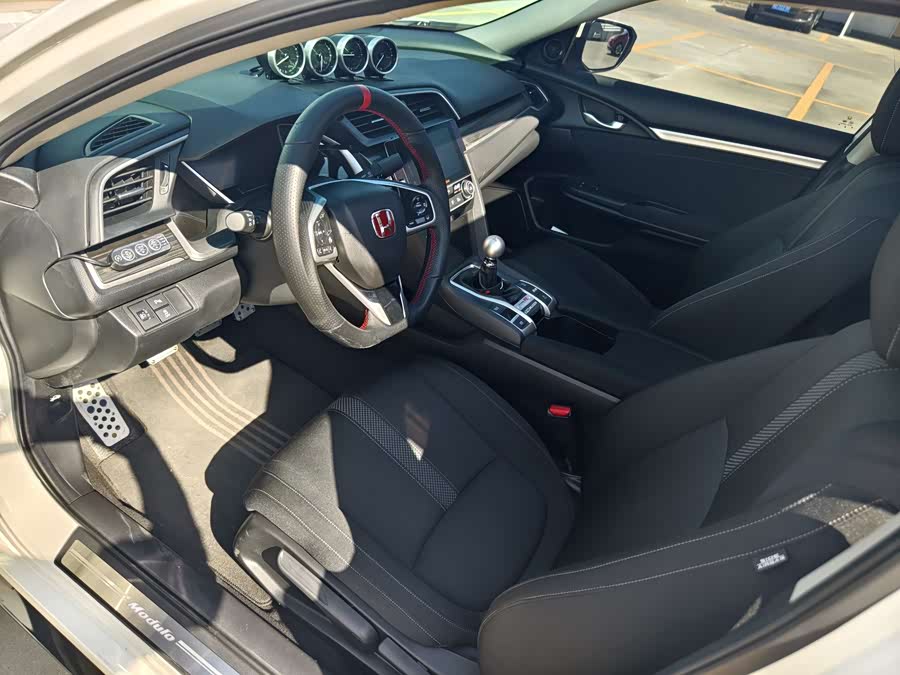
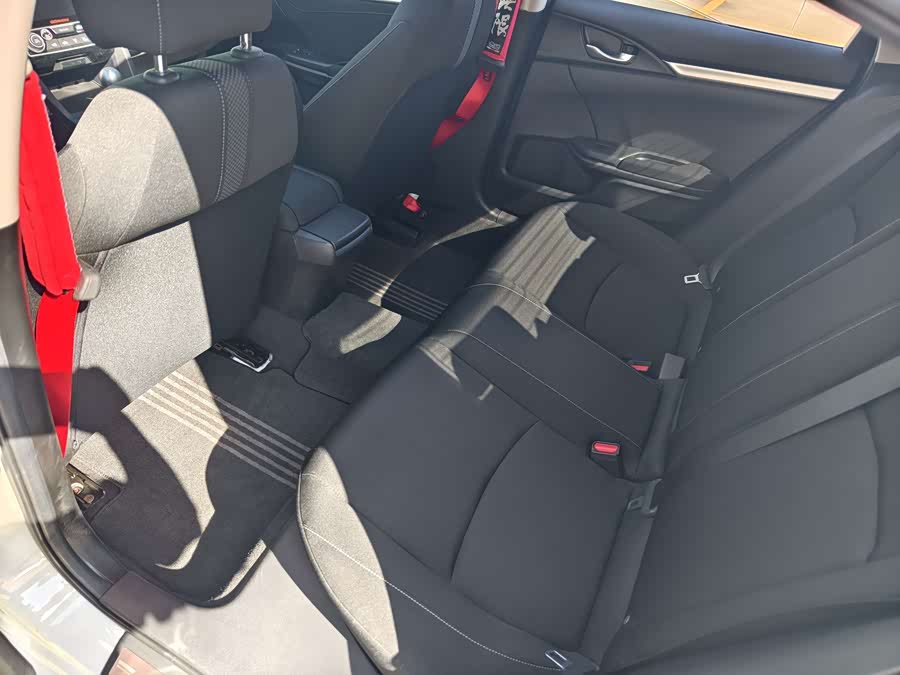
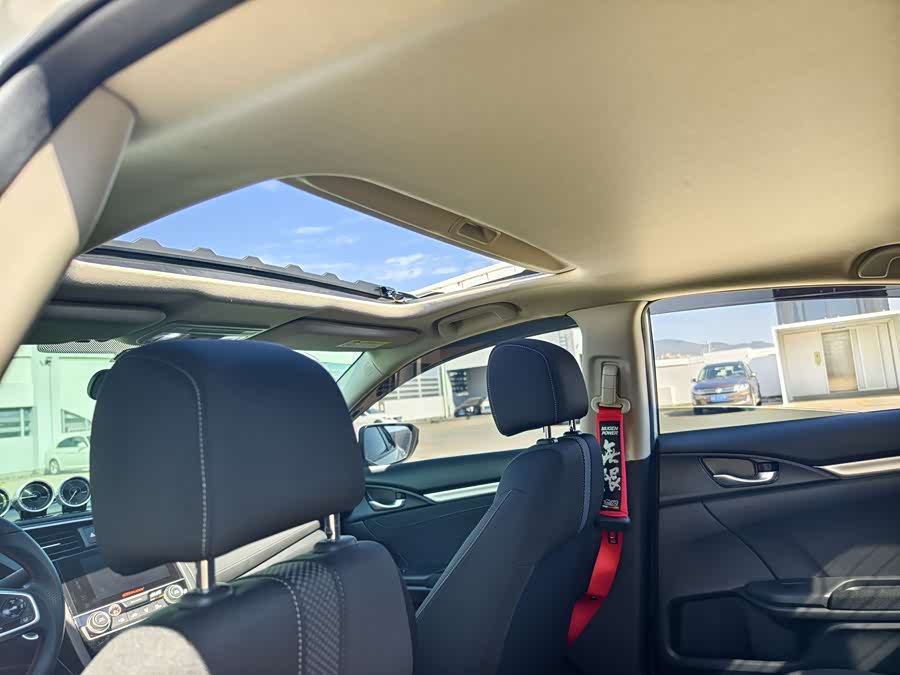
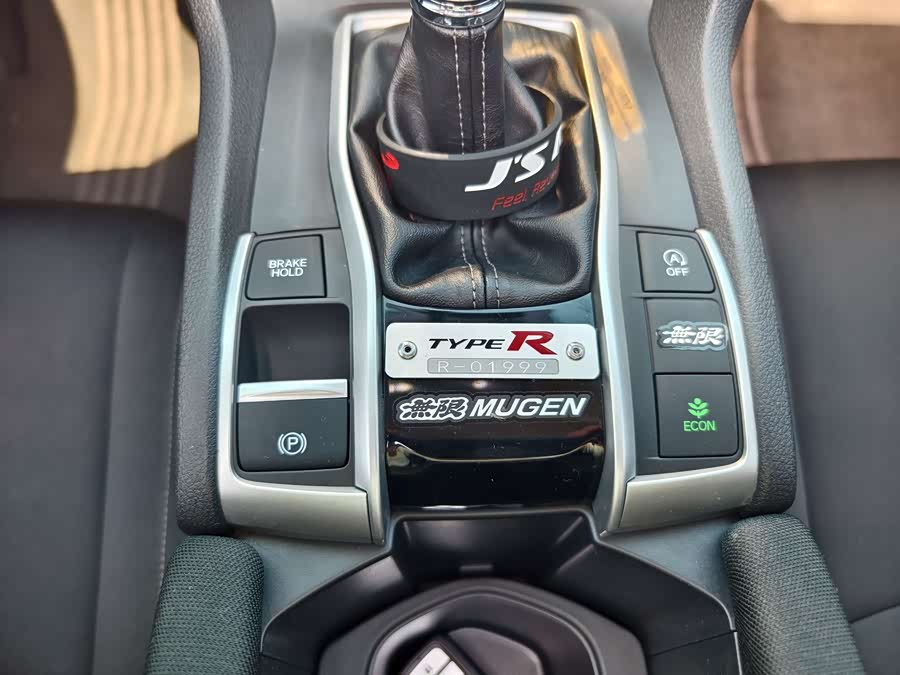
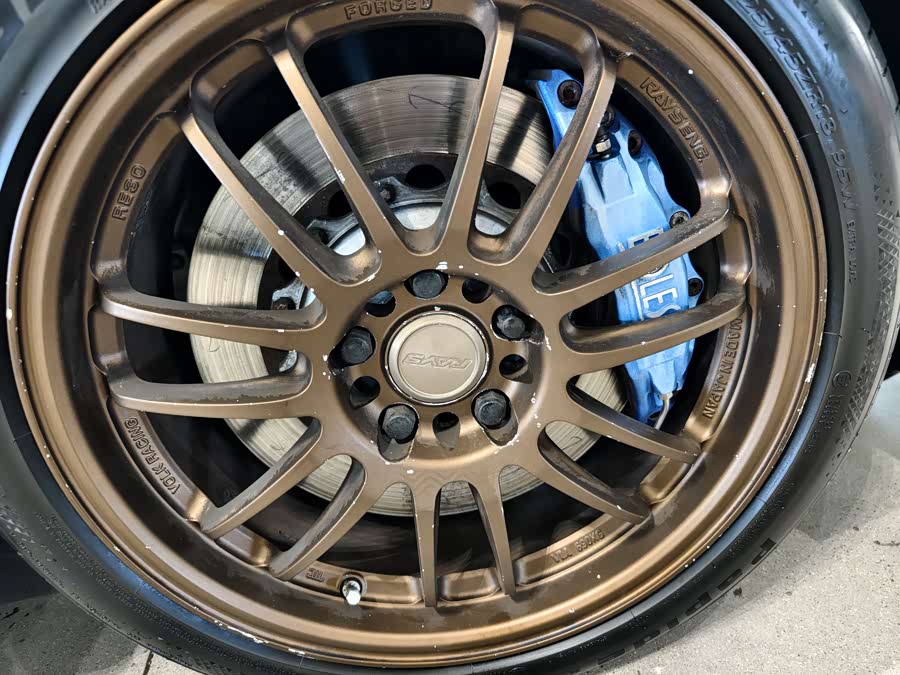
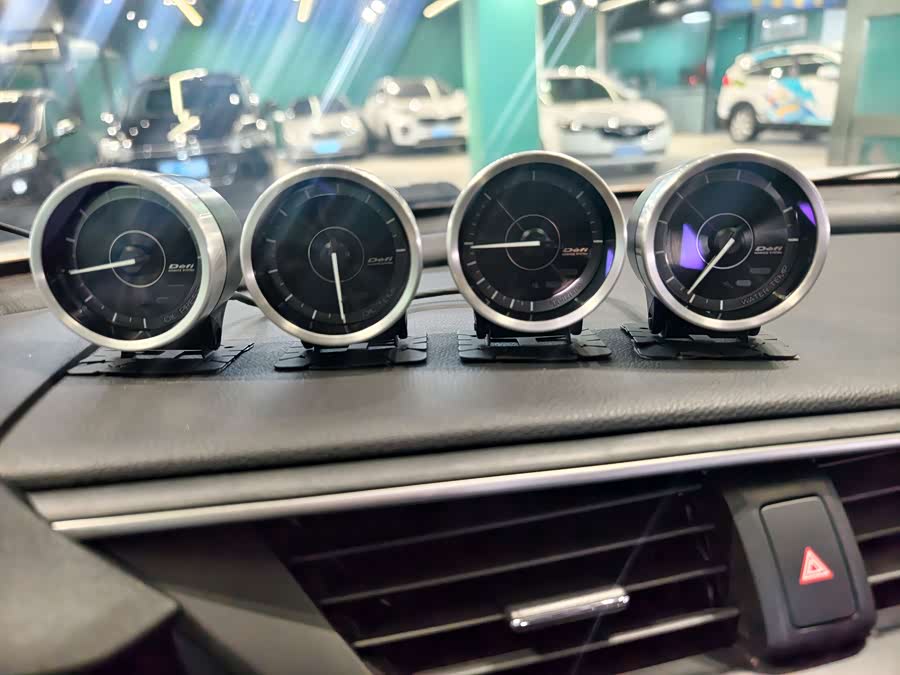




Basic Information

BrandHonda
SeriesCivic
Year2019
First Registration2019/10
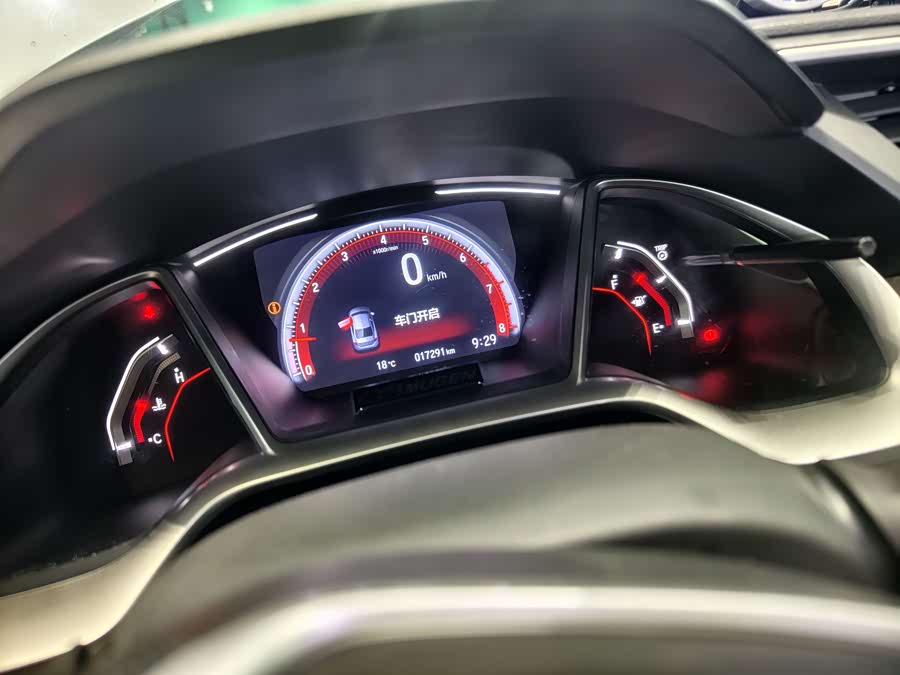
Mileage17,000km
Transfer Count-
FuelGasoline
TransmissionManual
Engine1.5T 177 L4
ColorWhite
Seats-

Condition Description

very good

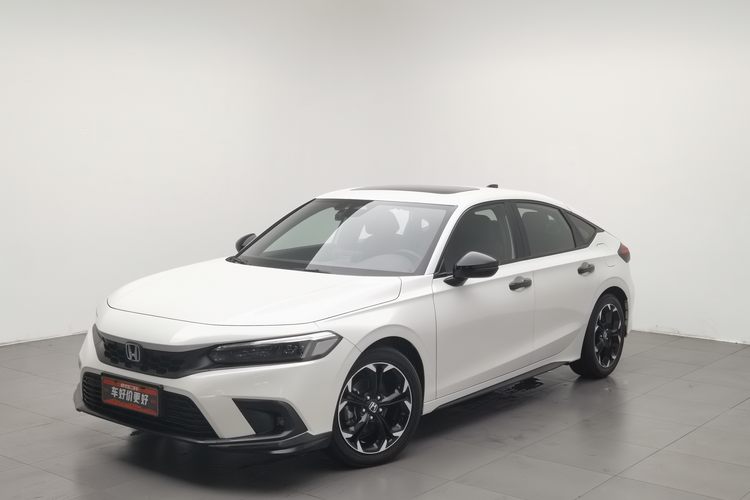
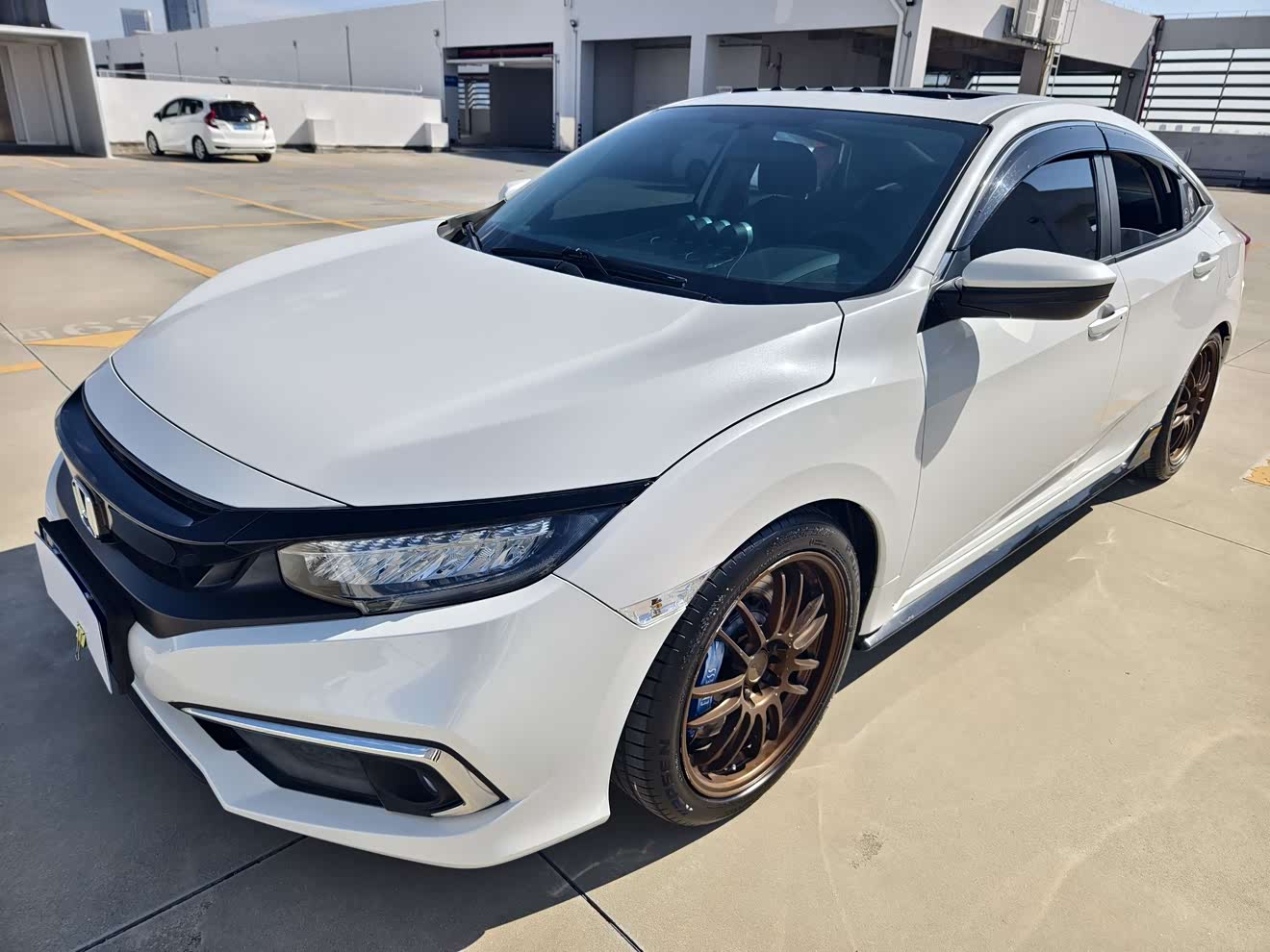
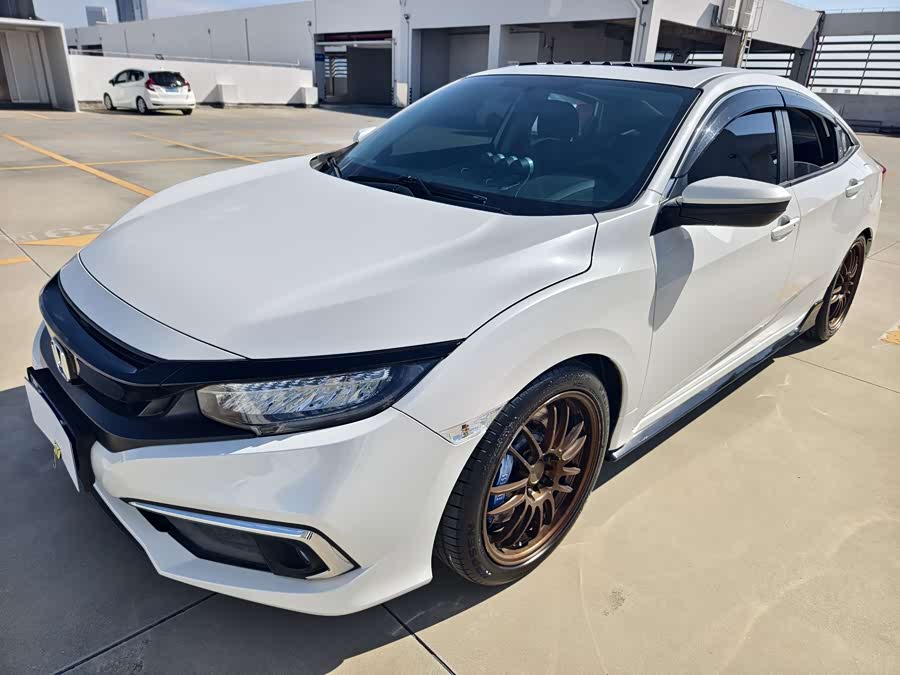
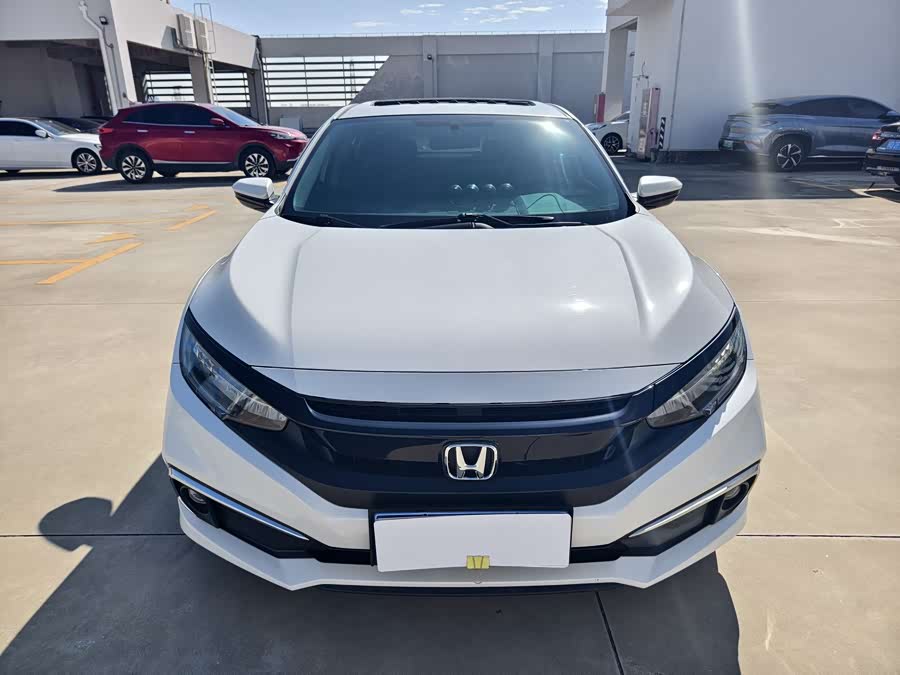
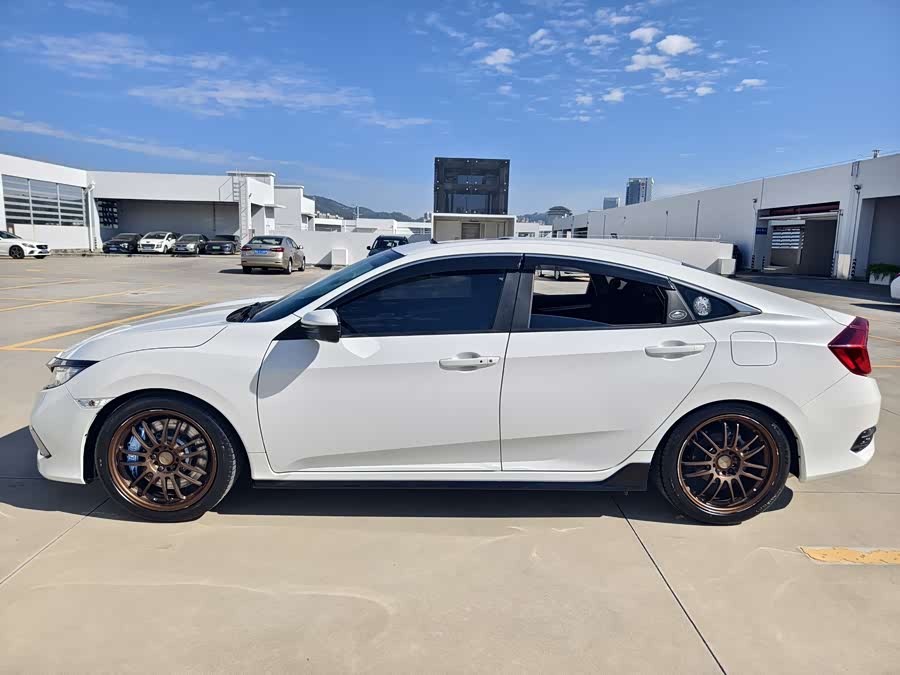
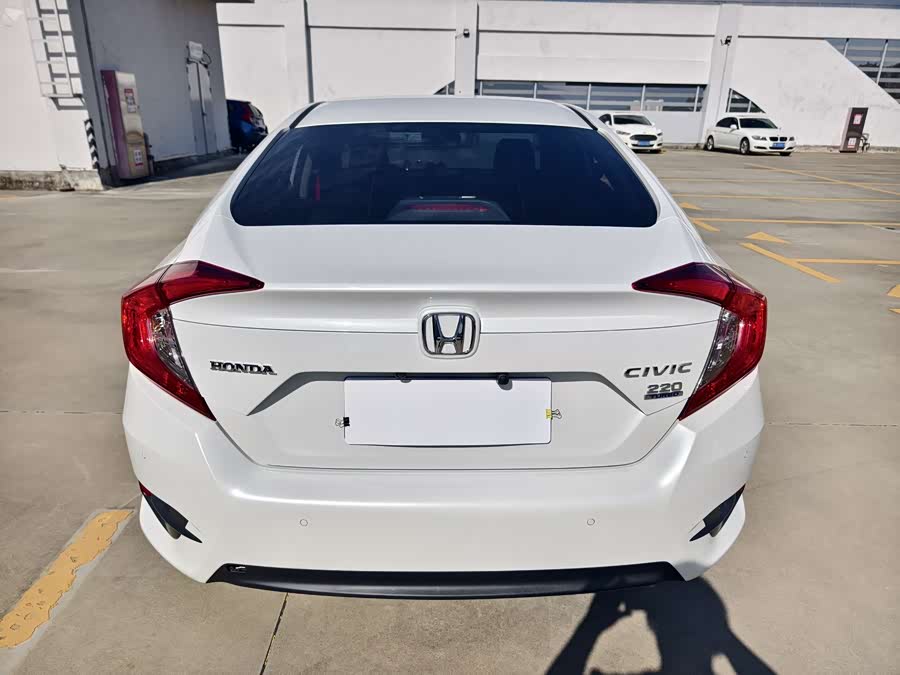
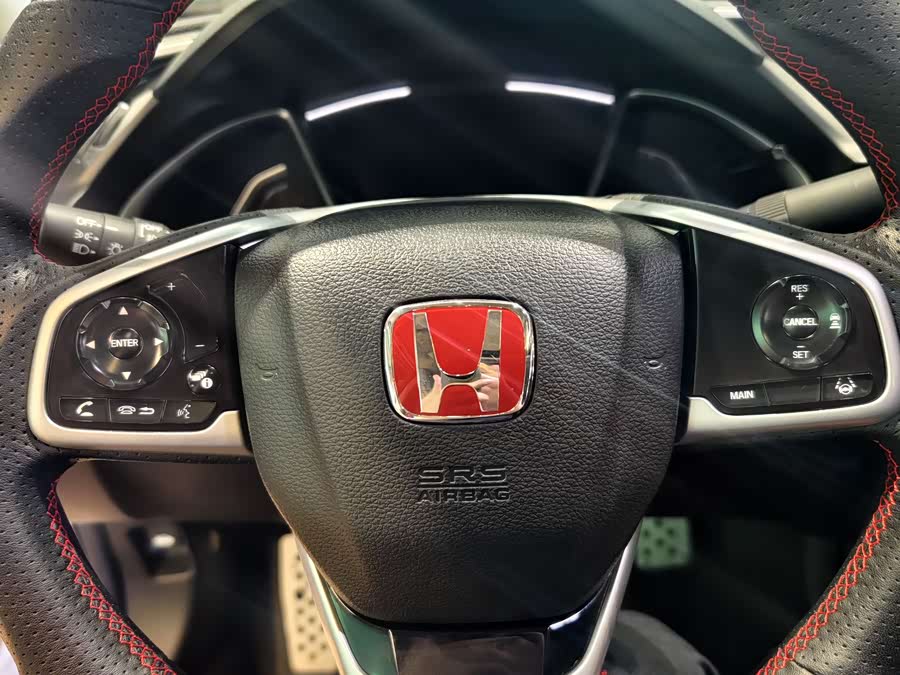
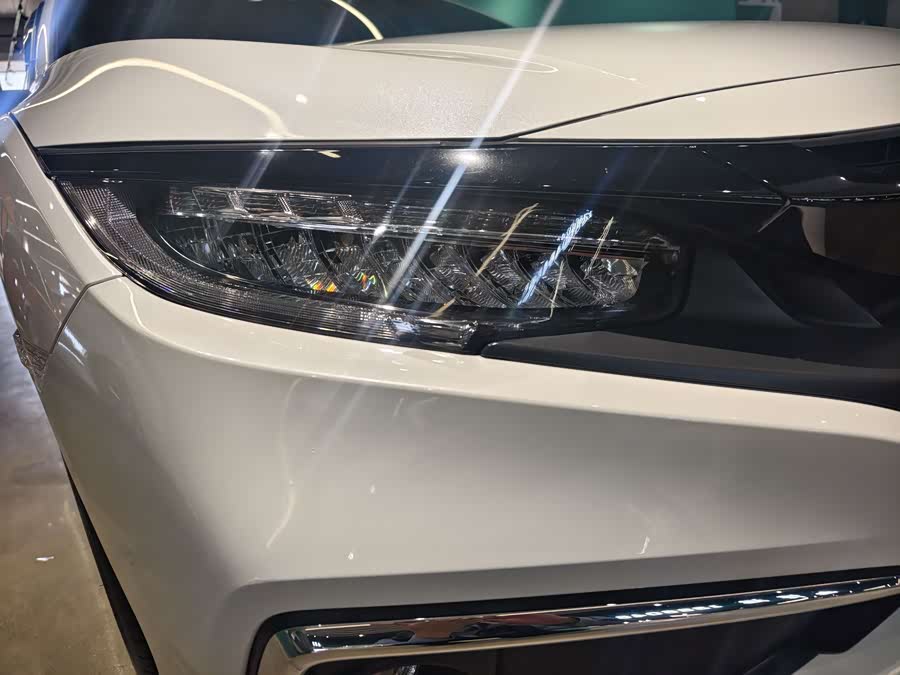
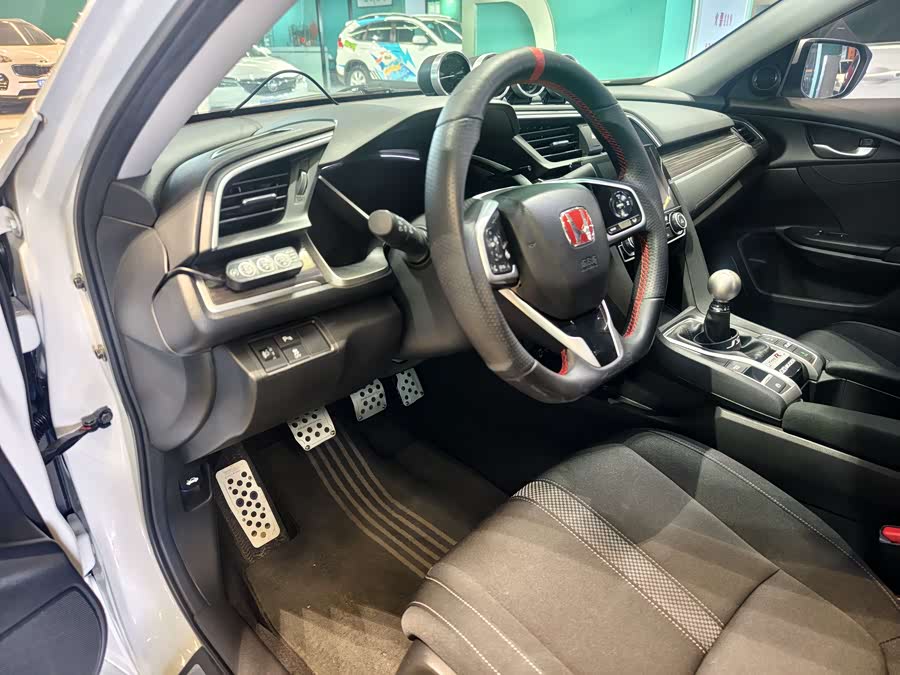
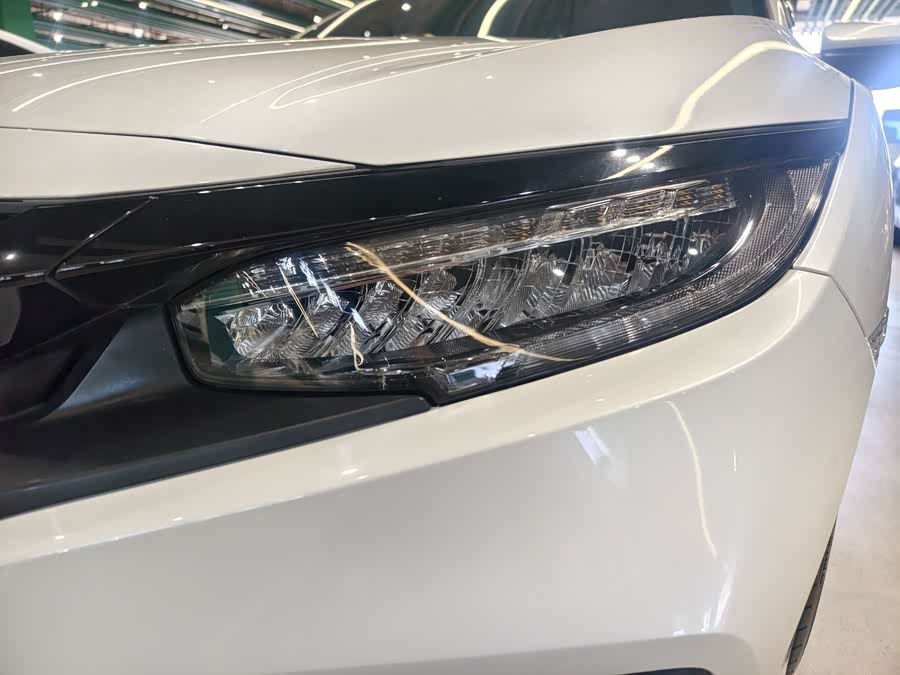
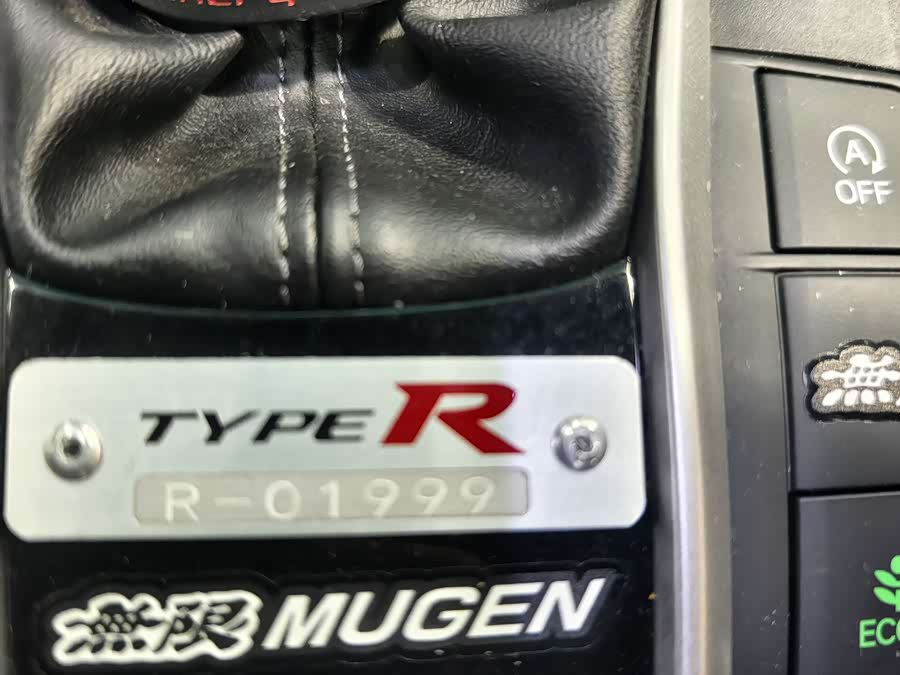
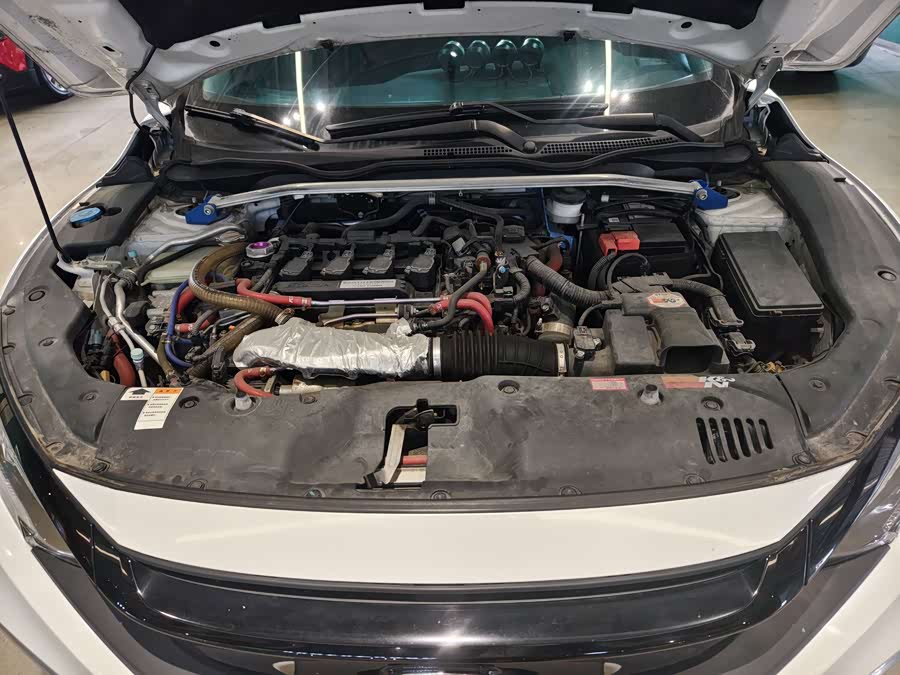
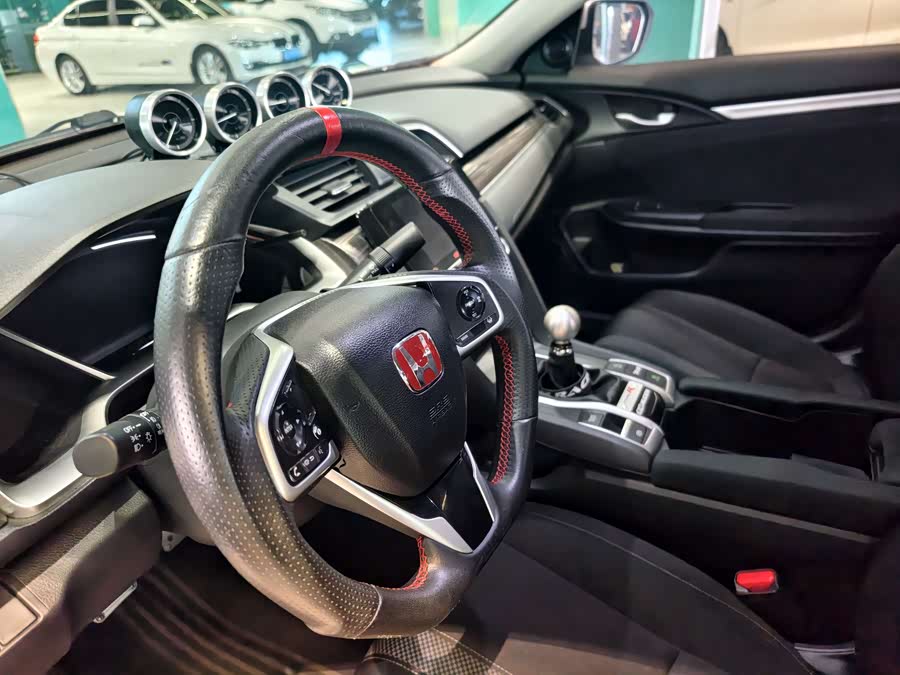
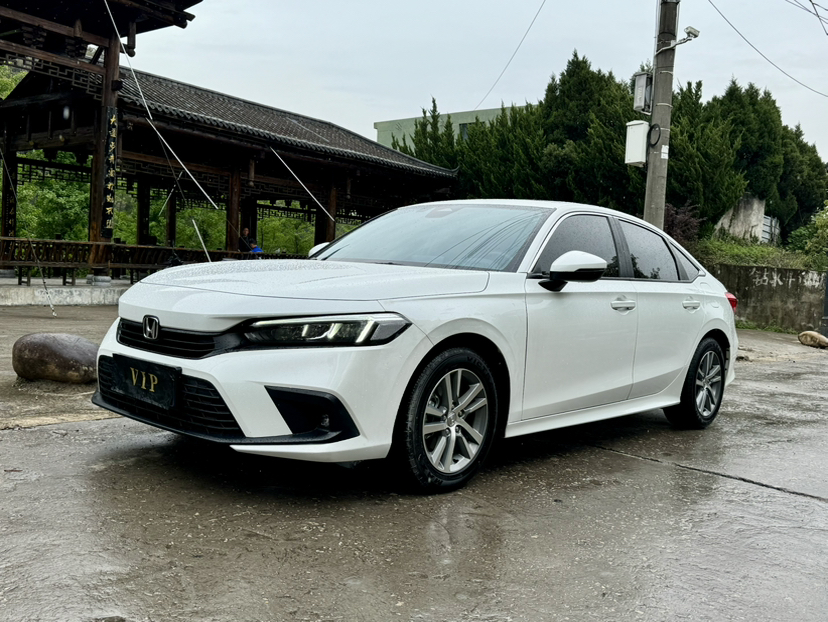
【Vehicle Name】Honda Civic Manual Control Panel 【Registration Date】Manufactured and registered in October 2019 【Mileage】Actual odometer reading: 17,000 km 【Exclusive Configuration】The new car cost an extra 15,000 yuan and took 3 months to arrive, totaling over 160,000 yuan. Upgraded individual parts cost over 100,000 yuan, including two headlights costing over 10,000 yuan, four wheels costing 20,000 yuan, larger calipers, and an upgraded engine with nearly 300 horsepower, ensuring it can run fast and brake effectively. These are all tangible improvements.

0 transfers

Configuration Highlights

✓ISOFIX Child Seat Anchors
✓Auto Hold
✓Keyless Start System
✓Bluetooth/Hands-free
✓PM2.5 Air Filter

Accident & Maintenance Records

Accident Record

🔗 Open Link

Maintenance Record

🔗 Open Link

Document Information

Inspection Expiry Date2026/10
Warranty Expiry Date-
Insurance Expiry Date2026/10

Q&A

More

Do you provide English versions of official repair manuals or circuit diagrams for used cars from Chinese brands?

Mainstream Chinese automakers rarely publish official English versions of their underlying circuit diagrams. We can provide some models' original Chinese technical documents (PDF) for B2B clients, which you will need to translate for your local mechanics using translation software.
How do you detect carbon buildup and wear inside the engine using technology without deep disassembly?

We use two steps: 1. Insert a medical-grade endoscope through the spark plug hole to visually inspect cylinder wall scratches and carbon buildup on the piston top; 2. Extract an engine oil sample to check for large metal debris or emulsification (caused by coolant leakage).

Why are the shipping costs for used electric vehicles (EVs) usually higher than for internal combustion engine vehicles (ICEs)?

Pure electric vehicles are classified as Class 9 Dangerous Goods due to their large lithium batteries, leading to strict shipping regulations. Shipping companies have high requirements for the loading position and fire isolation measures for dangerous goods, and some roll-on/roll-off ships refuse to accept used EVs. As a result, EVs often require more expensive special container shipping and incur additional handling fees for hazardous materials.