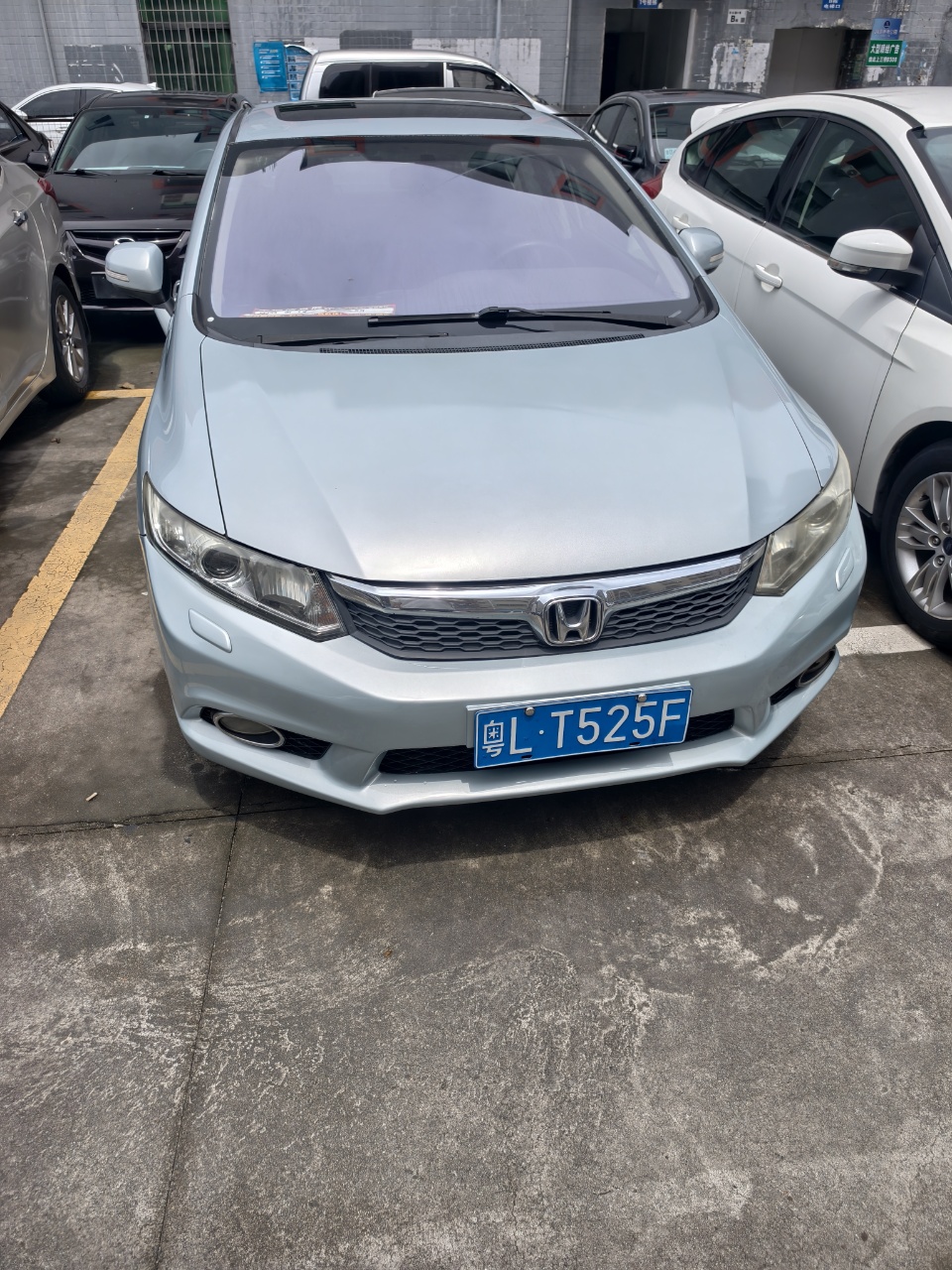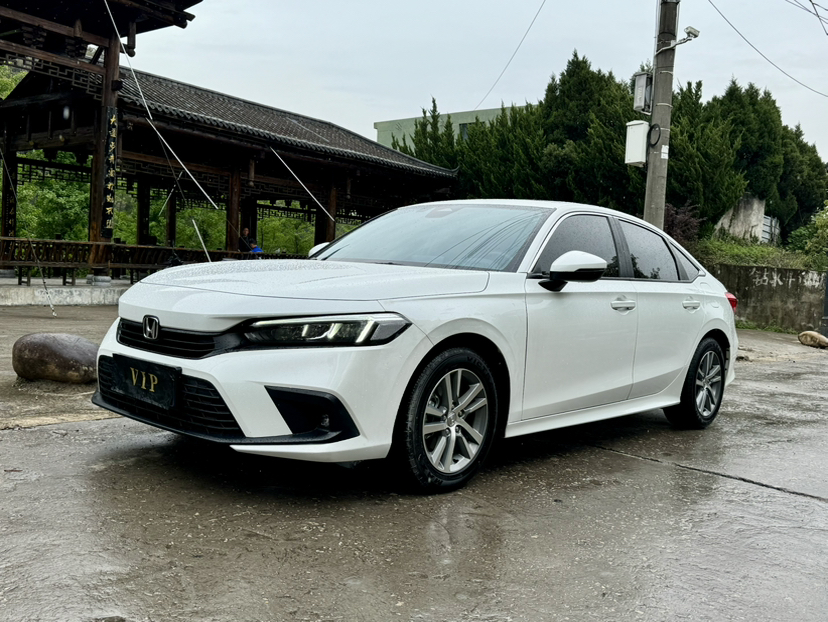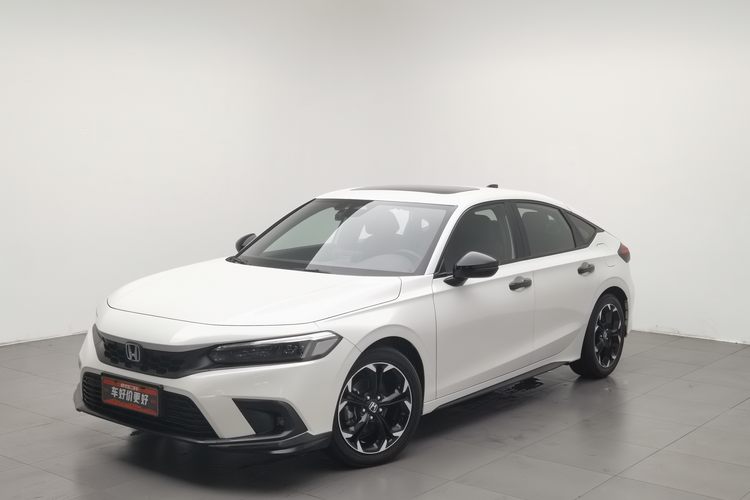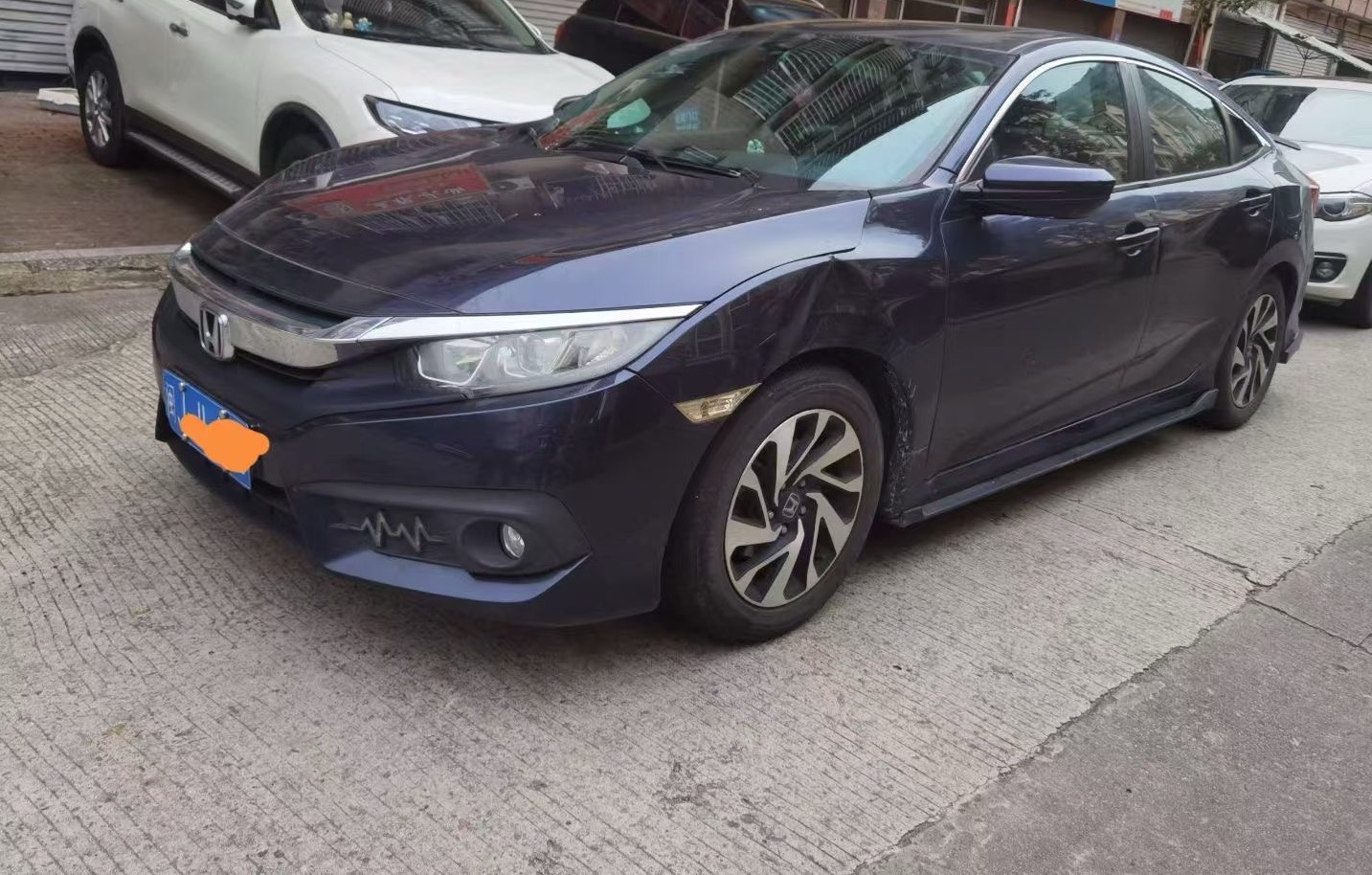



Basic Information

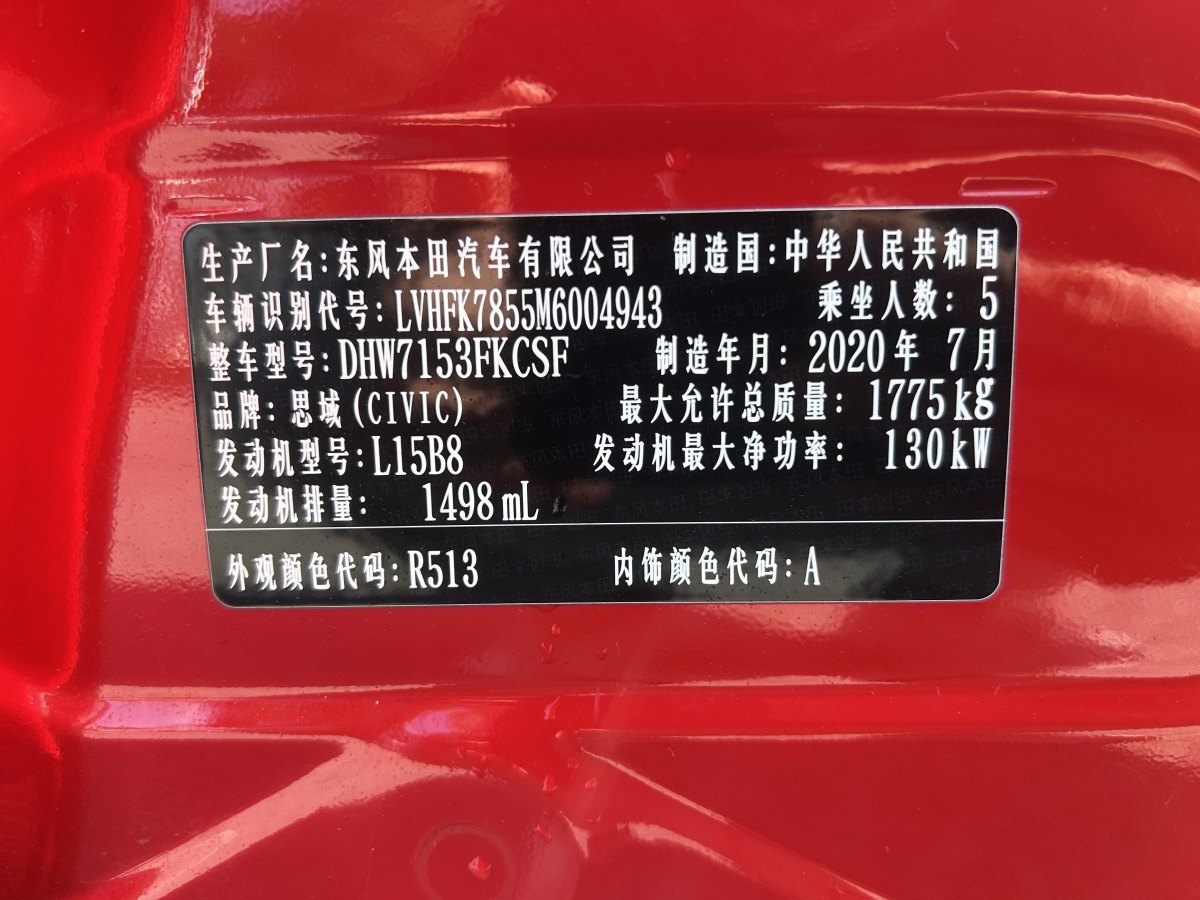
BrandHonda
SeriesCivic
Year2020
First Registration2020/09
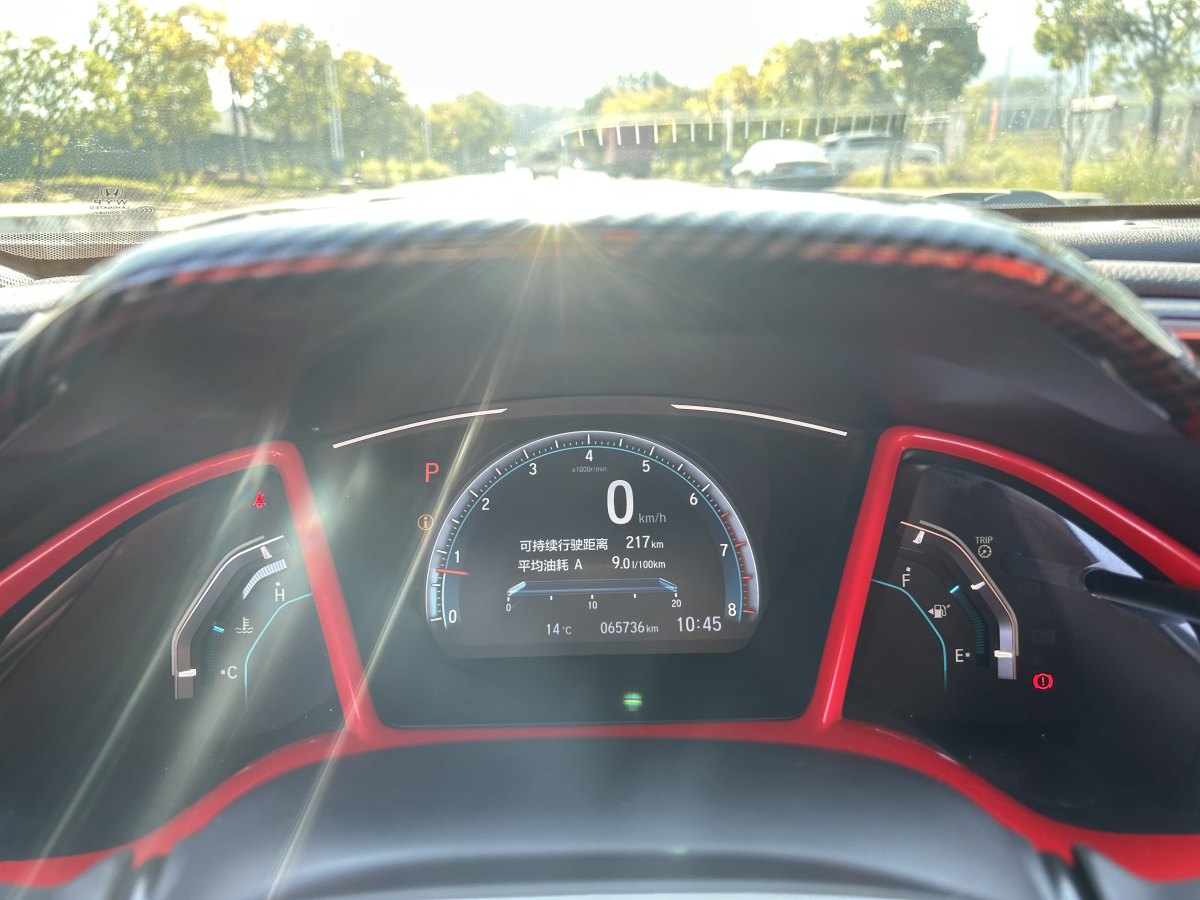
Mileage65,000km
Transfer Count-
FuelGasoline
TransmissionCVT
Engine1.5T 177 L4
ColorRed
Seats-

Condition Description

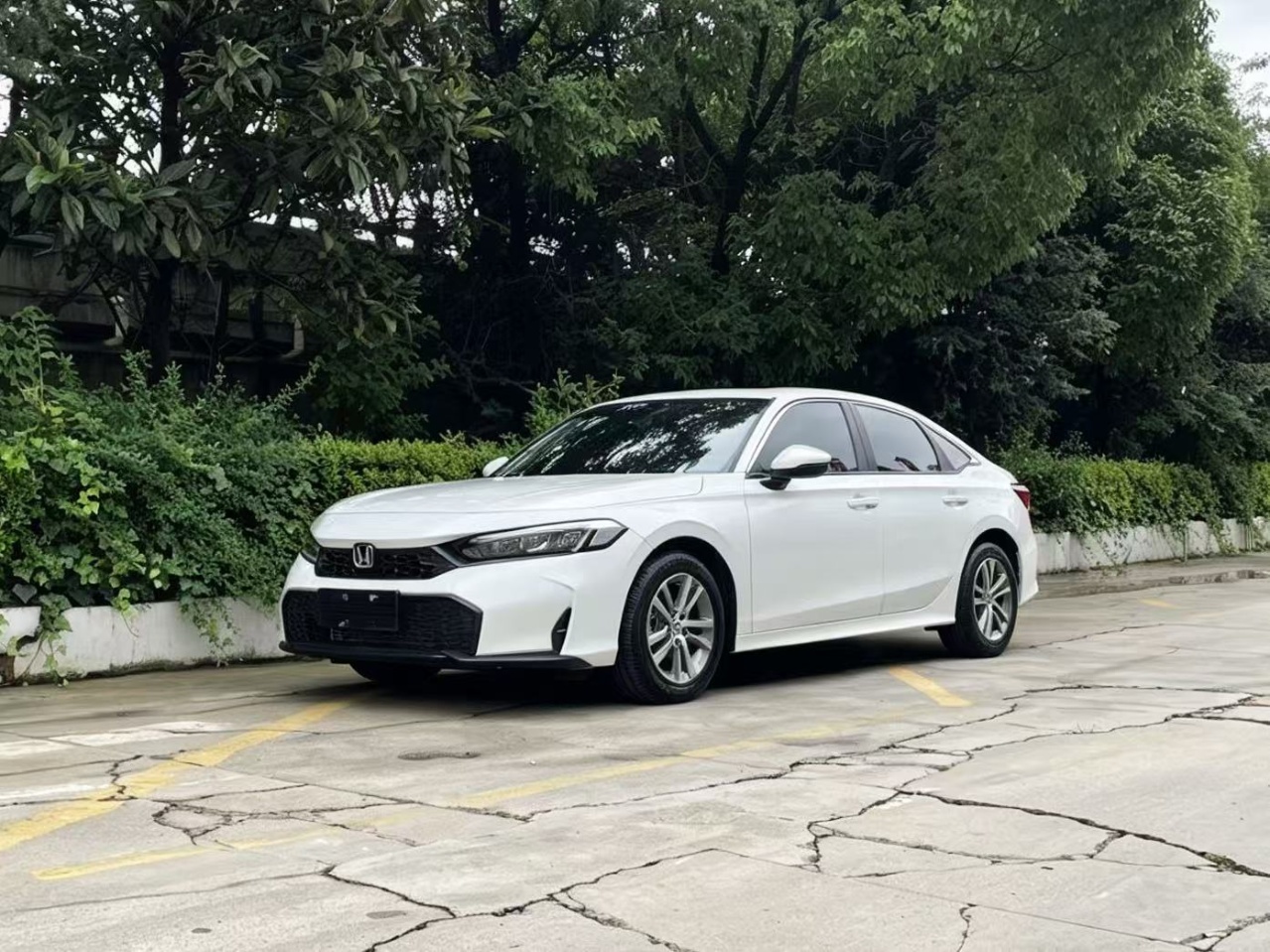
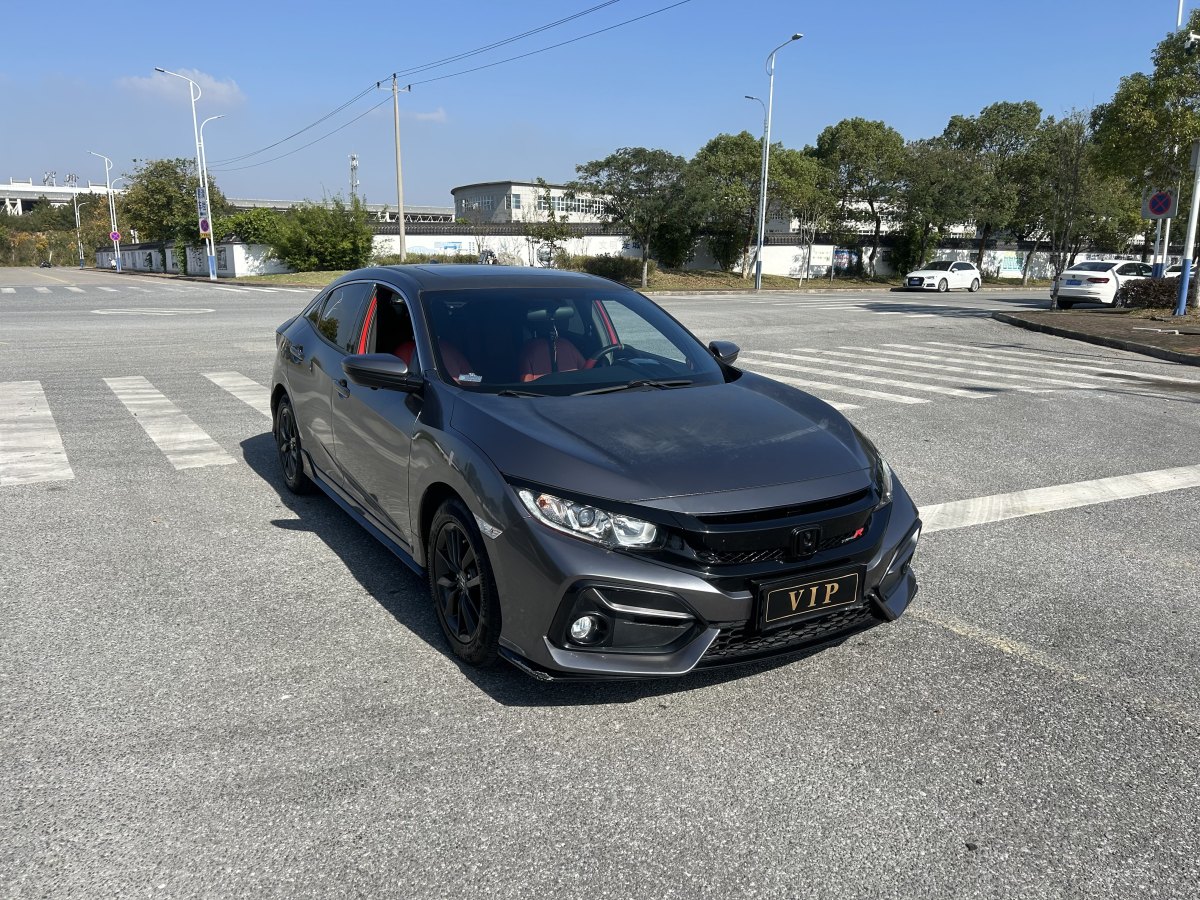
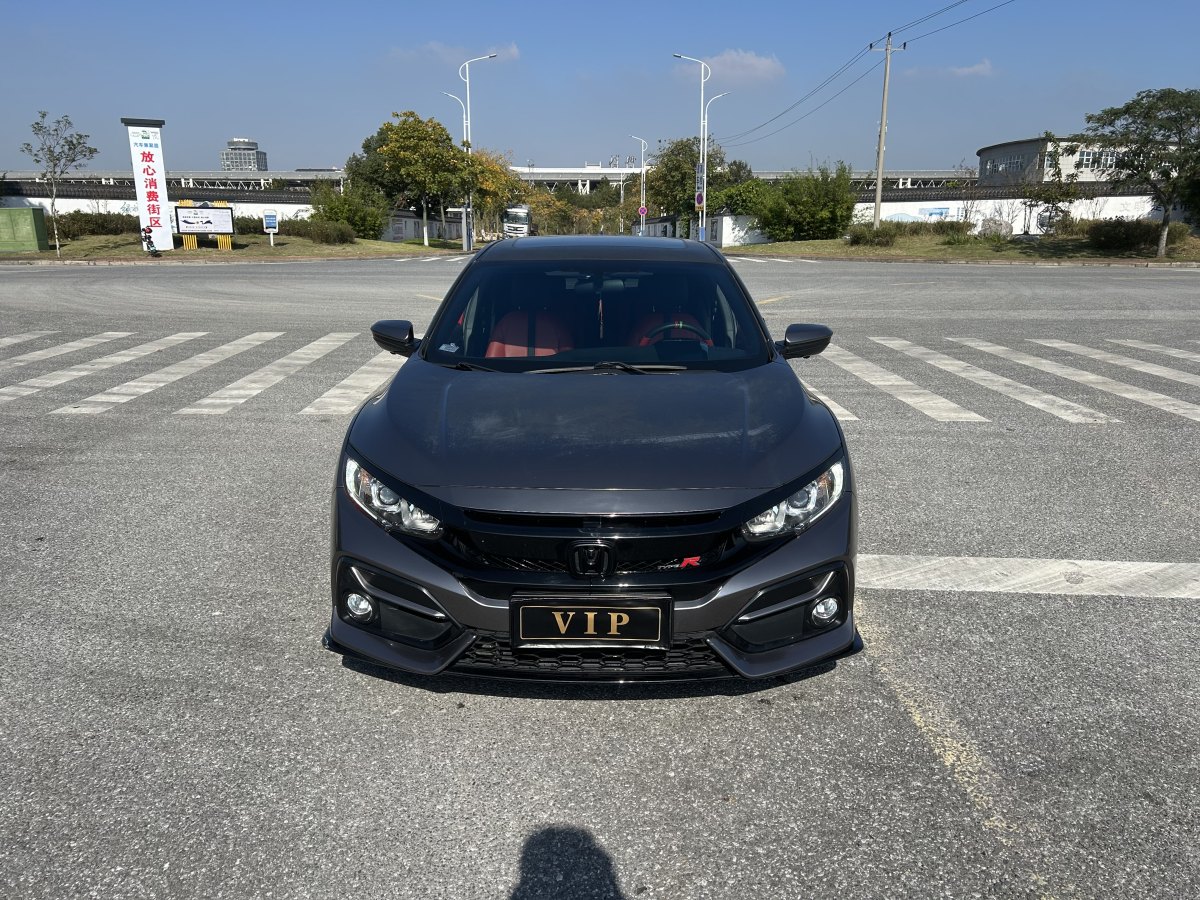
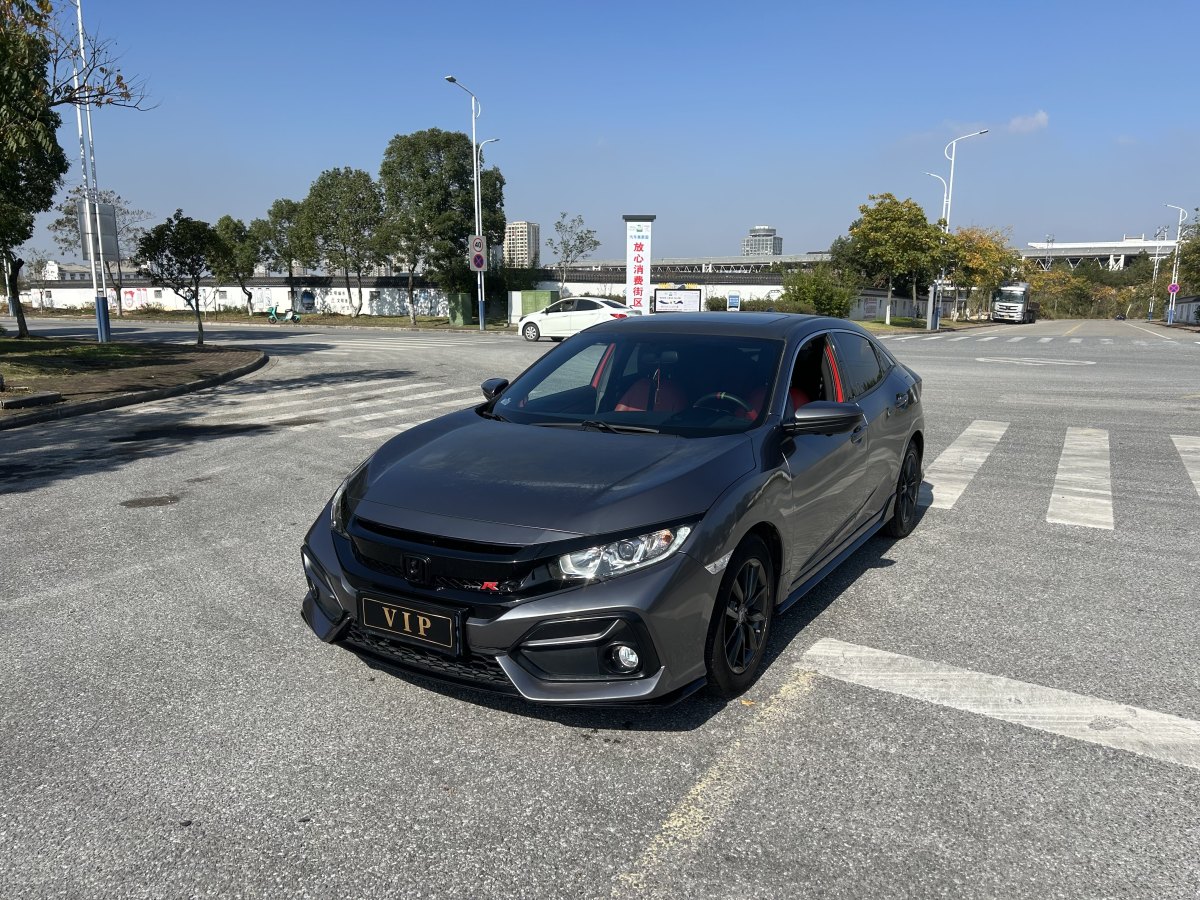
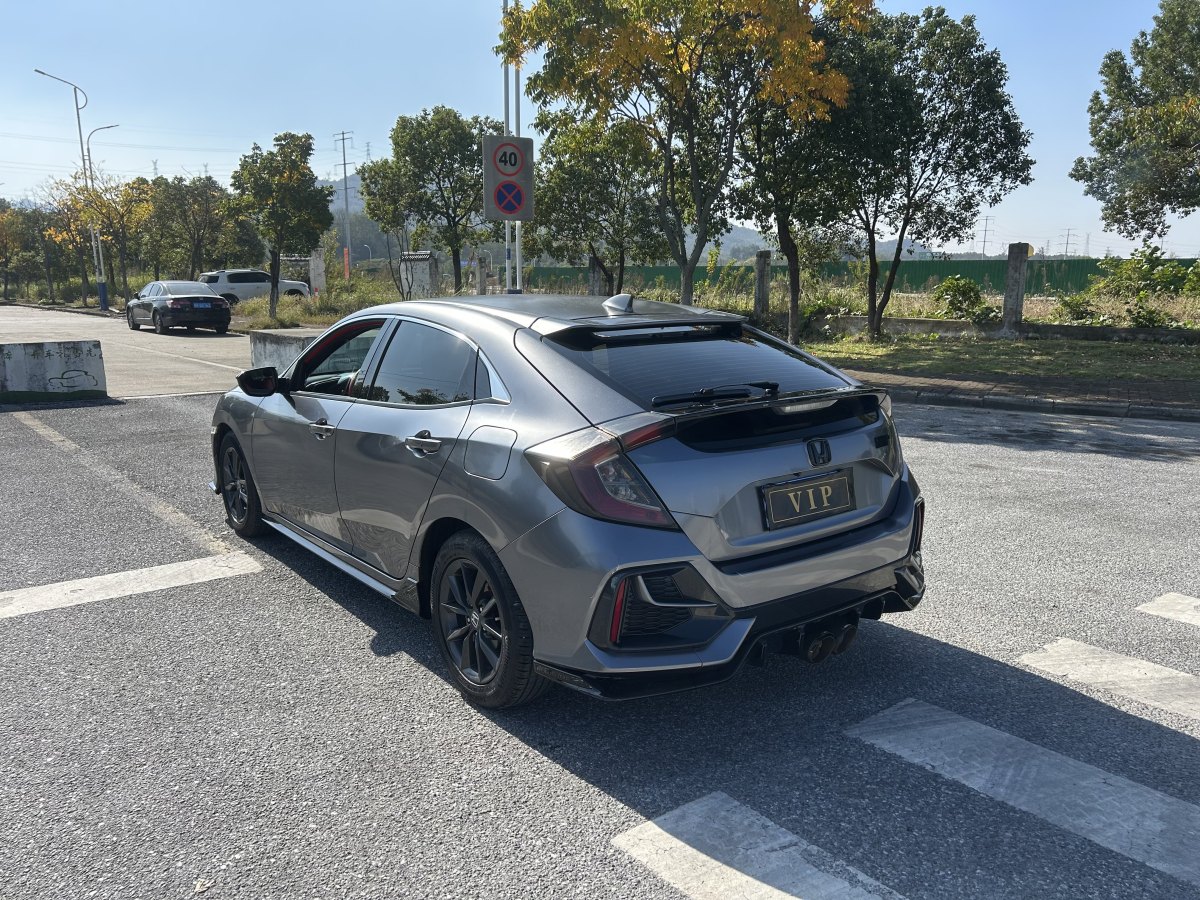
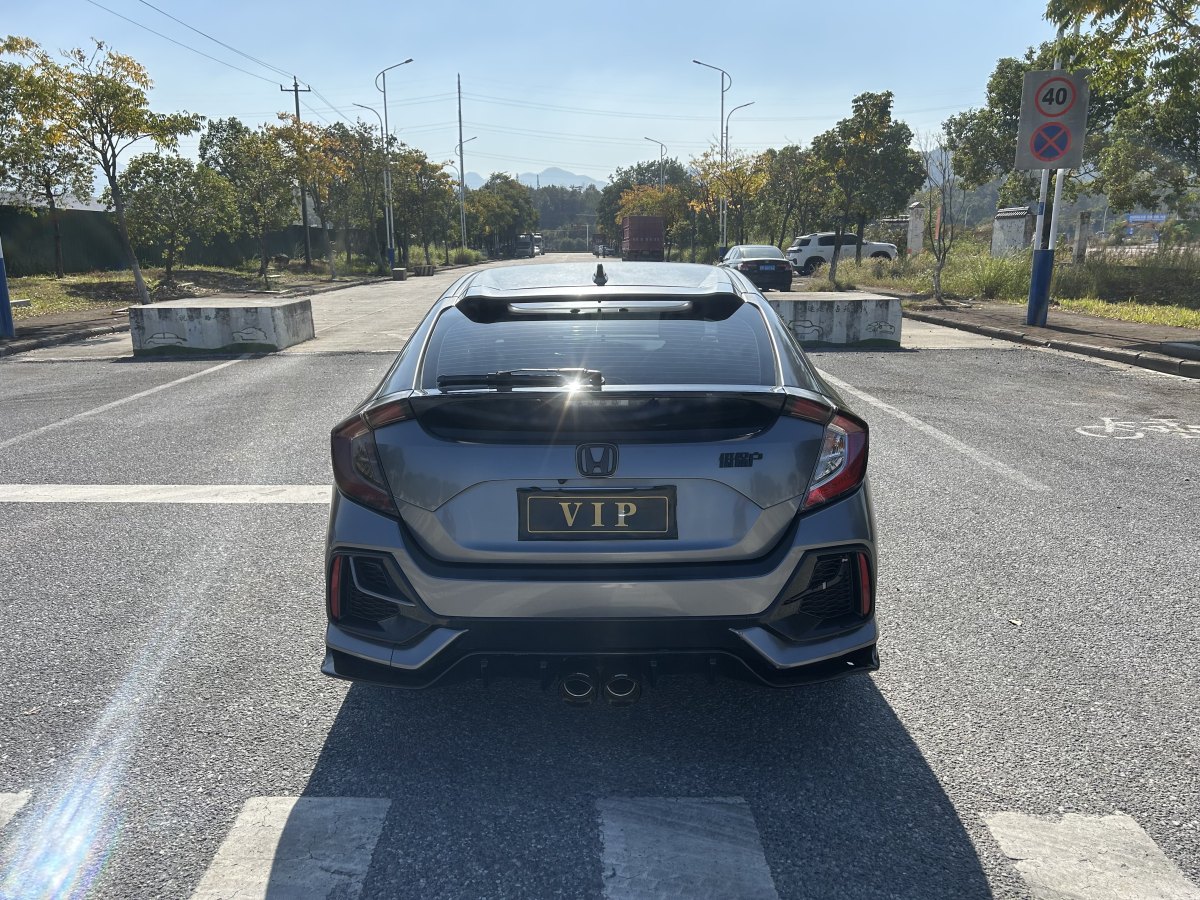
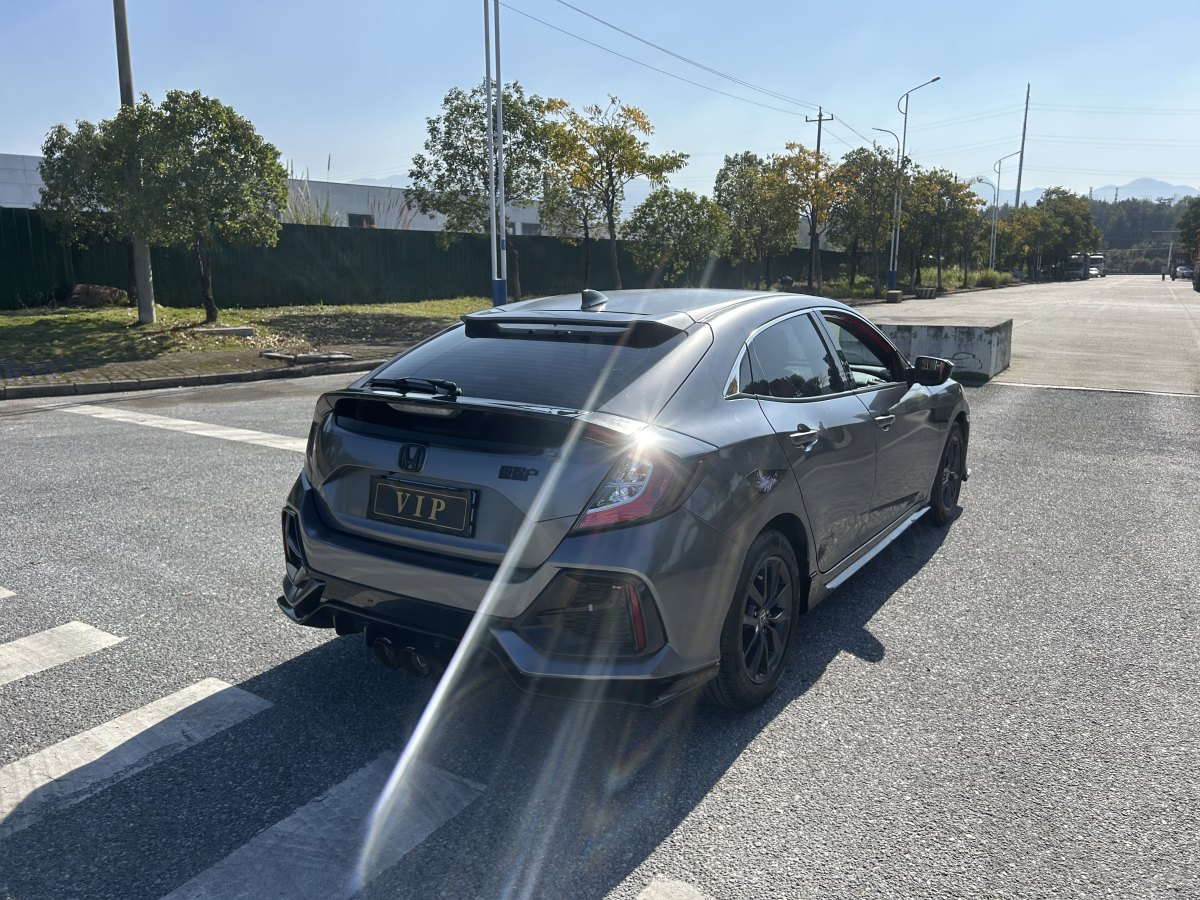
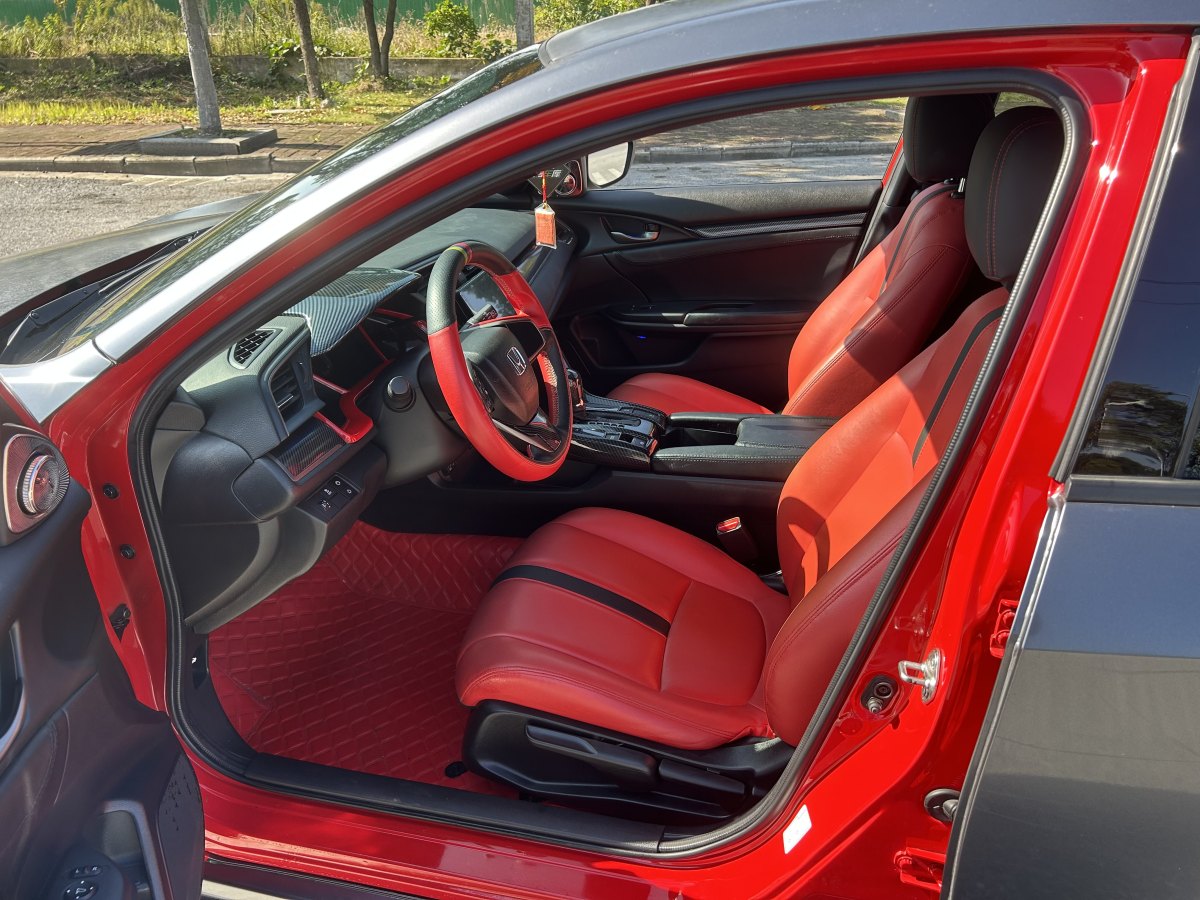
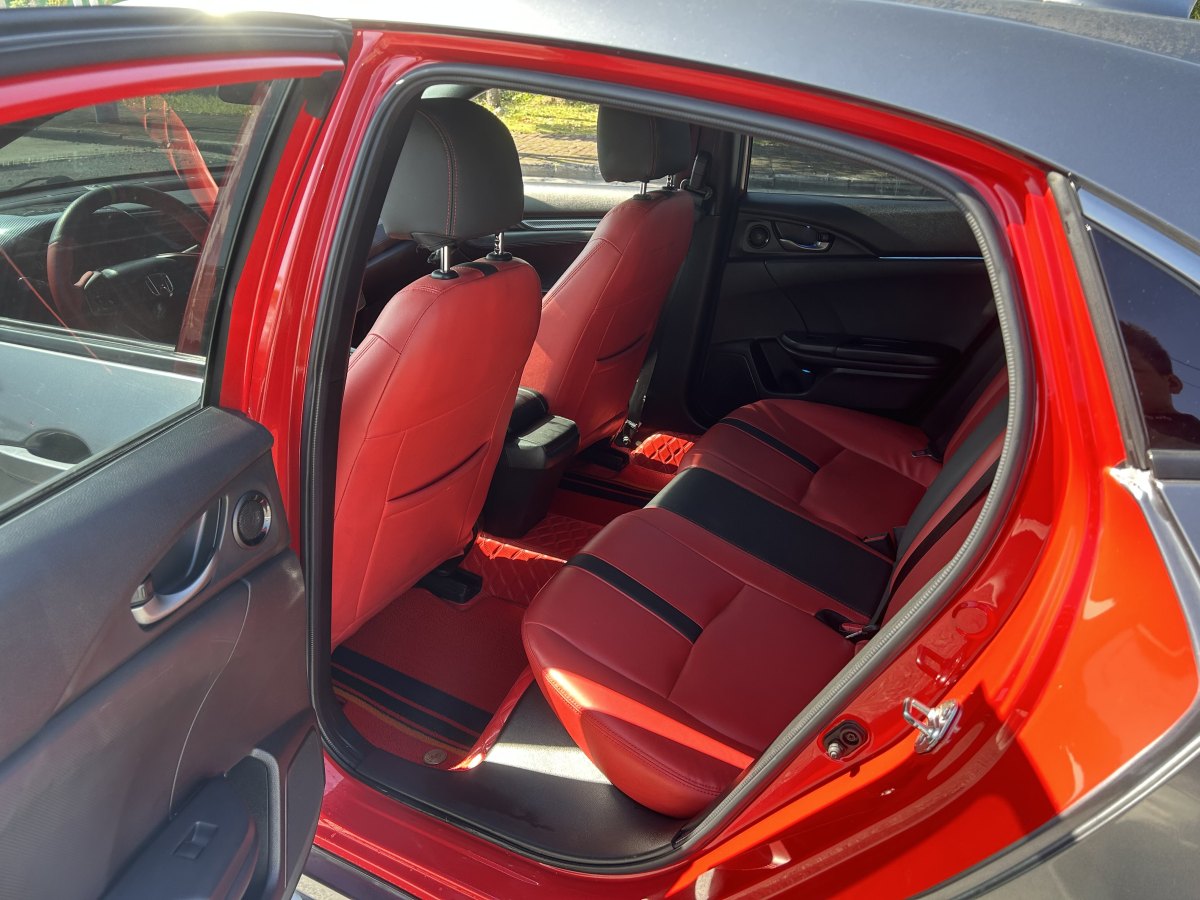
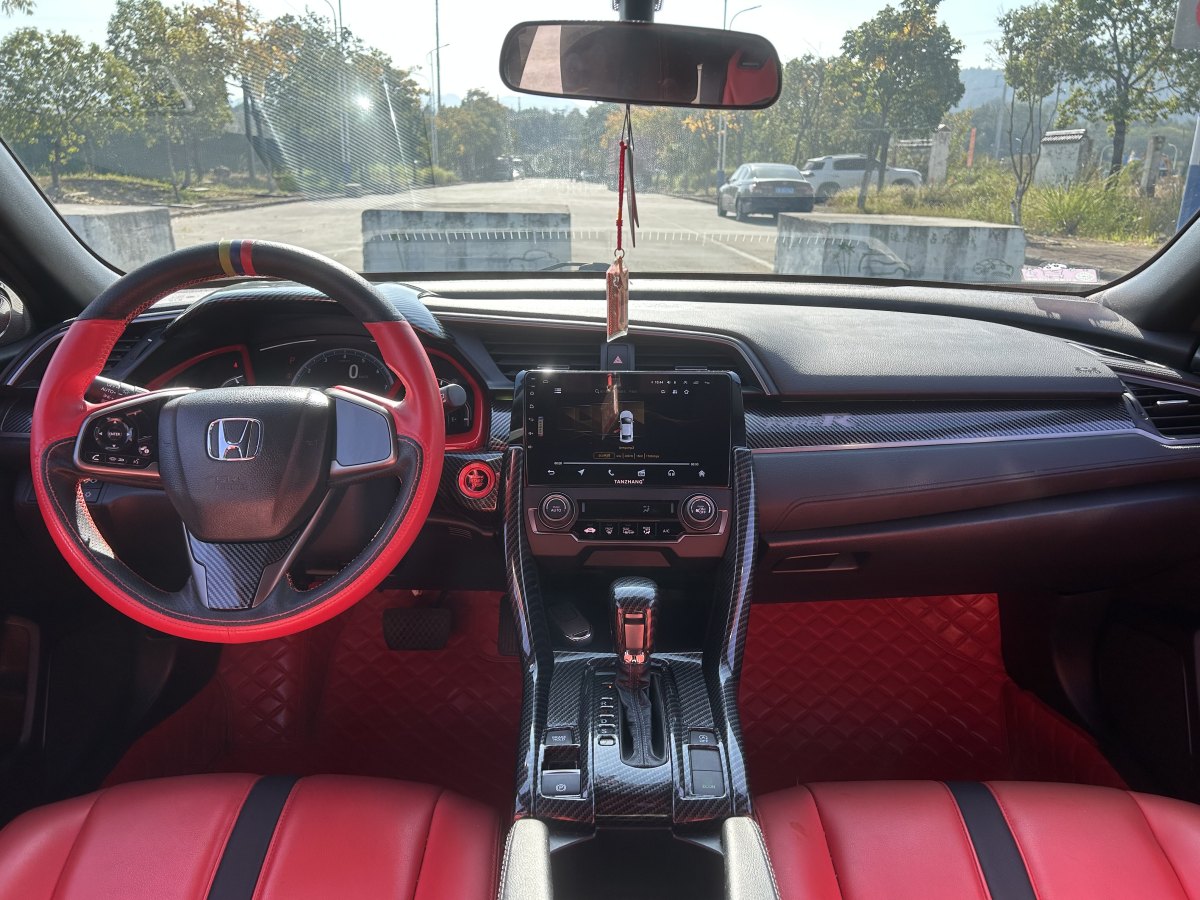
The inspector said the original owner drove the car very economically, rarely taking it on long trips except for daily commuting, and had always maintained it on time. There were no obvious signs of wear, and the car's condition was quite good. While the Civic isn't a top-selling model in the domestic compact family car market, it has an excellent reputation and is one of the models with the highest resale value. A crucial requirement for family cars is good comfort, and the Civic perfectly embodies this, prioritizing driving comfort. It's a good choice for families with children and elderly members. The owner said he was extremely satisfied with the Civic's fuel efficiency and reliability; the interior is very beautiful, the double-layered dashboard design is aesthetically pleasing, and it provides a strong visual impact while driving. The center console is angled towards the driver's seat, making it convenient to operate and allowing for effortless driving.

本田
思域
自动档
红色
国六
5-10万公里

Q&A

More

How to assess wind noise and aging of sealing strips for coupe models with frameless doors at high speeds?

The lifespan of rubber sealing strips for frameless doors is usually only 4-5 years. We carefully press the sealing strip at the edge of the roof to check for loss of elasticity and use a high-pressure water gun to wash the seams of the windows to check for direct water leakage due to aging.

Can the three electric systems (battery, motor, electronic control) of Chinese EVs be repaired by third parties overseas?

Currently, in most developing countries, there is a severe lack of deep repair capabilities for the three electric systems. We recommend that B2B car dealers must have basic electrical insulation testing capabilities.

Why are the shipping costs for used electric vehicles (EVs) usually higher than for internal combustion engine vehicles (ICEs)?

Pure electric vehicles are classified as Class 9 Dangerous Goods due to their large lithium batteries, leading to strict shipping regulations. Shipping companies have high requirements for the loading position and fire isolation measures for dangerous goods, and some roll-on/roll-off ships refuse to accept used EVs. As a result, EVs often require more expensive special container shipping and incur additional handling fees for hazardous materials.