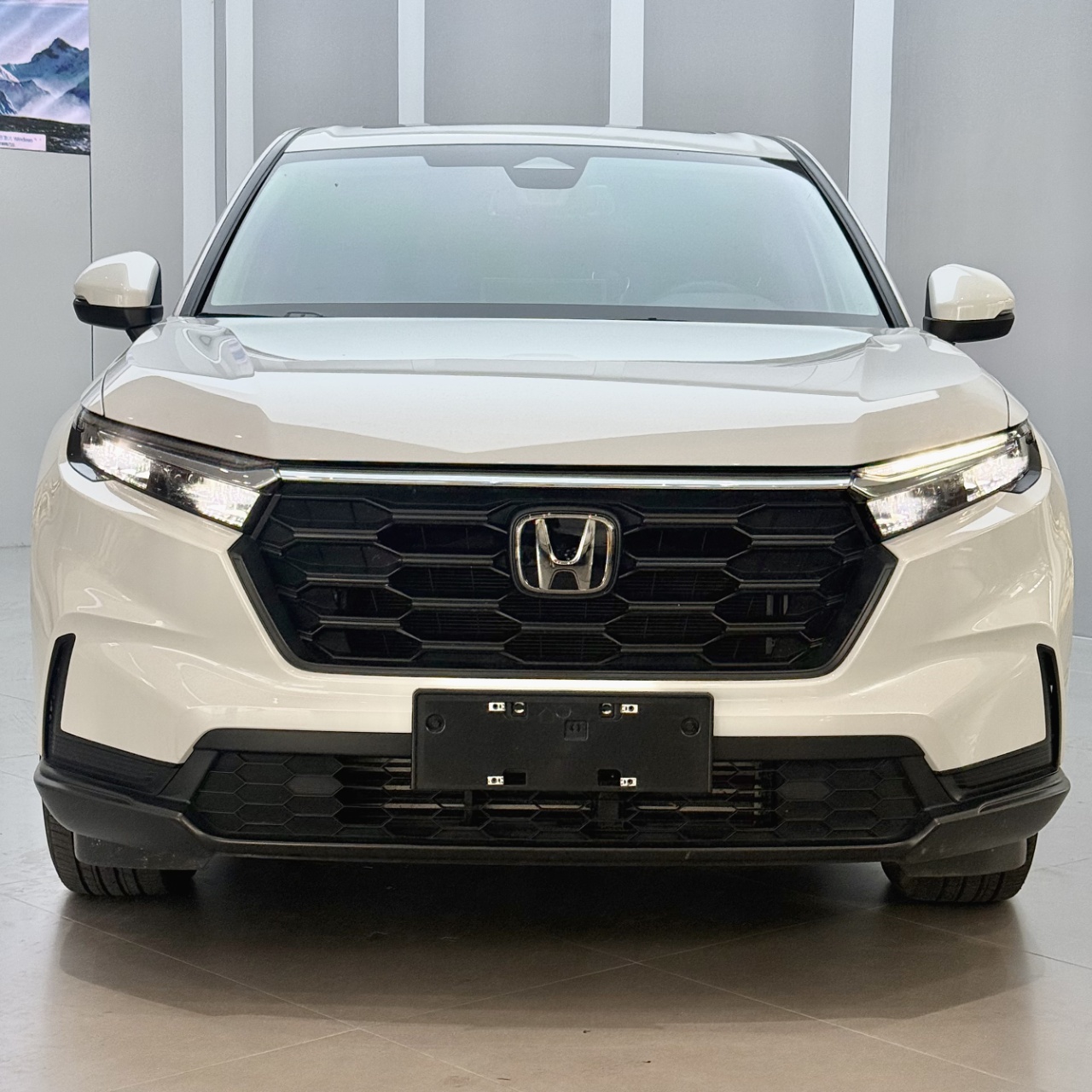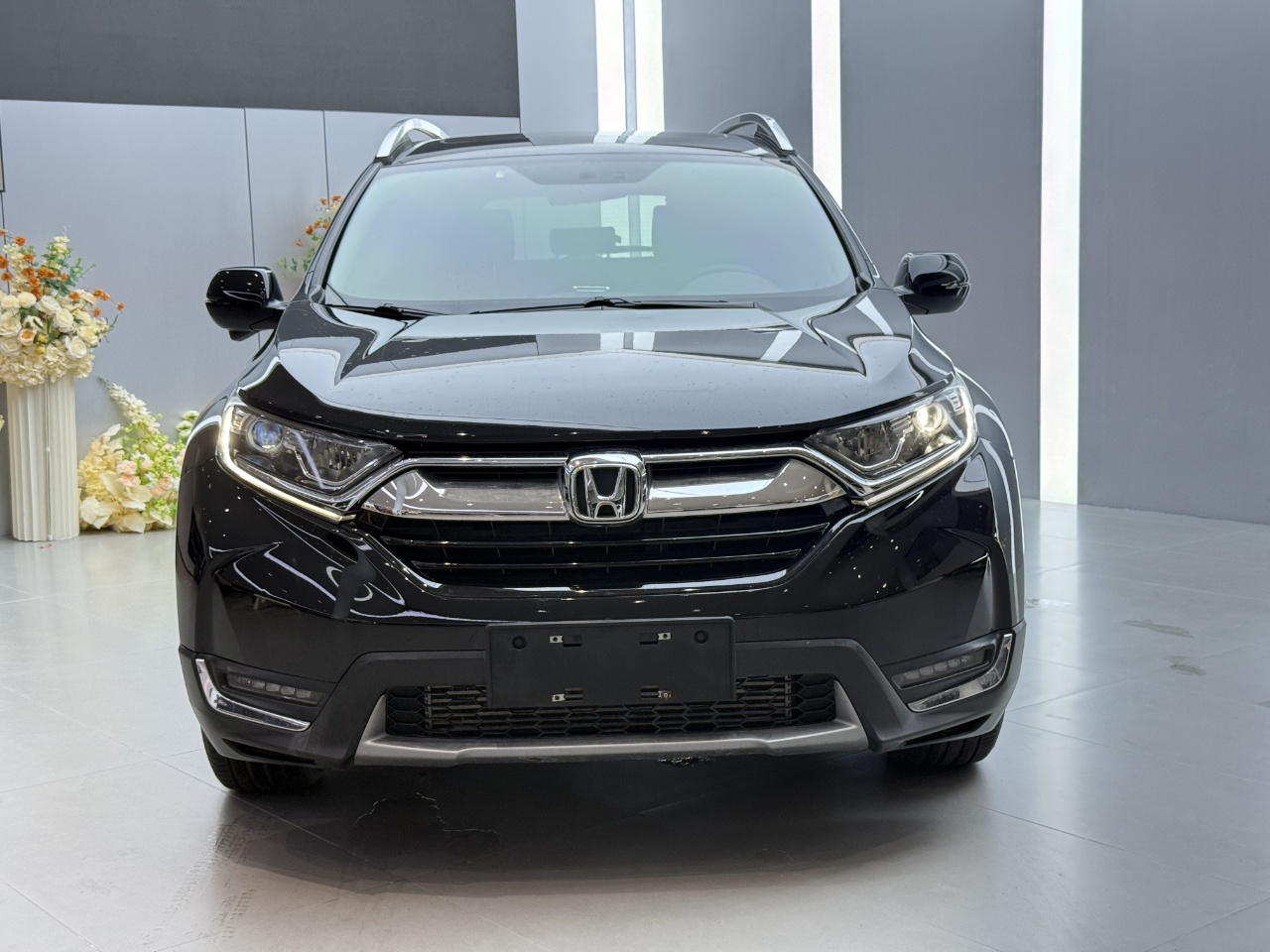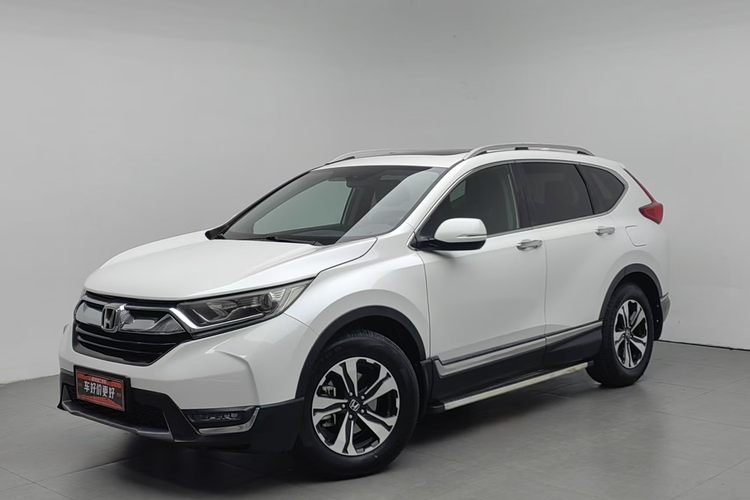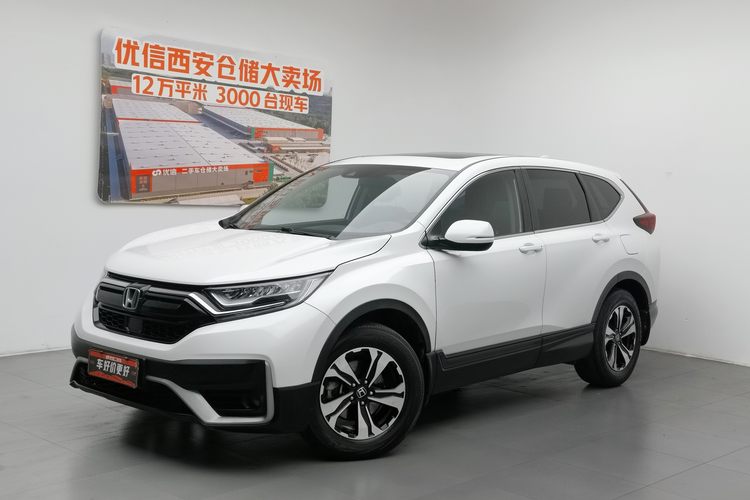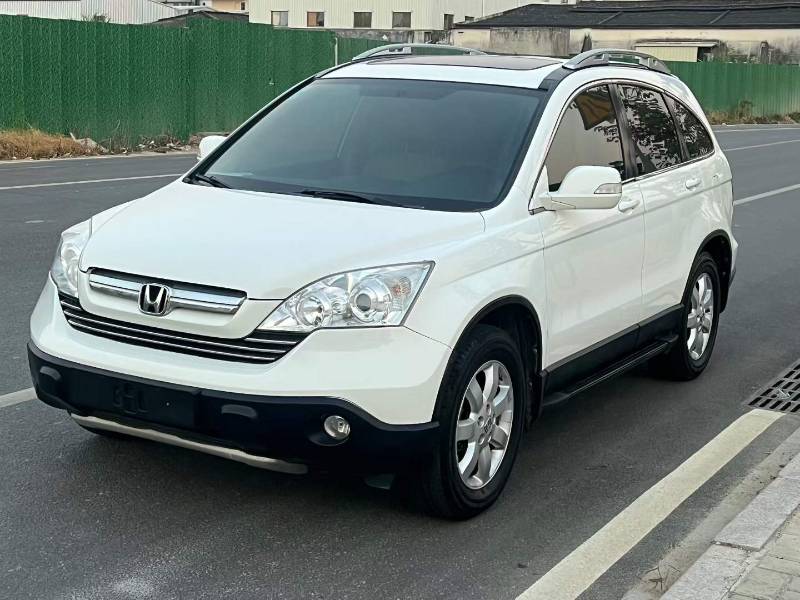
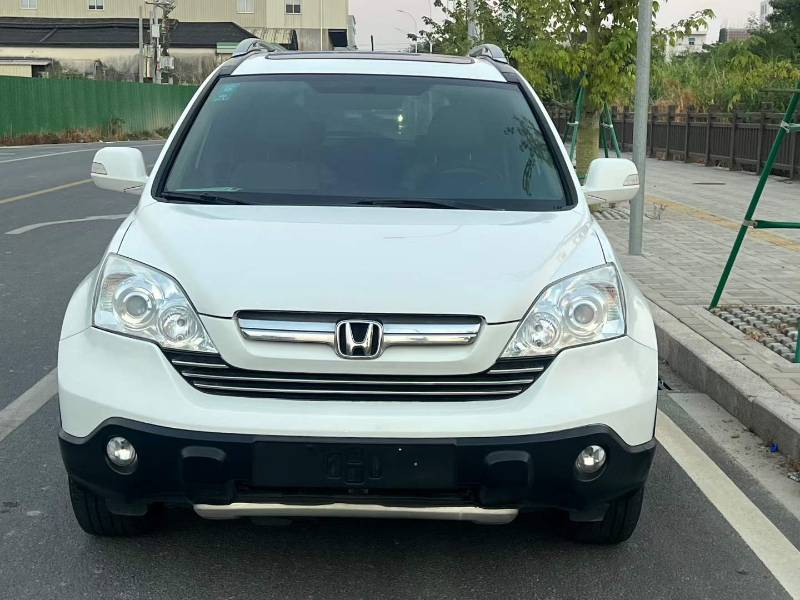
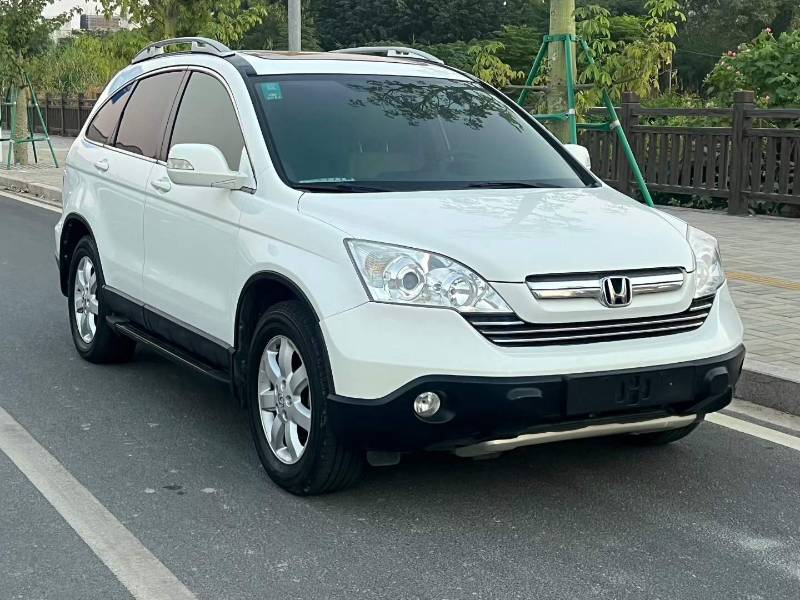
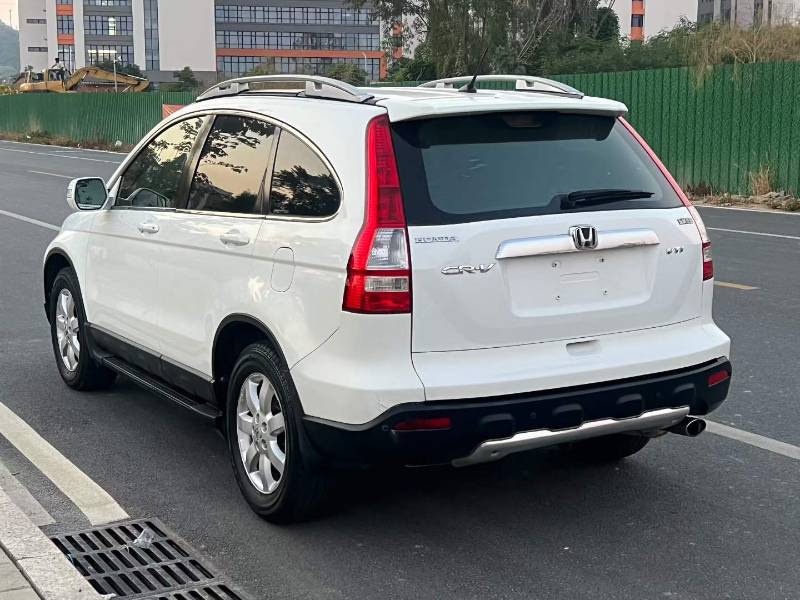
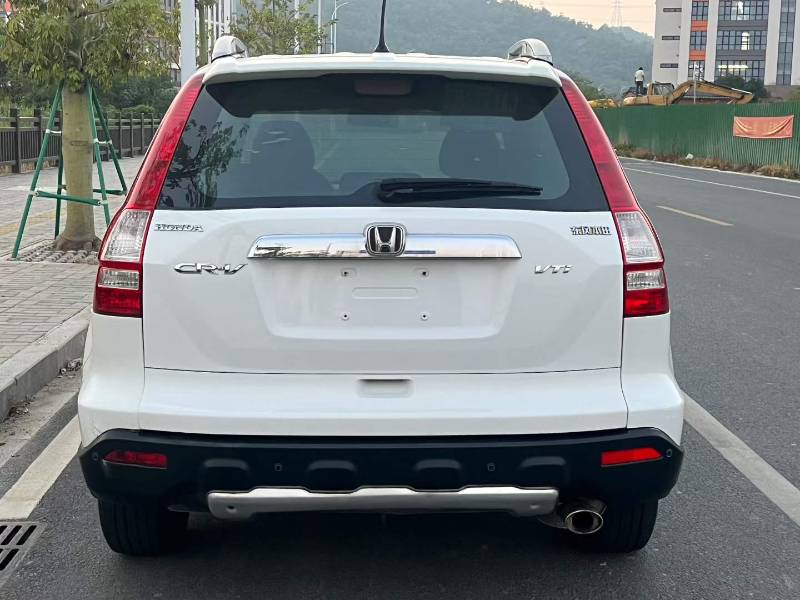
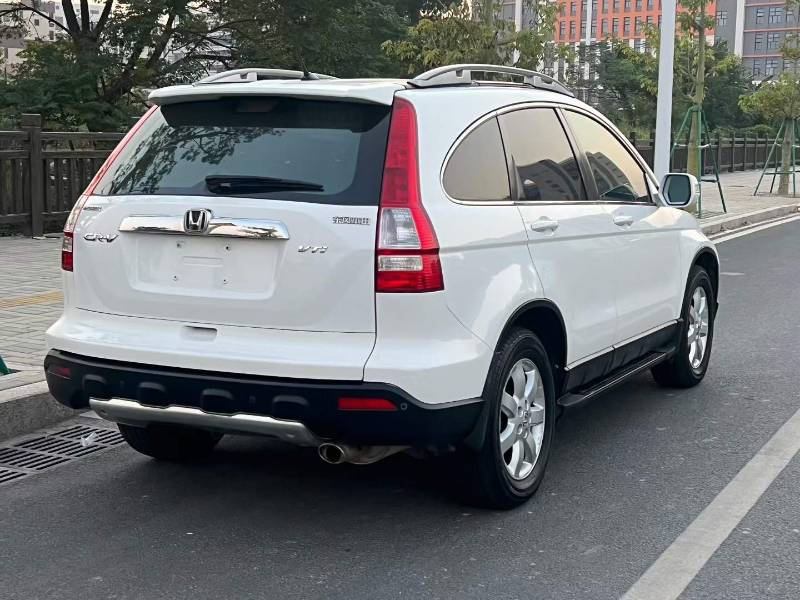
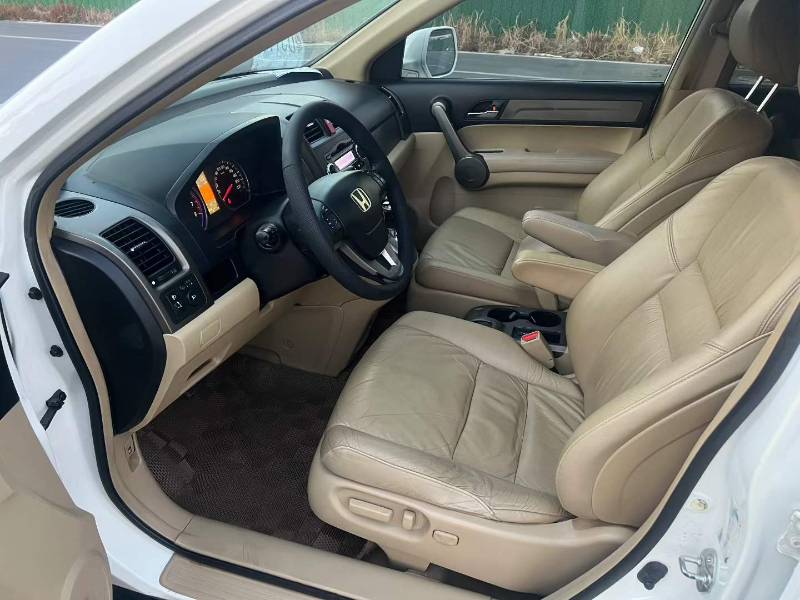
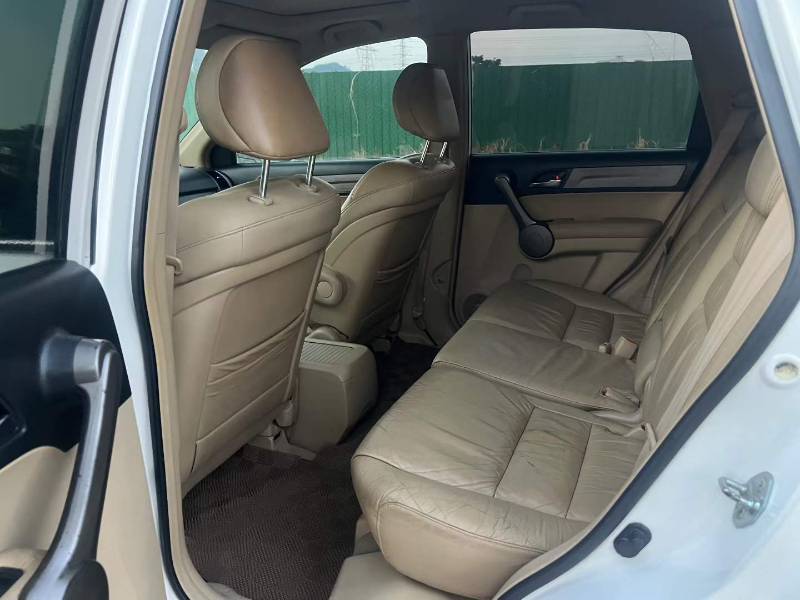
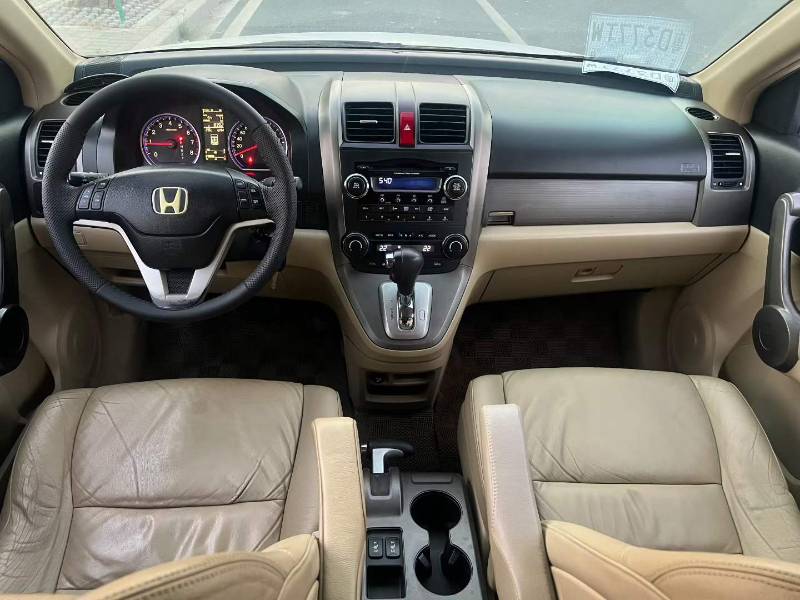
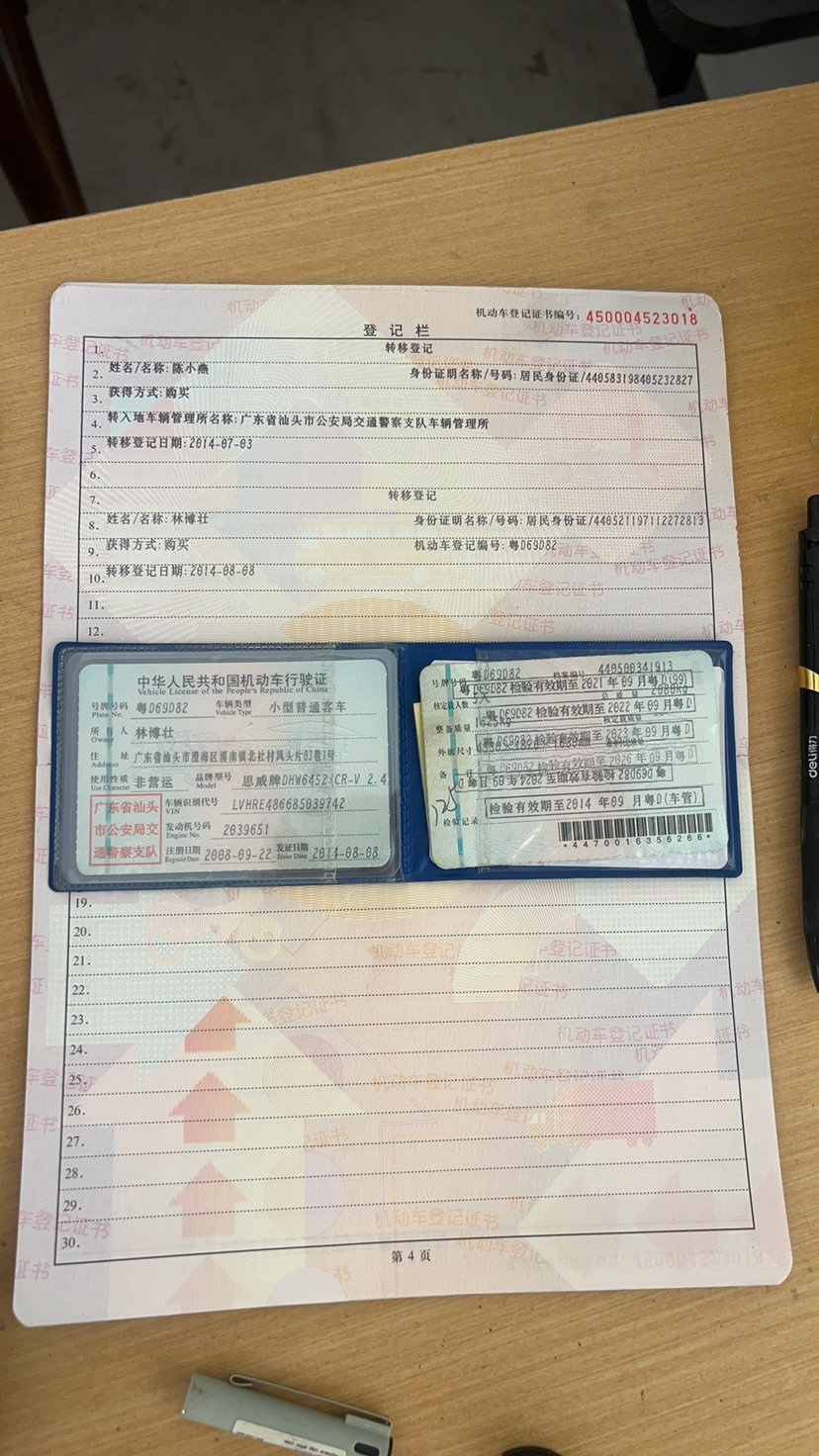



Basic Information

BrandHonda
SeriesCR-V
Year2008
First Registration2008/09
Mileage152,000km
Transfer Count1times
FuelGasoline
TransmissionAutomatic
Engine2.4L 170 L4
ColorWhite
Seats-

Condition Description

September 2008, 150,000 km, original condition.

燃油车
SUV
自动
维保开放
事故开放
查验开放

Configuration Highlights

✓品牌: 本田
✓车系: 本田CR-V
✓车型: 2007款 2.4L 自动四驱豪华版
✓车身类型: SUV
✓座位数: 5
✓排量: 2.4L
✓变速箱: 自动
✓能源类型: 燃油车
✓VIN: LVHRE486685039742
✓搜索关键词: 本田本田CR-V 2007款本田CR-V2.4L自动四驱豪华版

Document Information

Inspection Expiry Date2027/09
Warranty Expiry Date-
Insurance Expiry Date2027/09

Q&A

More

How do I check the battery health (SOH) of a used Chinese EV before buying?

Battery condition is the single biggest value factor in a used EV, and it can be measured — do not accept a verbal "battery is fine" without data. First, ask for a battery health certificate: brands like BYD, NIO, XPeng and Li Auto can generate an official state-of-health report from the VIN, usually within minutes at a dealer or via the brand's app. Look for SOH above 85% for a car under five years old. Second, request a charge-and-discharge test during inspection: the displayed range at 100% charge compared with the original rated range gives a practical health estimate. Third, check battery warranty status. Most Chinese brands offer 8 years or 150,000–200,000 km on the battery pack, and the remaining warranty usually transfers with the car — get this in writing. Fourth, for cars heading to hot climates, confirm the battery cooling system works; overheating is a common killer of battery life. Add a minimum SOH guarantee to your purchase contract so you have recourse if the battery underperforms.


How can I detect signs of flood or water damage inside a used car from China during a remote inspection?

Water damage is one of the most common hidden problems in used cars, and it often escapes basic photo reviews. During a live video inspection, ask the inspector to check these specific points: 1. Smell test: A musty or moldy odor inside the cabin is the first red flag. Have them open all doors, run the AC briefly, and smell the air from the vents—musty AC often indicates water in the HVAC system. 2. Under the carpets: Lift the floor mats and look for water lines, rust stains, or dampness on the carpet backing and the metal floor underneath. Sediment or silt residue is a giveaway. 3. Seat rails and bolts: Pull the seats fully forward and backward. Rust on seat rails or fresh-looking bolts suggests the seats were removed for cleaning after flooding. 4. Trunk area: Check the spare tire well and under the trunk carpet for standing water marks or rust. 5. Electronics: Test every window, seat adjustment, and the infotainment screen—water-damaged electronics behave erratically. Also request a scan report: flood cars often store history codes for multiple control modules that failed simultaneously. Cross-check the car's origin; vehicles from flood-prone southern regions deserve extra scrutiny.

If this model has a recall record in China, will you ensure that the recall has been completed before export?

We will check if the vehicle identification number (VIN) is within the official recall batch. If there are any outstanding safety recalls (such as replacing Takata airbags), we will require the original owner to assist in sending it to an official 4S shop to complete the free recall work before the vehicle is deregistered.