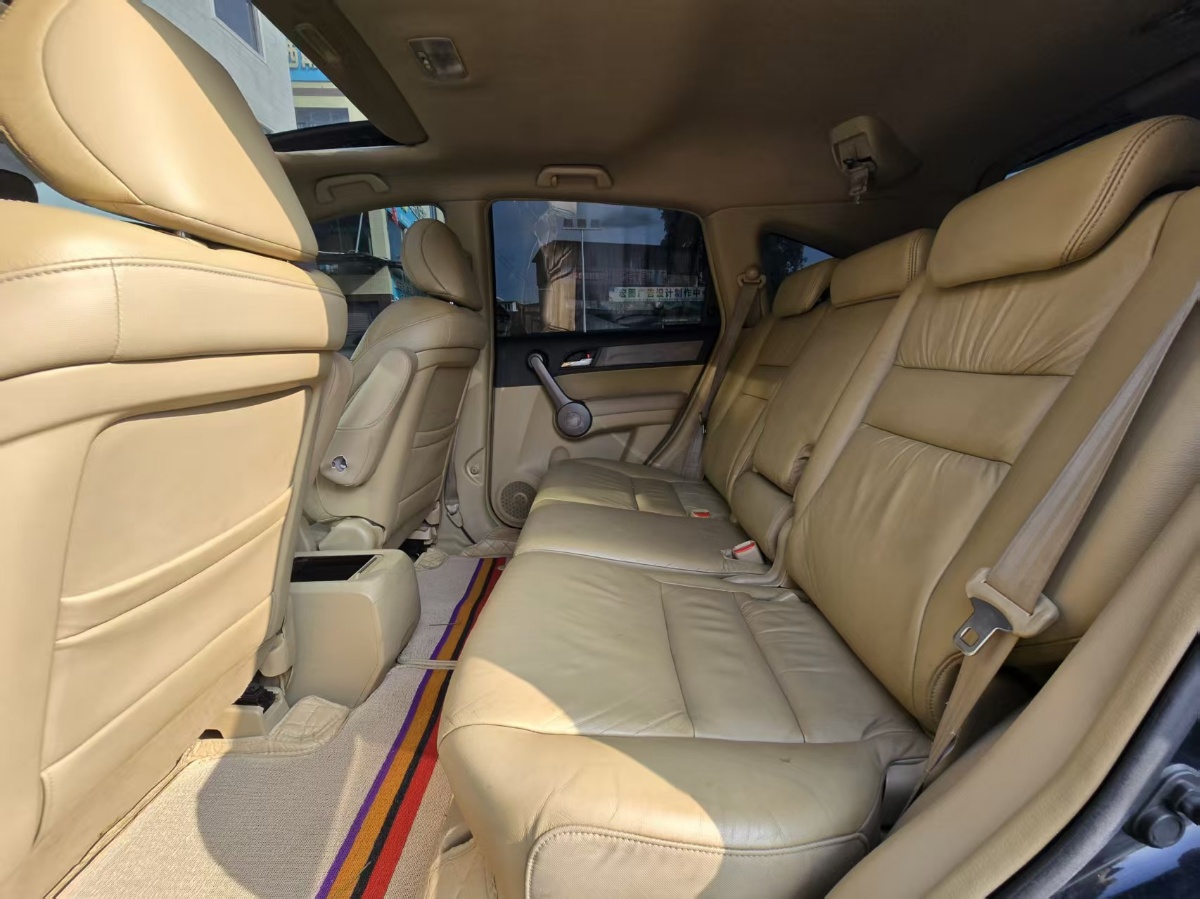
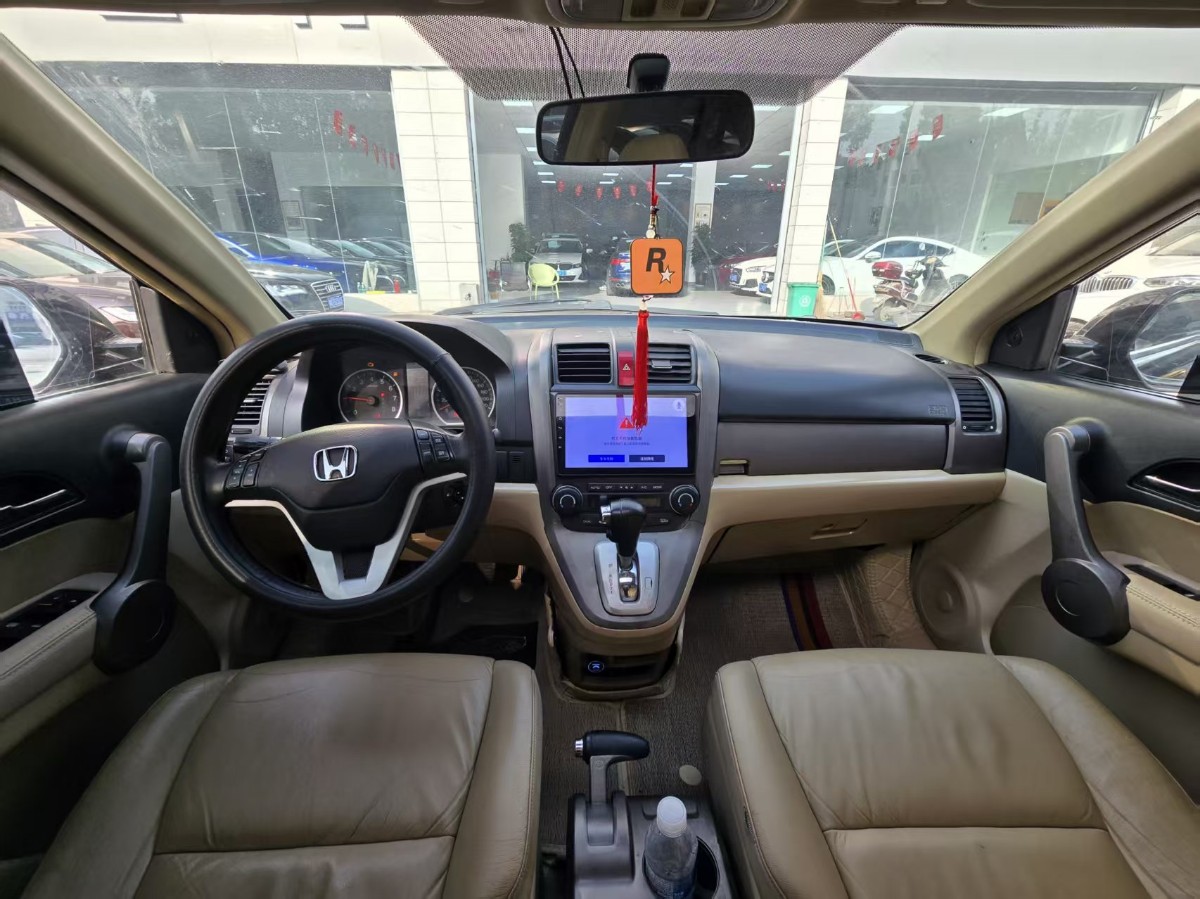
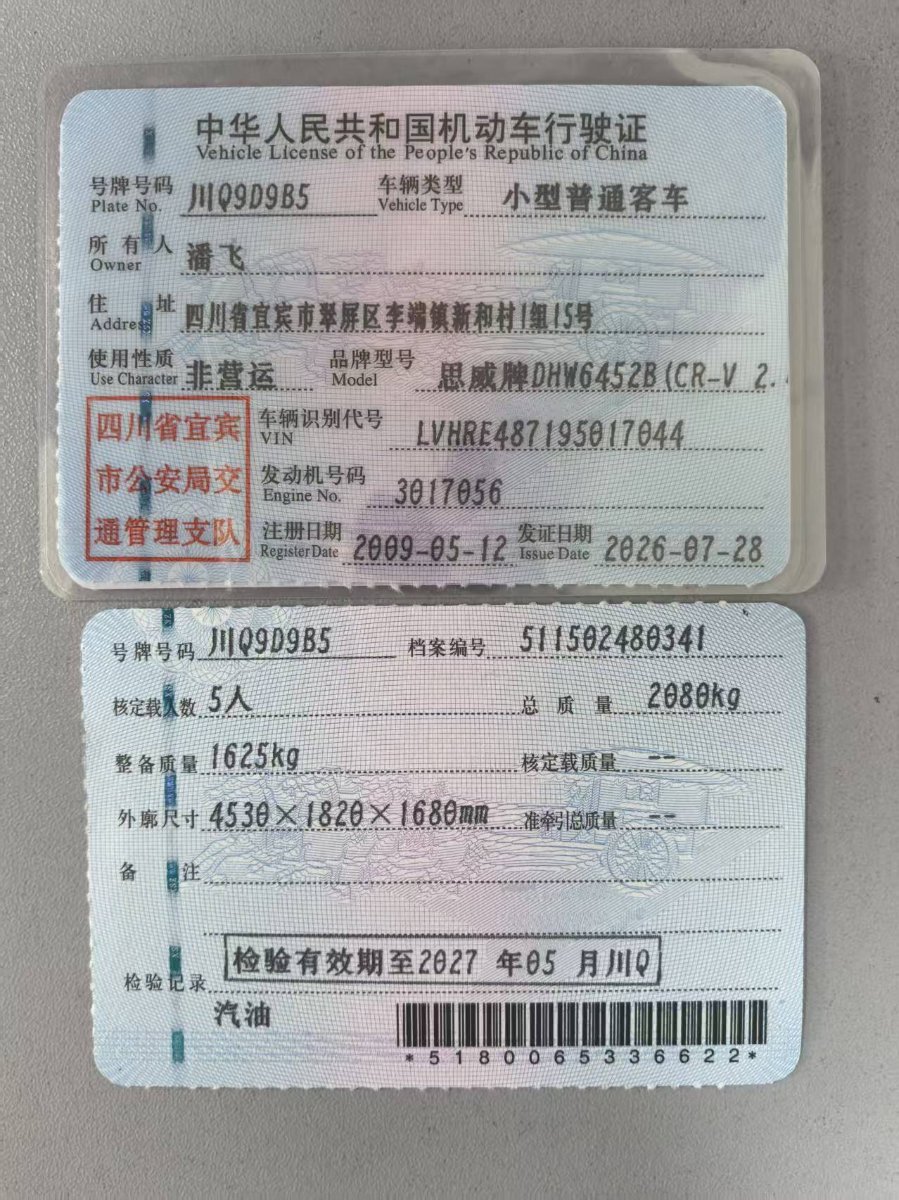



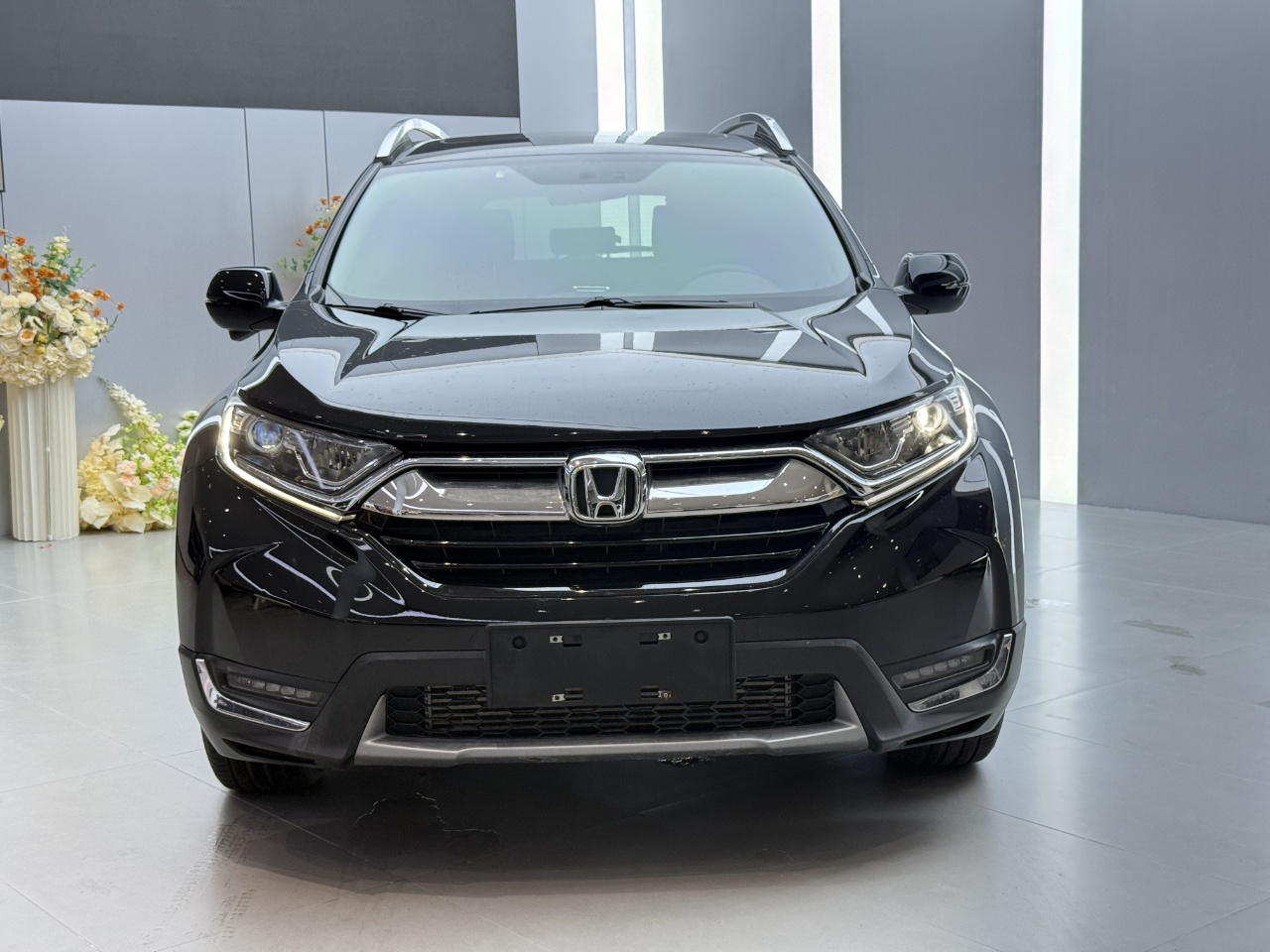
24H

Basic Information

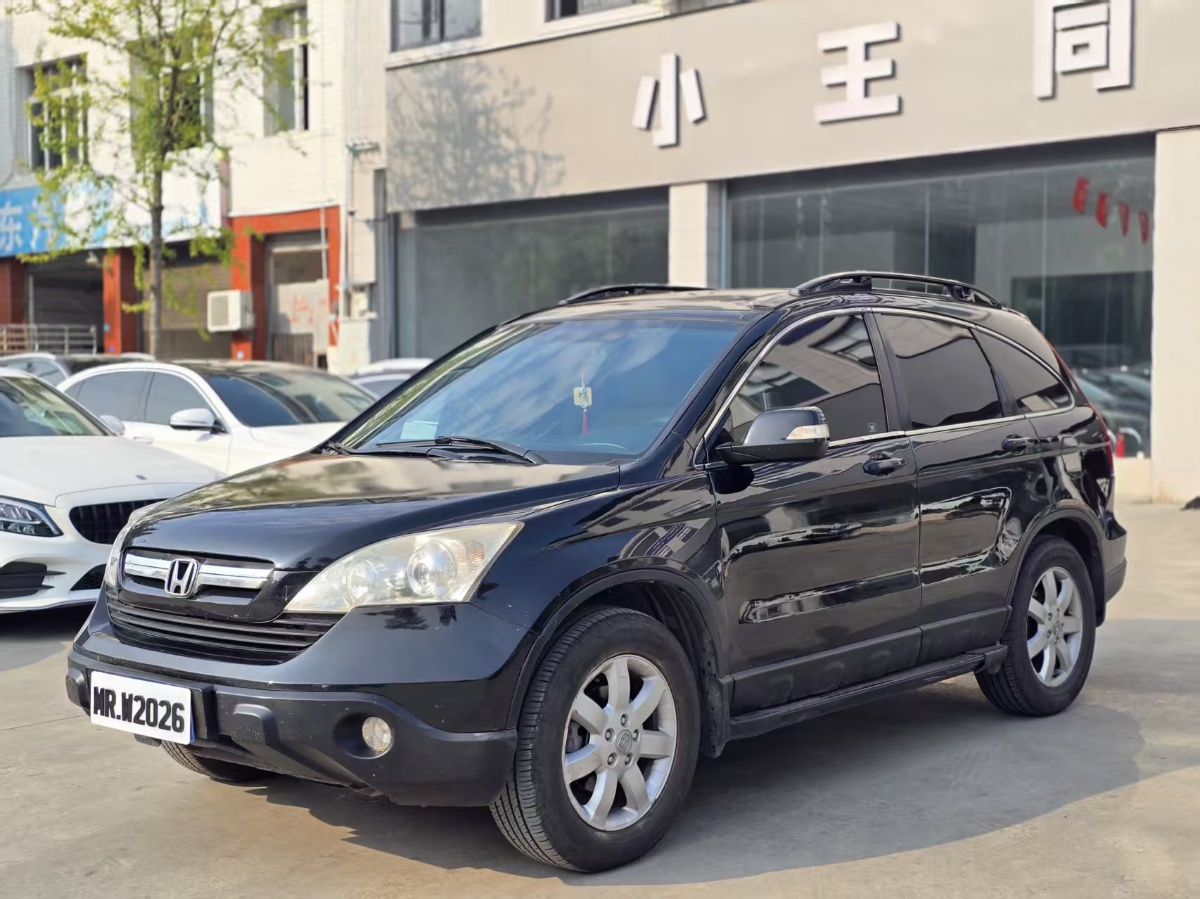
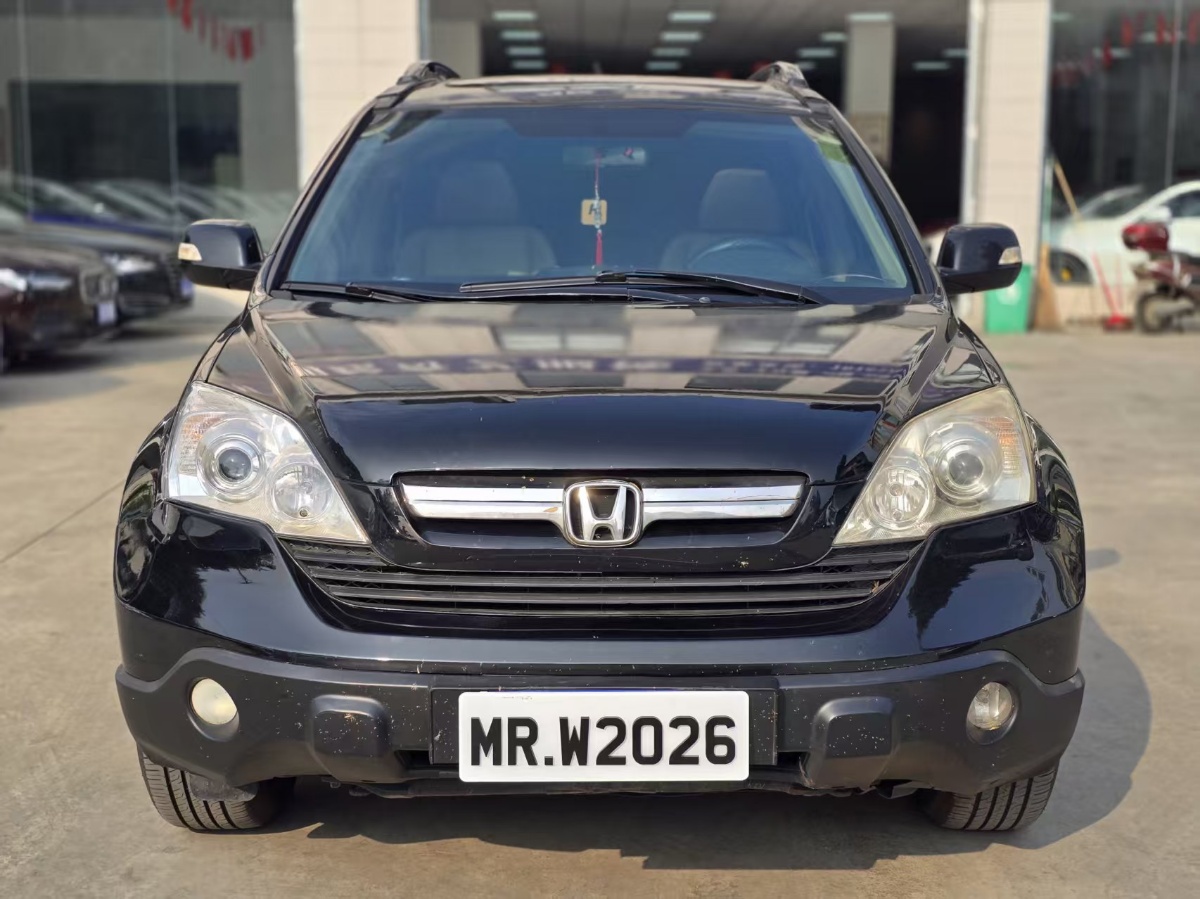
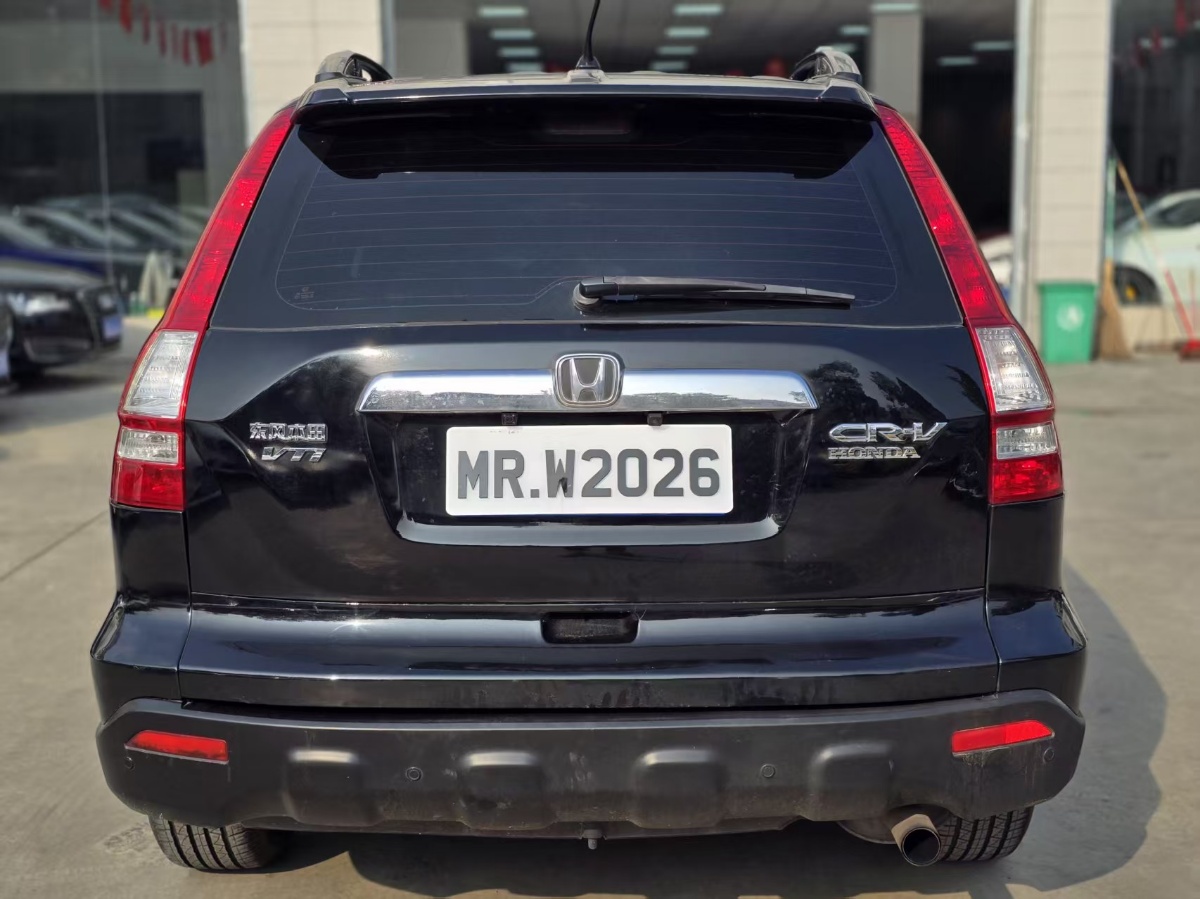
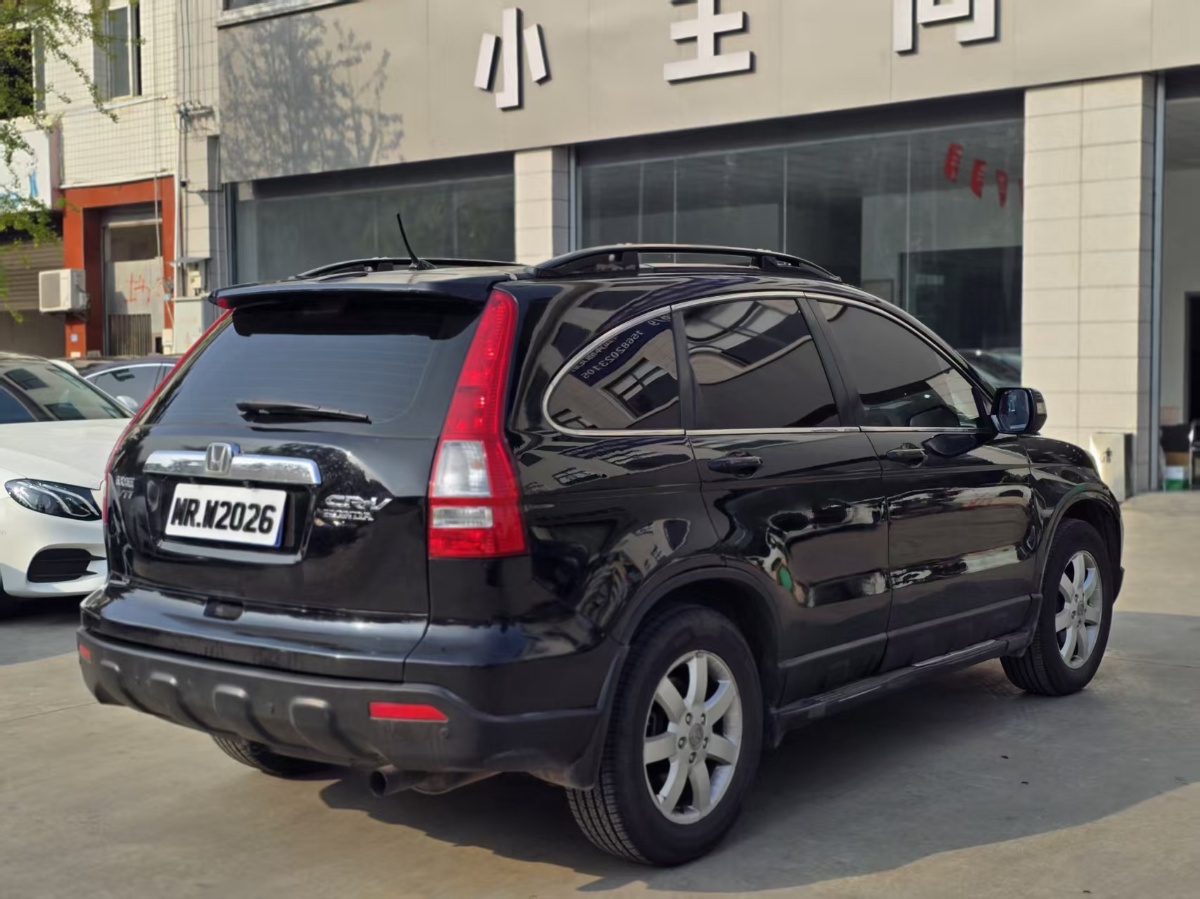
BrandHonda
SeriesCR-V
Year2009
First Registration2009/05
Mileage160,000km
Transfer Count1times
FuelGasoline
TransmissionAutomatic
Engine2.4L 170 L4
ColorBlack
Seats-

Condition Description

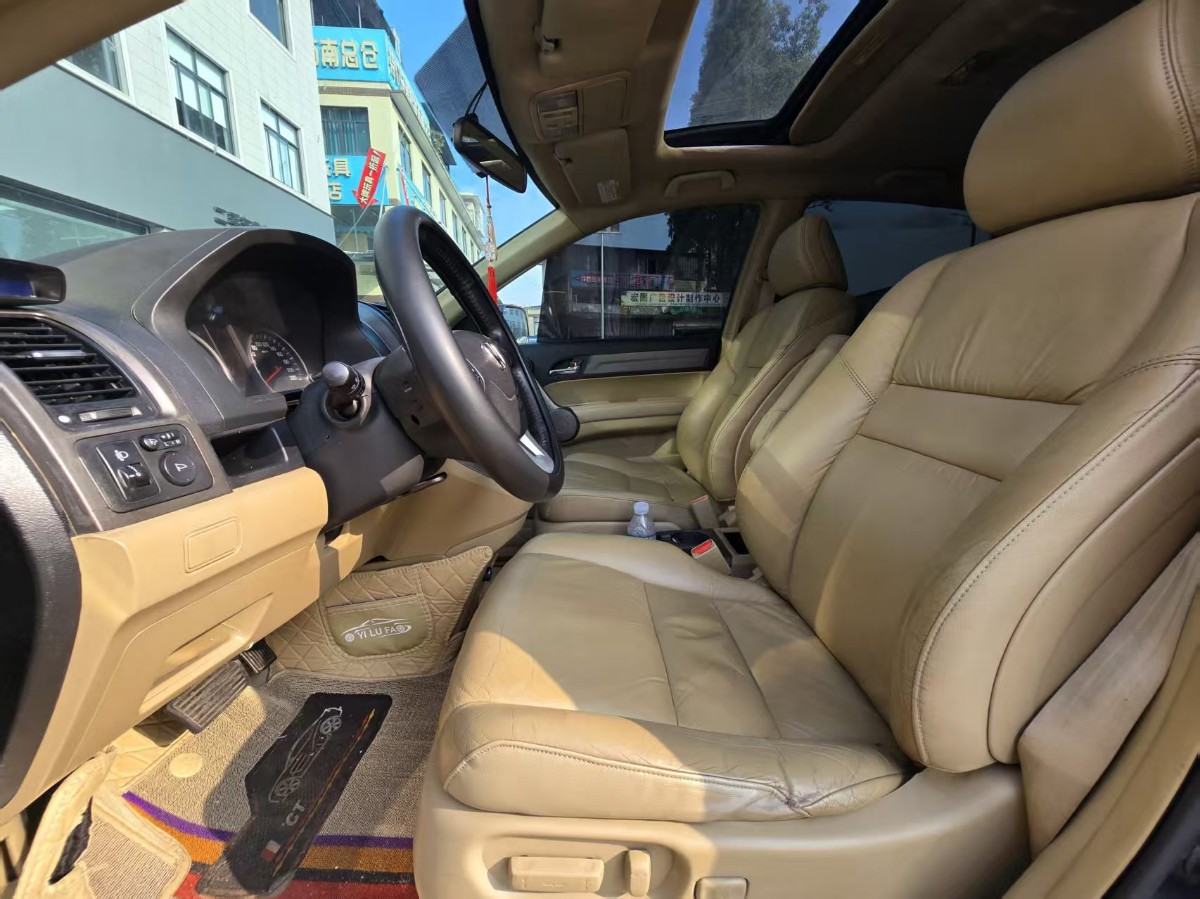
Actual odometer 160,000 km, good condition, engine and transmission in perfect condition.

燃油车
SUV
自动
维保开放
事故开放
查验开放

Configuration Highlights

✓品牌: 本田
✓车系: 本田CR-V
✓车型: 2010款 2.4L 自动四驱豪华版
✓车身类型: SUV
✓座位数: 5
✓排量: 2.4L
✓变速箱: 自动
✓能源类型: 燃油车
✓VIN: LVHRE487195017044
✓搜索关键词: 本田本田CR-V 2010款本田CR-V2.4L自动四驱豪华版

Document Information

Inspection Expiry Date2027/05
Warranty Expiry Date-
Insurance Expiry Date2027/05

Q&A

More

When buying a used Chinese EV or smart car, how do I confirm the smart features will actually work in my country?

Many connected features are tied to the car's original market. Start with the basics: the infotainment language, navigation maps and voice assistant may only support Chinese, and some systems require a local SIM or account that cannot be transferred to overseas owners. For driver-assistance systems, check whether the model relies on hardware that works without Chinese map data. Lane keeping and adaptive cruise usually work abroad, but map-dependent features like highway pilot may not. Ask the seller to test each key function on video before shipment: boot-up, touchscreen response, app connectivity and over-the-air update status. Also confirm the battery management system and motor controllers have no region locks. Get written confirmation that the features you are paying for are functional in your destination country, and keep that document with the purchase contract.
Can the e-SIM card in China's new energy vehicle system be physically removed and replaced with a local SIM card from an overseas operator?

Most new car manufacturers' e-SIMs are directly soldered onto the T-Box motherboard (surface-mounted) and cannot be removed and replaced like a phone. Unauthorized desoldering of the motherboard may cause complete communication failure in the vehicle, and we strictly prohibit this operation.

How is the degree of wear on the interior defined? (e.g., steering wheel, seat patina or cracking)

Interior assessment is divided into three core areas: the driver's high-frequency contact area (steering wheel, gear shift, edge of the driver's seat), central control button area, and rear seats and ceiling. The natural sheen of leather surfaces (patina) is normal; however, any physical damage (such as leather tearing, fabric burn holes, or plastic breakage) will be classified as "structural interior damage" and clearly marked.