Basic Information

BrandHonda
SeriesCR-V
Year2011
First Registration2011/01
Mileage303,200km
Transfer Count-
FuelGasoline
TransmissionAutomatic
Engine2.4L 170 L4
ColorGrey
Seats-

Condition Description

Localized body damage or repair marks present. No accident damage or repair to structural or reinforcement components. Vehicle performance (including three-electric system) has degraded or is limited.

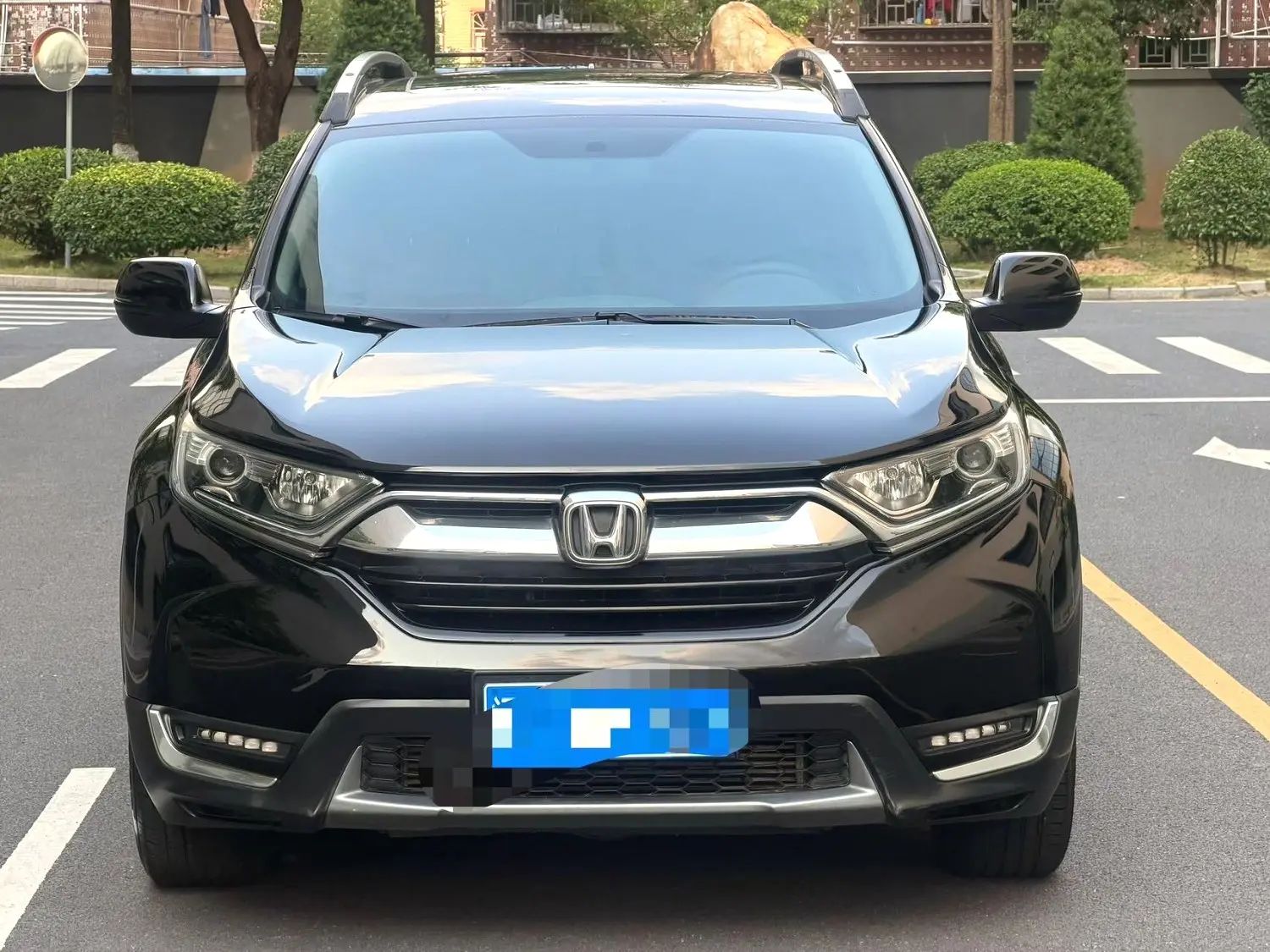
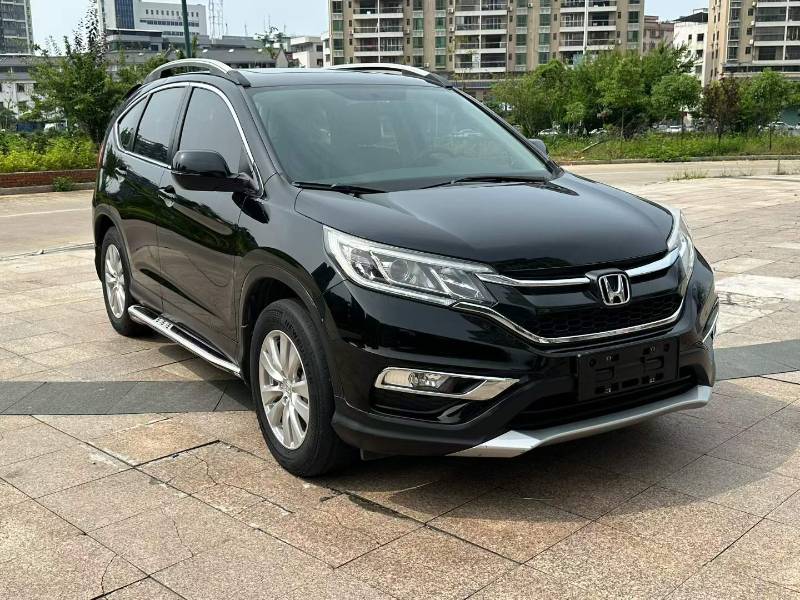
Accident inspection: main structure damaged, reinforcement parts damaged, cover panels undamaged, hinges normal. Engine bay: key mechanical components normal. Exterior: 1 replaced part, 7 panel repairs, 3 paint jobs. Interior: right front door panel broken, left front door panel broken, right front seat broken, left front seat broken, modified interior (other). Lighting system abnormal, most features normal, airbags normal. Start-up test: main components normal. Tools: none.

电话直连
可讲价
平台物流
零过户
新检测标准升级>
非泡水

Document Information

Inspection Expiry Date2027/01
Warranty Expiry Date-
Insurance Expiry Date2026/12

Q&A

More

Can B2B buyers request to see copies/translations of all original historical records for an entire batch of vehicles?

Yes. For bulk purchases, we can organize and package the core historical records (transfer records, maintenance summaries) for each vehicle. If an English version is needed, we can provide a basic machine translation reference, and human translation assistance for key technical terms.


How can I judge the real condition of the tires and suspension of a used Chinese car from photos and video?

Photos and video can reveal a lot if you know what to ask for. Tires: ask for close-ups of all four tire sidewalls showing the DOT date code—the last four digits are the week and year of manufacture. Tires older than 5-6 years should be replaced or discounted, even with good tread. Uneven wear (more worn on one edge or one side) suggests alignment or suspension problems. Suspension: ask the seller to shoot a short video while slowly driving over a speed bump or rough pavement, and listen for clunks and rattles. During the walkaround, look at the ride height: if one corner sits lower, a shock absorber may be worn. Also check for fresh underbody paint or brand-new shocks on an otherwise original car—this can hide accident damage. For anything uncertain, a paid pre-purchase inspection at a local shop is worth the cost.

When buying a used Chinese EV, how do I read the battery health (SOH) report, and what percentage is still acceptable for import?

State of Health (SOH) tells you how much of the original battery capacity remains. Here's how to use it. Reading the report: SOH is usually shown as a percentage of original capacity. A car at 90% SOH retains roughly 90% of its original range. Also check for cell imbalance (voltage spread between modules)—a low SOH with balanced cells is often fine, but high imbalance causes sudden range drops and charging problems. Acceptable thresholds: for a car under 3 years old, expect 90%+ SOH. For 3-5 years, 85-90% is normal. Below 80% SOH, the battery may soon need replacement—replacement costs can exceed the car's value, so negotiate hard or walk away. How to verify: don't trust a screenshot. Ask for a live screen recording of the diagnostic app (like the brand's official tool) starting from the car's VIN page. Cross-check the fast-charging curve: a healthy battery charges at near-peak rate up to 60-70%; a degraded one tapers early. Finally, remember that hot climates degrade batteries faster—if the car spent its life in southern China, scrutinize SOH more carefully.