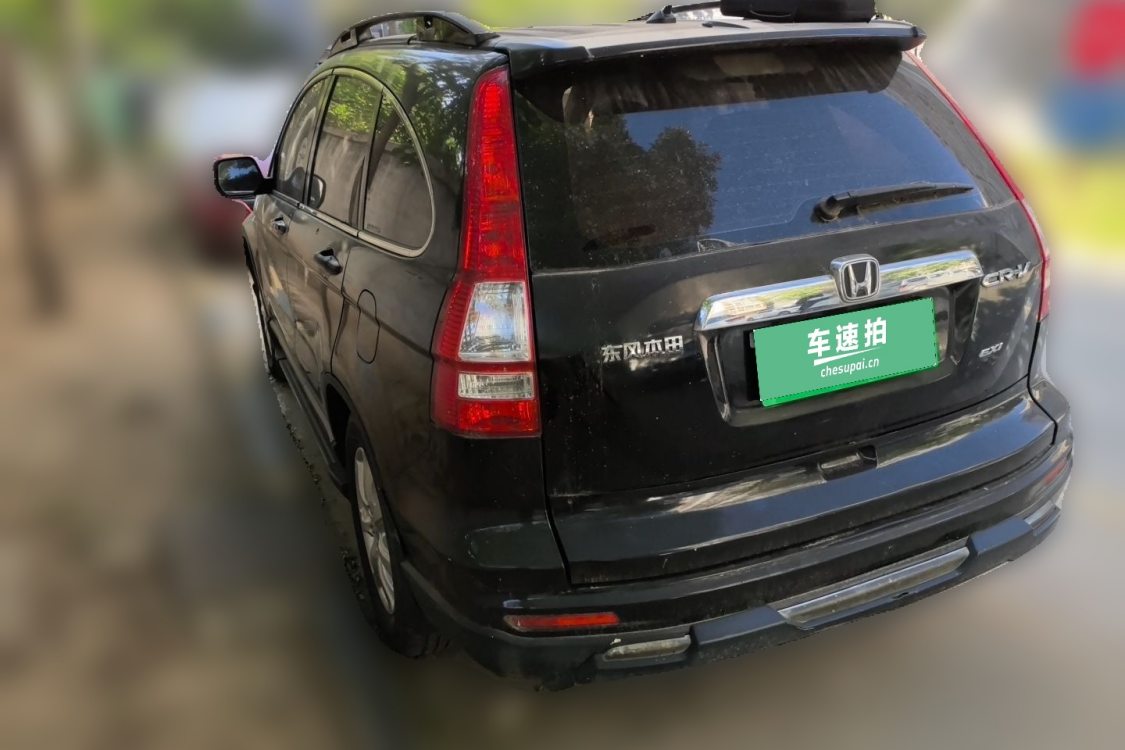
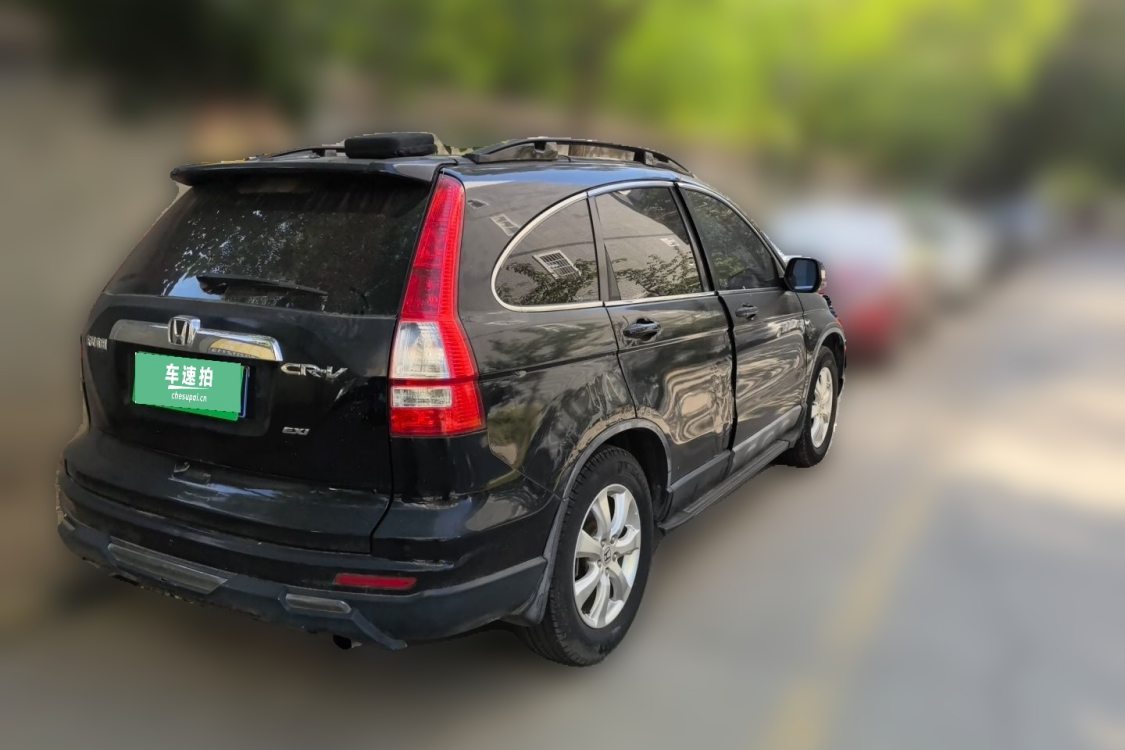
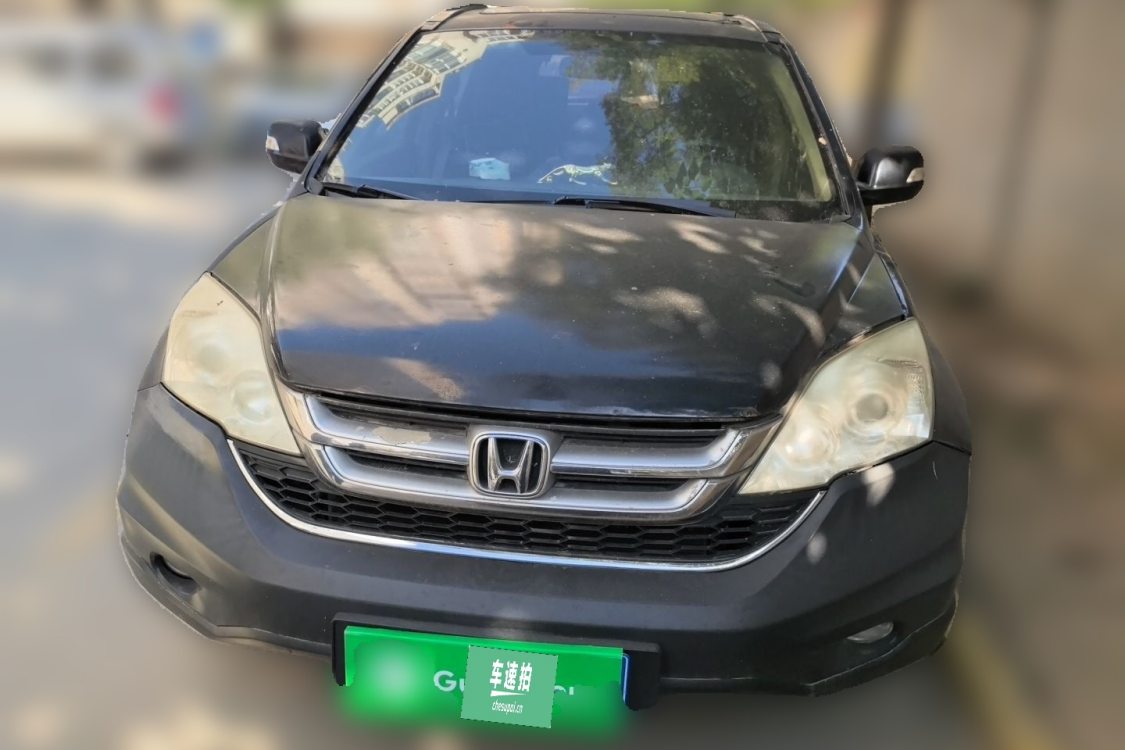
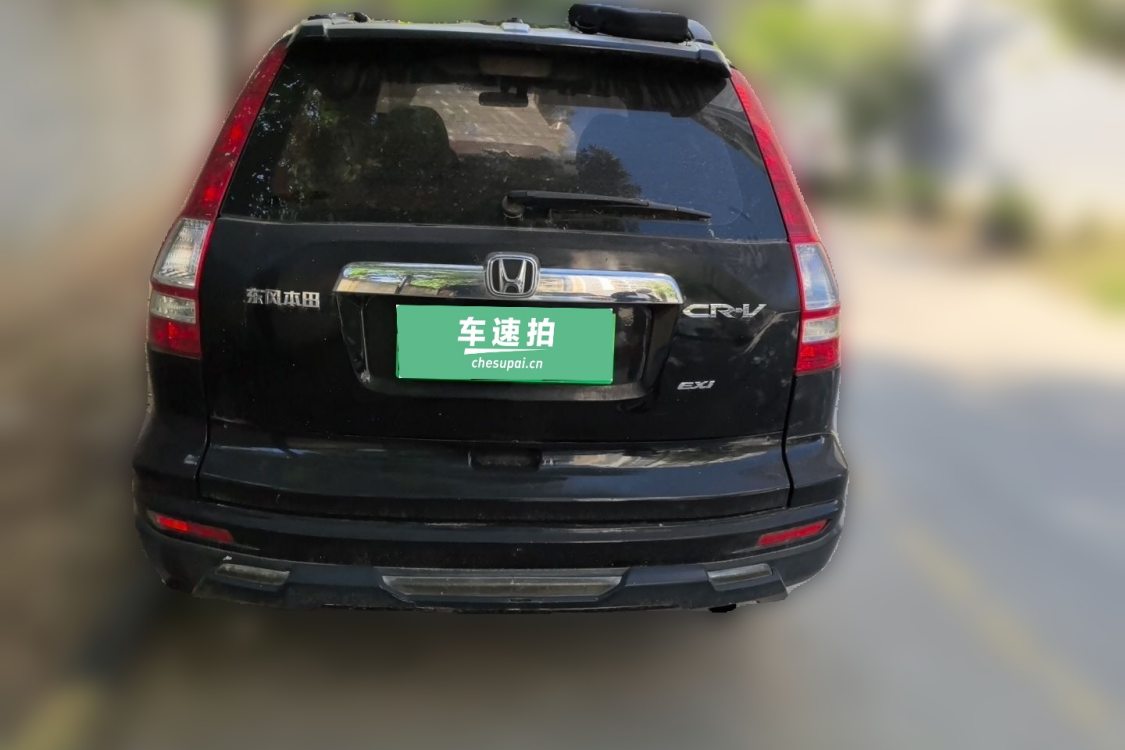



24H

Basic Information

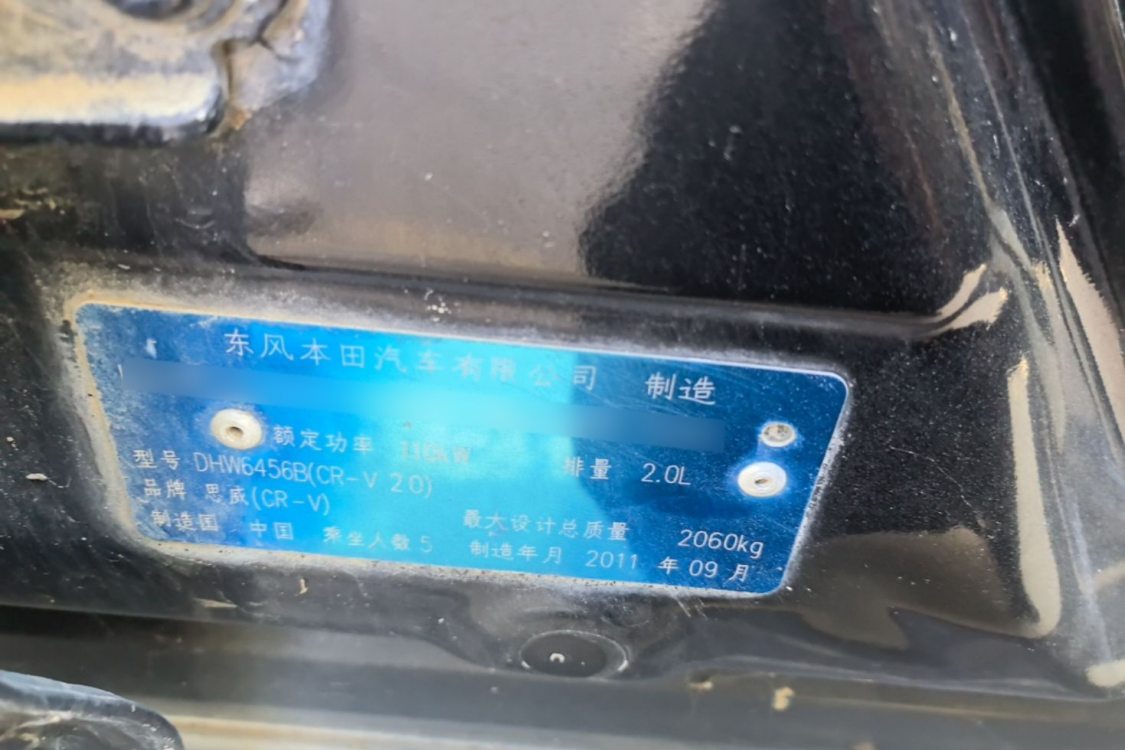
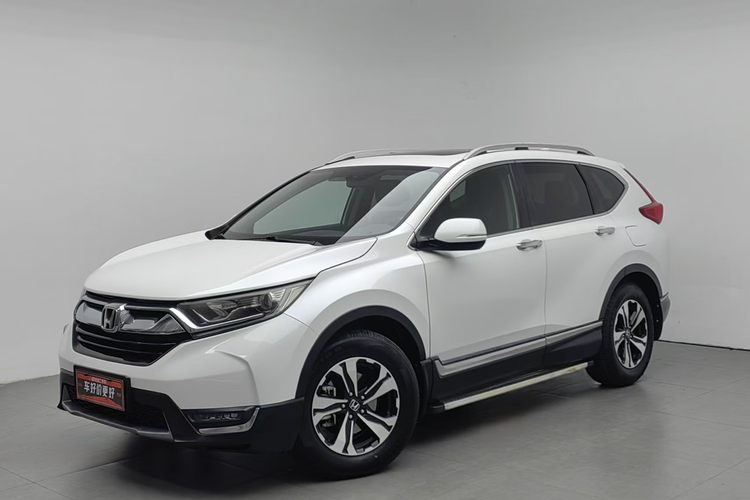
BrandHonda
SeriesCR-V
Year2012
First Registration2012/01
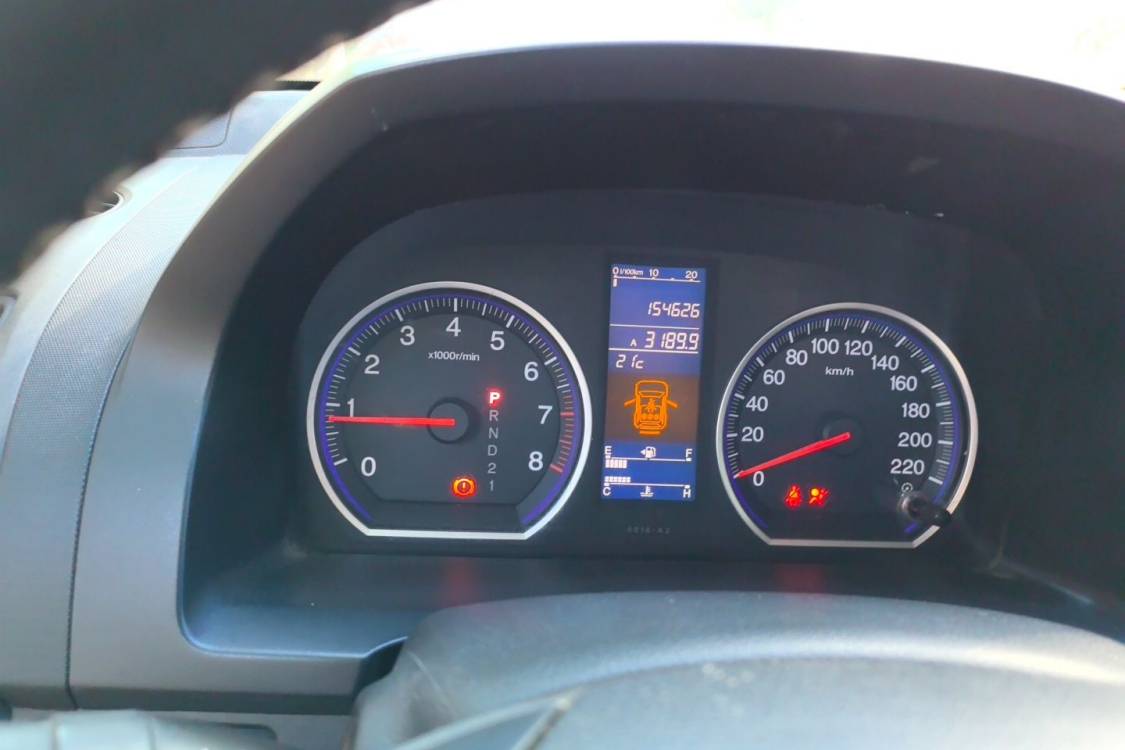
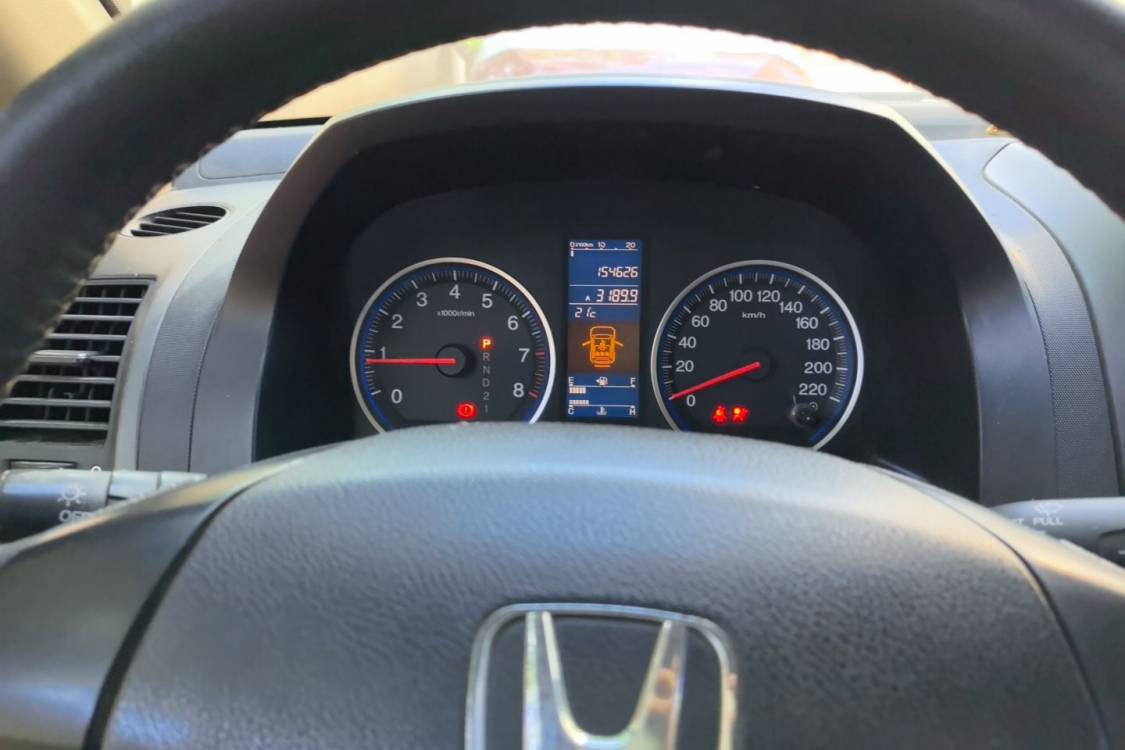
Mileage154,600km
Transfer Count2times
FuelGasoline
TransmissionAutomatic
Engine2.0L 150 L4
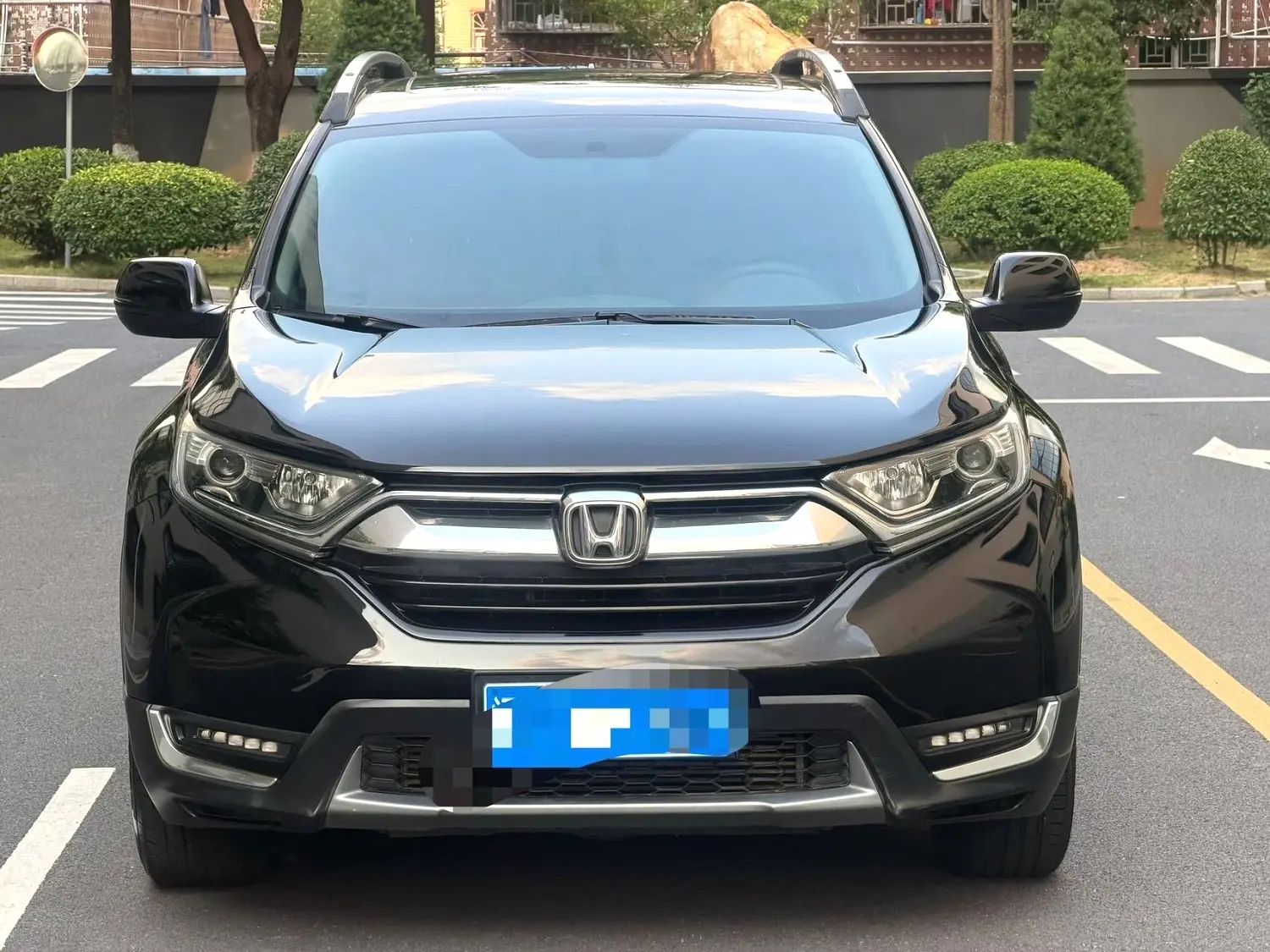
ColorBlack
Seats-

Condition Description

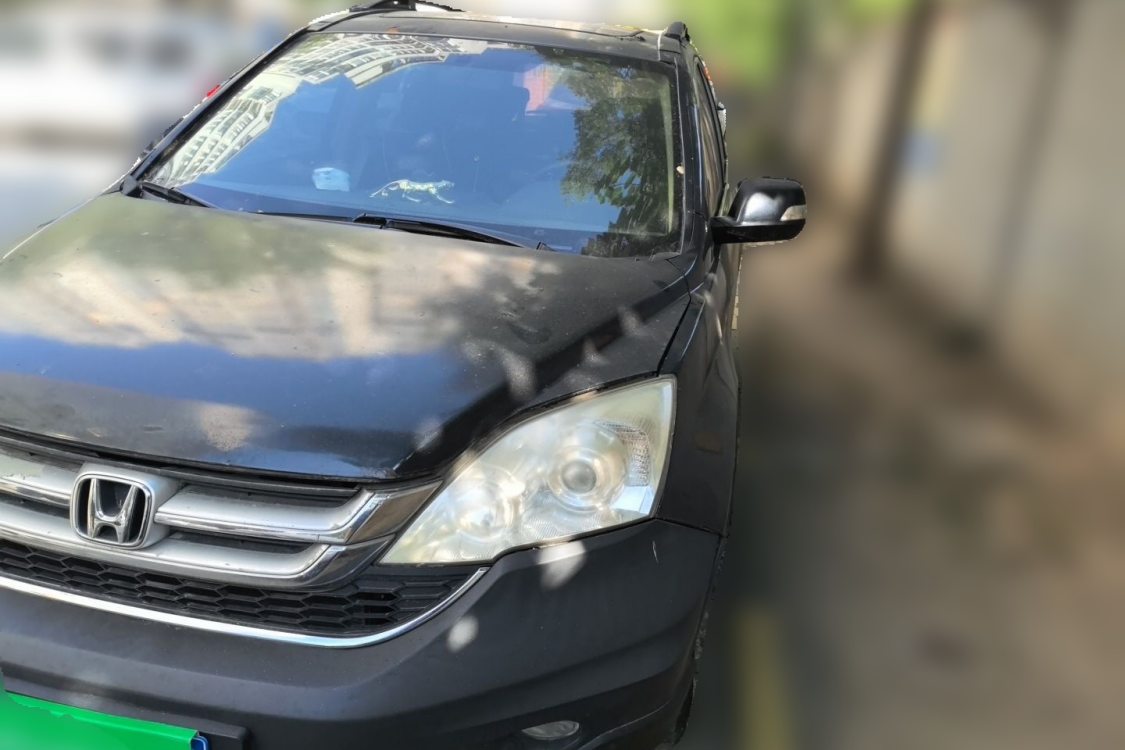
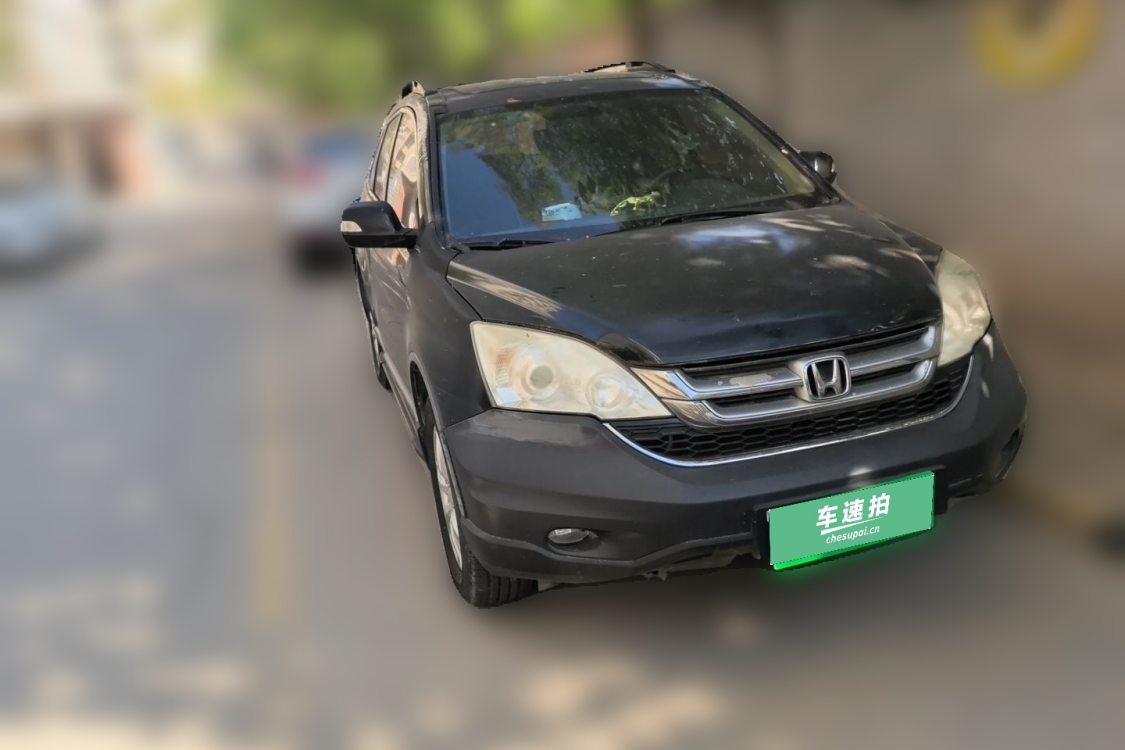
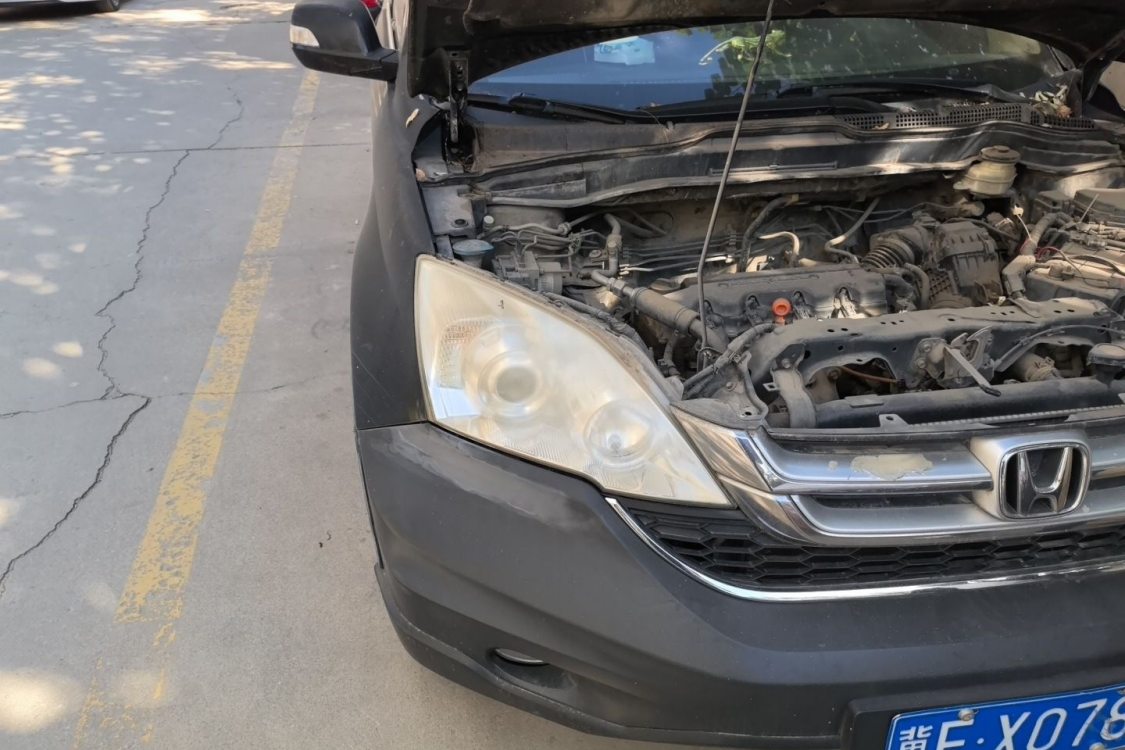
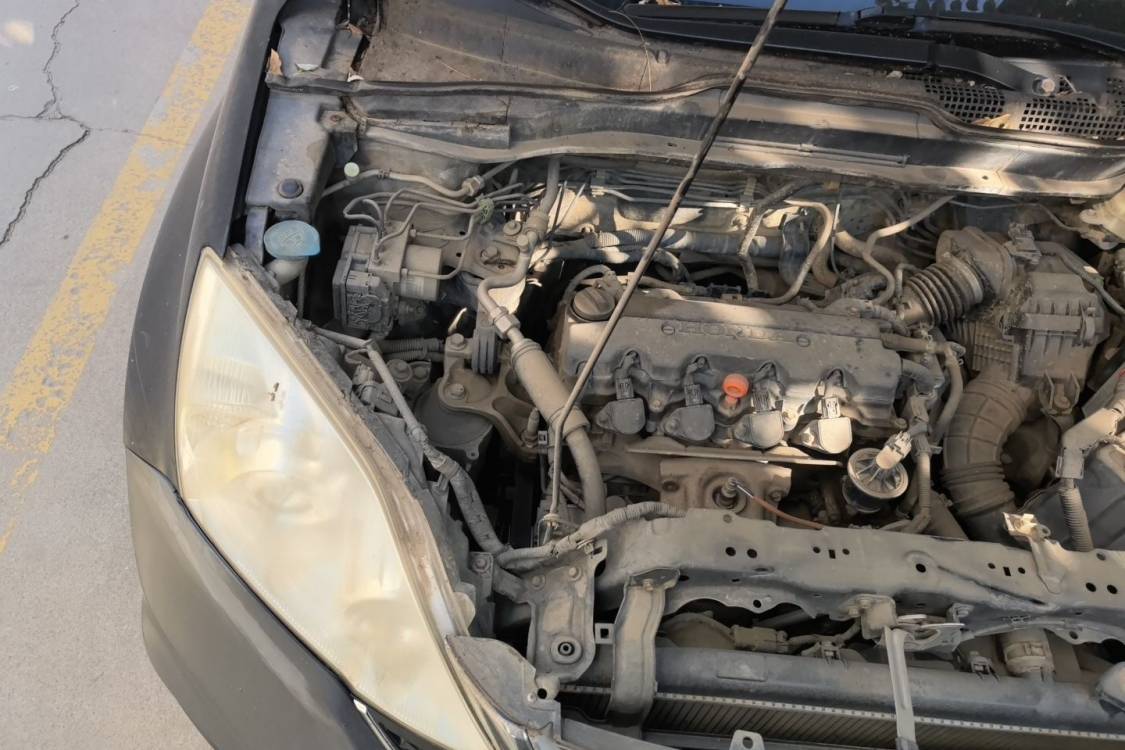
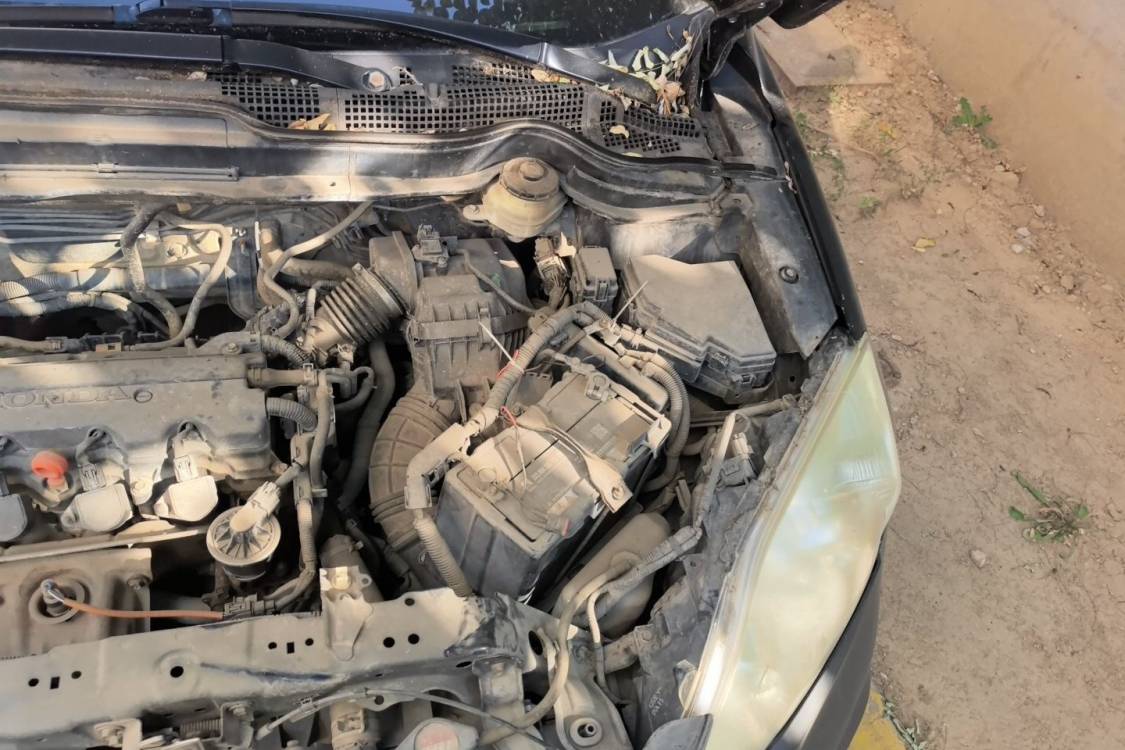
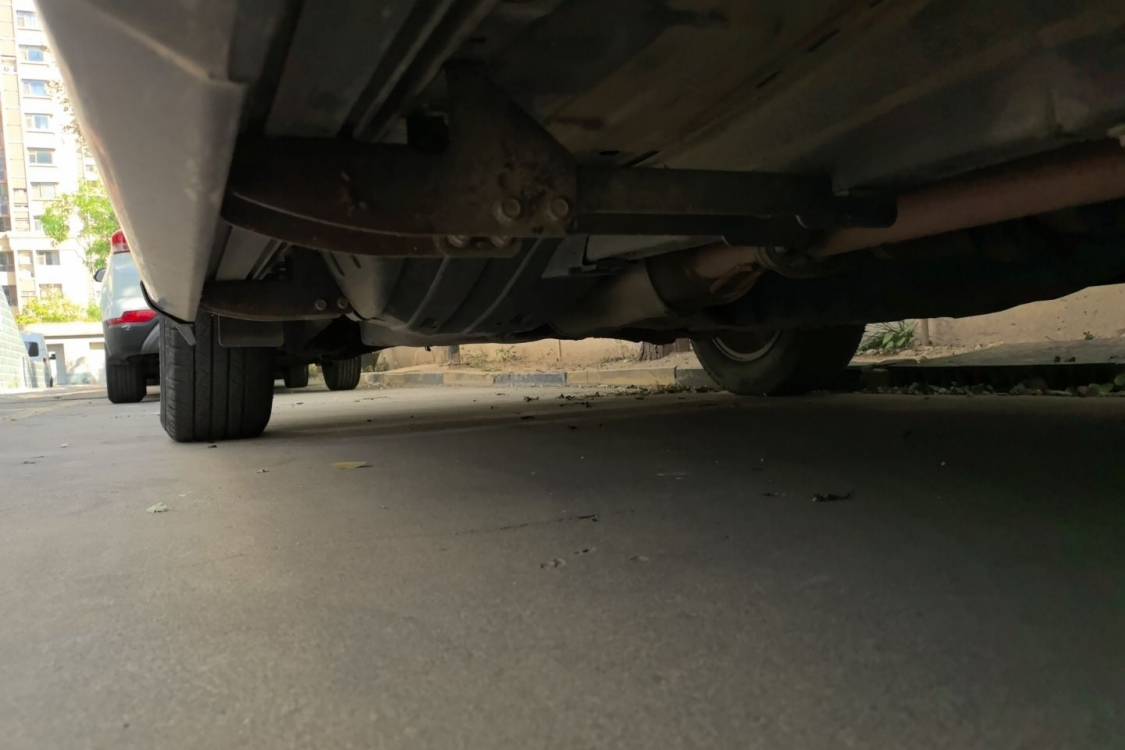
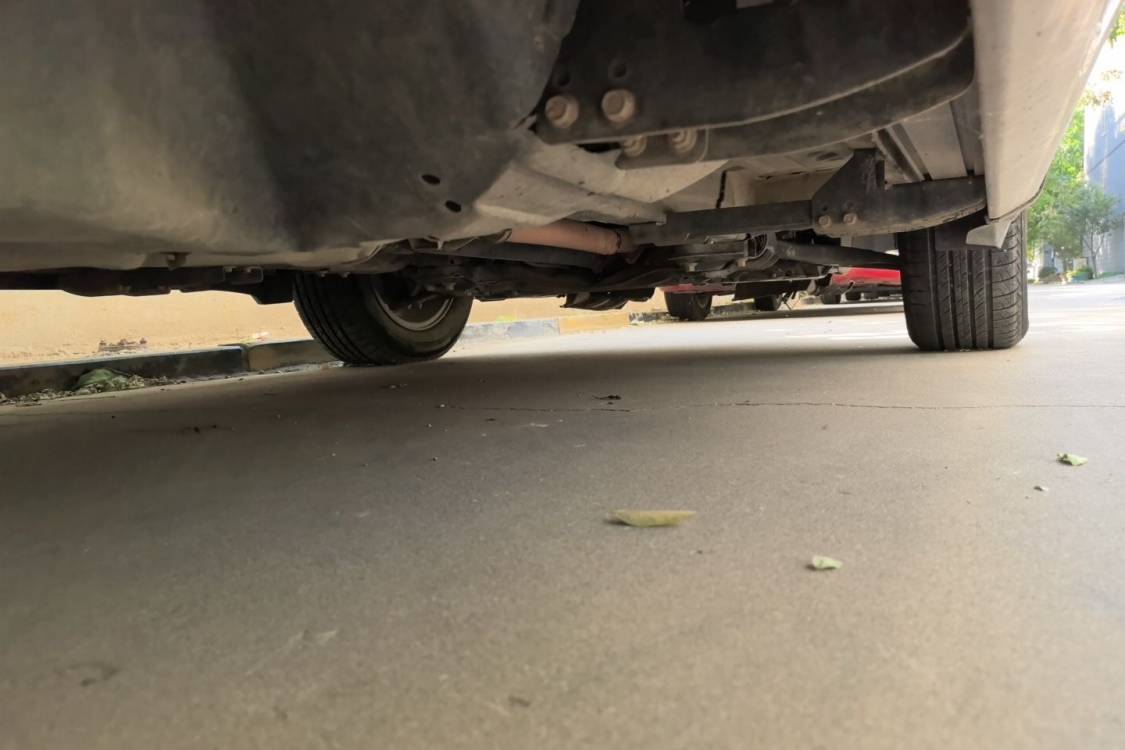
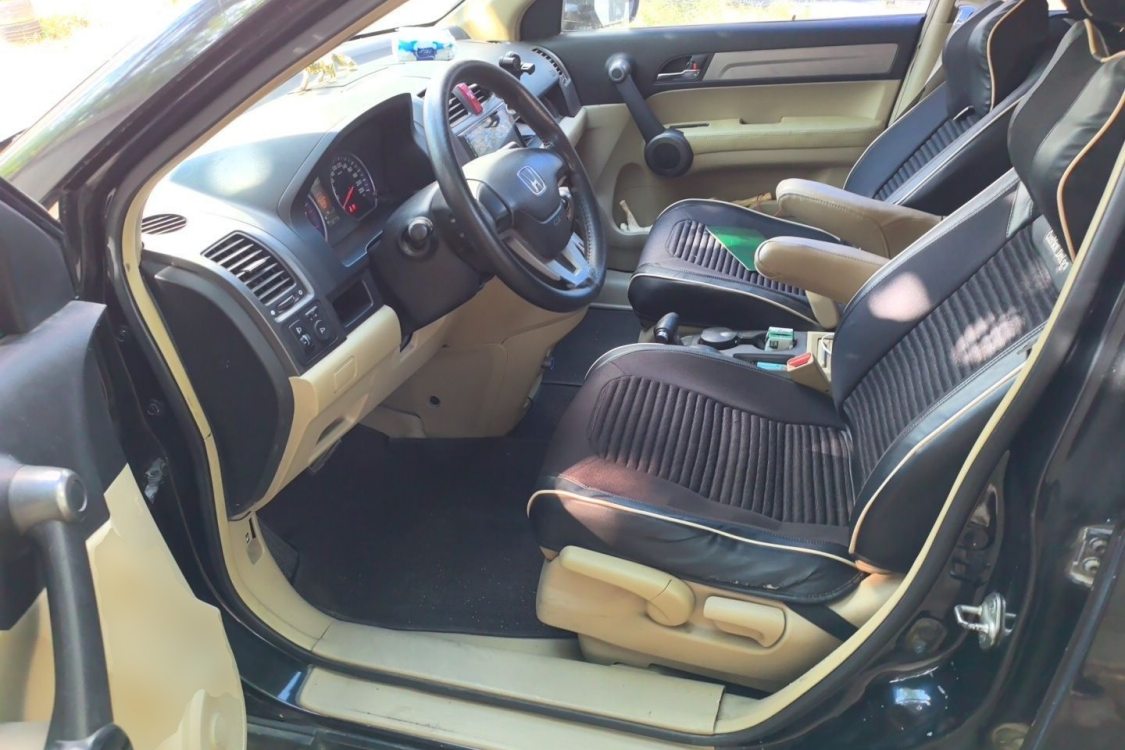
Vehicle has major defects in structural/reinforcement/covering parts due to accident, fire, water damage, or power battery-related components, repaired or unrepaired, still affecting body structural strength or safe use, with potential faults.

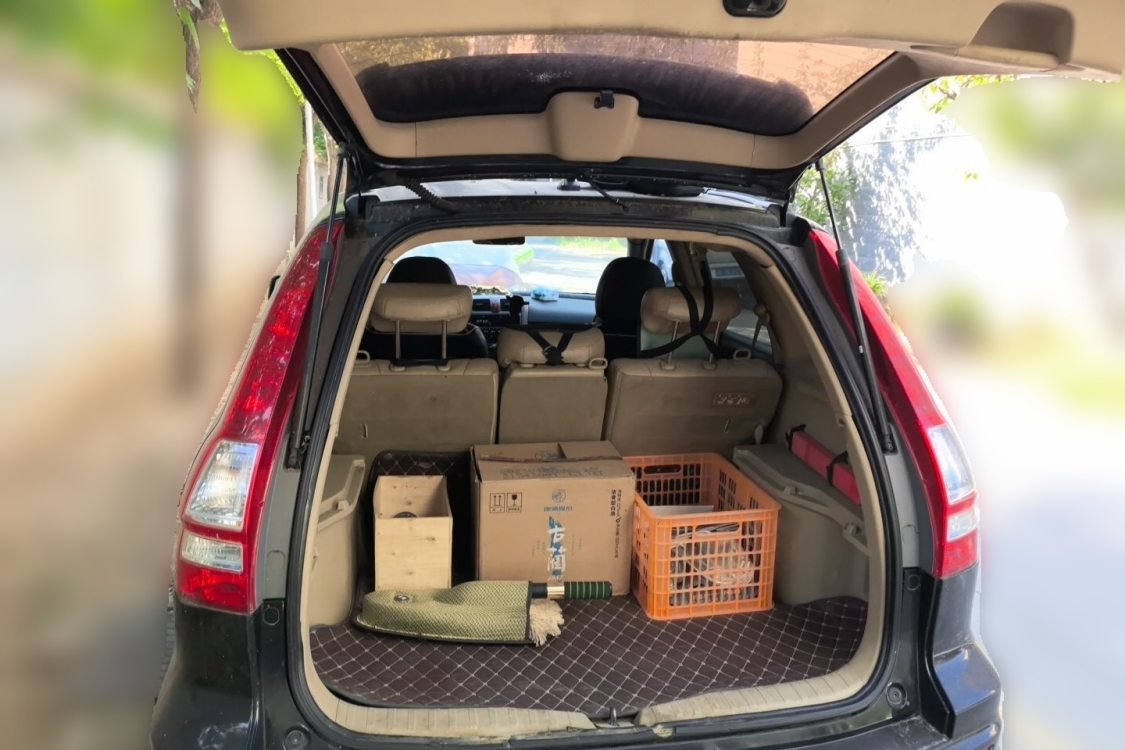
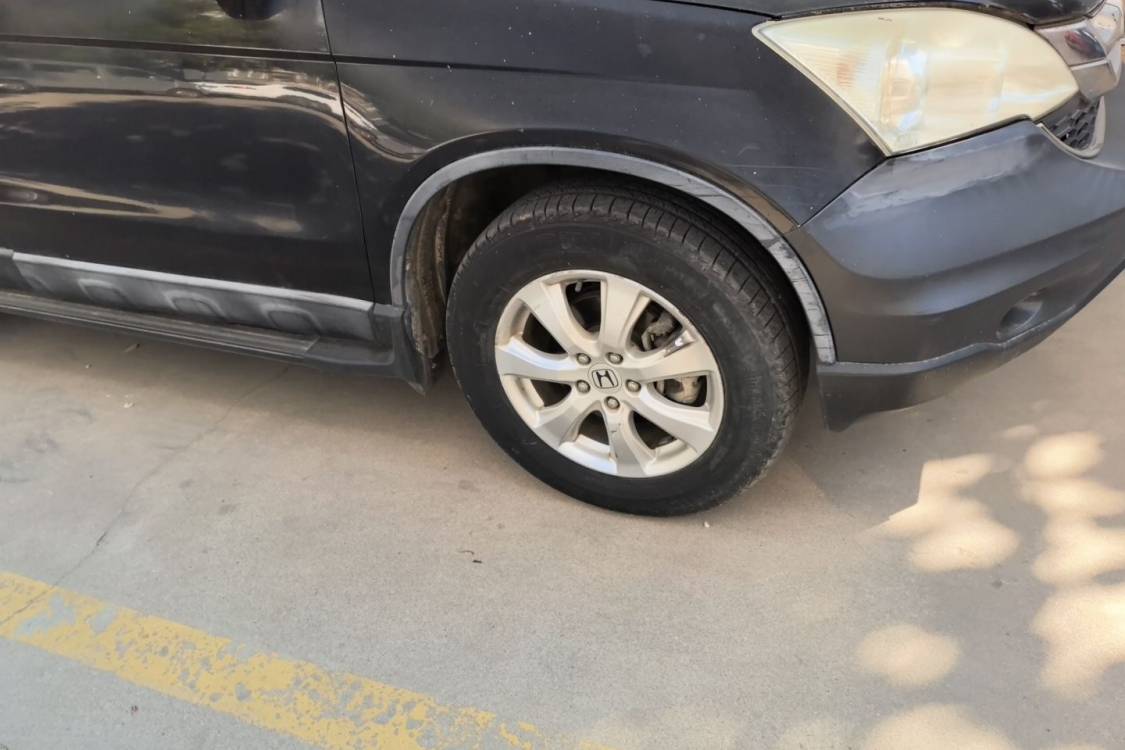
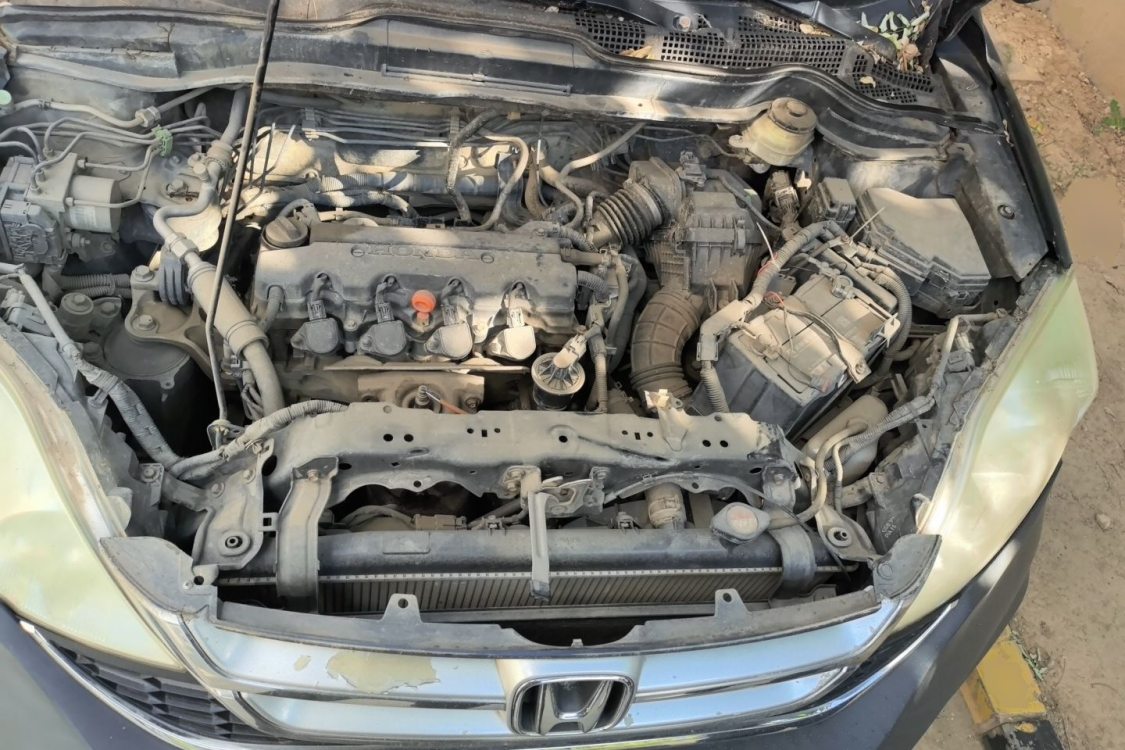
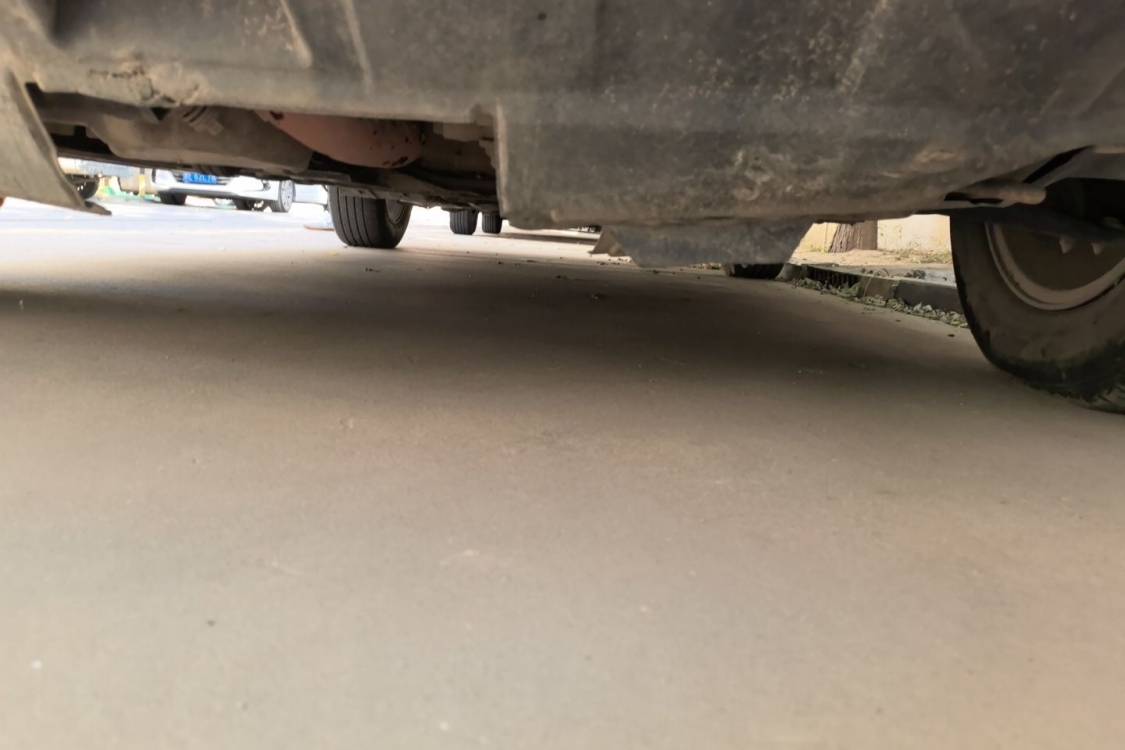
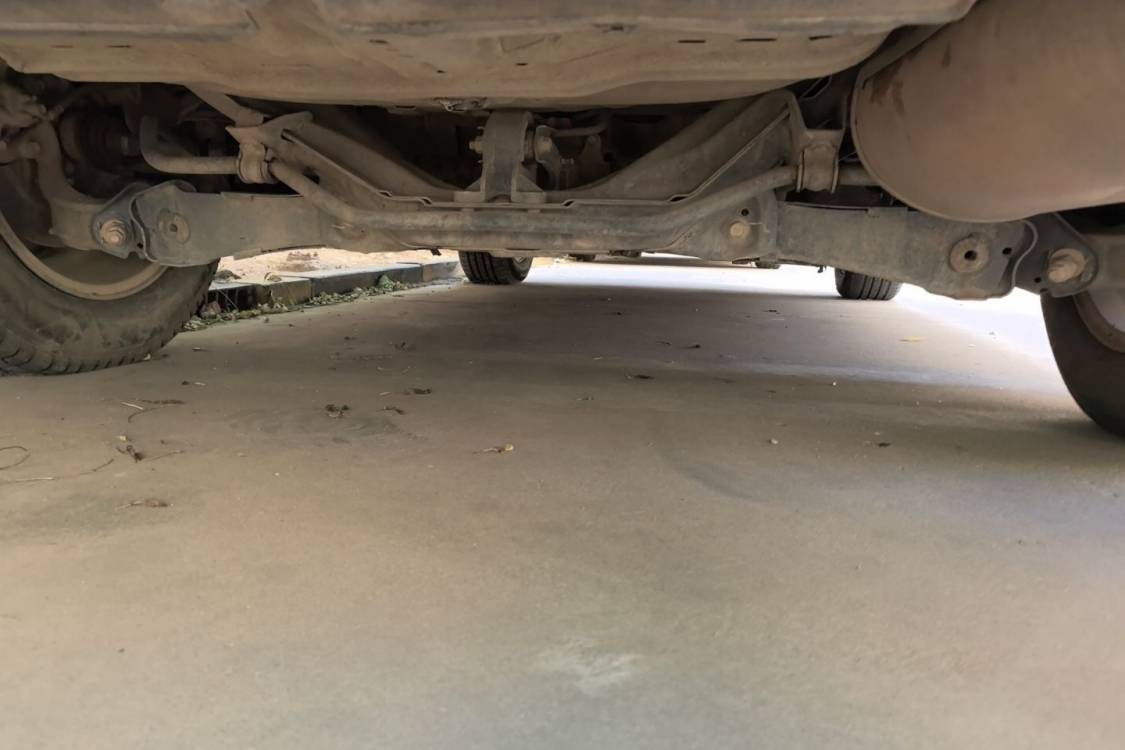
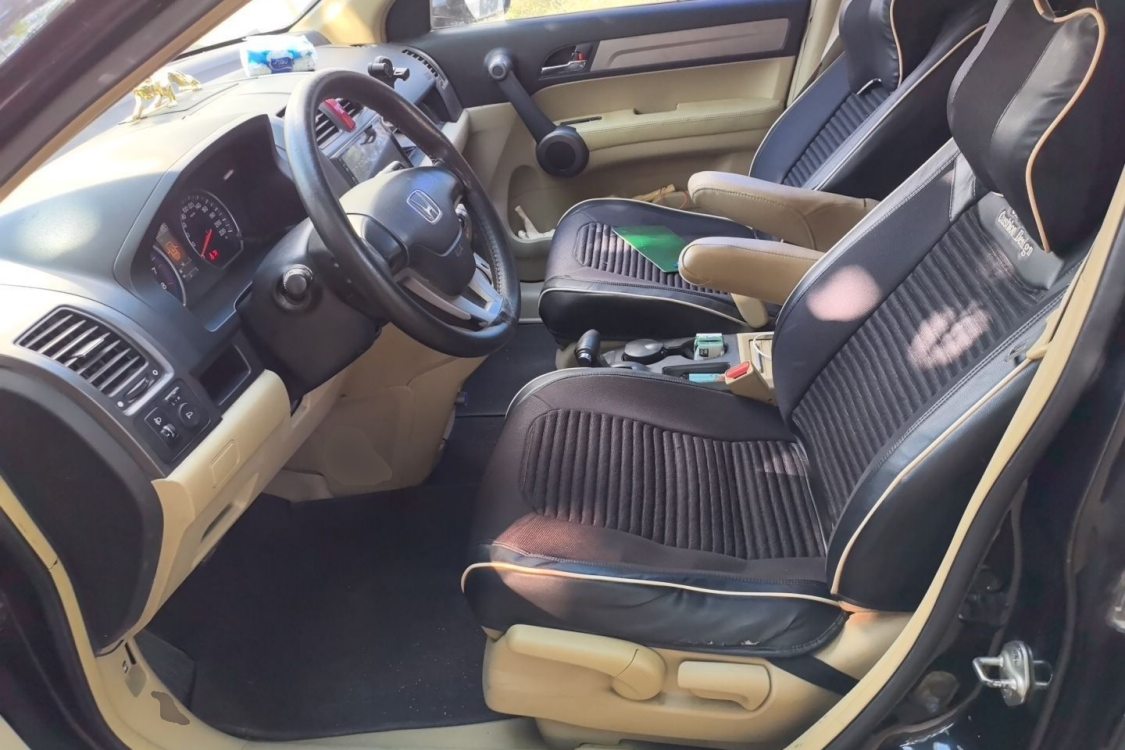
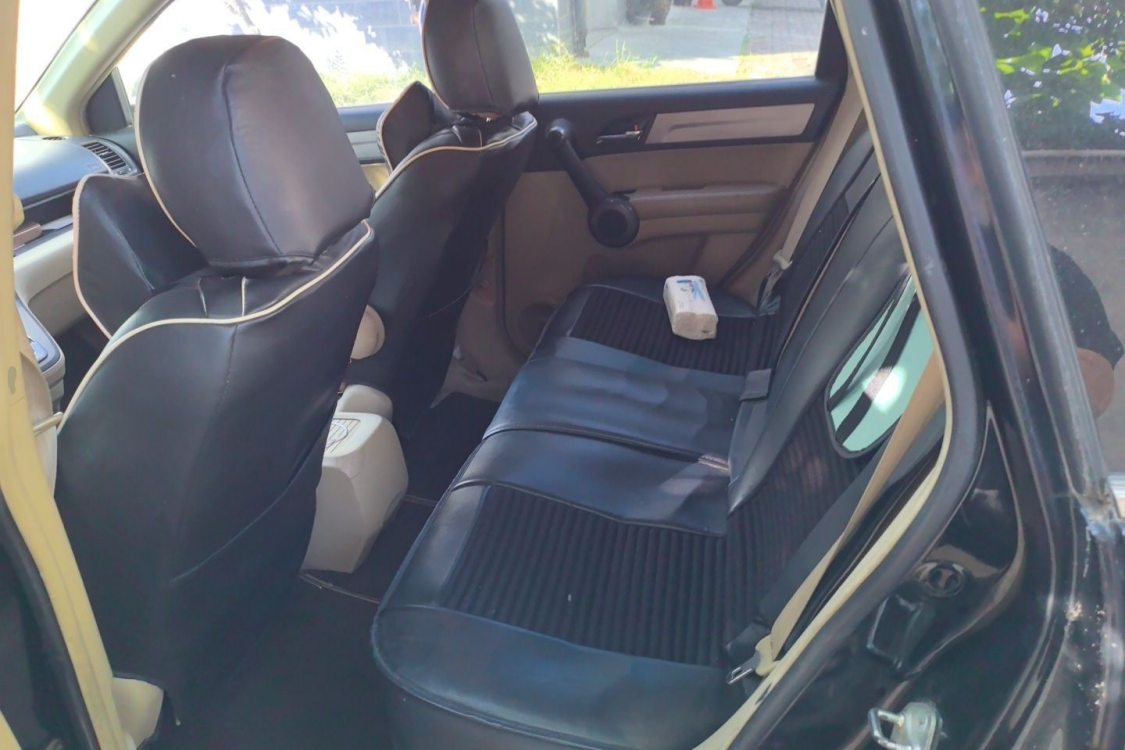
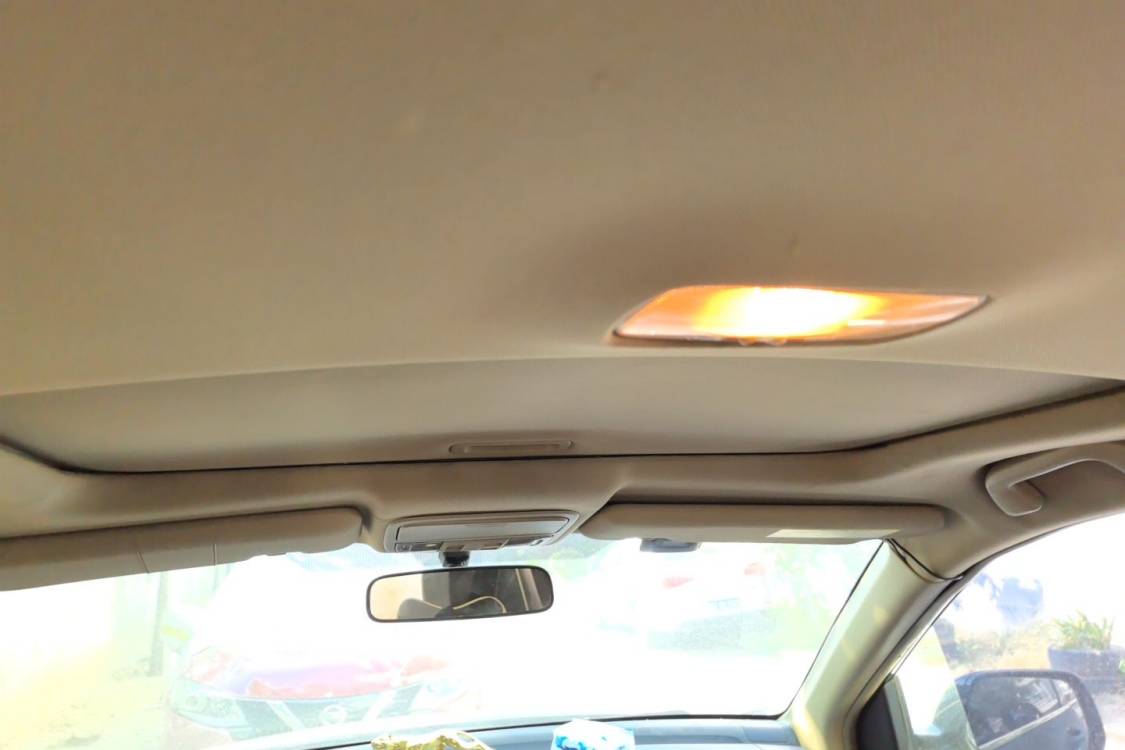
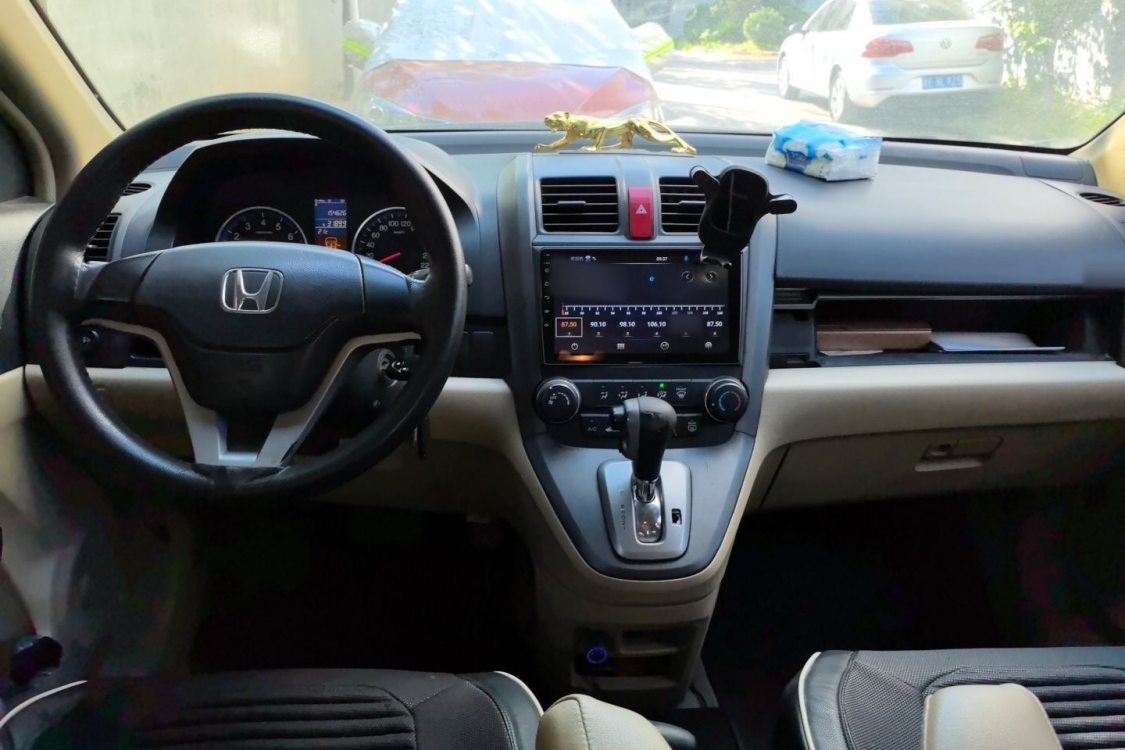
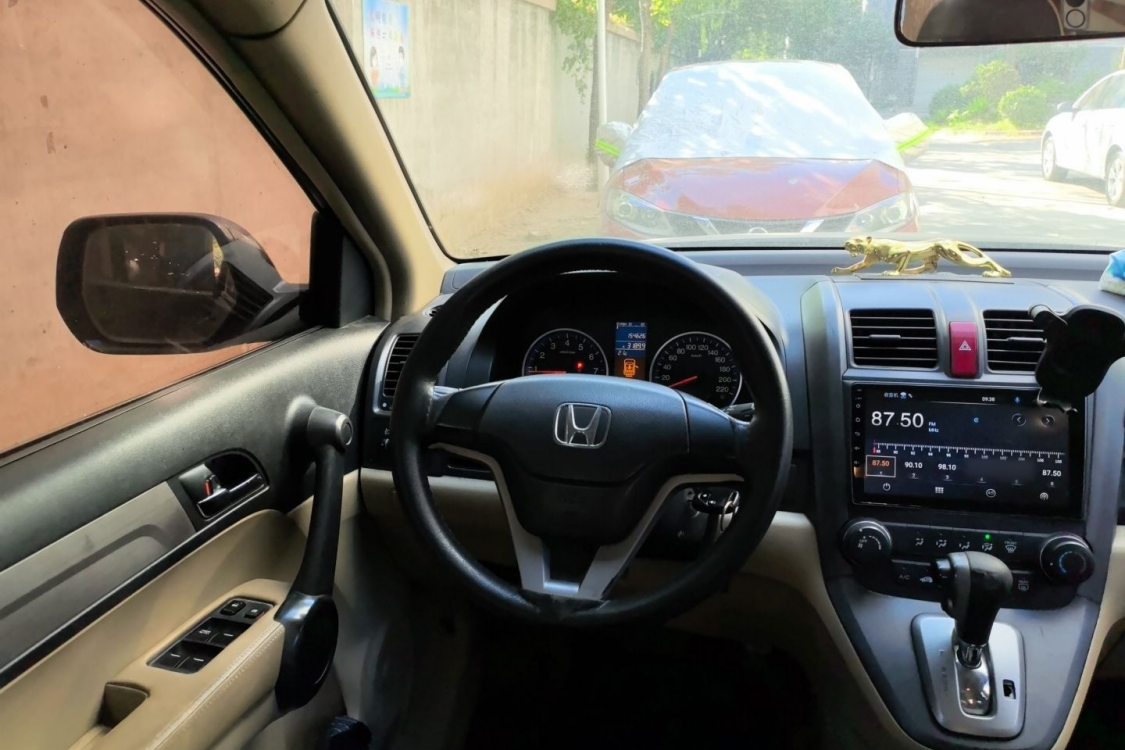
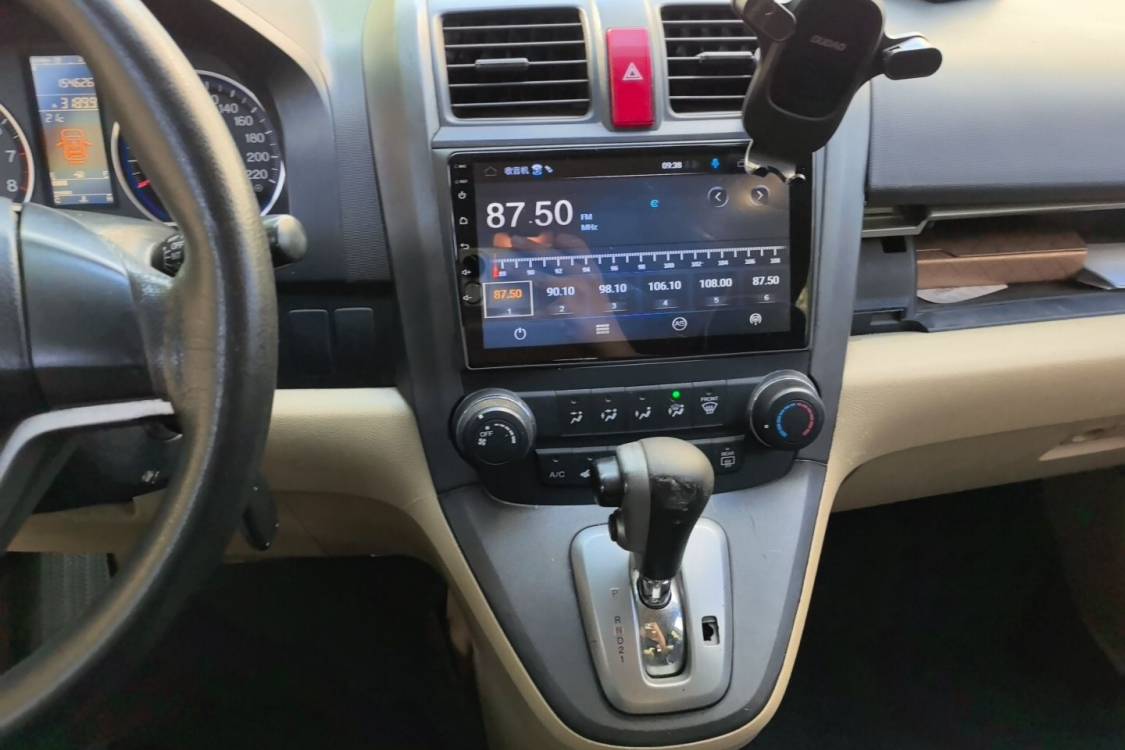
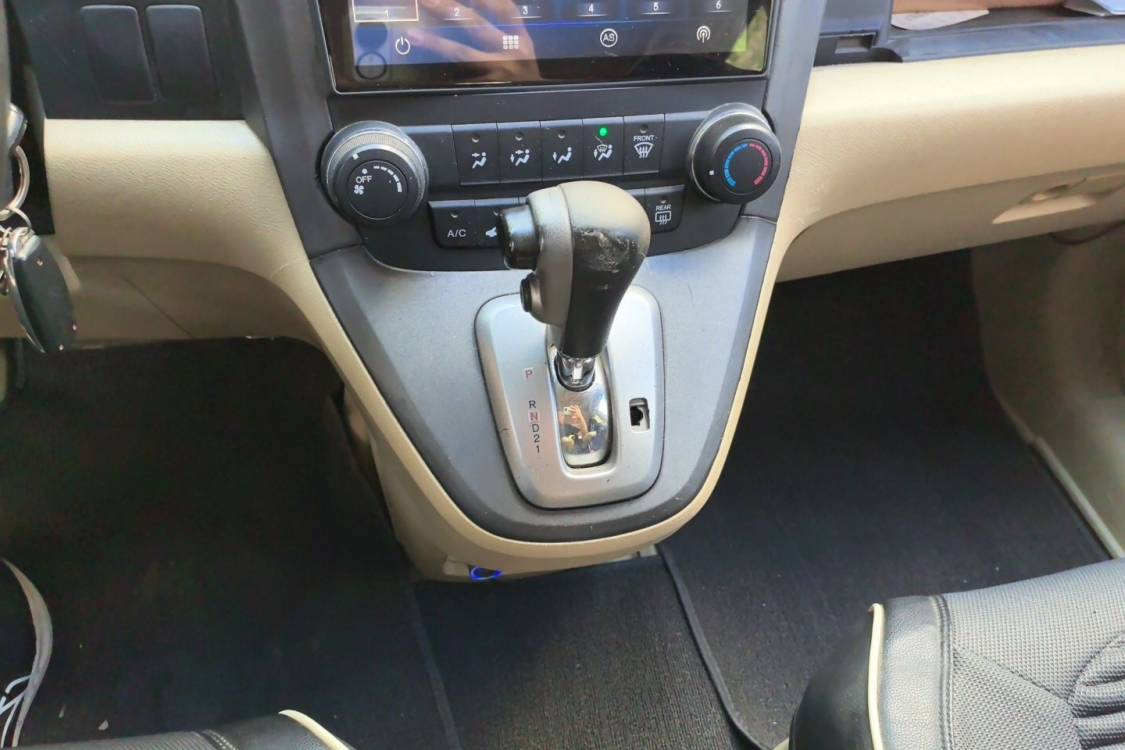
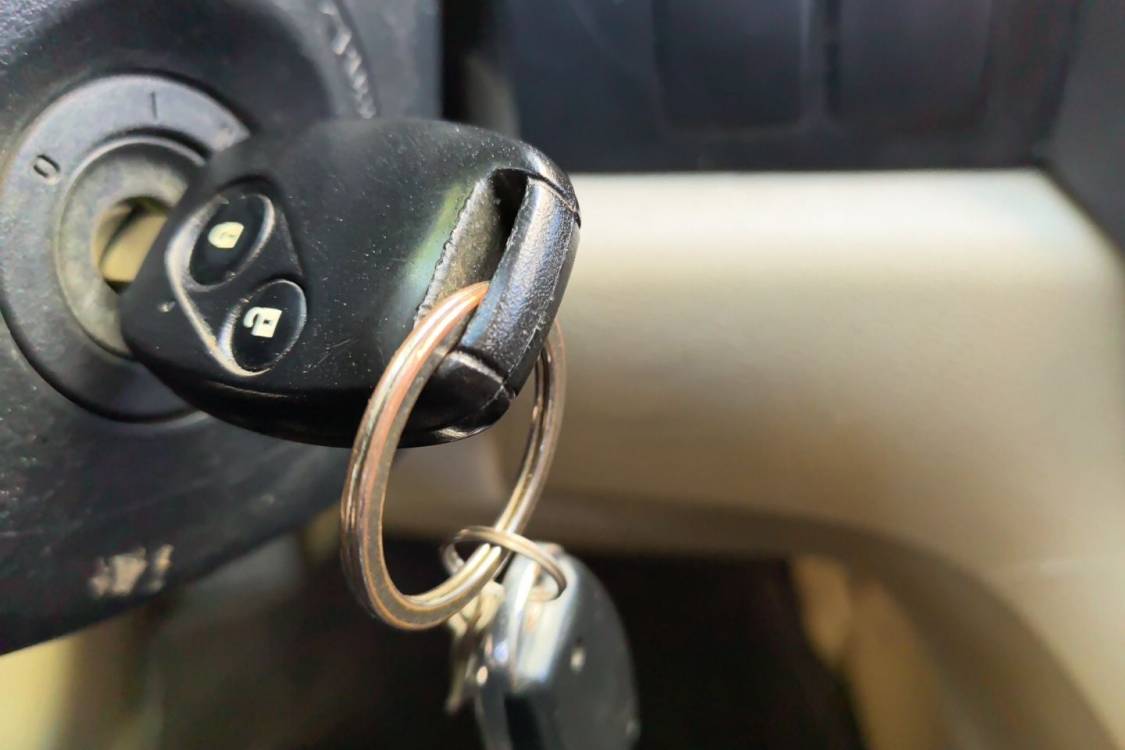
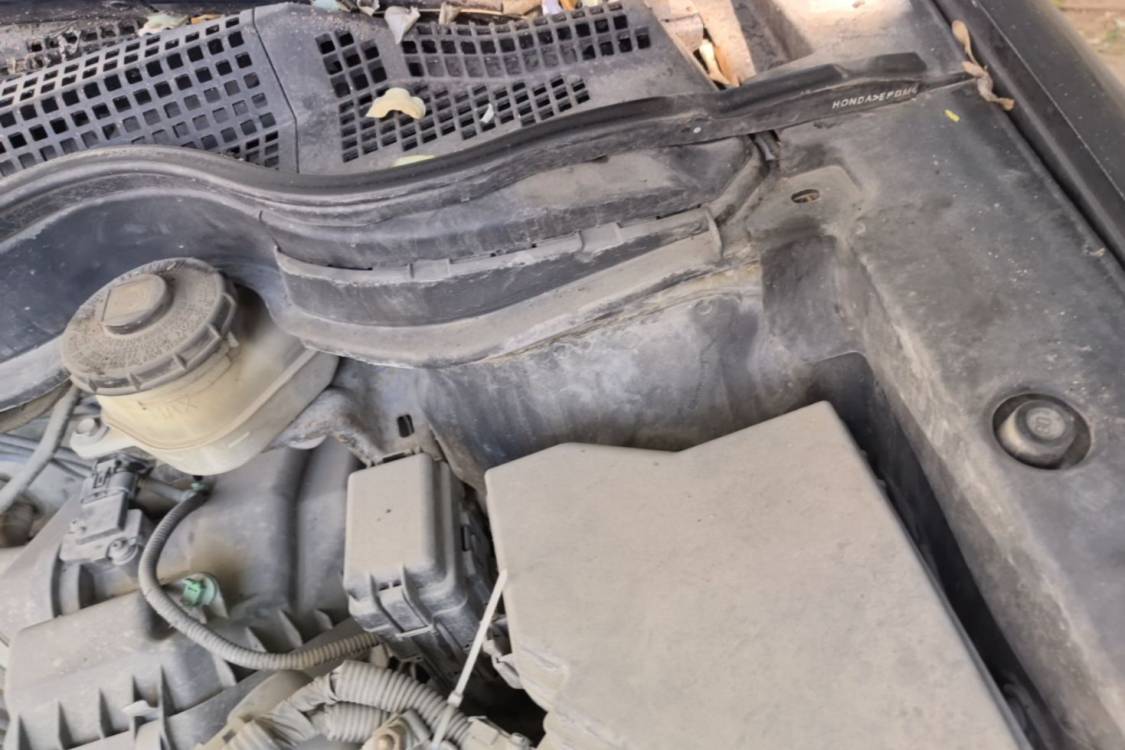
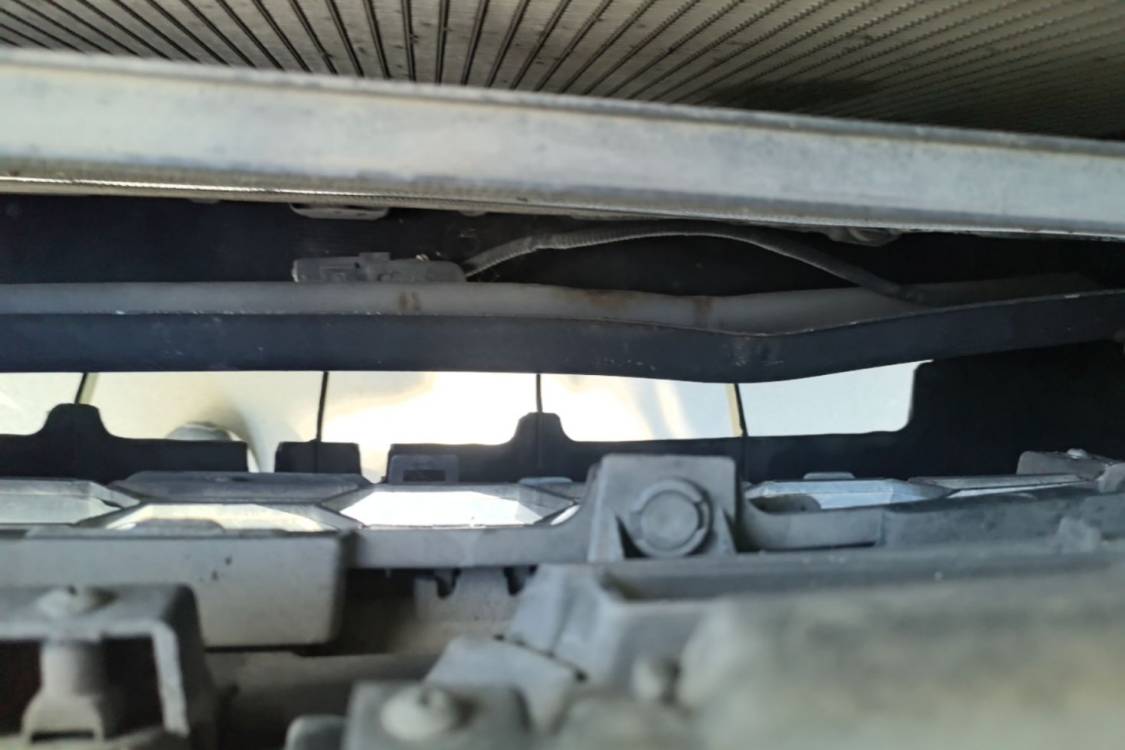
Accident inspection: main structure damaged, reinforcement parts damaged, covering parts damaged, hinges abnormal; engine bay: key mechanical components normal; exterior: 6 replaced parts, 10 repaired via sheet metal; interior: airbag inspection abnormal, interior modified (other), most features normal, lighting system normal; startup: main components normal; tool kit: missing.

电话直连
可讲价
平台物流
3个工作日内过户
新检测标准升级>
泡水-中度

Document Information

Inspection Expiry Date2027/01
Warranty Expiry Date-
Insurance Expiry Date2026/10

Q&A

More

Will all electronic buttons in the car (windows, air conditioning, seat adjustments) undergo electrical testing?

Testing is mandatory. Troubleshooting electrical devices in the car is part of the standard procedure. We will test the window lift motors, mirror folding, air conditioning compressor and fan, electric seat tracks, etc. Any stuttering or failure of electronic components will be recorded.

Who bears the intermediary bank fees incurred by bank wire transfers (T/T)?

International wire transfers generally follow "shared (SHA)" or "sender pays all (OUR)" principles. To ensure we receive the full remaining payment to release the bill of lading, we require all buyers to choose the "OUR" option when remitting, covering all intermediary bank fees.

What does a pre-shipment inspection include, and is it worth the cost?

A professional pre-shipment inspection typically costs a small fraction of the vehicle price and routinely pays for itself. A thorough inspection covers: paint thickness measurement across 30+ points to map body repairs; structural assessment of pillars, rails and crossmembers for accident damage; engine and transmission operation; a full electronic scan for fault codes; suspension and underbody checks for leaks and rust; and, for EVs, battery SOH and thermal management performance. You receive a written report with photos before the car is loaded — if the car fails, you can stop the shipment or renegotiate. Skipping the inspection to save a small fee is the classic false economy in used car importing: discovering a problem after arrival is far more expensive than preventing it at origin.