





Basic Information

BrandHonda
SeriesCR-V
Year2012
First Registration2012/09
Mileage240,000km
Transfer Count-
FuelGasoline
TransmissionAutomatic
Engine2.0L 155 L4
ColorGrey
Seats-

Condition Description

very good

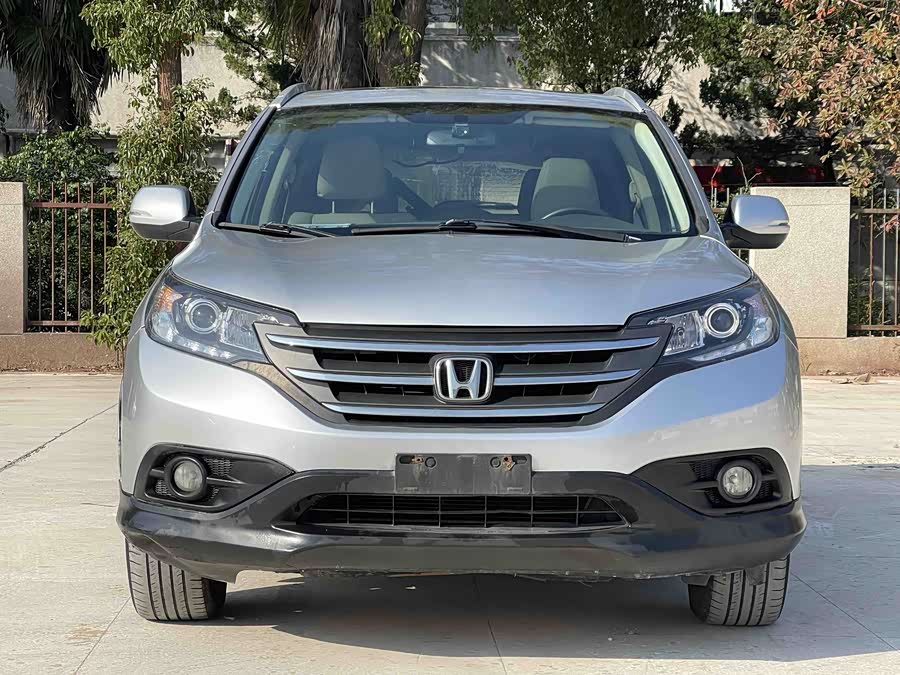
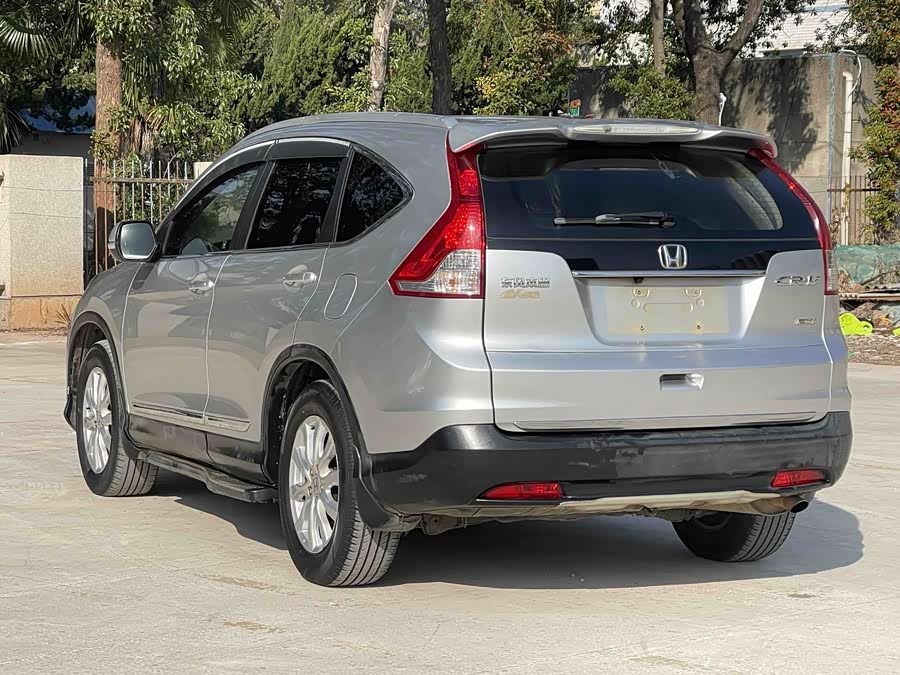
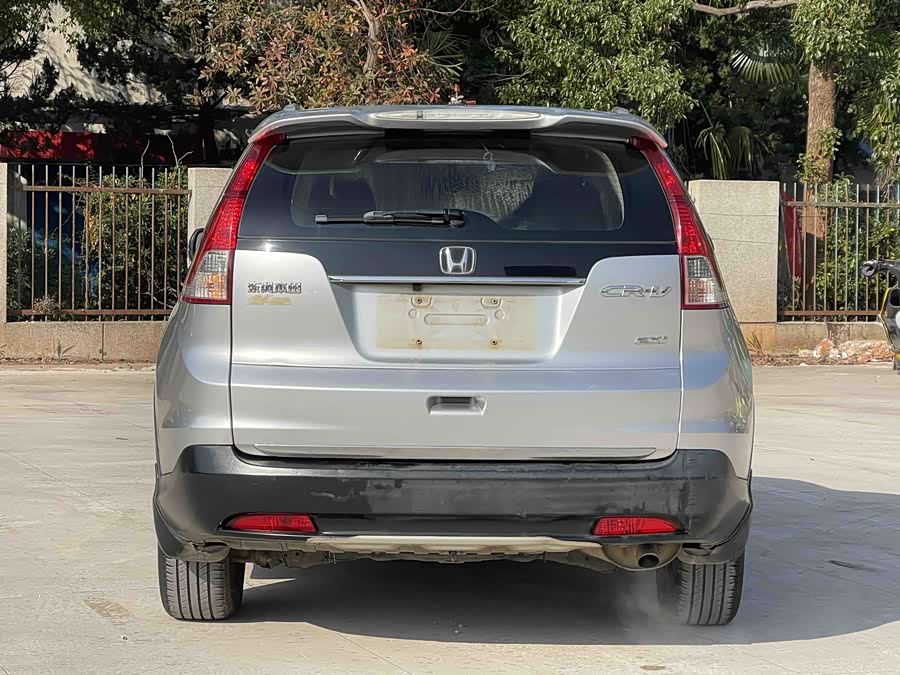
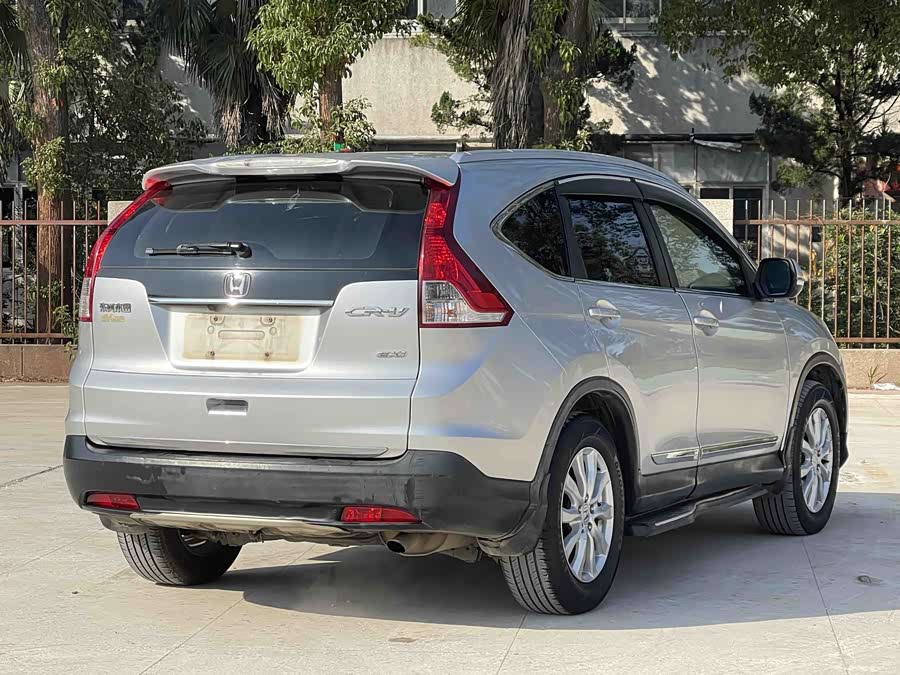
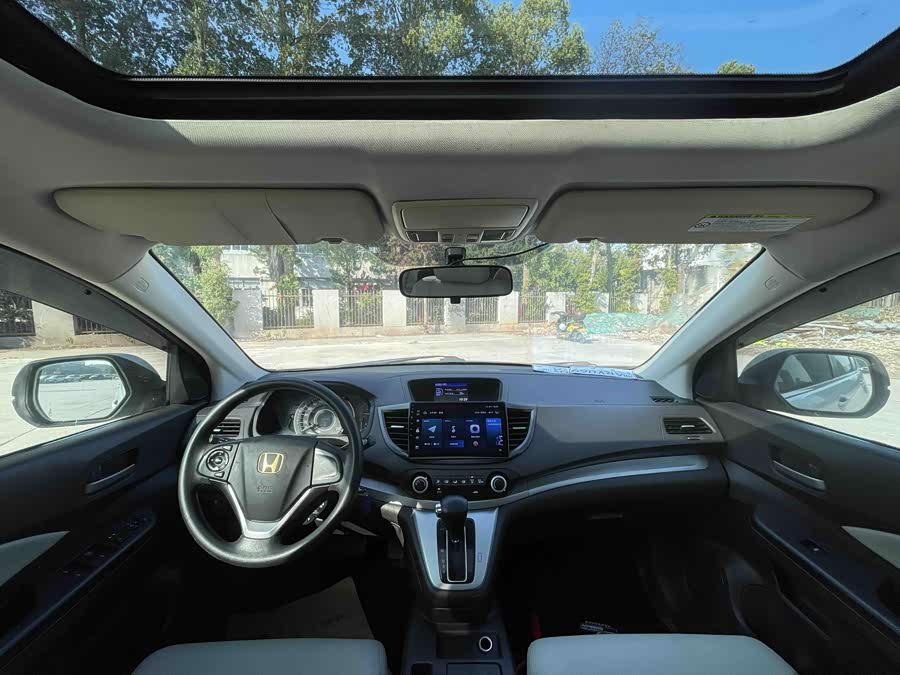
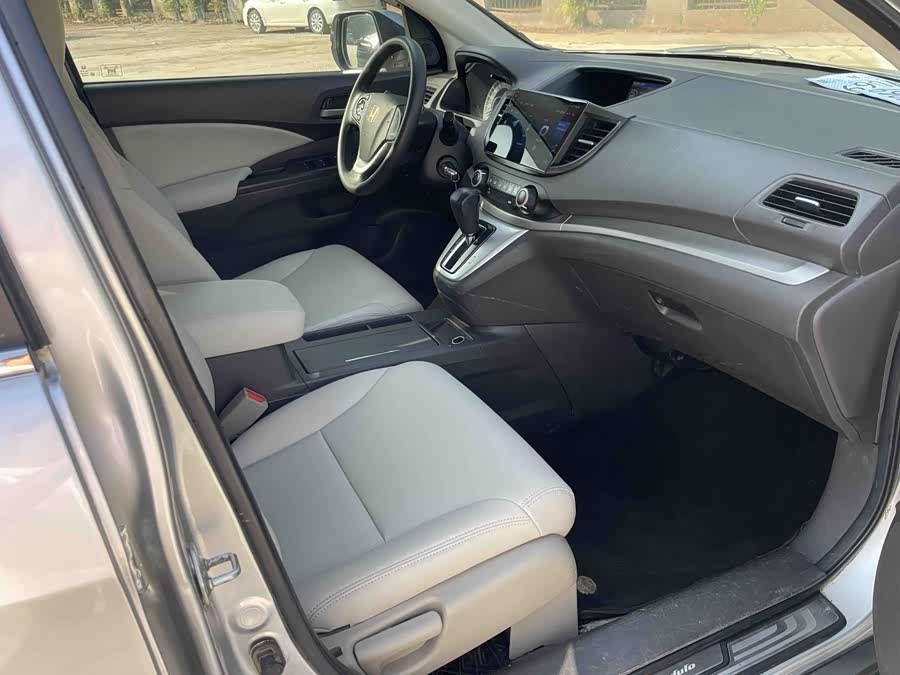
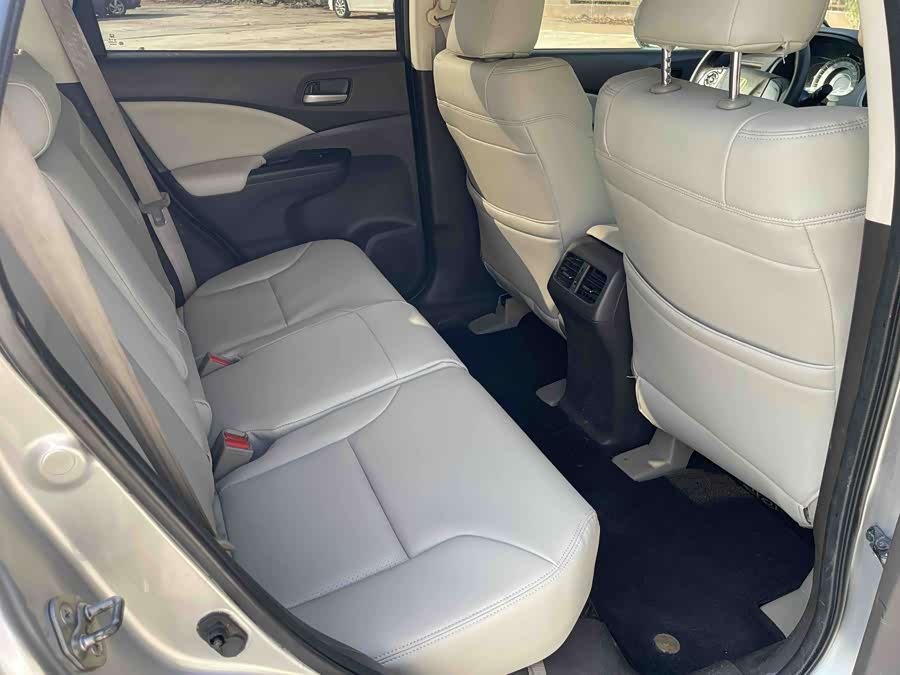
This 2013 Honda CR-V 2.0L AWD Classic Edition was first registered in September 2012 and currently has 240,000 kilometers on the odometer. The paint is in perfect condition, and it looks brand new. The interior features a fully functional infotainment system, powerful air conditioning, and luxurious leather seats. The engine and transmission run smoothly, the chassis is tight, and the car is in excellent condition with no oil leaks. This is a one-owner vehicle with excellent value and strong resale value. If you are interested, please visit our dealership to see it!

0 transfers

Configuration Highlights

✓ISOFIX Child Seat Anchors
✓Rear Air Vents

Accident & Maintenance Records

Accident Record

🔗 Open Link

Maintenance Record

🔗 Open Link

Document Information

Inspection Expiry Date2026/09
Warranty Expiry Date-
Insurance Expiry Date2026/09

Q&A

More

How to prove the state of health (SOH) of a second-hand electric vehicle battery? Will a testing report be provided?

We understand that the power battery is the core asset of an EV. Before export, our technical team will use professional OBD diagnostic equipment to read the underlying data from the Battery Management System (BMS). We will provide you with a technical report that includes key indicators such as battery health percentage (SOH), cell pressure differences, and charge-discharge cycle counts. If the SOH is below our established export safety standard (usually above 80%, depending on the vehicle's age), the vehicle will be intercepted and not sent overseas.


After long-distance sea transport, does the vehicle's air conditioning refrigerant (Freon) need to be vacuumed and recharged?

If there is a minor leak in the lines due to bumps, it is possible that the cooling may not work upon arrival. This is a normal physical loss. The cost of vacuuming, pressure testing, and recharging refrigerant at a local auto repair shop is low and is the buyer's responsibility.

How do you detect carbon buildup and wear inside the engine using technology without deep disassembly?

We use two steps: 1. Insert a medical-grade endoscope through the spark plug hole to visually inspect cylinder wall scratches and carbon buildup on the piston top; 2. Extract an engine oil sample to check for large metal debris or emulsification (caused by coolant leakage).