24H

Basic Information

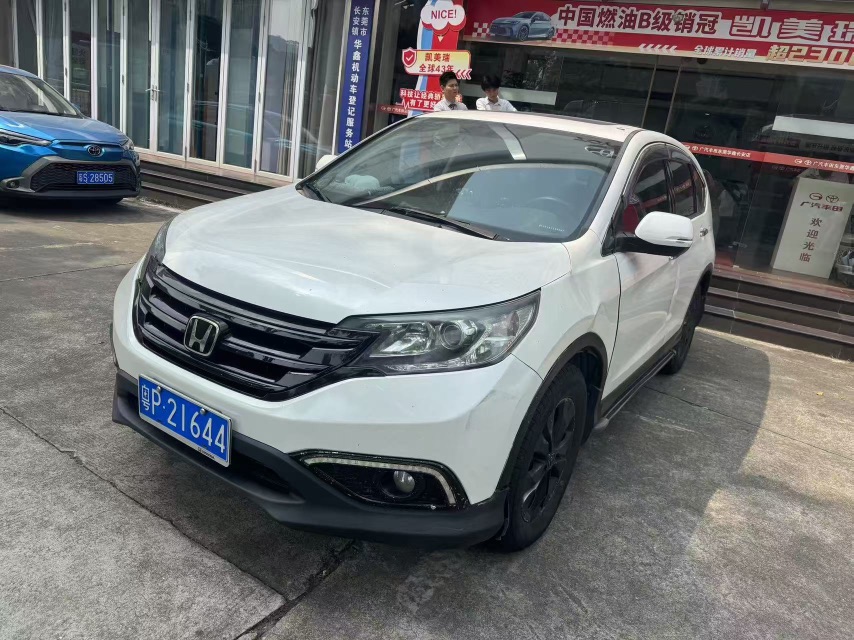
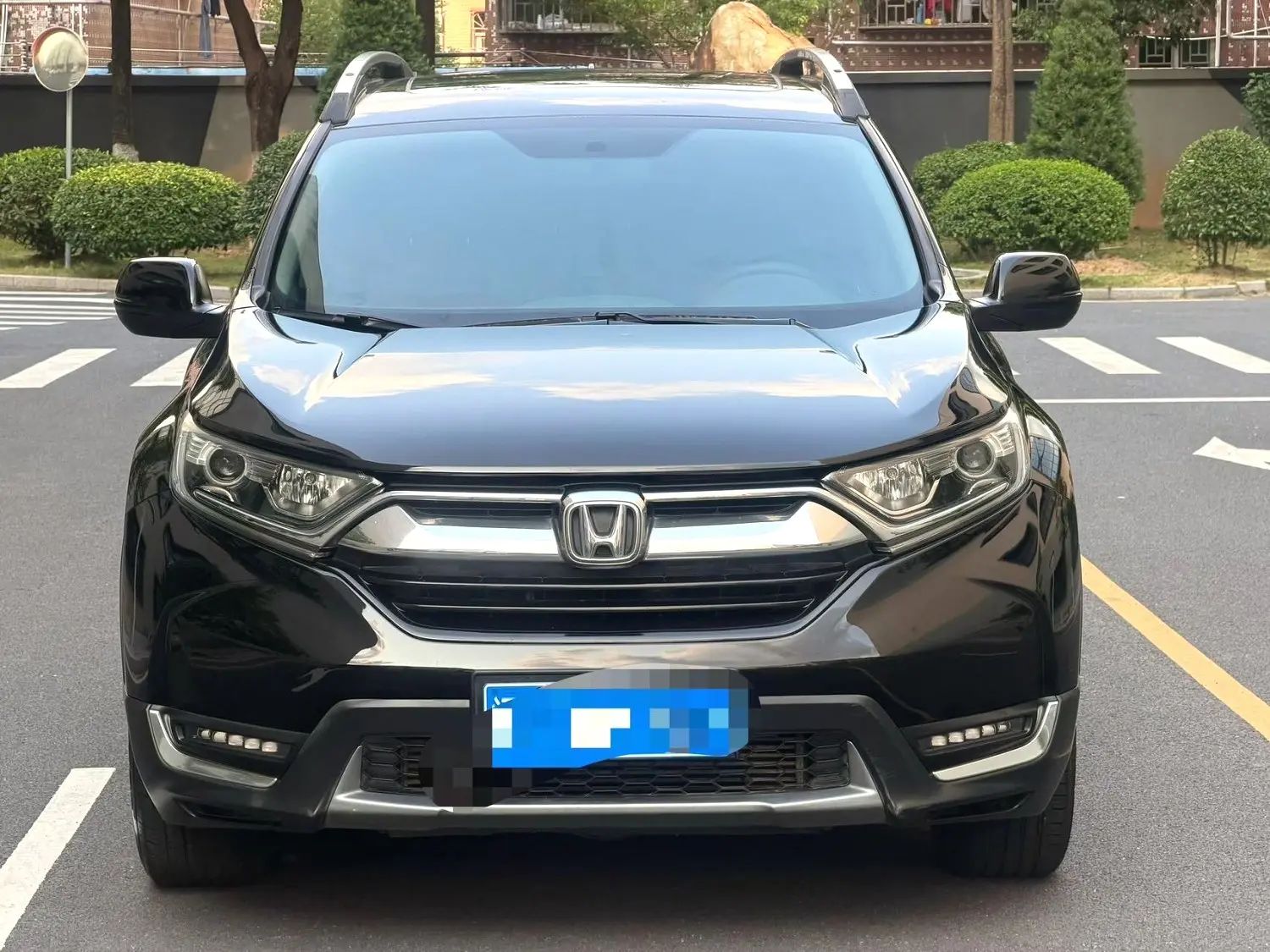
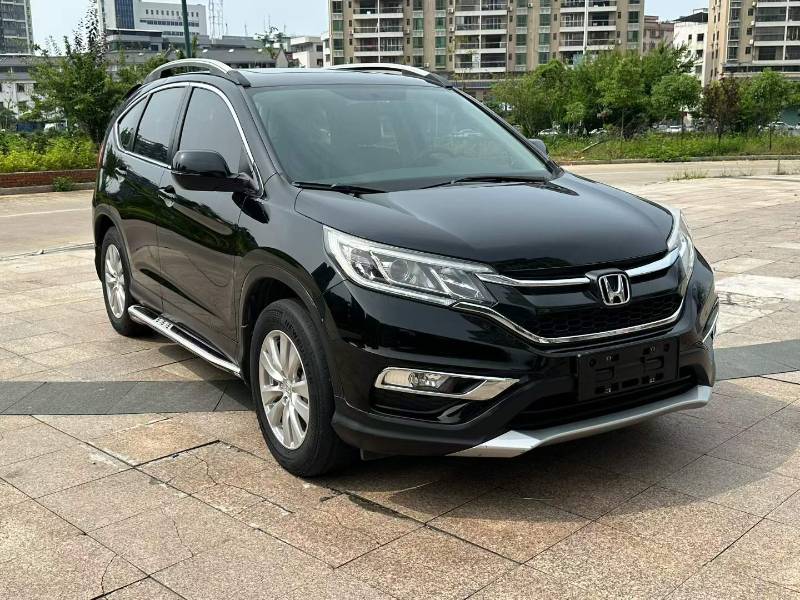
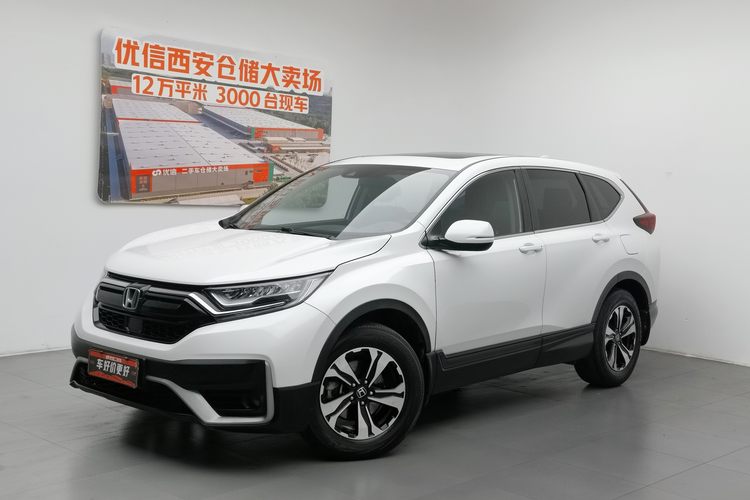
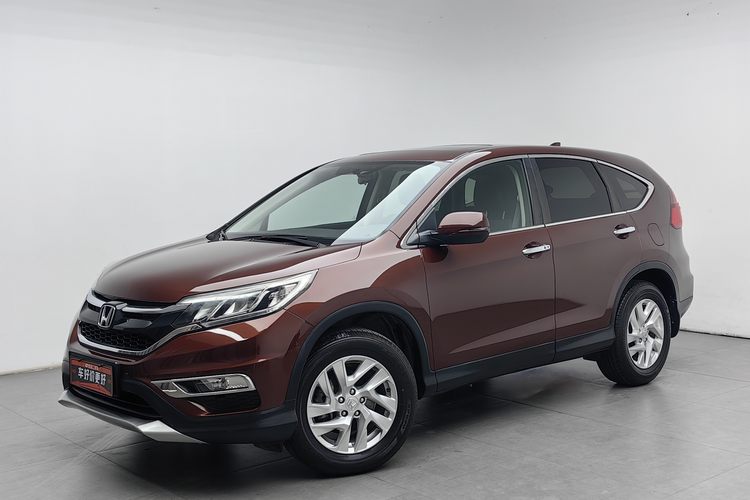
BrandHonda
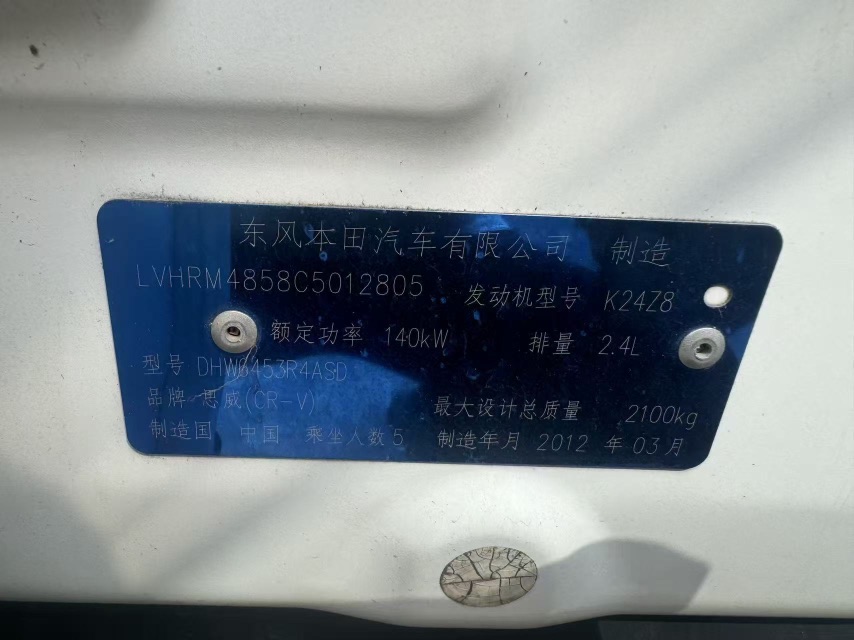
SeriesCR-V
Year2012
First Registration2012/10
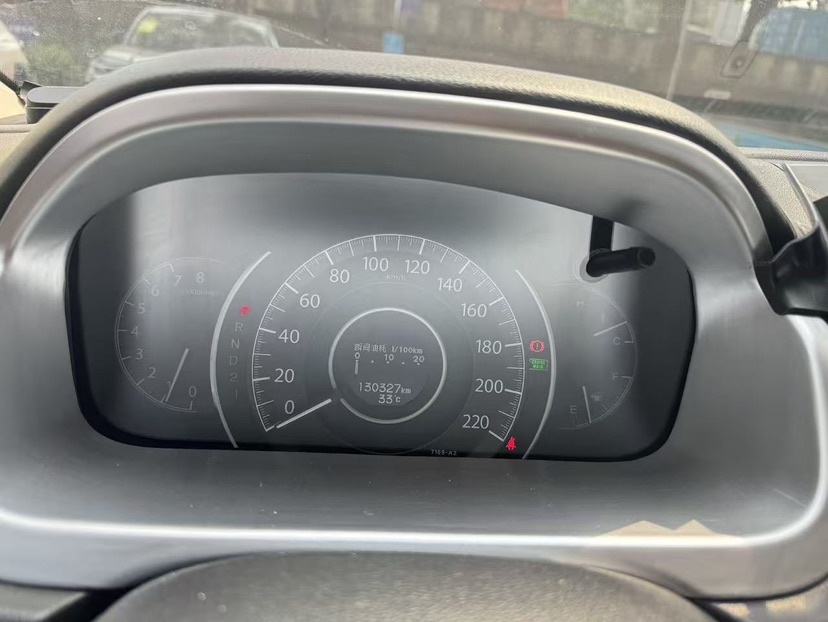
Mileage130,000km
Transfer Count1times
FuelGasoline
TransmissionAutomatic
Engine2.4L 190 L4
ColorWhite
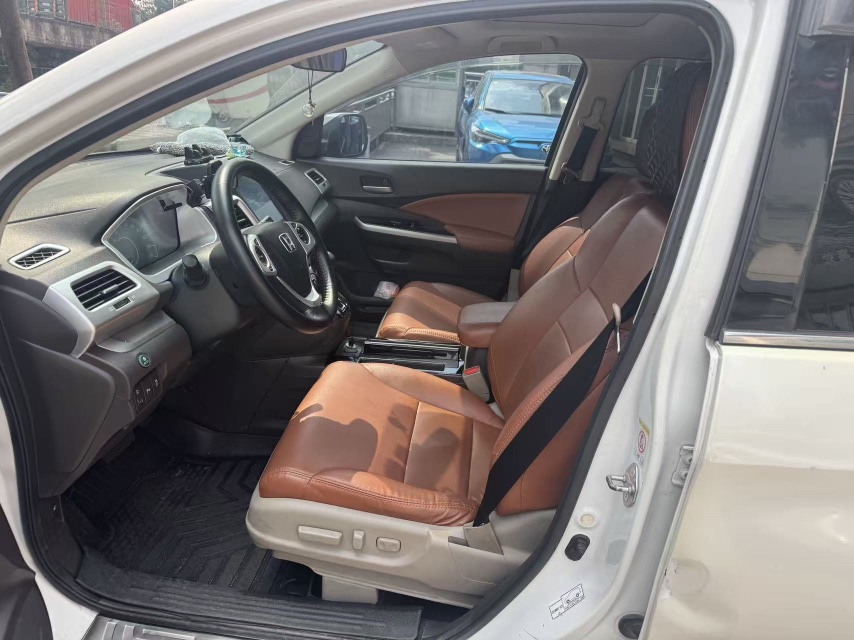
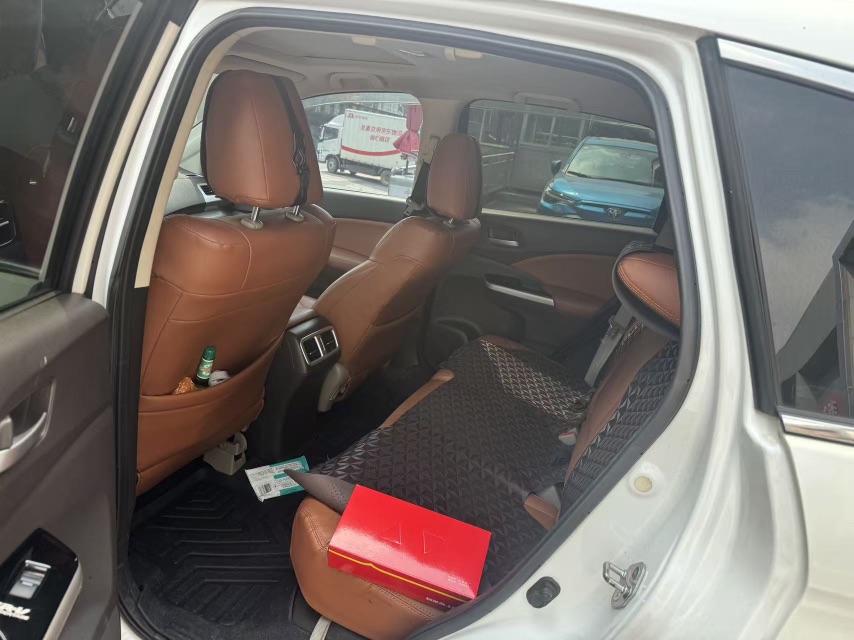
Seats-

Condition Description

燃油车
SUV
自动
Inspection report
维保开放
事故开放
查验开放

Configuration Highlights

✓品牌: 本田
✓车系: 本田CR-V
✓车型: 2012款 2.4L 四驱豪华版
✓车身类型: SUV
✓座位数: 5
✓排量: 2.4L
✓变速箱: 自动
✓能源类型: 燃油车
✓VIN: LVHRM4858C5012805
✓搜索关键词: 本田本田CR-V 2012款本田CR-V2.4L四驱豪华版

Q&A

More

Has this car previously been used as a test-drive car or display vehicle by a dealer?

Test-drive cars experience much more mechanical wear due to extreme conditions like cold starts and emergency braking compared to regular family cars. We can identify this by tracing whether the first owner was a 4S dealership or the manufacturer. If so, we will reassess its value based on "operational intensity" standards.

Can I get spare parts for a Chinese-brand car in my country, and how do I order them from China?

Parts availability depends on the brand's official presence in your market, but even unsupported brands can be maintained through direct ordering. Check three channels first: the brand's official dealer network (if any), third-party importers who specialize in Chinese auto parts, and generic equivalents. For wear items like brake pads, filters, and wipers, aftermarket suppliers usually stock cross-references by VIN. For model-specific parts — headlights, sensors, control modules — order directly from China. Ask your exporter for the parts catalog by VIN, confirm OEM part numbers, and compare prices. A turbocharger that costs $900 from a local dealer often ships from China for $350 plus $80 freight. Practical tips: bundle multiple parts into one shipment to amortize freight; ask for DDP (delivered duty paid) pricing so customs clearance is handled; and always verify part numbers against your VIN before paying, as Chinese models have running changes mid-year. Keep a small stock of common wear parts — oil filters, air filters, spark plugs — to avoid a 4-6 week wait for routine maintenance.

Beyond the car price, what costs should I budget when importing a used car from China?

A realistic budget has several layers beyond the vehicle price. First, inland logistics in China: moving the car to the export port typically costs $300-$800. Second, export handling: inspection, customs declaration and paperwork usually add $500-$1,000. Third, ocean freight. A 20ft container to most destinations runs $1,200-$3,000 depending on route; RoRo shipping can be cheaper for driveable cars. Add marine insurance, usually 0.3%-0.5% of the car value. Fourth, destination charges: port handling, customs duties, VAT/GST and local registration fees. These vary widely; some countries charge duties of 20%-80% of the vehicle value plus an excise based on engine capacity. Finally, any compliance work: inspection certificates, modifications to meet local standards, or homologation. Ask your exporter for a full CIF quote and have a local customs broker confirm destination taxes before you commit.