


48H

Basic Information

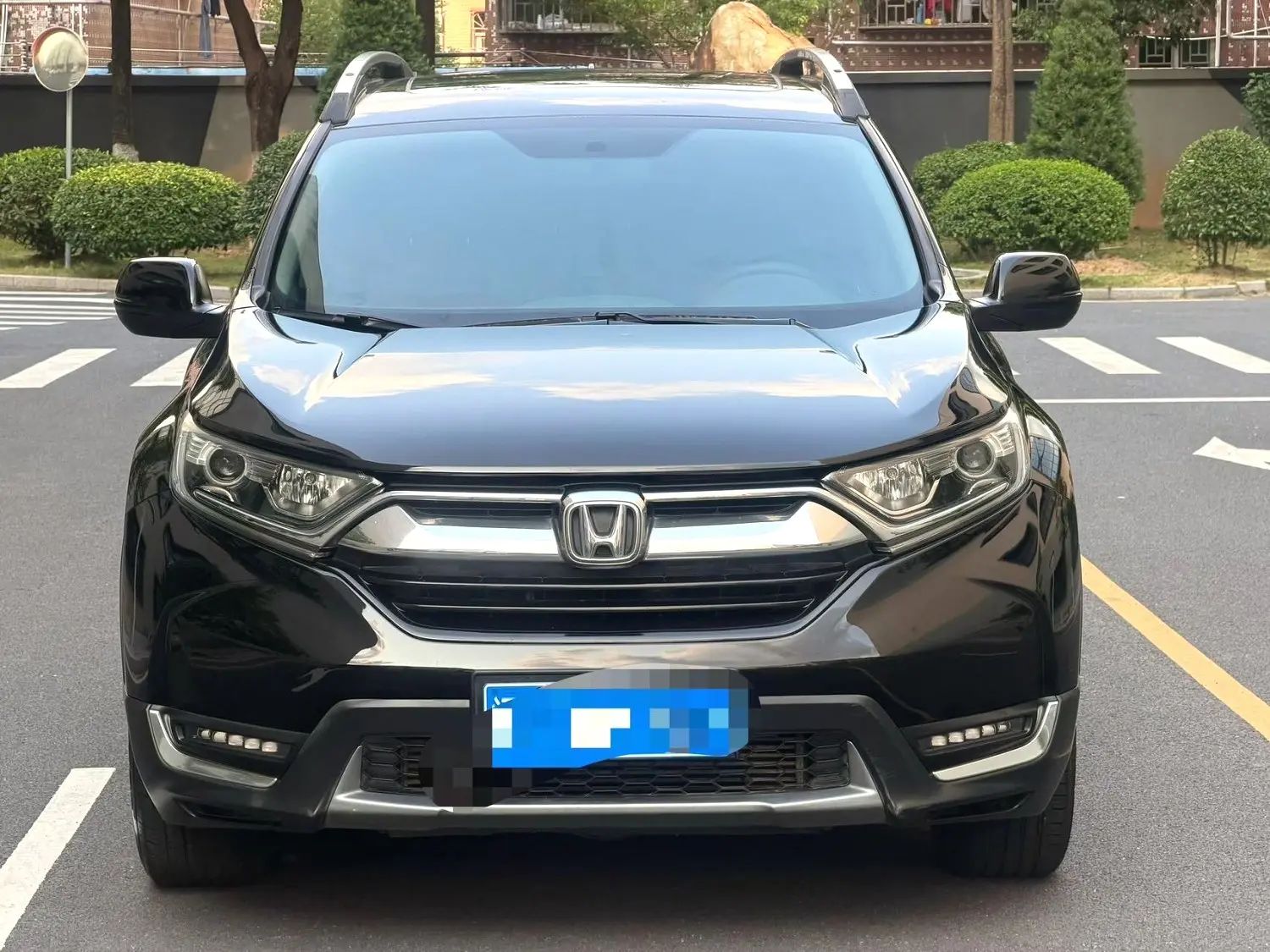
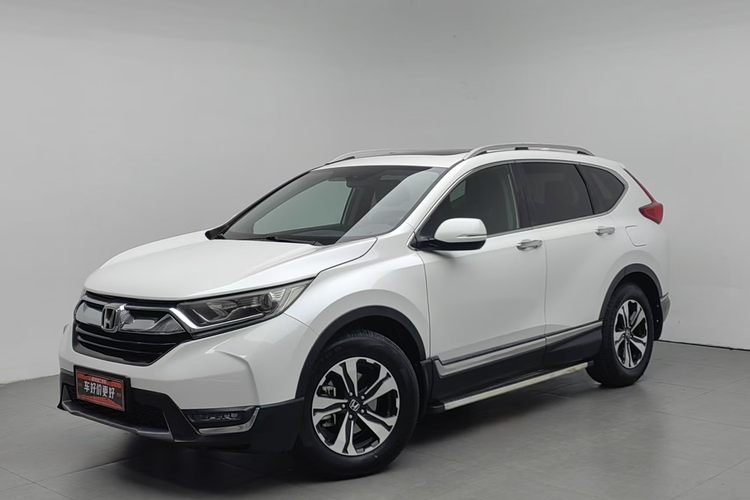
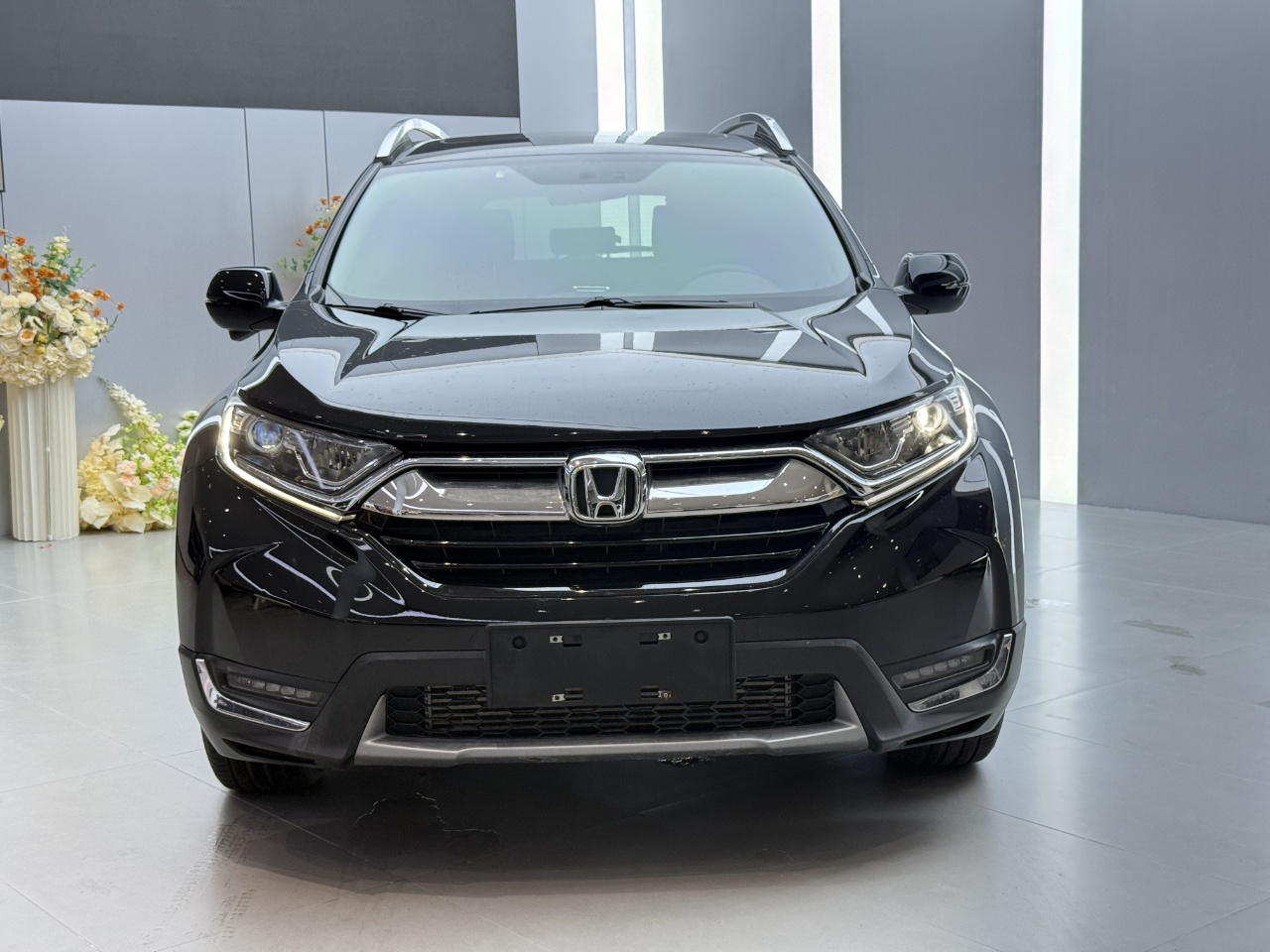
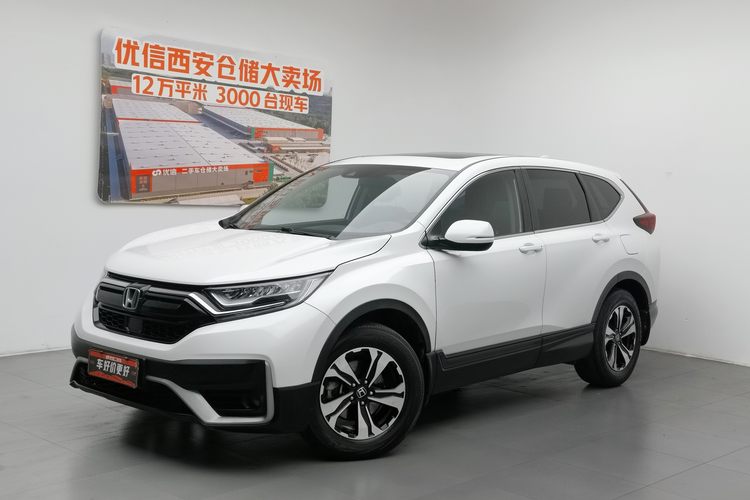
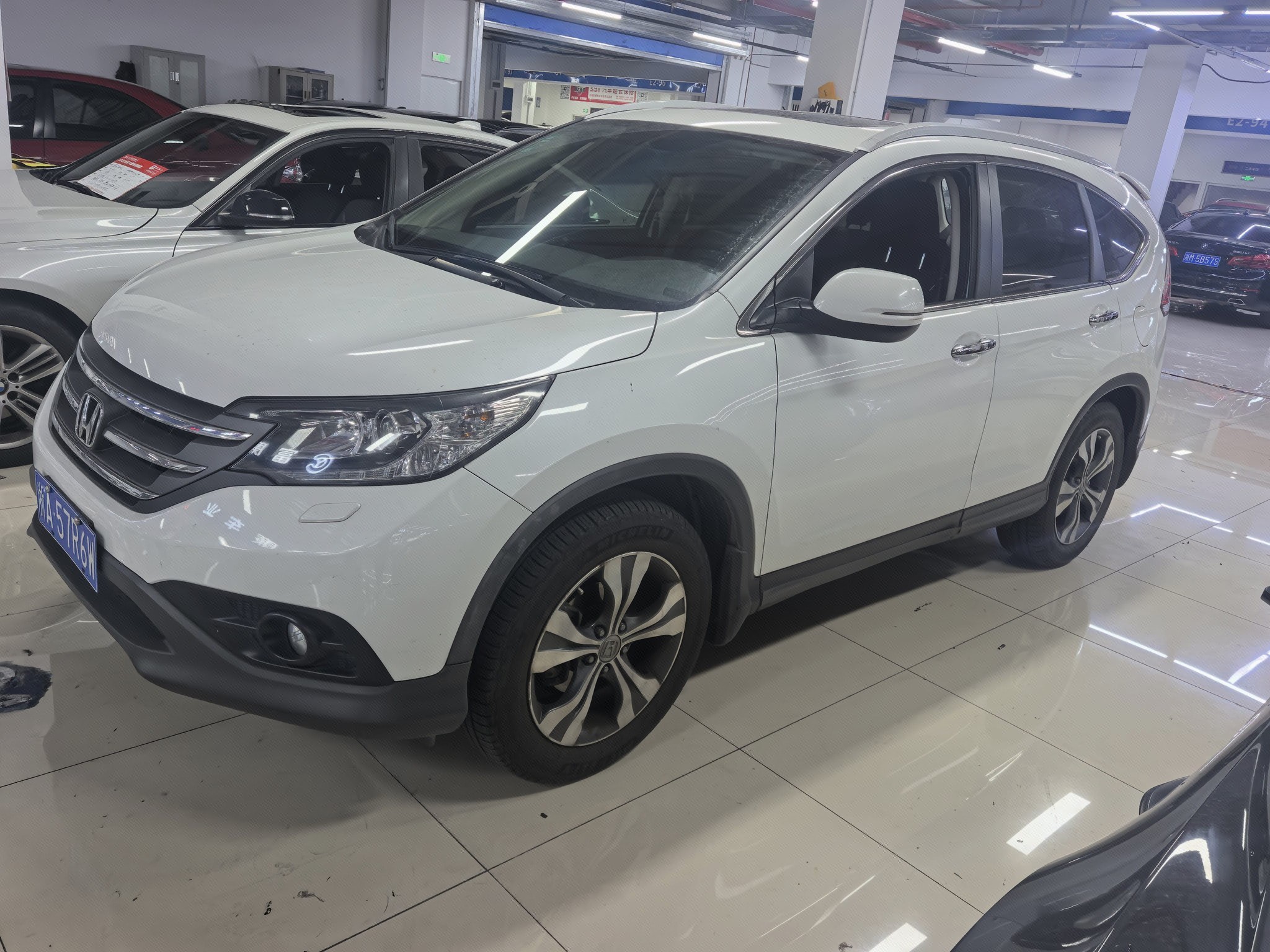
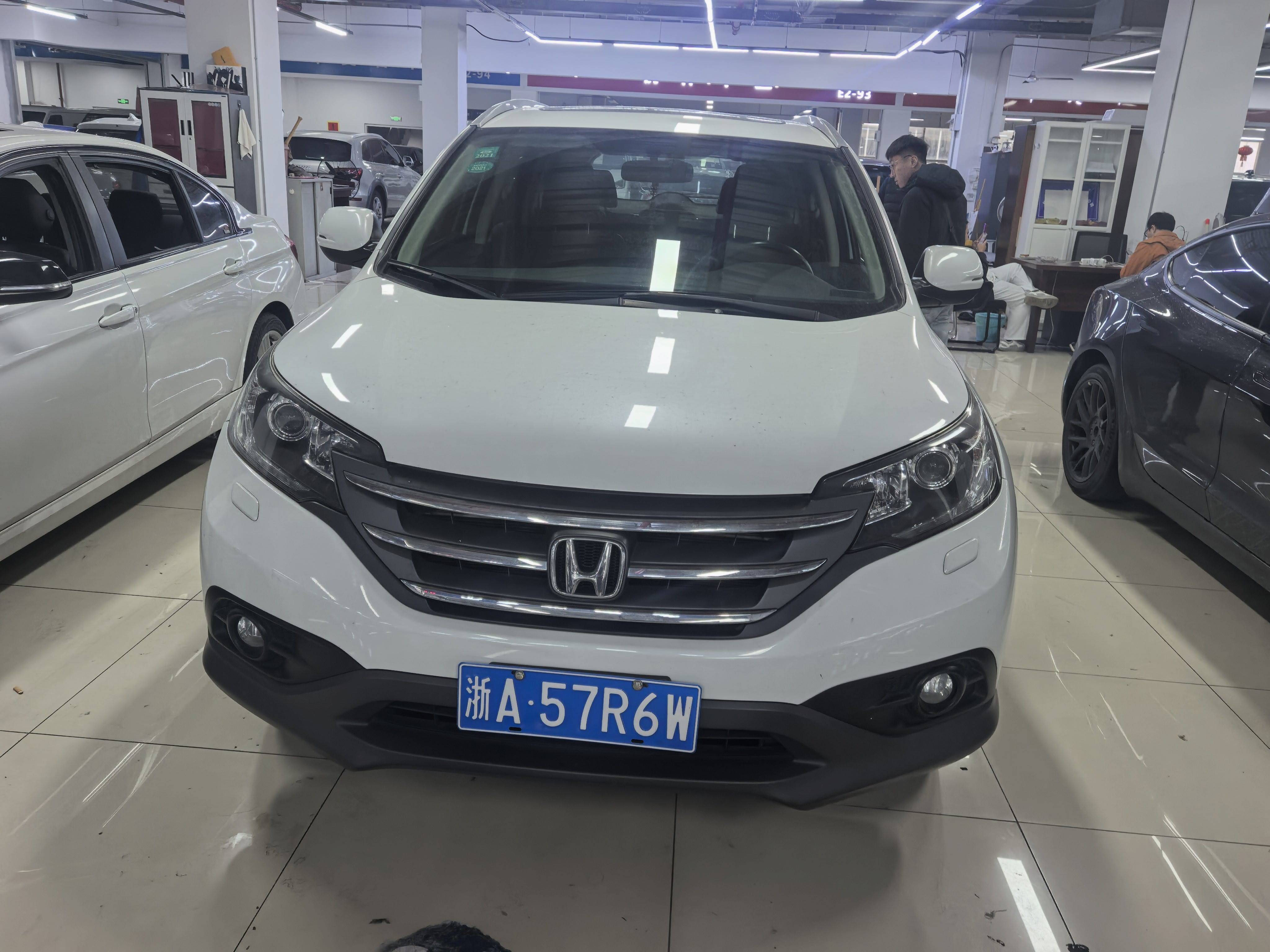
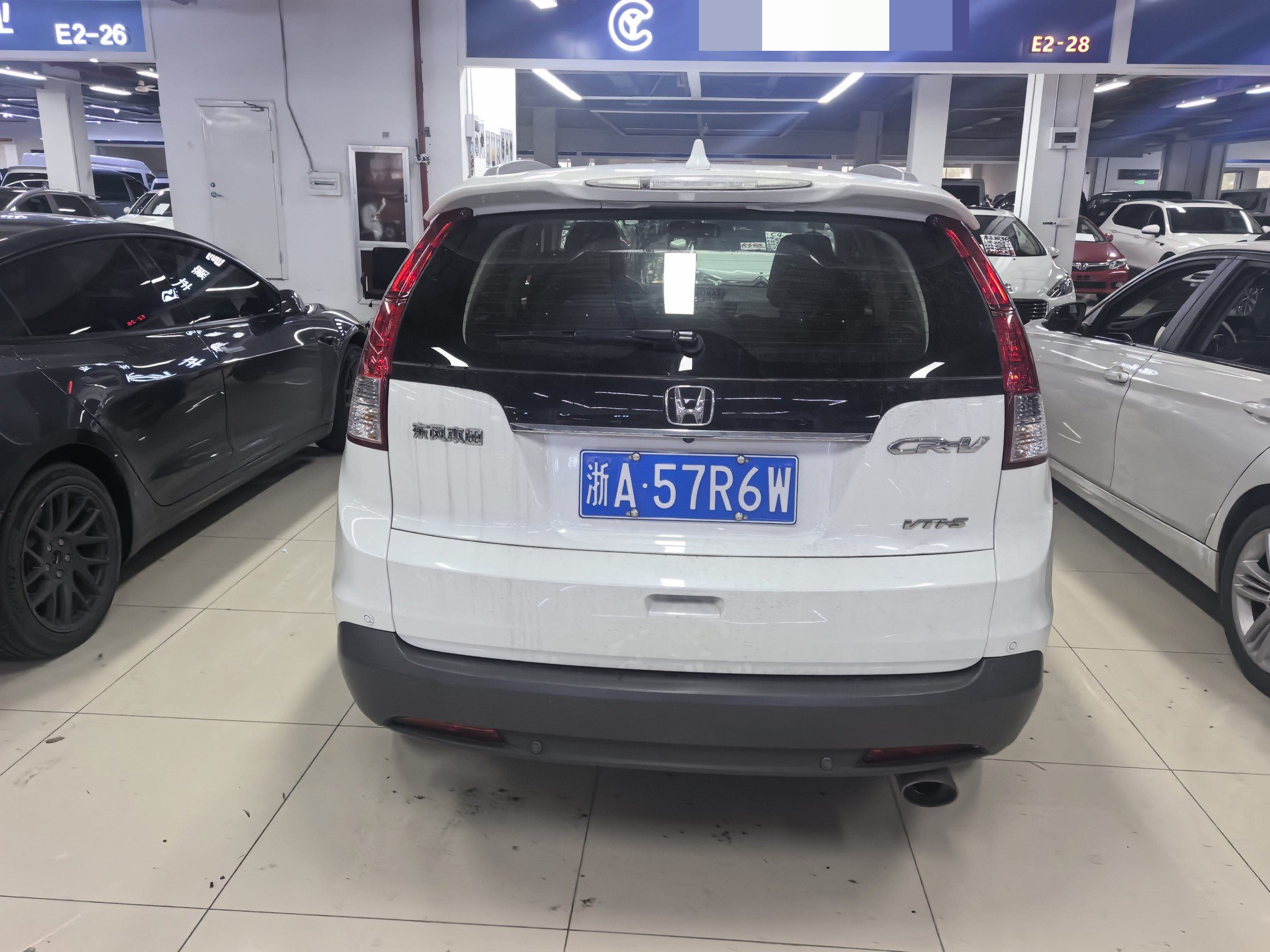
BrandHonda
SeriesCR-V
Year2012
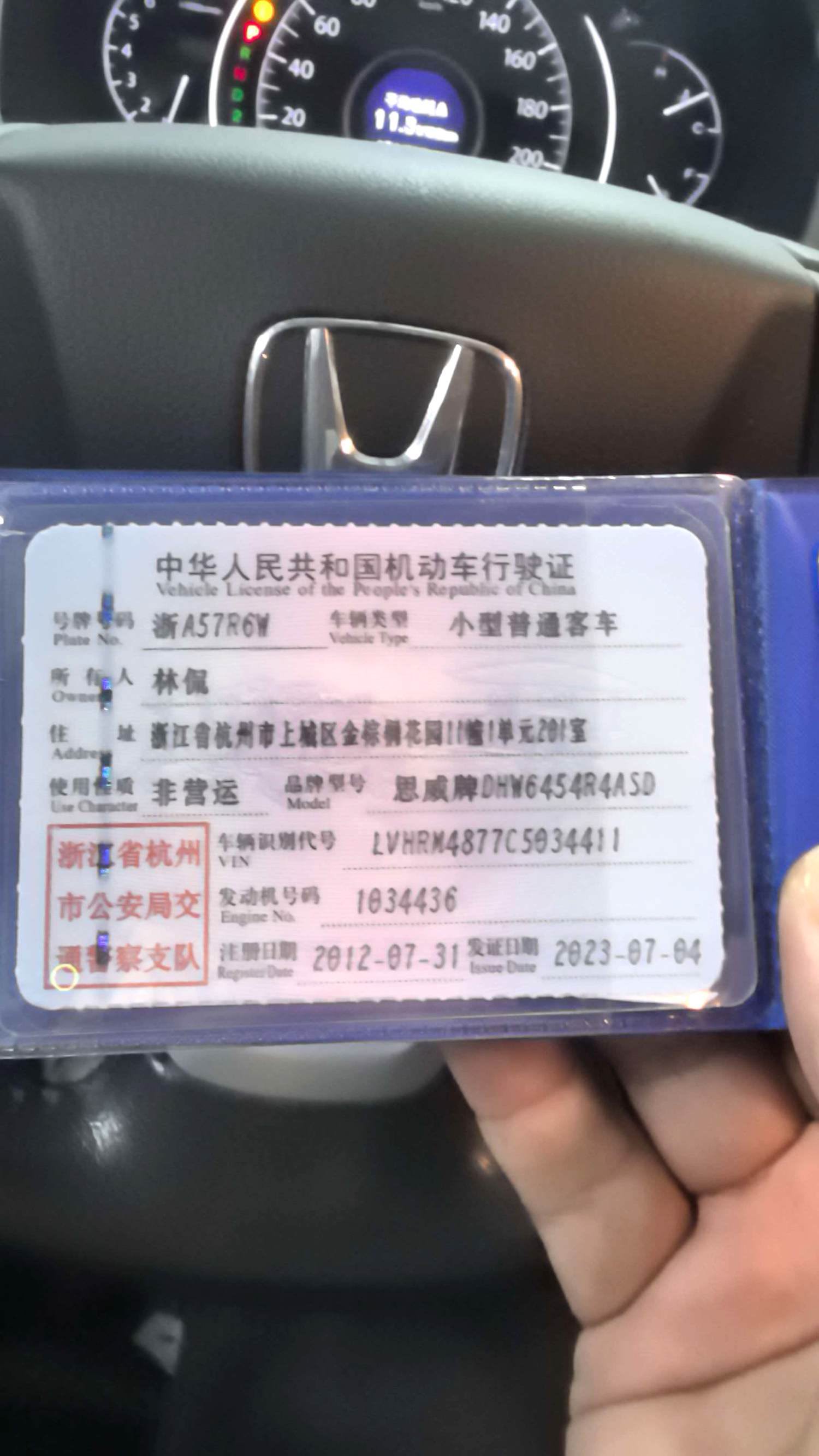
First Registration2012/07
Mileage136,000km
Transfer Count0times
FuelGasoline
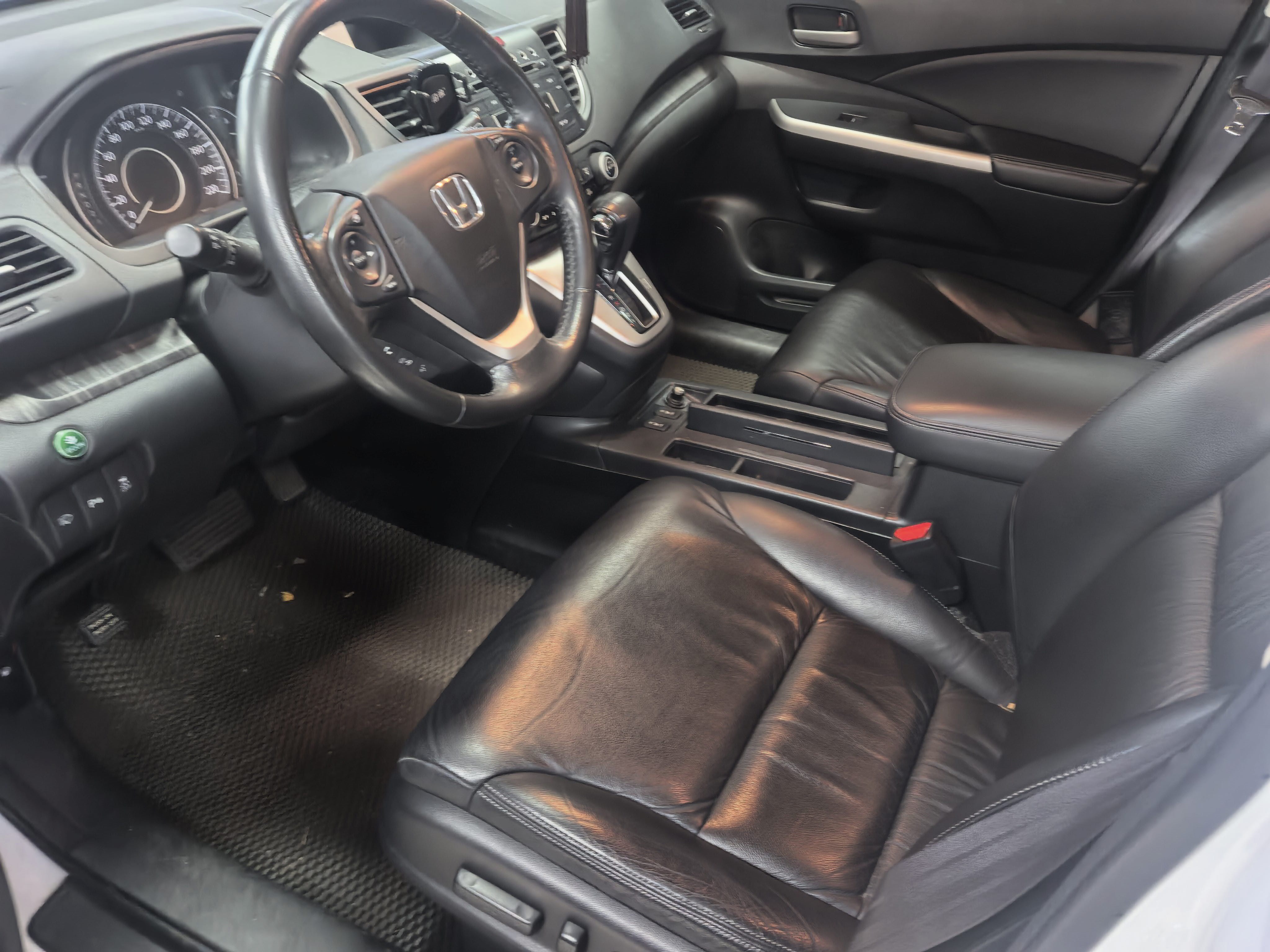
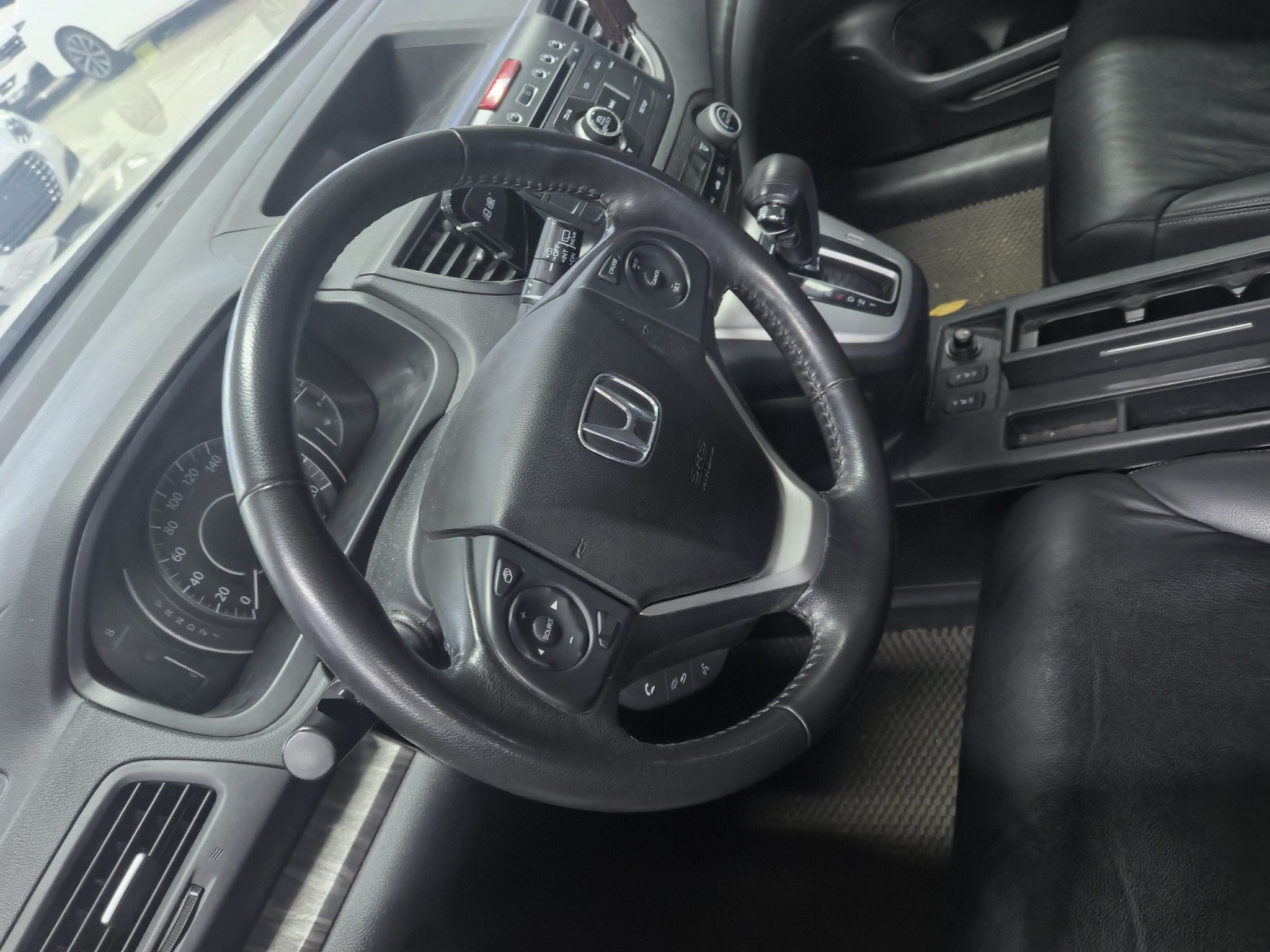
TransmissionAutomatic
Engine2.4L 190 L4
ColorWhite
Seats-

Condition Description

Original condition vehicle, three panels have scratch repaint. Actual odometer reading 130,000 km.

Document Information

Inspection Expiry Date-
Warranty Expiry Date-
Insurance Expiry Date2027/07

Q&A

More

Is it okay if the name of my overseas company does not match the bank account title for the final remittance?

It is extremely dangerous and usually not allowed. This can easily trigger the anti-money laundering (AML) controls of China's foreign exchange administration. The remittance account title must closely match the contract buyer and the bill of lading consignee. If payment on behalf is necessary, a legally binding "Tripartite Payment Agreement" must be provided in advance and undergo compliance review by our finance department.


How should I compare quotes from multiple Chinese exporters to find the real best price?

Comparing headline prices alone will mislead you—quotes often bundle or exclude different items. Build a like-for-like comparison before deciding. Request every exporter to break their quote into: vehicle price, domestic transport in China, export handling and documentation fees, inspection fee, ocean freight to your port, and insurance. Then add what they exclude: your country's customs duty, VAT/GST, port charges, and local delivery. Watch for common padding: "service fees" of 3-8% that appear only in the final invoice, inflated inland transport (a truck from Guangzhou to a port should rarely exceed a few hundred dollars), and freight quotes that assume a shared container while charging you for a full one. Ask each exporter to state validity (7-14 days is normal) and whether the price is FOB or CIF. Once normalized, the cheapest quote usually isn't the lowest number—it's the one with the shortest list of exclusions and the clearest terms.

Why are the shipping costs for used electric vehicles (EVs) usually higher than for internal combustion engine vehicles (ICEs)?

Pure electric vehicles are classified as Class 9 Dangerous Goods due to their large lithium batteries, leading to strict shipping regulations. Shipping companies have high requirements for the loading position and fire isolation measures for dangerous goods, and some roll-on/roll-off ships refuse to accept used EVs. As a result, EVs often require more expensive special container shipping and incur additional handling fees for hazardous materials.