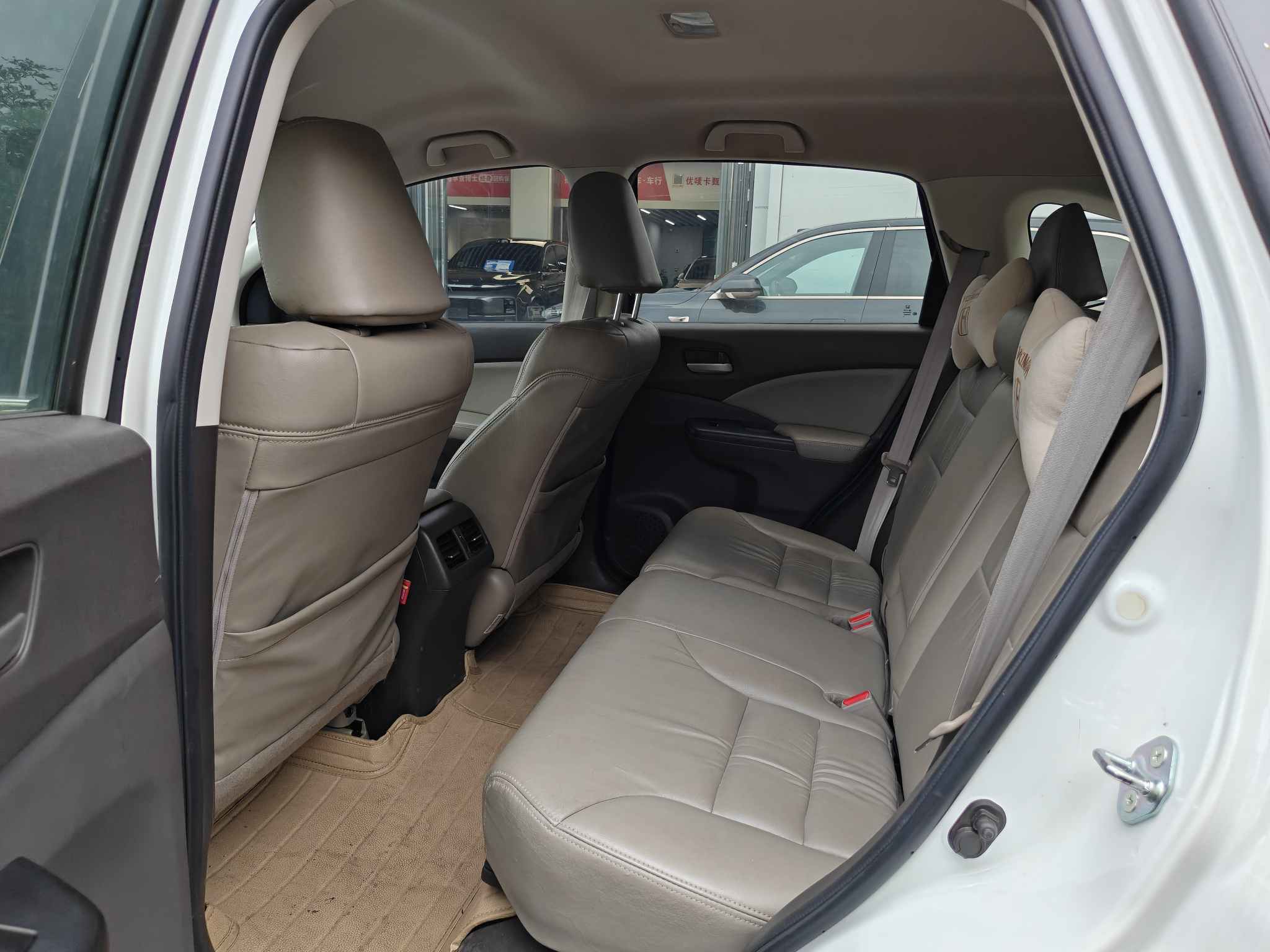
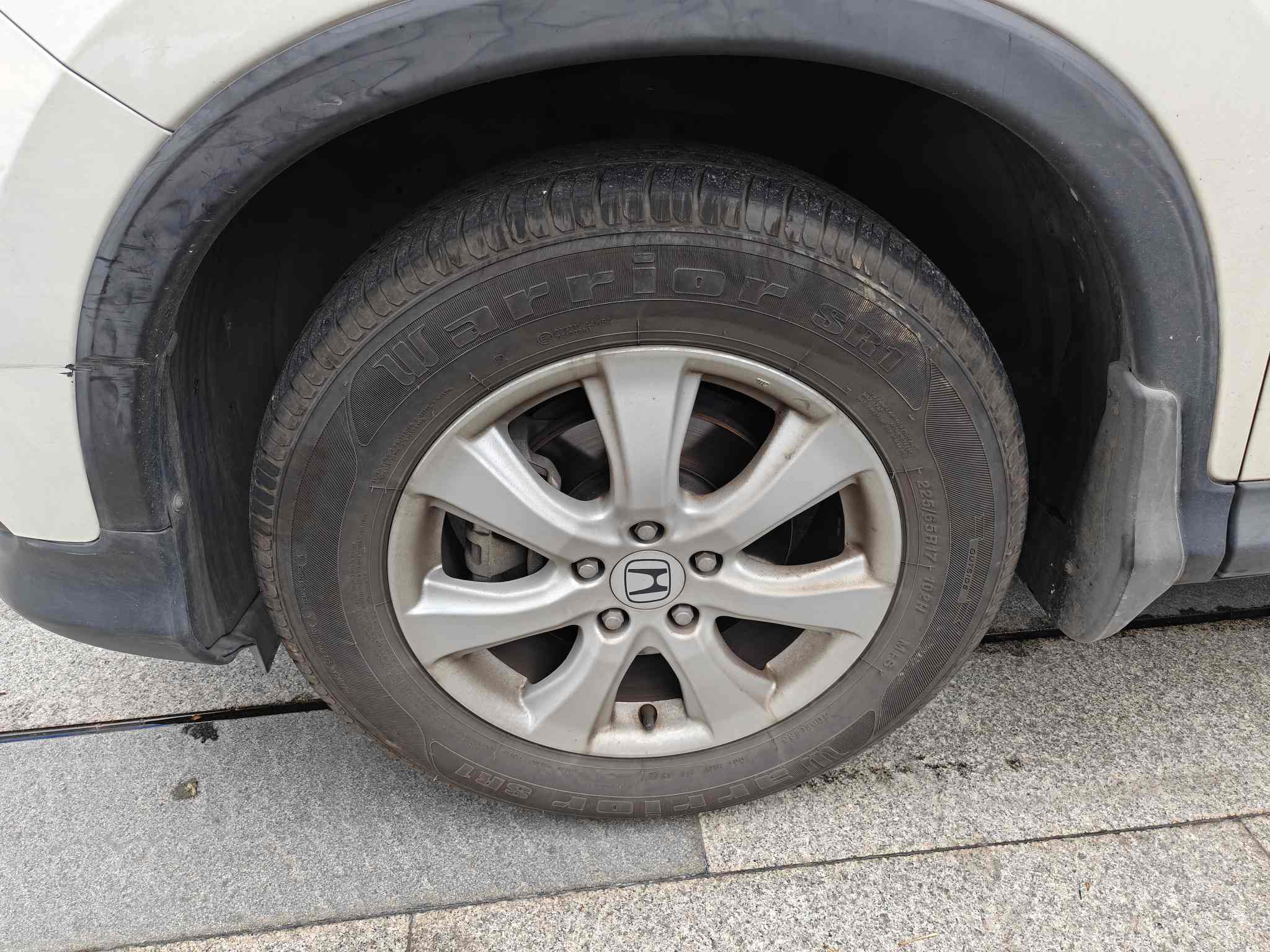
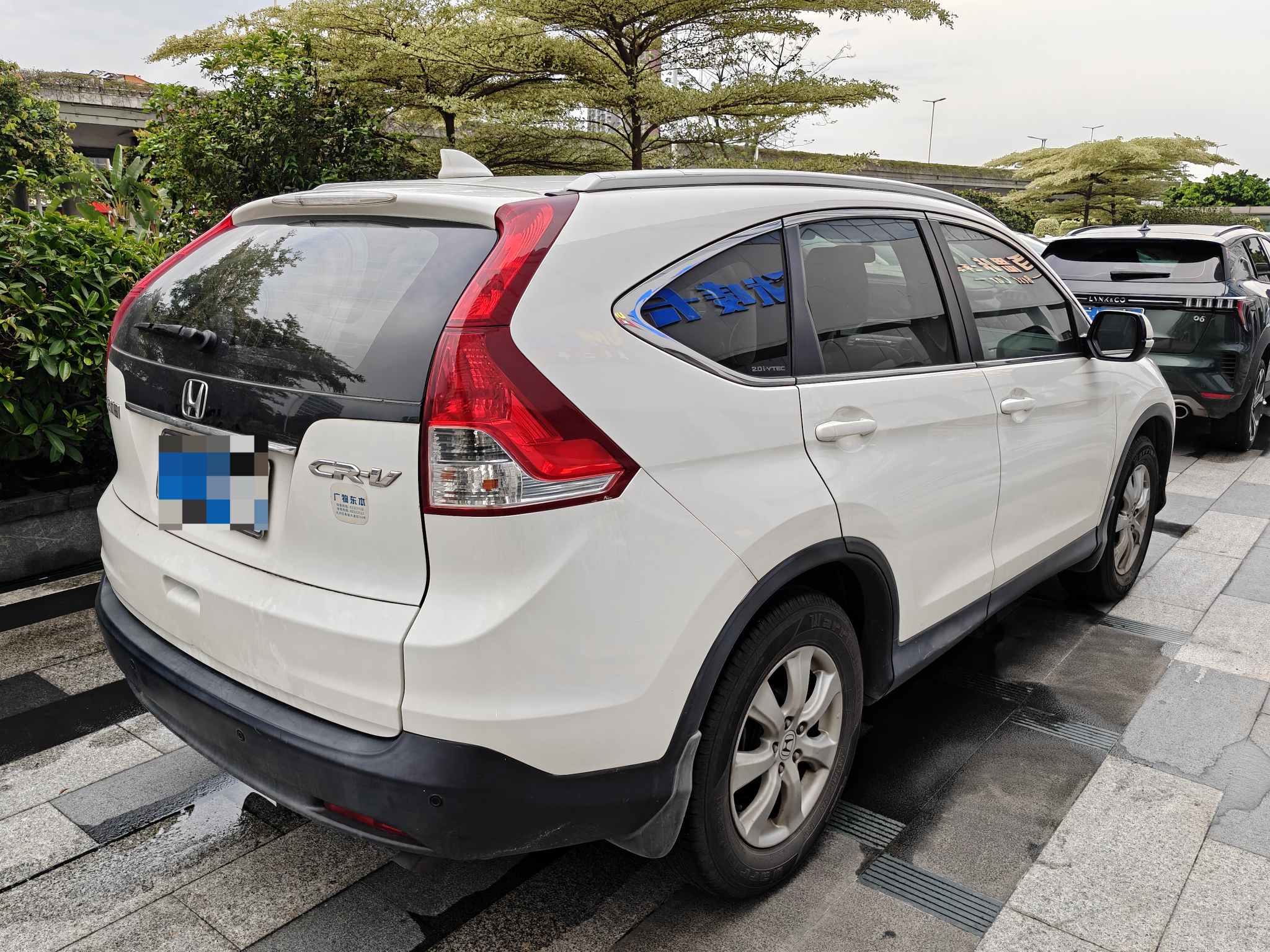



Basic Information

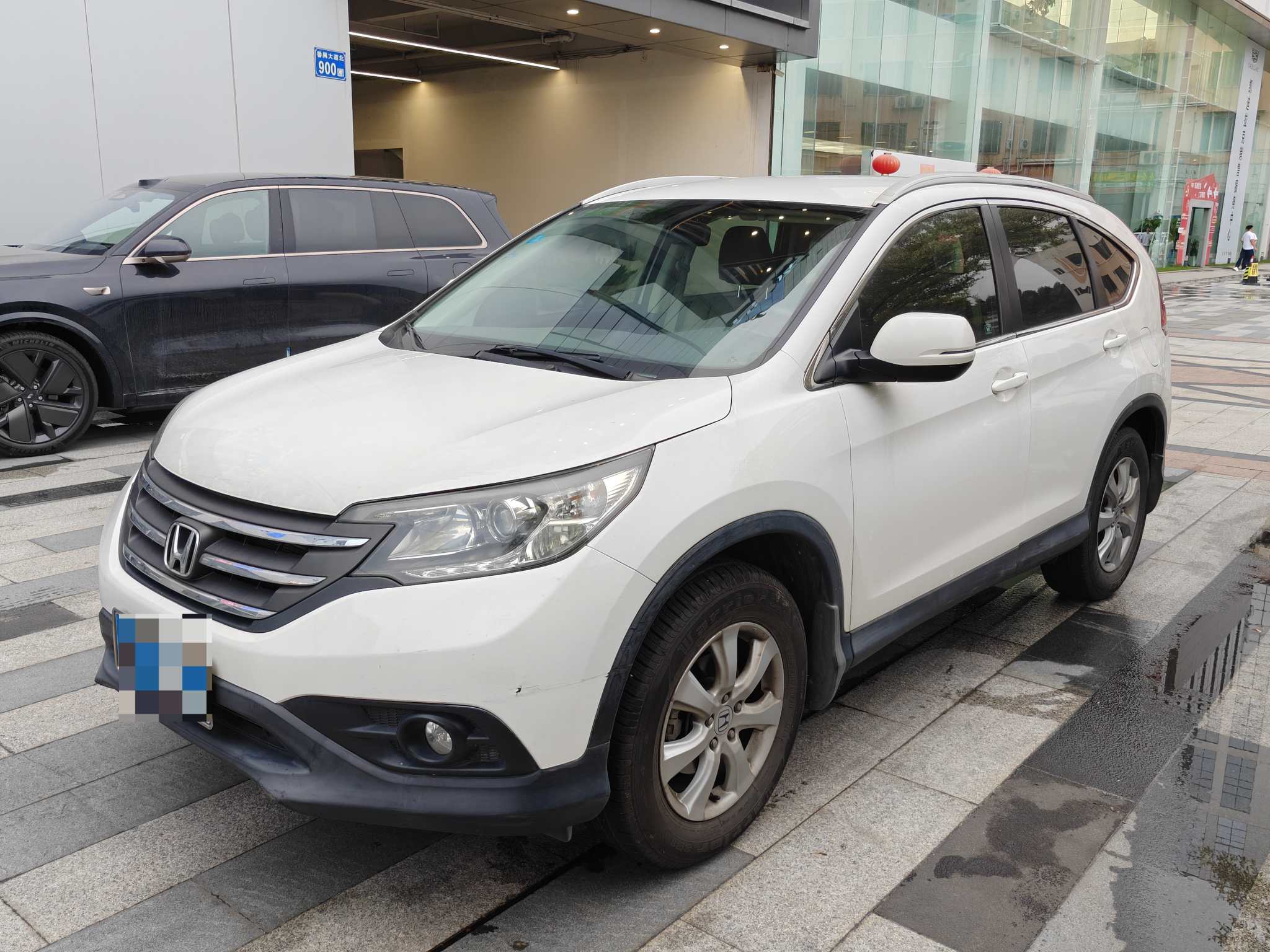
BrandHonda
SeriesCR-V
Year2013
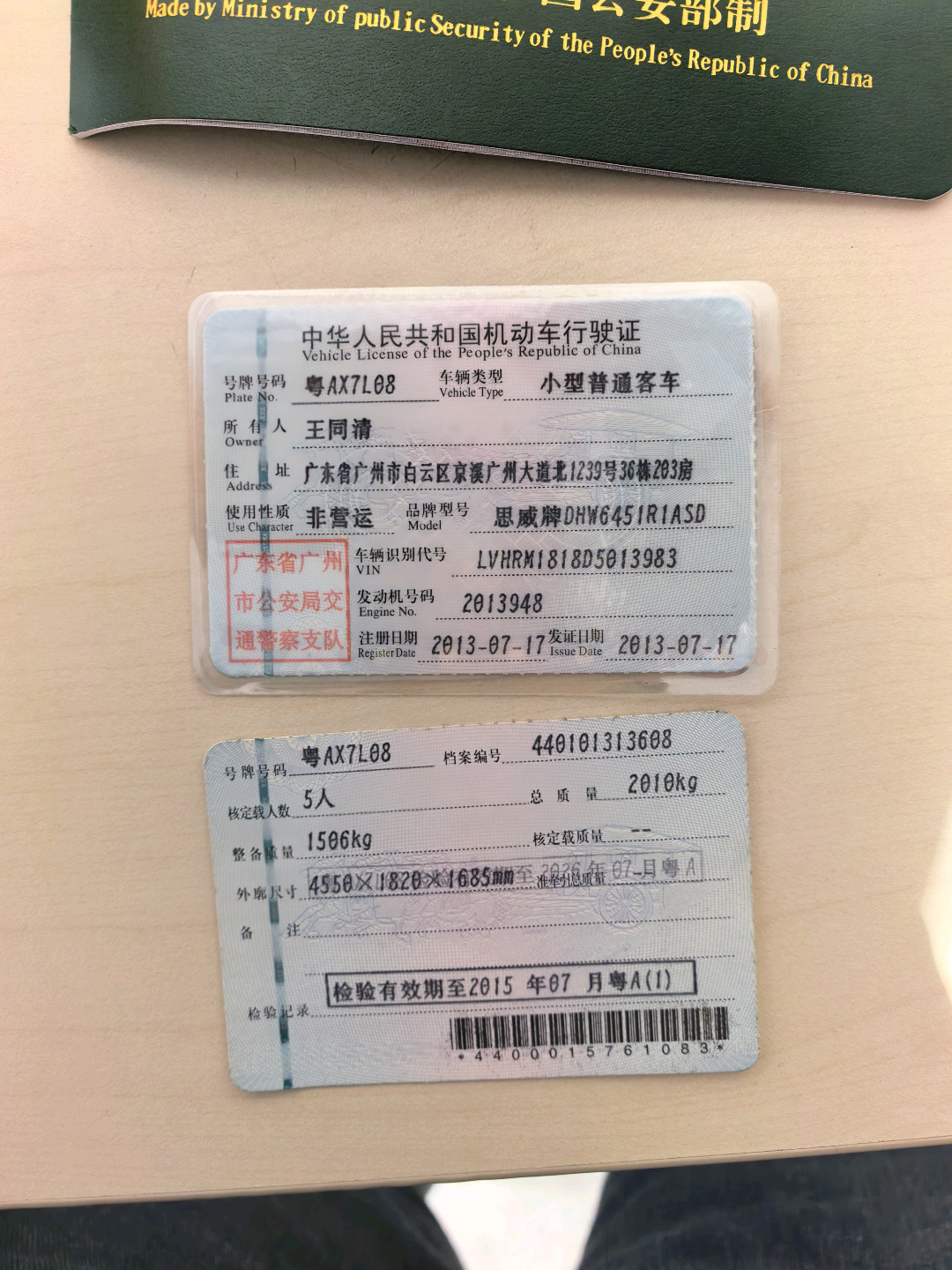
First Registration2013/07
Mileage45,000km
Transfer Count0times
FuelGasoline
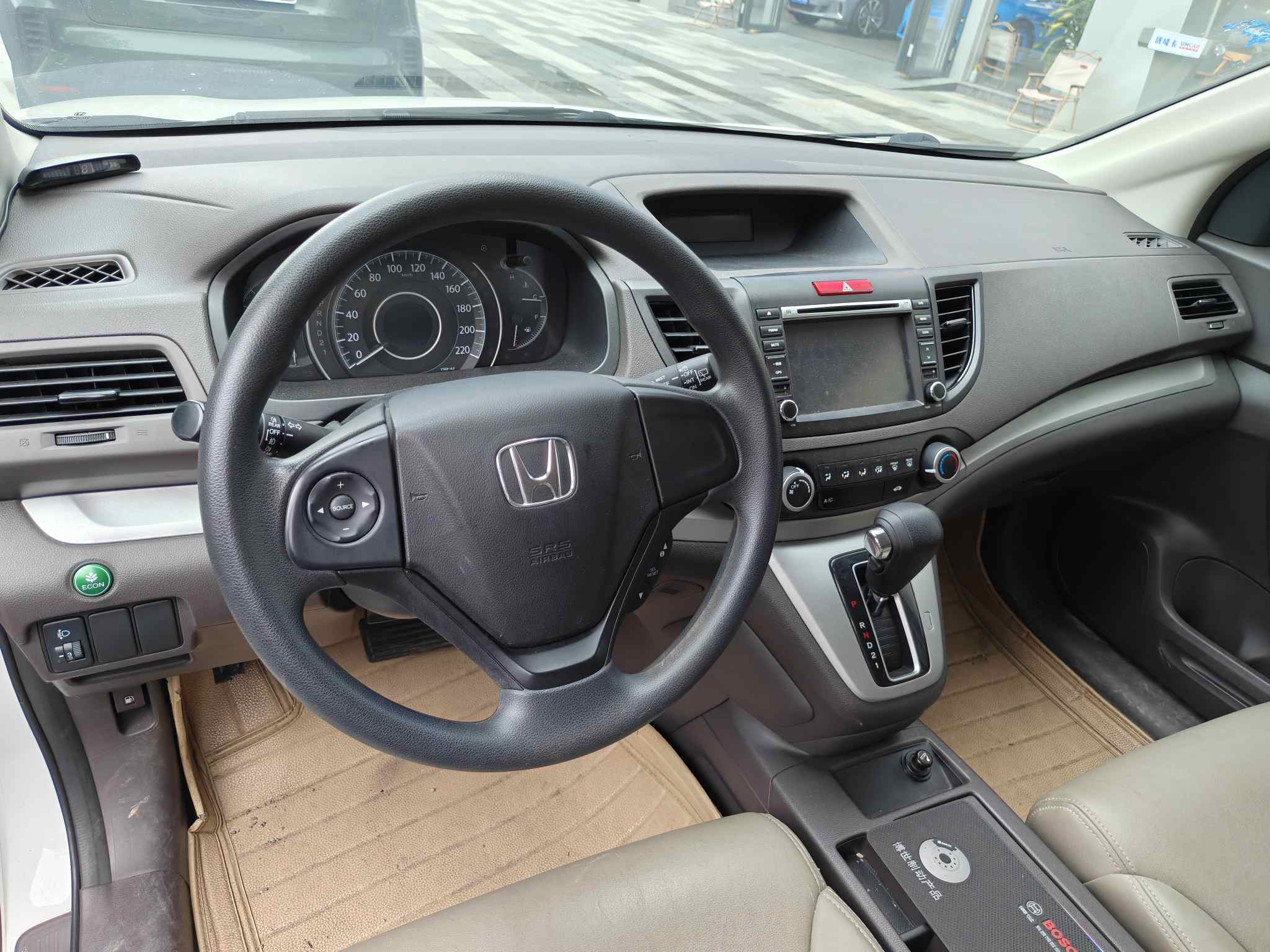
TransmissionAutomatic
Engine2.0L 155 L4
ColorWhite
Seats-

Condition Description

General vehicle condition.

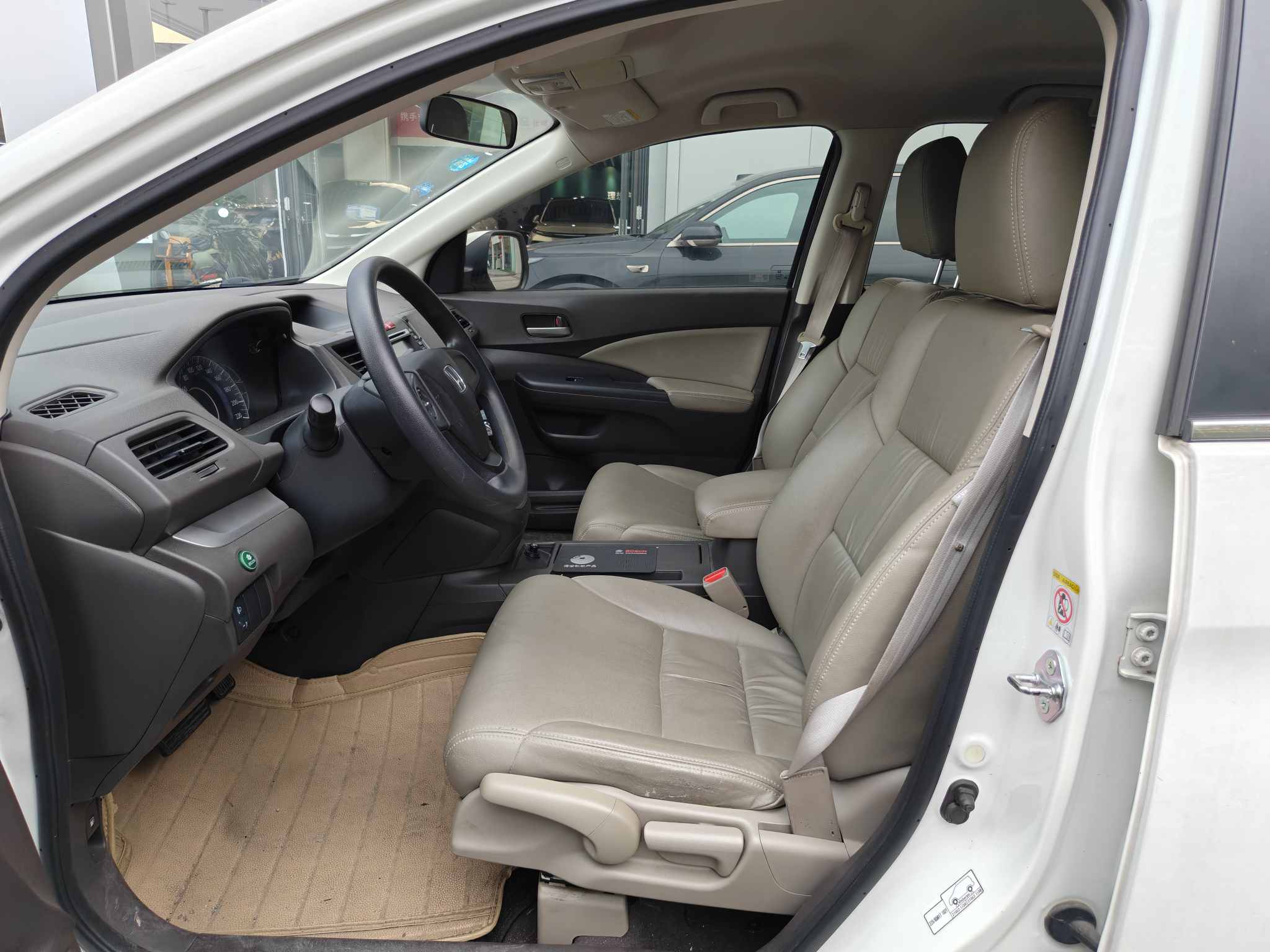
2012 Honda CR-V, registered in July 2013, with 45,000 km mileage. The vehicle has had 0 ownership transfers. Bodywork has been repainted, specifically the hood, with an investment of 2-3 panels of paint.

可议价
已下架
新到车源

Configuration Highlights

✓品牌: 本田
✓车系: 本田CR-V
✓车型: 本田CR-V 2012款 2.0L 自动 LXi两驱都市版
✓能源类型: 燃油车
✓发动机: 2.0L
✓变速箱: 自动
✓驱动方式: 前轮驱动
✓排放标准: 国IV,国V
✓指导价: 19.38万
✓车源编号: 12761114
✓VIN: LVHRM1818D5013983

Document Information

Inspection Expiry Date2026/07
Warranty Expiry Date-
Insurance Expiry Date2026/07

Q&A

More

Will OTA remote upgrades and mobile app control still work after the vehicle is exported overseas?

We must inform you objectively: Most Chinese car manufacturers' connected services (cloud servers) are restricted by data security regulations and overseas network limitations. Once the vehicle leaves China, the factory-installed SIM card will become inactive. This means that official OTA upgrades and factory mobile app remote controls (like pre-cooling the car or unlocking doors) typically cannot be used overseas. The vehicle will operate as a standalone version, but this will not affect basic driving and physical button functions.


How long is your quotation valid? What is the basis for re-quoting after it expires?

Our FOB vehicle quotes are typically valid for 72 hours (as domestic retail vehicle sources can be sold at any time); sea freight quotes are valid for 7 to 14 days (depending on shipping line changes). After expiration, prices need to be recalculated based on real-time exchange rates and domestic procurement conditions.

How are the refrigerant pressure, compressor operation, and heating effect of the air conditioning system deeply tested?

The technician will start the vehicle and turn on the air conditioning system, measuring the actual temperature at the vents at the lowest and highest settings with a thermometer; at the same time, they will connect a manifold pressure gauge to check if the refrigerant pressure in the high and low pressure lines is within the normal range, determining if there is a chronic refrigerant leak.