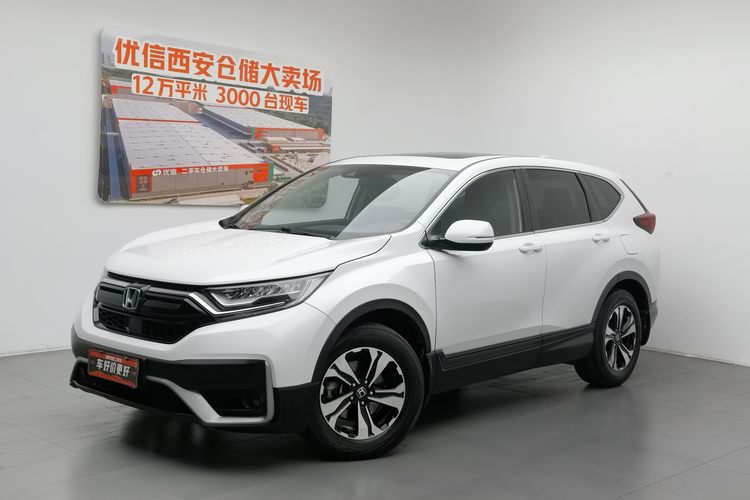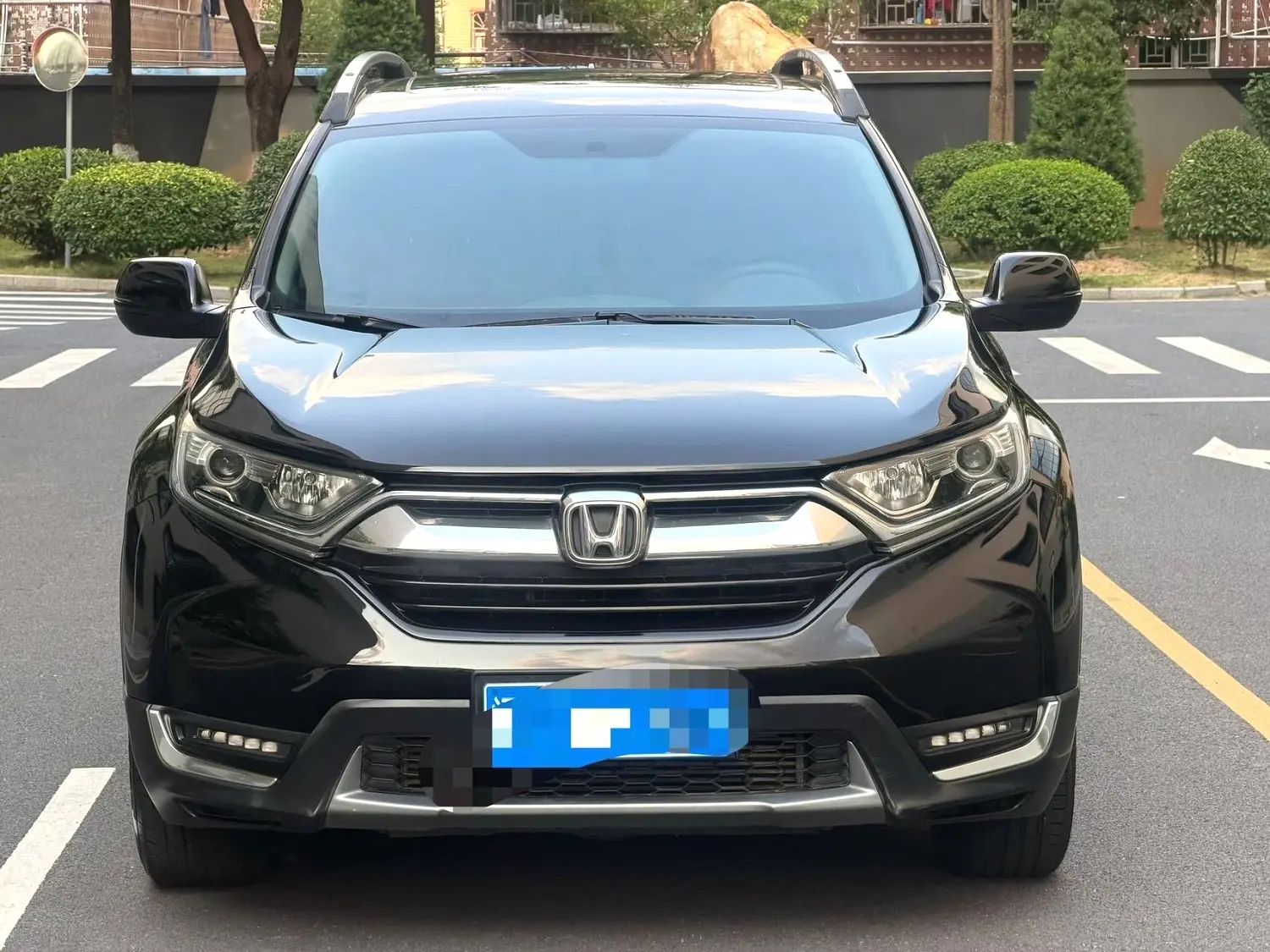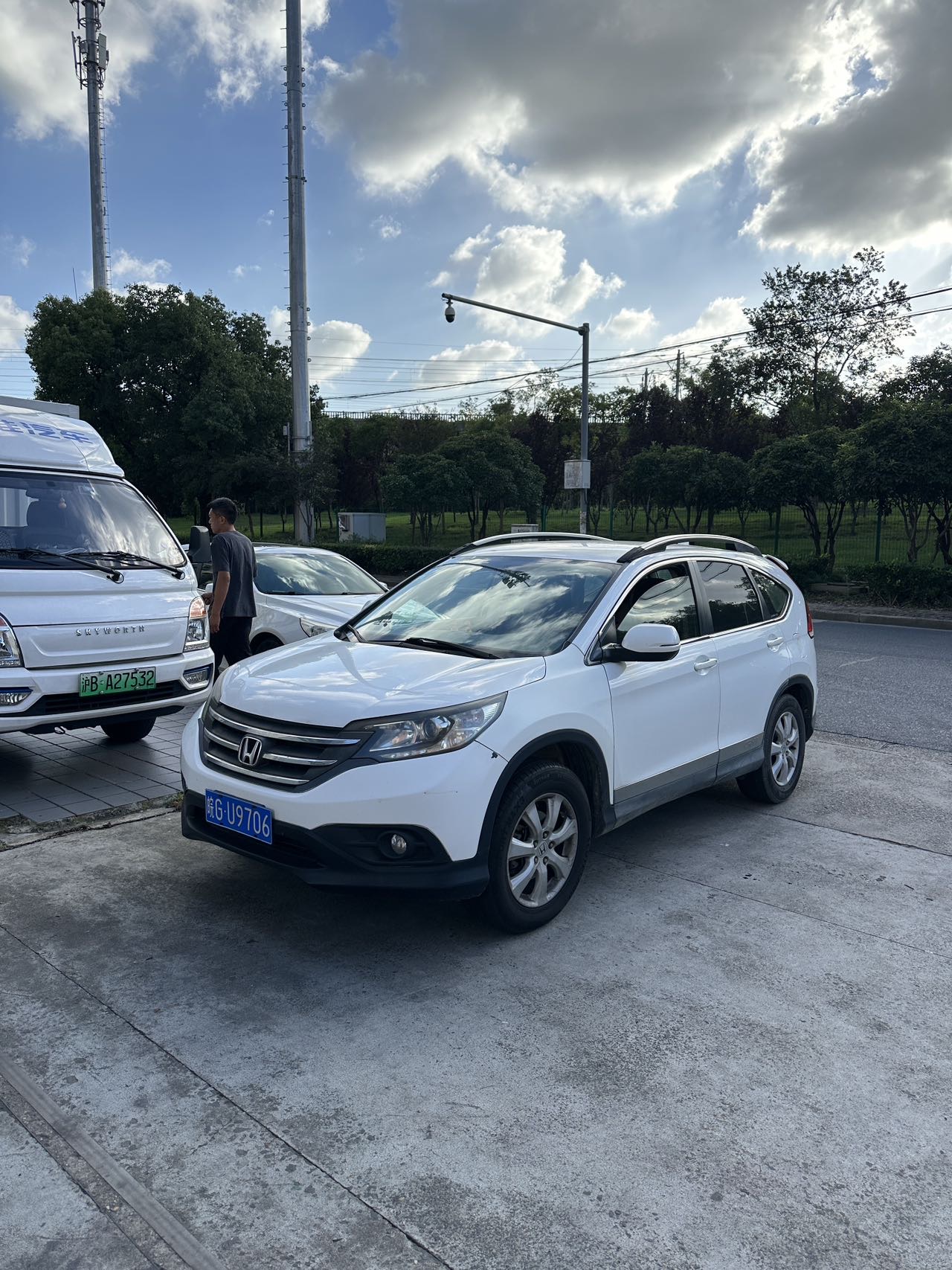

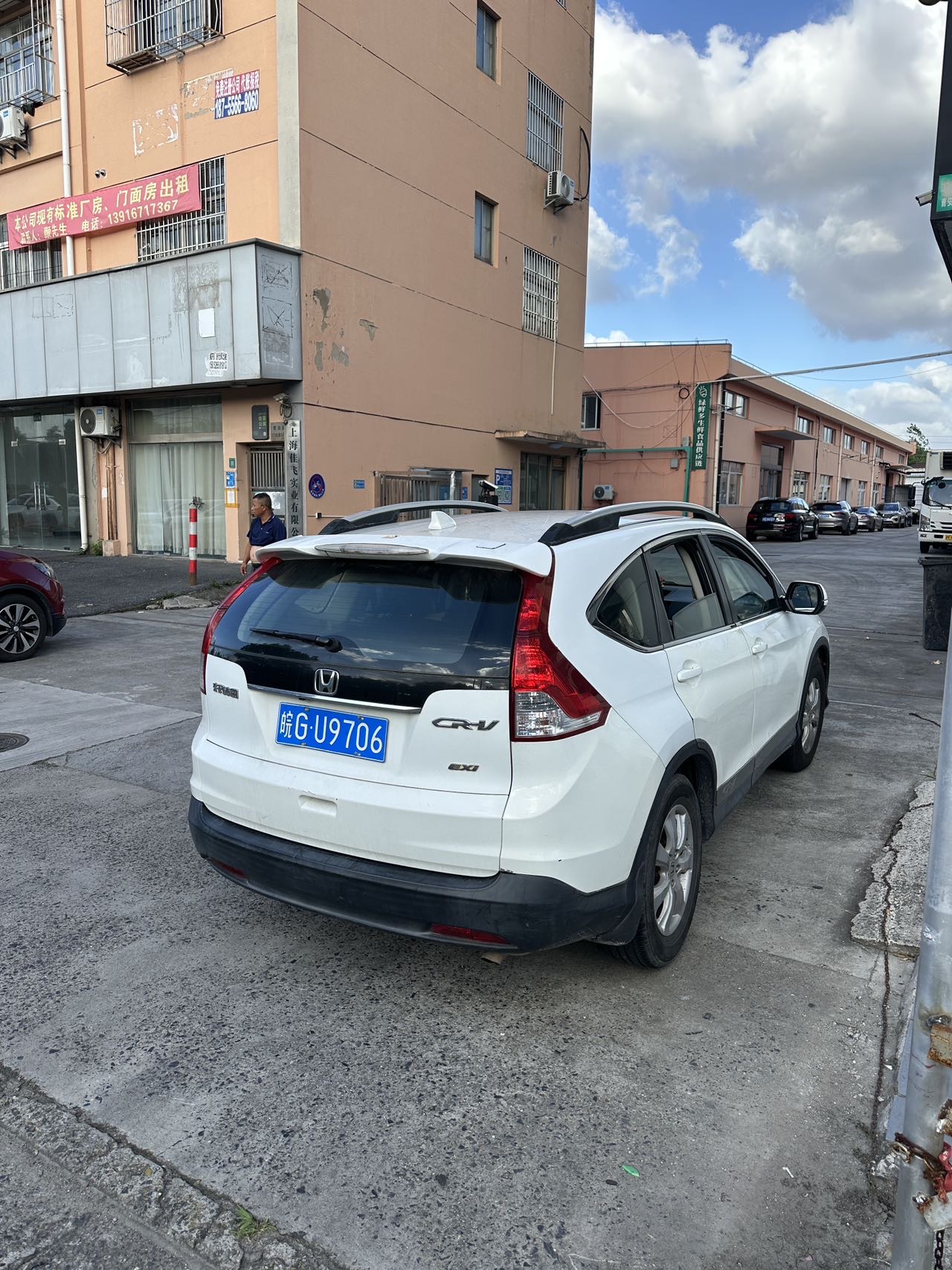



Basic Information

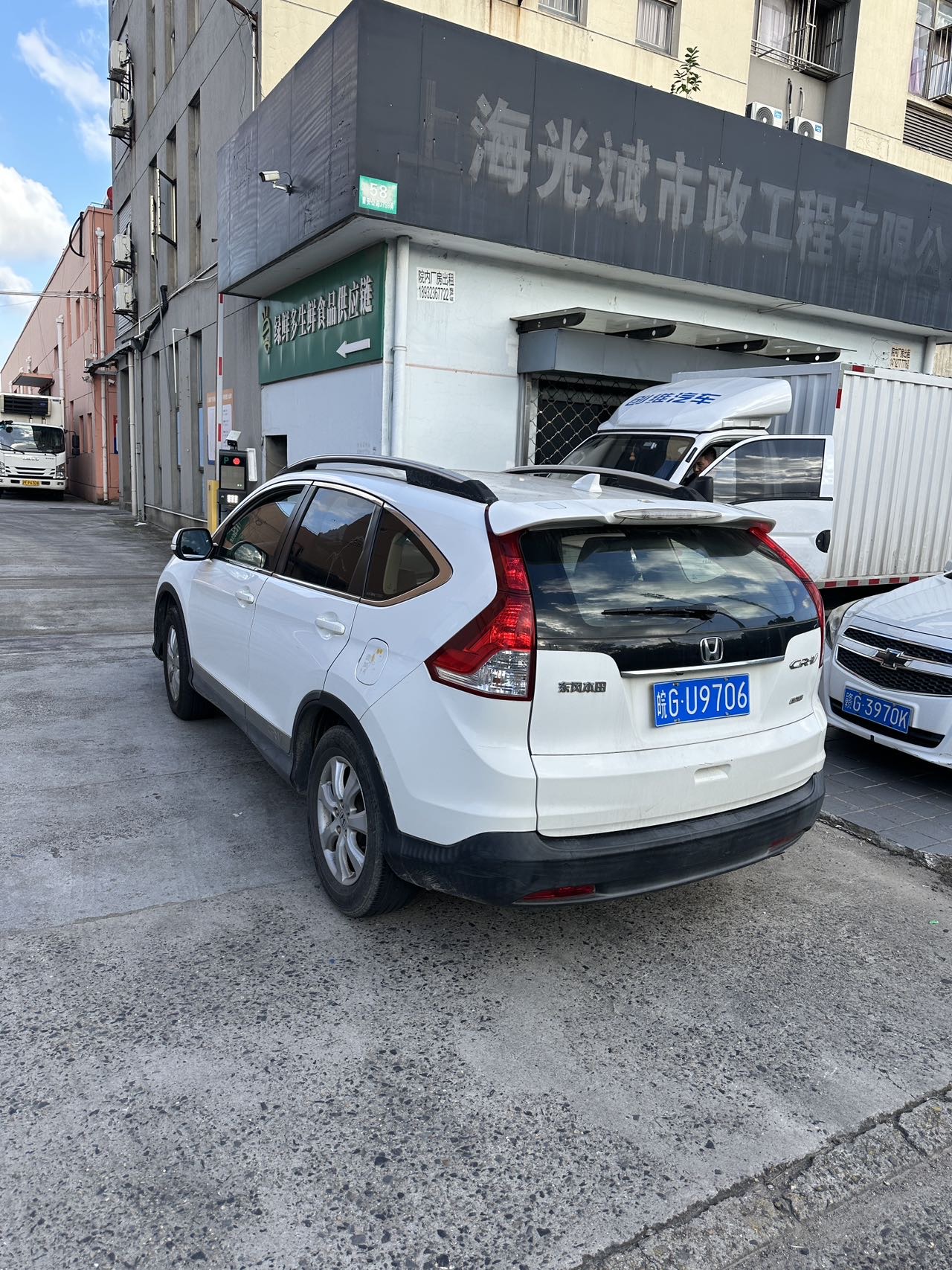
BrandHonda
SeriesCR-V
Year2013
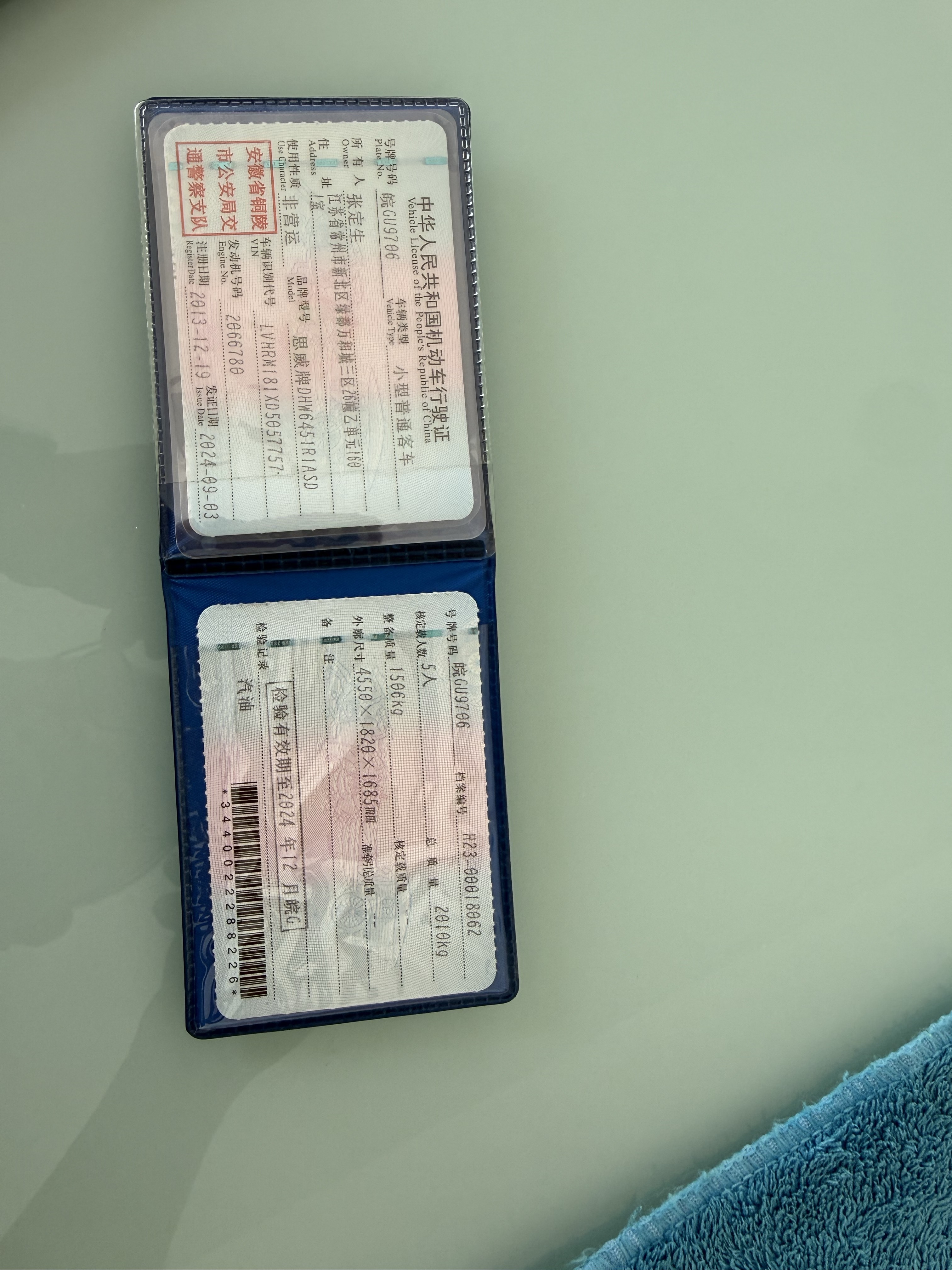
First Registration2013/12
Mileage130,000km
Transfer Count1times
FuelGasoline
TransmissionAutomatic
Engine2.0L 155 L4
ColorWhite
Seats-

Condition Description

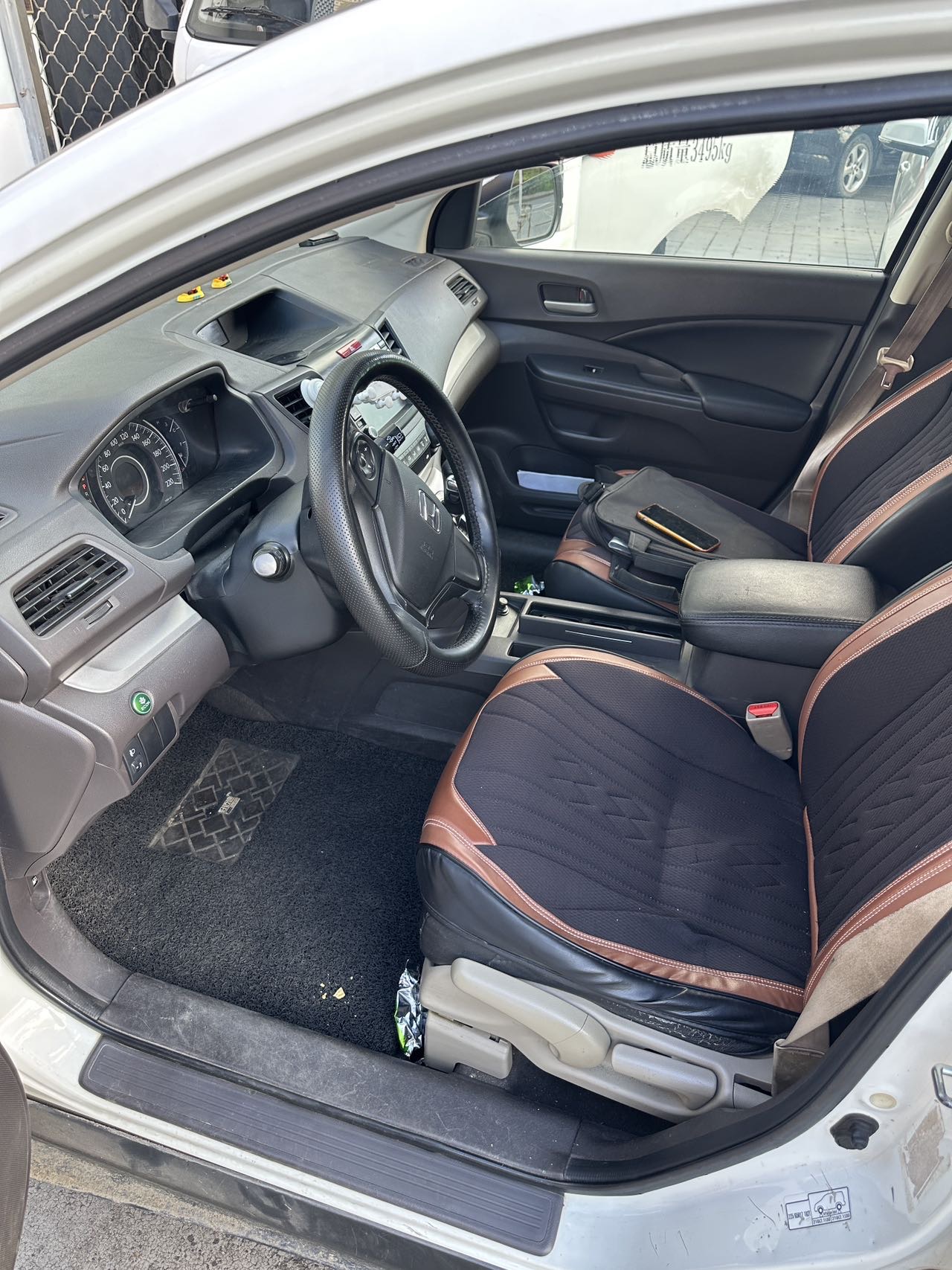
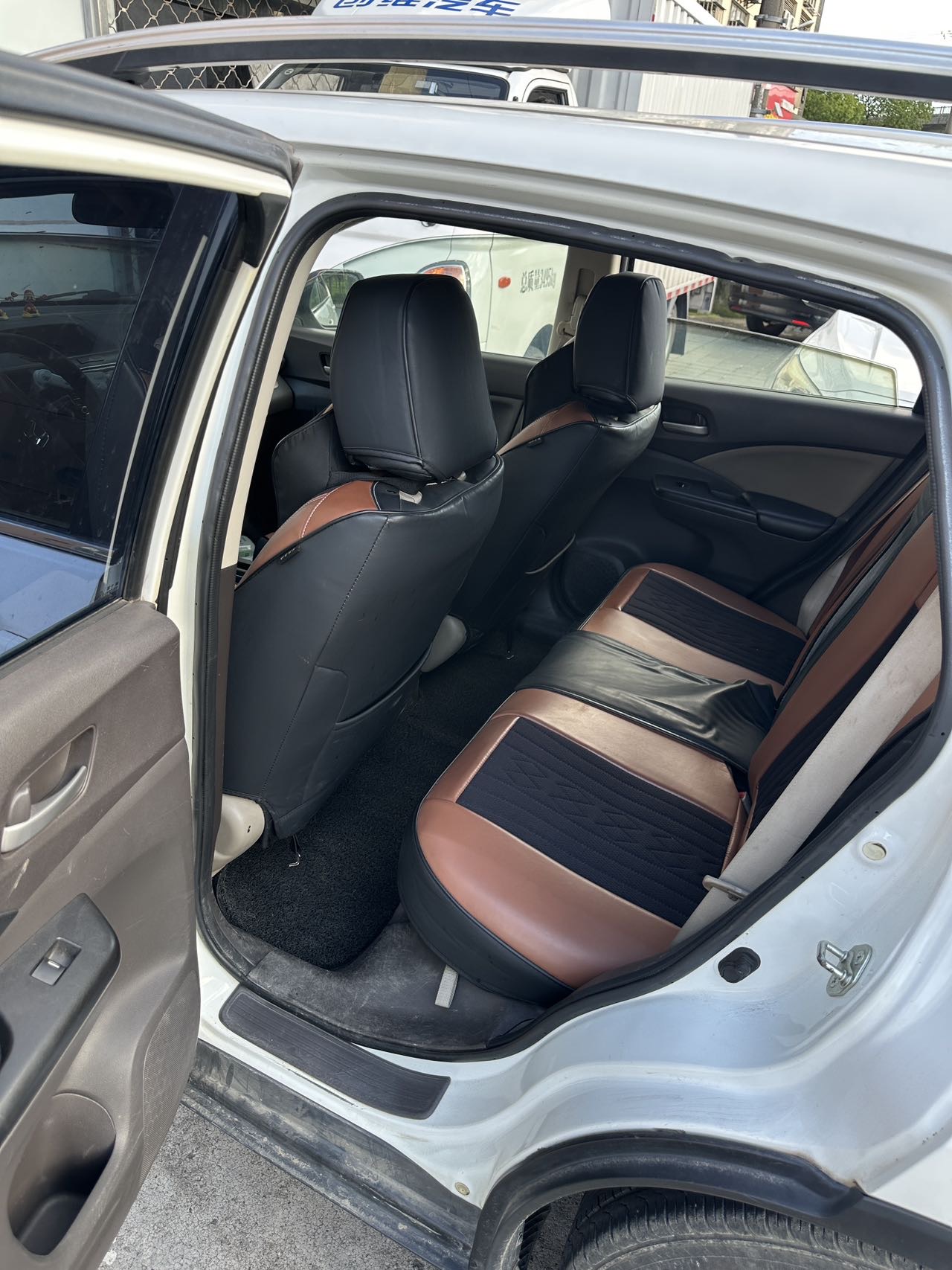
December 2013, 2.0L automatic Honda CRV. Entire vehicle original condition, 130,000 km. Repainted 3 panels upon return home.

燃油车
SUV
自动
维保开放
事故开放
查验开放

Configuration Highlights

✓品牌: 本田
✓车系: 本田CR-V
✓车型: 2012款 2.0L 两驱都市版
✓车身类型: SUV
✓座位数: 5
✓排量: 2.0L
✓变速箱: 自动
✓能源类型: 燃油车
✓VIN: LVHRM181XD5057757
✓搜索关键词: 本田本田CR-V 2012款本田CR-V2.0L两驱都市版

Document Information

Inspection Expiry Date2026/12
Warranty Expiry Date-
Insurance Expiry Date2026/12

Q&A

More

The target country has strict age and emission (such as Euro V/Euro VI) restrictions on imported used cars. Will you help me review this?

Our system provides basic risk alerts based on the general regulations of the main exporting countries, but the final responsibility for confirming whether the vehicle meets the import country's regulations lies with the buyer. We will rigorously indicate the vehicle's production year, first registration date, and Chinese emission standards (such as National V, National VI) on the details page. We recommend that you submit this accurate data to the local vehicle management department or customs agent for verification before placing an order.


Is there a mileage adjustment phenomenon in the Chinese used car market? How do you ensure the absolute authenticity of the odometer?

Odometer tampering is a common risk in the global used car industry. We verify the data by extracting transmission mileage from the OBD computer, checking the most recent maintenance record's mileage, and consulting the national traffic management app for annual inspection records. If there are irreconcilable discrepancies or conflicts in the data, we classify it as a tampered vehicle and refuse to export it.

How do you detect carbon buildup and wear inside the engine using technology without deep disassembly?

We use two steps: 1. Insert a medical-grade endoscope through the spark plug hole to visually inspect cylinder wall scratches and carbon buildup on the piston top; 2. Extract an engine oil sample to check for large metal debris or emulsification (caused by coolant leakage).