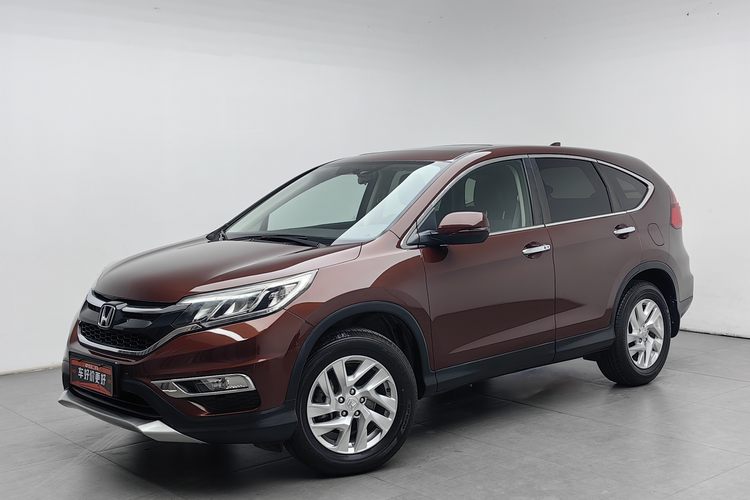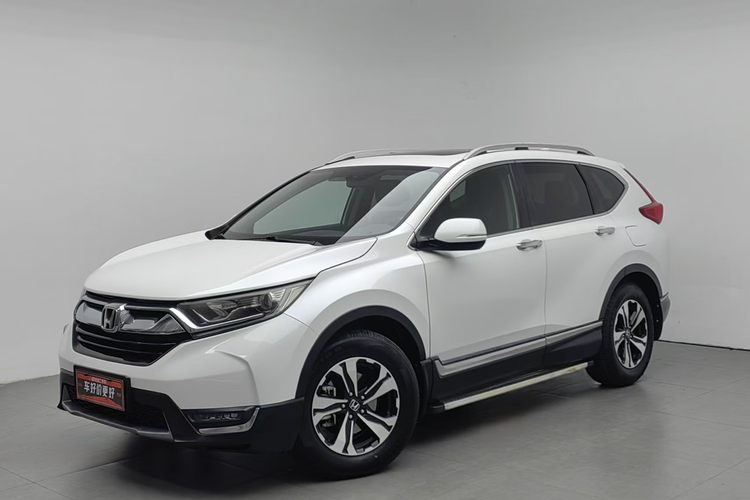


Basic Information

BrandHonda
SeriesCR-V
Year2013
First Registration2013/11
Mileage67,600km
Transfer Count1times
FuelGasoline
TransmissionAutomatic
Engine2.4L 190 L4
ColorWhite
Seats-

Condition Description

Body components (structural/reinforcing/panels) have accident-type damage; passive safety devices are defective; vehicle performance (including three-electric system) is degraded or remains performance-limited after repair.

Accident inspection: main structure undamaged, reinforcing parts damaged, panels damaged, hinges abnormal; engine bay: key mechanical components normal; exterior: 3 sheet metal repairs, 1 repaint; interior: most features normal, airbag normal, seatbelt normal, dashboard normal, instrument check normal, lighting system normal; start-up check: main components normal; on-board tools: none.

电话直连
可讲价
可转售
VIP车源
新检测标准升级>
必卖车源
非泡水

Document Information

Inspection Expiry Date2026/11
Warranty Expiry Date-
Insurance Expiry Date2026/11

Q&A

More

Is the external discharge function (V2L) of the vehicle outputting 220V or 110V?

The V2L output standard for domestic models in China is 220V/50Hz. If your country's power grid standard is 110V/60Hz (like in some parts of North America), you cannot directly power local high-power appliances and will need an external transformer.
Will you provide a full vehicle electronic fault code scan report read by the OBD (On-Board Diagnostics) computer?

Yes. We will use a professional diagnostic tool to scan all vehicle systems, including the Engine Control Unit (ECU), Transmission Control Module (TCM), Anti-lock Braking System (ABS), and Airbag Module (SRS), and provide English screenshots of all current and historical Diagnostic Trouble Codes (DTCs).

Why are the shipping costs for used electric vehicles (EVs) usually higher than for internal combustion engine vehicles (ICEs)?

Pure electric vehicles are classified as Class 9 Dangerous Goods due to their large lithium batteries, leading to strict shipping regulations. Shipping companies have high requirements for the loading position and fire isolation measures for dangerous goods, and some roll-on/roll-off ships refuse to accept used EVs. As a result, EVs often require more expensive special container shipping and incur additional handling fees for hazardous materials.