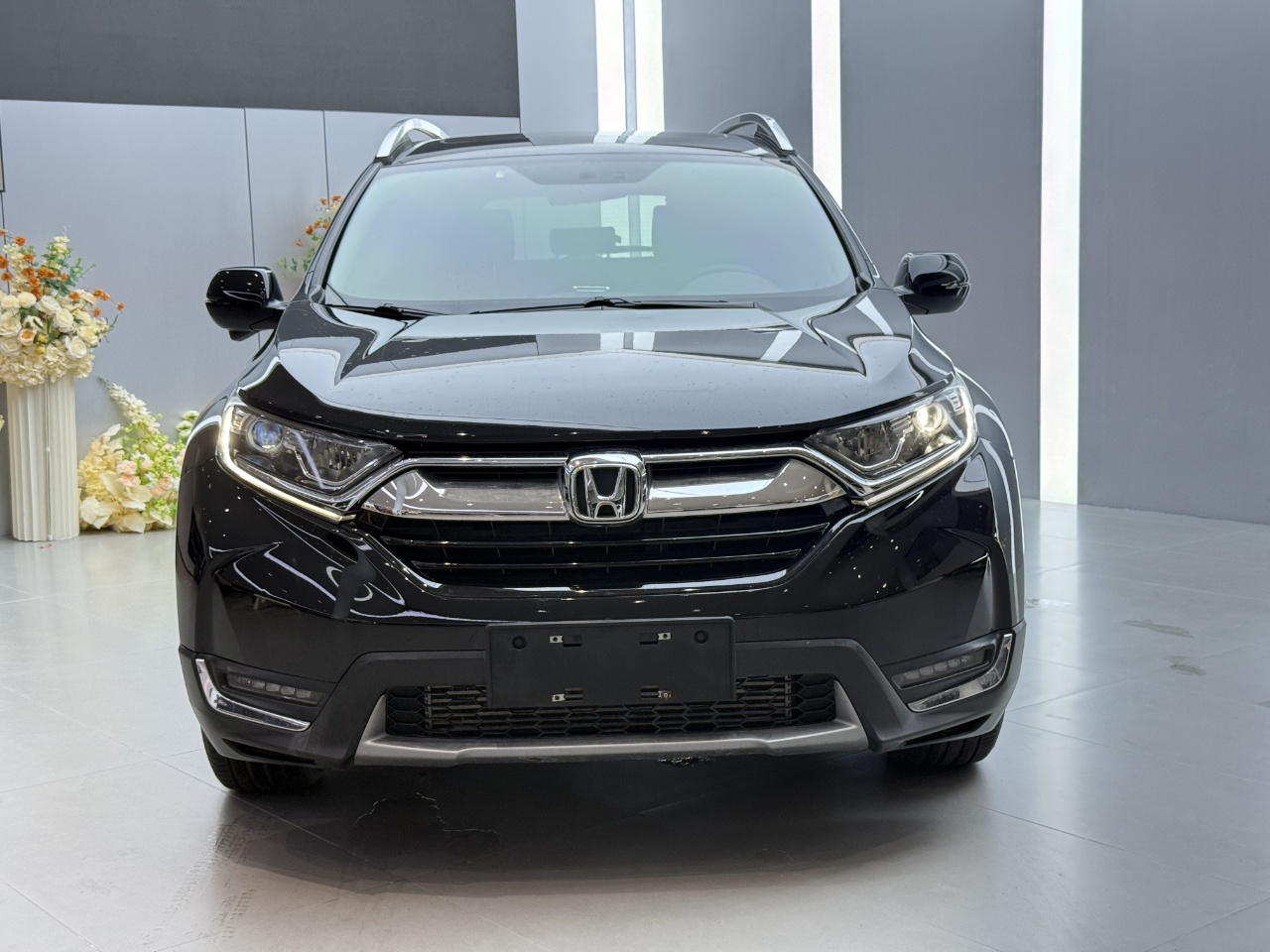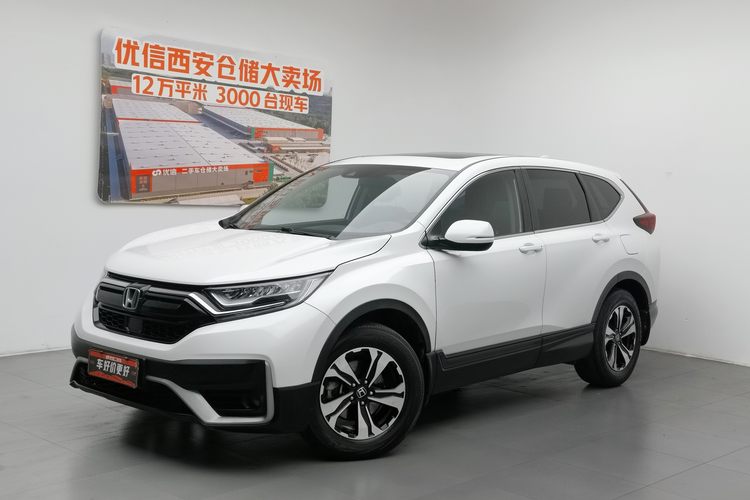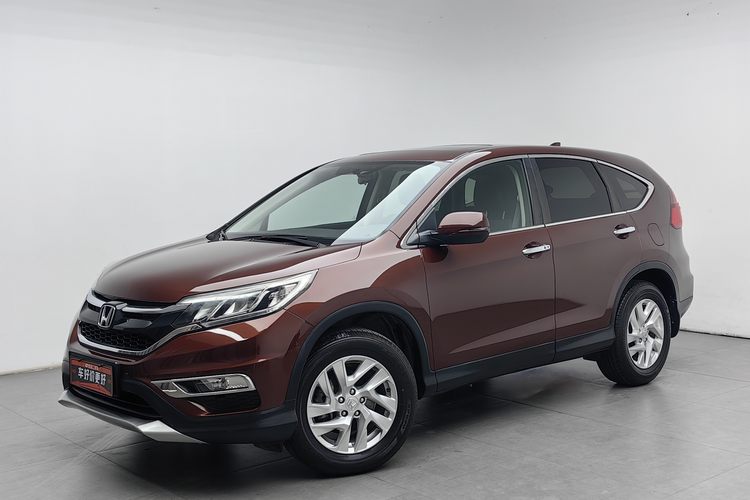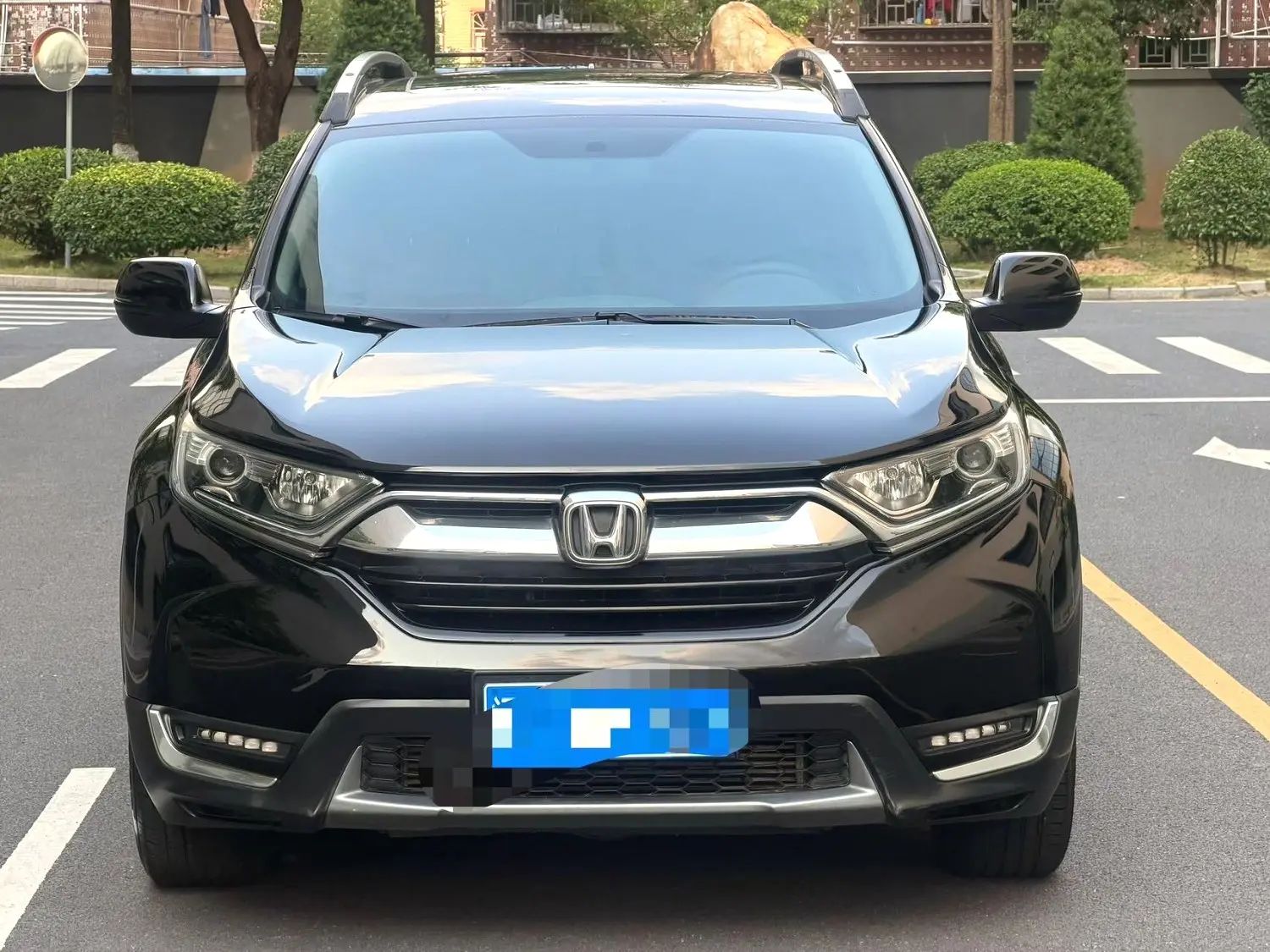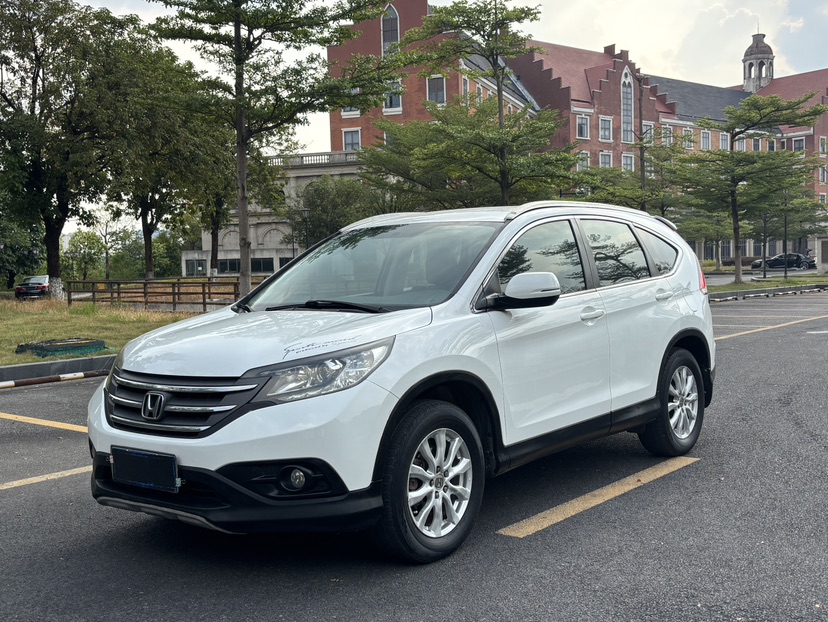
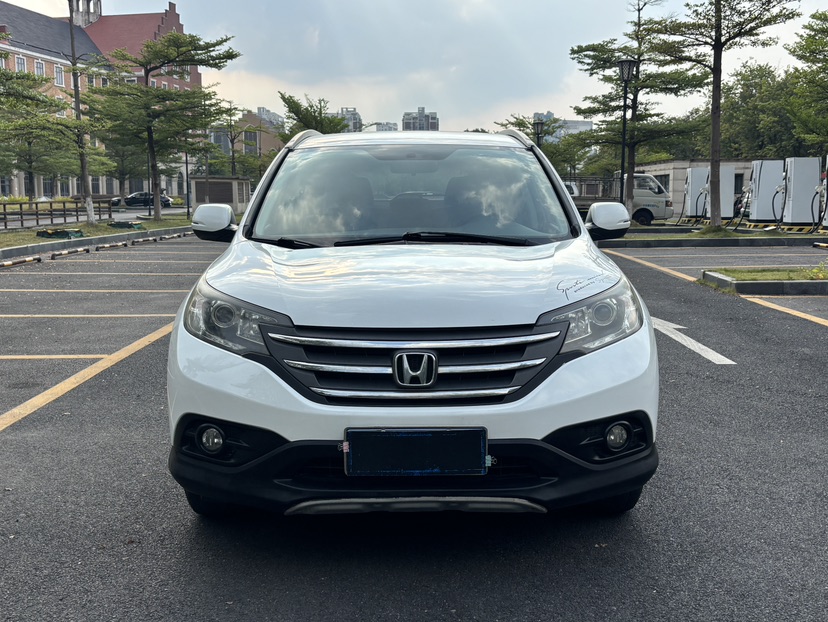
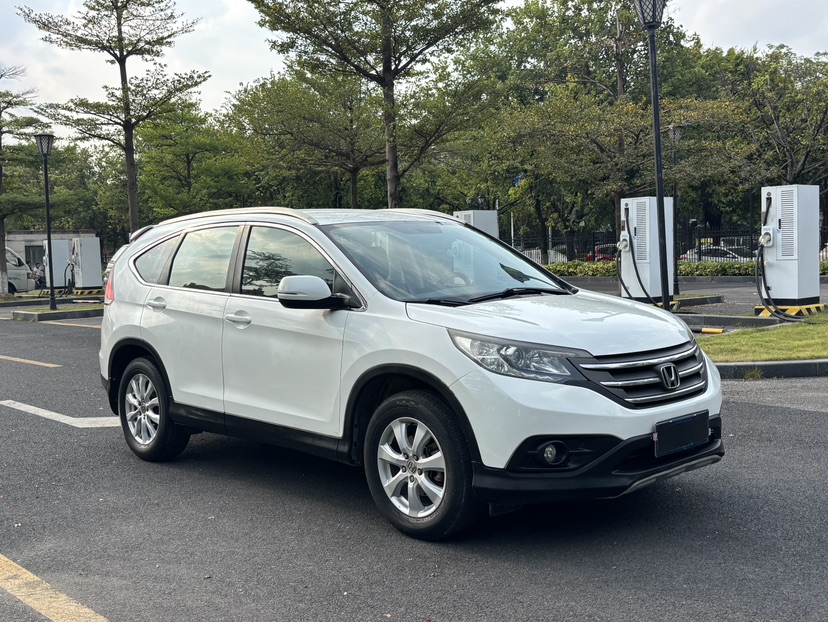
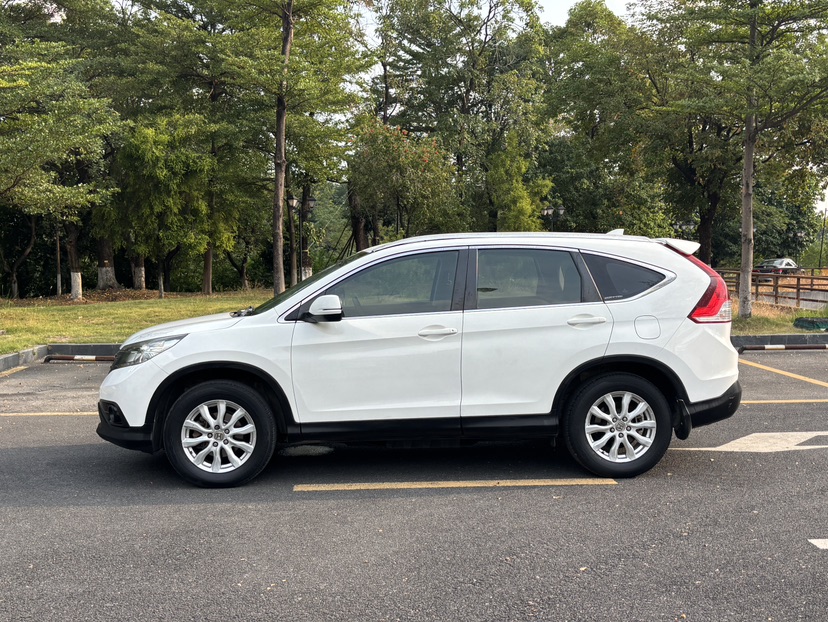
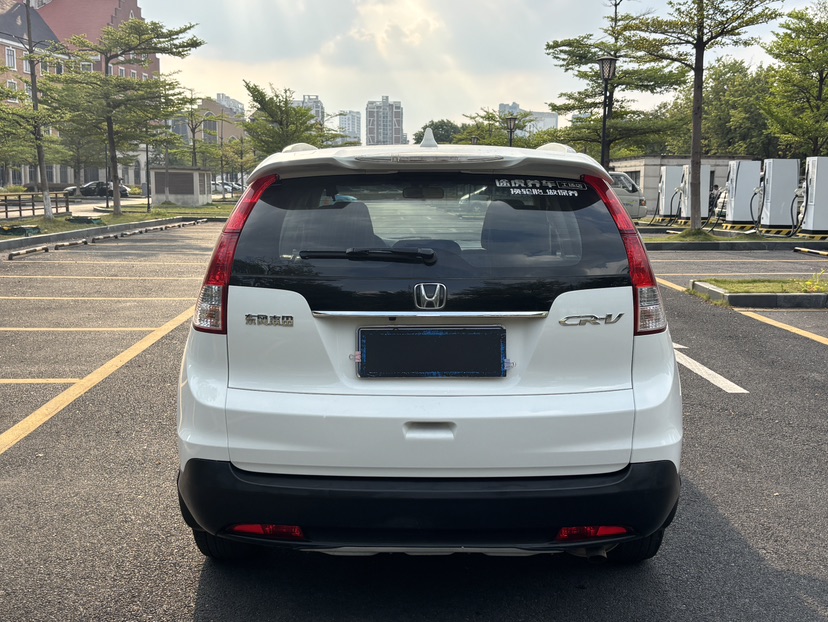
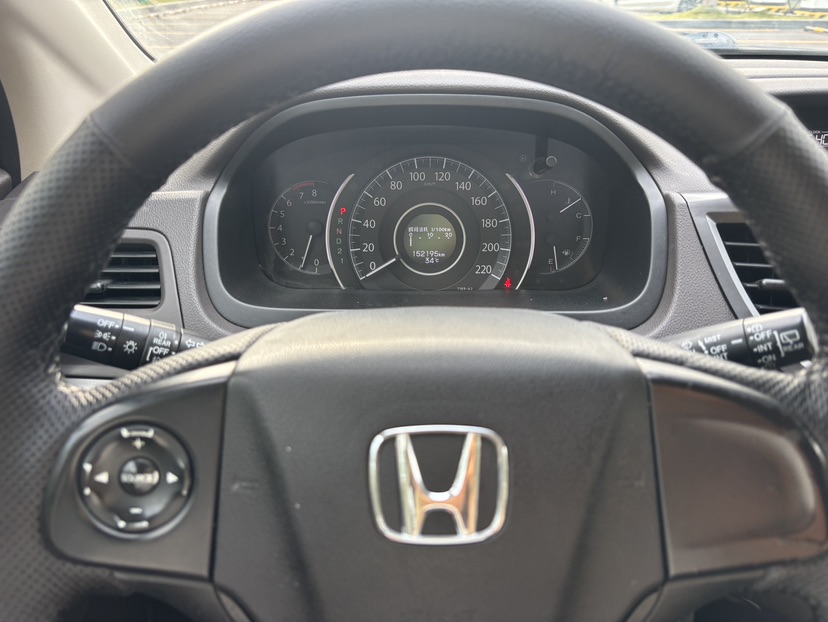
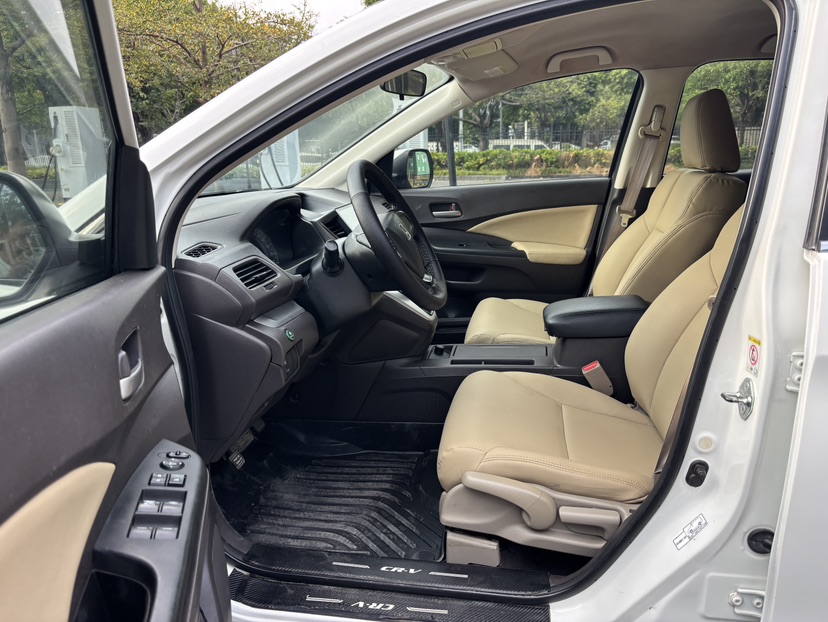
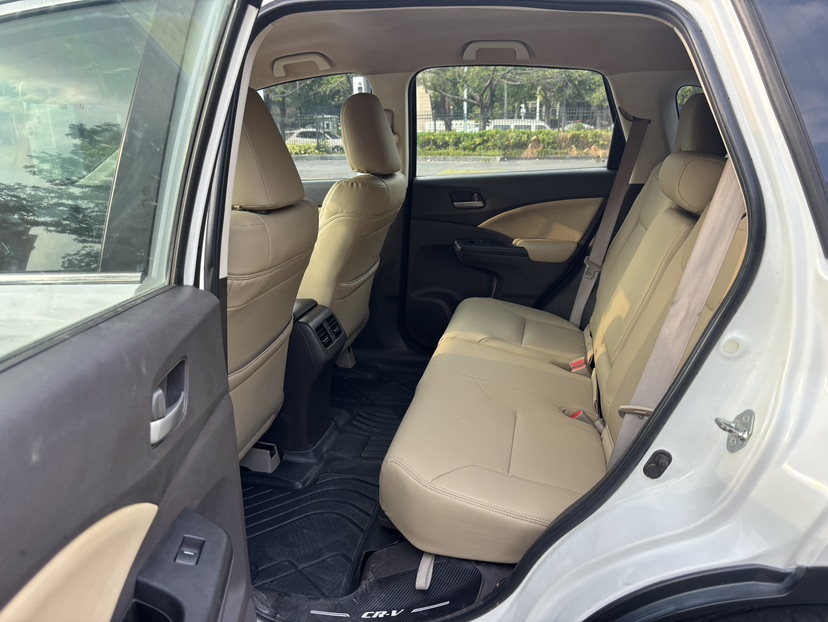



Basic Information

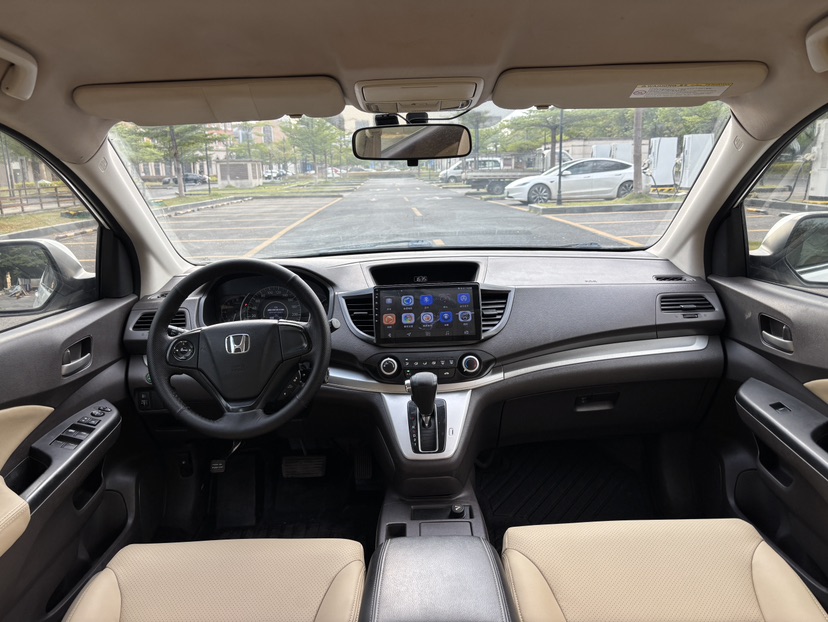
BrandHonda
SeriesCR-V
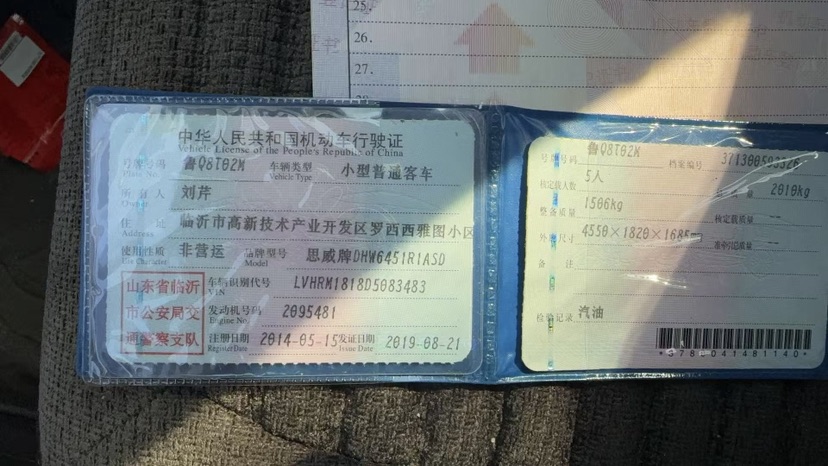
Year2014
First Registration2014/05
Mileage152,000km
Transfer Count1times
FuelGasoline
TransmissionAutomatic
Engine2.0L 155 L4
ColorWhite
Seats-

Condition Description

Original condition, passed third-party inspection.

燃油车
SUV
自动
维保开放
事故开放
查验开放

Configuration Highlights

✓品牌: 本田
✓车系: 本田CR-V
✓车型: 2012款 2.0L 两驱都市版
✓车身类型: SUV
✓座位数: 5
✓排量: 2.0L
✓变速箱: 自动
✓能源类型: 燃油车
✓VIN: LVHRM1818D5083483
✓搜索关键词: 本田本田CR-V 2012款本田CR-V2.0L两驱都市版

Document Information

Inspection Expiry Date2026/07
Warranty Expiry Date-
Insurance Expiry Date2026/07

Q&A

More

Can I designate my freight forwarder in China to pick up the goods directly from your warehouse (EXW delivery)?

Yes, but this falls under EXW (Ex Works) terms. In this case, the seller's risk transfers at the moment the goods are ready at the warehouse. Any subsequent domestic trucking accidents, customs inspections at the port, or issues with obtaining export licenses will be fully borne by your designated freight forwarder.


How can I detect signs of flood or water damage inside a used car from China during a remote inspection?

Water damage is one of the most common hidden problems in used cars, and it often escapes basic photo reviews. During a live video inspection, ask the inspector to check these specific points: 1. Smell test: A musty or moldy odor inside the cabin is the first red flag. Have them open all doors, run the AC briefly, and smell the air from the vents—musty AC often indicates water in the HVAC system. 2. Under the carpets: Lift the floor mats and look for water lines, rust stains, or dampness on the carpet backing and the metal floor underneath. Sediment or silt residue is a giveaway. 3. Seat rails and bolts: Pull the seats fully forward and backward. Rust on seat rails or fresh-looking bolts suggests the seats were removed for cleaning after flooding. 4. Trunk area: Check the spare tire well and under the trunk carpet for standing water marks or rust. 5. Electronics: Test every window, seat adjustment, and the infotainment screen—water-damaged electronics behave erratically. Also request a scan report: flood cars often store history codes for multiple control modules that failed simultaneously. Cross-check the car's origin; vehicles from flood-prone southern regions deserve extra scrutiny.

When checking the history records, can you distinguish whether the vehicle was involved in a "single-vehicle accident (like hitting a wall)" or a "multi-vehicle rear-end collision"?

If insurance claims records are accessed, there will usually be notes like "the insured vehicle is fully responsible for hitting a fixed object" or "third-party liability insurance payment." We can roughly reconstruct the accident scene based on this and cross-verify the stress points on the vehicle's frame with paint thickness gauge data.