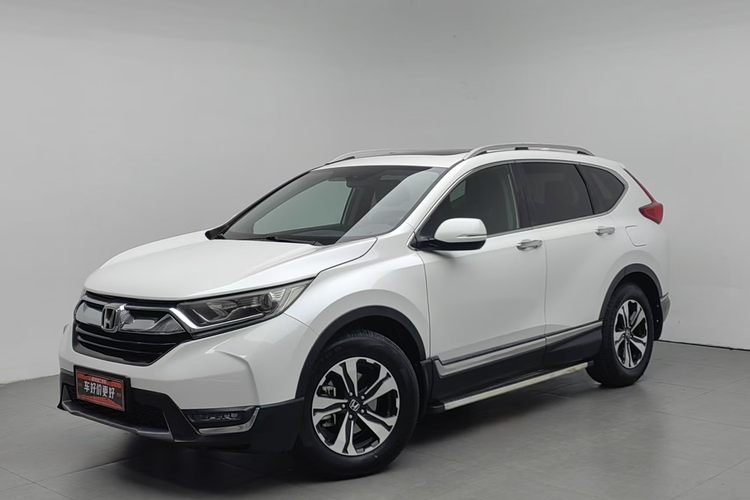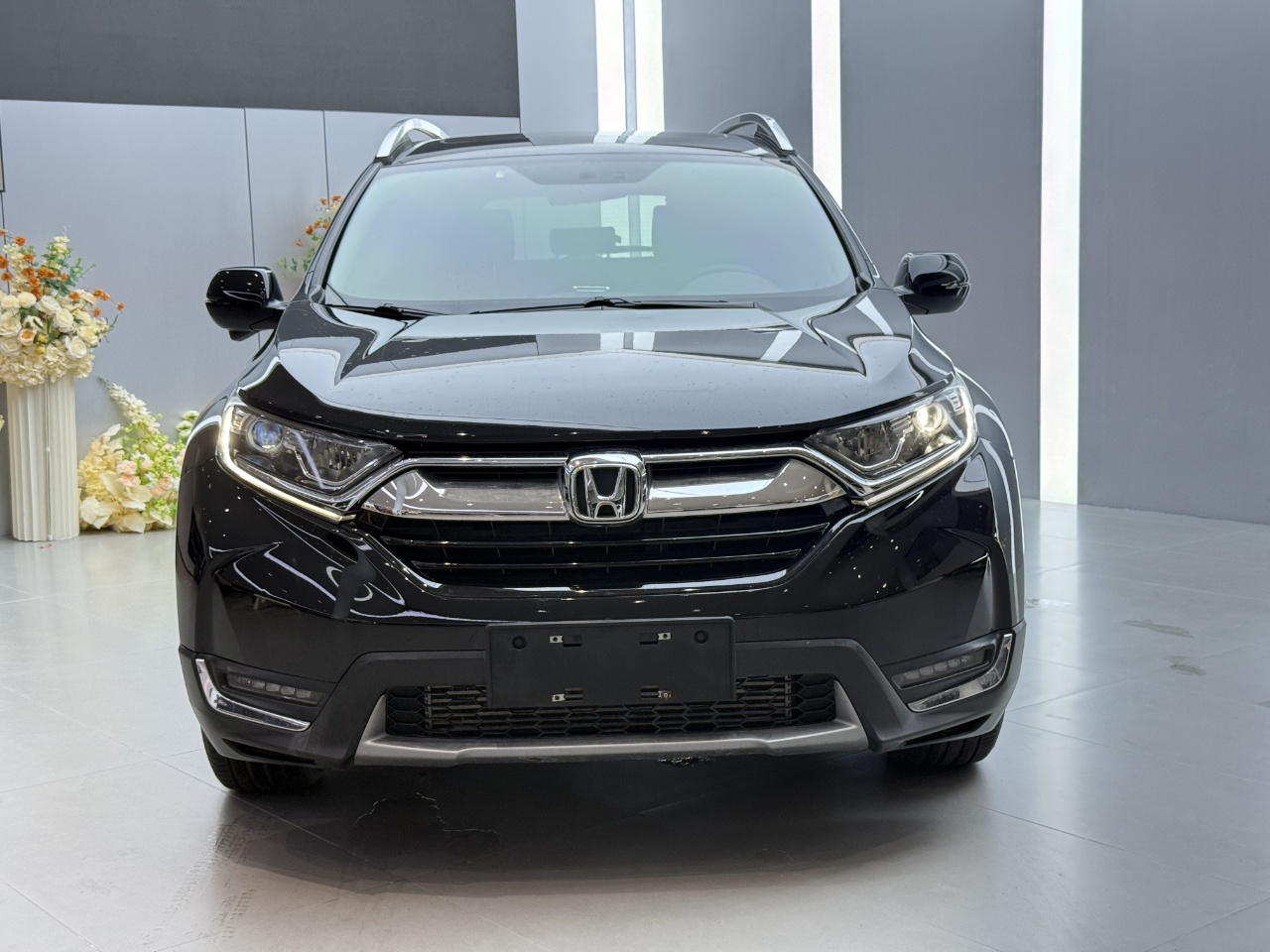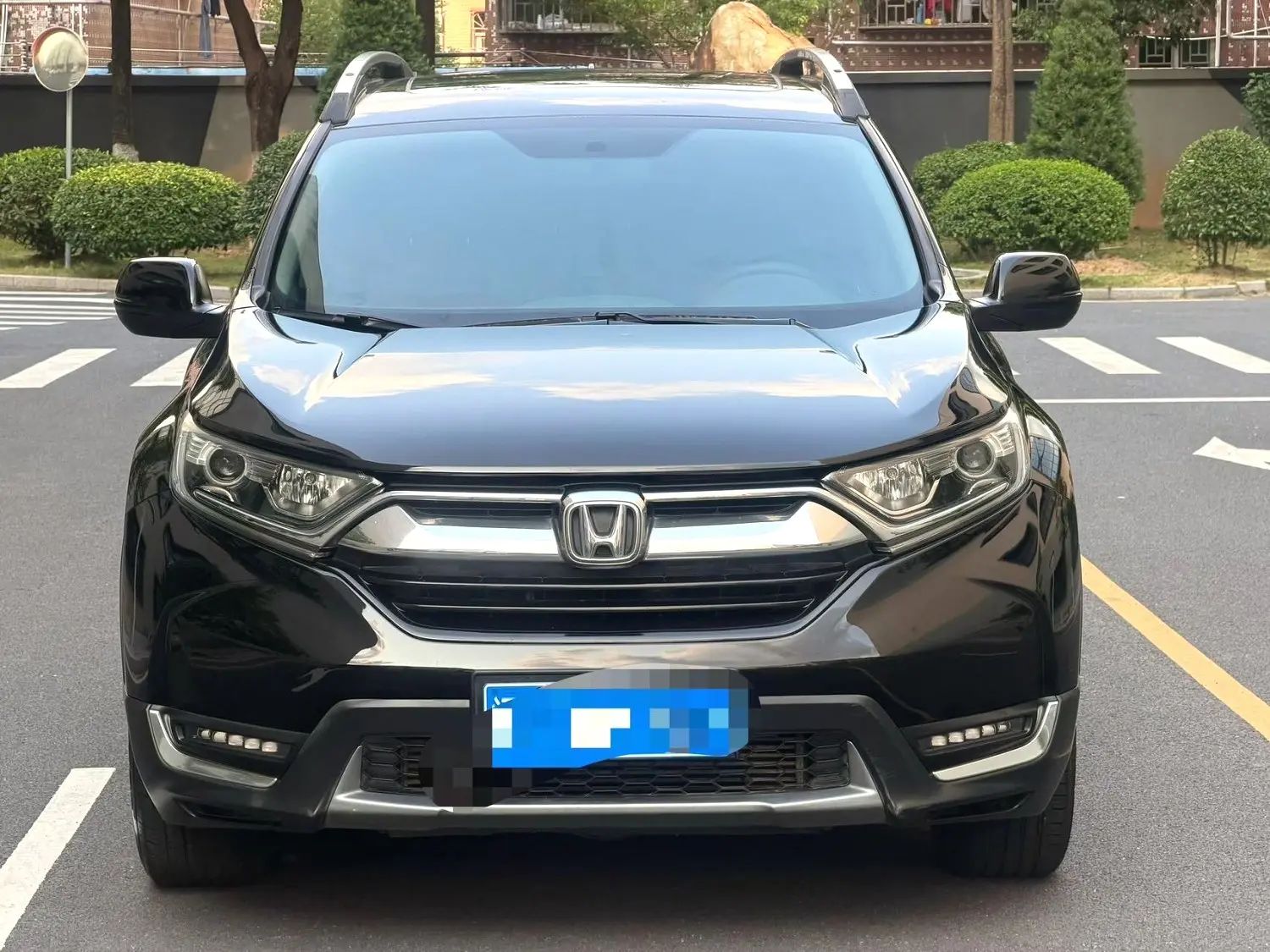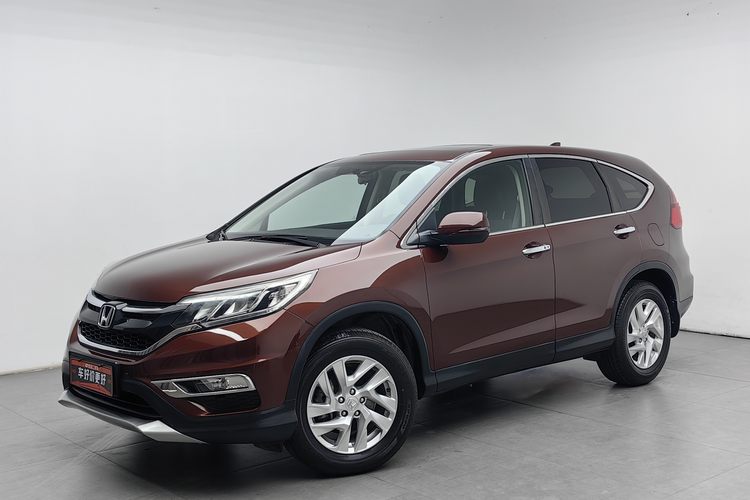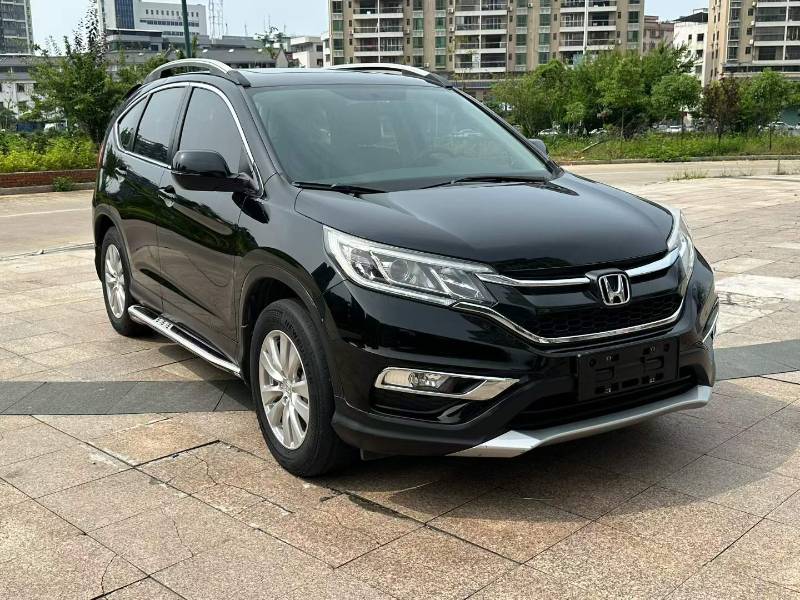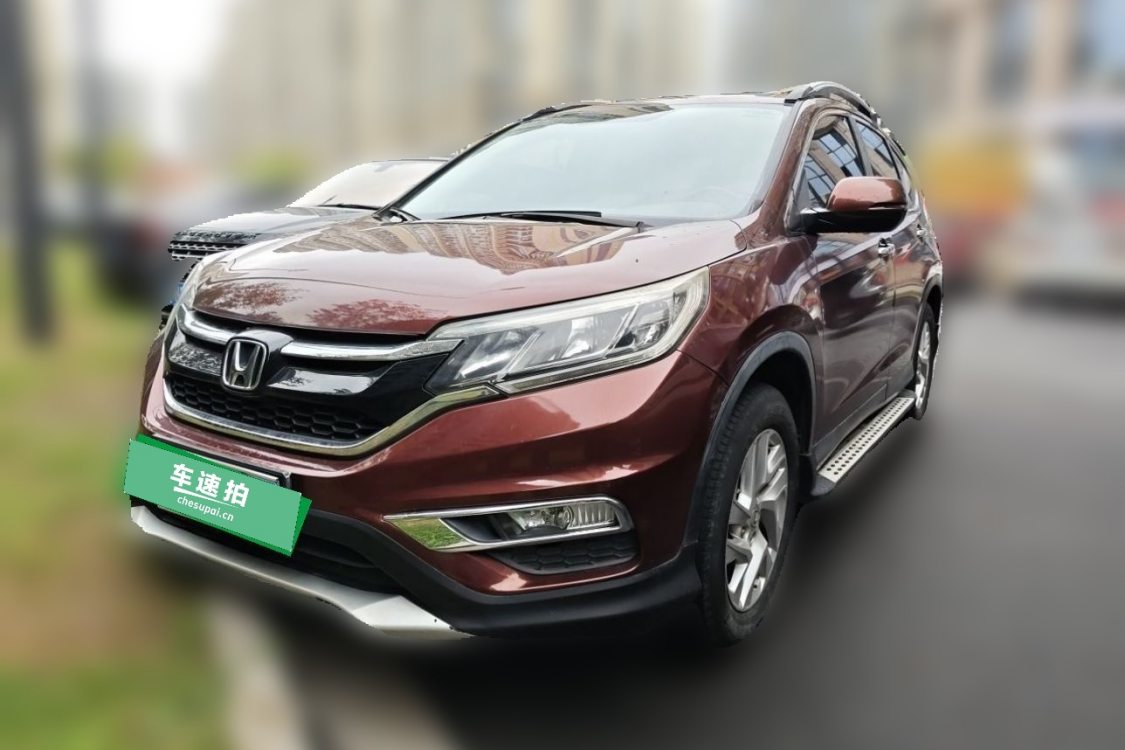
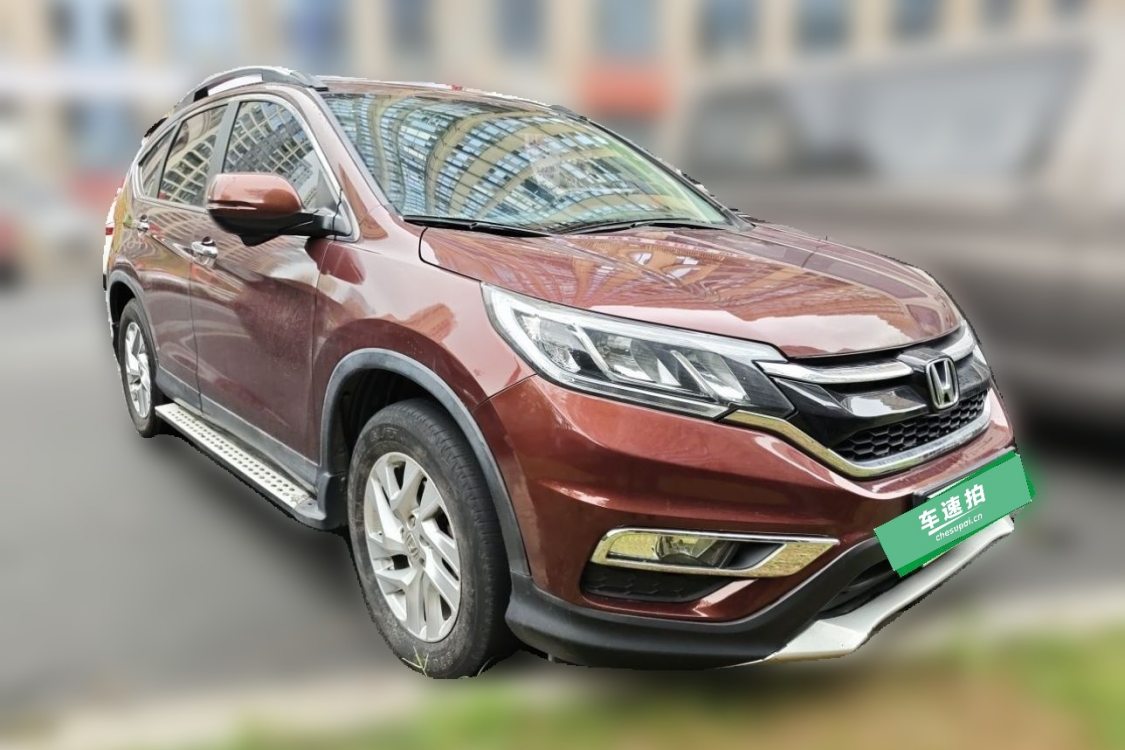
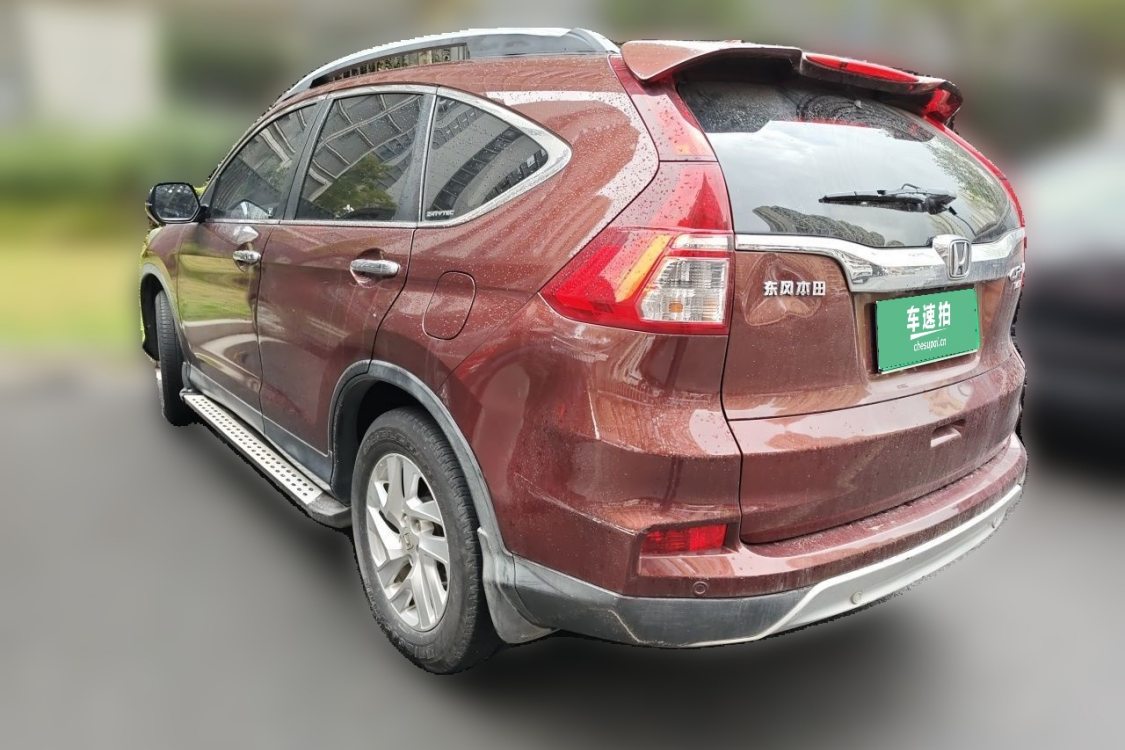
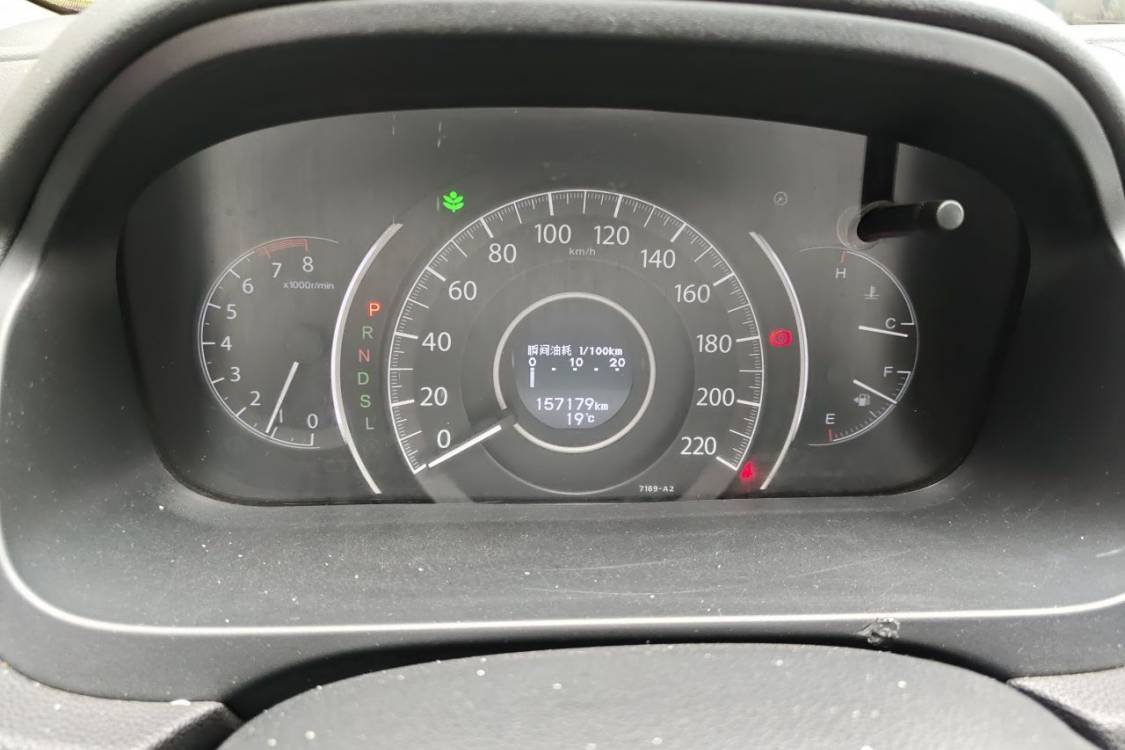
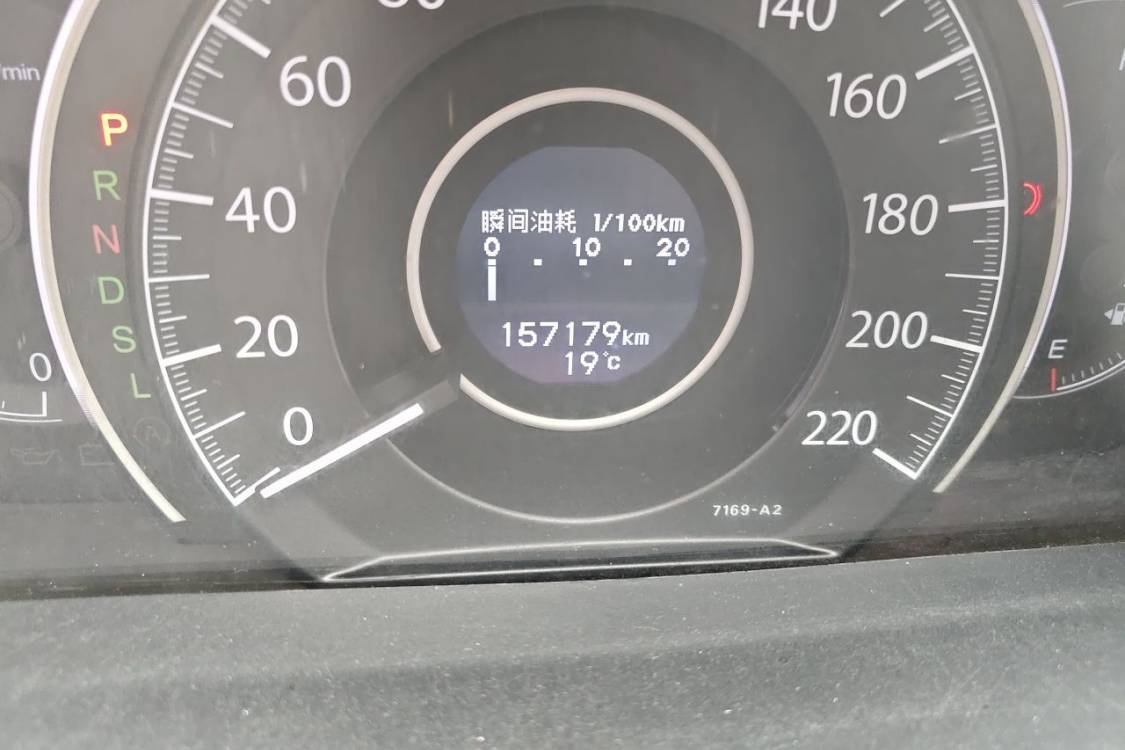
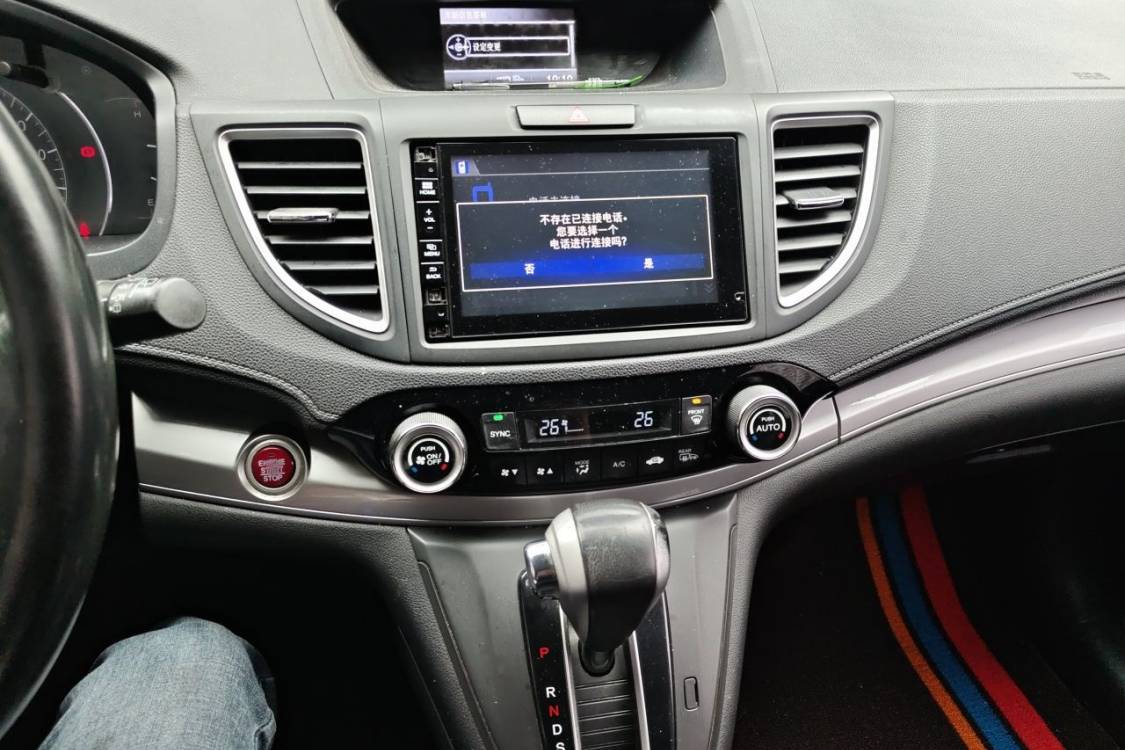
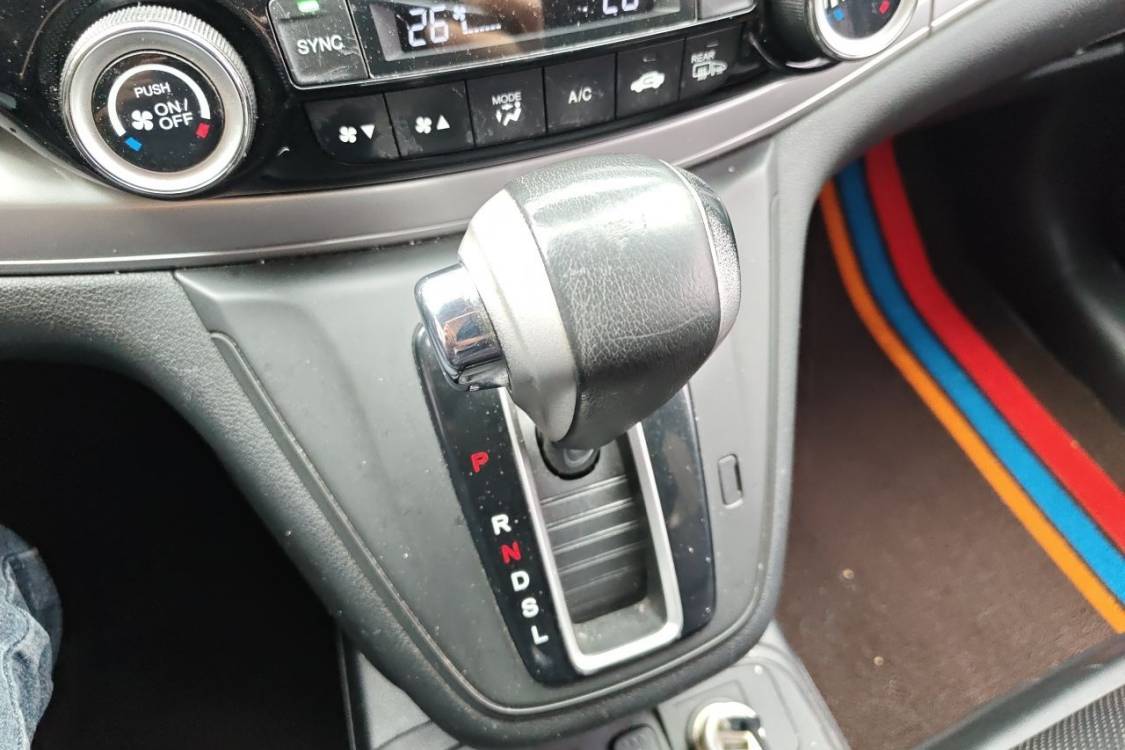
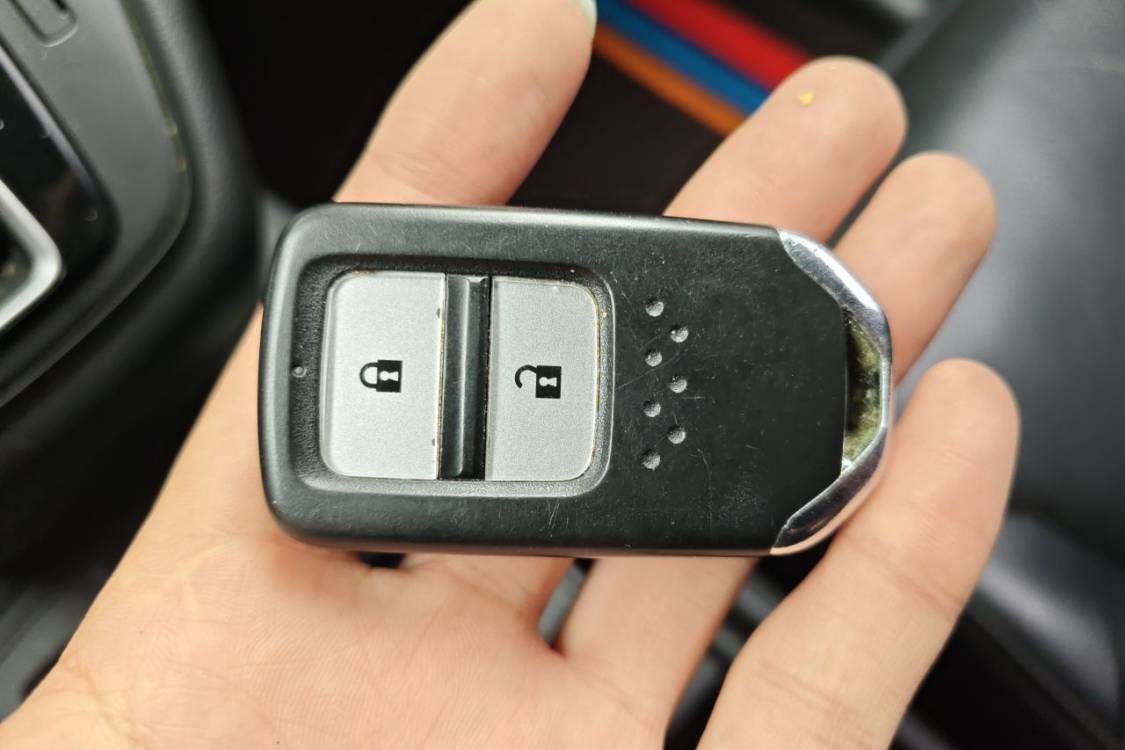



Basic Information

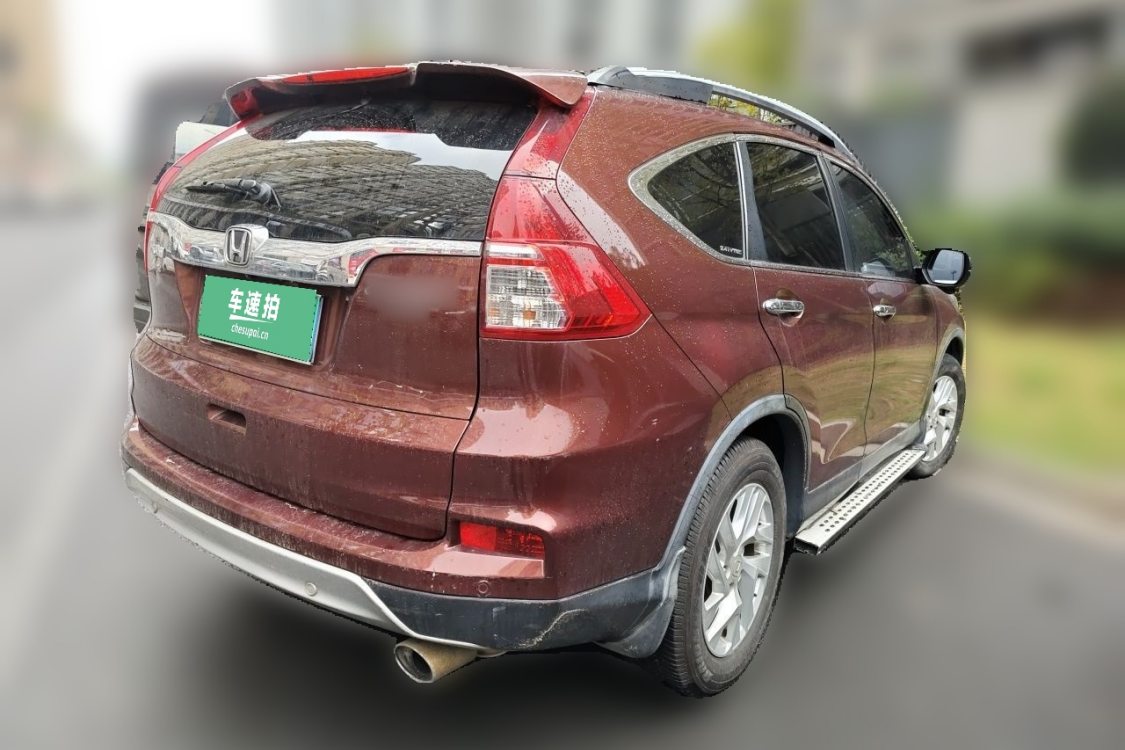
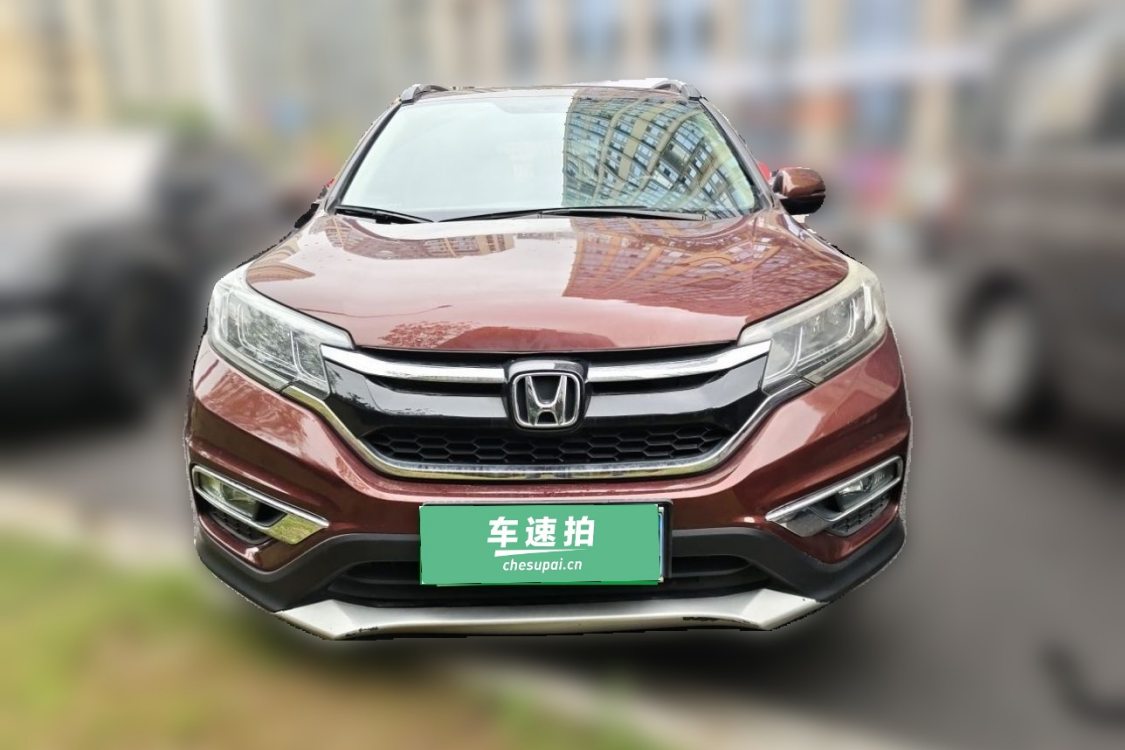
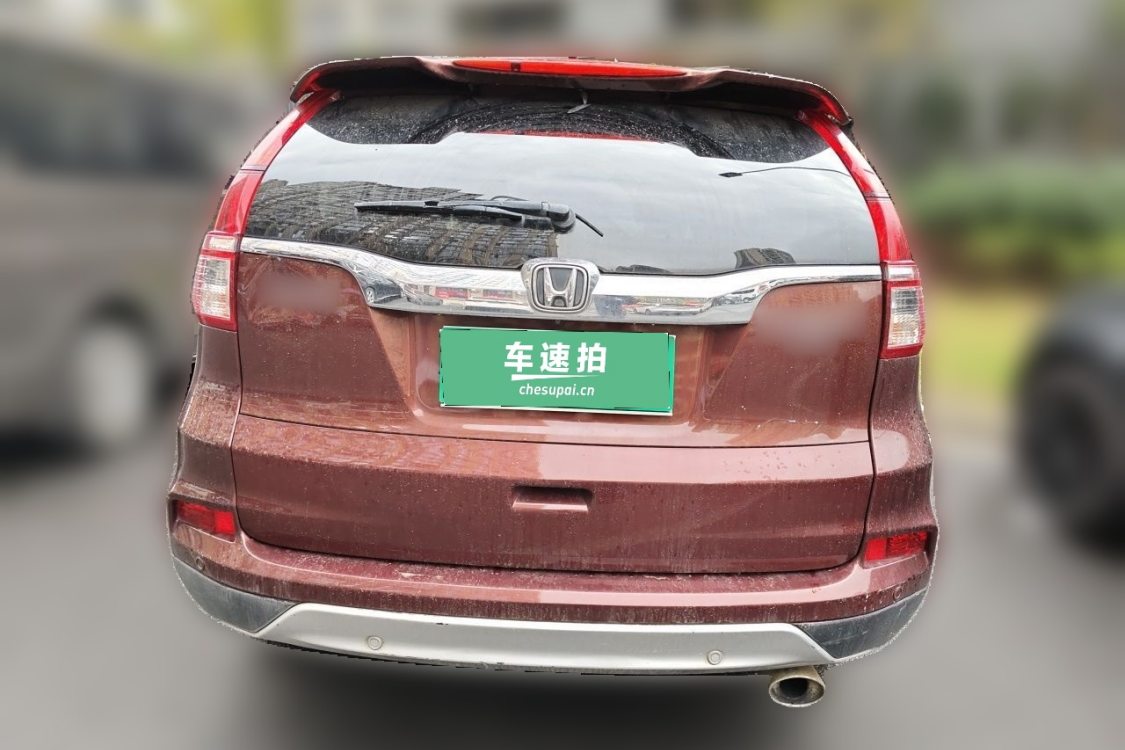
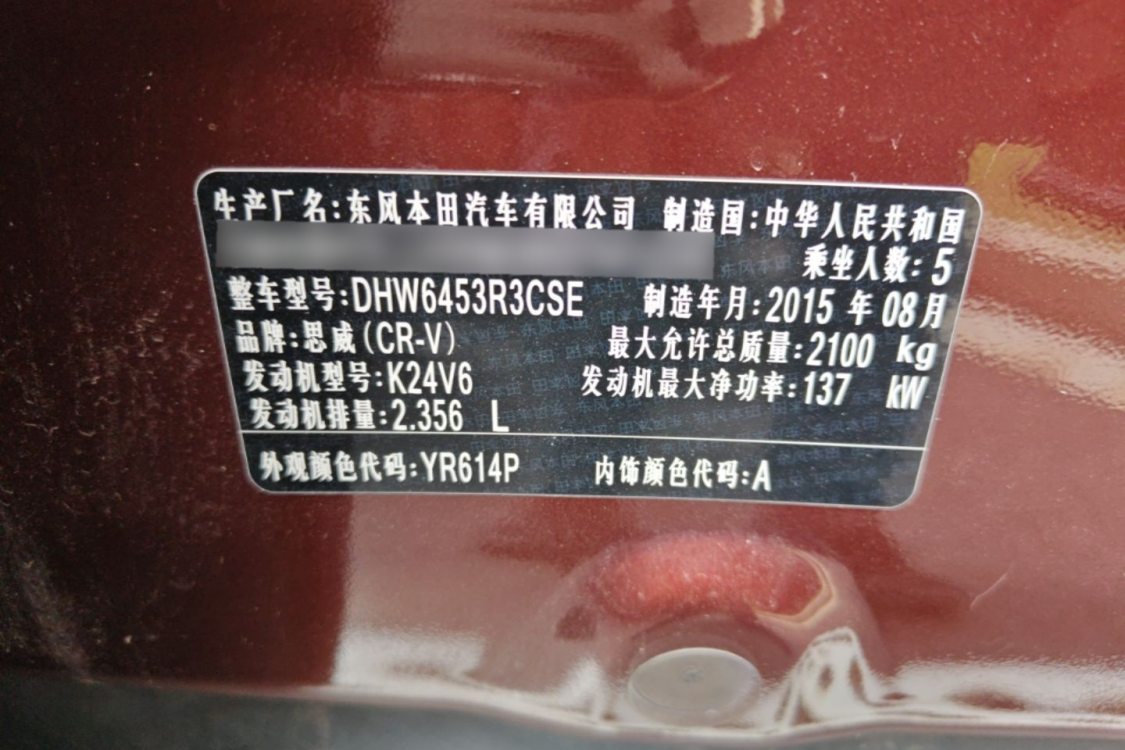
BrandHonda
SeriesCR-V
Year2015
First Registration2015/11
Mileage157,100km
Transfer Count-
FuelGasoline
TransmissionCVT
Engine2.4L 186 L4
ColorRed
Seats-

Condition Description

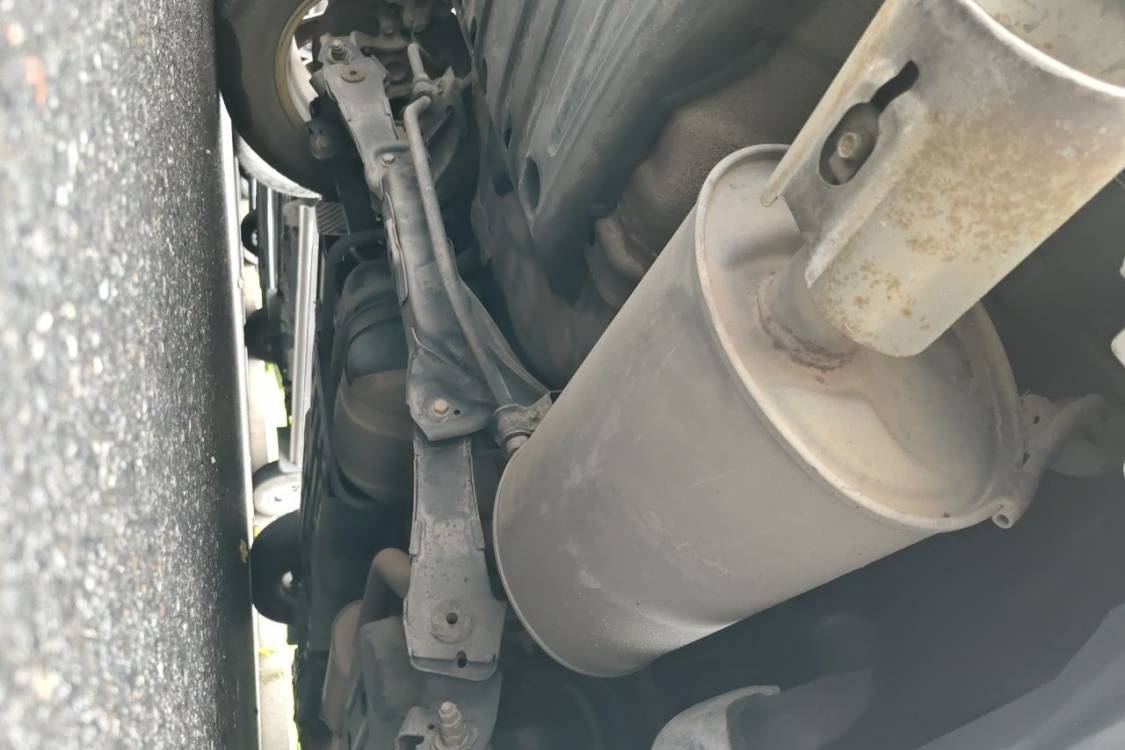
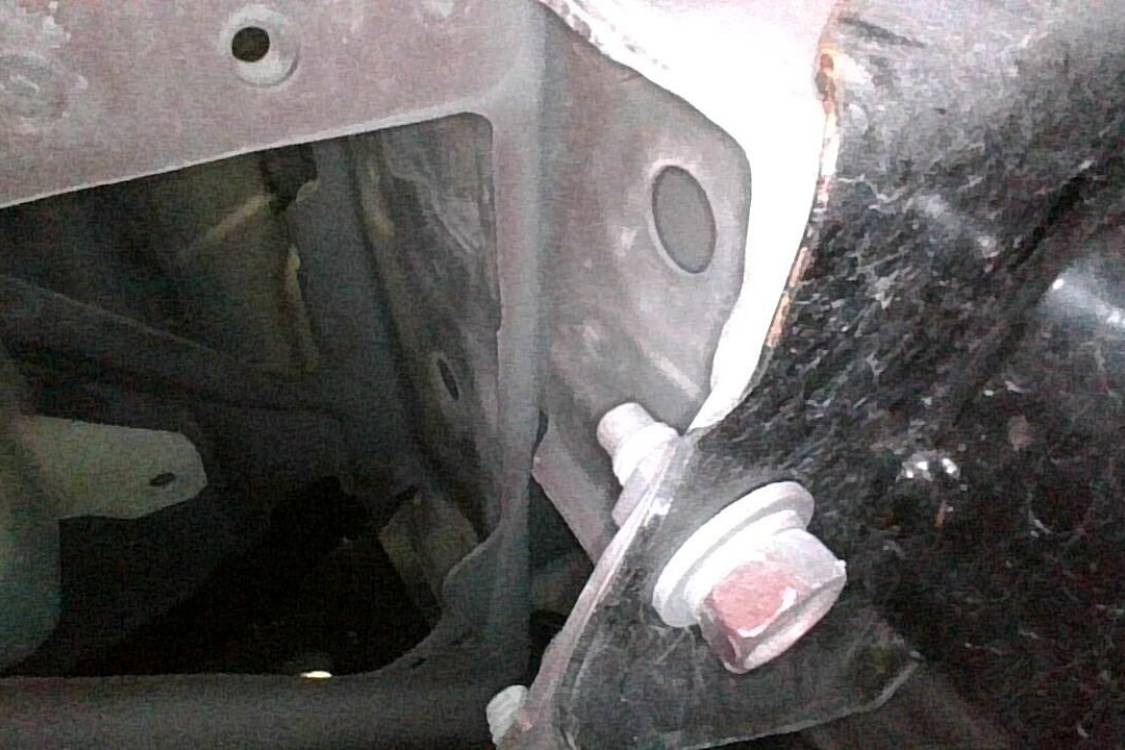
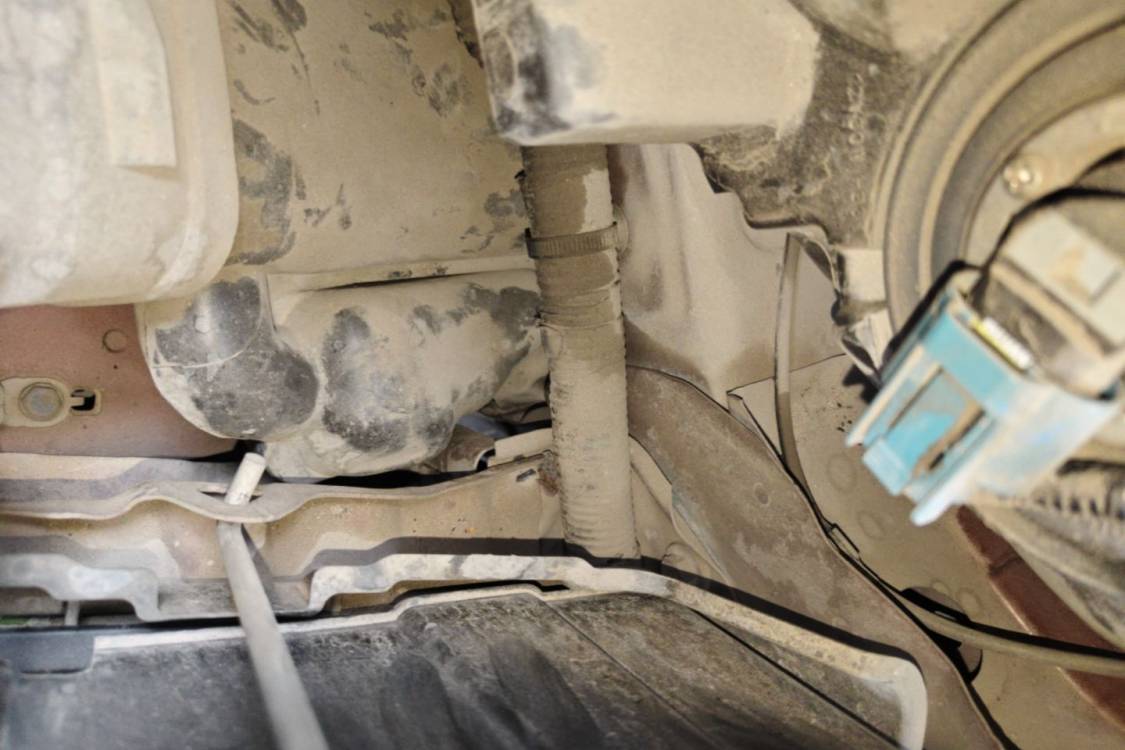
Vehicle has major defects in structural/reinforcing/covering parts due to accident, fire, water damage, or power battery components; repaired or unrepaired, still affecting body structural strength or safe use, with hidden fault risks.

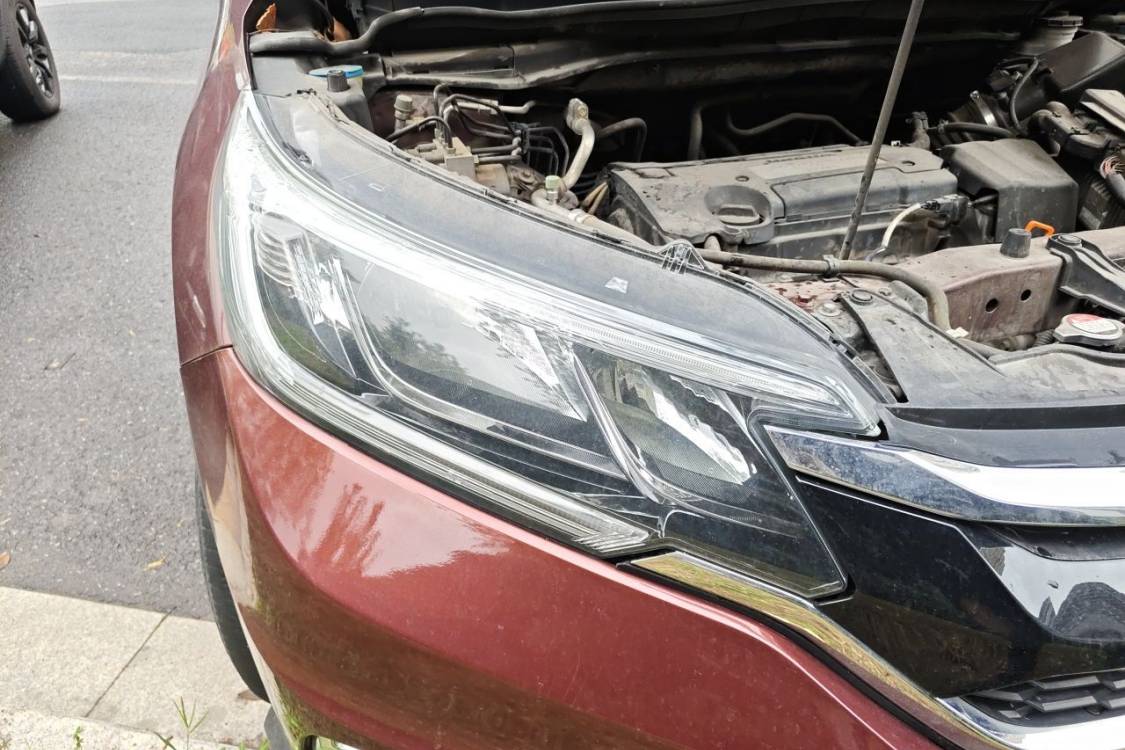
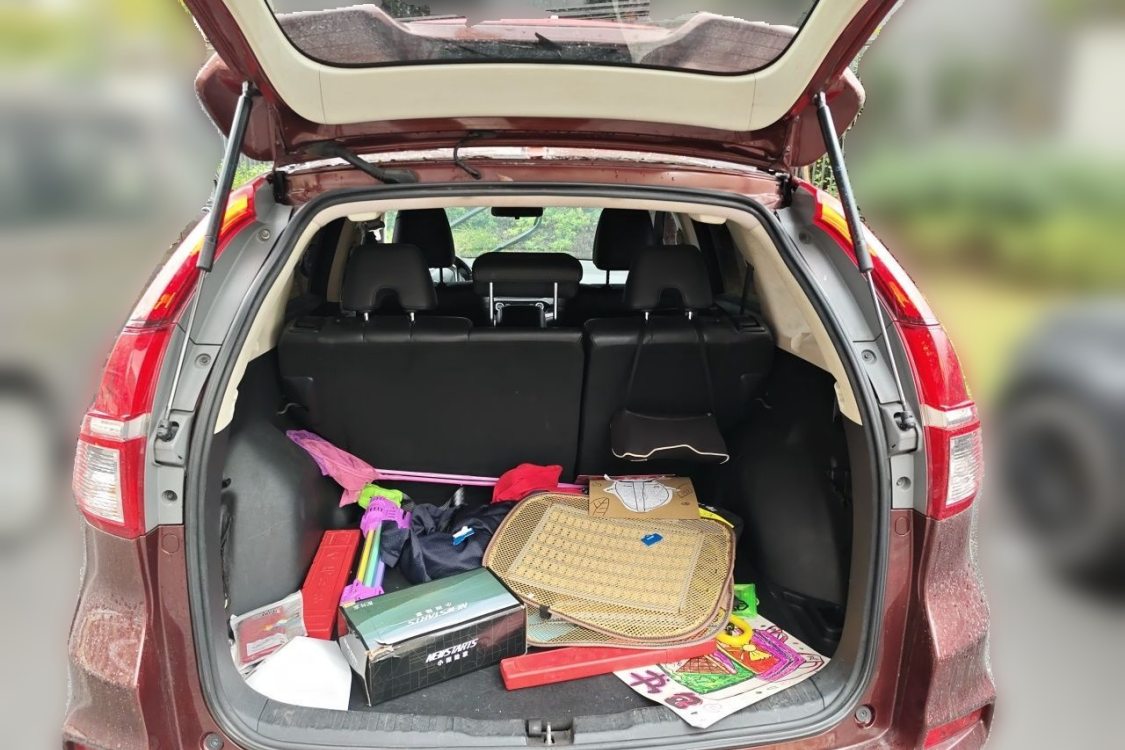
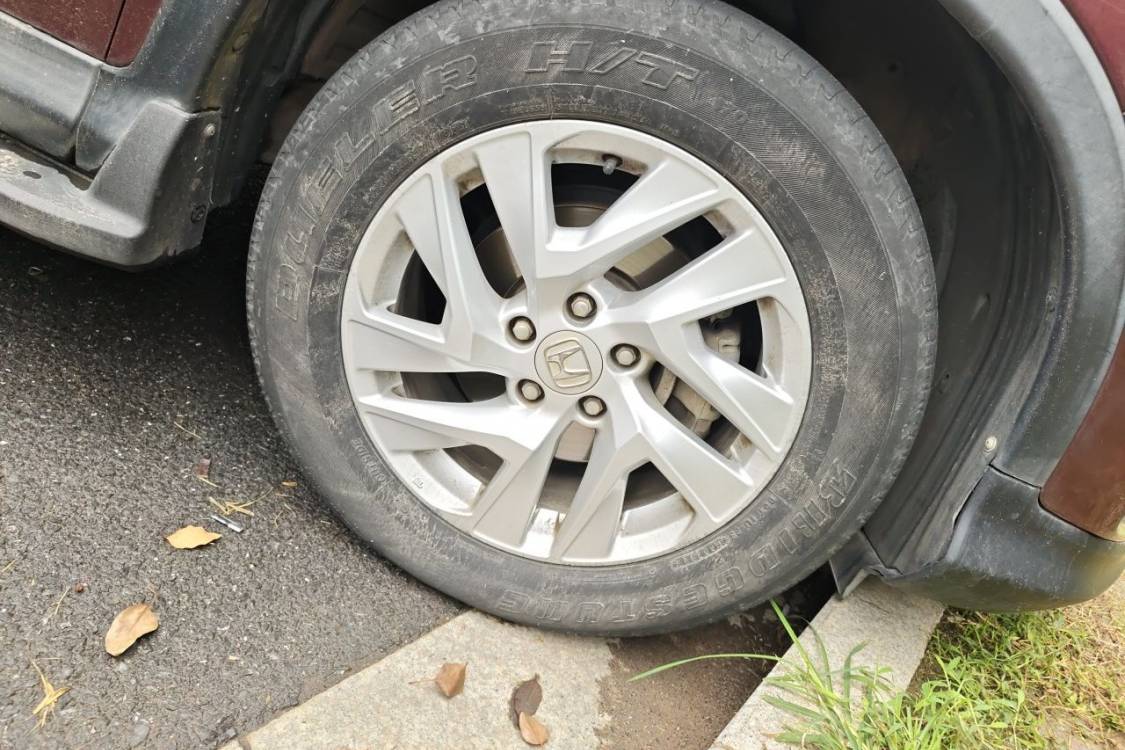
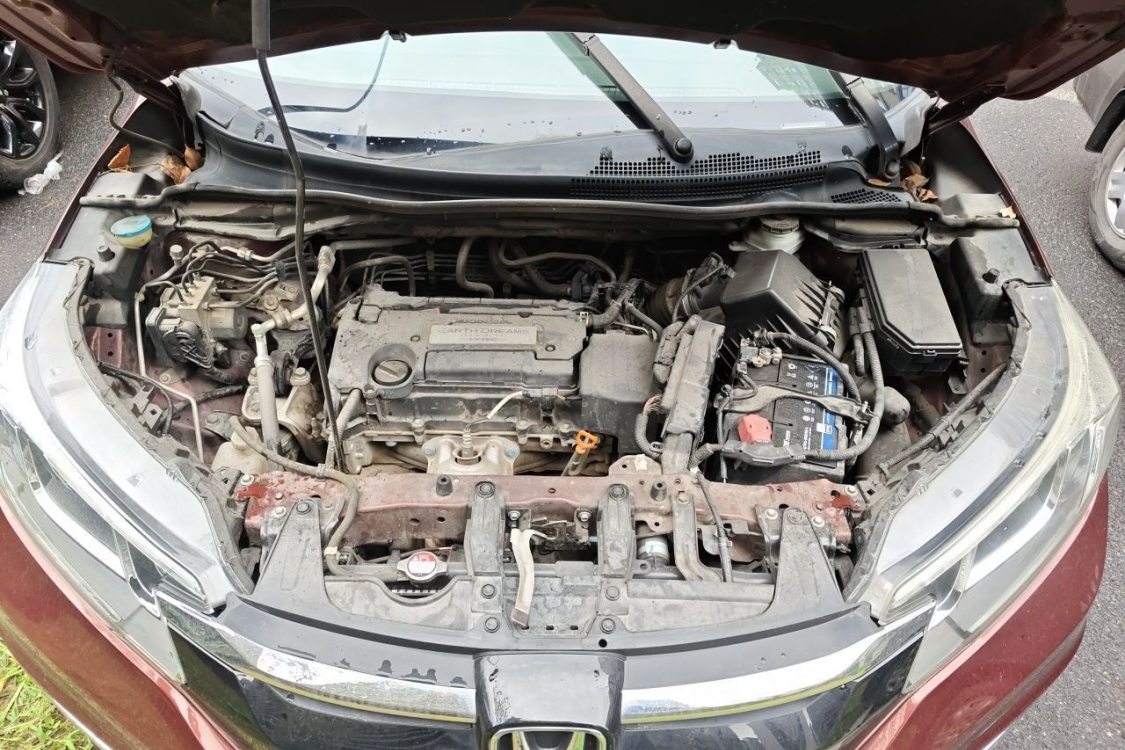
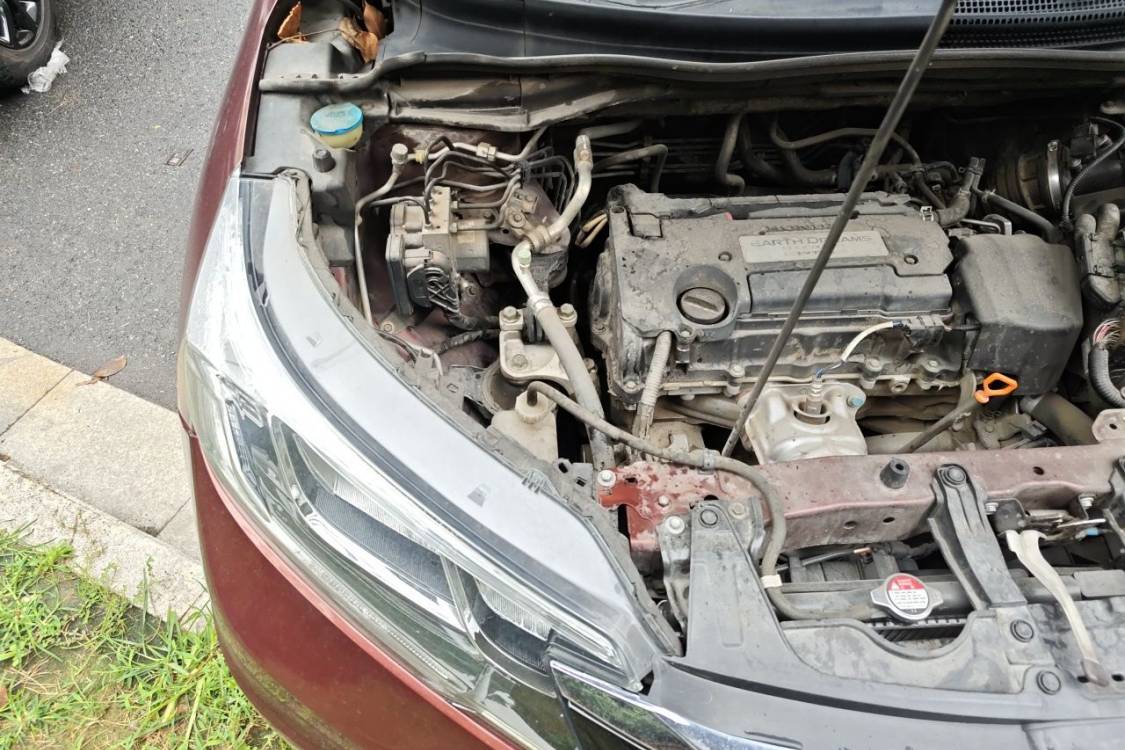
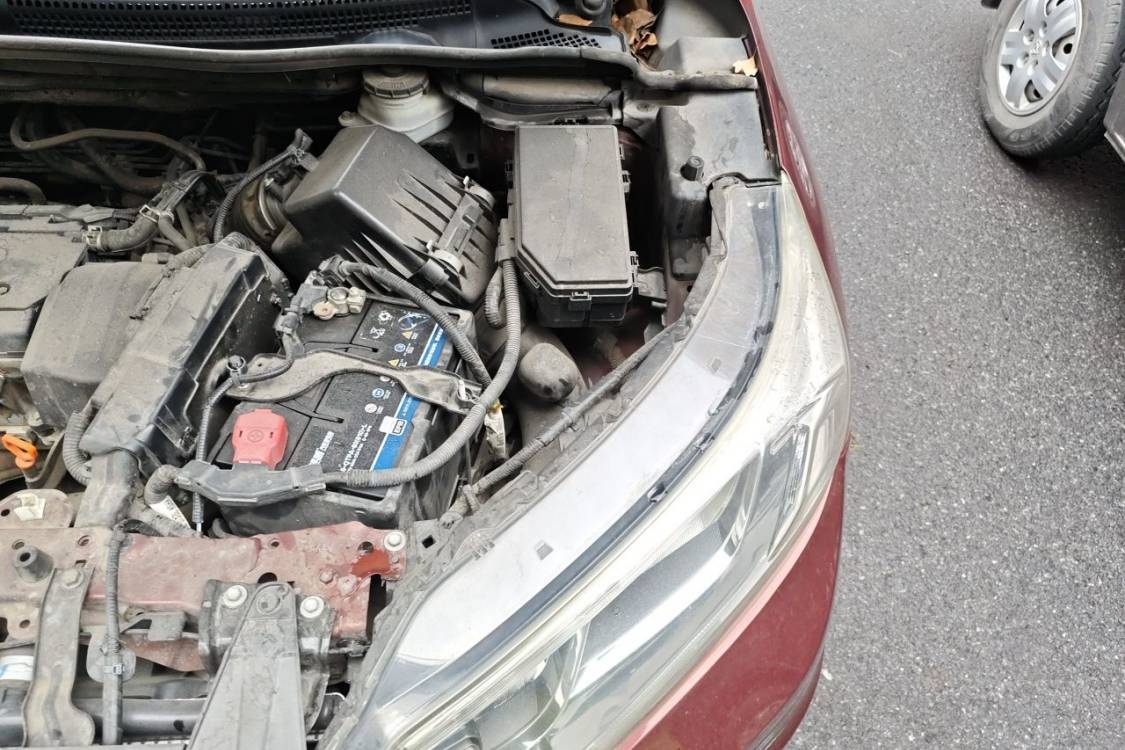
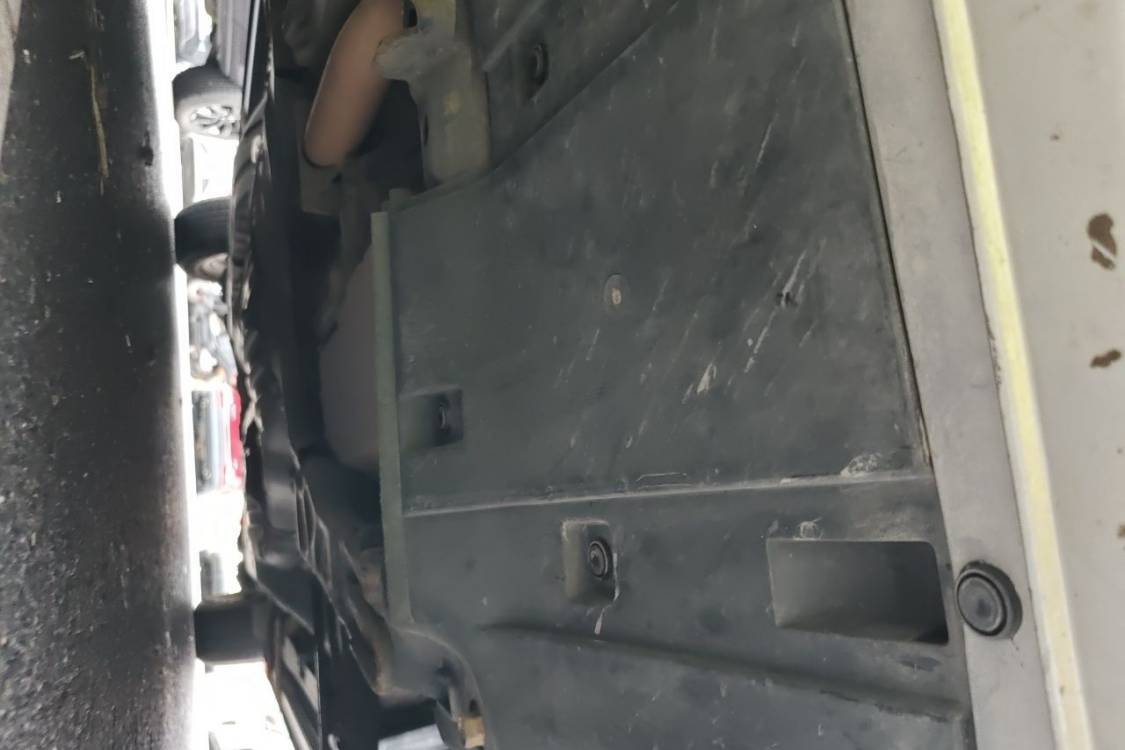
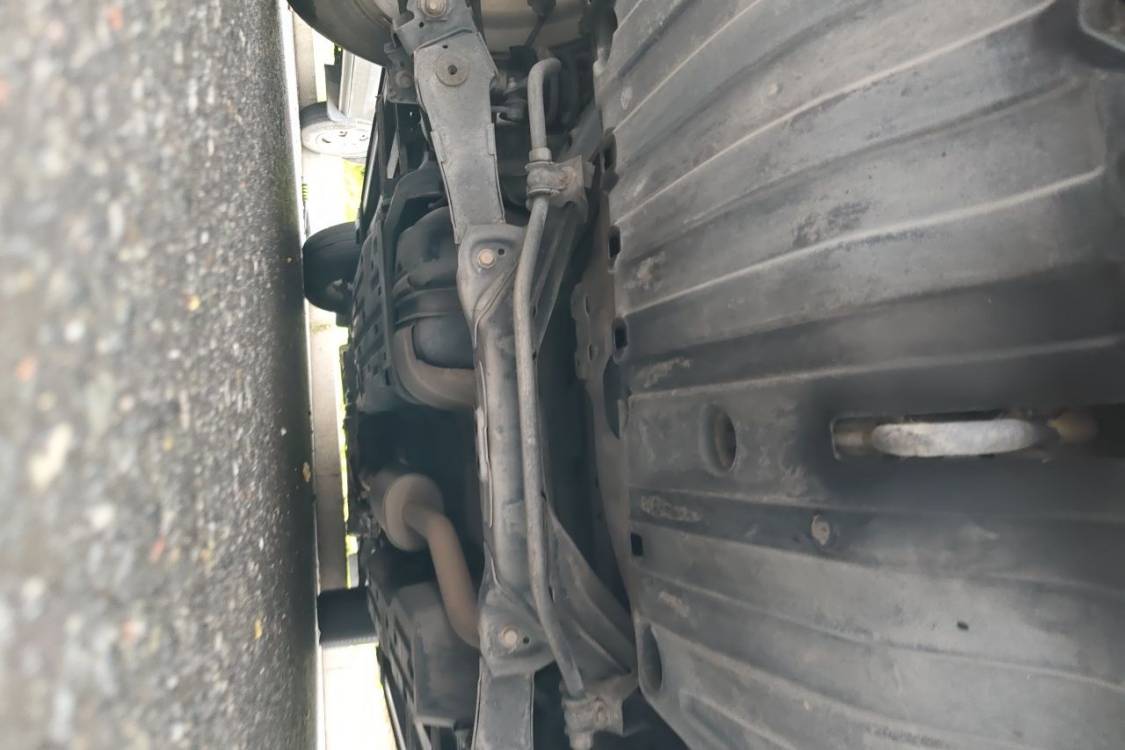
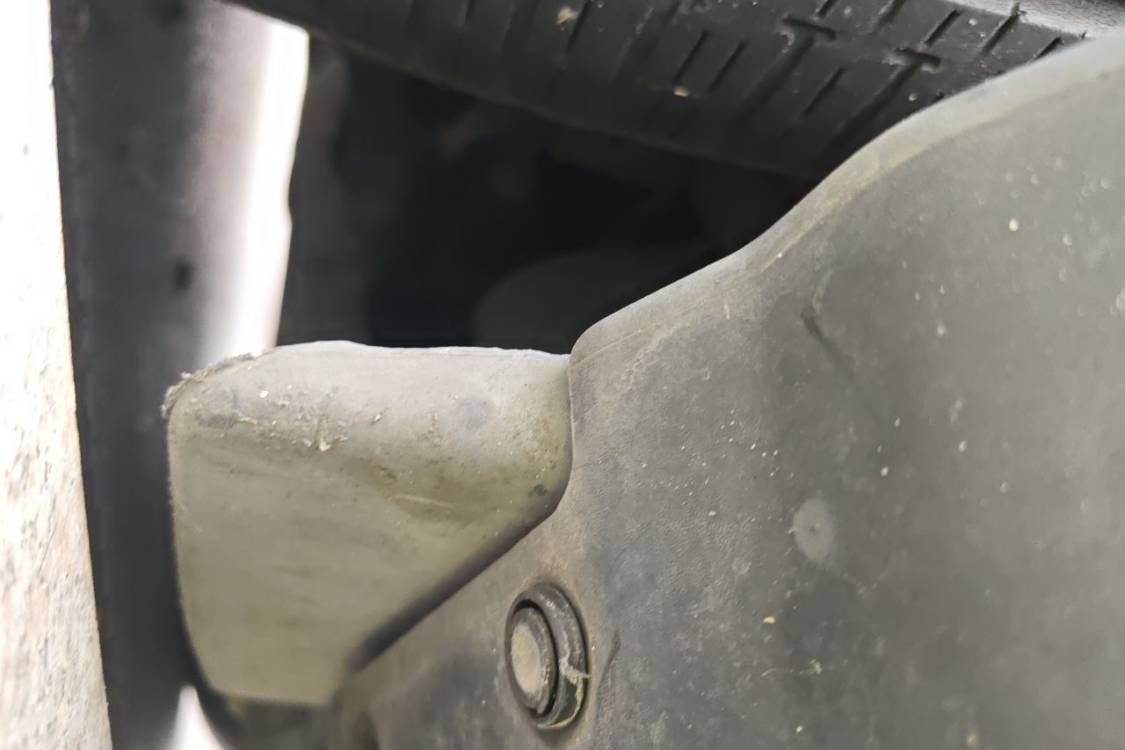
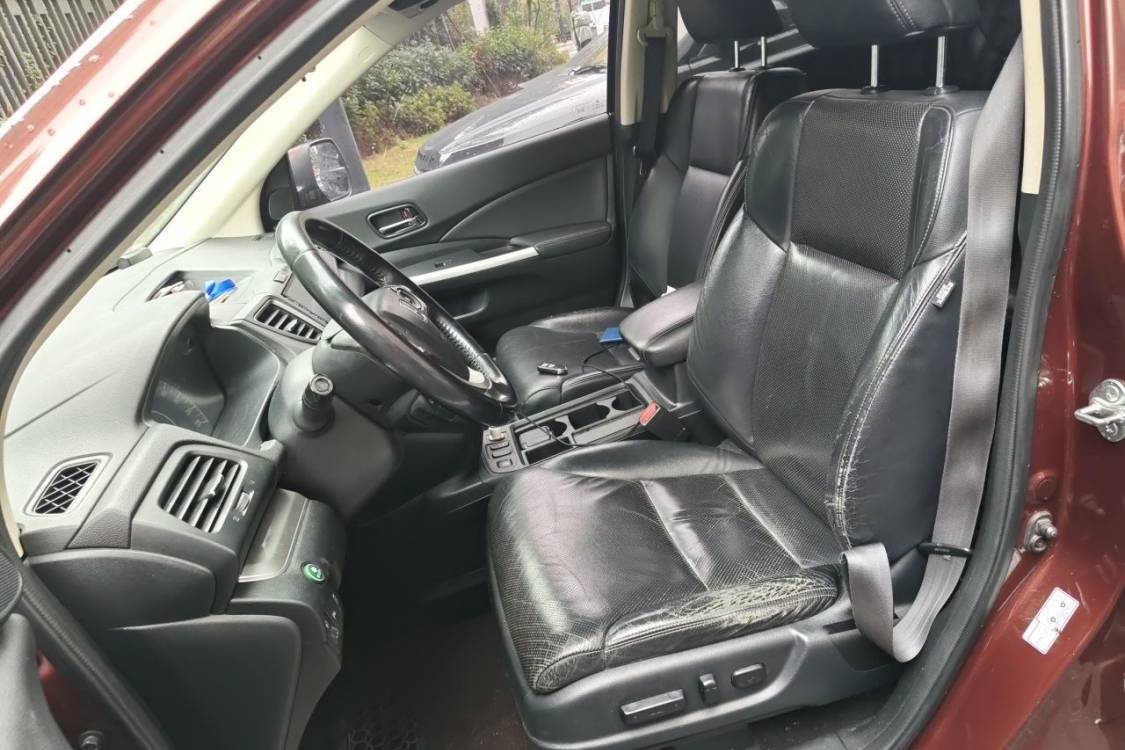
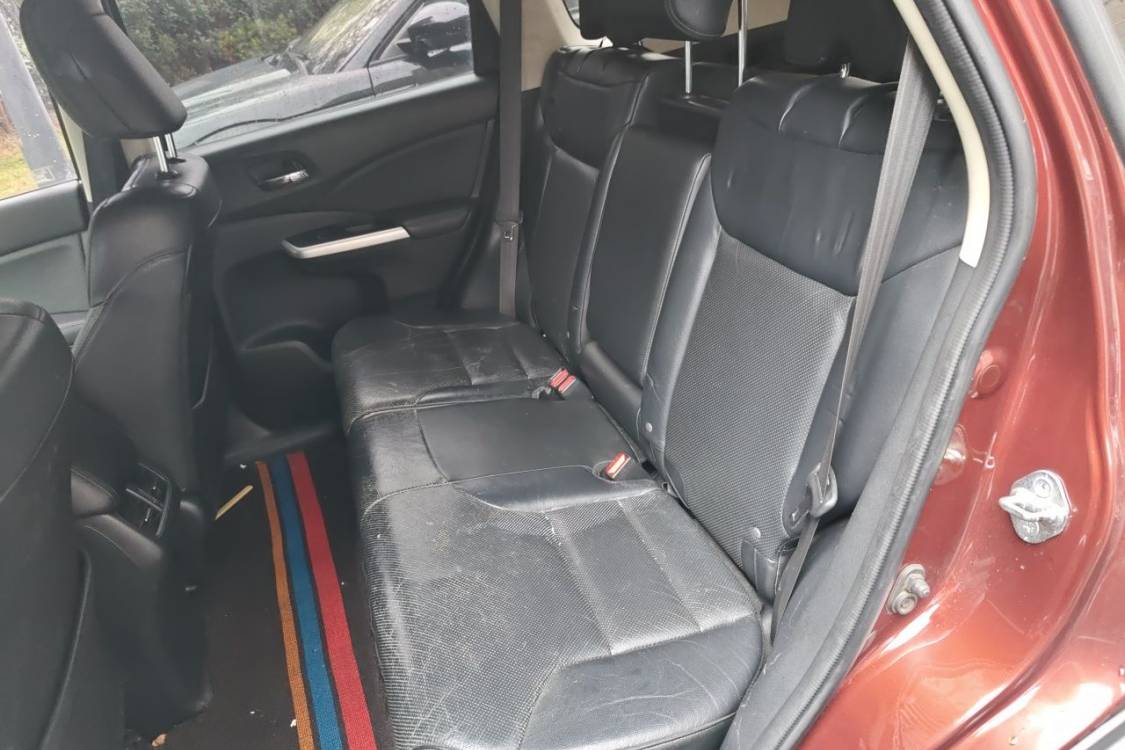
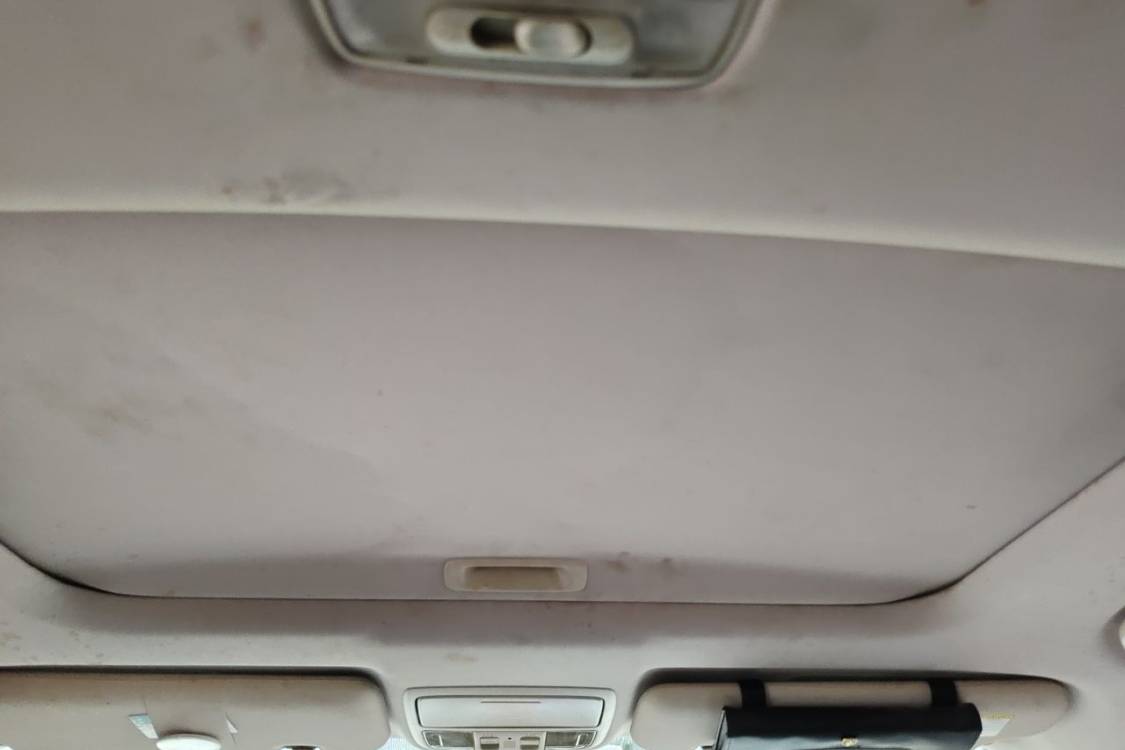
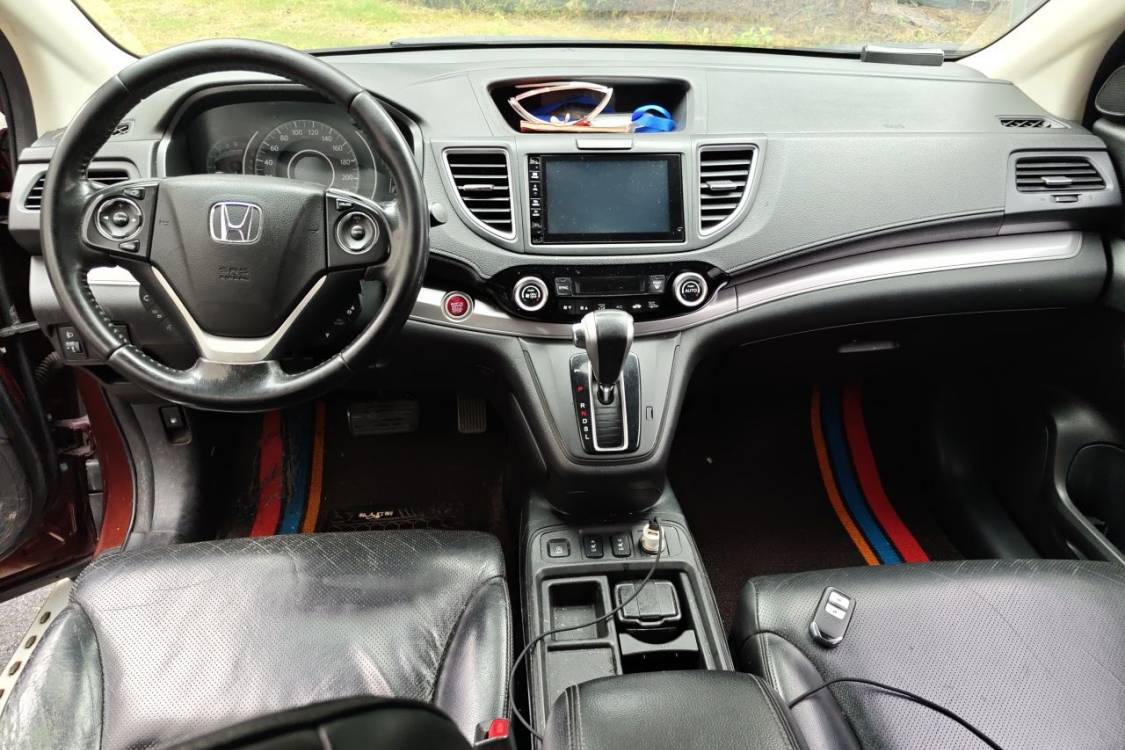
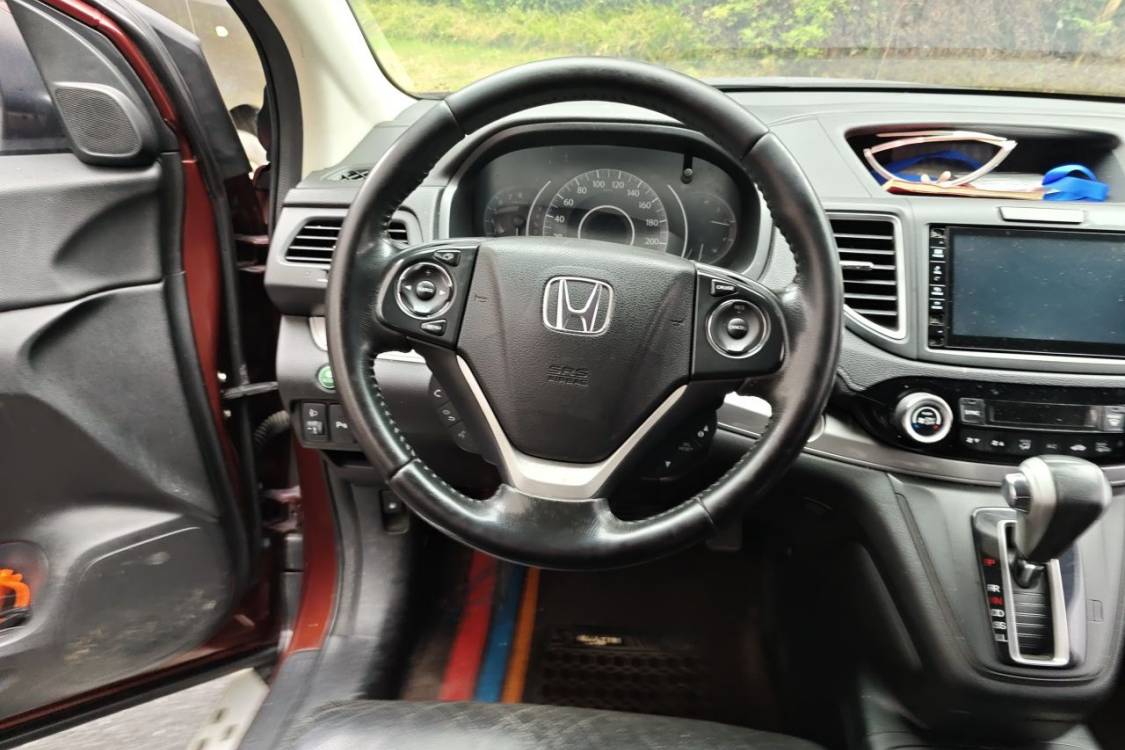
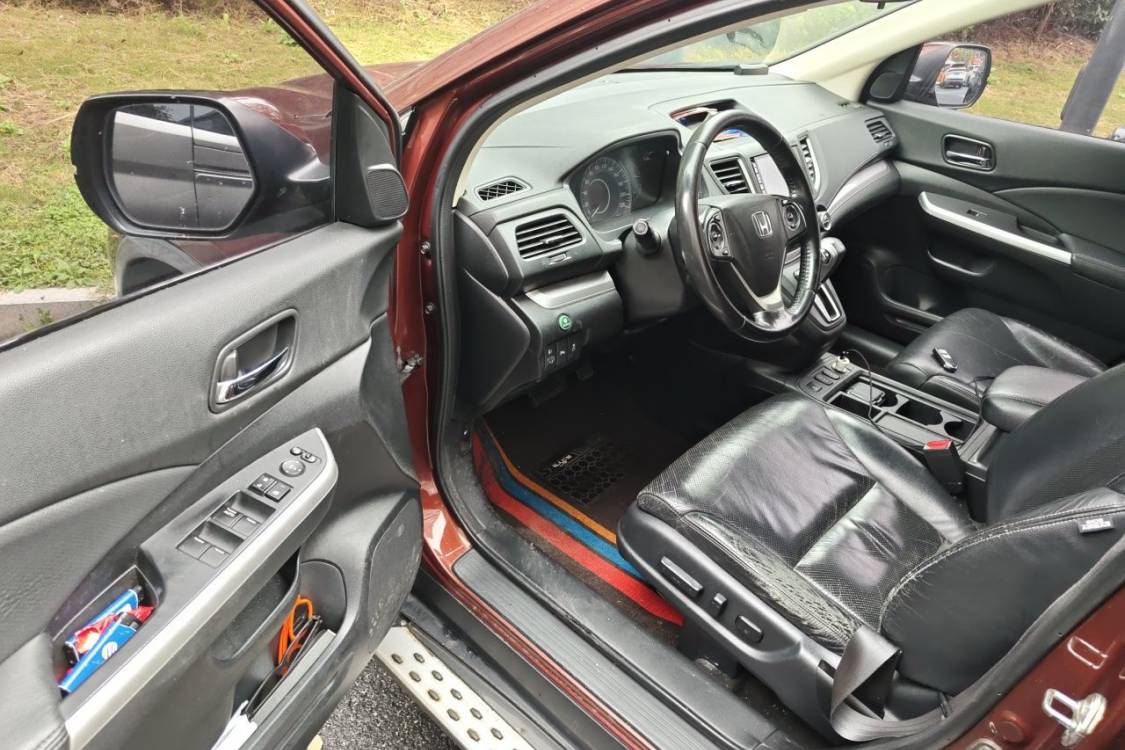
Accident inspection: main structure damaged, reinforcing parts damaged, covering parts damaged, hinges abnormal; engine bay: key mechanical components normal; exterior: 2 replaced parts, 3 panel repairs, 7 paint areas; interior: right front seat torn, third-row seat torn, left front seat torn, most features normal, airbags normal, lighting system normal; start-up inspection: main components normal; no tools included.

电话直连
可讲价
平台物流
可转售
车主降价
零过户
新检测标准升级>
非泡水

Document Information

Inspection Expiry Date2026/11
Warranty Expiry Date-
Insurance Expiry Date2026/11

Q&A

More

How can I estimate the warehousing and transshipment costs if I choose to conduct transshipment trade in Hong Kong or Dubai?

We are only responsible for delivering the goods to your designated transshipment port (such as Jebel Ali Port in Dubai). The warehousing fees, customs clearance fees, and storage fees for re-export within the free trade zone need to be calculated separately with local freight forwarders.


What's a realistic total budget for importing a used car from China, beyond the sticker price?

Plan for the car price plus roughly 25–50% in additional costs, depending on destination: 1. Inland transport in China (car city to export port): USD 300–700. 2. Export fees: inspection, customs declaration, port handling — USD 300–600. 3. Ocean or rail freight: a shared container to the Middle East or Africa runs USD 800–1,500; a full container or RoRo varies by route. 4. Destination charges: unloading, customs duties, VAT and port fees — this is the biggest variable. Some countries add 50%+ in taxes on used imports. 5. Compliance costs: homologation, inspection, registration in your country. 6. Currency and payment costs: wire fees and exchange margins of 1–3%. Always ask the exporter for a written cost breakdown listing every item and who pays it, then confirm the destination-side numbers with a local customs agent before committing.

Can the Chinese electric vehicles (EVs) you export use charging interfaces directly overseas?

Chinese standard electric vehicles use the national standard (GB/T) charging interface. If your country uses the European standard (CCS2), American standard (CCS1), or Japanese standard (CHAdeMO), the vehicle cannot be plugged directly into local charging stations. To address this issue, we will recommend or provide high-quality certified adapters (Adapter) with CE/UL safety certification. Please confirm the charging station specifications in your area with our sales personnel before purchasing.