24H

Basic Information

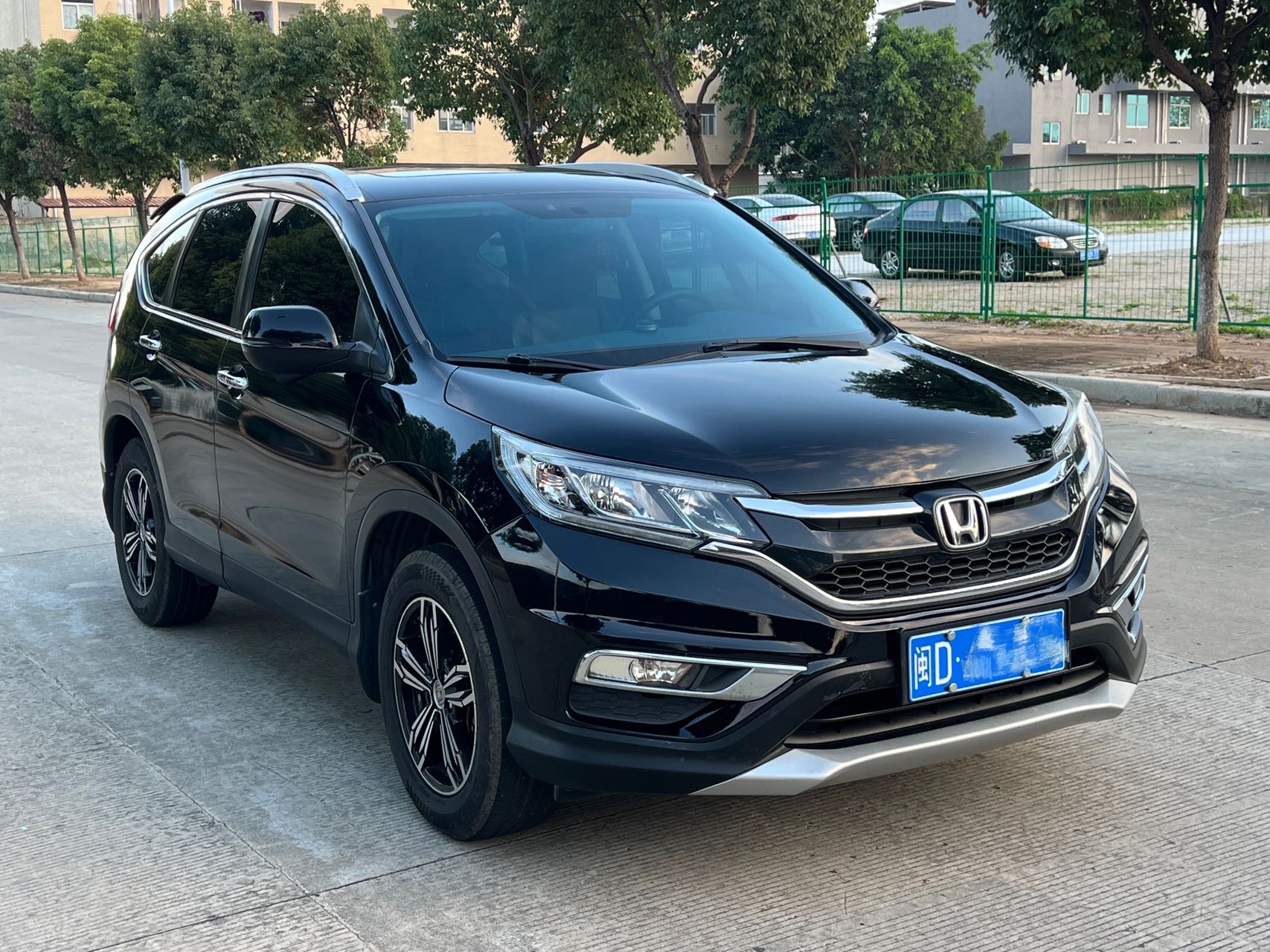
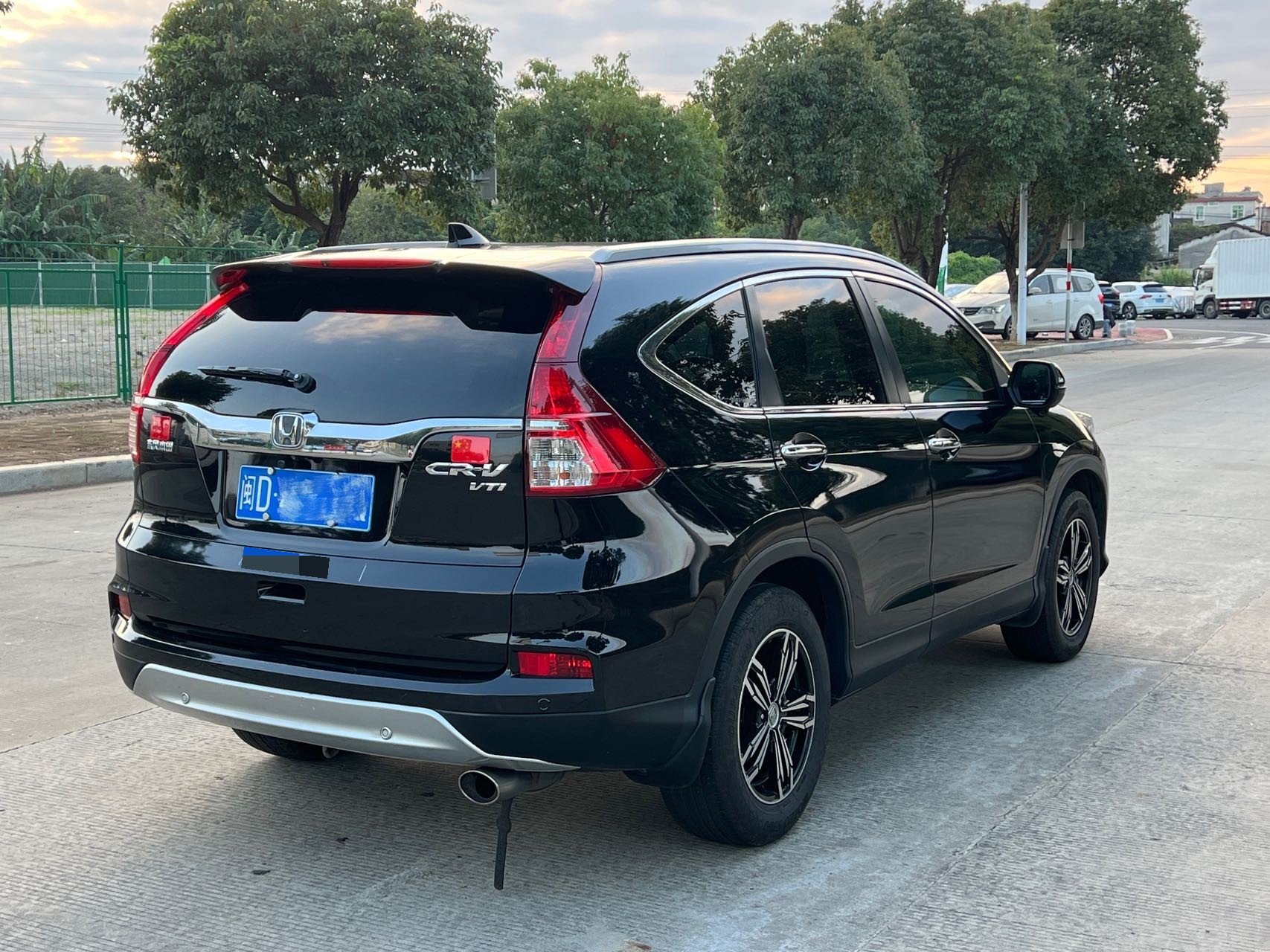
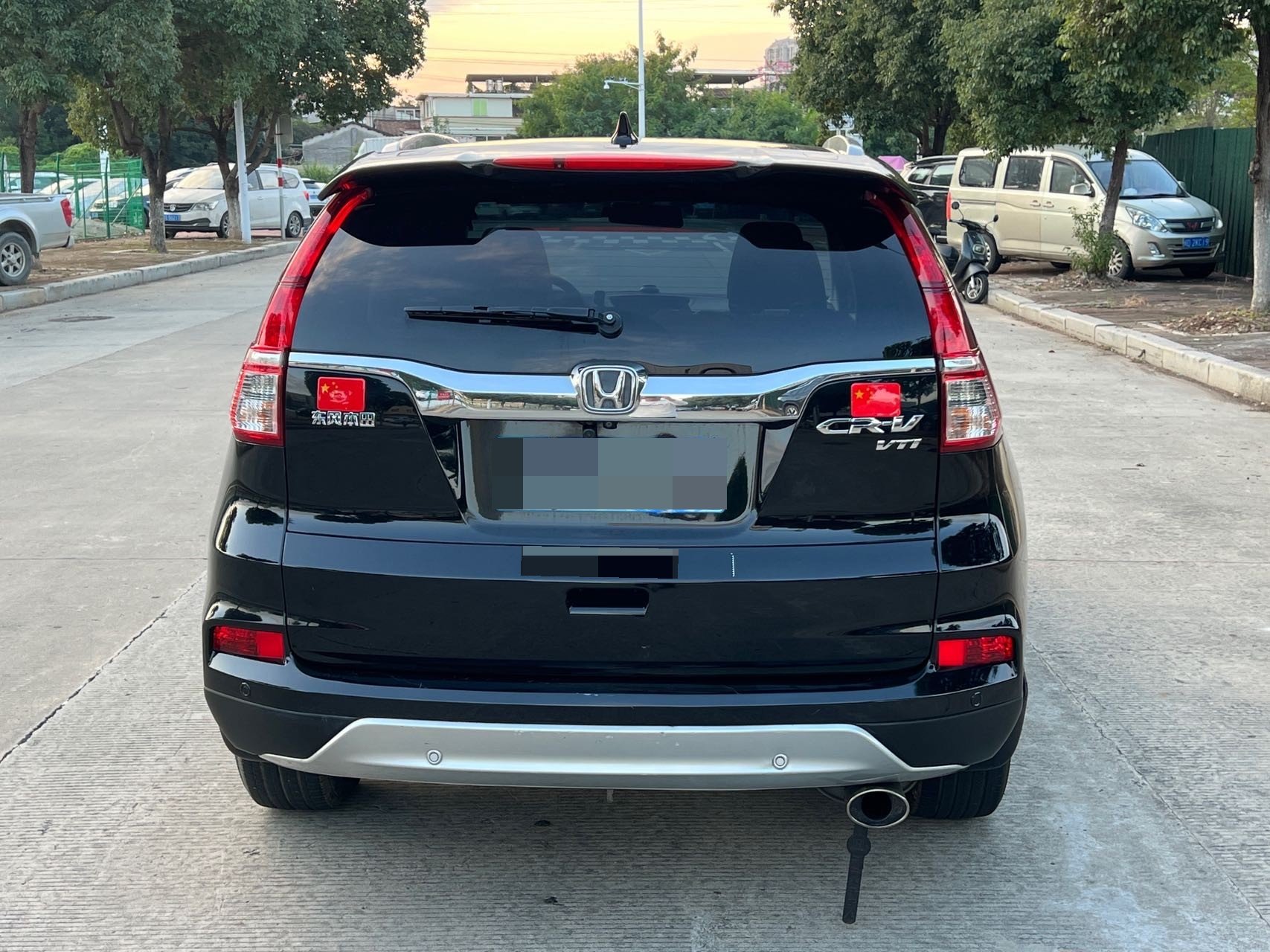
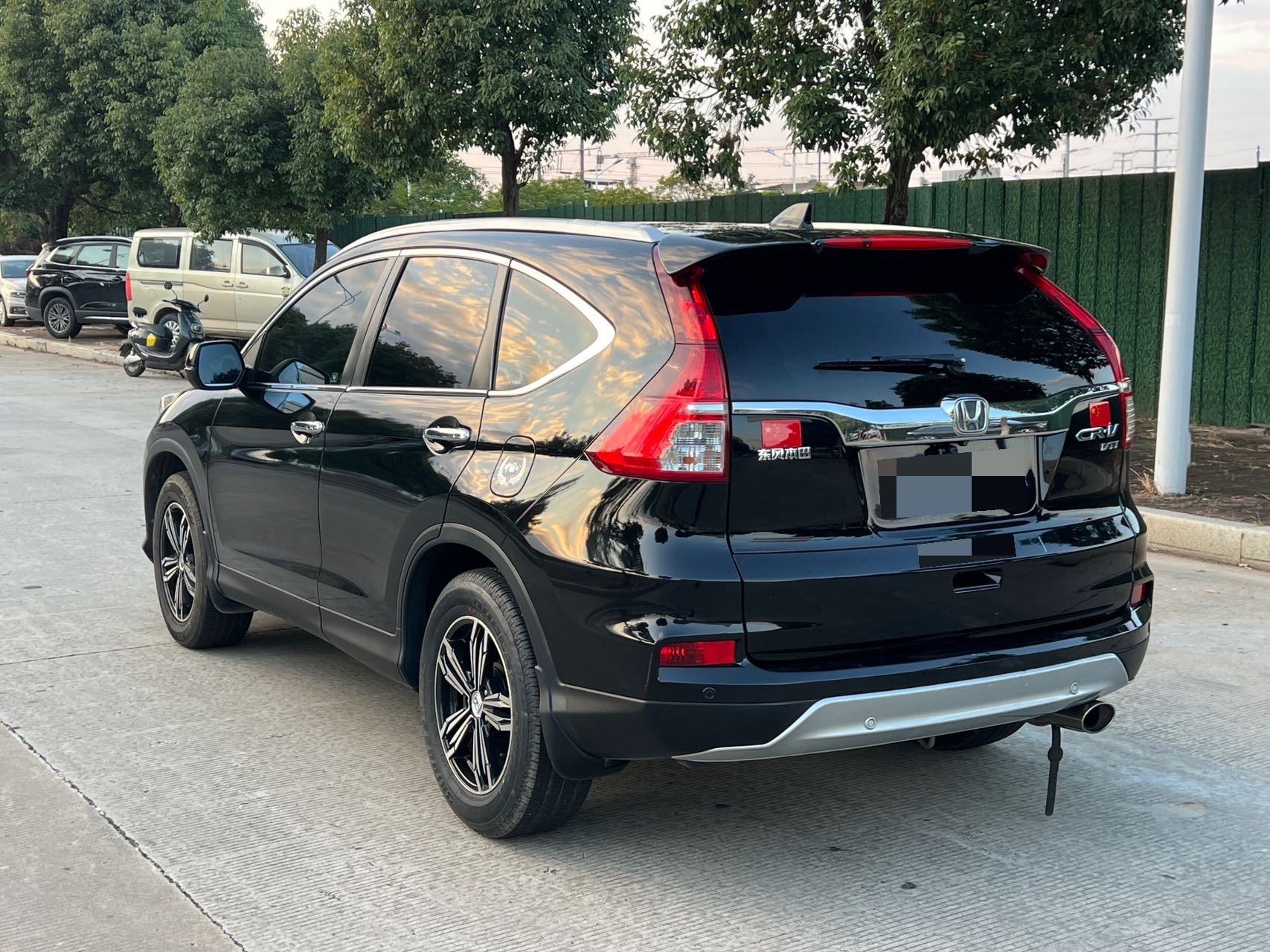
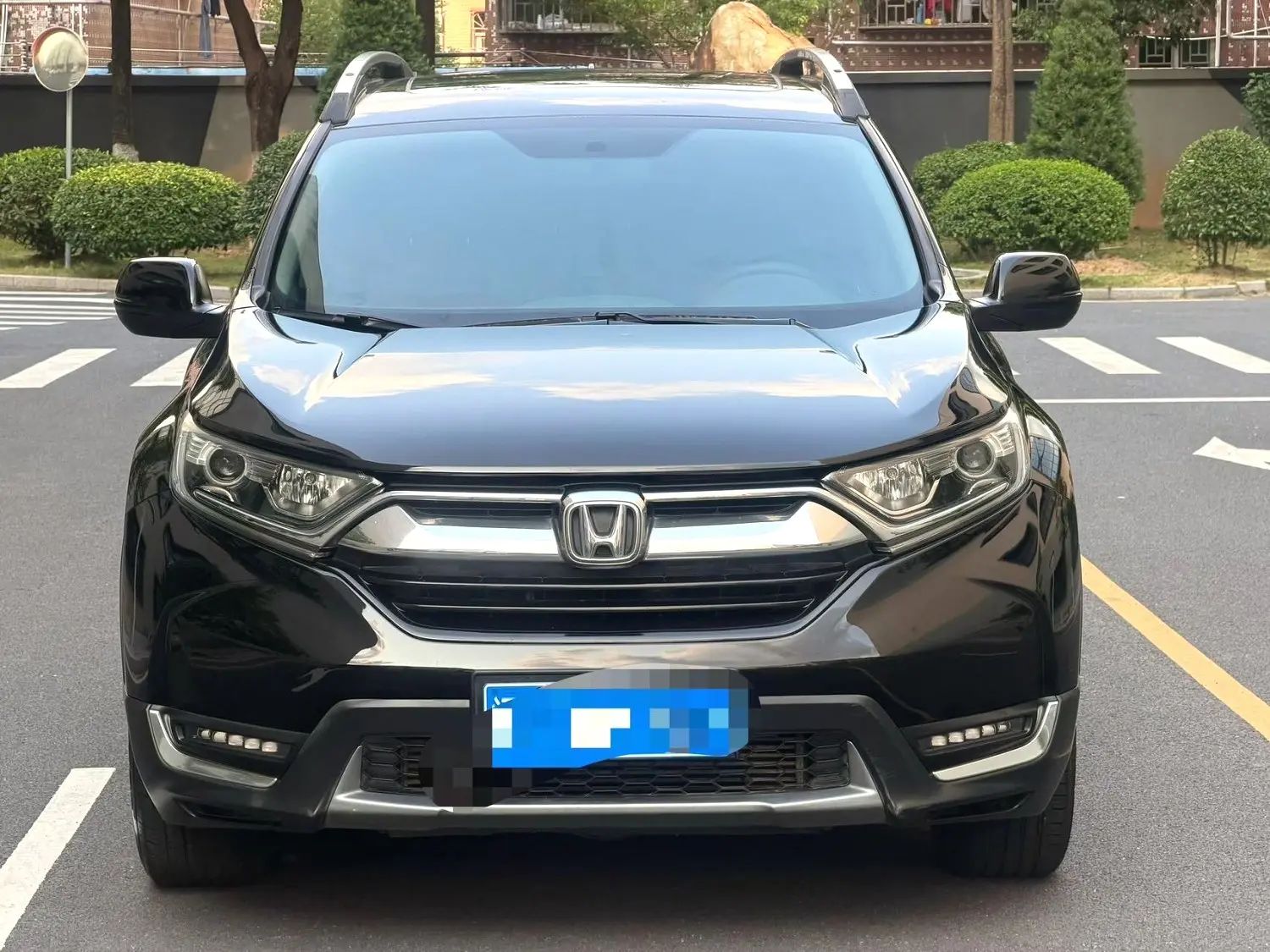
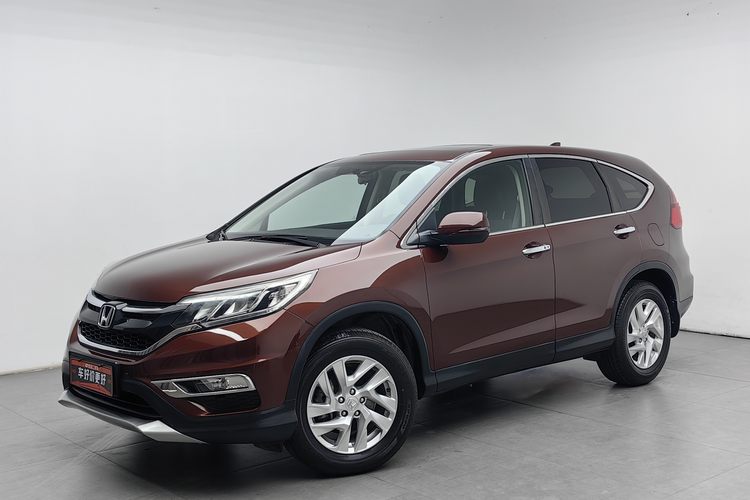
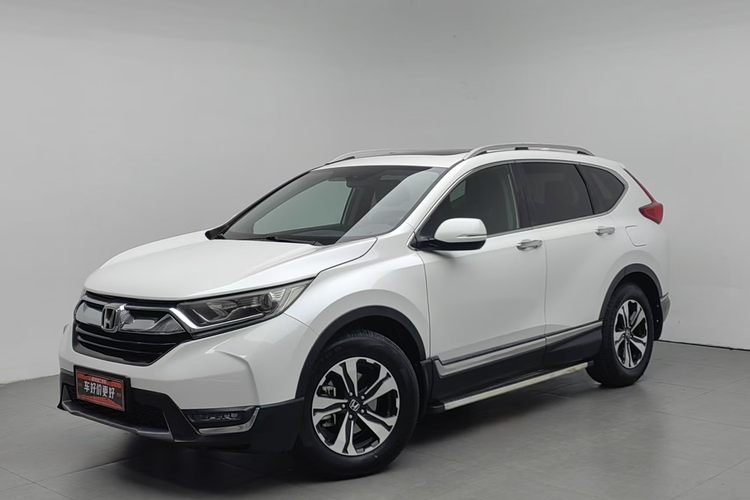
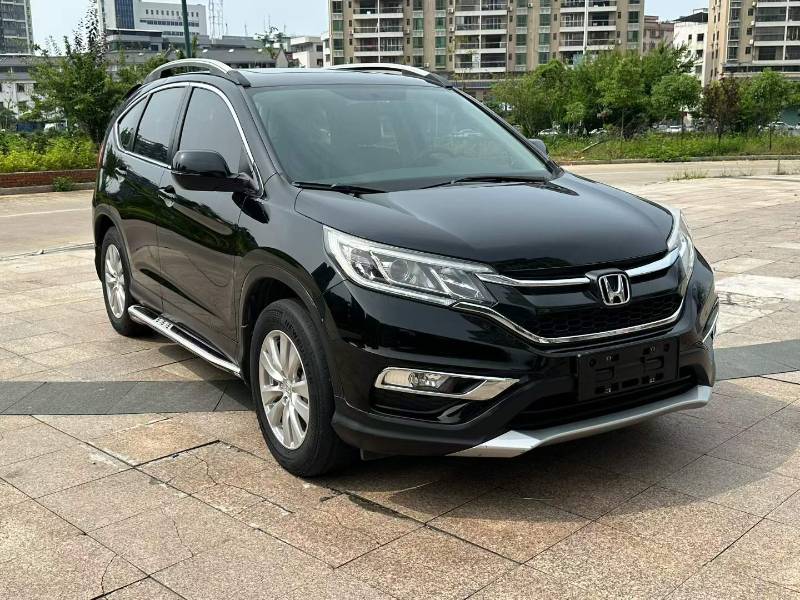
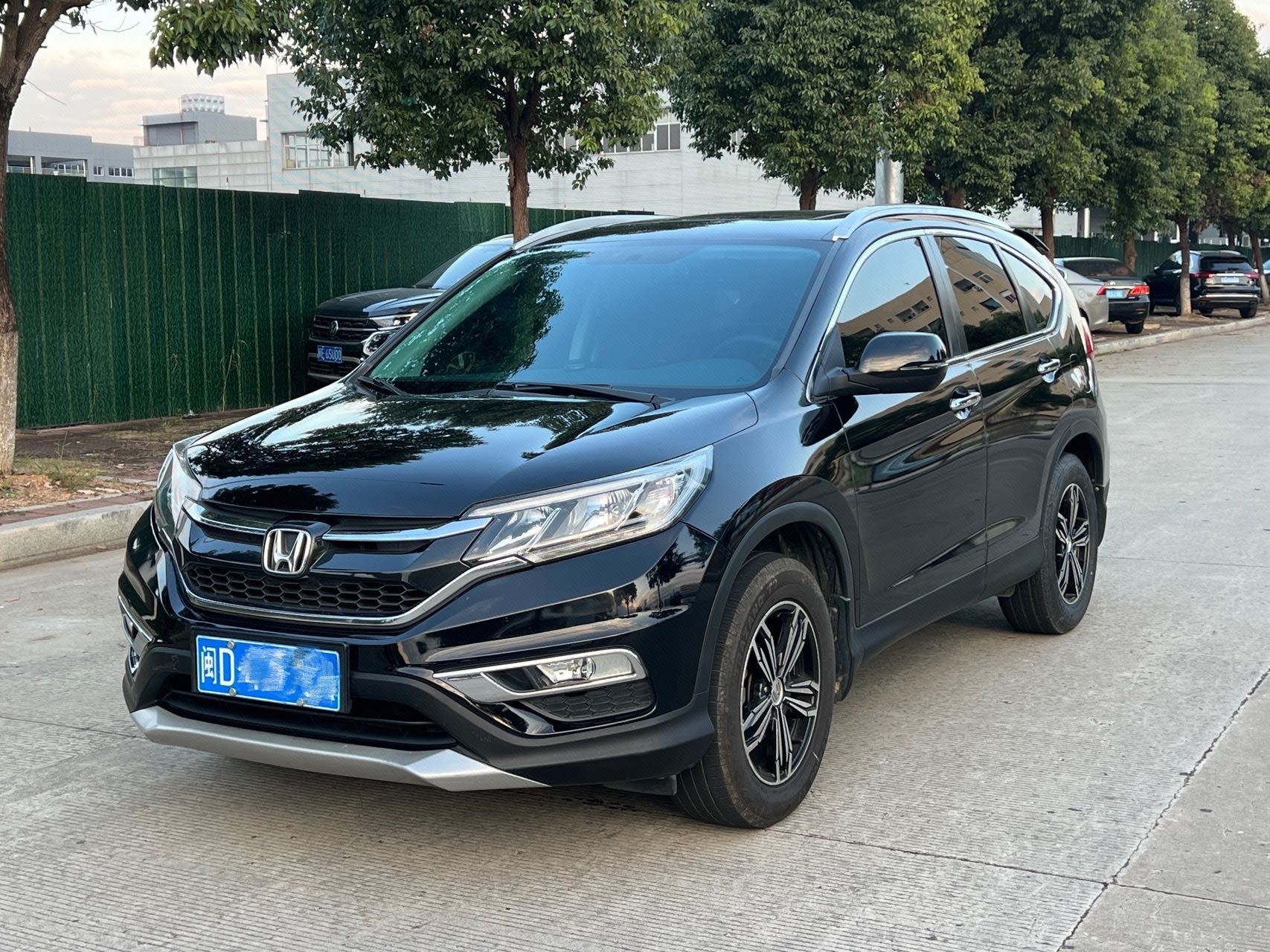
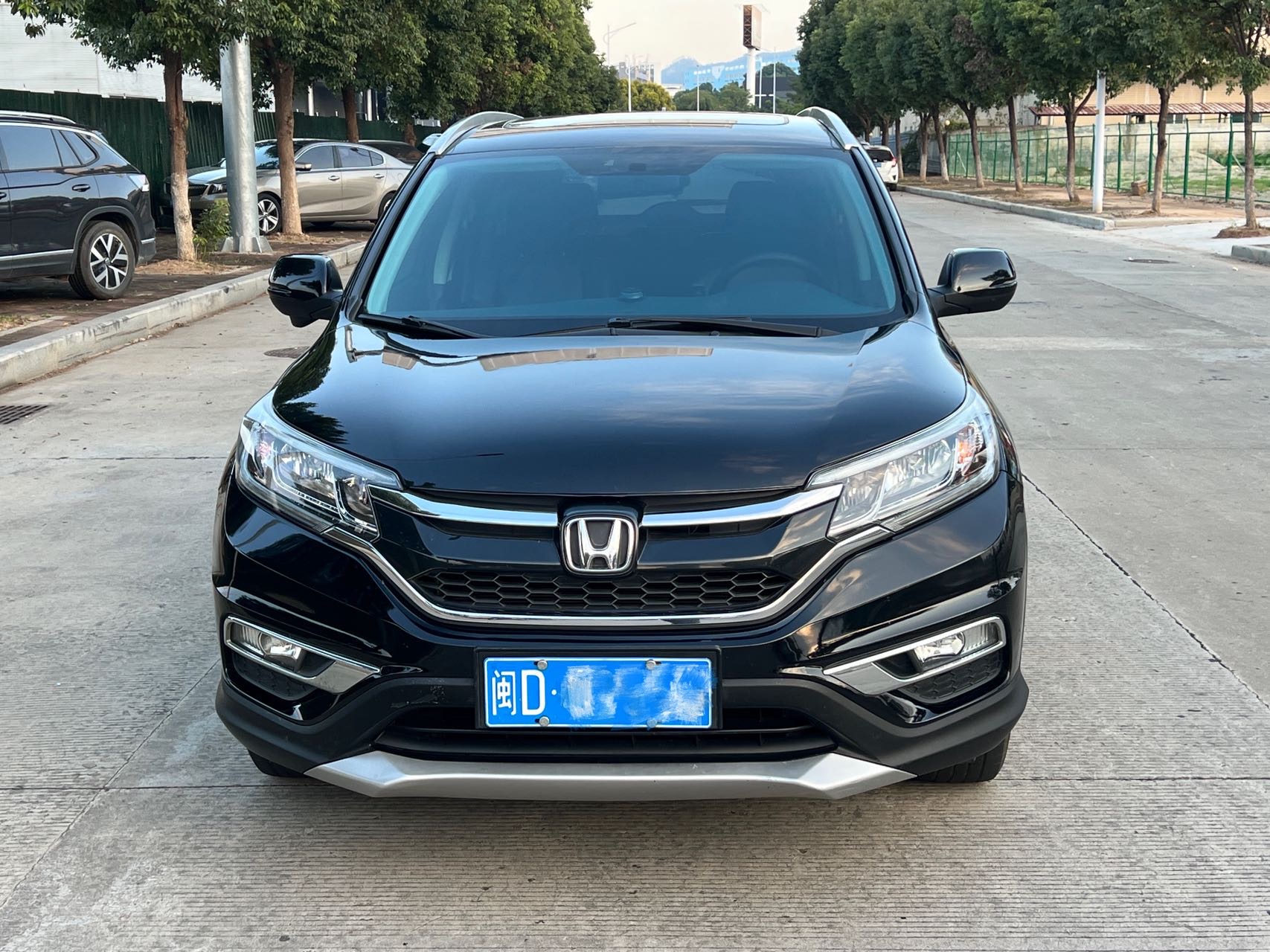
BrandHonda
SeriesCR-V
Year2016
First Registration2016/01
Mileage130,000km
Transfer Count0times
FuelGasoline
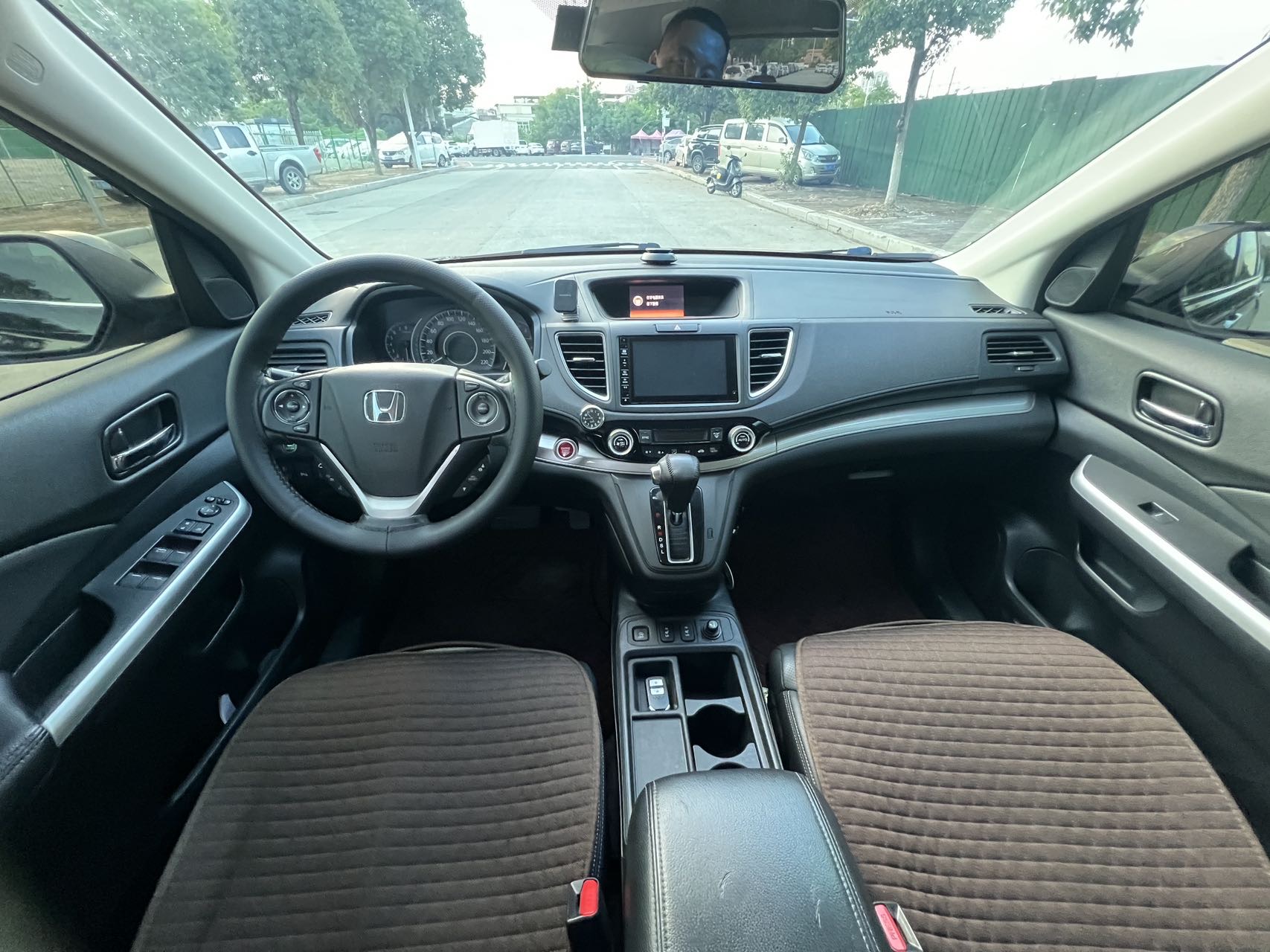
TransmissionCVT
Engine2.4L 186 L4
ColorBlack
Seats-

Condition Description

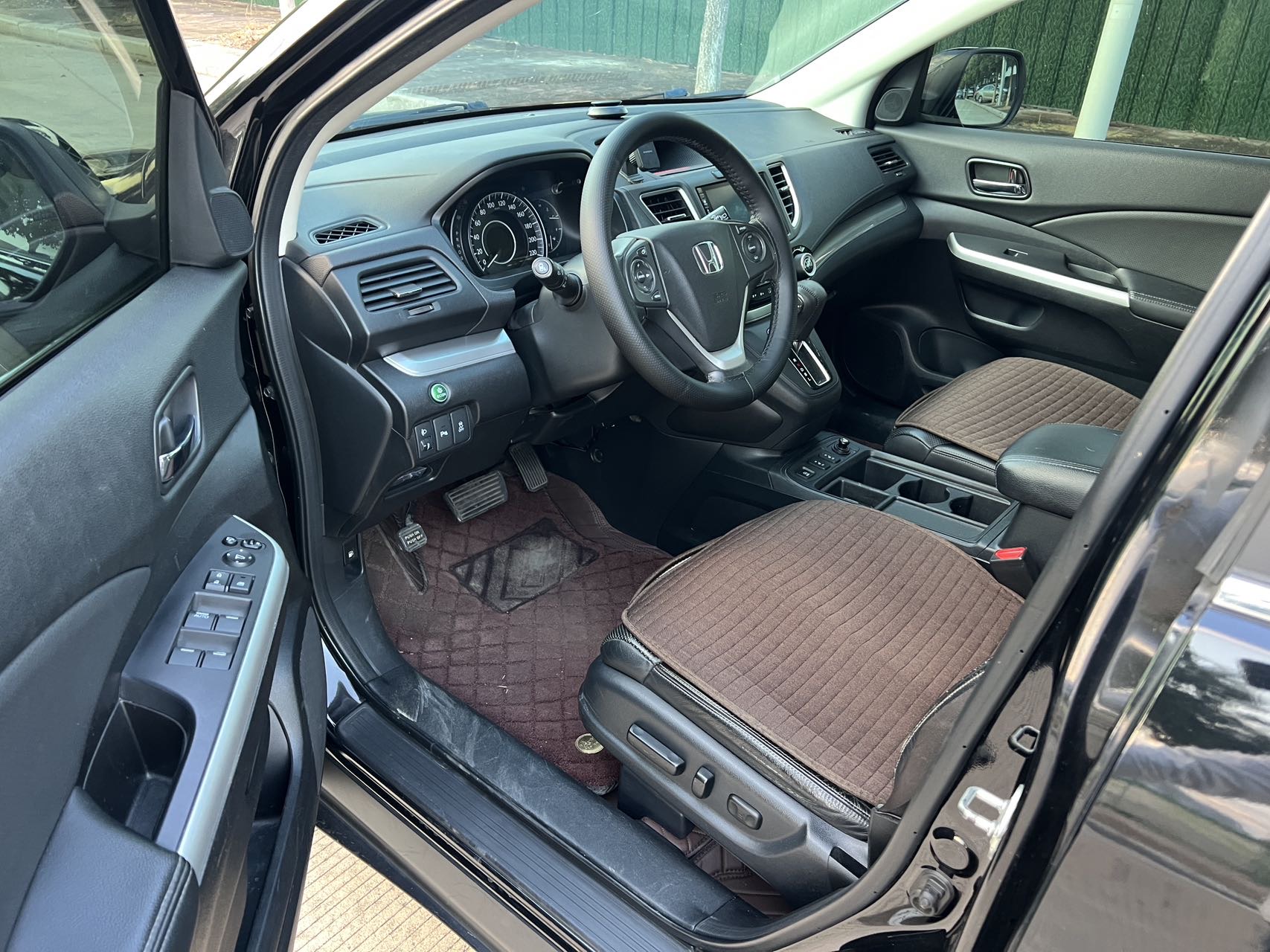
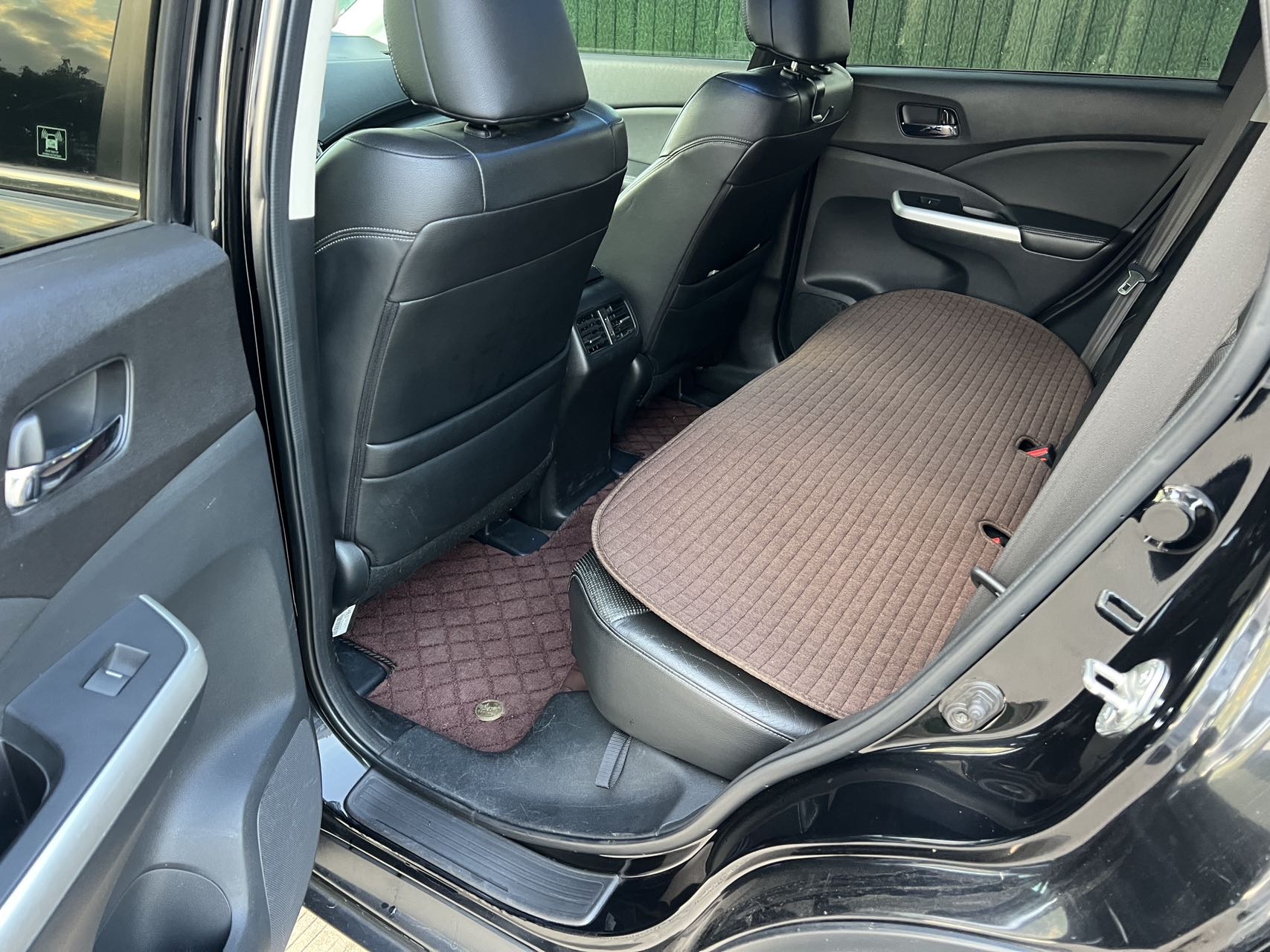
January 2016, actual odometer 130,000 km, excellent original condition.

Document Information

Inspection Expiry Date-
Warranty Expiry Date-
Insurance Expiry Date2027/01

Q&A

More

When calculating the total cost of a used car, what percentage of the car price do you recommend setting aside for "unforeseen local preparation costs"?

Based on practical risk assessment, we strongly recommend setting aside 3% to 5% of the car price as a buffer fund for even the highest-rated used cars, to cover oil changes, new tires, minor shipping scratches, and local inspection labor costs.

How can I verify a used car's mileage is genuine and hasn't been rolled back before export?

Odometer rollback is a common risk, so verify mileage through multiple channels rather than trusting the dashboard alone. First, ask the seller for maintenance records from the brand's official service network. Each service entry records the odometer reading with a date, so a consistent upward trend confirms the mileage is genuine. Second, run a VIN-based history report through Chinese platforms (such as CarVertical-style reports covering Chinese records) and check auction records if the car came from a used-car auction — auction sheets always log the mileage. Third, inspect physical wear during your video inspection: pedal rubber, steering wheel shine, seat bolsters, and gear knob wear should match the claimed mileage. A car showing 40,000 km with heavily worn pedals is a red flag. Finally, check the odometer reading in the export documents — Chinese customs and inspection records also capture mileage, giving you an official data point. If the seller refuses to share service records, treat the mileage as unverified and price your offer accordingly.
Should I choose RoRo or container shipping when importing a used car from China, and what does marine insurance actually cover?

RoRo (roll-on/roll-off) is cheaper and faster for a single car—you drive it onto the vessel and it is secured on the car deck. Container shipping costs more but offers better protection from weather, salt air, and handling damage, and allows you to load spare parts inside the car. Marine insurance is essential either way. Standard cover protects total loss and major damage, but read the exclusions: many policies do not cover pre-existing mechanical faults, cosmetic scratches below a deductible, or damage caused by improper securing (lashings). Ask for ICC(A) or All Risks coverage rather than basic total-loss-only policies. Practical tips: 1. Photograph and video the car thoroughly at loading, with the VIN visible 2. Note existing scratches on the bill of lading 3. Inspect immediately at destination—claims windows are often 3-7 days 4. For EVs, declare the battery; some insurers charge a supplement or exclude battery damage altogether