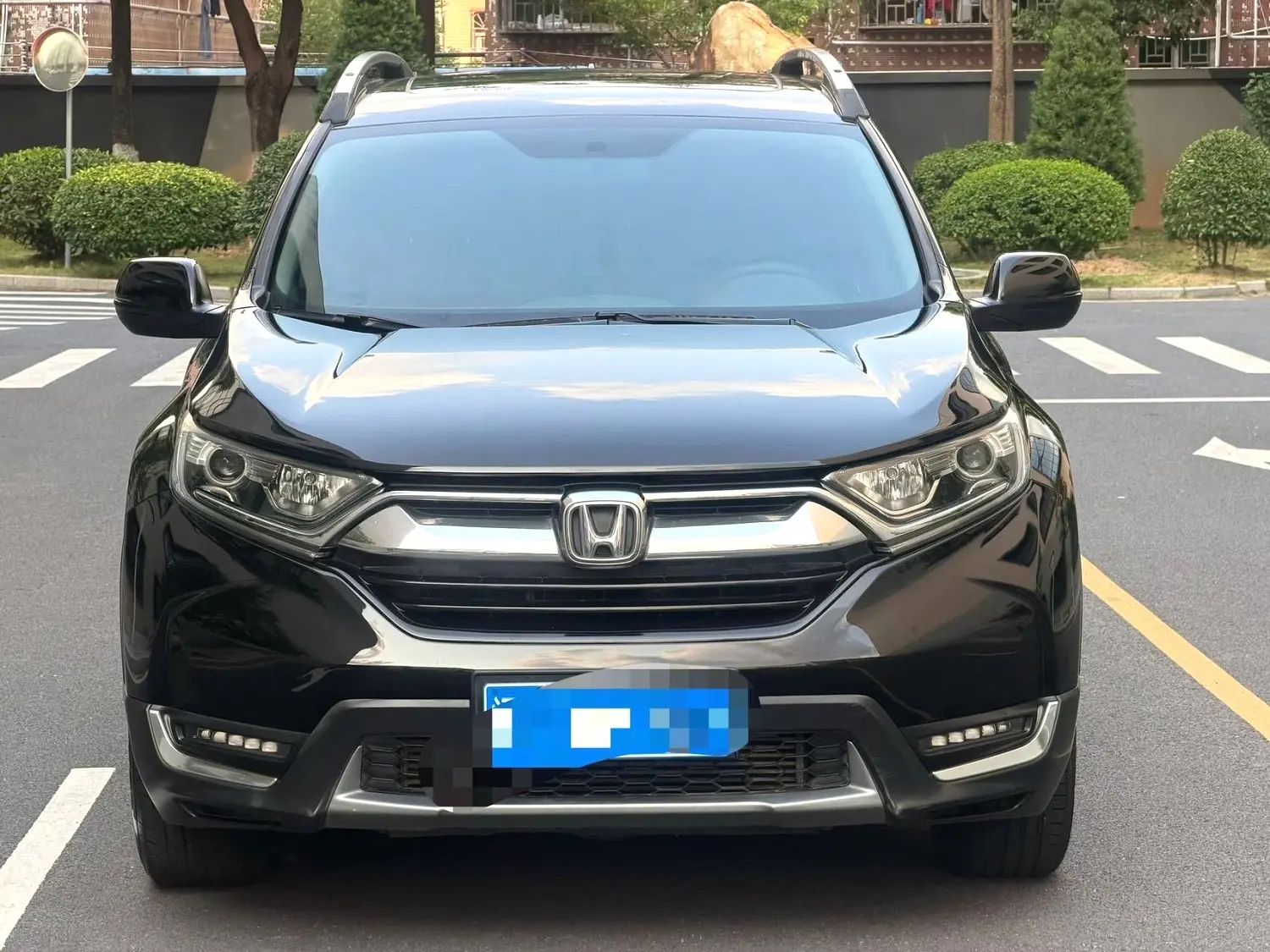
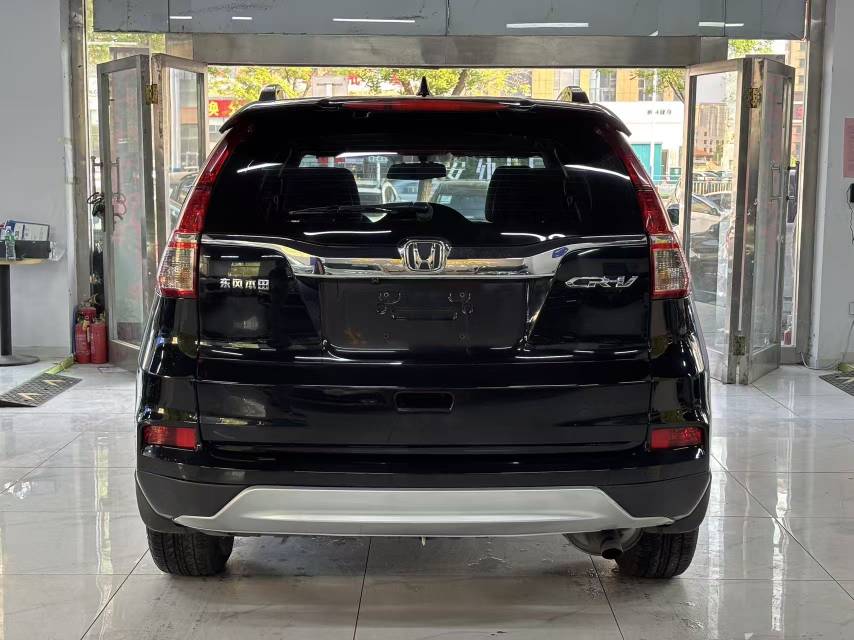
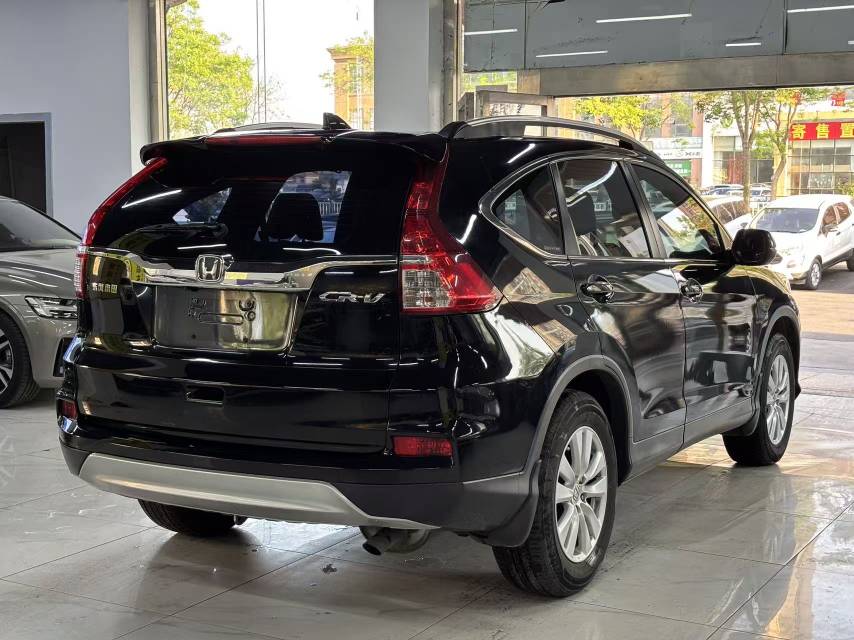

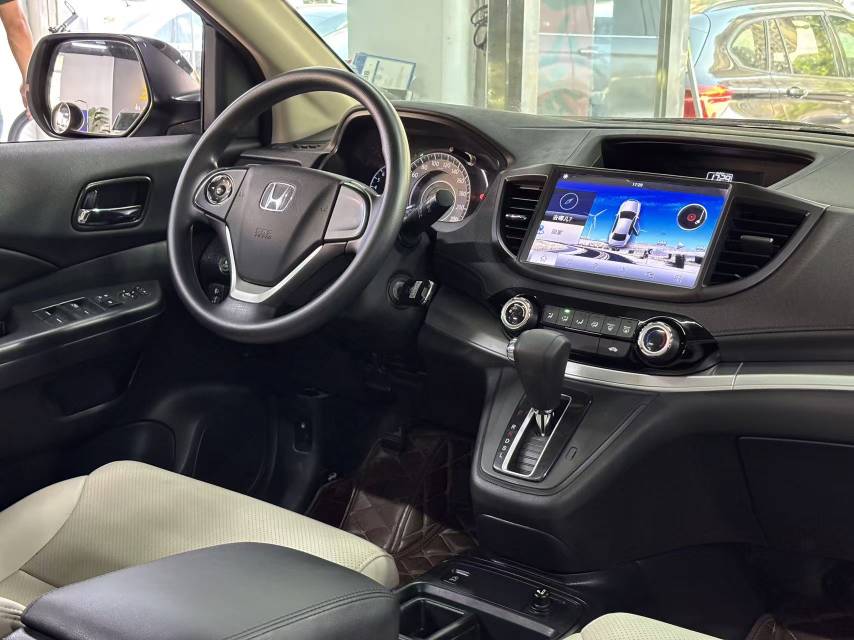
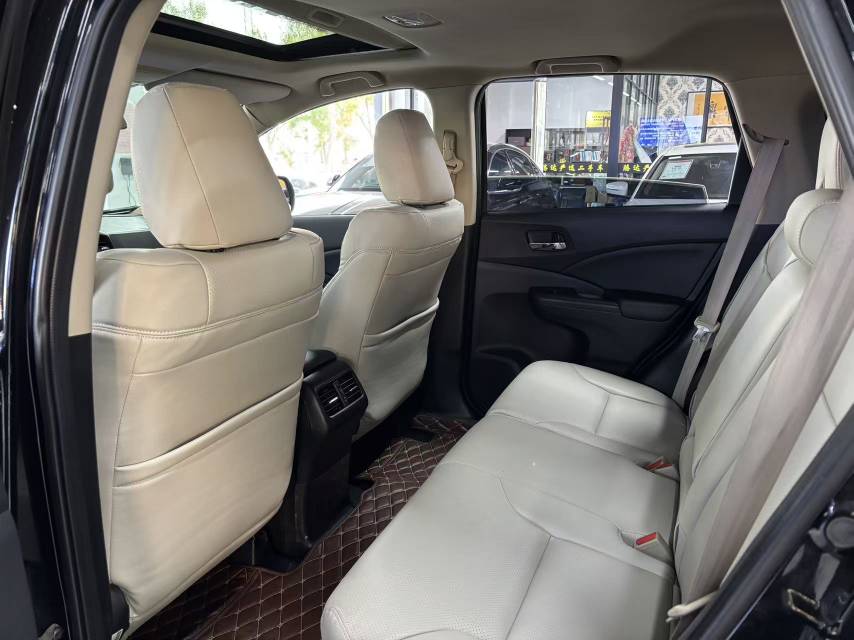
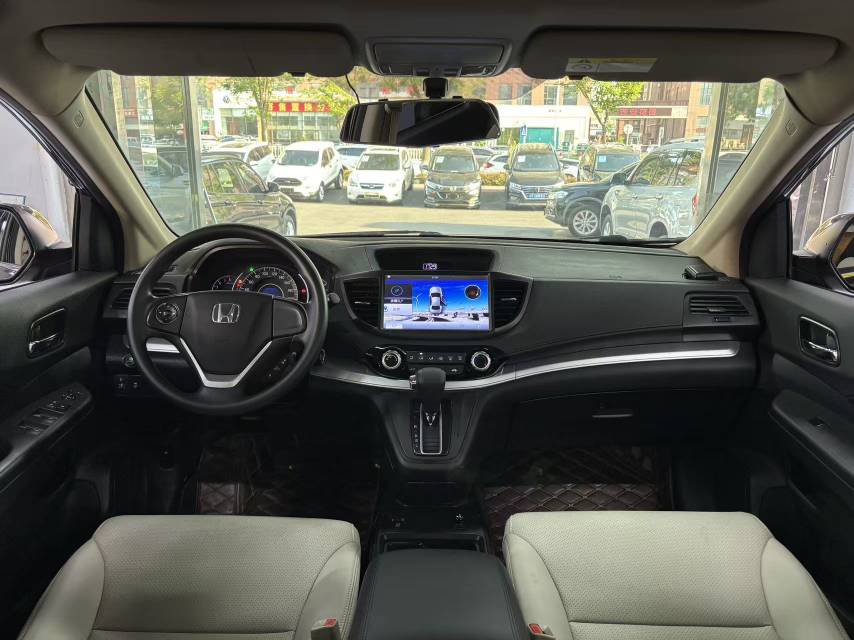



Basic Information

BrandHonda
SeriesCR-V
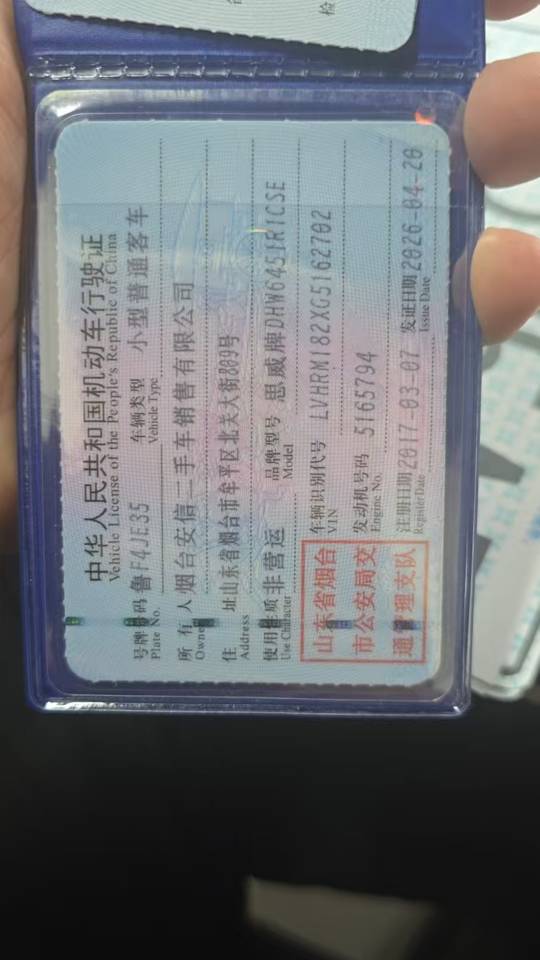
Year2017
First Registration2017/03
Mileage150,000km
Transfer Count0times
FuelGasoline
TransmissionCVT
Engine2.0L 155 L4
ColorBlack
Seats-

Condition Description

General vehicle condition.

2017 Honda CR-V 2.0 automatic two-wheel drive, actual mileage 150,000 km, maintained at authorized service centers. Inspection and insurance valid until March 2027. Three parts have been repainted. The spare tire compartment has been slightly deformed but is not severely damaged; it can be inspected by opening the spare tire compartment. The vehicle has failed a third-party inspection.

可议价
已上架

Configuration Highlights

✓品牌: 本田
✓车系: 本田CR-V
✓车型: 本田CR-V 2016款 2.0L CVT 两驱都市版
✓能源类型: 燃油车
✓发动机: 2.0L
✓变速箱: CVT
✓驱动方式: 前轮驱动
✓排放标准: 国IV,国V
✓指导价: 18.98万
✓车源编号: 12735451
✓VIN: LVHRM182XG5162702

Document Information

Inspection Expiry Date2027/03
Warranty Expiry Date-
Insurance Expiry Date2027/03

Q&A

More

What should I do if the destination country requires a certificate of origin?

Apply for a certificate of origin from the local customs or trade promotion agency, proving that the country of manufacture is China. This is a necessary document for customs clearance in regions like the Middle East and Southeast Asia.


How can I estimate the warehousing and transshipment costs if I choose to conduct transshipment trade in Hong Kong or Dubai?

We are only responsible for delivering the goods to your designated transshipment port (such as Jebel Ali Port in Dubai). The warehousing fees, customs clearance fees, and storage fees for re-export within the free trade zone need to be calculated separately with local freight forwarders.

If the record of a vehicle's first maintenance is missing from the system, how do you determine its early wear condition?

Many car owners do not have their first maintenance done at authorized dealerships, leading to gaps in early data. In such cases, we do not blindly trust the odometer; instead, we analyze the tire production dates and wear levels, as well as the depth of grooves on the brake disc edges, using the "gold standard" of physical wear to infer the intensity of early use.