


48H

Basic Information

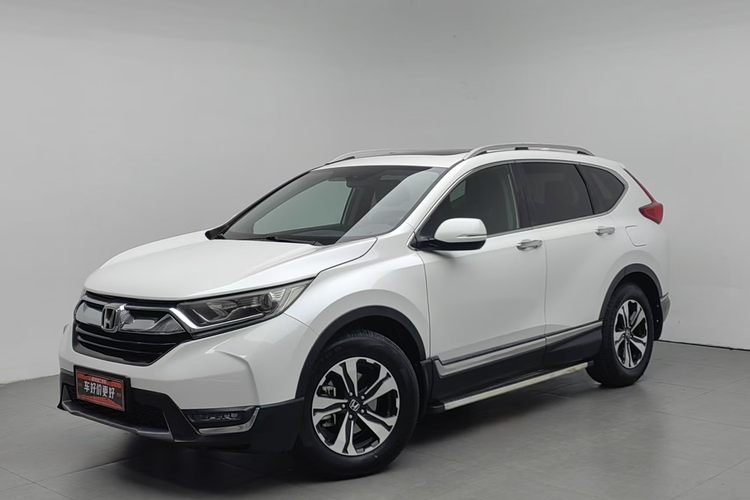
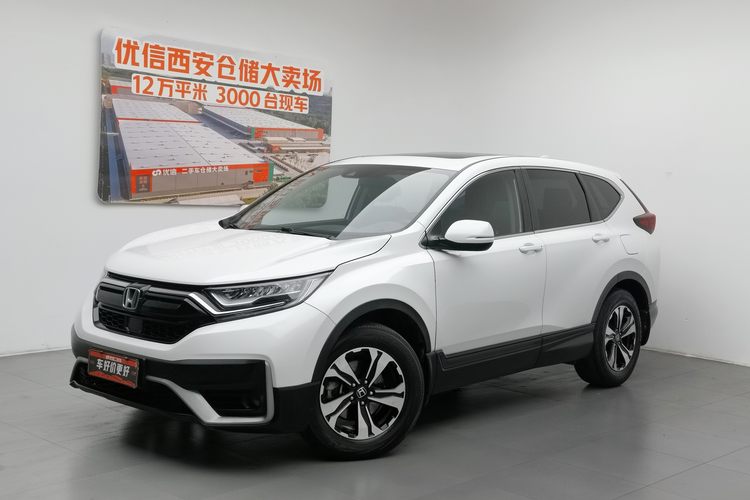
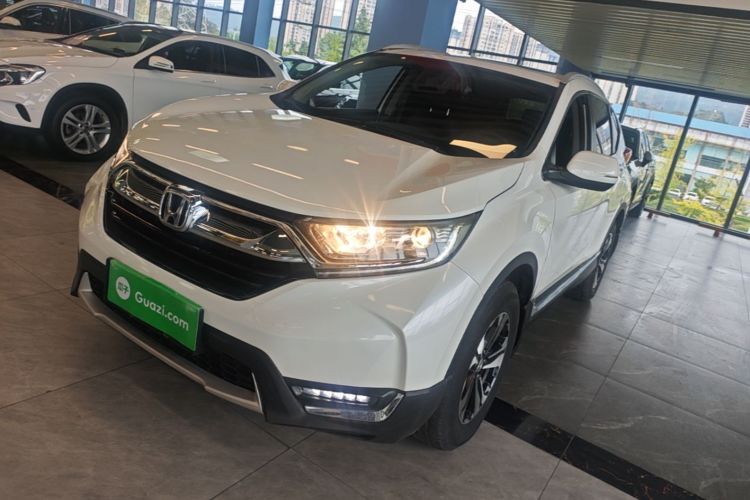
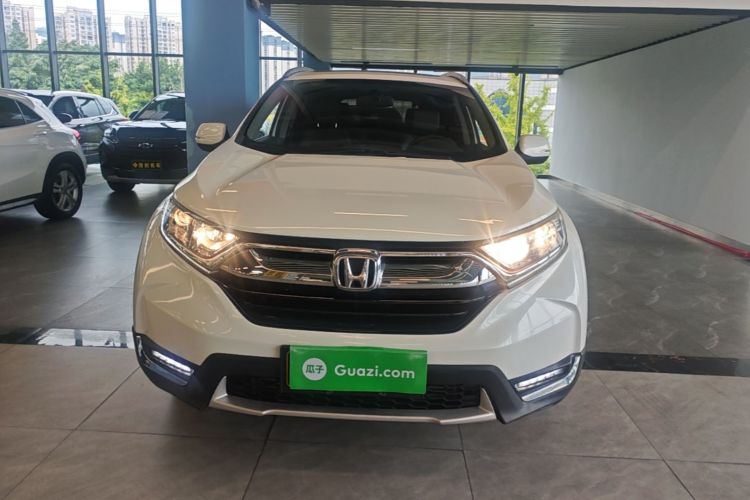
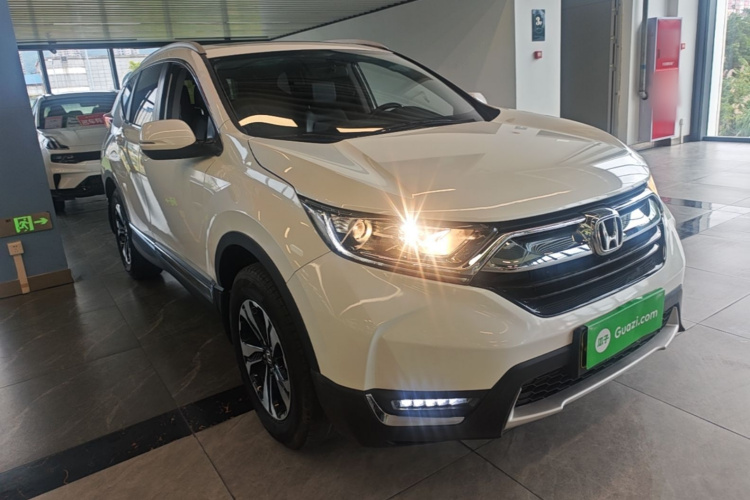
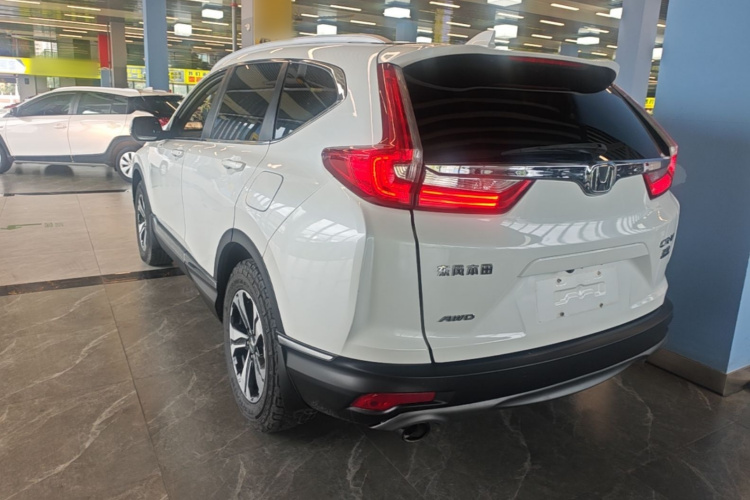
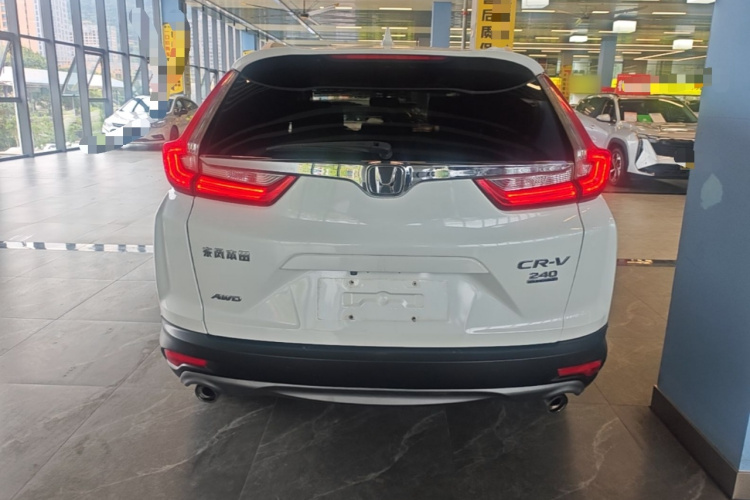
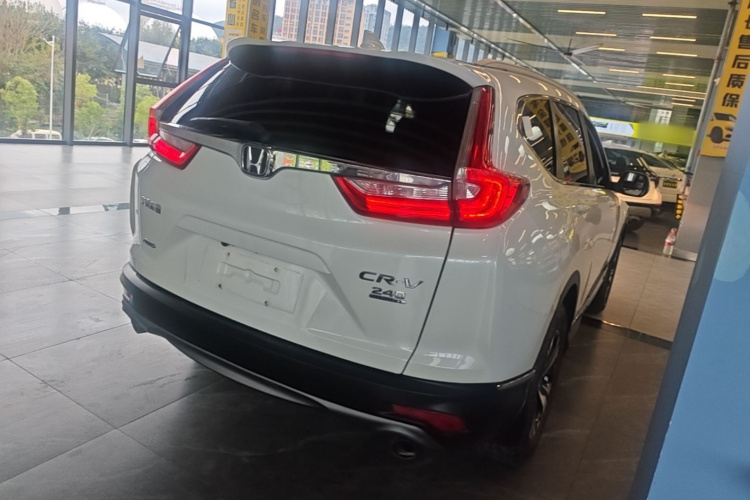
BrandHonda
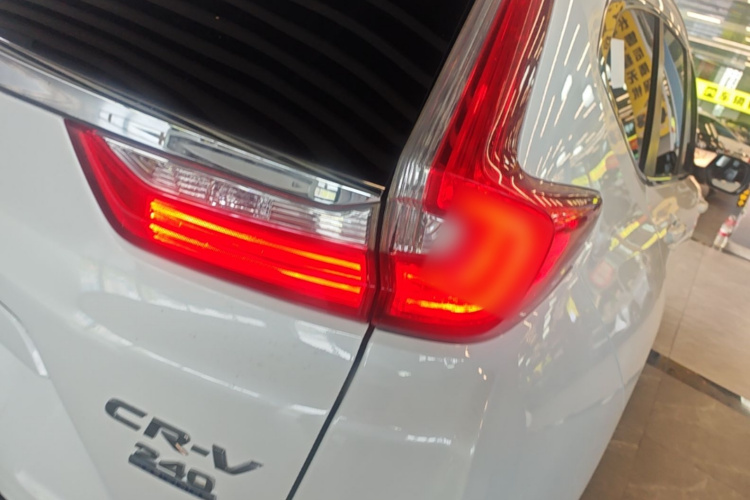
SeriesCR-V
Year2018
First Registration2018/11
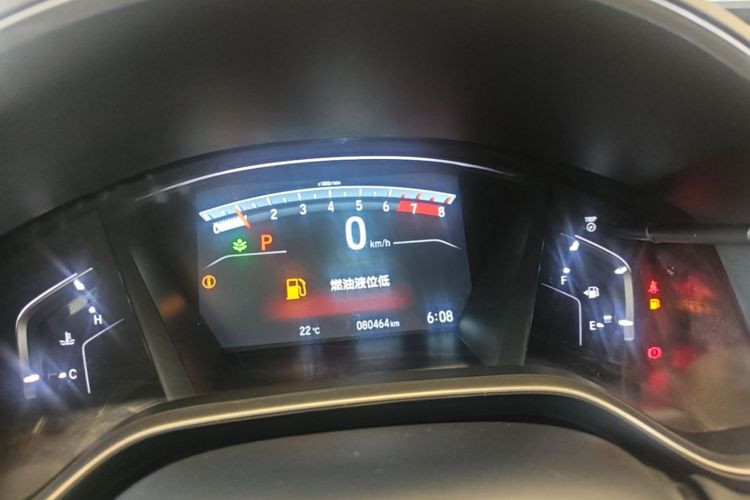
Mileage80,400km
Transfer Count0times
FuelGasoline
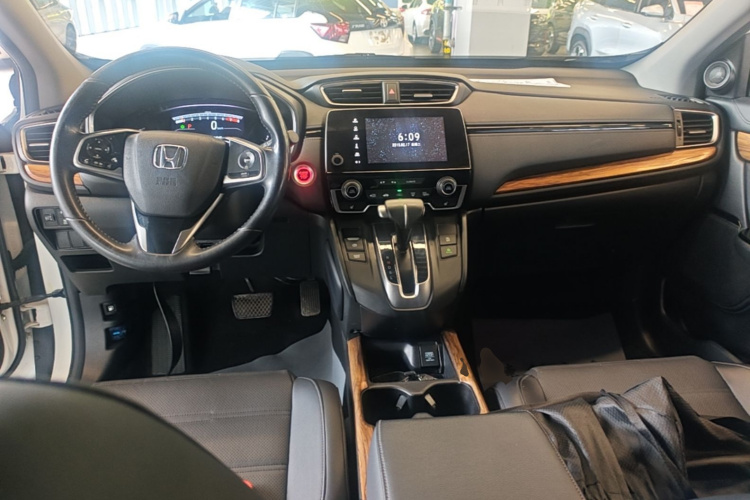
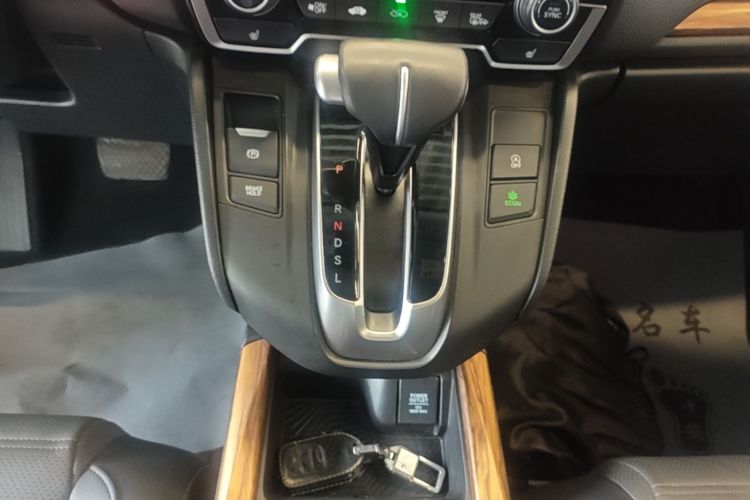
TransmissionCVT
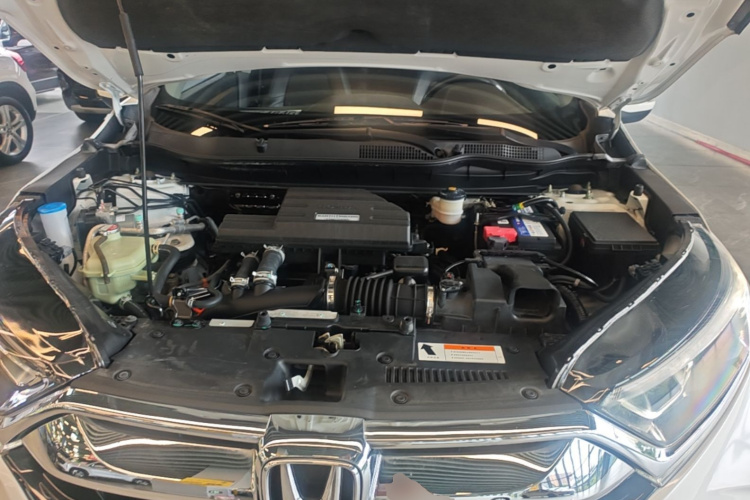
Engine1.5T 193 L4
Color
Seats-

Condition Description

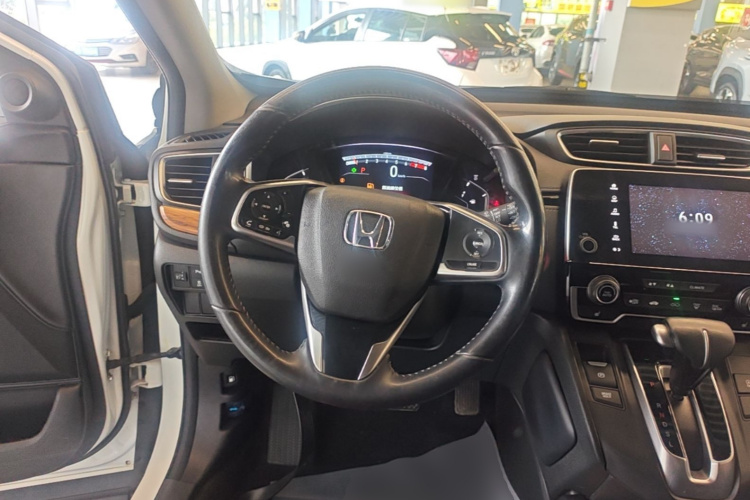
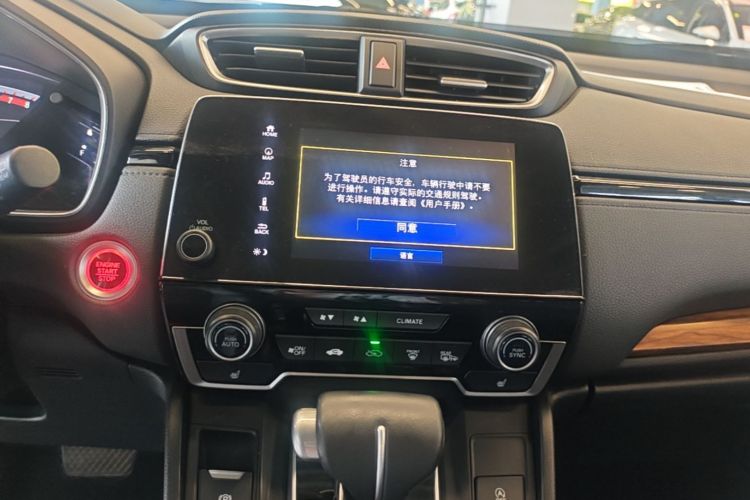
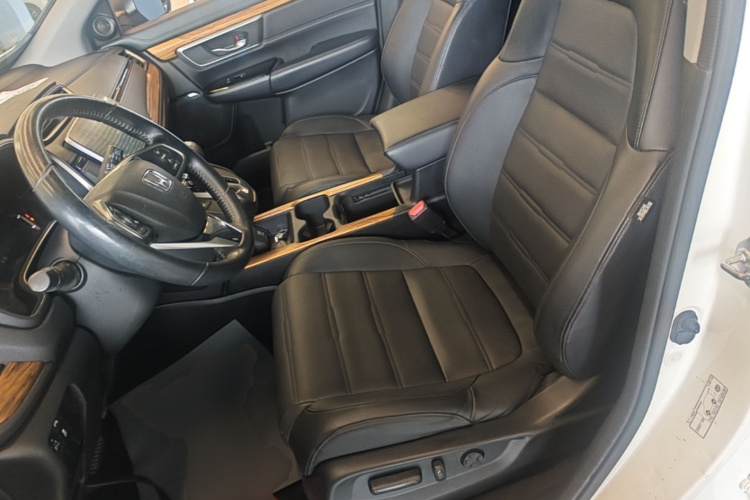
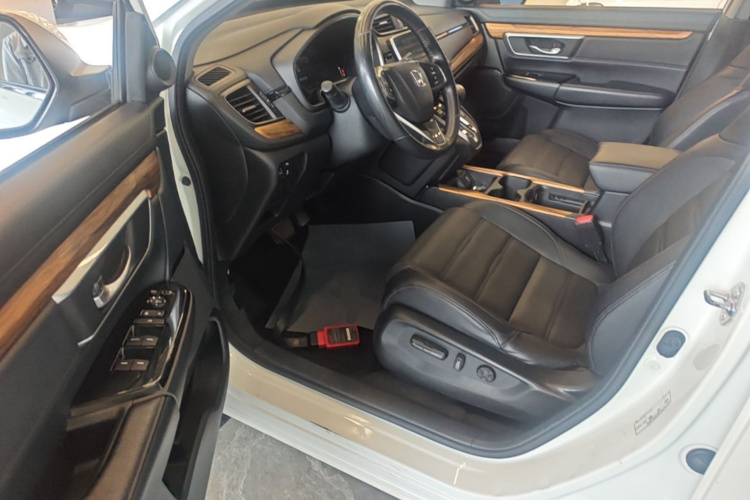
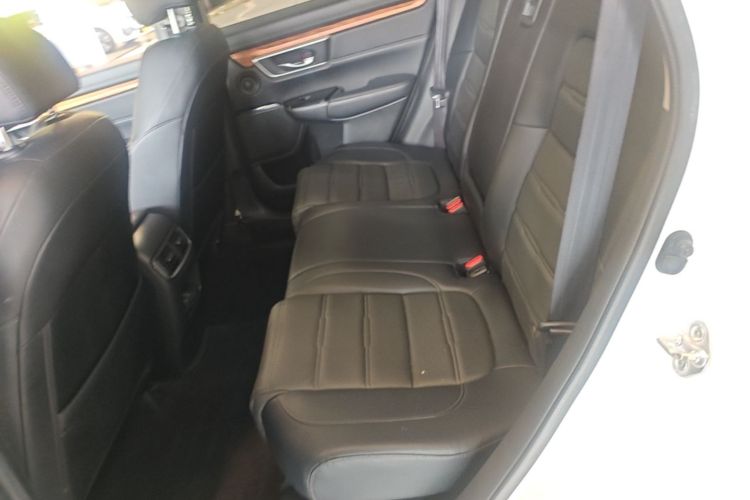
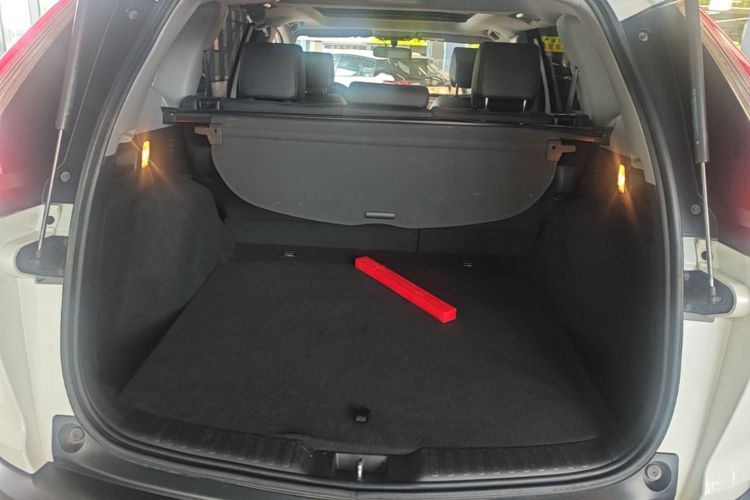
Basic condition passed | 5 insurance claims | 0 transfers

Q&A

More

What is a Chinese vehicle registration certificate and how do I verify the seller actually owns the car?

The key document is the 机动车登记证书 (Vehicle Registration Certificate), the green booklet proving ownership. Along with it, the seller should provide the 行驶证 (driving license for the vehicle) and their ID. Verification steps: 1. Check that the VIN/chassis number on the certificate matches the car exactly, stamped on the dashboard and door frame 2. The certificate's 所有人 (owner) field must match the seller's company name or the export agent they claim to work with 3. Look at the registration history pages—frequent transfers in a short period can indicate problem cars being flipped 4. Confirm the car is not marked 抵押 (mortgaged/pledged to a bank) Be cautious if the seller only shows photos of these documents and refuses a live video panning across the original booklet with the day's newspaper. Also verify the export company has 二手车出口资质 (used-car export qualification)—a legitimate exporter will share their license number, which you can cross-check on Chinese commerce bureau websites.
Am I allowed to place other goods (like tires or mats) purchased from China inside the vehicle before shipping it?

Absolutely prohibited. Chinese customs requires a "bare car" declaration for used car exports. If undeclared goods are found inside the vehicle, it could lead to inspection and detention, or even smuggling charges. We refuse any form of concealment requests.

How do I verify that a Chinese used car exporter is a legitimate registered company and not a middleman or scammer?

Start with the business license: every legitimate Chinese company has a Unified Social Credit Code. Ask for a copy and verify it on the National Enterprise Credit Information system or via your freight forwarder. Check that the business scope includes 'used car export'—this requires specific qualifications. Next, look for proof of substance: a real office or yard (verify via live video call, not pre-recorded), staff answering on Chinese business platforms like WeChat with consistent branding, and a corporate bank account in the company's name—never pay a personal account. Cross-check trade history: ask for recent shipping documents (blurred bills of lading with customer info hidden), references from buyers in your region, and whether they hold export licenses issued by Chinese commerce authorities. Red flags: prices far below market, pressure to pay quickly, refusal of video calls, or bank accounts in third countries 'for convenience'. Take your time—real exporters pass these checks easily.