



24H

Basic Information

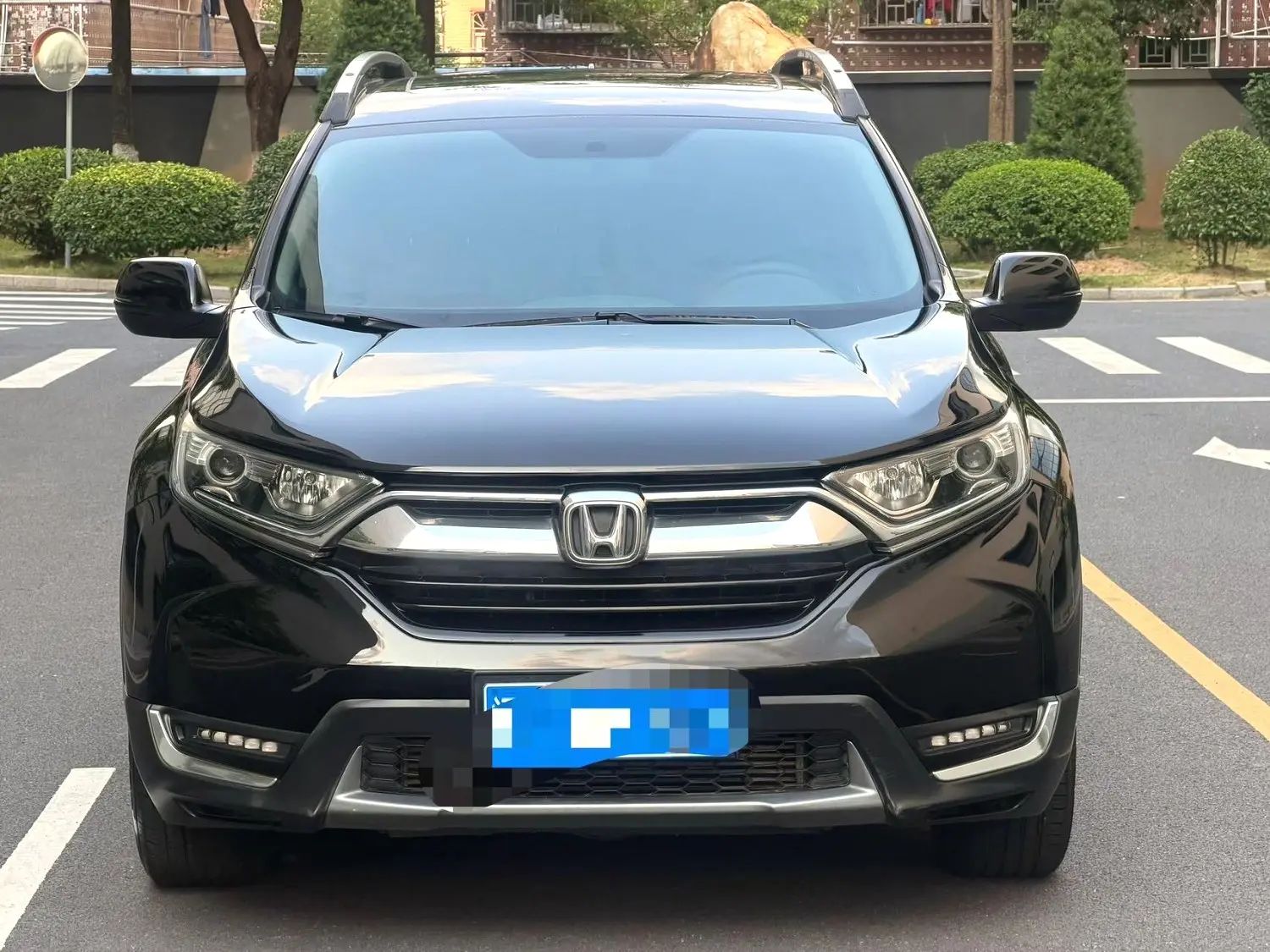
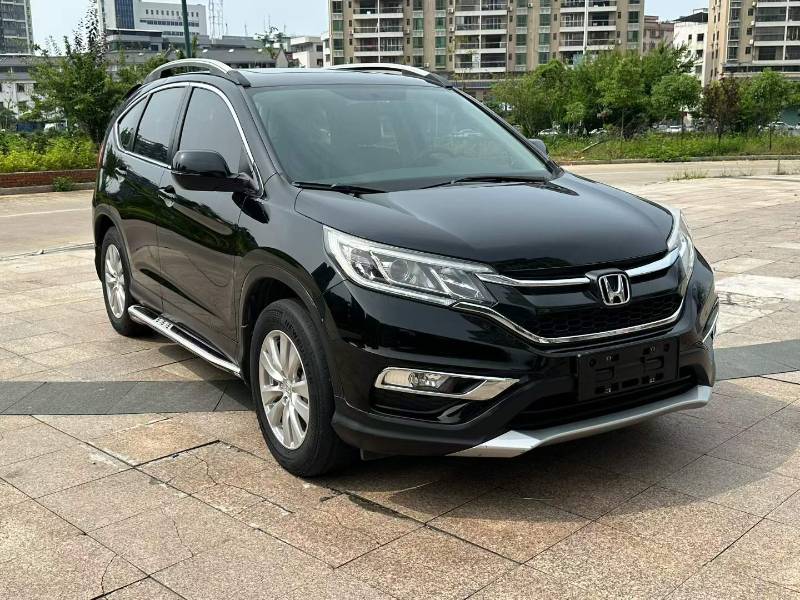
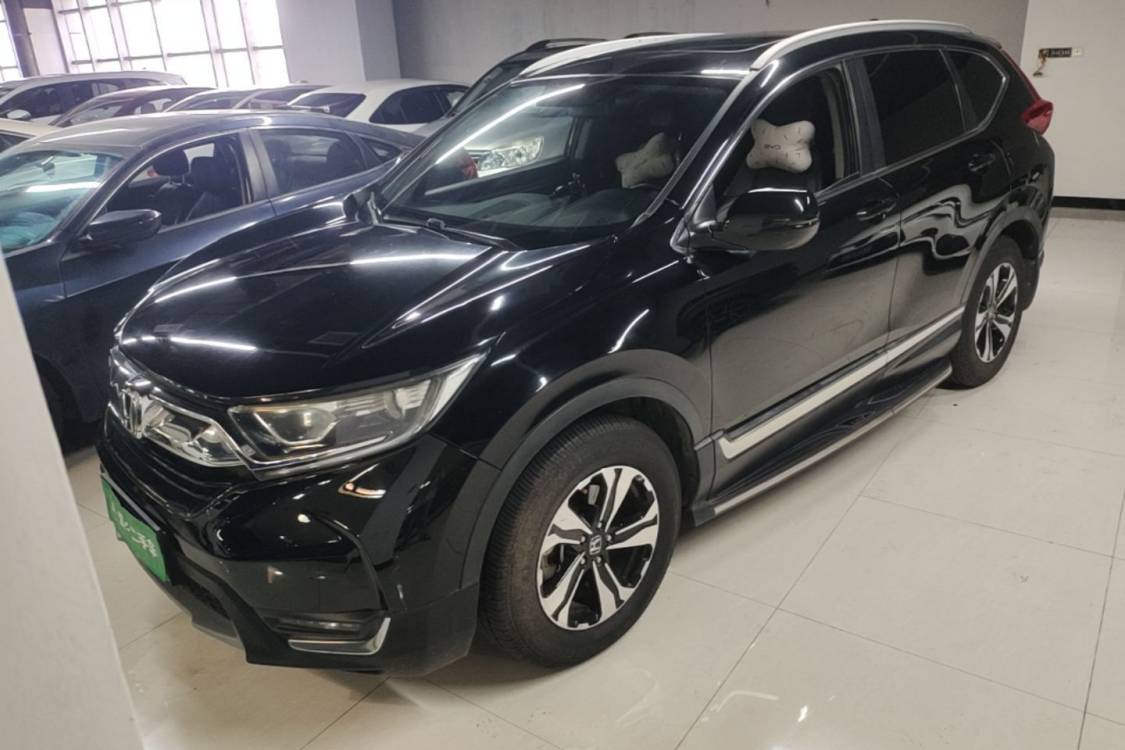
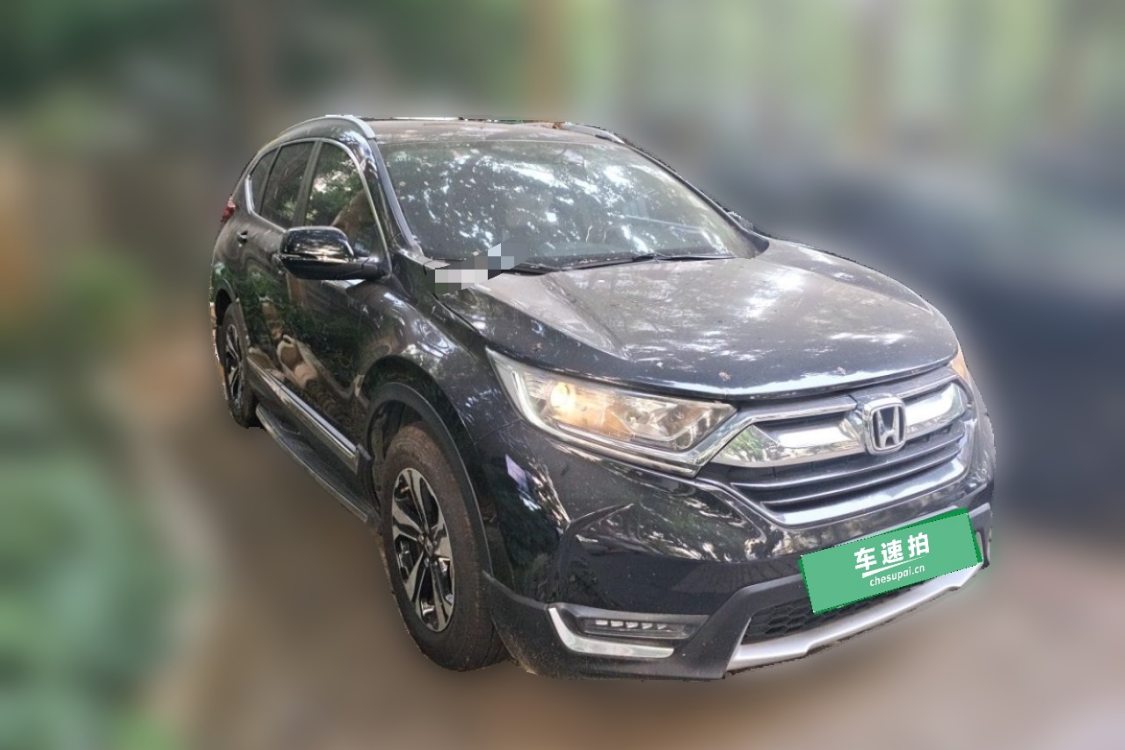
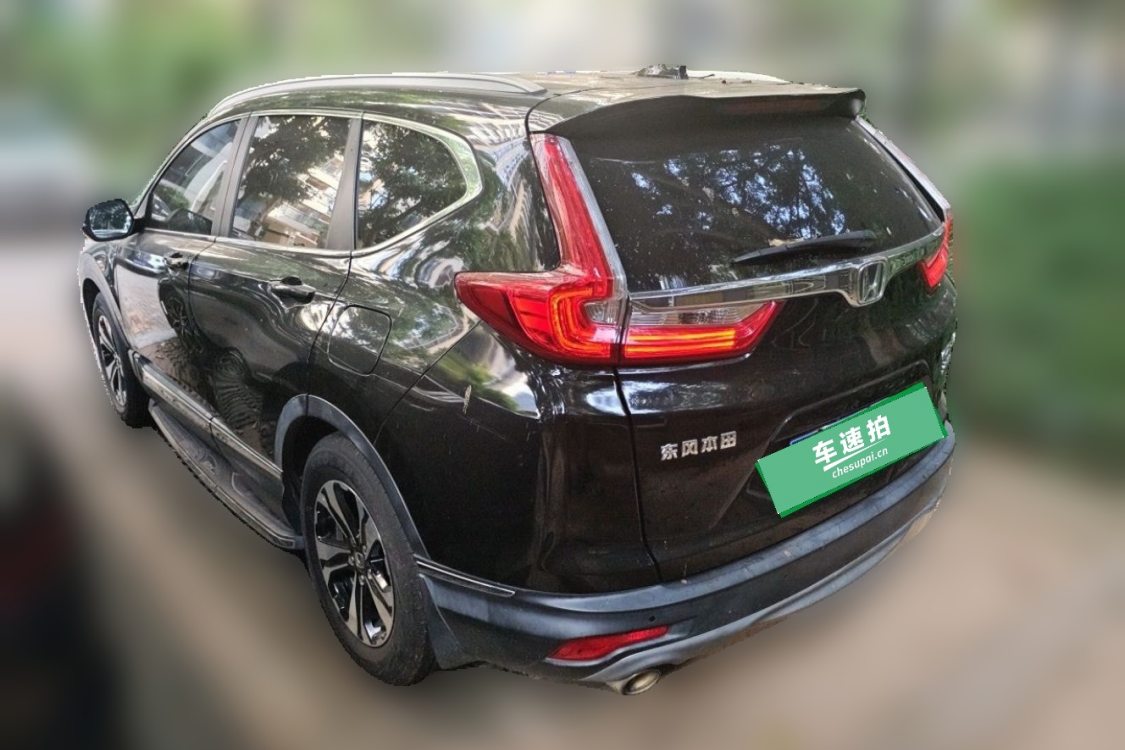
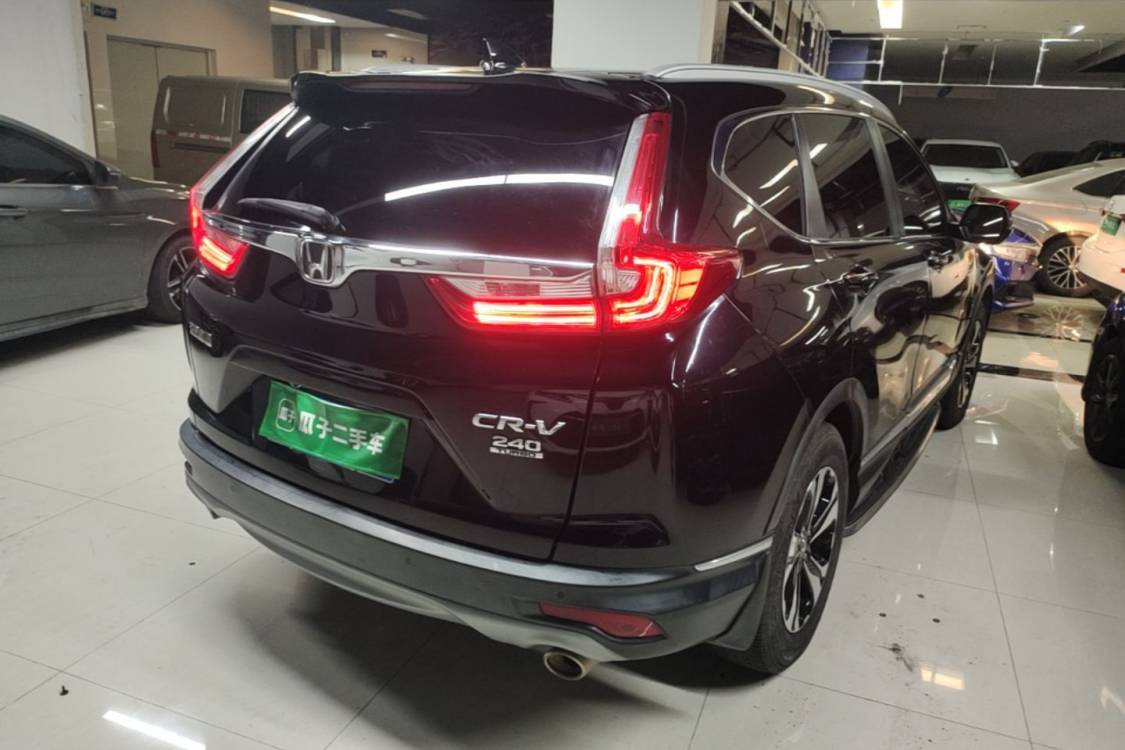
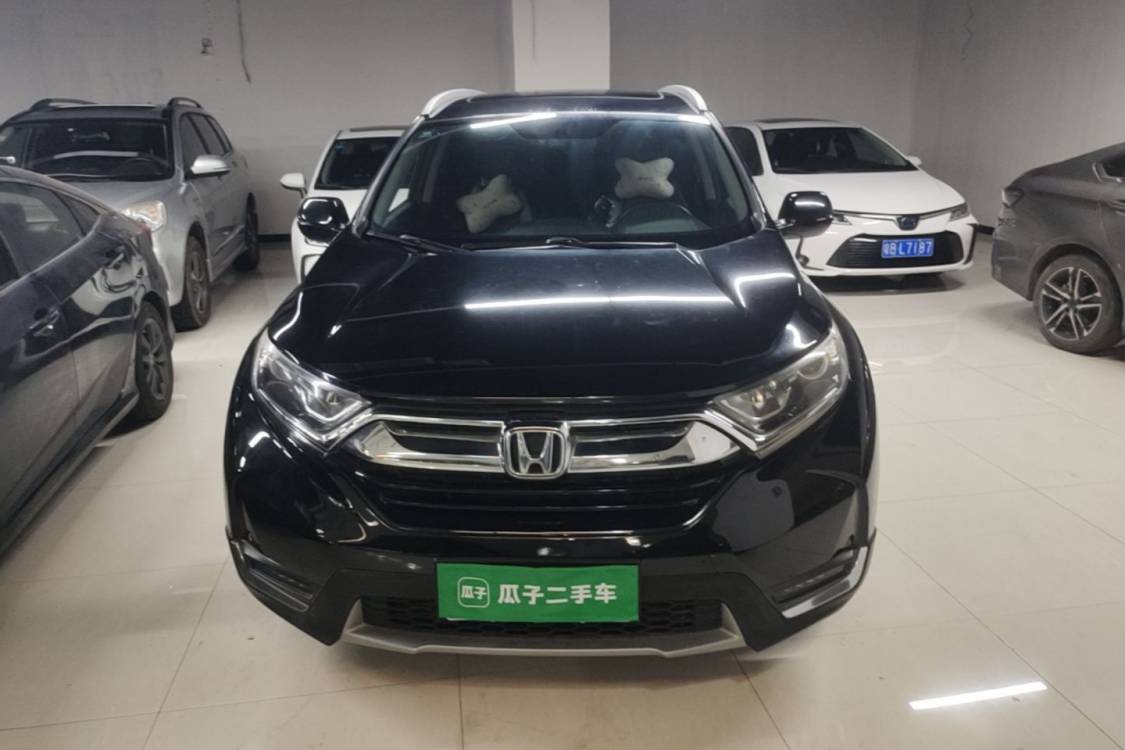
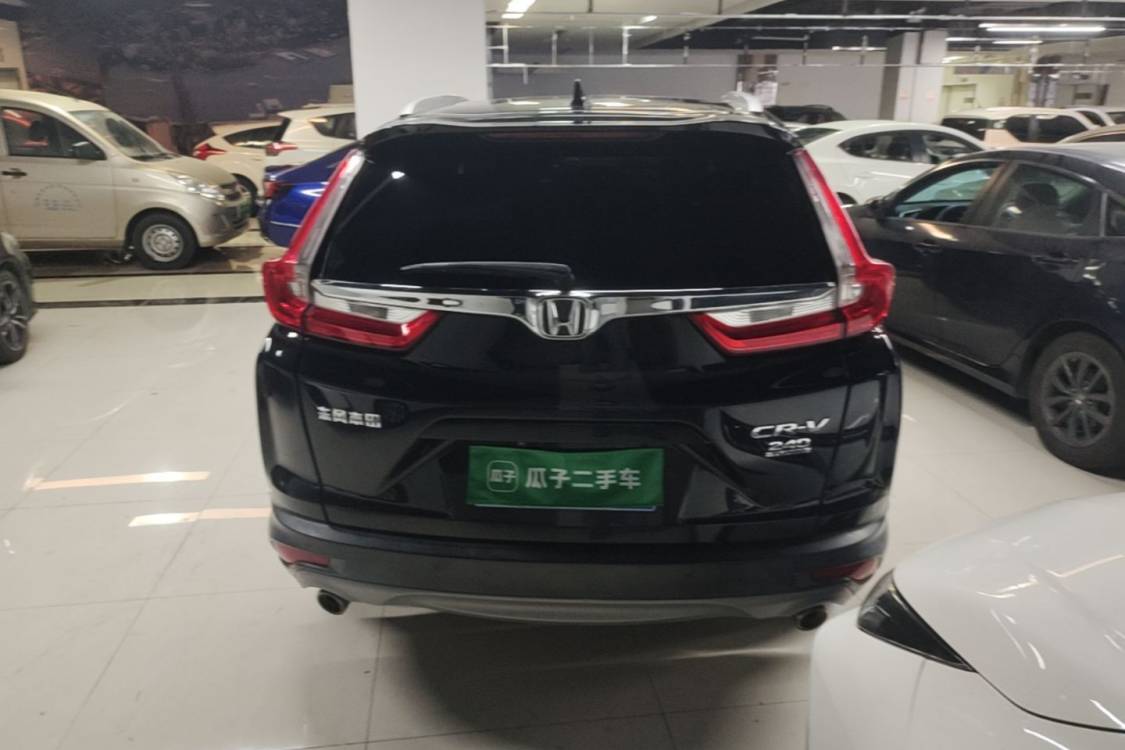
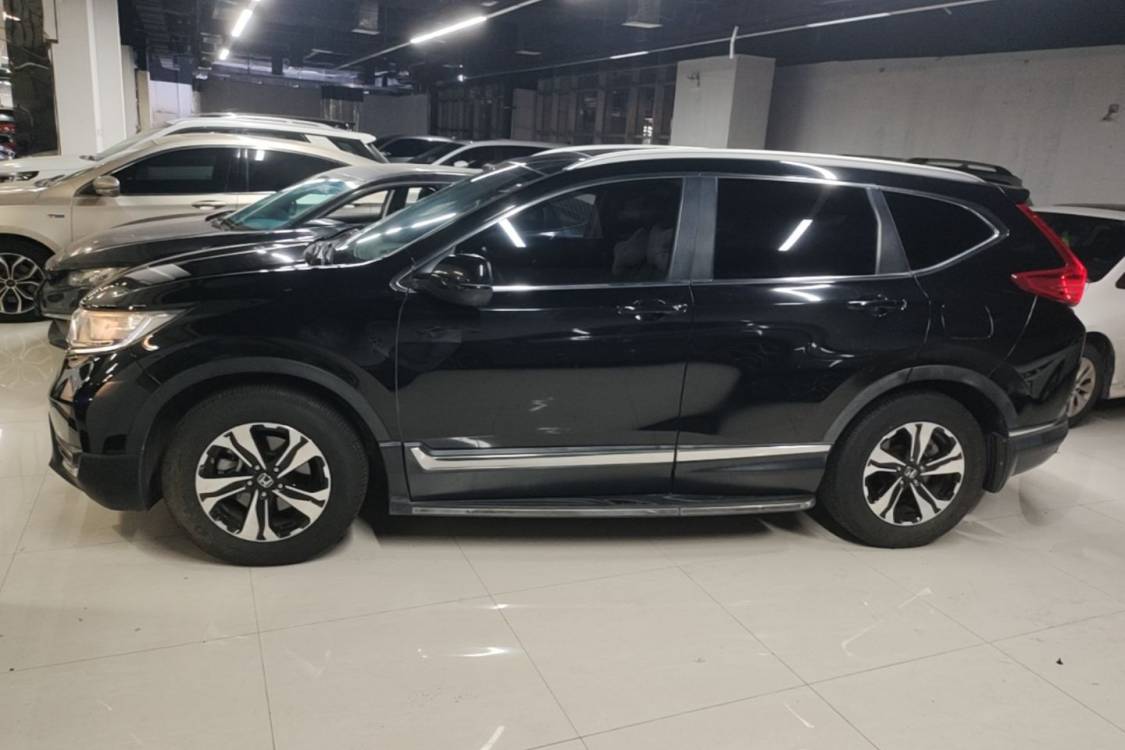
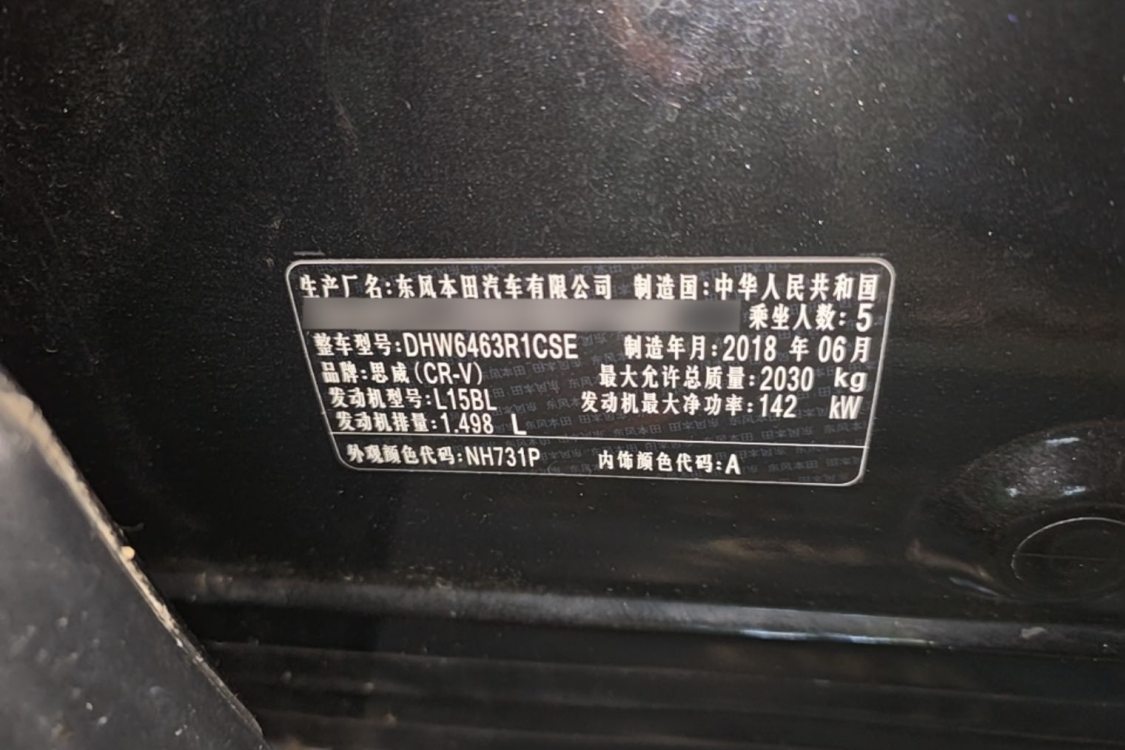
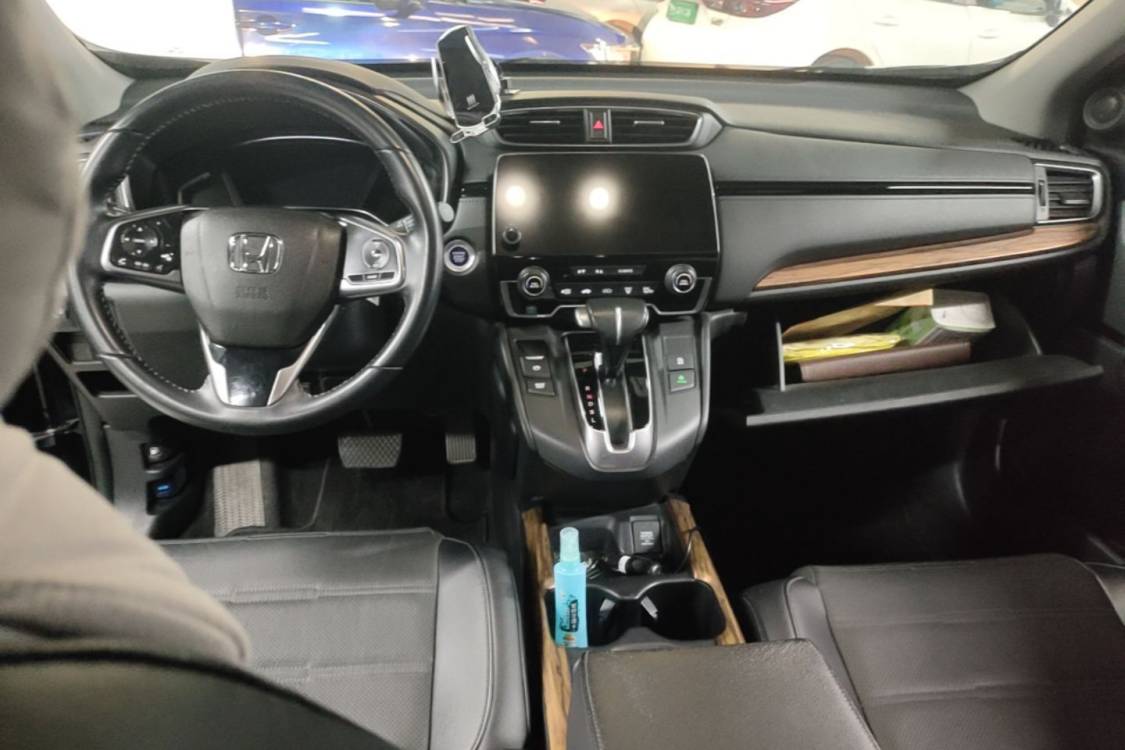
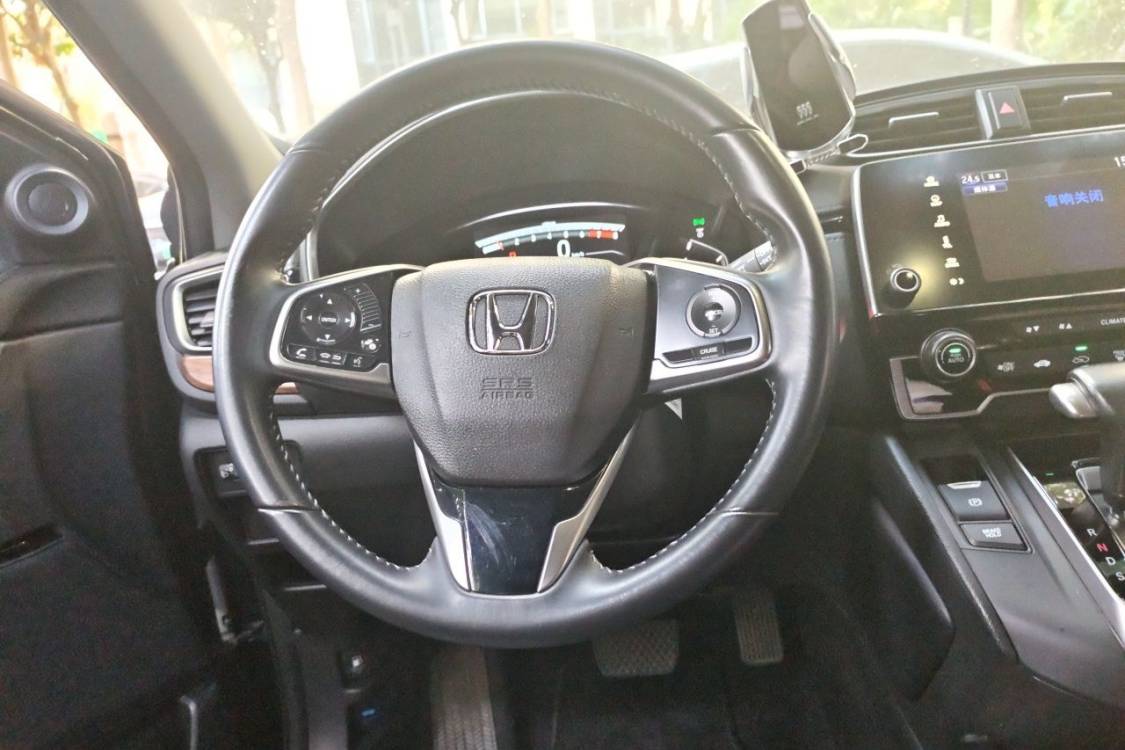
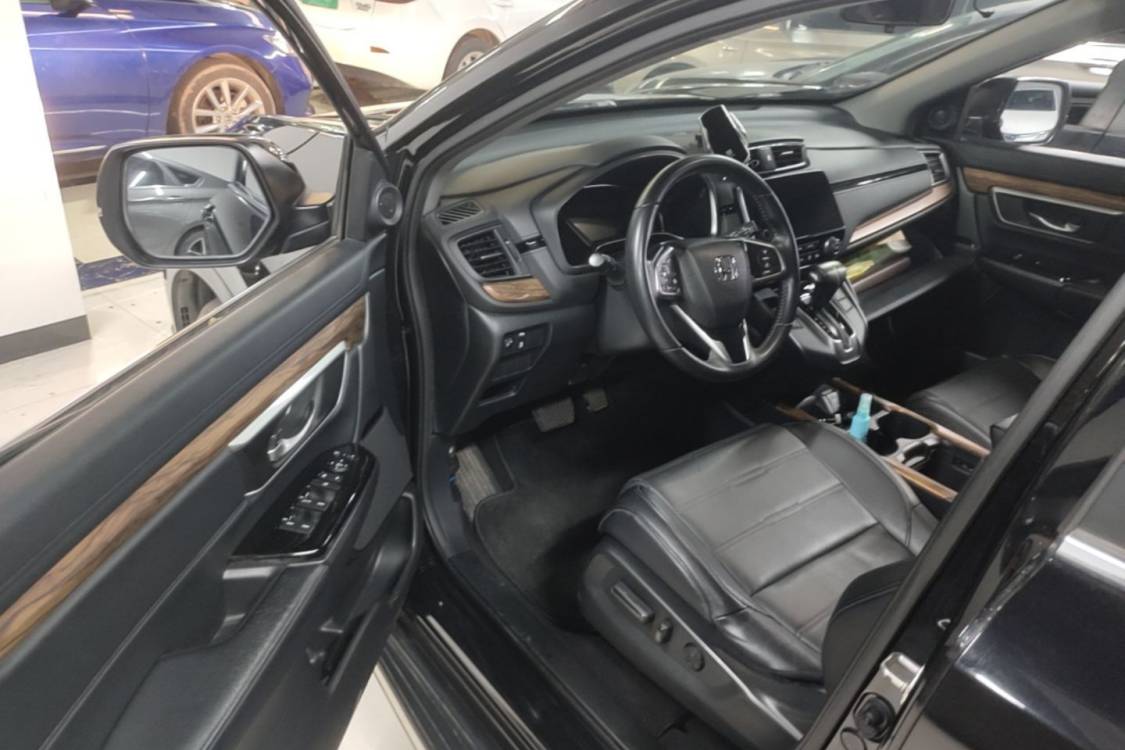
BrandHonda
SeriesCR-V
Year2019
First Registration2019/01
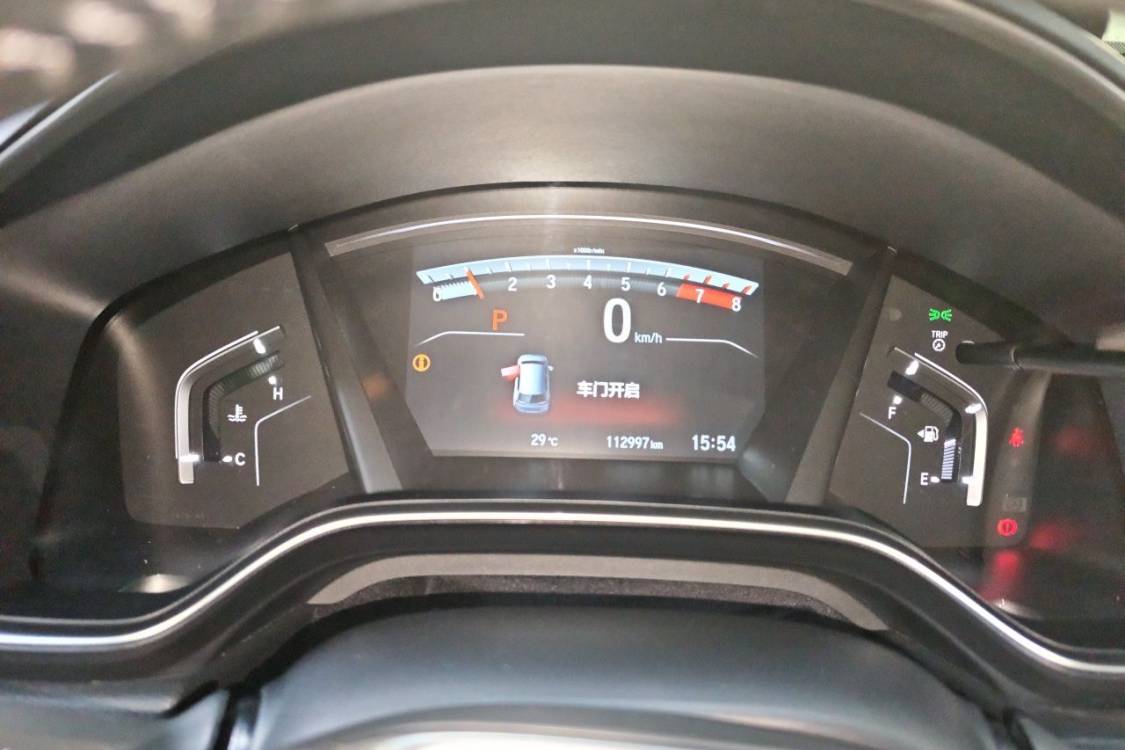
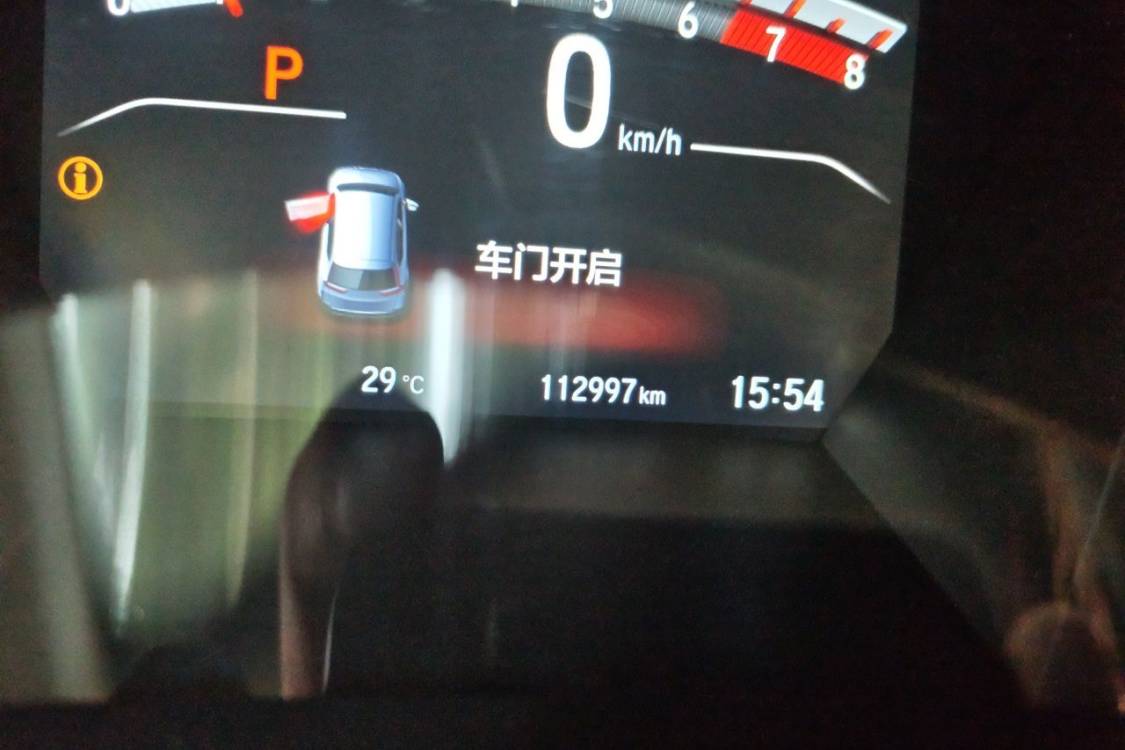
Mileage112,900km
Transfer Count-
FuelGasoline
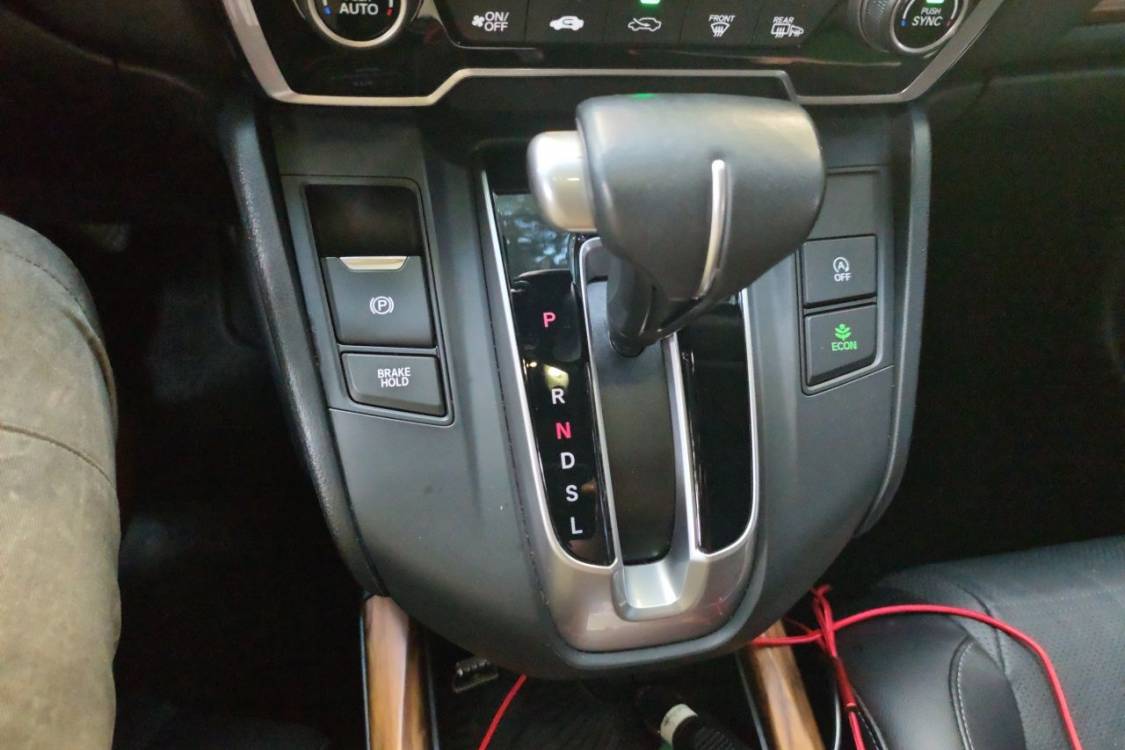
TransmissionCVT
Engine1.5T 193 L4
ColorBlack
Seats-

Condition Description

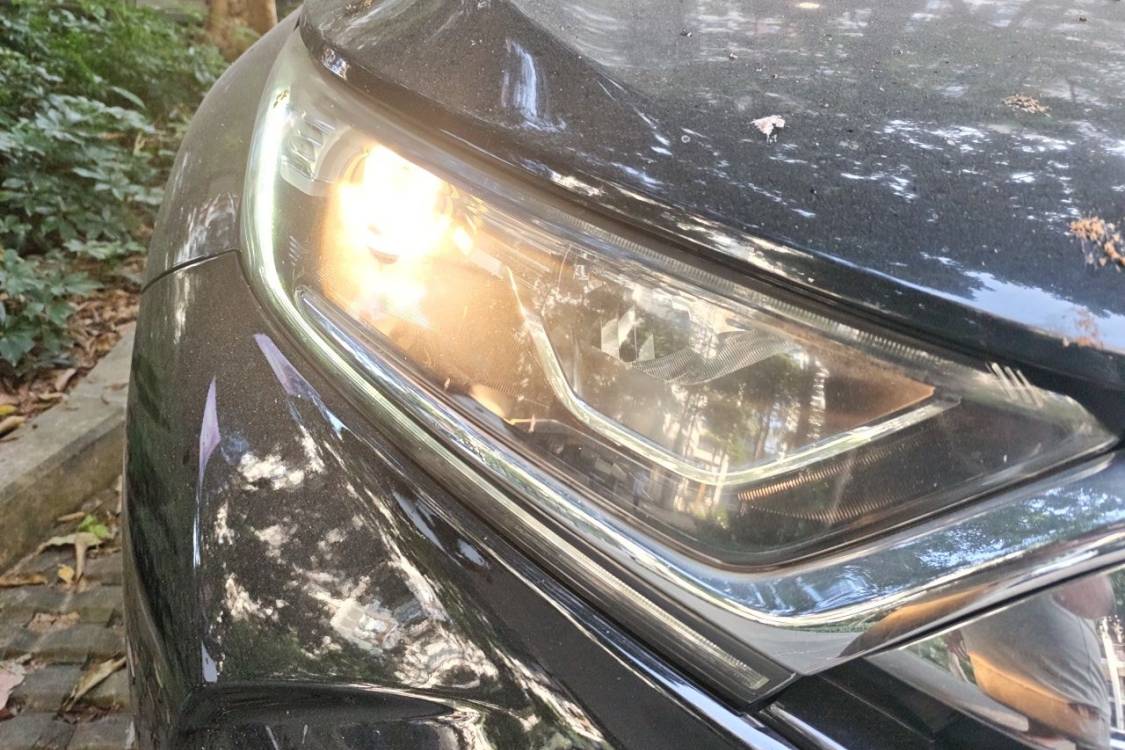
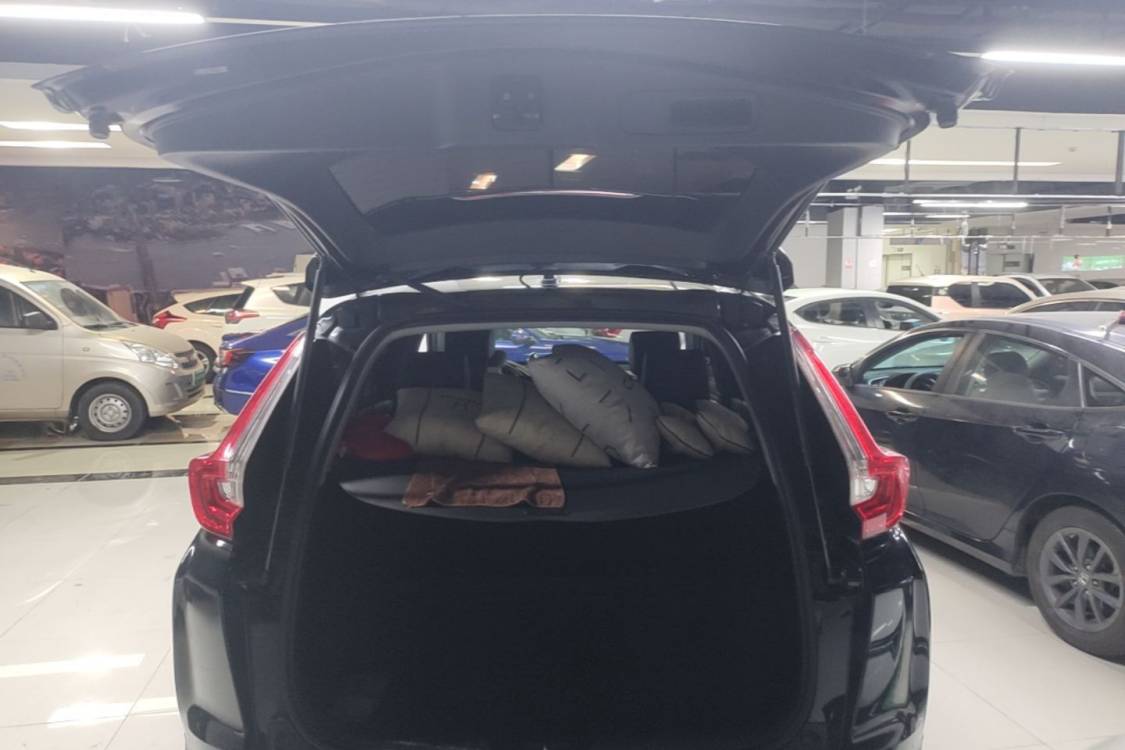
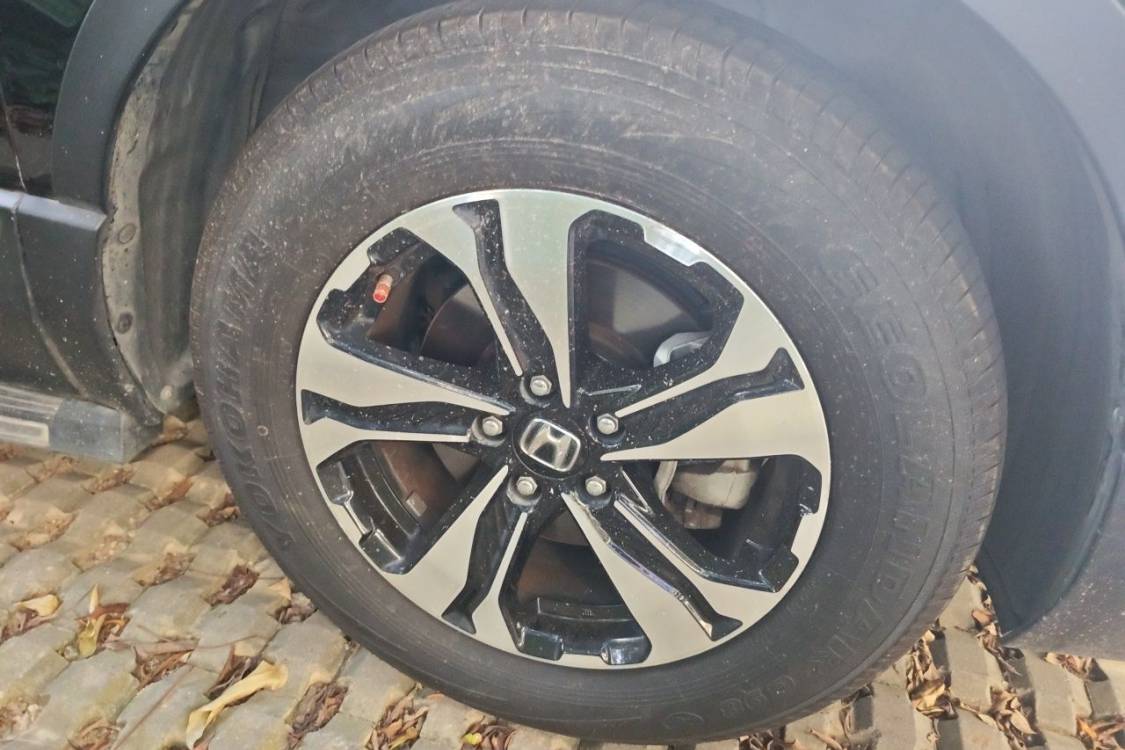
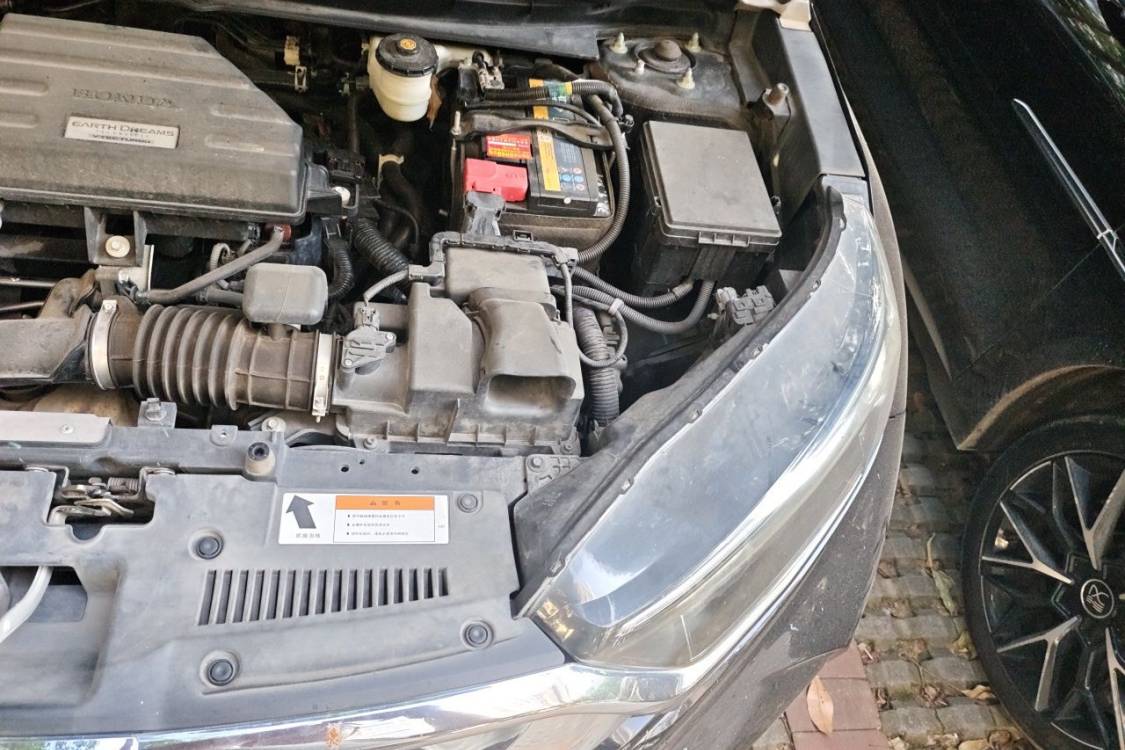
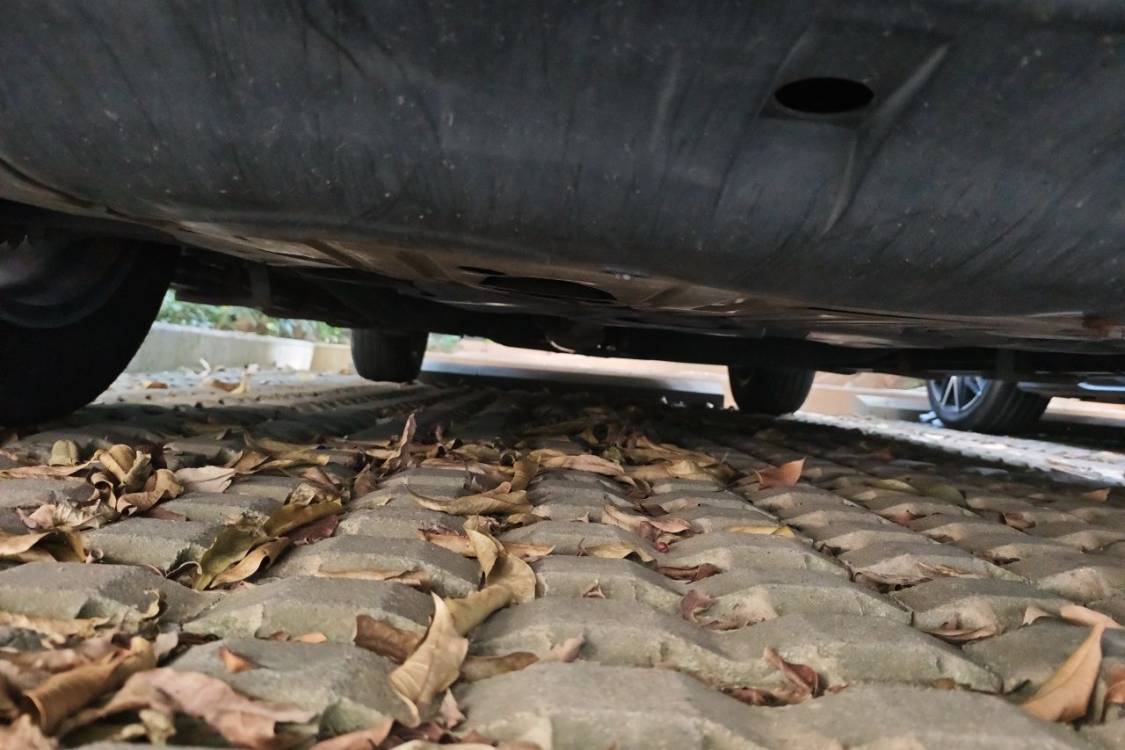
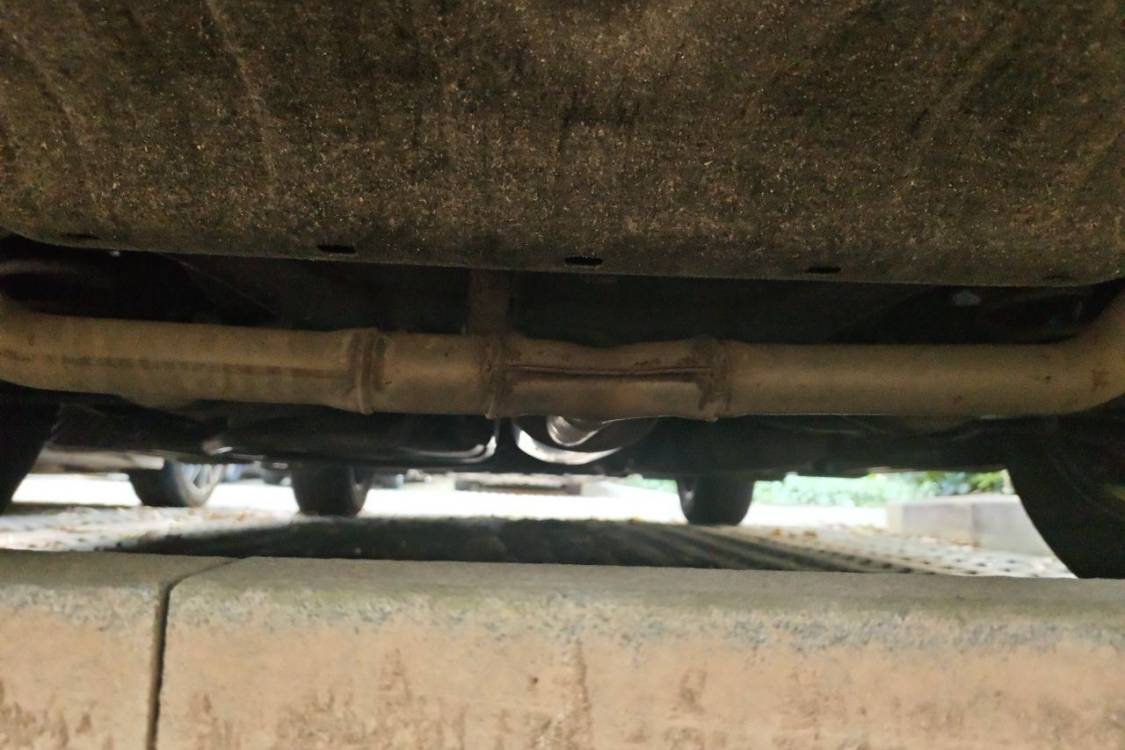
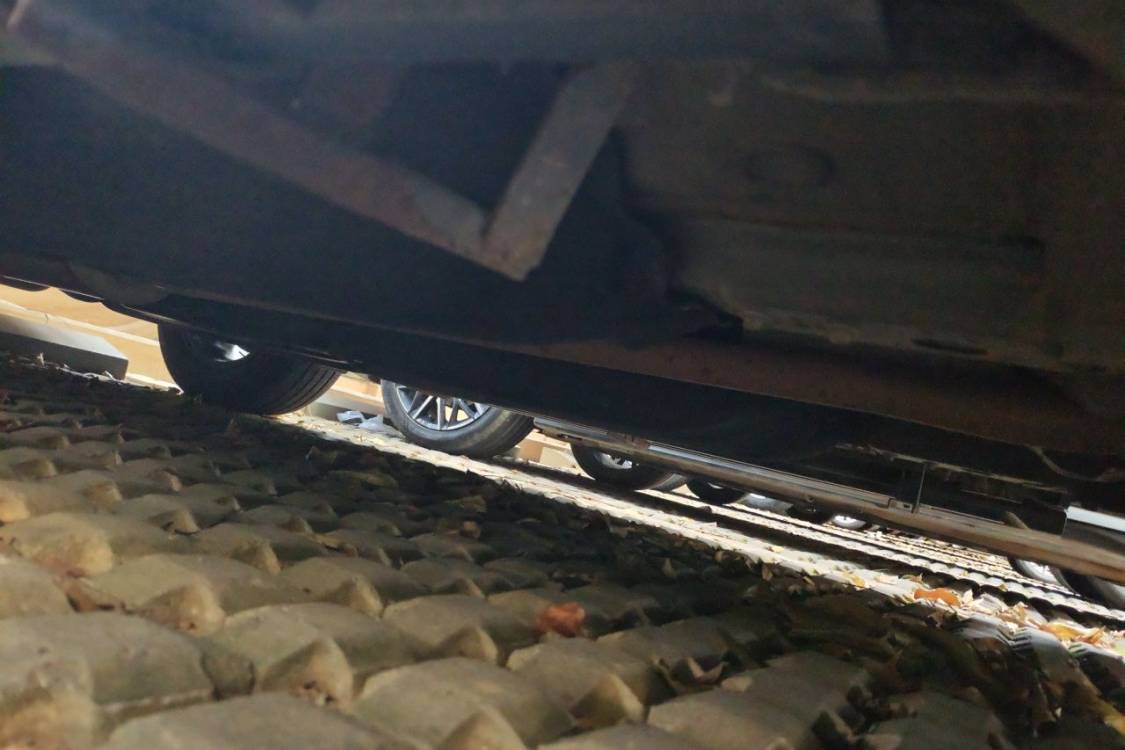
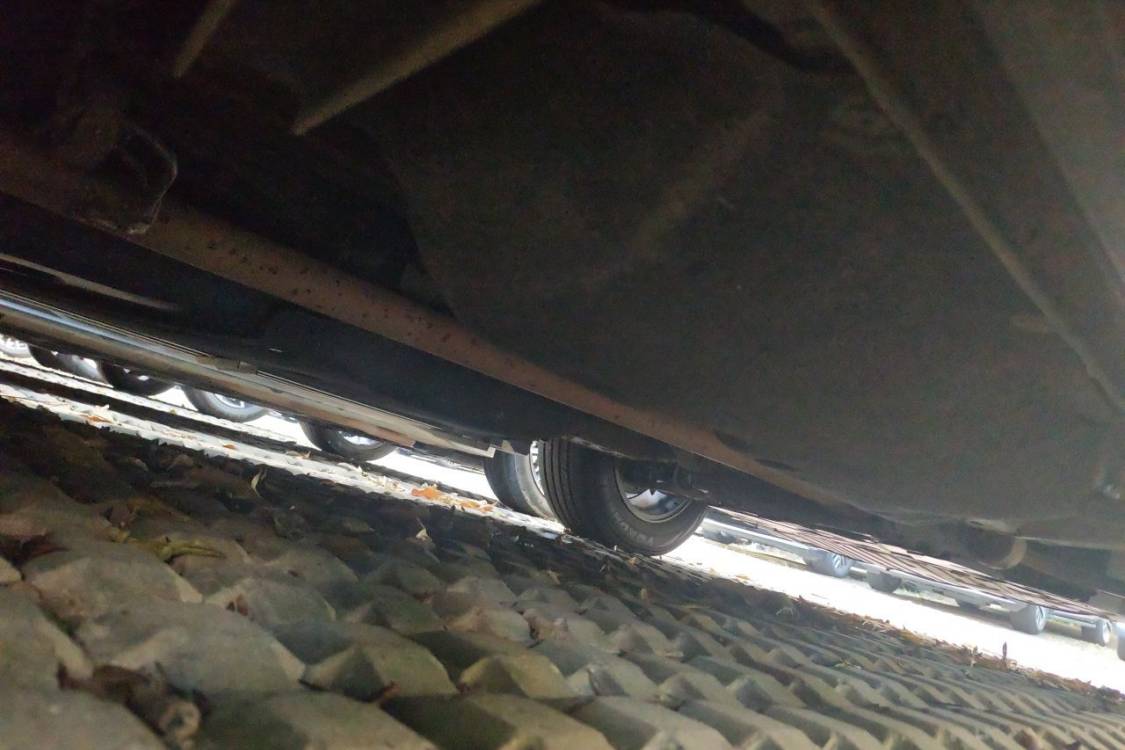
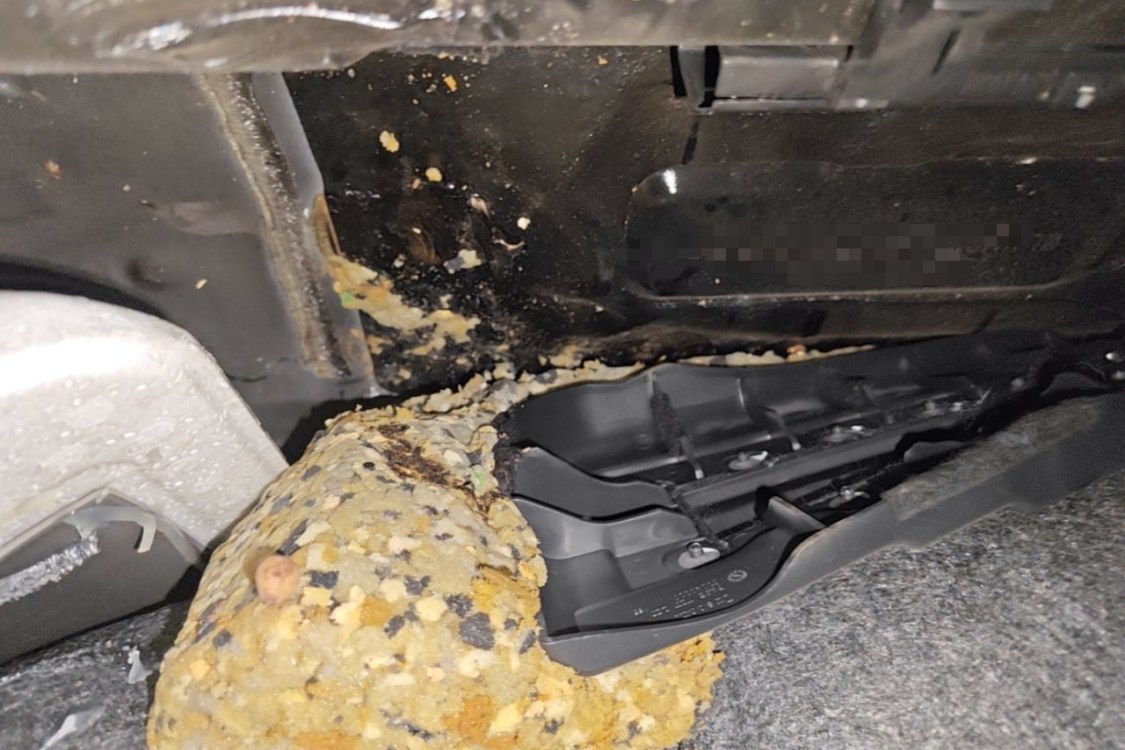
Localized body damage or repair marks present. No accident-related damage or repairs to structural or reinforcement components. Vehicle performance (including three-electric system) has degraded or is limited.

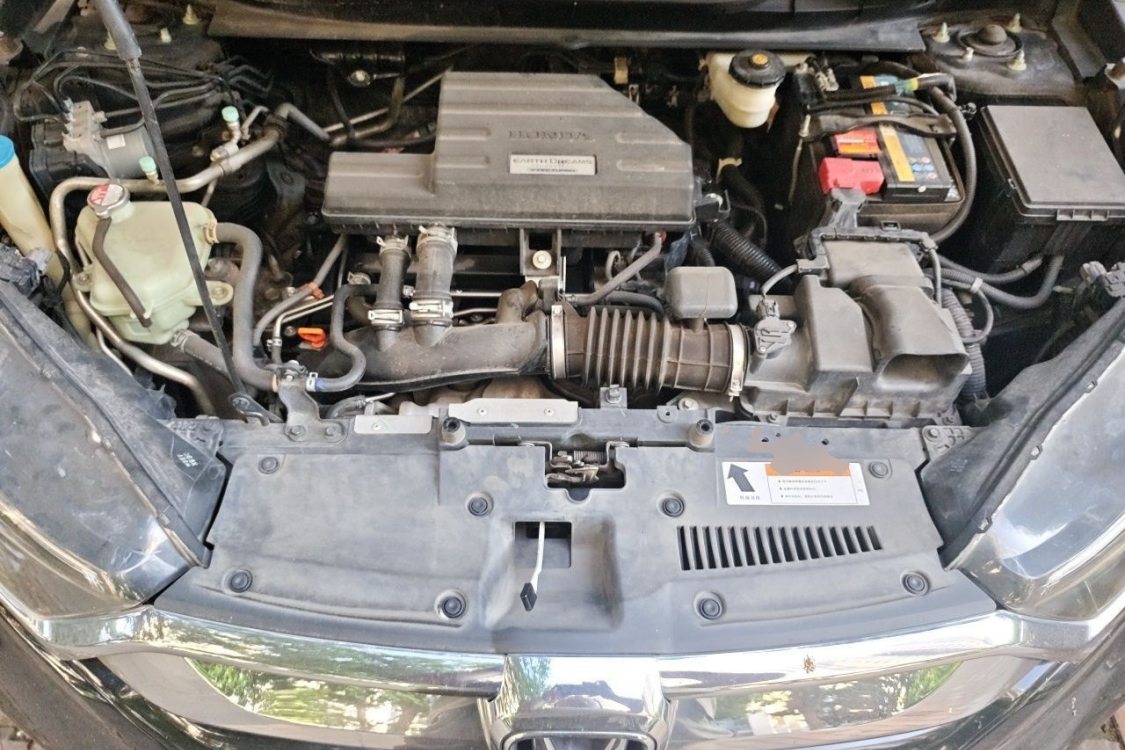
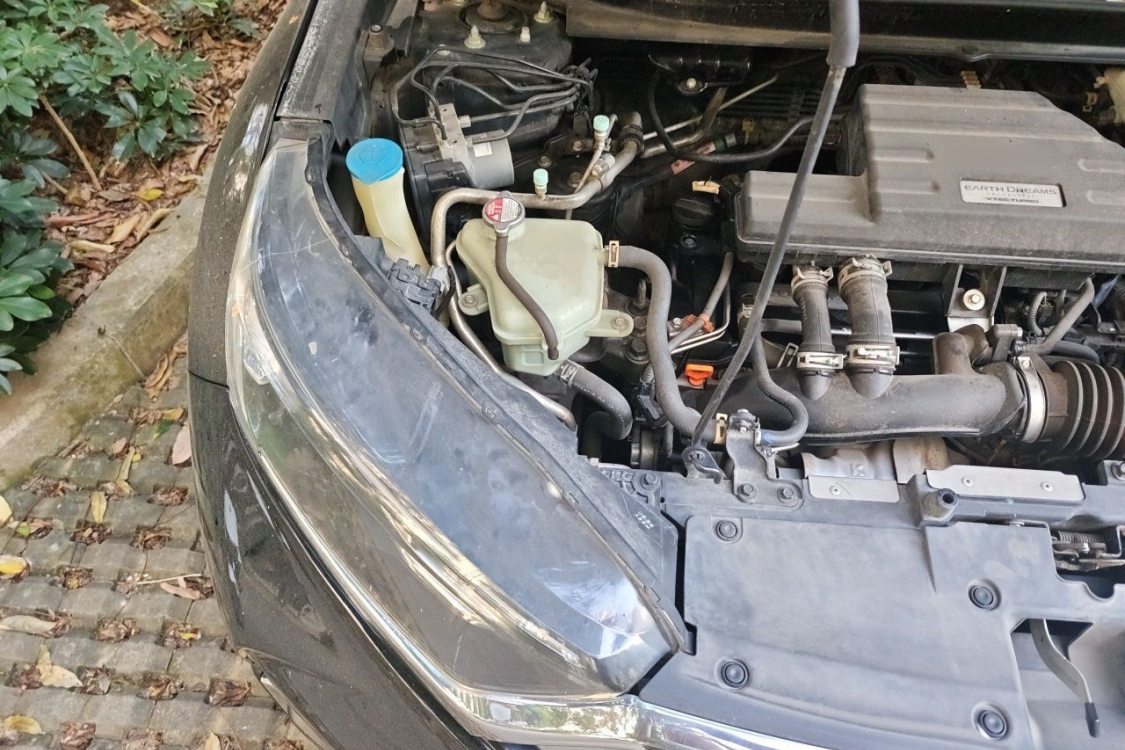
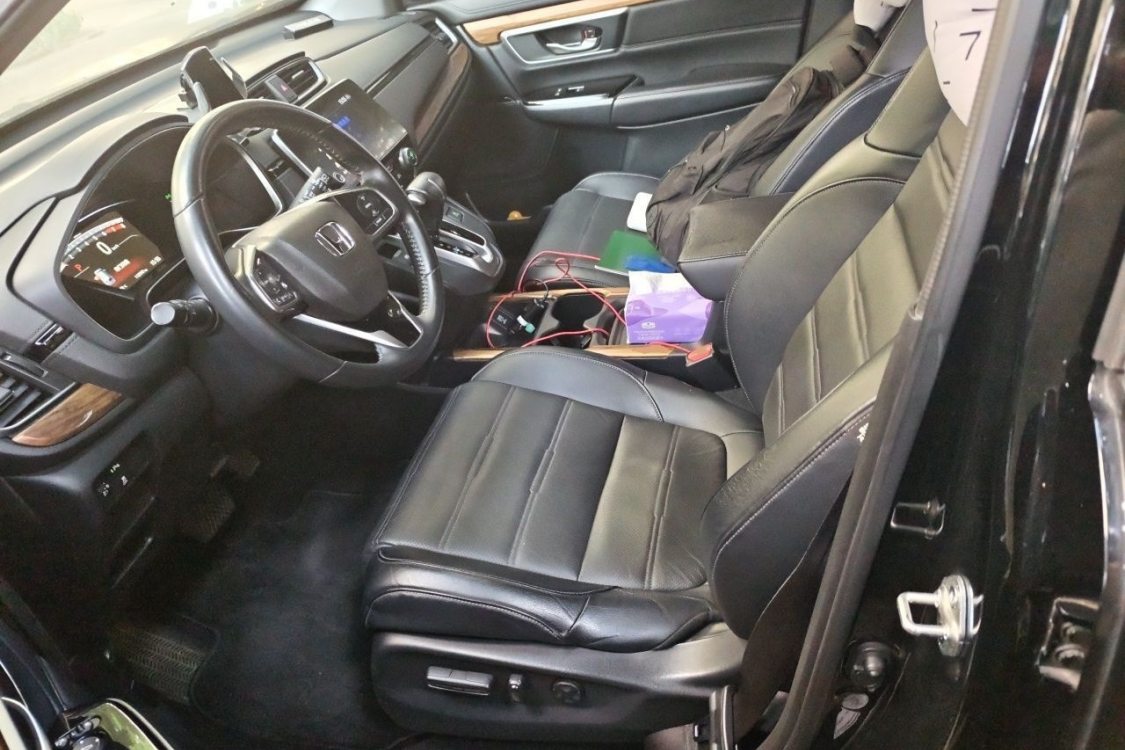
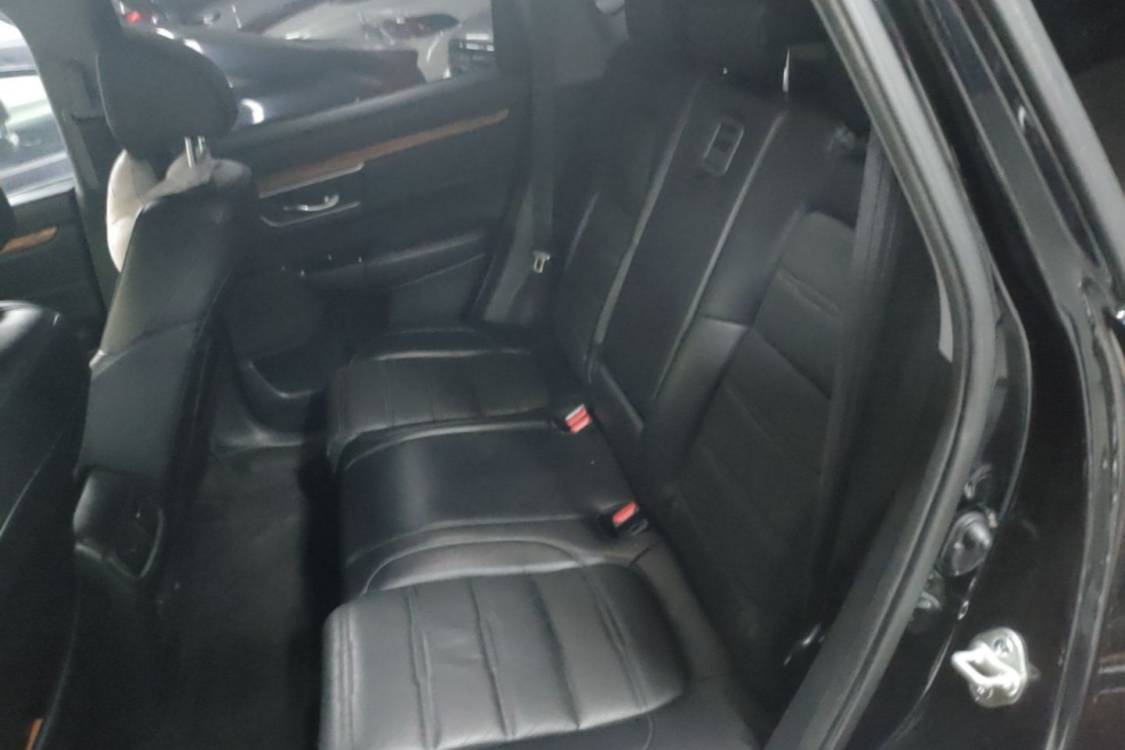
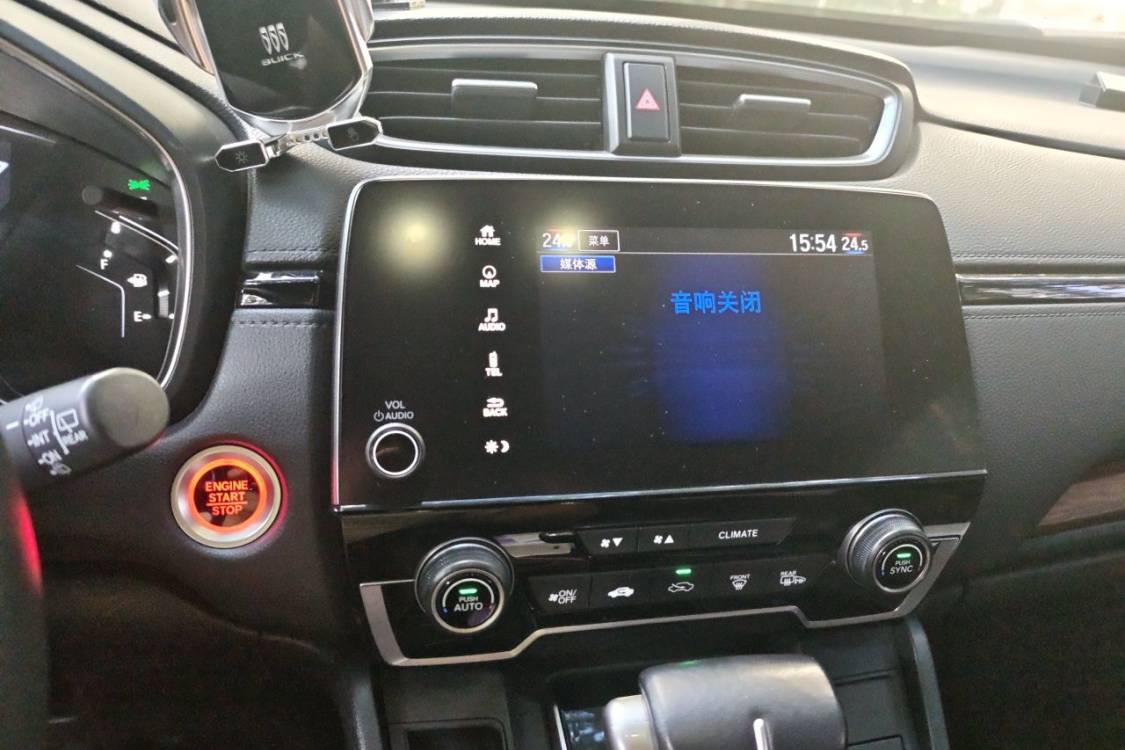
Accident inspection: main structure undamaged, reinforcement parts undamaged, cover panels undamaged, hinges normal. Engine bay inspection: key mechanical components normal. Exterior: 6 areas of sheet metal repair, 1 area repainted. Interior: most features normal, airbag inspection normal, seatbelts normal, dashboard normal, instrument readings normal, lighting system normal. Start-up inspection: main components normal. Onboard tools: none.

可讲价
可转售
VIP车源
车主降价
零过户
新检测标准升级>
必卖车源
非泡水

Document Information

Inspection Expiry Date2027/01
Warranty Expiry Date-
Insurance Expiry Date2026/11

Q&A

More

Besides the purchase price, what other fees should I budget for when importing a used car from China?

The purchase price is only part of your total landed cost. Plan for these items: - Inland transport in China: moving the car from the seller's city to the export port, plus transfer and inspection fees. - Export fees: customs declaration, port handling, and terminal charges. Ask for an FOB (Free On Board) quote so these are included. - Ocean freight: RoRo (roll-on/roll-off) is cheapest for regular cars, but EVs often require special containers or dedicated EV shipping due to battery regulations, which costs more. - Insurance: marine cargo insurance, typically 1-3% of the car's value. - Import side: import duty, VAT or sales tax, customs brokerage, port charges at destination, and any homologation or compliance testing fees. As a rule of thumb, add 25-40% on top of the FOB price for a realistic landed-cost estimate, depending on your country's tax rates. Get a written breakdown from both your supplier and a customs broker before committing.


Can the strength of the energy recovery system in electric vehicles be adjusted with physical buttons?

Most models adjust through the central control screen menu, while a few models (like some BYD or MG) retain physical levers or paddles on the center console or steering wheel. We will check if the drag feel when the system engages is linearly normal.

Local mechanics in my country are not familiar with Chinese cars. How do I get technical support, wiring diagrams, or repair guidance after importing?

This is a common issue, and there are several practical ways to get your Chinese car serviced locally. 1. Ask the exporter before buying: many professional exporters can provide workshop manuals, wiring diagrams, or diagnostic software for the models they sell. Put this in writing in your purchase agreement. 2. Use online communities: Chinese brands like BYD, Chery, Geely, and Haval have active owner forums and Facebook/Telegram groups in Russia, Central Asia, the Middle East, and Latin America where wiring diagrams and repair procedures are shared. 3. OBD diagnostic tools: most Chinese cars from 2016 onward support standard OBD-II protocols. A tool that reads manufacturer-specific codes (not just generic ones) helps any mechanic identify faults. Ask the exporter which protocol your model uses. 4. Video call assistance: some exporters offer paid remote support where their technician guides your local mechanic via video call — agree on rates and availability in advance. 5. Parts cross-referencing: many Chinese cars share platforms and components; experienced mechanics can match brake pads, filters, and sensors to cross-compatible parts available locally. Key point: choose a brand with existing presence in your region — the larger the local fleet, the easier support becomes.