



Basic Information

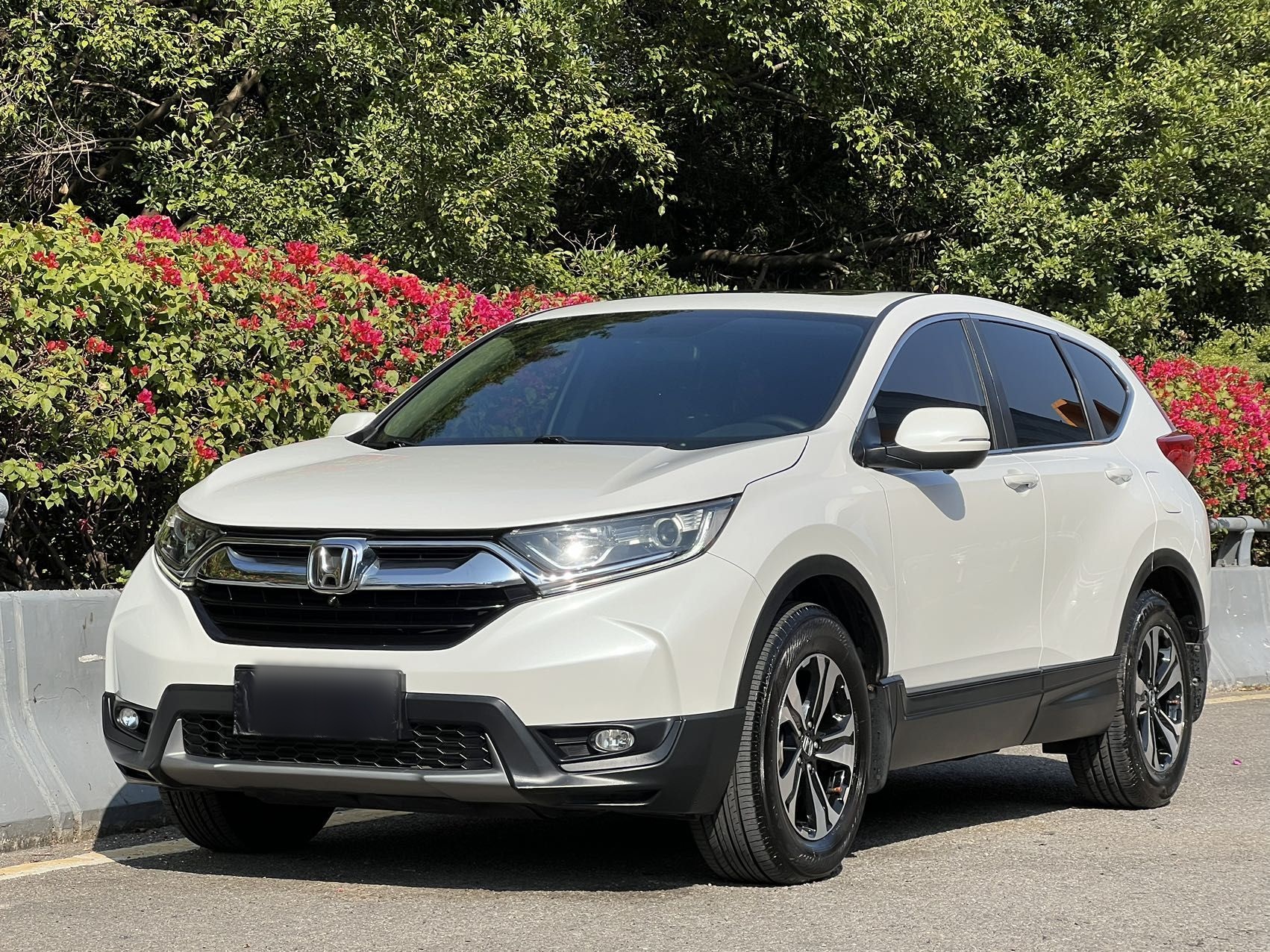
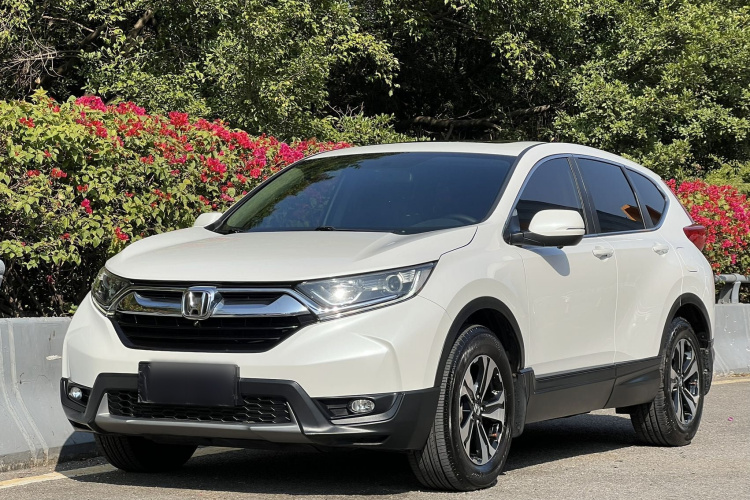
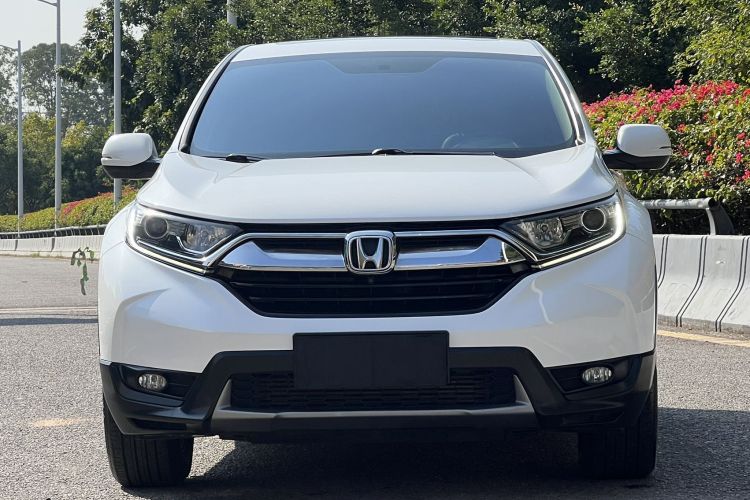
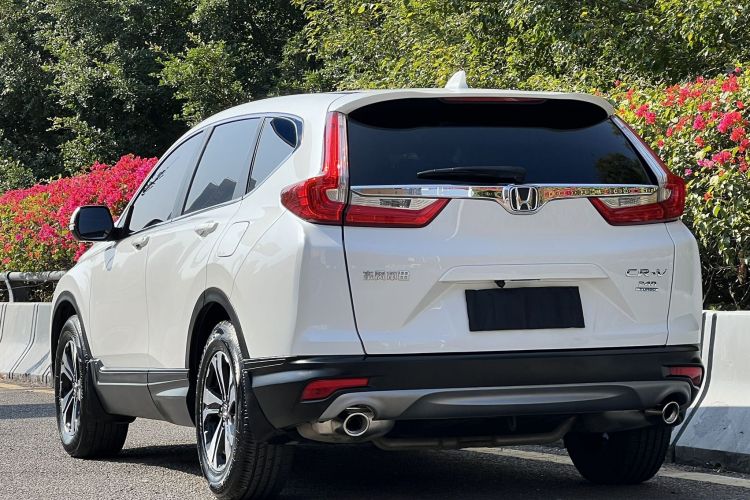
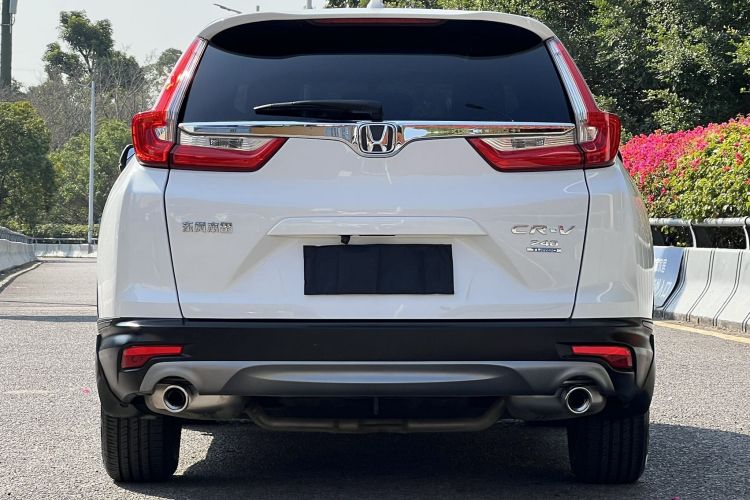
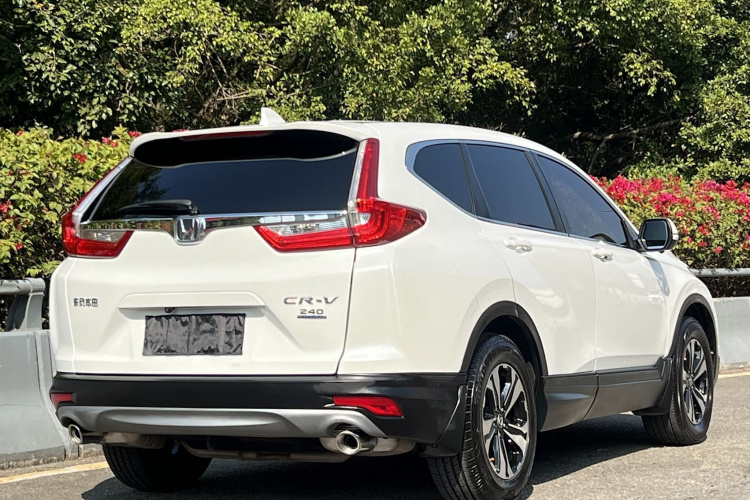
BrandHonda
SeriesCR-V
Year2019
First Registration2019/01
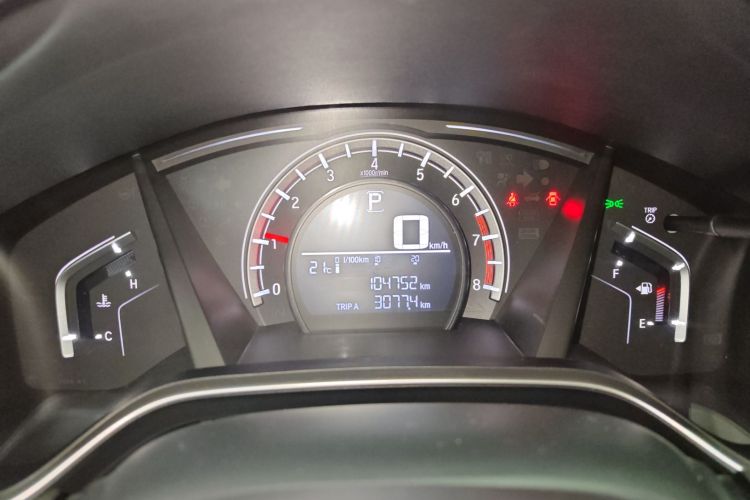
Mileage104,800km
Transfer Count-
FuelGasoline
TransmissionCVT
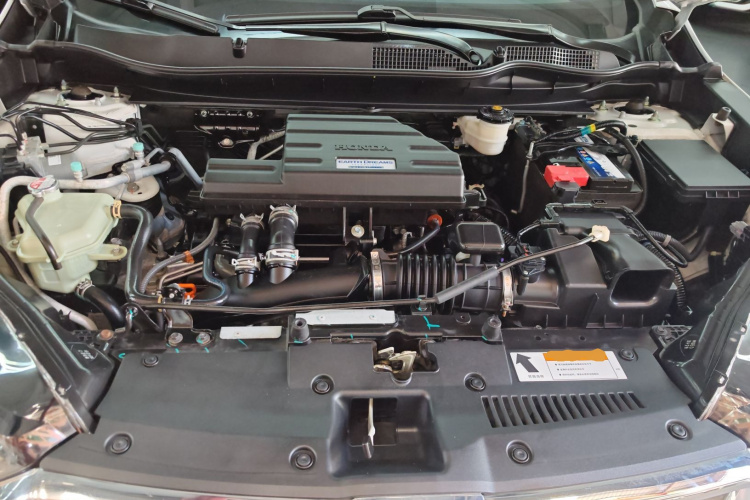
Engine1.5T 193 L4
ColorWhite
Seats-

Condition Description

Vehicle in good condition, passed inspection, excellent condition, 2 claims filed, 0 ownership transfers.

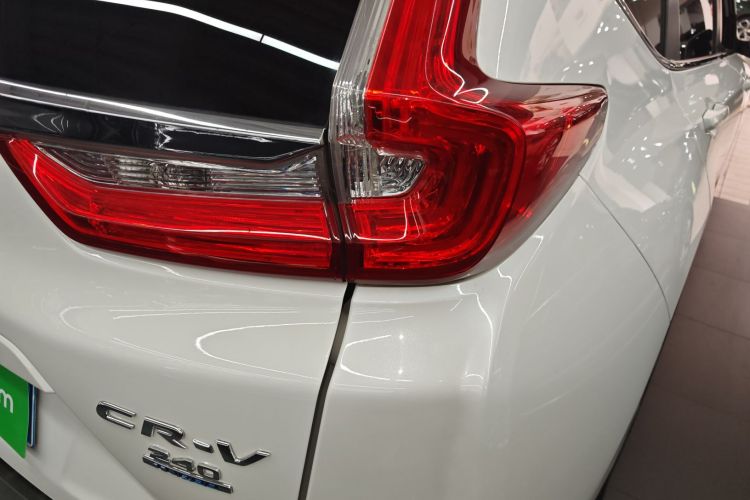
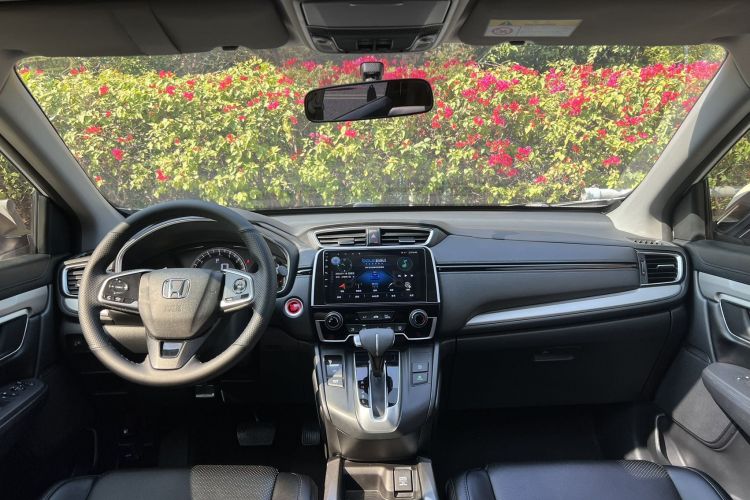
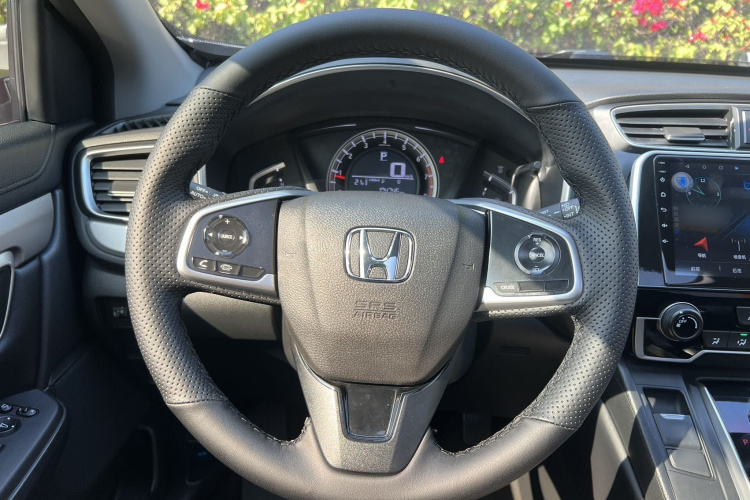
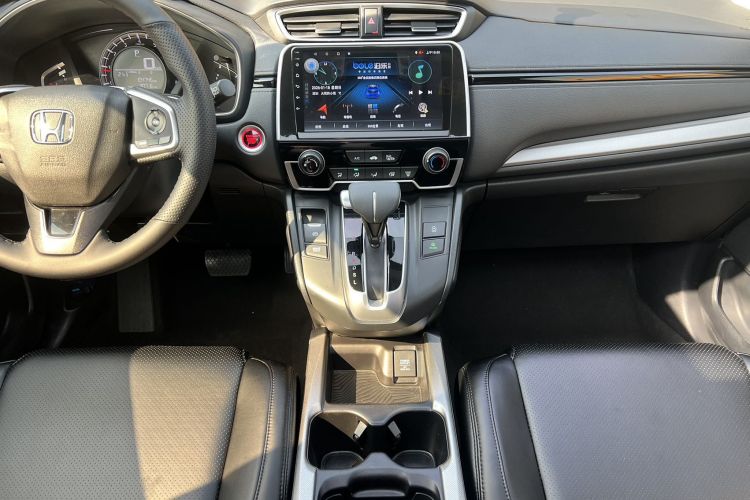
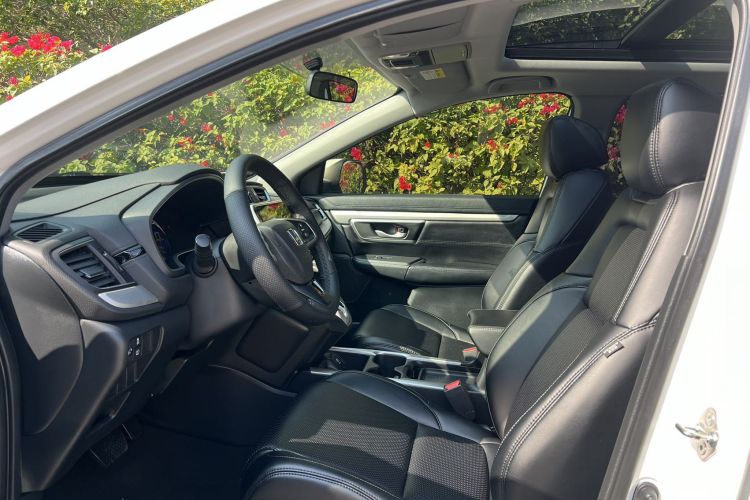
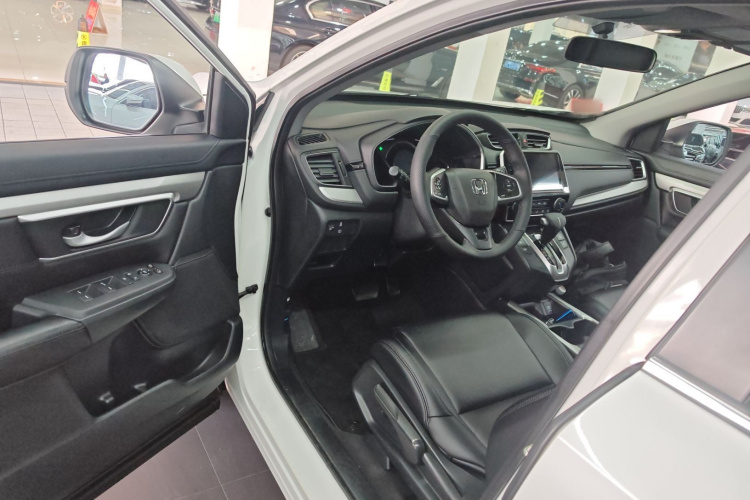
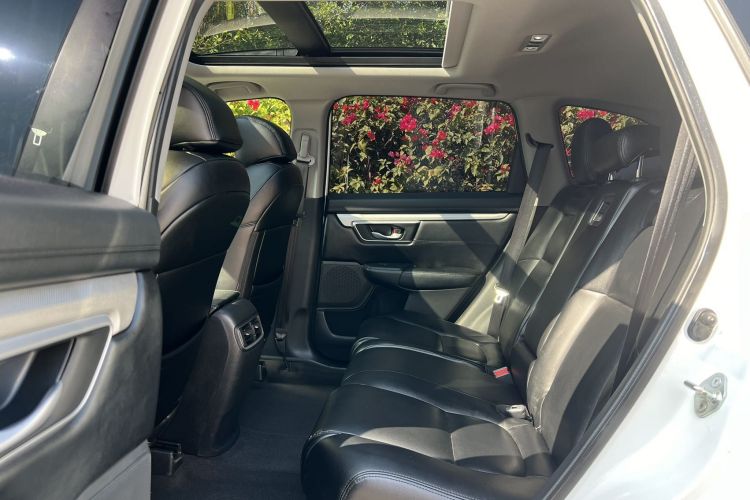
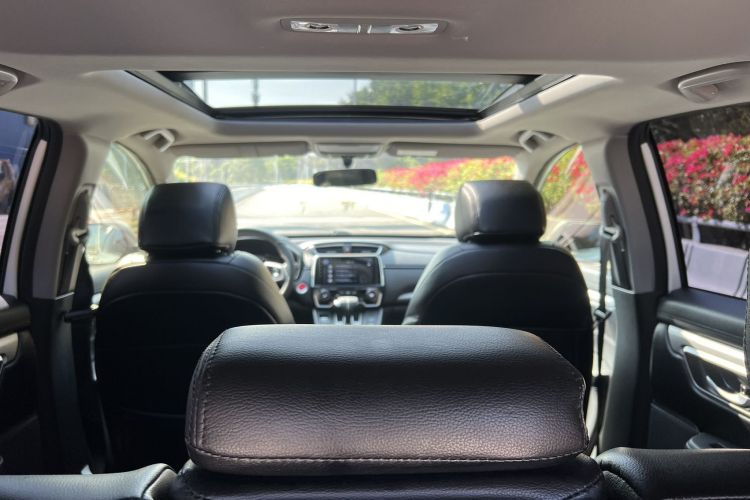
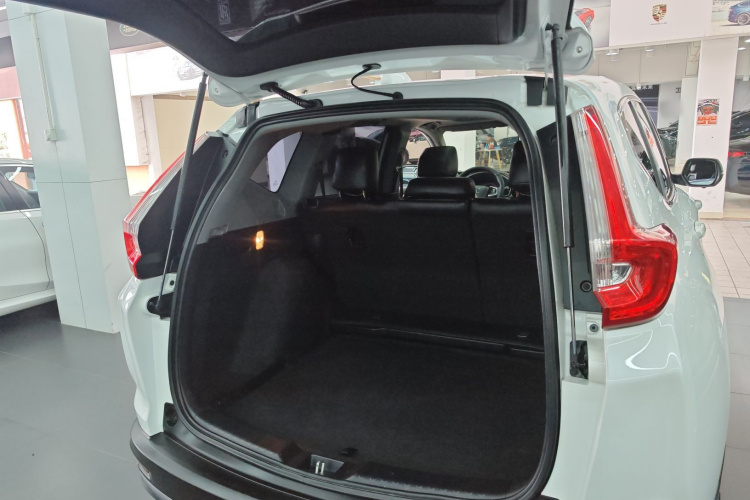
This car is 7 years old, with an average annual mileage of 15,000 kilometers, typical of normal family daily use, and has never been transferred to another owner, making it a good one-owner car; the exterior paint is in good condition, with possible minor scratches; the interior is in good condition, with normal signs of use on the surface; the overall body frame is intact, with a few minor abnormalities; fluid levels are normal, and the powertrain is functioning well.

Configuration Highlights

✓Panoramic Sunroof
✓Auto Hold
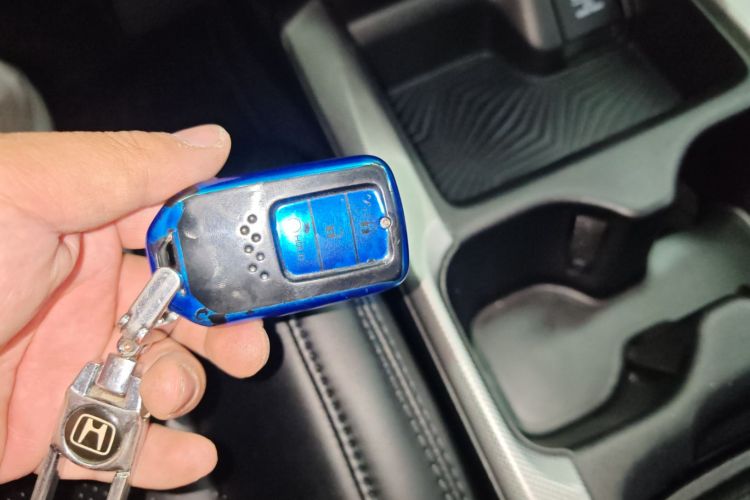
✓Keyless Entry
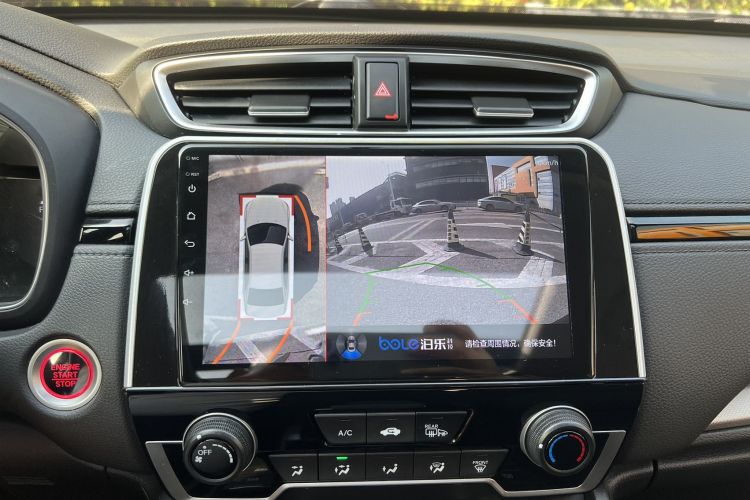
✓Backup Camera
✓Power Folding Mirrors
✓Engine Start-Stop
✓Auto Headlights
✓Cruise Control
✓Keyless Start
✓Rear Air Vents
✓Tire Pressure Monitoring
✓Heated Mirrors
✓Hill Start Assist
✓Anti-pinch Windows

Q&A

More

What are the specific evaluation criteria for "original paint" on your platform? Does repainting a bumper count?

Strict definition: All metal body parts (doors, hood, fenders) and the frame must retain the original factory paint, with uniform paint thickness readings. Minor touch-ups or replacements of plastic bumpers, as they do not affect metal corrosion protection and vehicle structure, can still be classified as "original paint" in a broad sense, but we will separately note the condition of the bumper.


How can we ensure that the electronic parking brake (EPB) servo motor does not seize the brake disc due to rust after long sea transport?

This is a common issue with sea transport. If the vehicle is parked at a humid dock, the EPB can easily rust to the brake disc. In addition to testing its release before shipping, we try to ask dock workers to secure the wheels with chocks instead of fully engaging the electronic parking brake.

How do you assess the appearance condition of a vehicle? What specific standards are there for scratches and dents?

We use quantitative standards. Minor scratches less than 3 cm that do not reach the base coat (which can be polished) are considered normal wear; scratches over 3 cm deep to the base coat or dents larger than 2 cm in diameter will be highlighted in the inspection report's "Appearance Defect Distribution Map" with close-up photos.