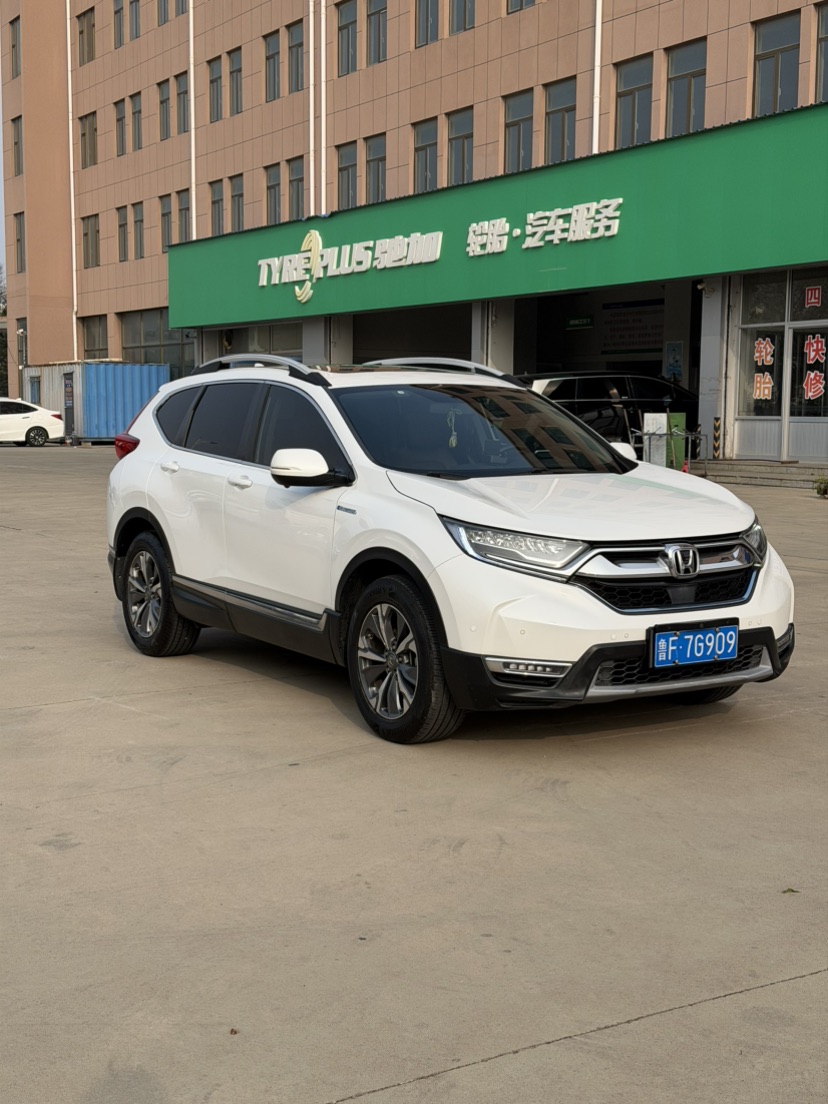
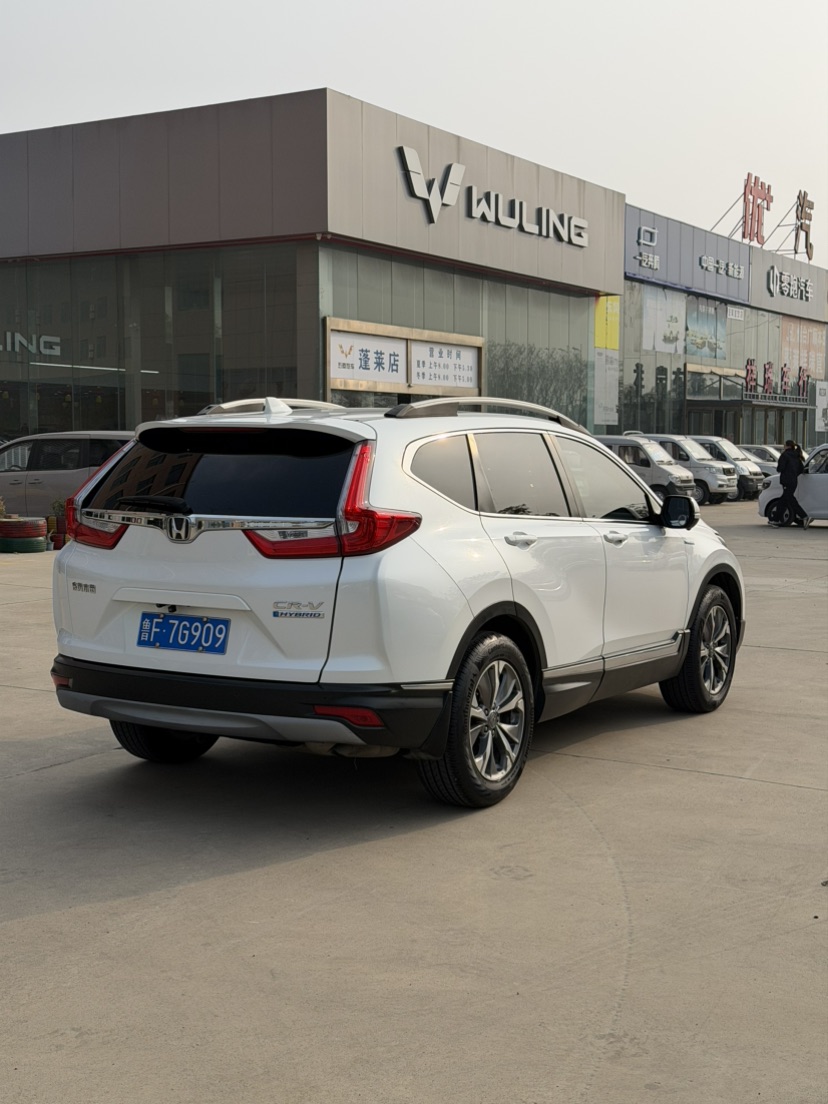
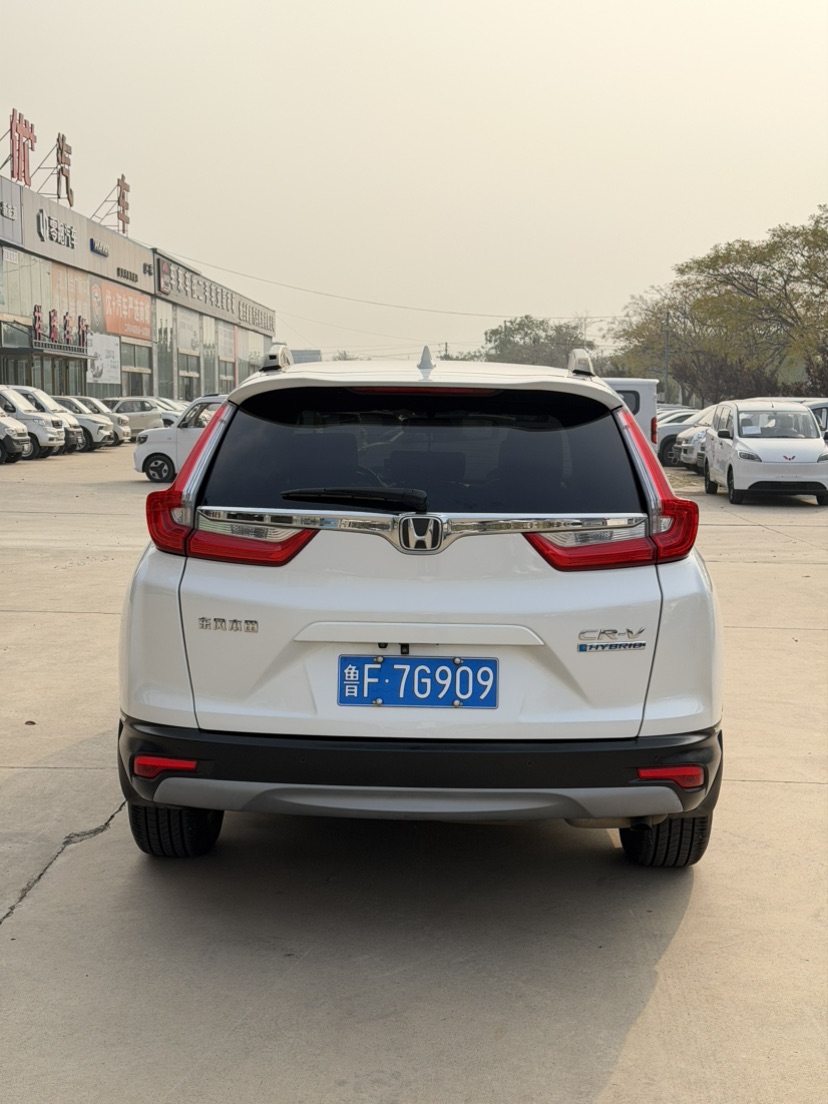
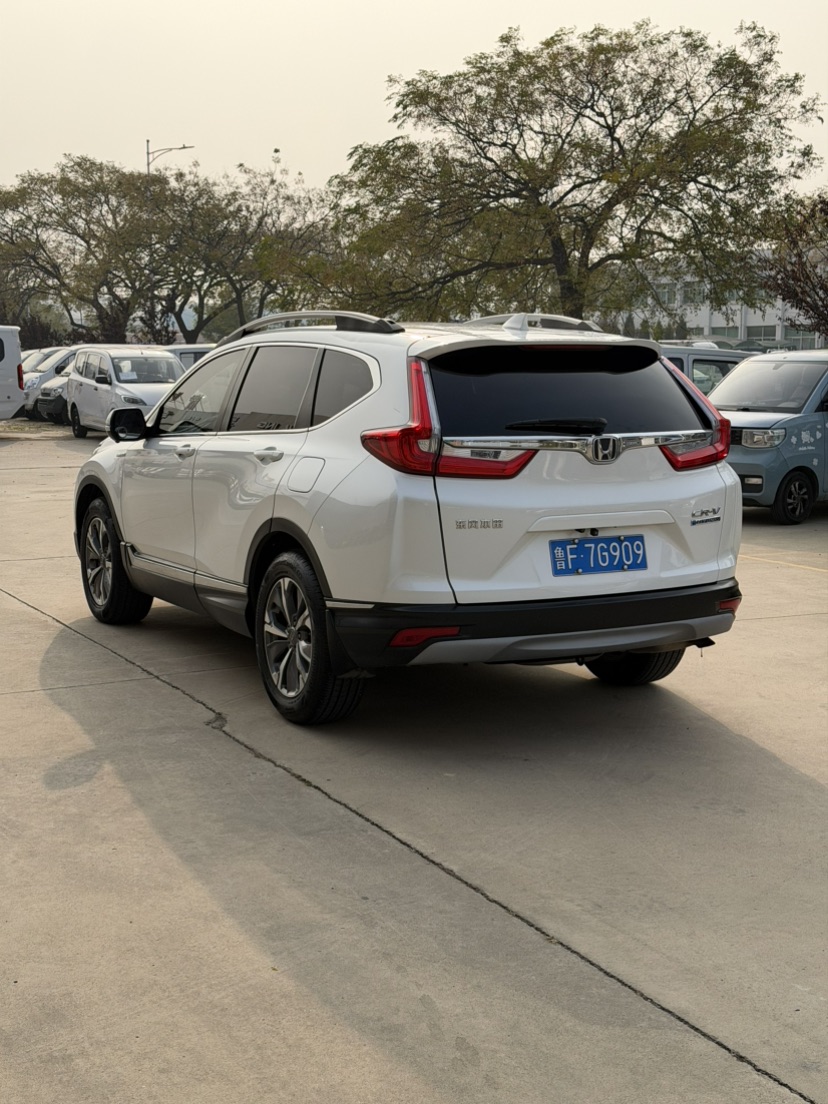
Basic Information

BrandHonda
SeriesCR-V
Year2018
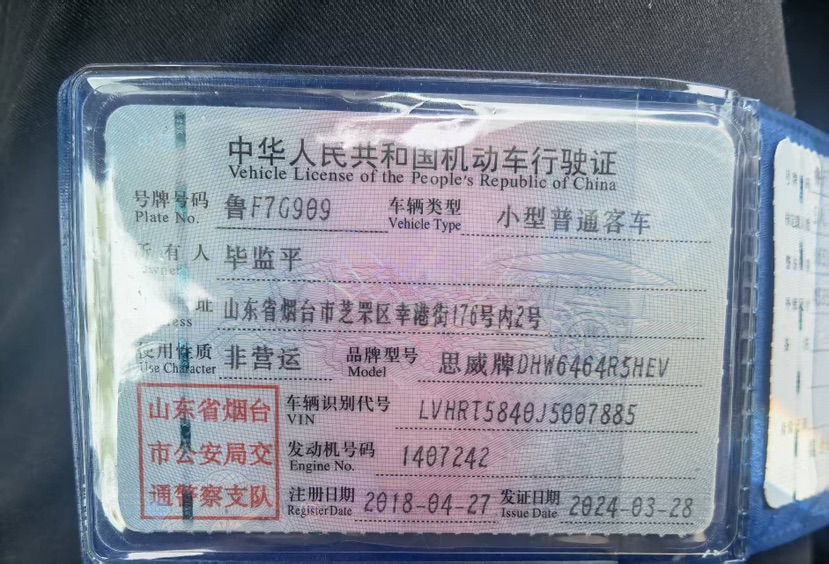
First Registration2018/04
Mileage80,000km
Transfer Count1times
FuelHEV
TransmissionE-CVT
Engine2.0L 146 L4
ColorWhite
Seats-

Condition Description

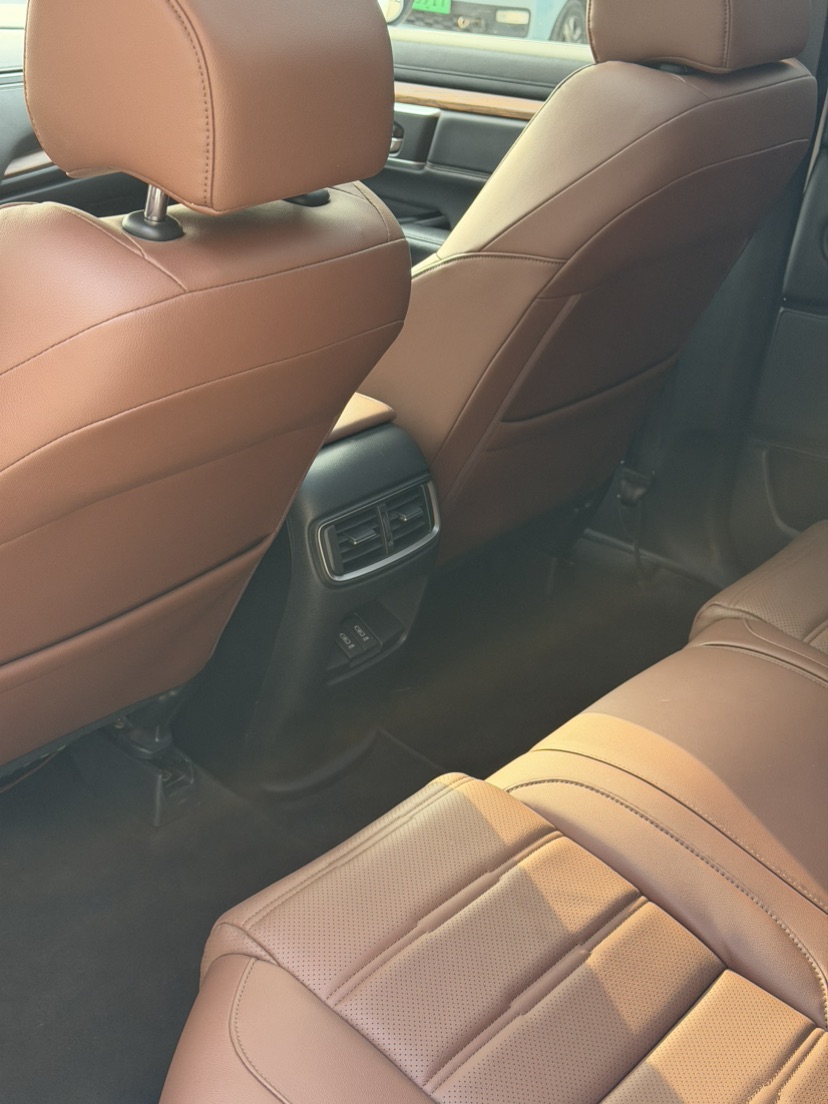
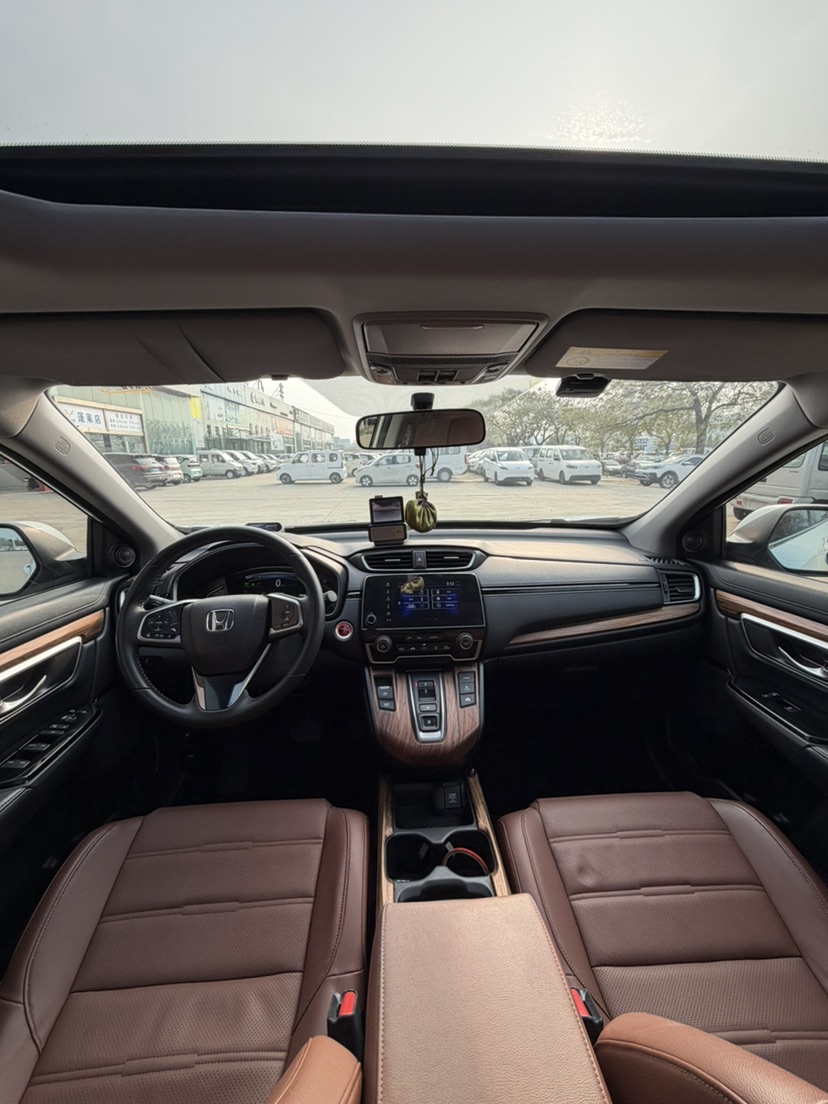
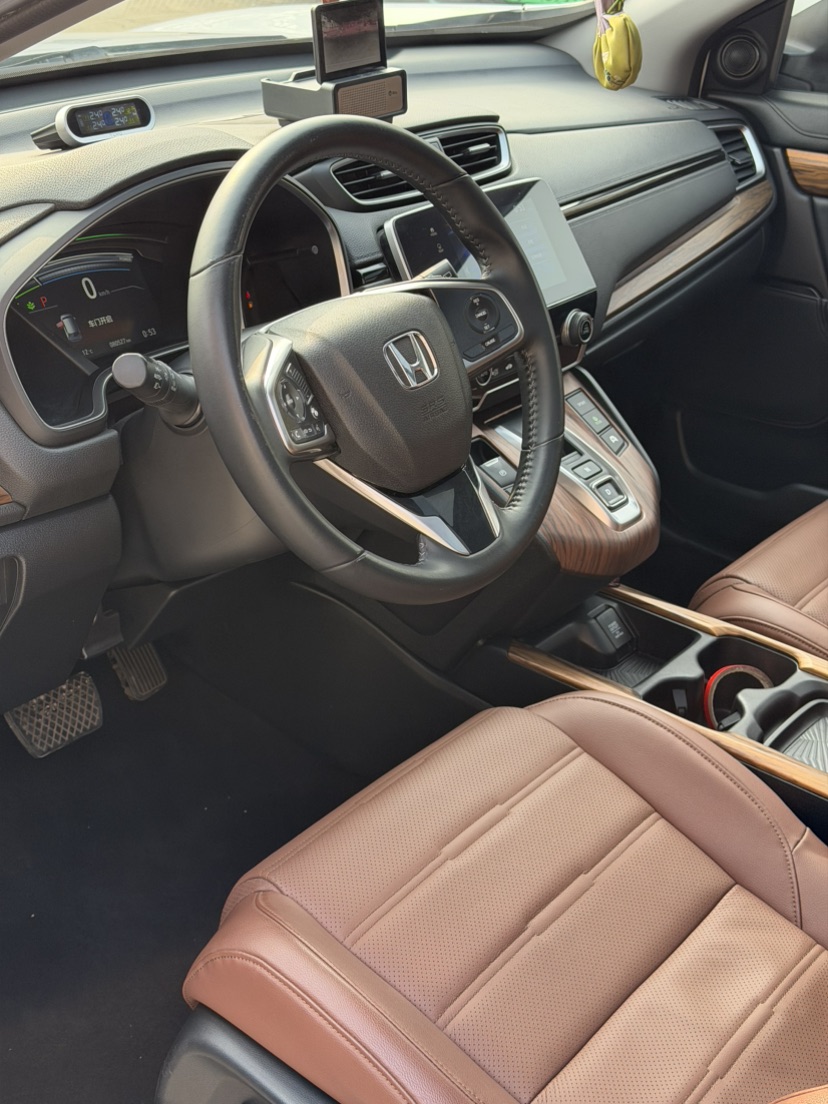
Original paint, no repaint.

燃油车
SUV
自动
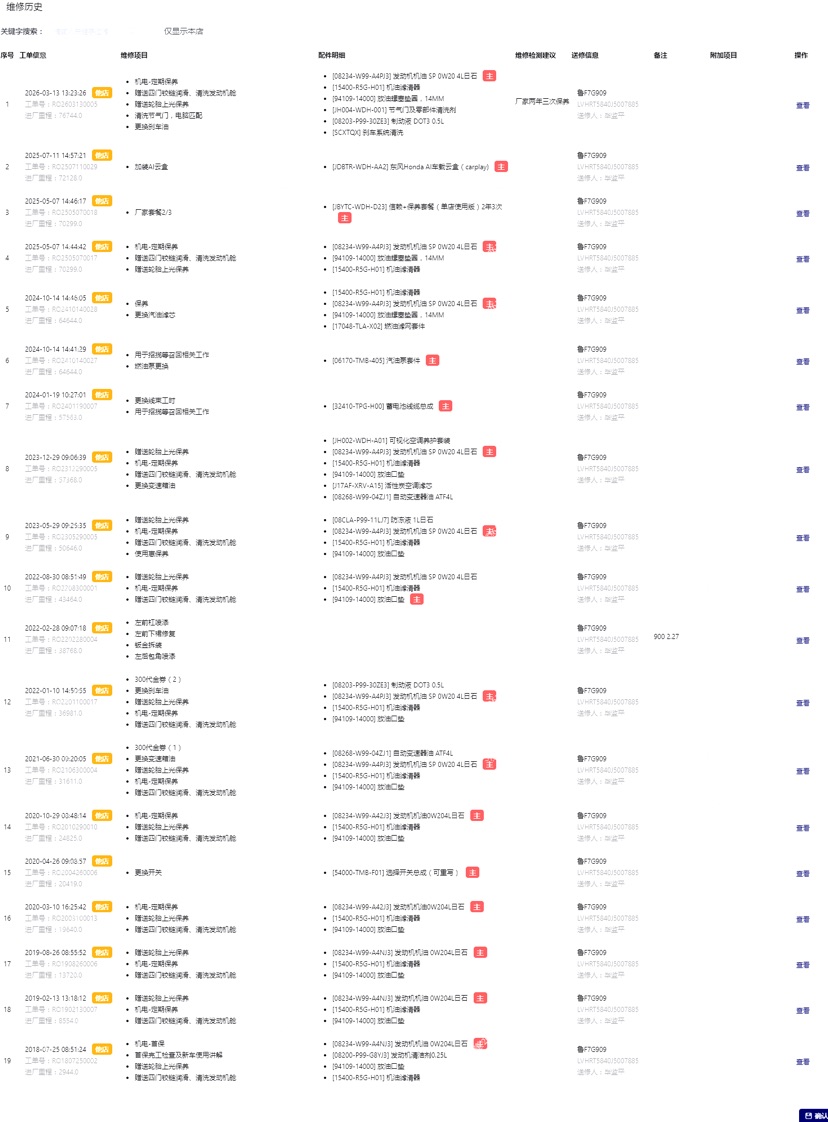
维保开放
事故开放
查验开放

Configuration Highlights

✓品牌: 本田
✓车系: 本田CR-V
✓车型: 2017款 混动 2.0L 净驰版
✓车身类型: SUV
✓座位数: 5
✓排量: 2.0L
✓变速箱: 自动
✓能源类型: 燃油车
✓VIN: LVHRT5840J5007885
✓搜索关键词: 本田本田CR-V 2017款本田CR-V混动2.0L净驰版

Document Information

Inspection Expiry Date2027/04
Warranty Expiry Date-
Insurance Expiry Date2027/04

Q&A

More

For vehicles equipped with LiDAR, will damage to the radar surface from stones affect driving?

It does not affect basic driving and regular speed cruise, but it will trigger a fault alert for advanced driver assistance on the dashboard. The LiDAR assembly is extremely expensive, so we focus on checking the integrity of the glass cover with a strong flashlight during inspections.

How many previous owners has this car had? Does a high number of transfers indicate poor condition?

We will provide the transfer record from the vehicle registration certificate. A high number of transfers does not necessarily indicate poor condition (for example, internal transfers within a family for quota purposes), but we will consider it a risk factor and conduct a more thorough physical inspection to verify its actual condition.

What should the inspector check during a cold start test of the engine?

A cold start reveals problems that a warm engine hides. Ask your inspection agent to perform and film this sequence. First, the start itself: the engine should crank smoothly and settle into a stable idle within a few seconds. Extended cranking, blue or white smoke, or a lumpy idle suggest worn internals or head-gasket issues. Second, listen for timing-chain rattle or metallic tapping in the first ten seconds — cold top-end noise often means deferred maintenance. Third, watch the exhaust on a cold morning: brief white vapor is normal in winter, but persistent blue smoke means oil burning, and sweet-smelling white smoke can indicate coolant leaking into the cylinders. Fourth, have the inspector scan the OBD system right after the cold start; misfire counters and fuel-trim values are most honest when the engine is cold. Ask for a continuous, timestamped video from outside the car before startup through at least five minutes of idling, so you can verify the engine really was cold.