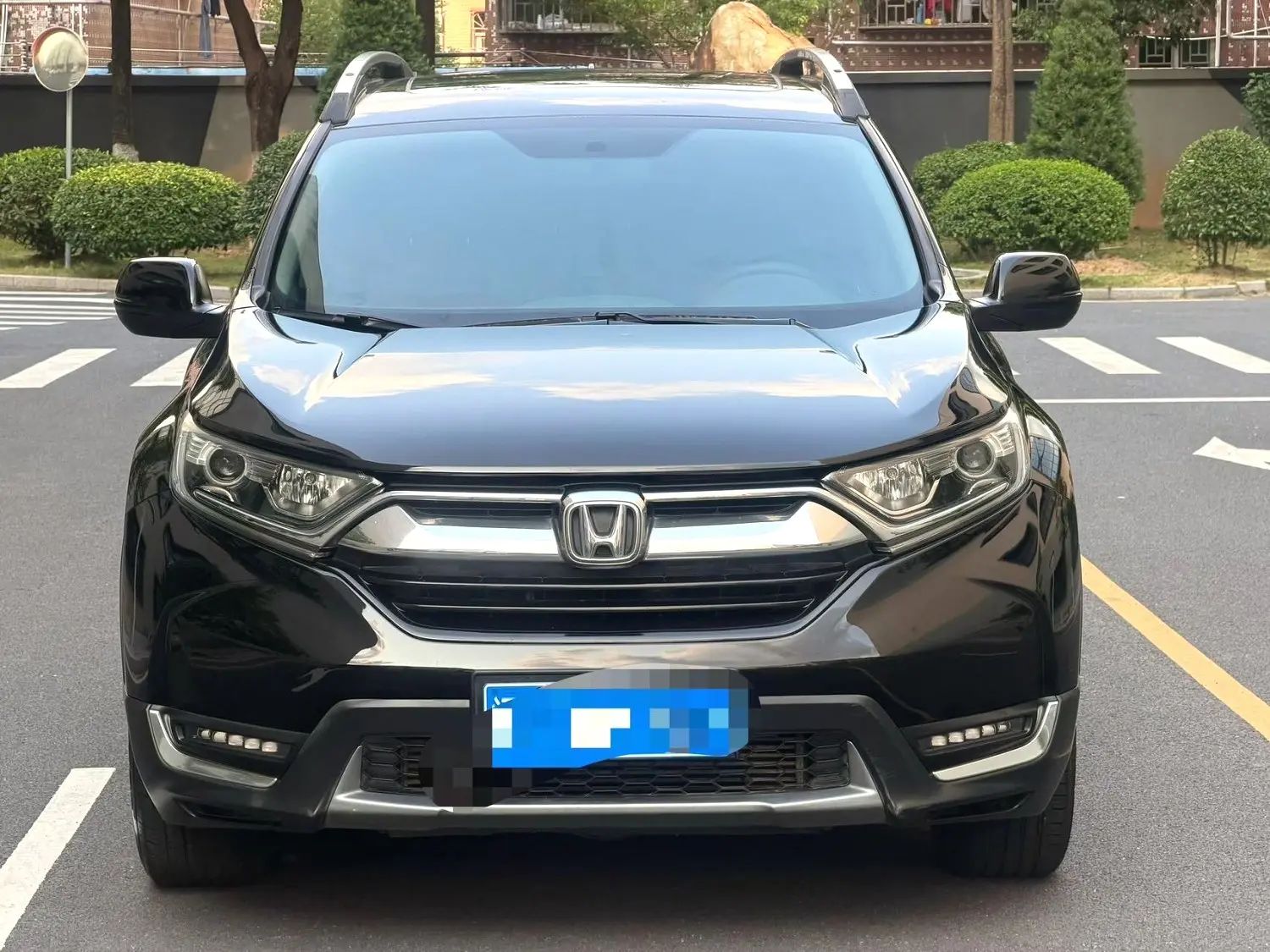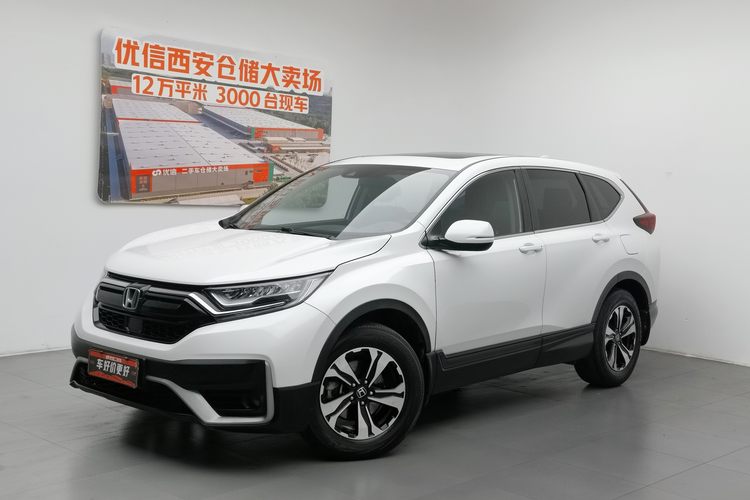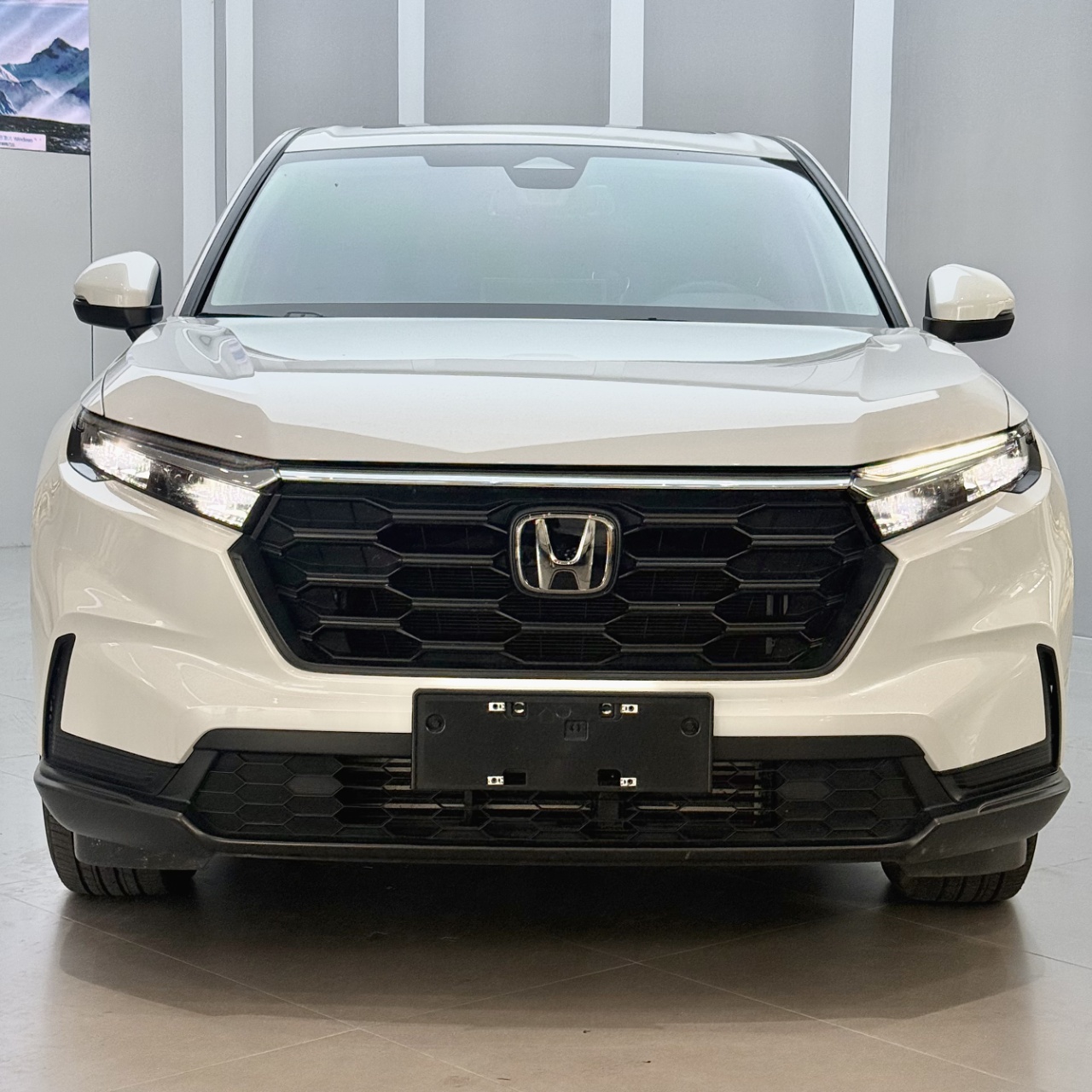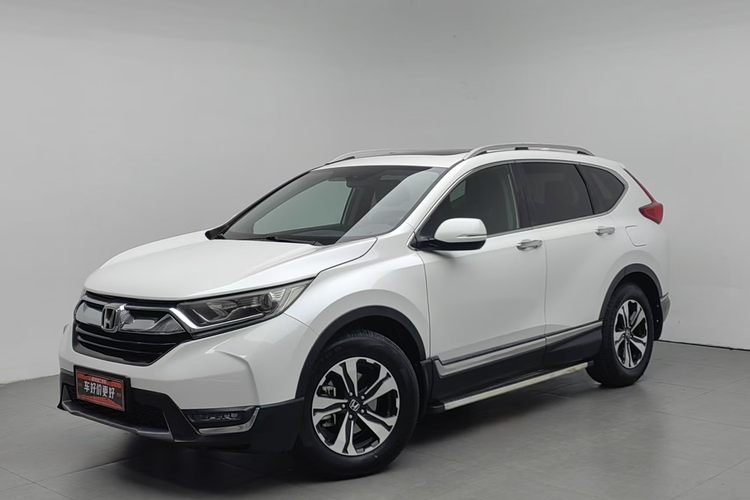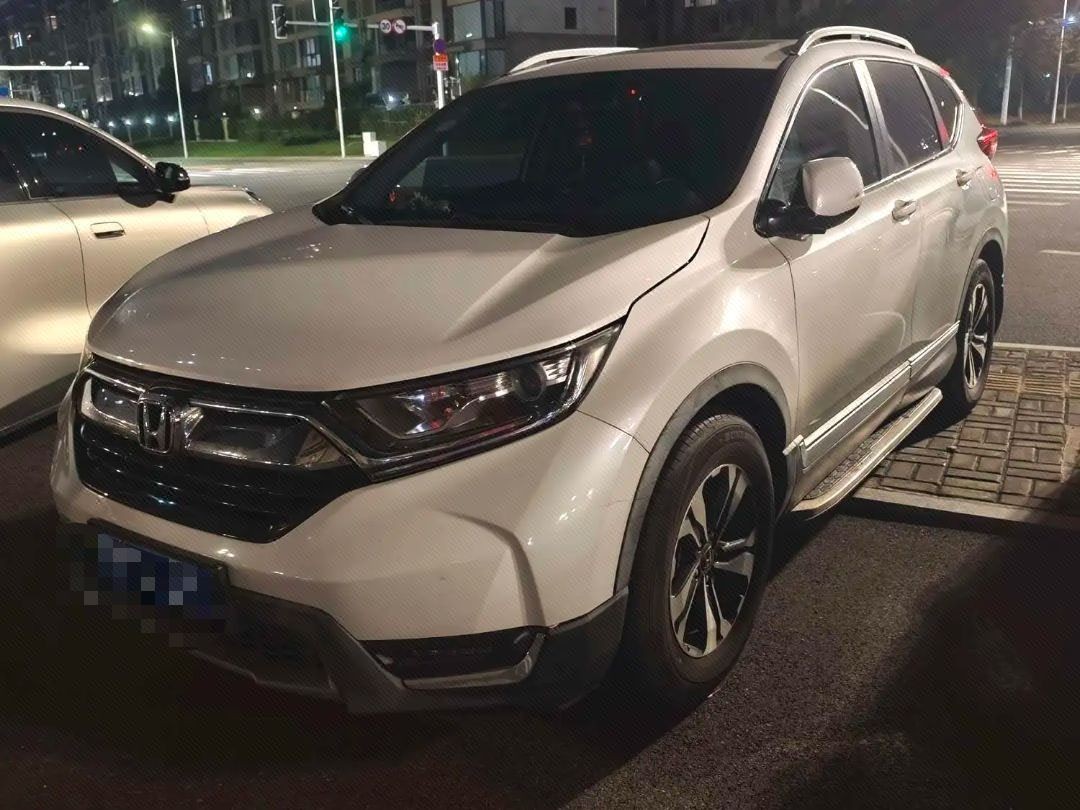
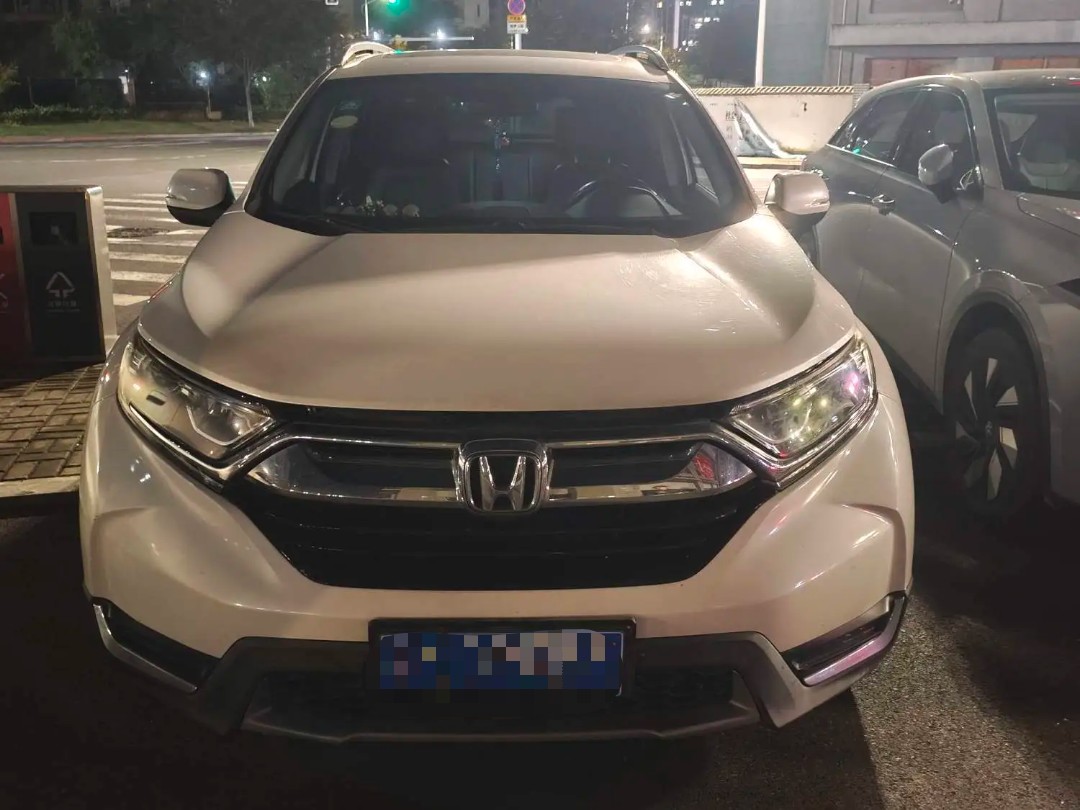
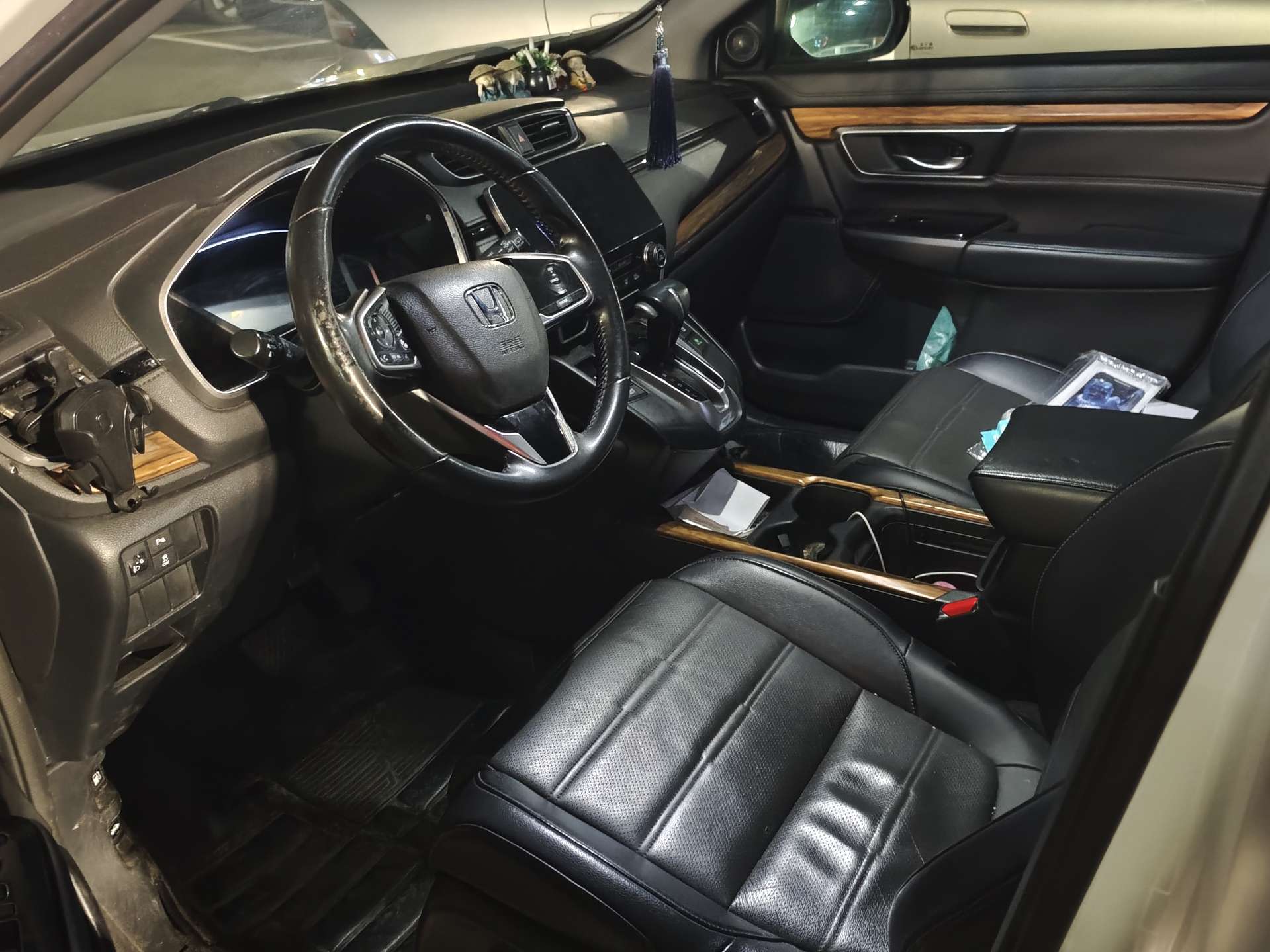
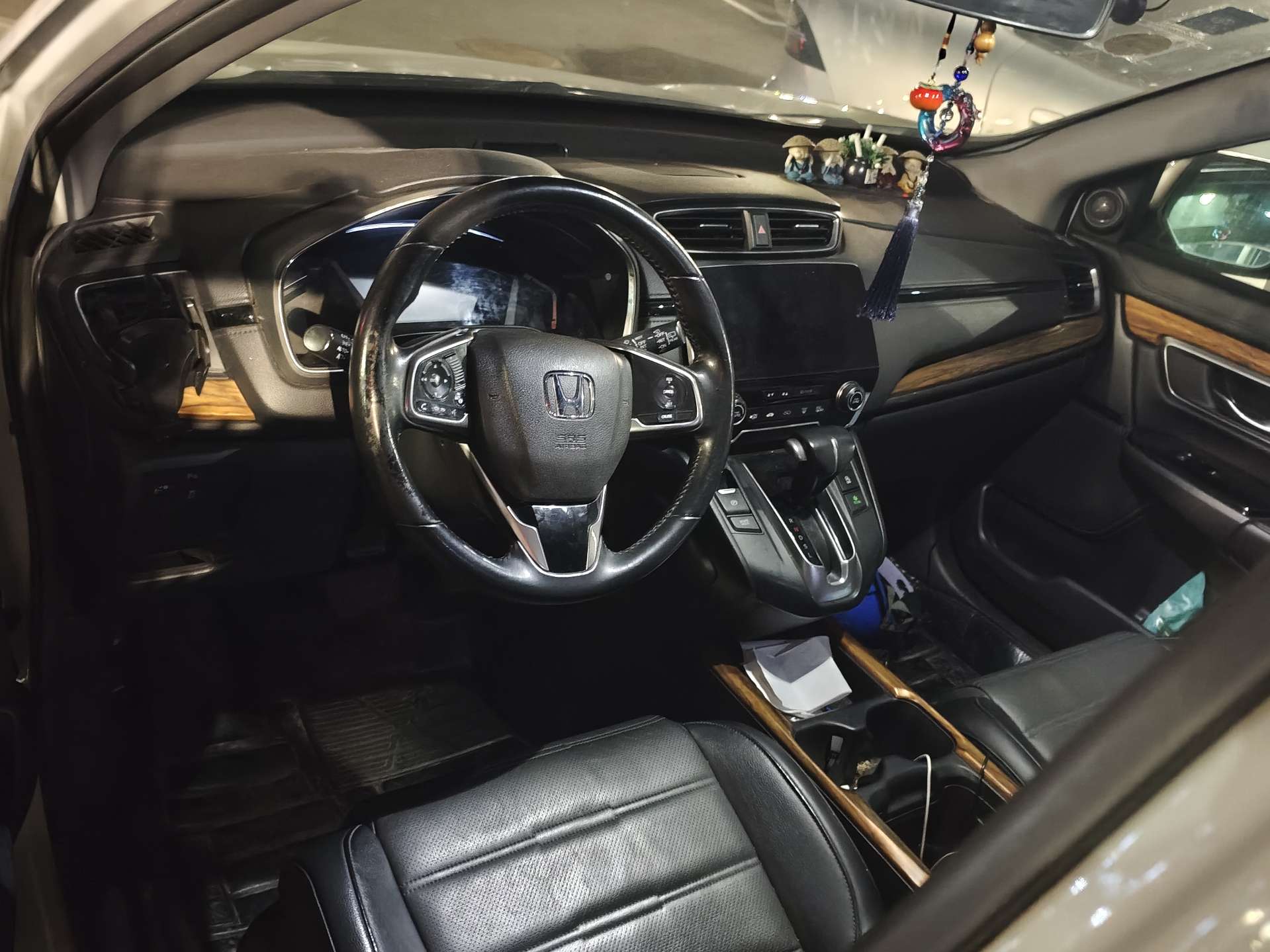
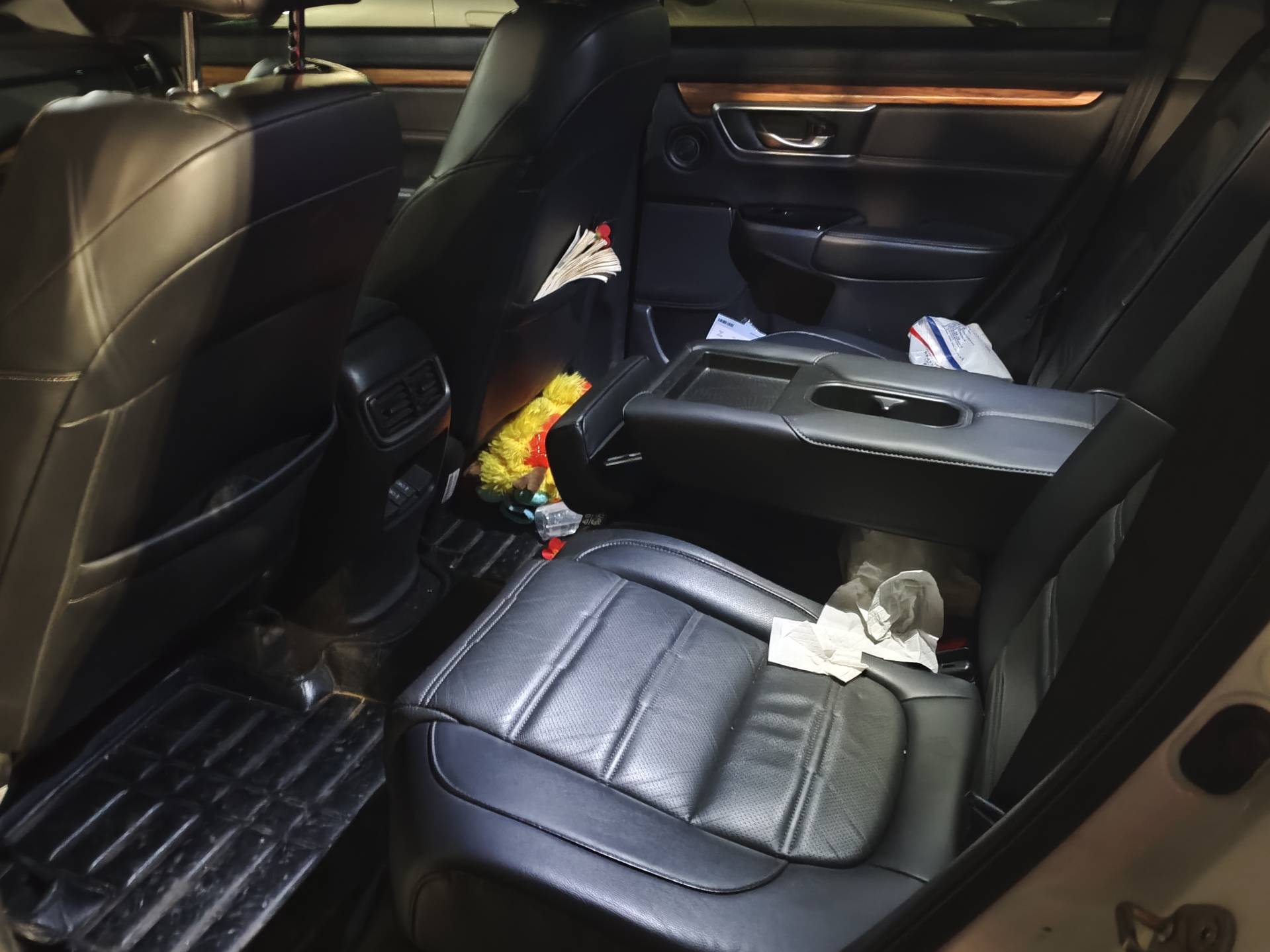
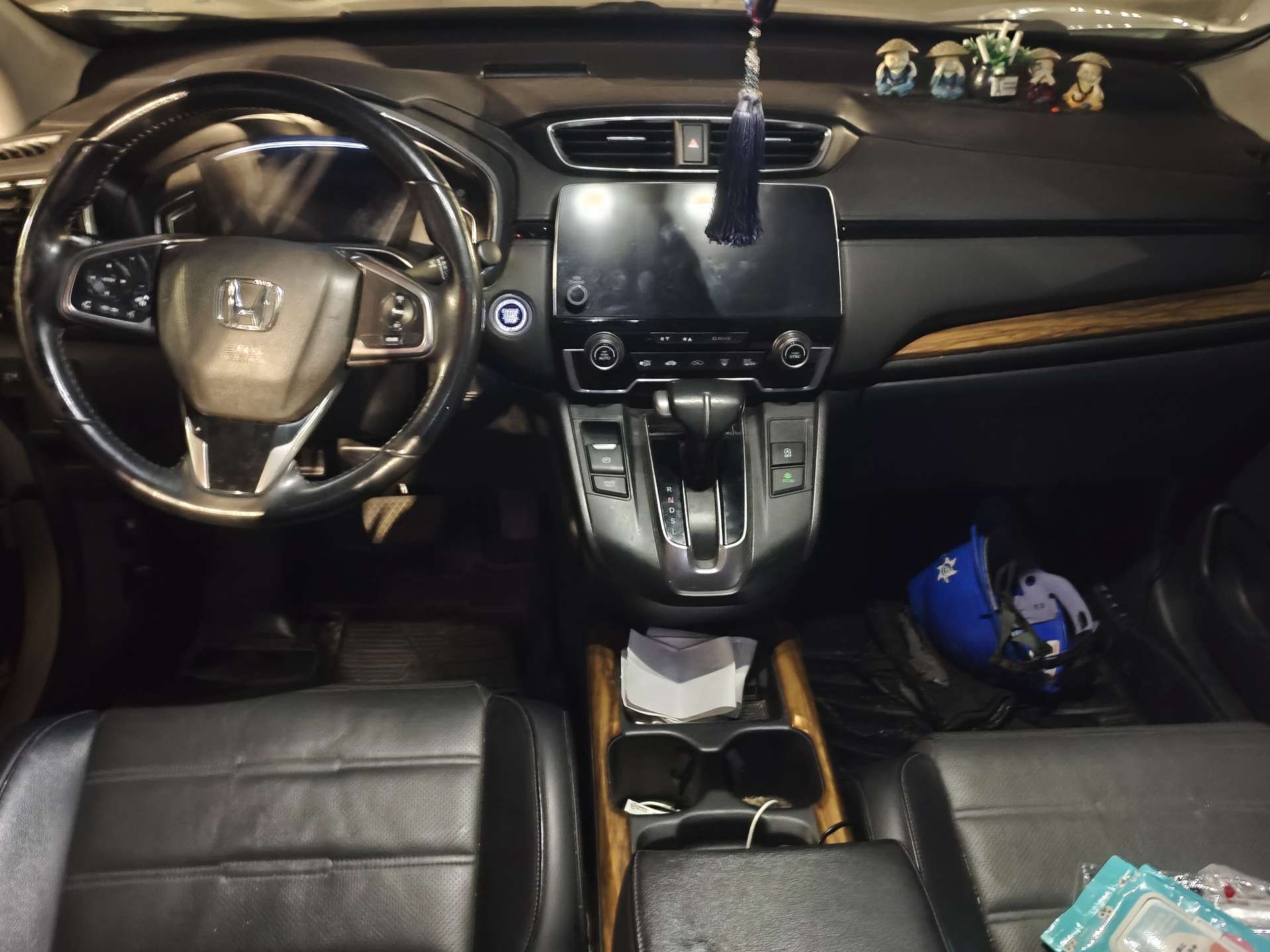
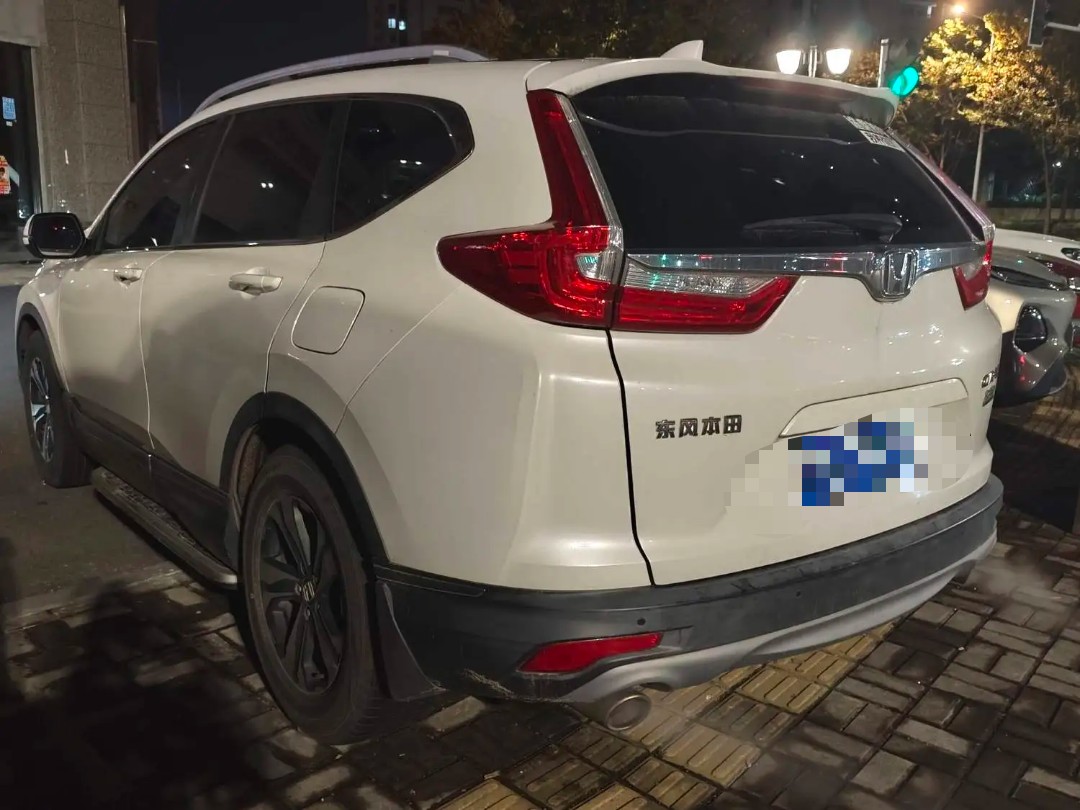
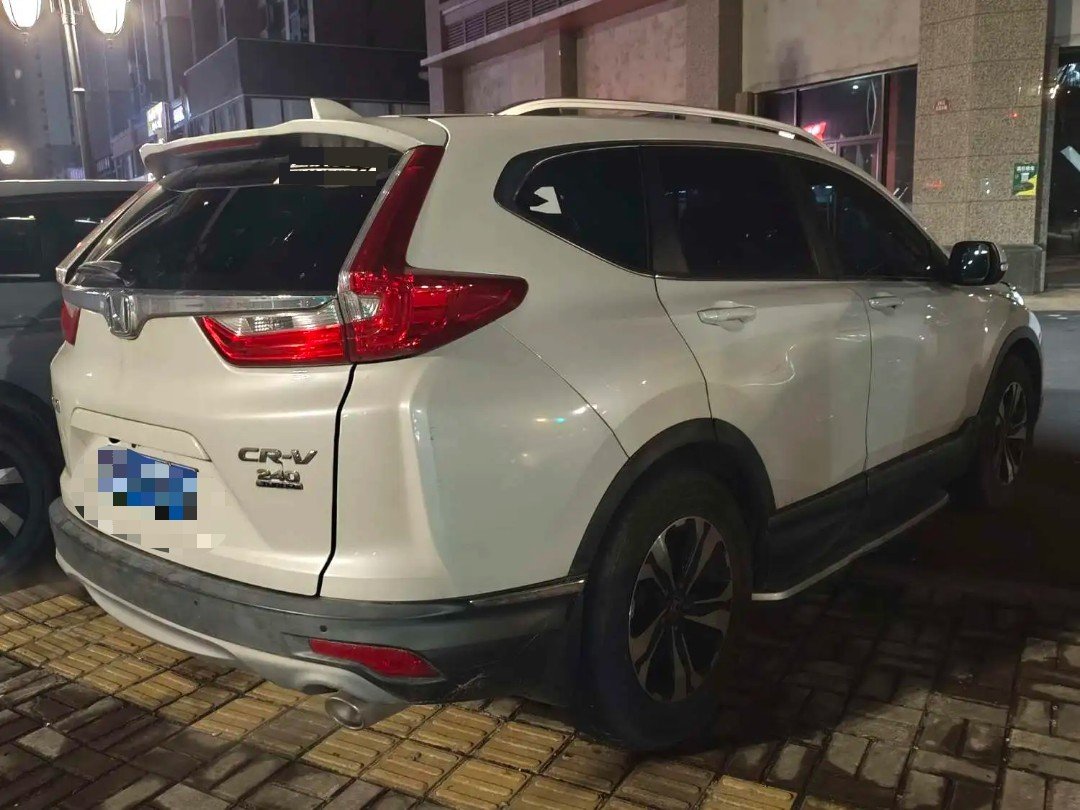



Basic Information

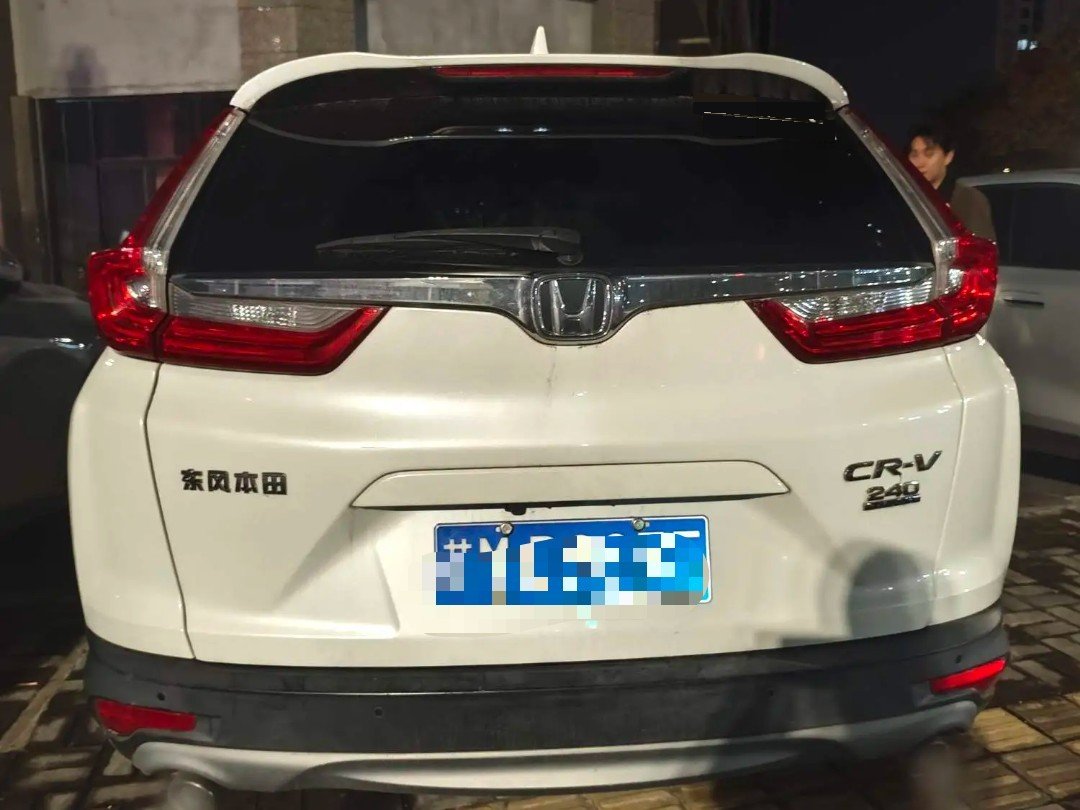
BrandHonda
SeriesCR-V
Year2018
First Registration2018/01
Mileage85,000km
Transfer Count0times
FuelGasoline
TransmissionCVT
Engine1.5T 193 L4
ColorYellow
Seats-

Condition Description

Left front and right front fenders repainted.

Document Information

Inspection Expiry Date-
Warranty Expiry Date-
Insurance Expiry Date2027/01

Q&A

More

After receiving the car, I found that the 12V battery was dead and couldn't start, or the wiper rubber was aging. Does this count as a quality breach on your part?

No, it does not. International shipping (especially RoRo) usually takes 30 to 60 days, during which the vehicle is stationary. A dead 12V battery, natural tire pressure loss, and even wiper aging due to temperature differences are all reasonable physical wear during long-distance transport. We strongly recommend that overseas buyers bring a portable jump starter and an air pump when picking up their vehicles at the port.


Do Chinese electric cars keep receiving software updates and connected services after export? Will the app work in my country?

It depends on the brand, so verify before buying: 1. OTA updates: most newer Chinese EVs update over the air, but some brands tie updates to the region of registration—an exported car may stop receiving them or stay on China firmware. 2. Companion apps: functions like remote climate, charging status, and location often require a Chinese phone number or mainland server access; abroad they may work partially or not at all. 3. Language and units: check the infotainment can switch to your language and your units (miles/km). Ask the exporter to demonstrate the app functions live on video before purchase, and get written confirmation of what will work after export. For the battery, request an SOH (state of health) report—battery replacement is far costlier than any software limitation.

How are import duties on used cars from China calculated, and which HS code applies?

Used cars are classified under HS heading 8703 (motor vehicles for transport of persons), with the last four digits determined by engine type and size. Gasoline cars usually fall in 8703.21–8703.80 depending on displacement; pure EVs fall under 8703.80; hybrids have their own subheadings. The duty amount depends on your country's tariff schedule: 1. Most countries charge duty on the CIF value (car price + freight + insurance), not the FOB price. 2. Many developing markets levy higher duties on used vehicles than new ones, and some add a surcharge based on age — older cars can cost significantly more to clear. 3. After duty, you typically pay VAT/GST on the CIF + duty total, plus port and customs fees. Practical tips: ask your exporter to state the exact HS code on the commercial invoice and confirm it with a local customs broker before shipping. A wrong code can trigger reclassification, penalties, or delays. Also budget for any excise tax tied to engine capacity — in several markets a 2.5L car clears far cheaper than a 3.5L one.