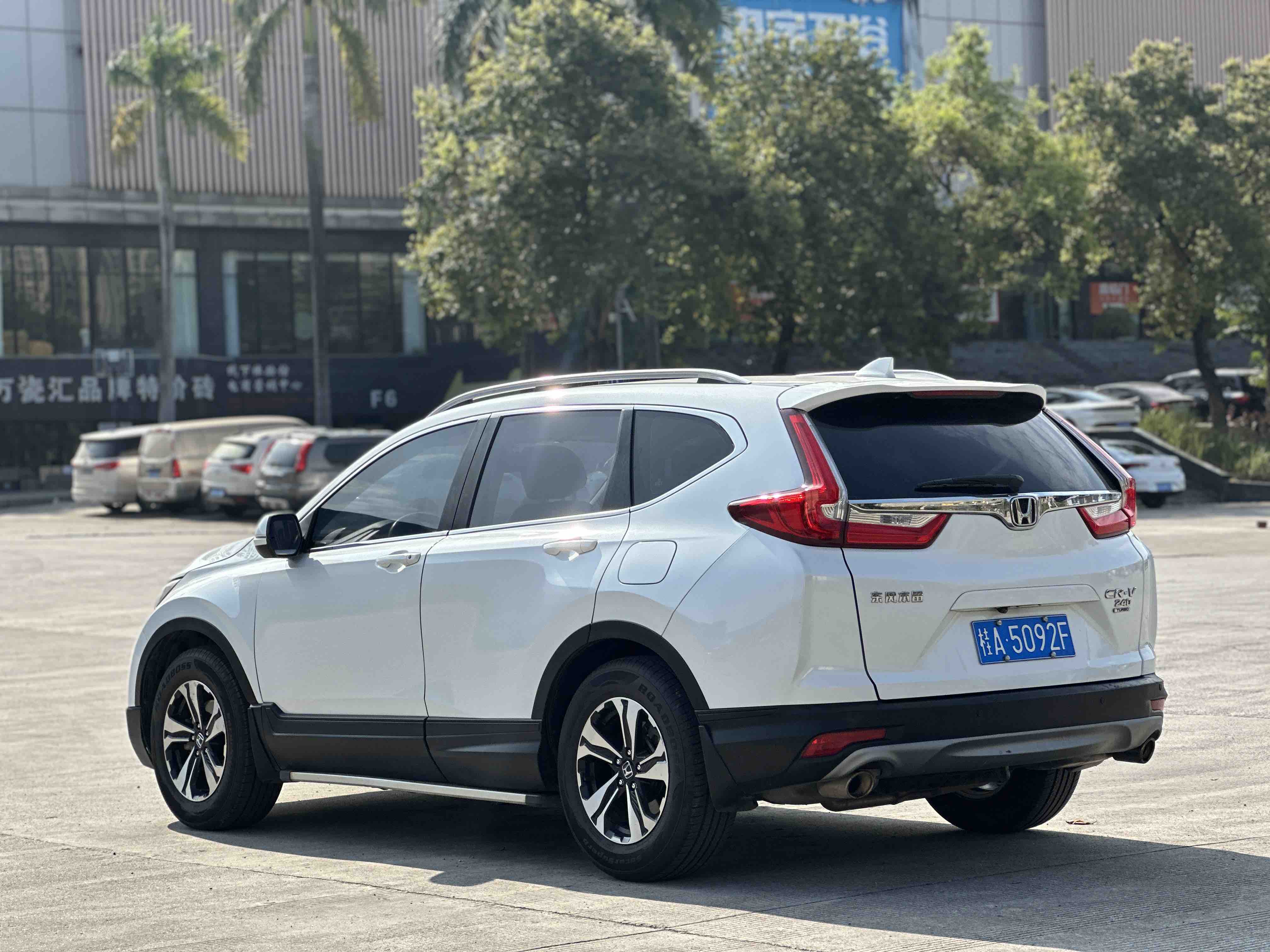
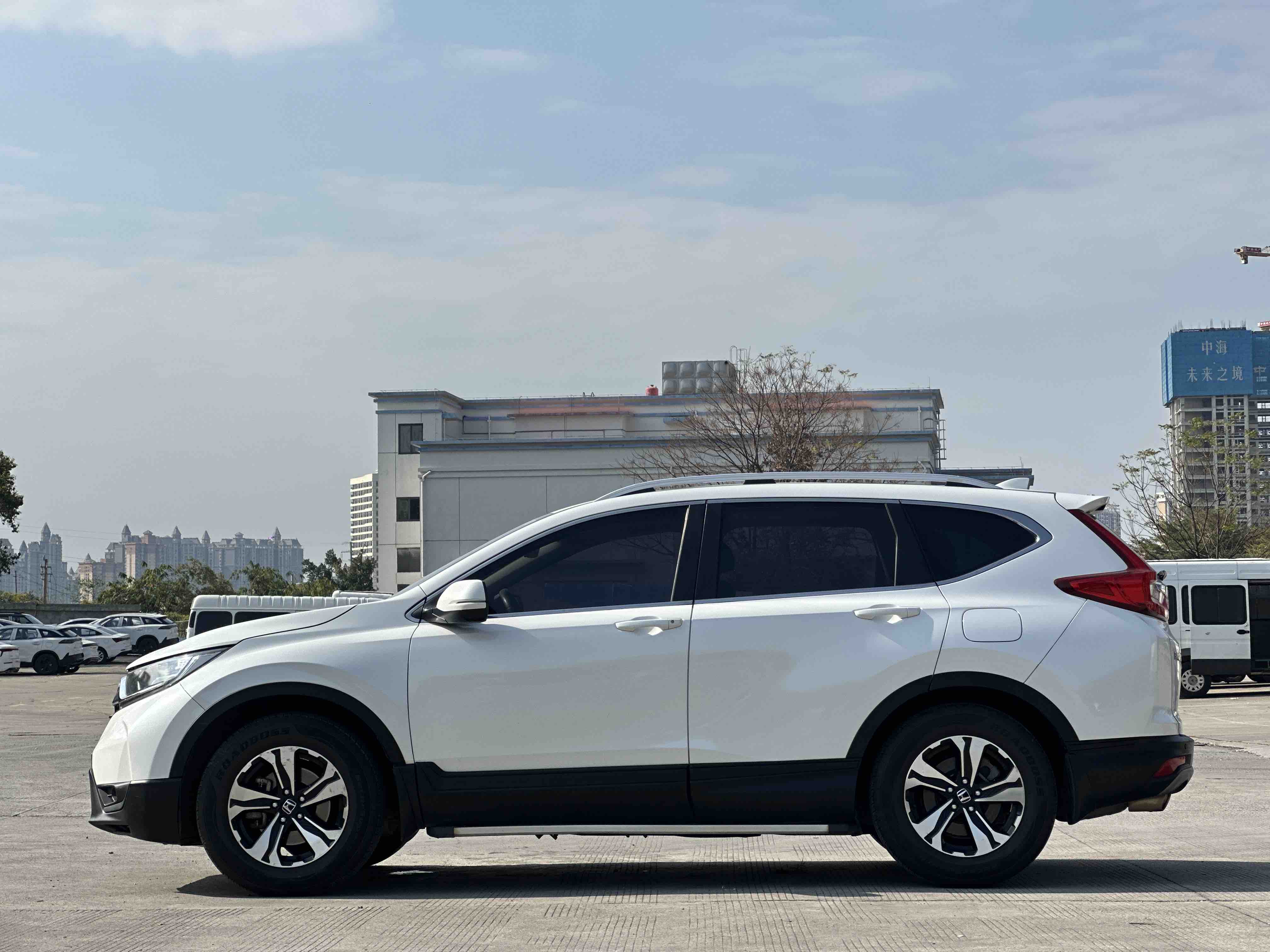
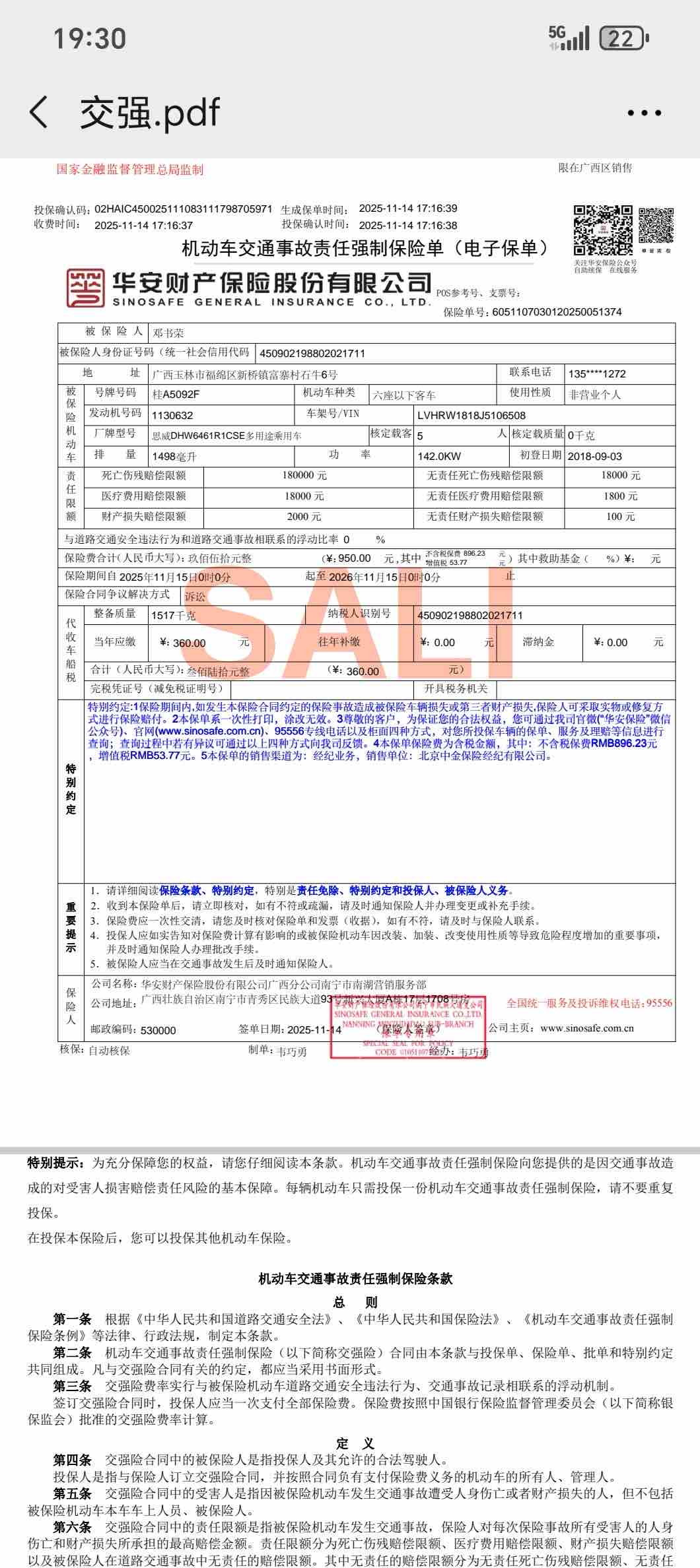



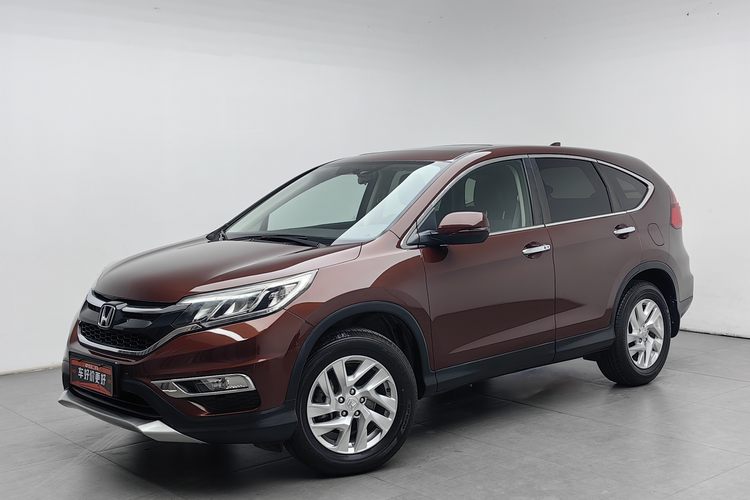
Basic Information

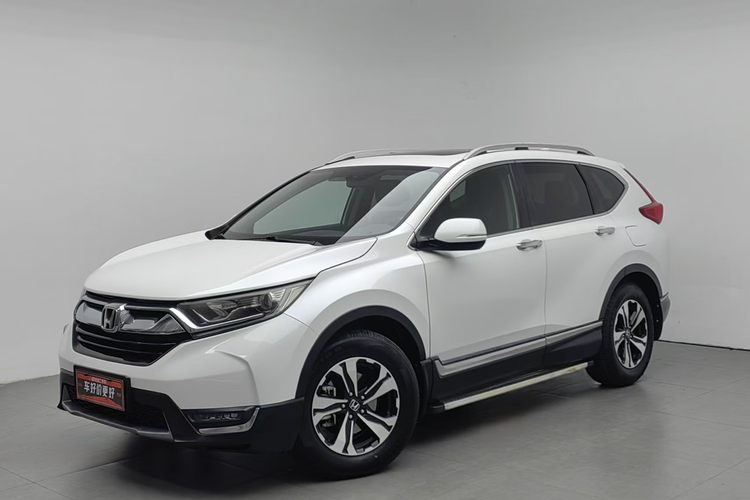
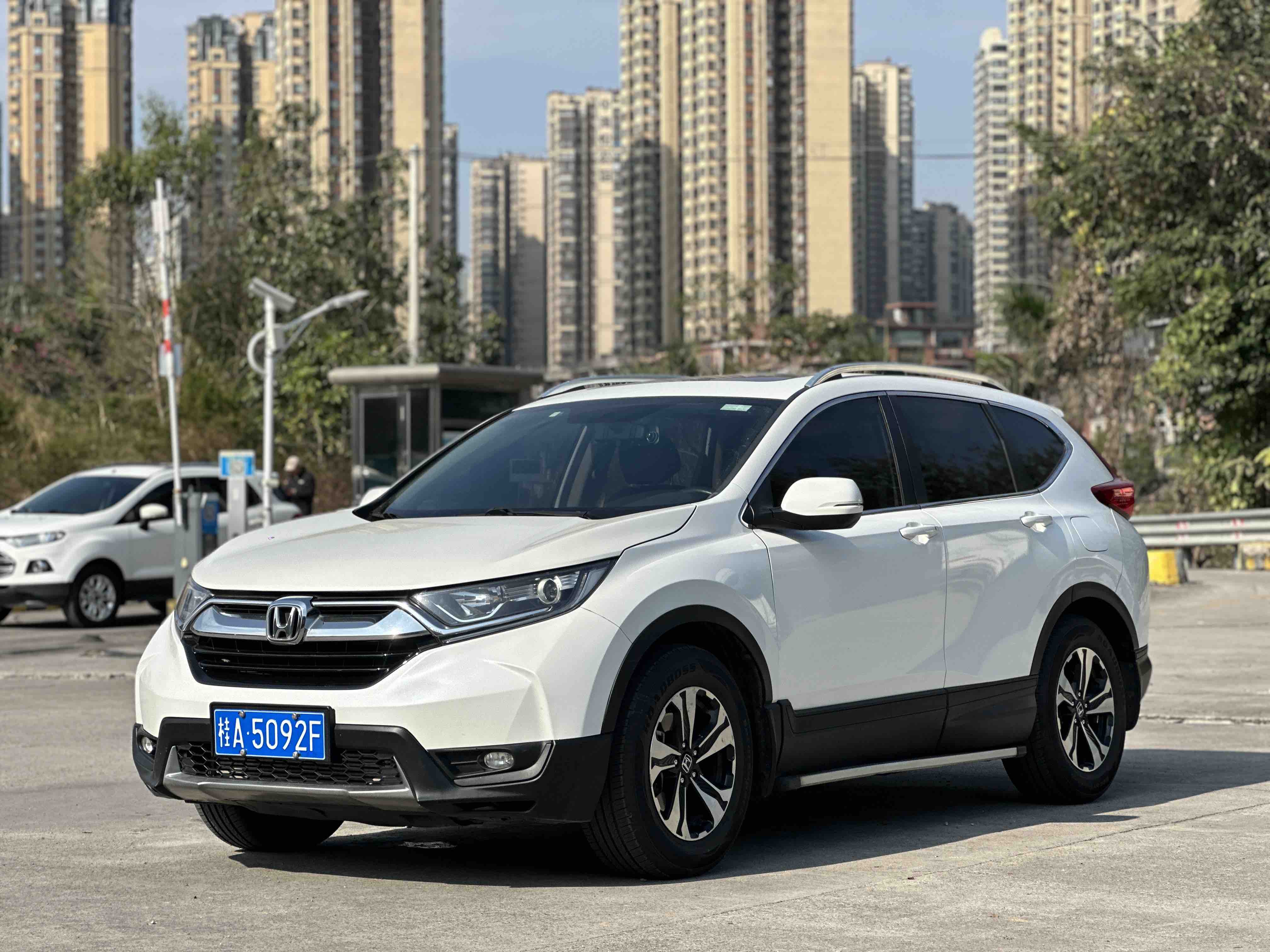
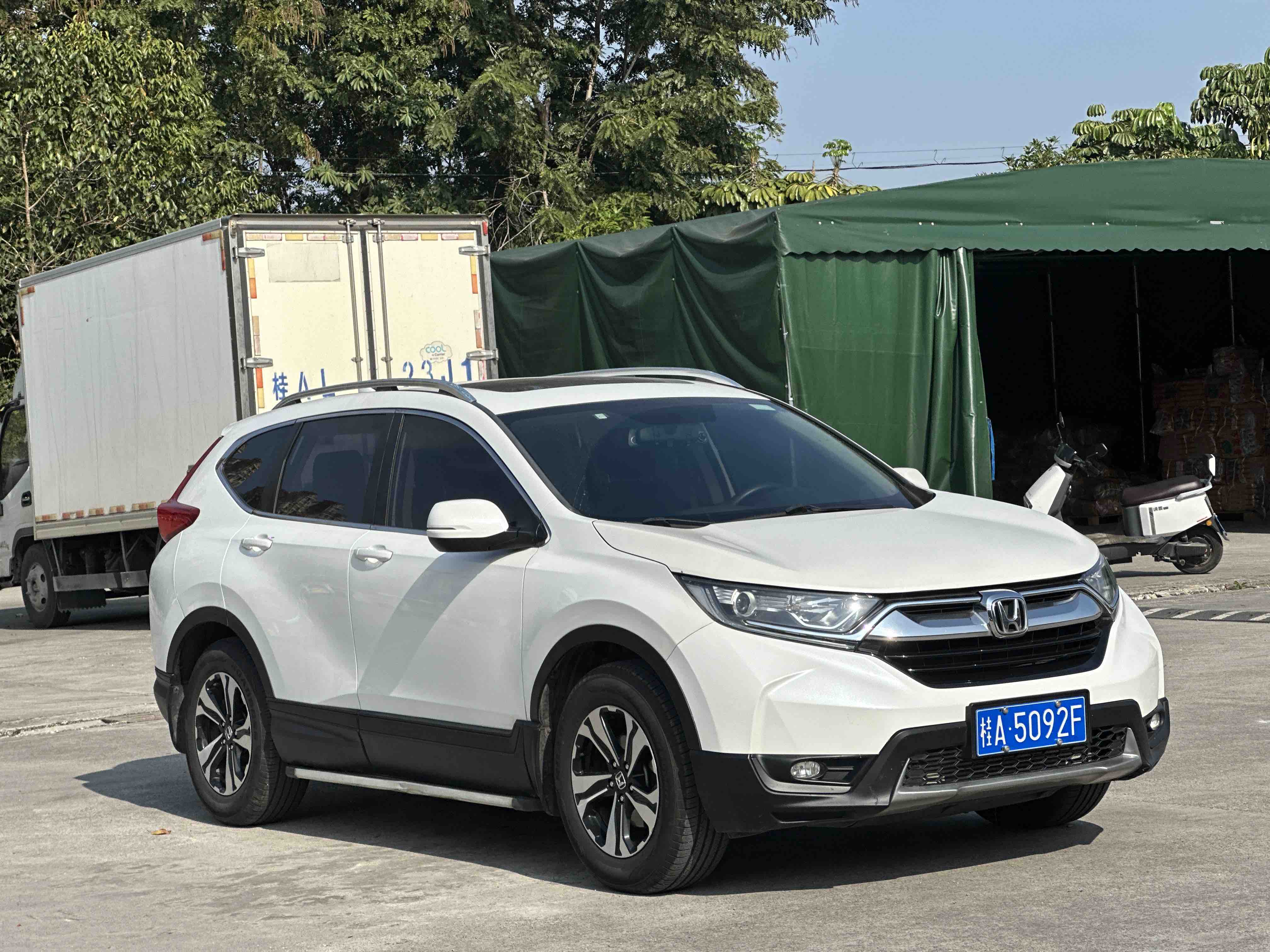
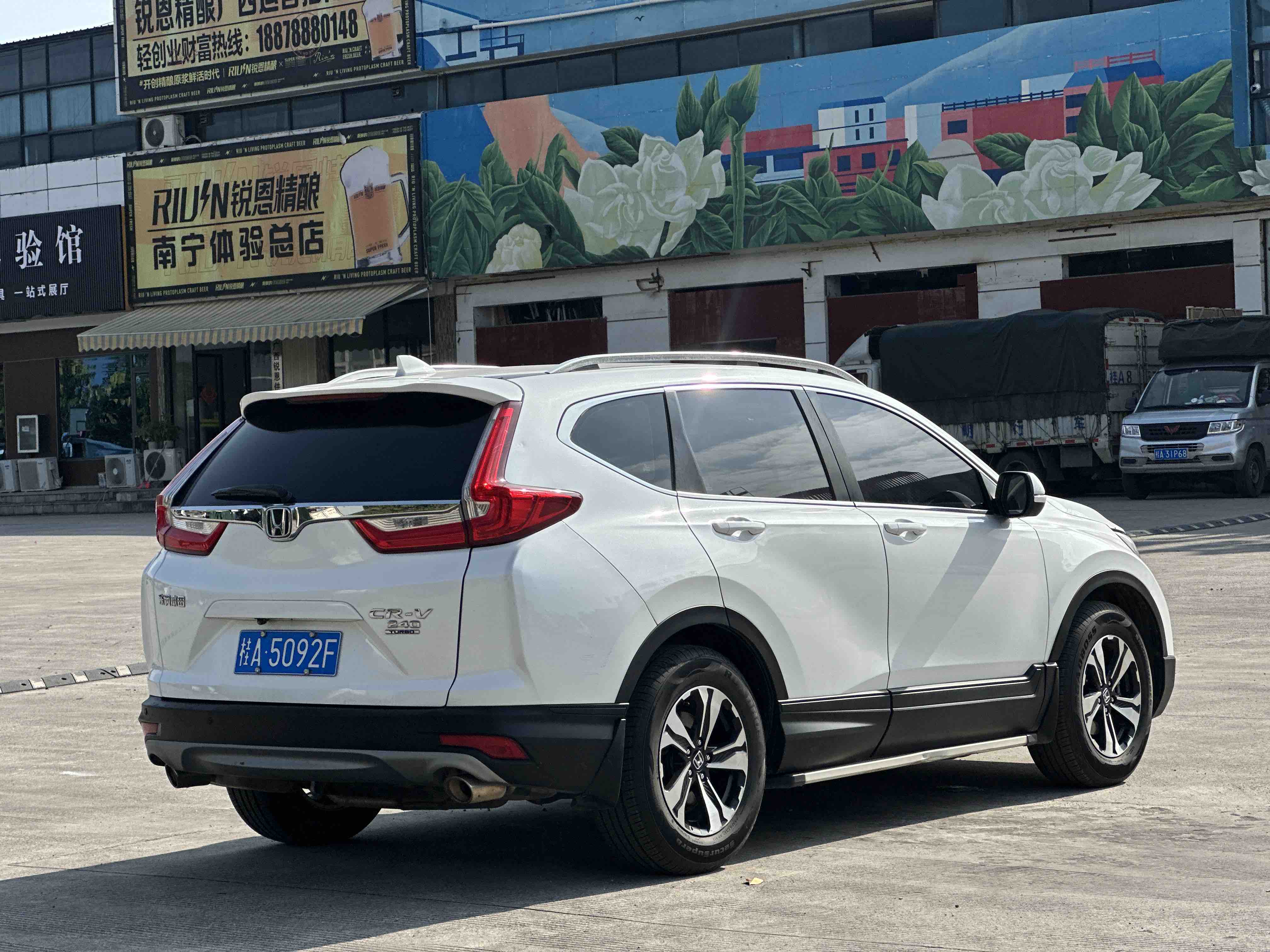
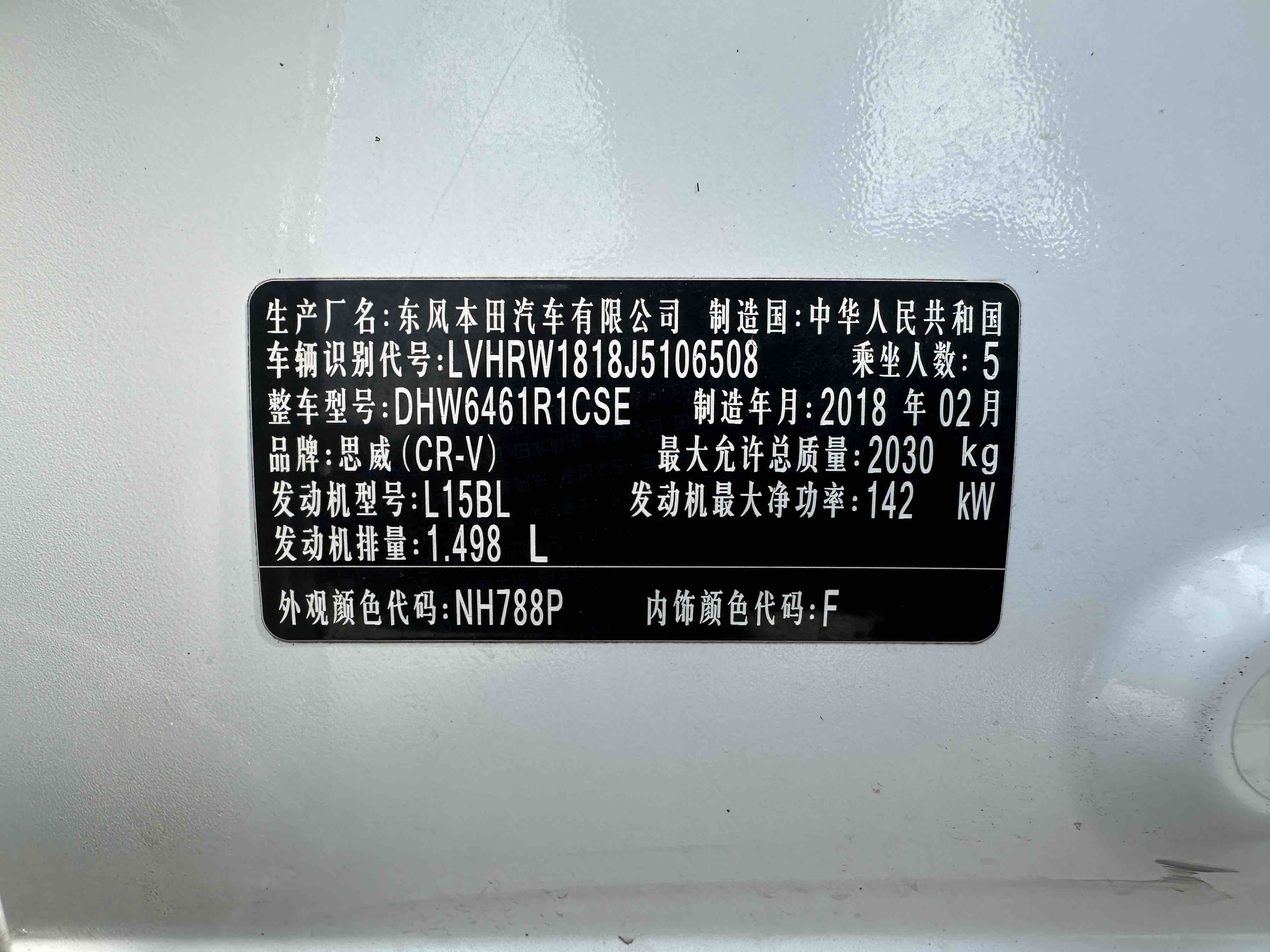
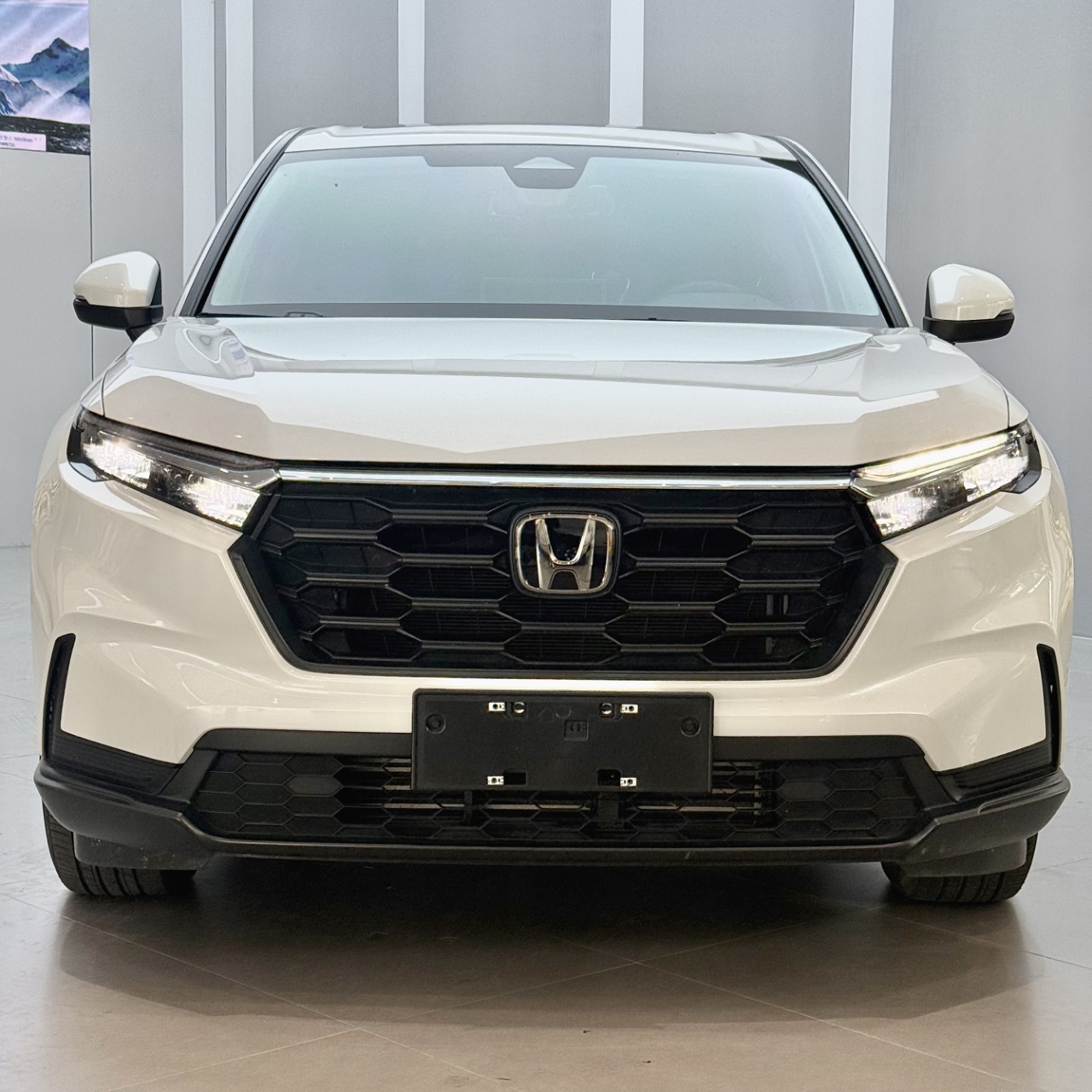
BrandHonda
SeriesCR-V
Year2018
First Registration2018/09
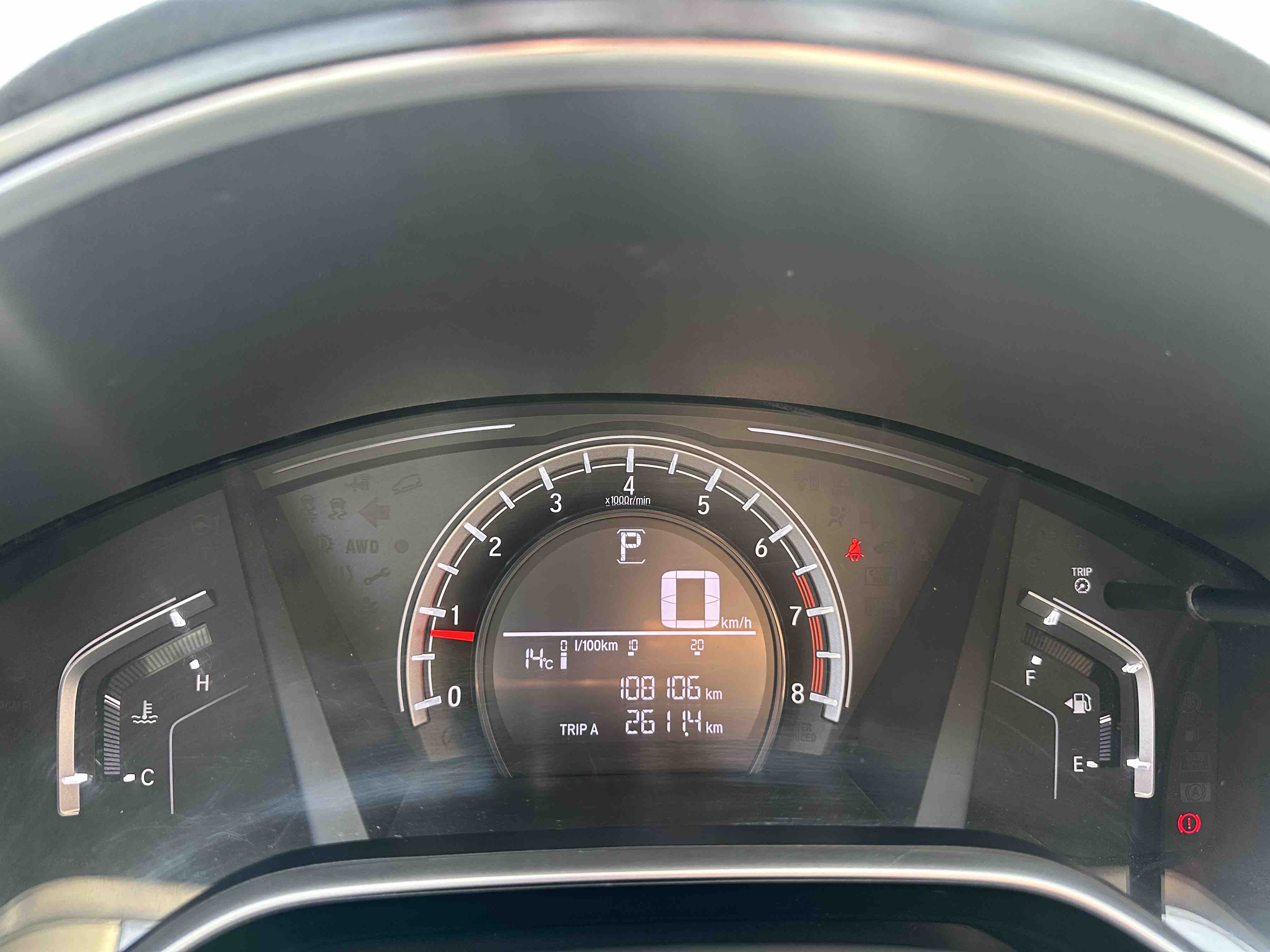
Mileage10.3km
Transfer Count-
FuelGasoline
TransmissionCVT
Engine1.5T 193 L4
ColorWhite
Seats-

Condition Description

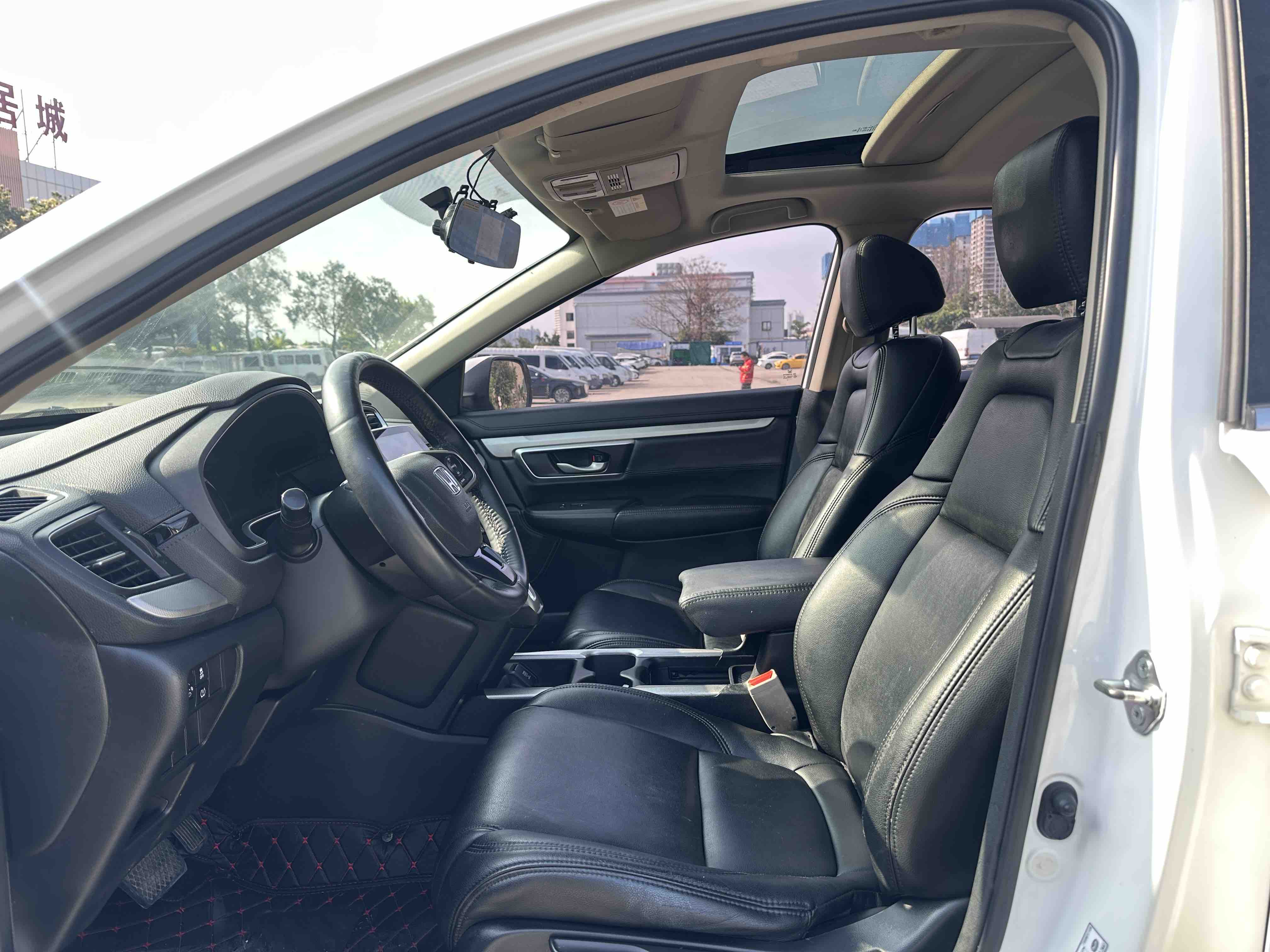
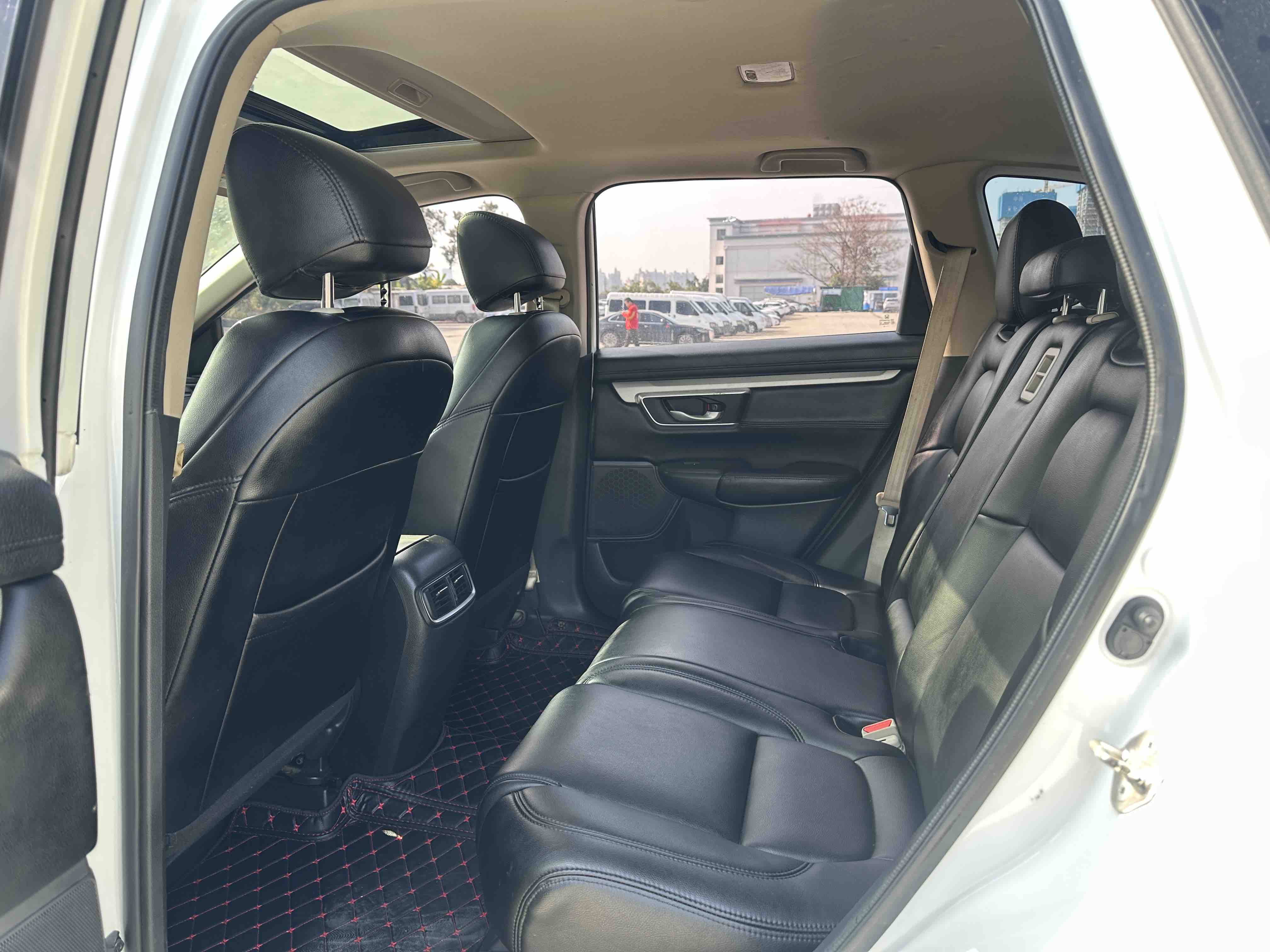
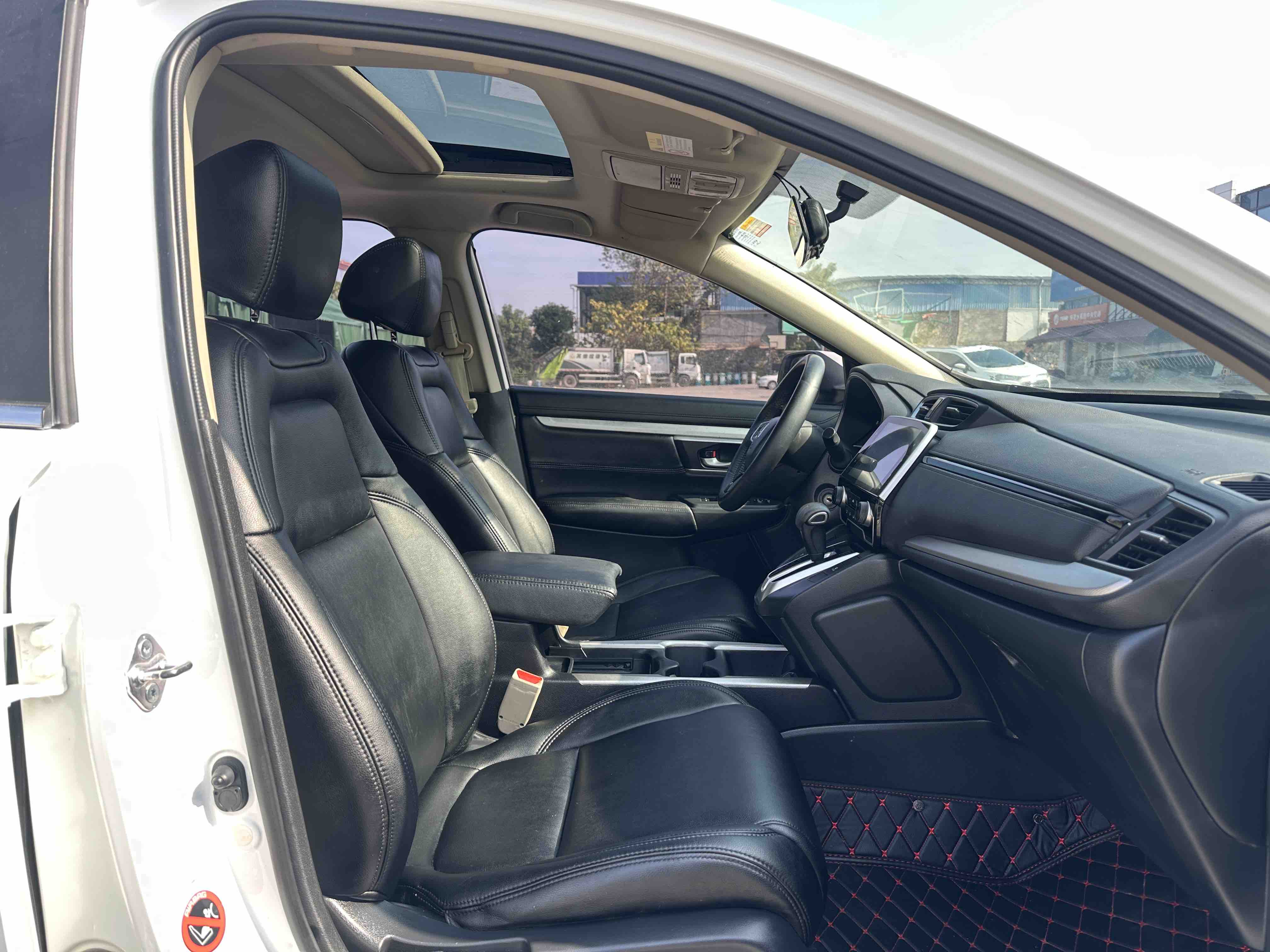
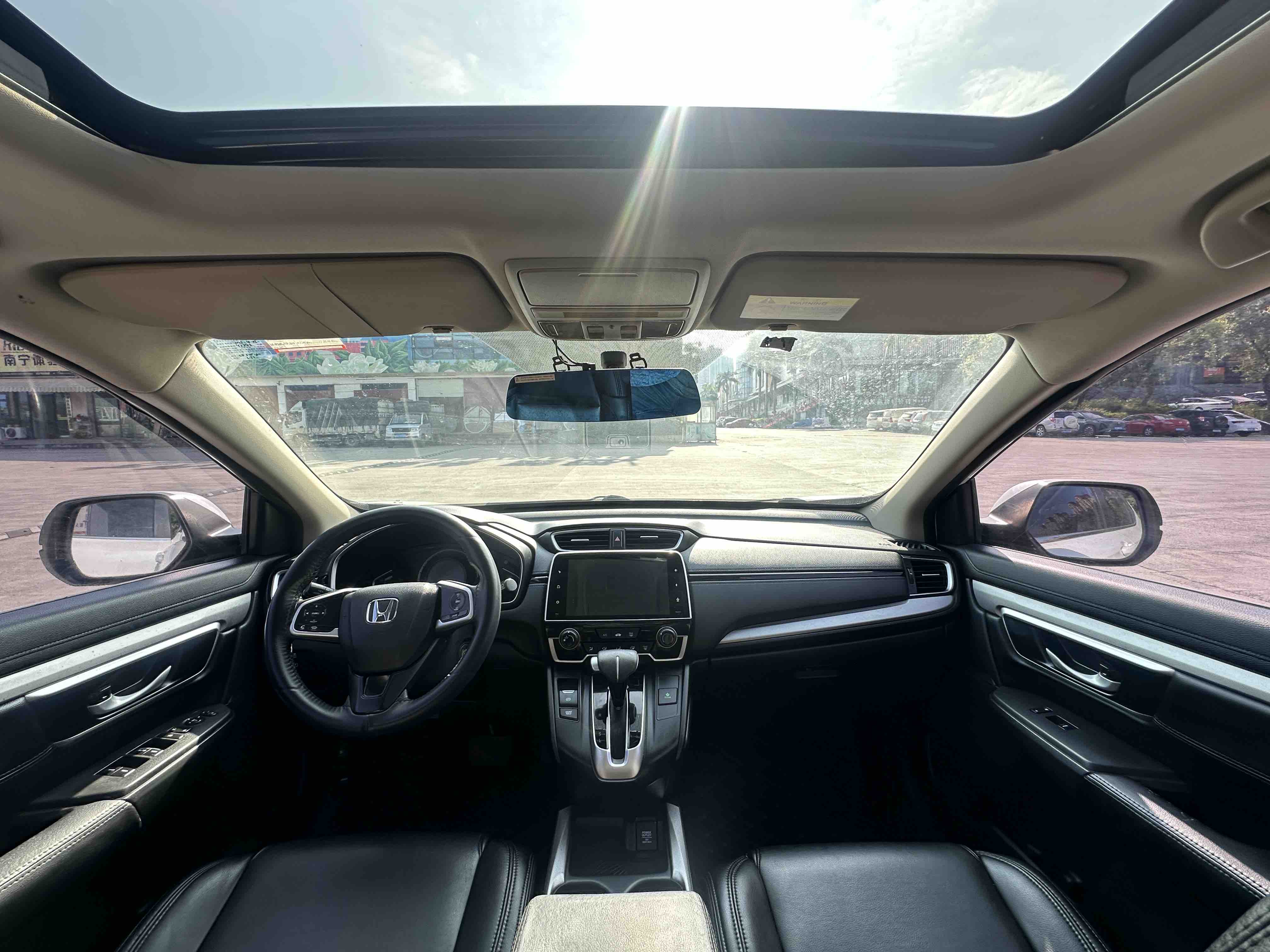
The vehicle's condition is roughly as described in the records; I'm unsure if it will pass the three-party assessment. There's a foul odor inside the vehicle, not like it's been flooded, but rather like something smelly is inside. The vehicle's condition awaits confirmation from the three-party assessment.

Configuration Highlights

✓Driver/Passenger Airbags
✓Front/Rear Side Airbags
✓Tire Pressure Monitoring
✓ISOFIX Child Seat Anchors
✓ABS Anti-lock Braking
✓Electronic Brake Distribution
✓Electronic Stability Control
✓Hill Start Assist
✓Auto Hold
✓Multifunction Steering Wheel
✓Seat Material
✓Rear Cupholders
✓Low Beam Headlights
✓Daytime Running Lights
✓Auto Headlights
✓Adjustable Headlight Height
✓Power Windows
✓Anti-pinch Windows
✓UV/Heat Insulating Glass
✓Climate Control Type
✓Rear Air Vents

Q&A

More

What are the common issues with this car? Has this car resolved them?

We will honestly inform you of the common issues with this model (such as the water pump failure in certain German cars) and show that this car has had the improved parts replaced.
Why are the shipping costs for used electric vehicles (EVs) usually higher than for internal combustion engine vehicles (ICEs)?

Pure electric vehicles are classified as Class 9 Dangerous Goods due to their large lithium batteries, leading to strict shipping regulations. Shipping companies have high requirements for the loading position and fire isolation measures for dangerous goods, and some roll-on/roll-off ships refuse to accept used EVs. As a result, EVs often require more expensive special container shipping and incur additional handling fees for hazardous materials.

Who is responsible for damages to the vehicle during maritime transport?

Be sure to purchase cargo insurance (all-risk or water damage insurance). In case of damage, claim with the bill of lading, insurance policy, and proof of damage at the destination port.