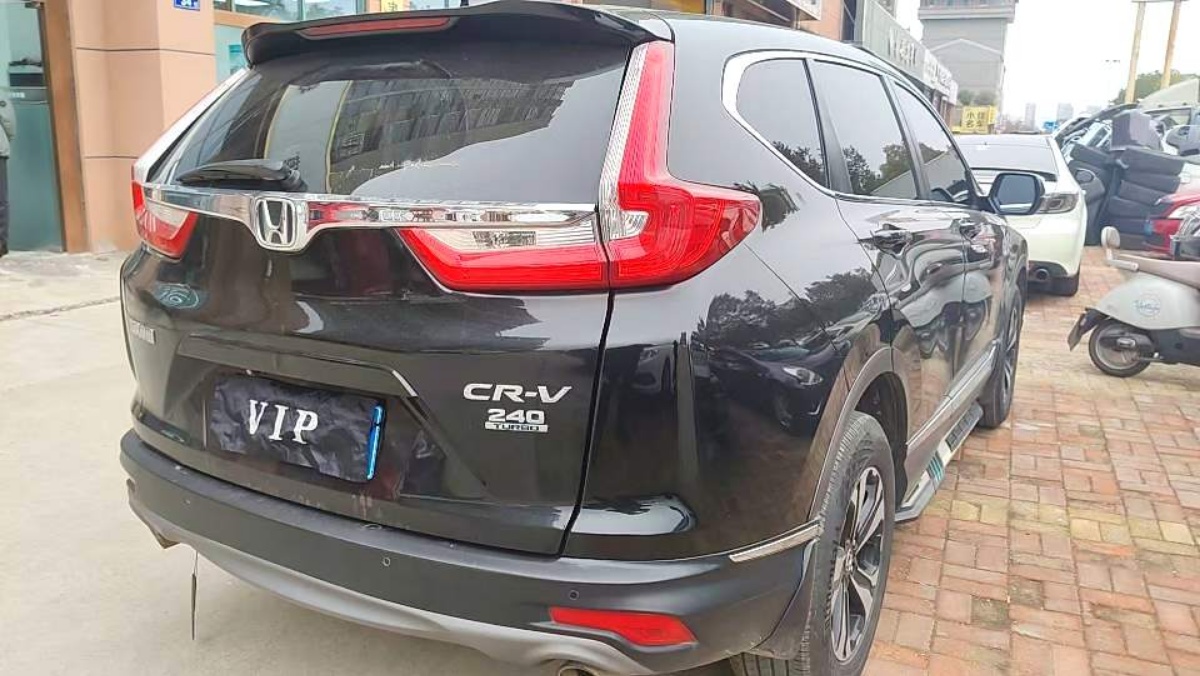
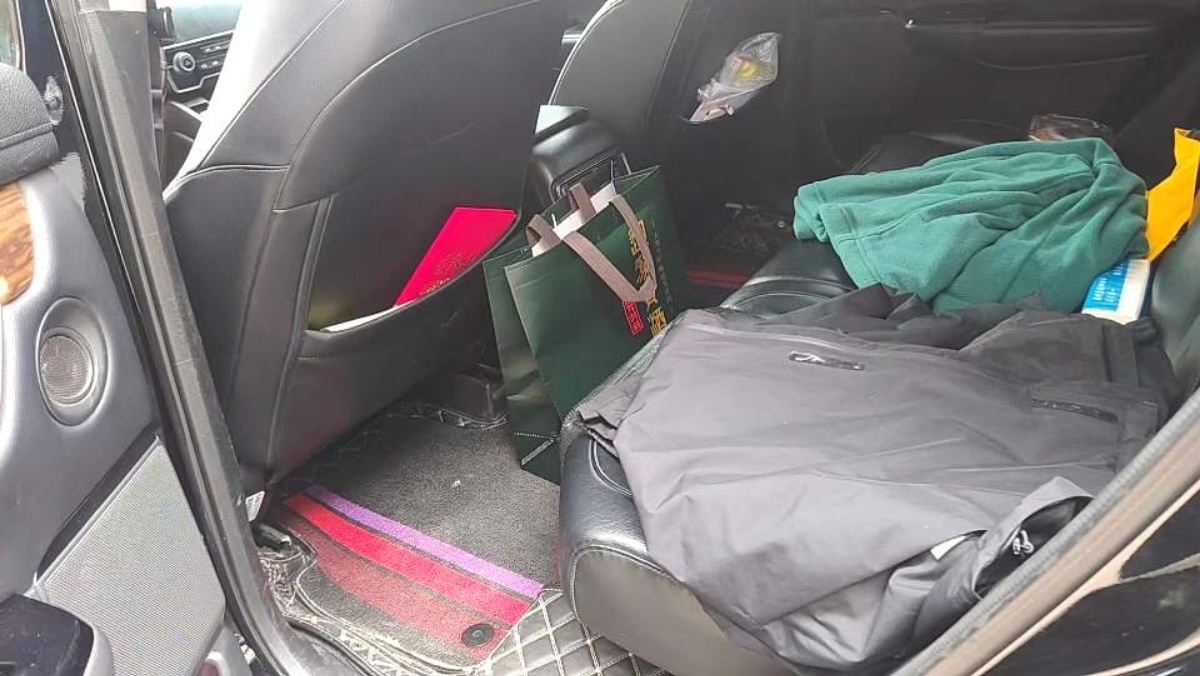
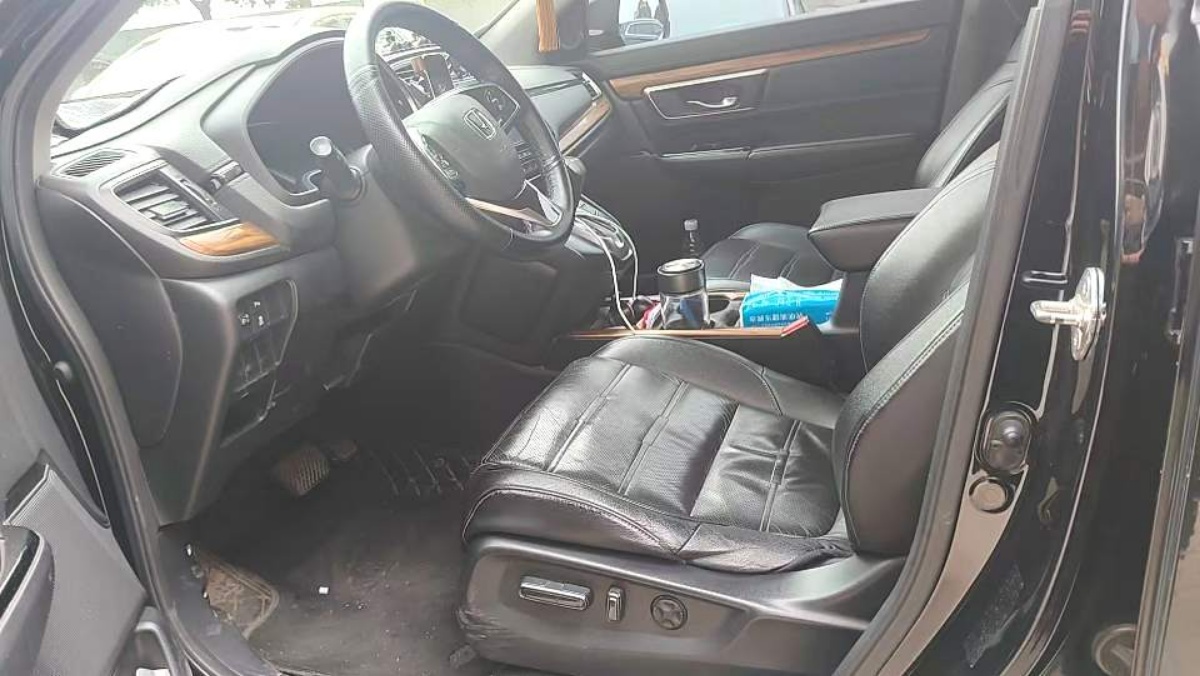
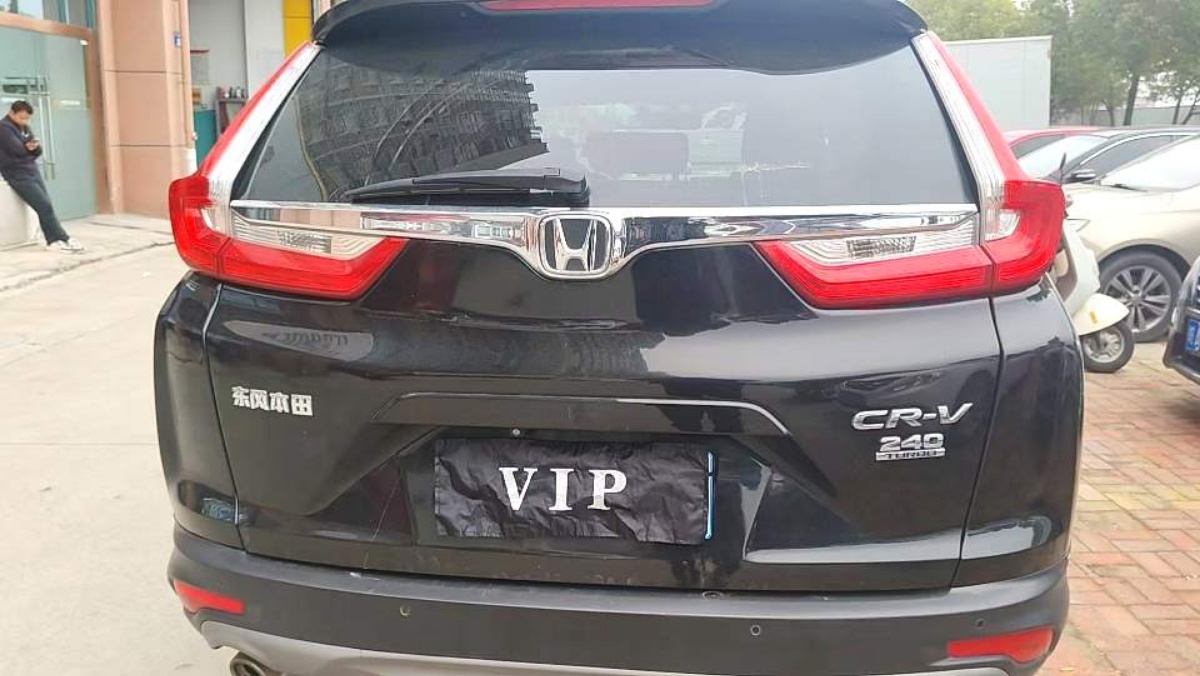


Basic Information

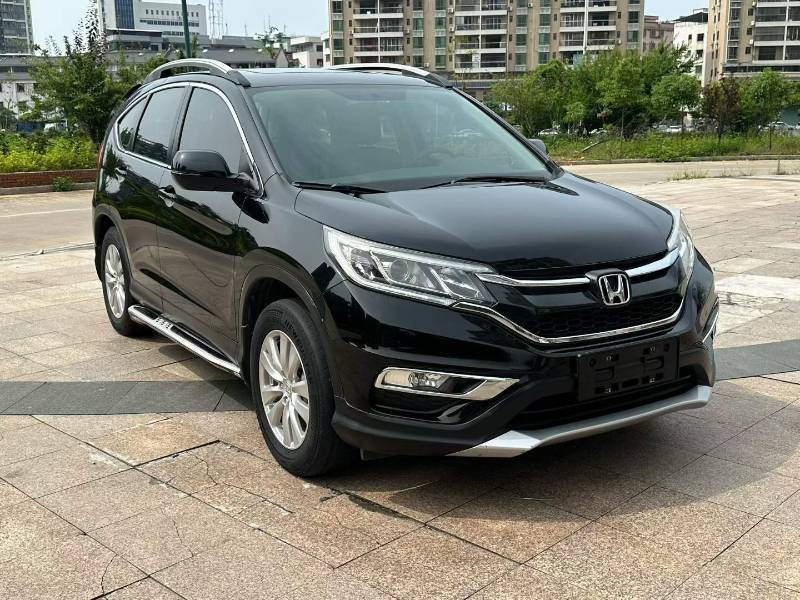
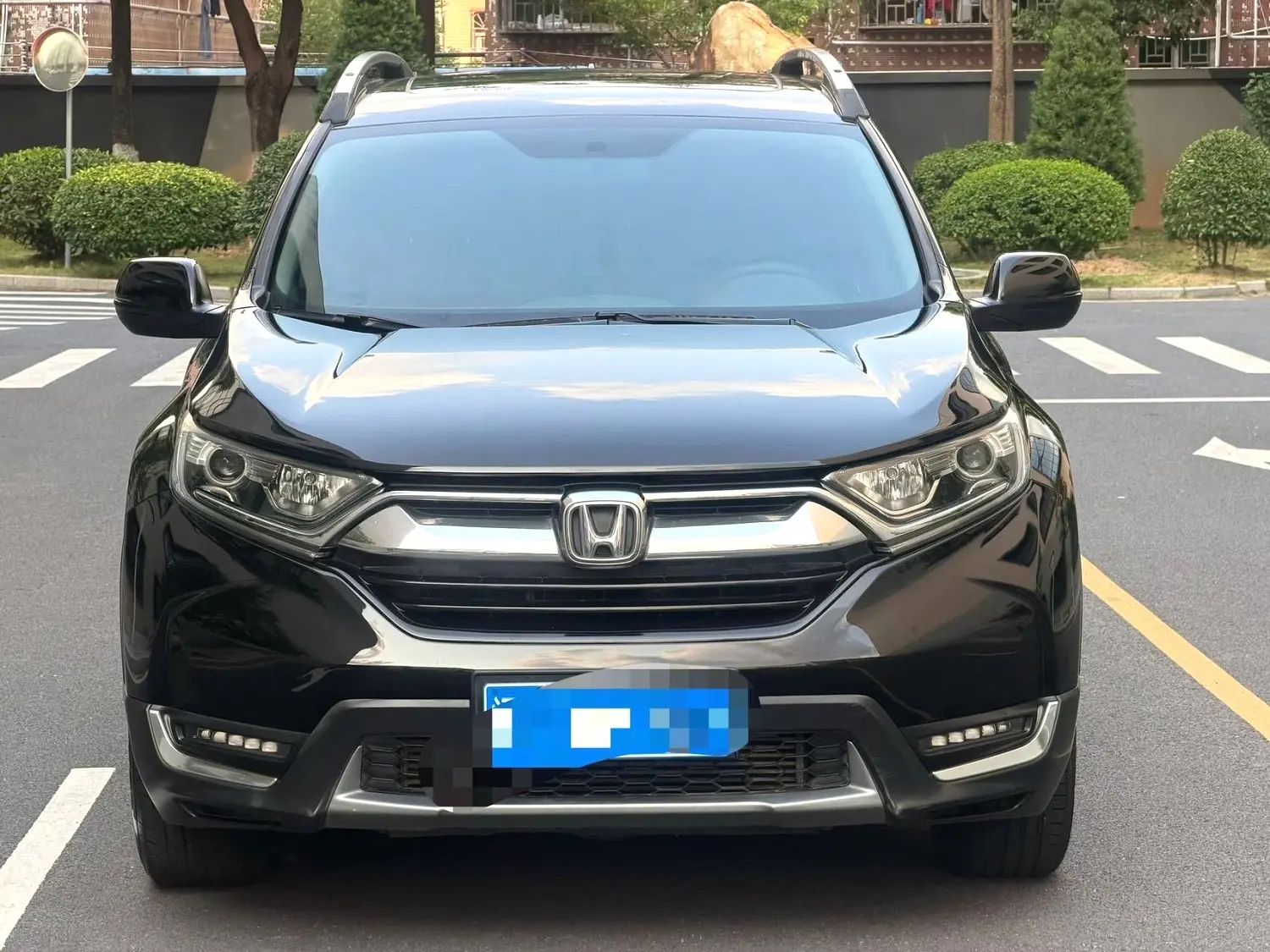
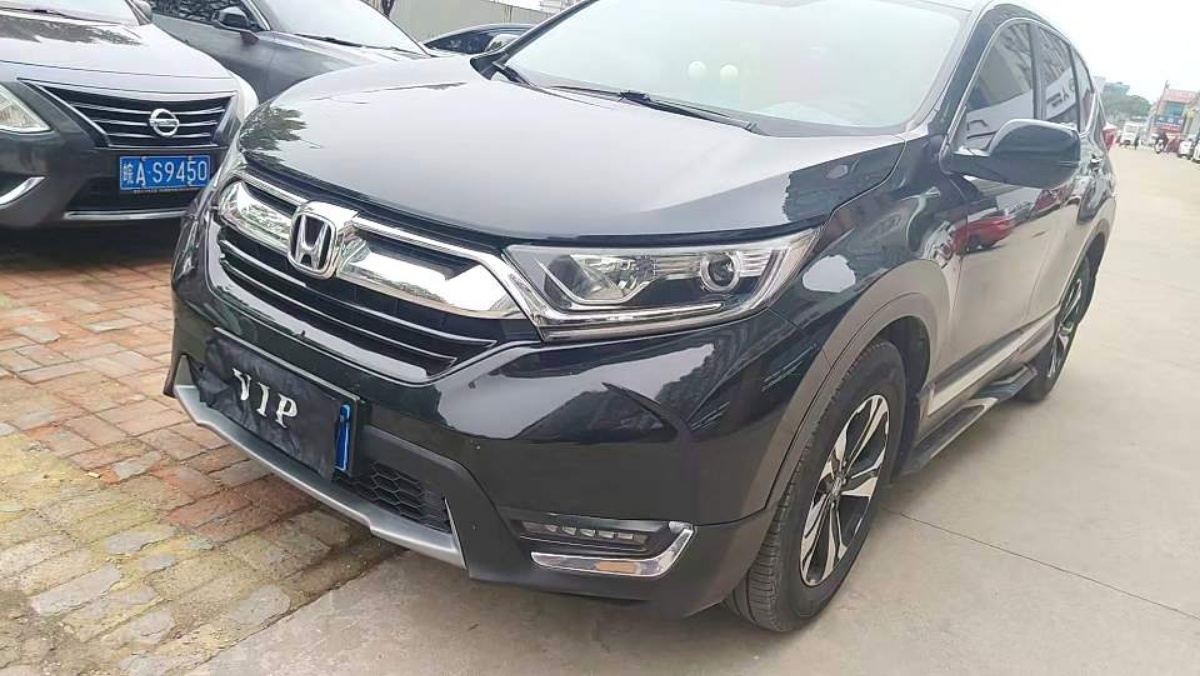
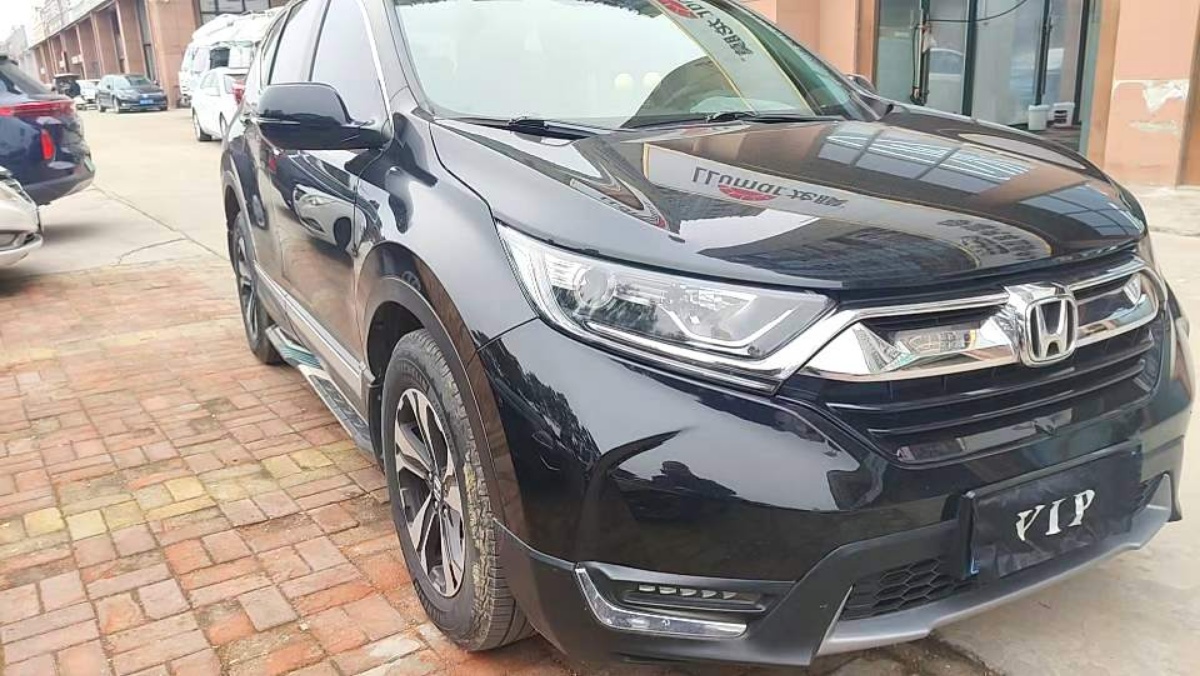
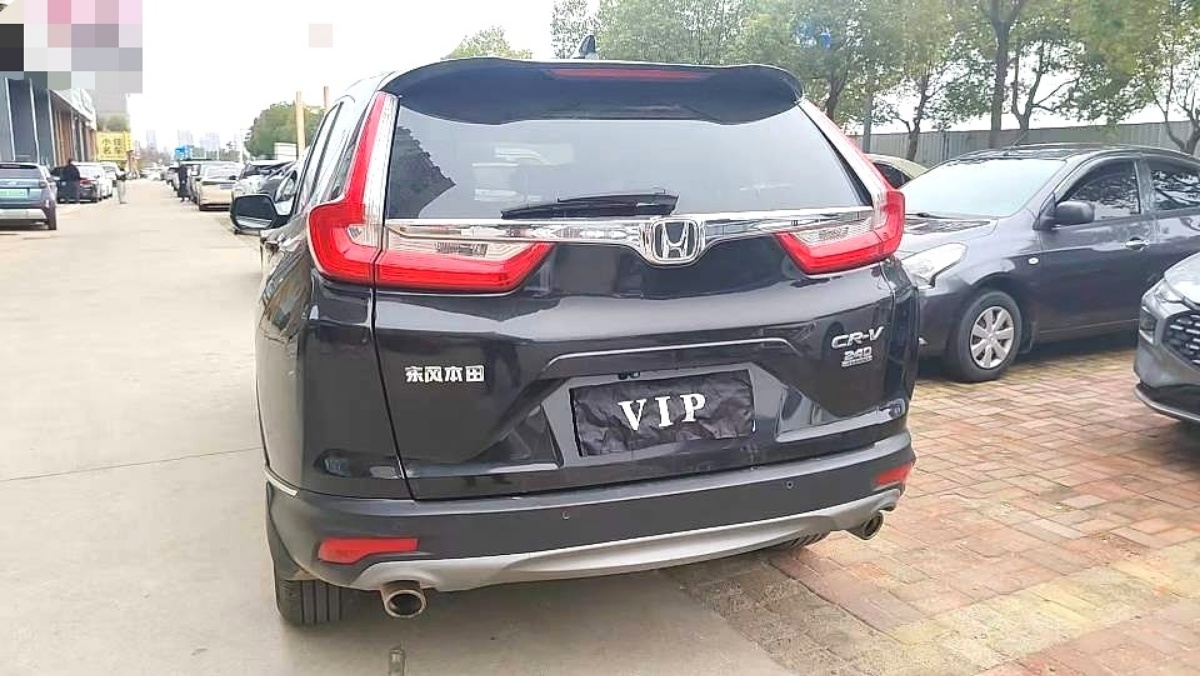
BrandHonda
SeriesCR-V
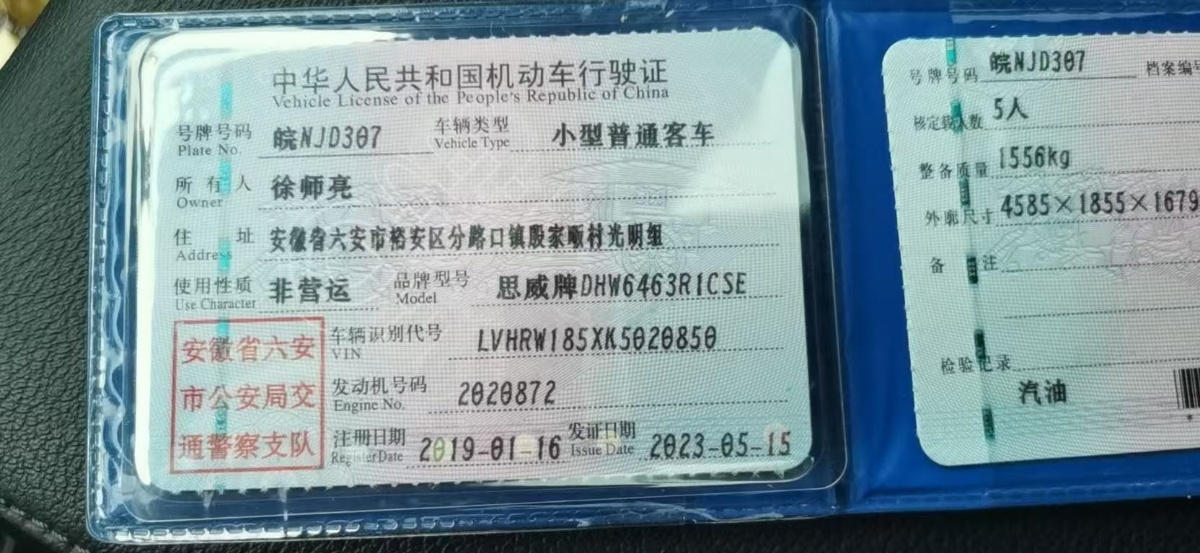
Year2019
First Registration2019/01
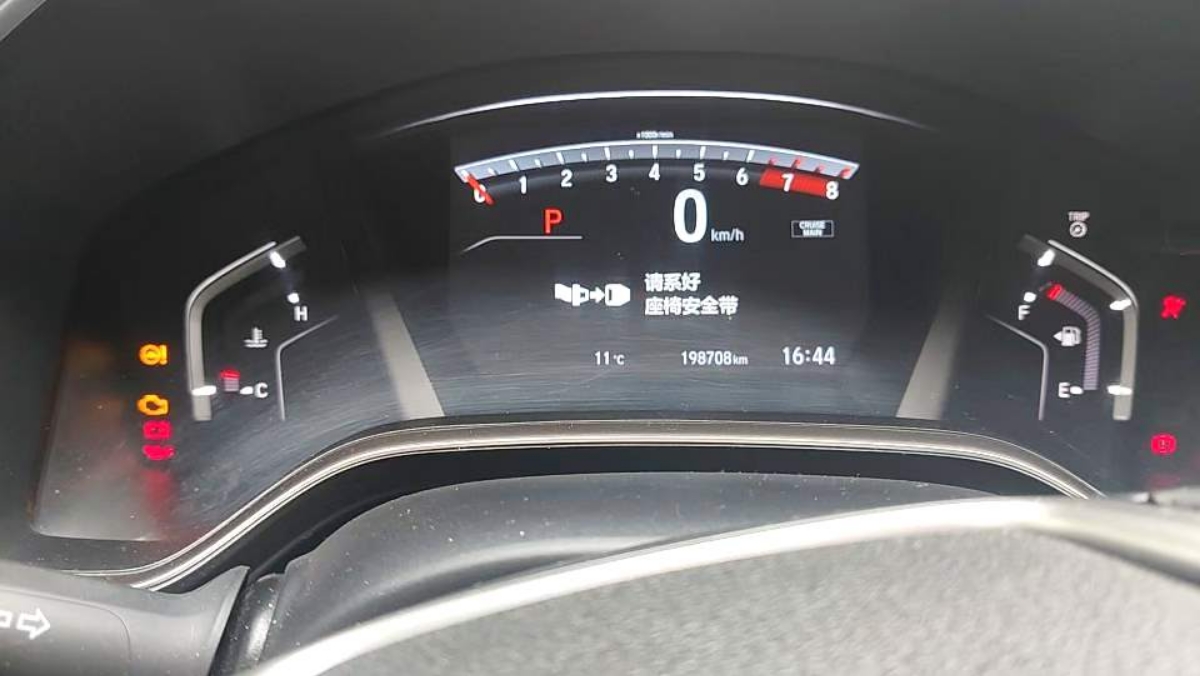
Mileage190,000km
Transfer Count1times
FuelGasoline
TransmissionCVT
Engine1.5T 193 L4
ColorBlack
Seats-

Condition Description

Original paint on all four sides with no screws removed.

燃油车
SUV
自动
维保开放
事故开放
查验开放

Configuration Highlights

✓品牌: 本田
✓车系: 本田CR-V
✓车型: 2019款 240TURBO CVT两驱风尚版 国V
✓车身类型: SUV
✓座位数: 5
✓排量: 1.5T
✓变速箱: 自动
✓能源类型: 燃油车
✓VIN: LVHRW185XK5020850
✓搜索关键词: 本田本田CR-V 2019款本田CR-V240TURBOCVT两驱风尚版国V

Document Information

Inspection Expiry Date2027/01
Warranty Expiry Date-
Insurance Expiry Date2027/01

Q&A

More

After picking up the car, I found the tire pressure warning (TPMS). How can I reset the tire pressure sensor myself?

Temperature differences during sea transport can easily trigger the tire pressure warning. After inflating the tires to the standard pressure (usually 2.5 Bar), most vehicles will automatically clear the warning after driving a few kilometers; some models require manually clicking "Tire Pressure Reset" in the "Vehicle Settings" on the central screen.


Will all electronic buttons in the car (windows, air conditioning, seat adjustments) undergo electrical testing?

Testing is mandatory. Troubleshooting electrical devices in the car is part of the standard procedure. We will test the window lift motors, mirror folding, air conditioning compressor and fan, electric seat tracks, etc. Any stuttering or failure of electronic components will be recorded.

How to prove the state of health (SOH) of a second-hand electric vehicle battery? Will a testing report be provided?

We understand that the power battery is the core asset of an EV. Before export, our technical team will use professional OBD diagnostic equipment to read the underlying data from the Battery Management System (BMS). We will provide you with a technical report that includes key indicators such as battery health percentage (SOH), cell pressure differences, and charge-discharge cycle counts. If the SOH is below our established export safety standard (usually above 80%, depending on the vehicle's age), the vehicle will be intercepted and not sent overseas.