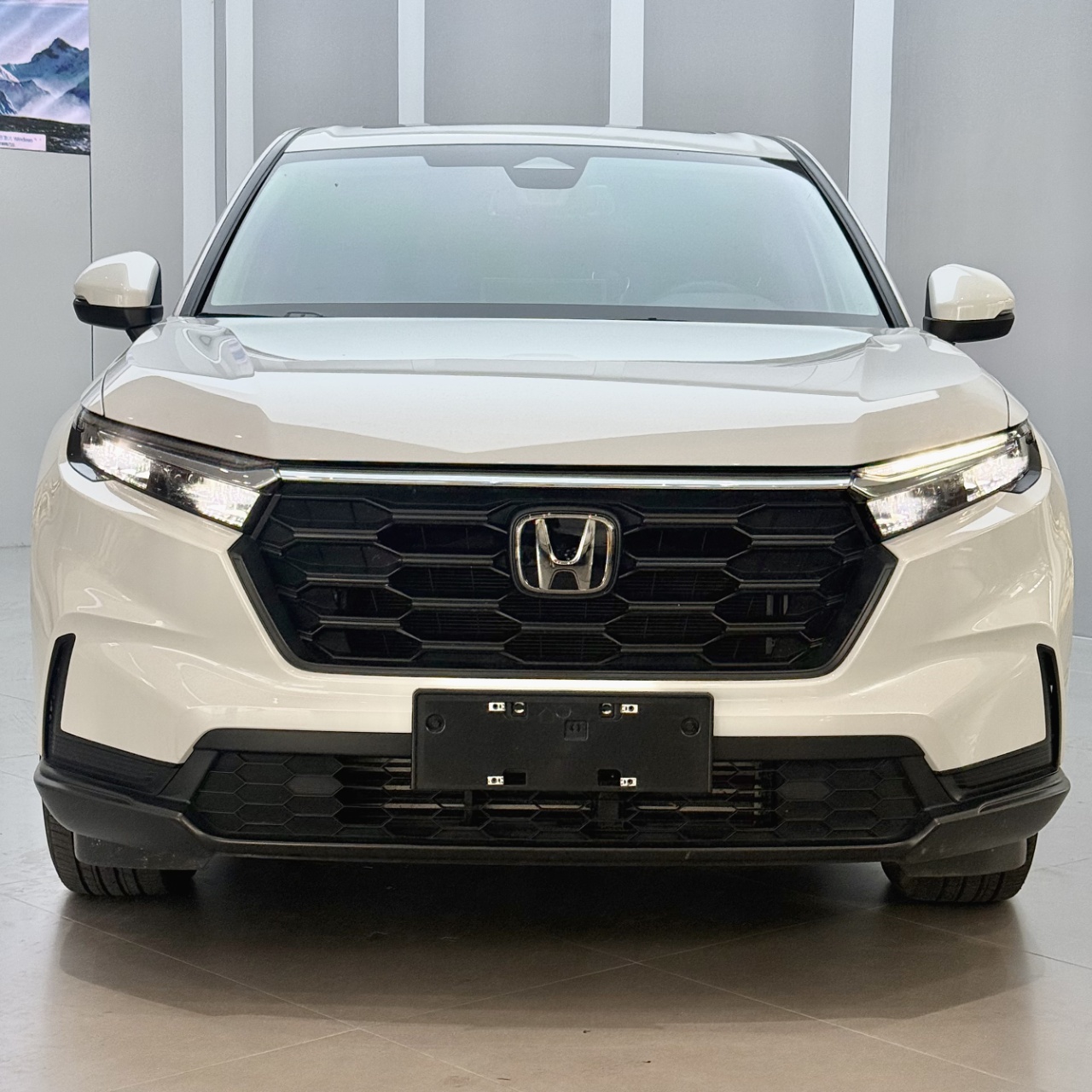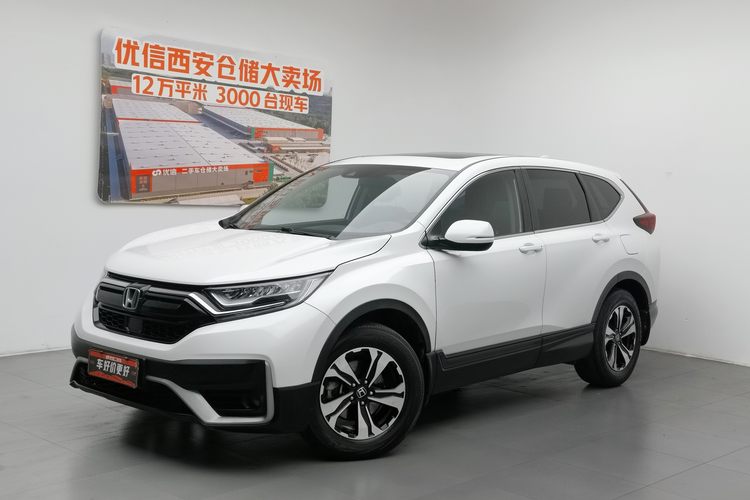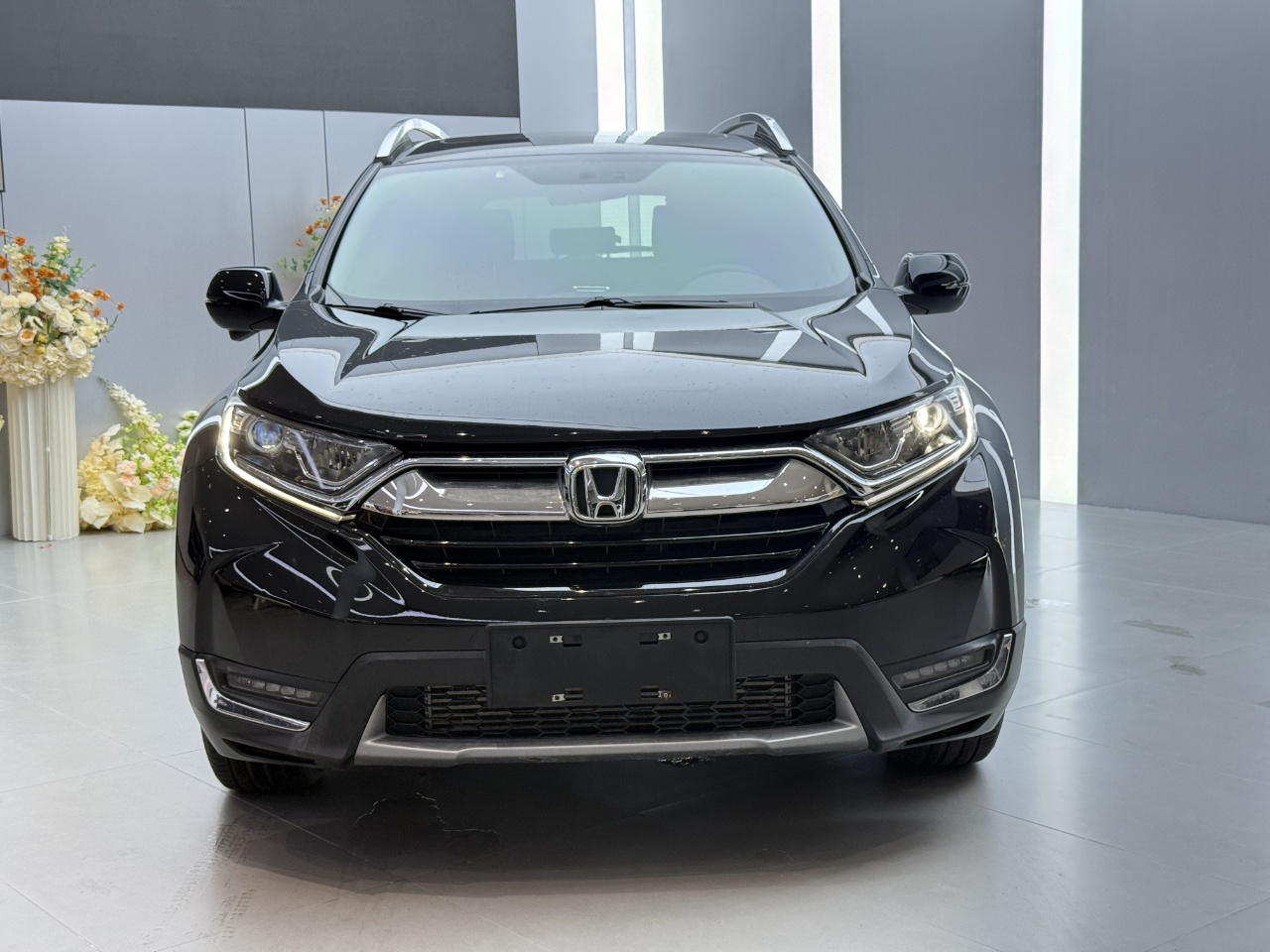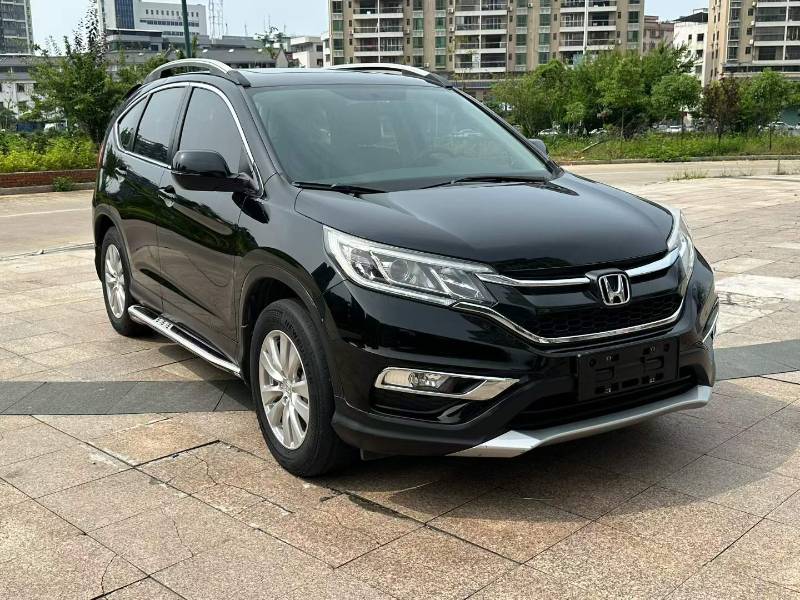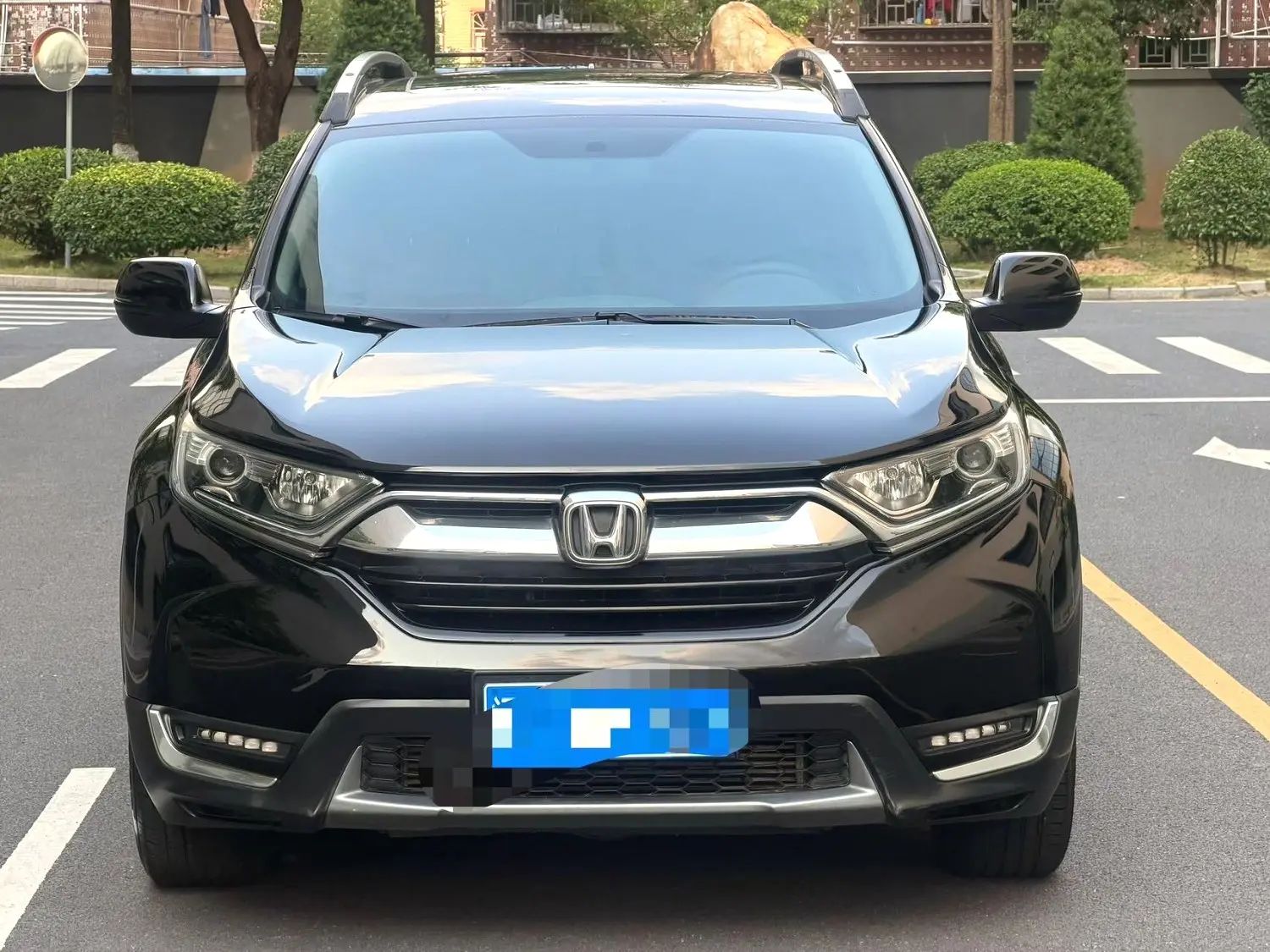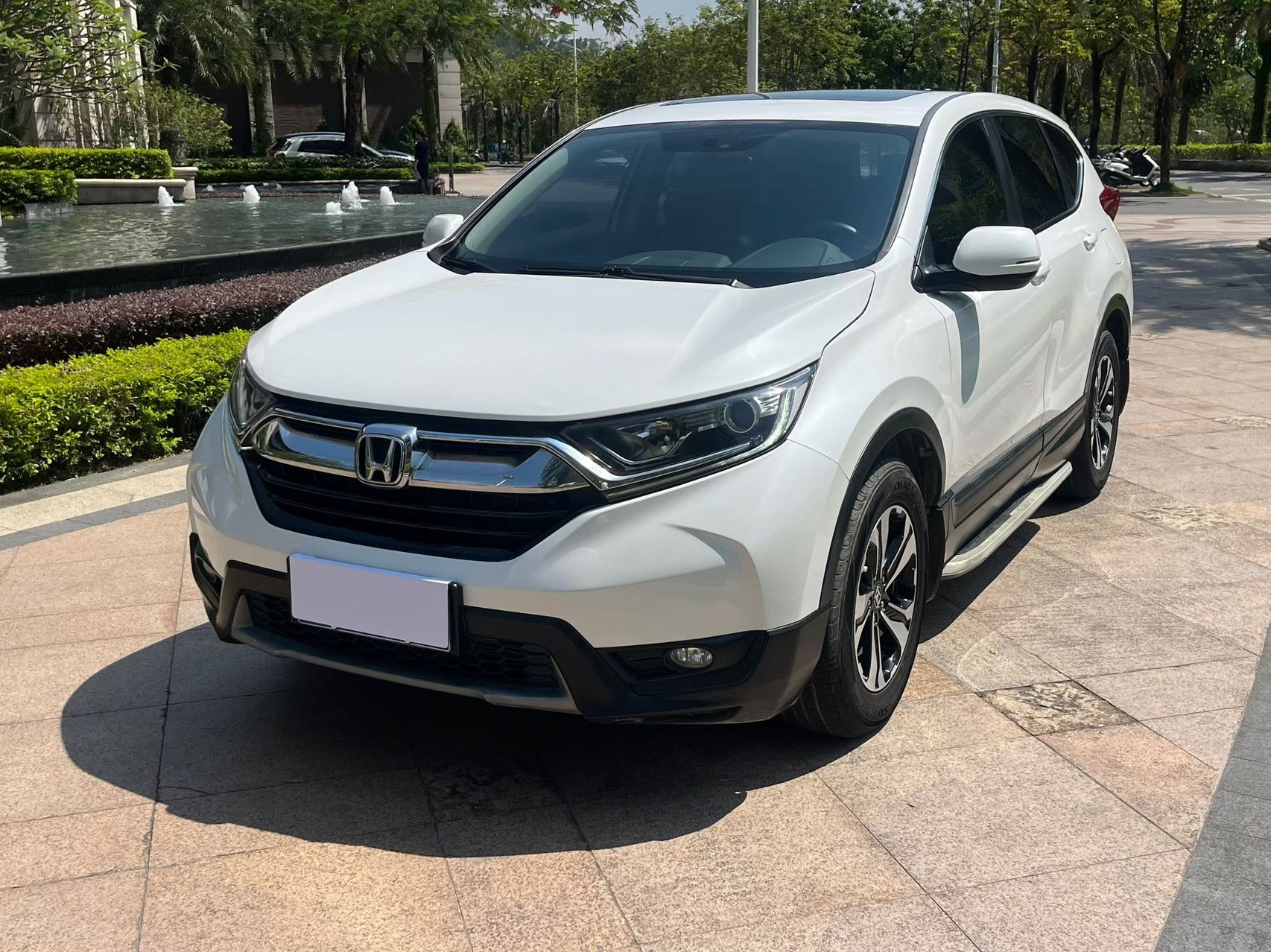
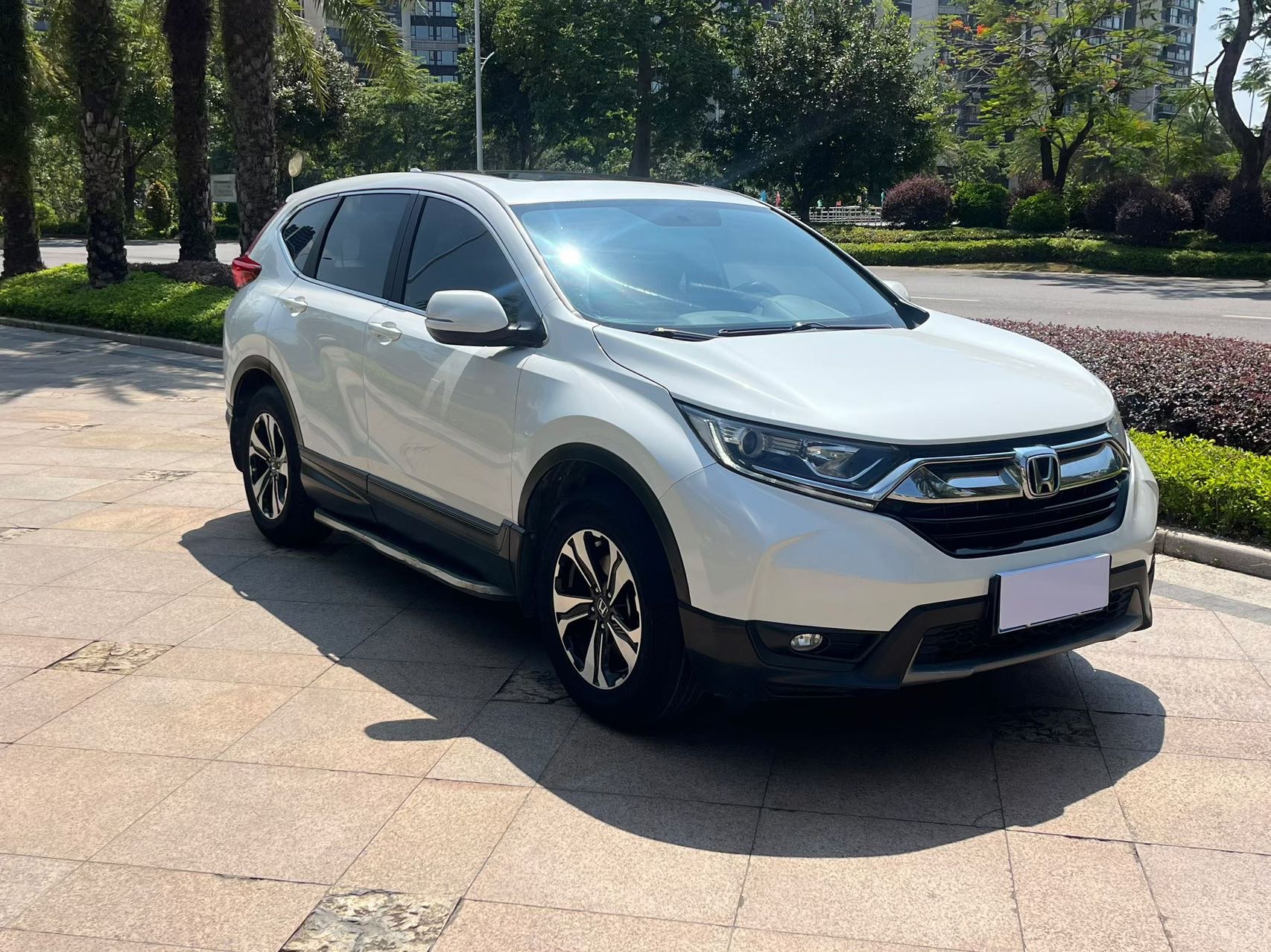
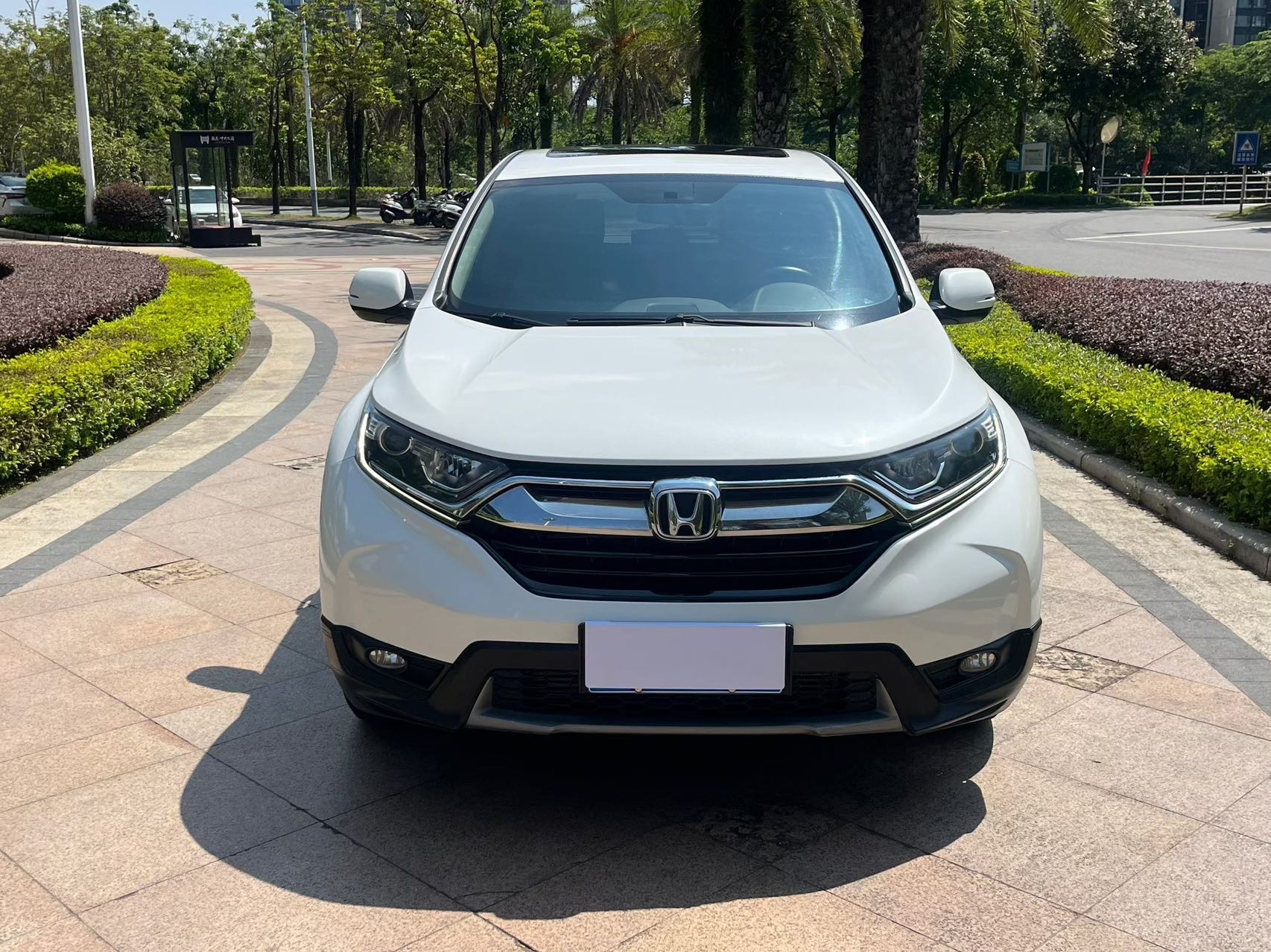
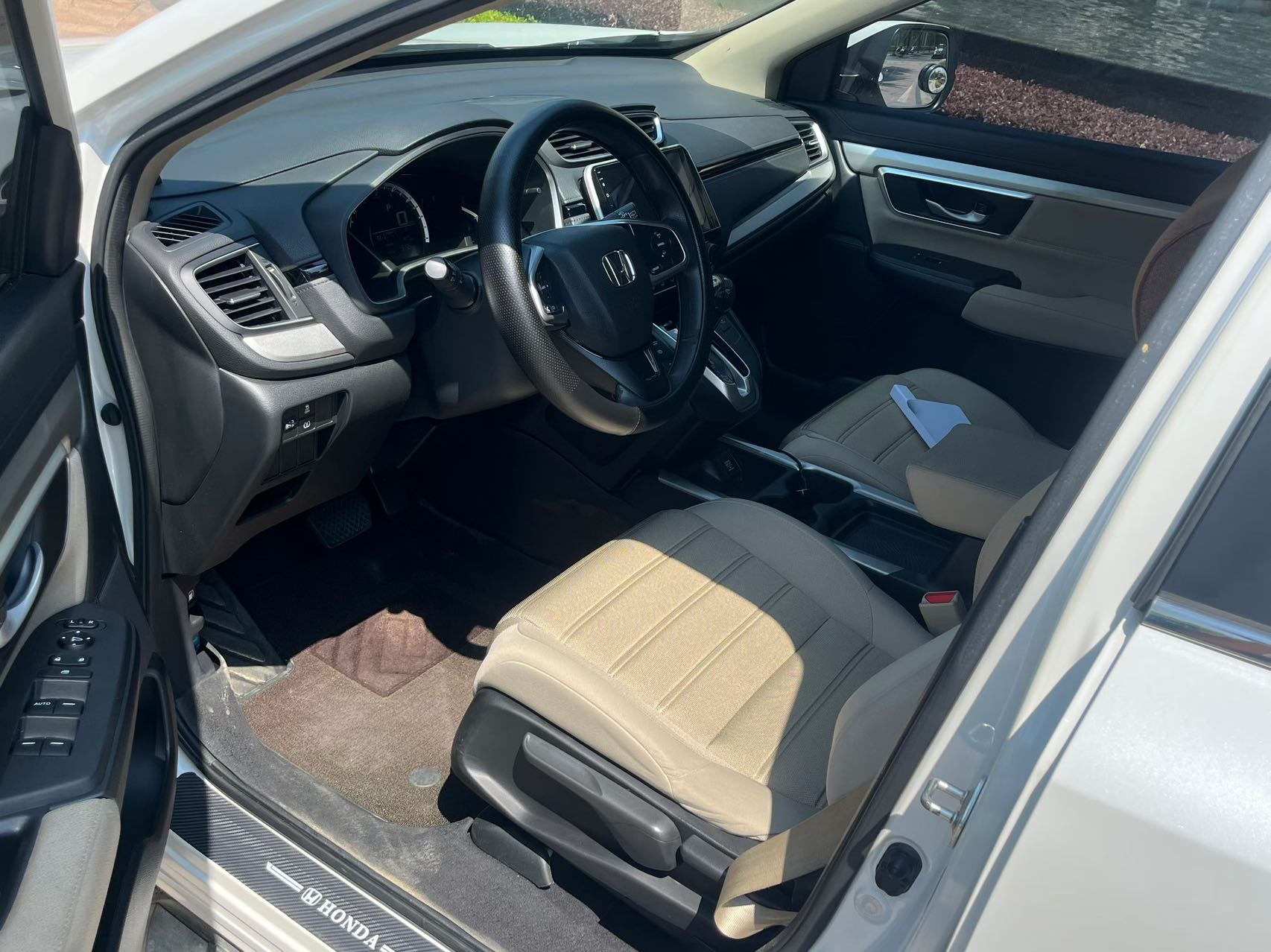
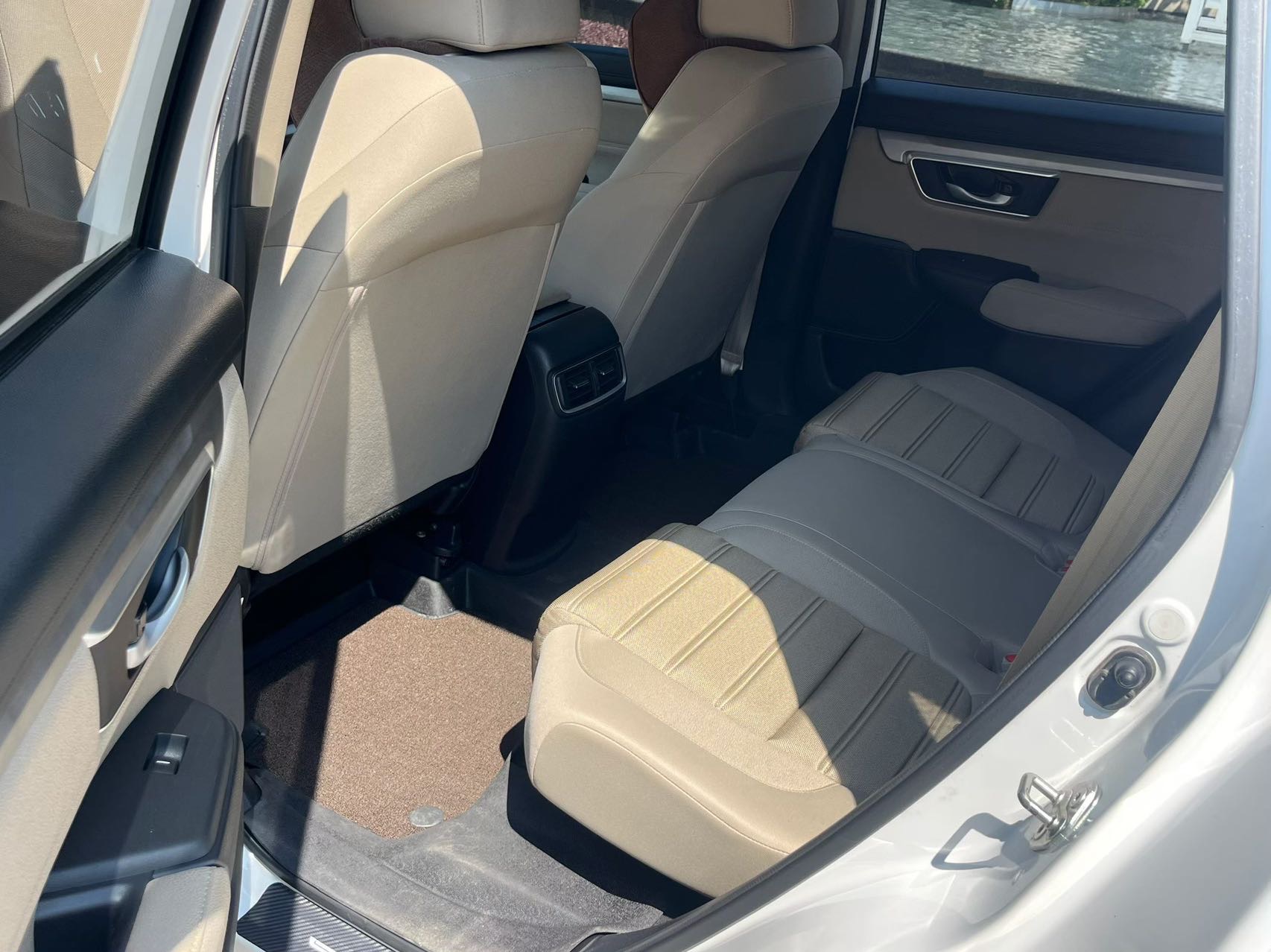
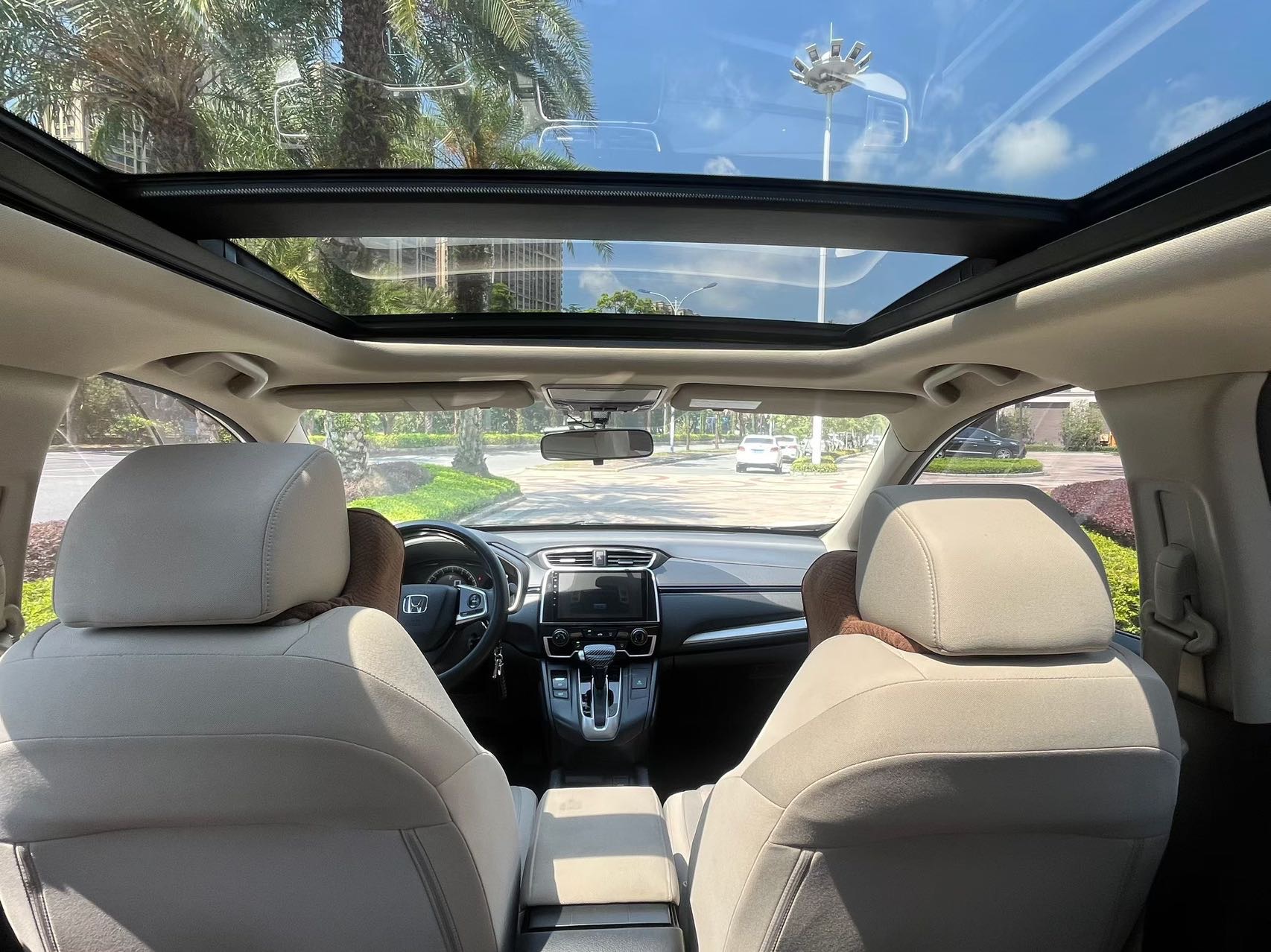
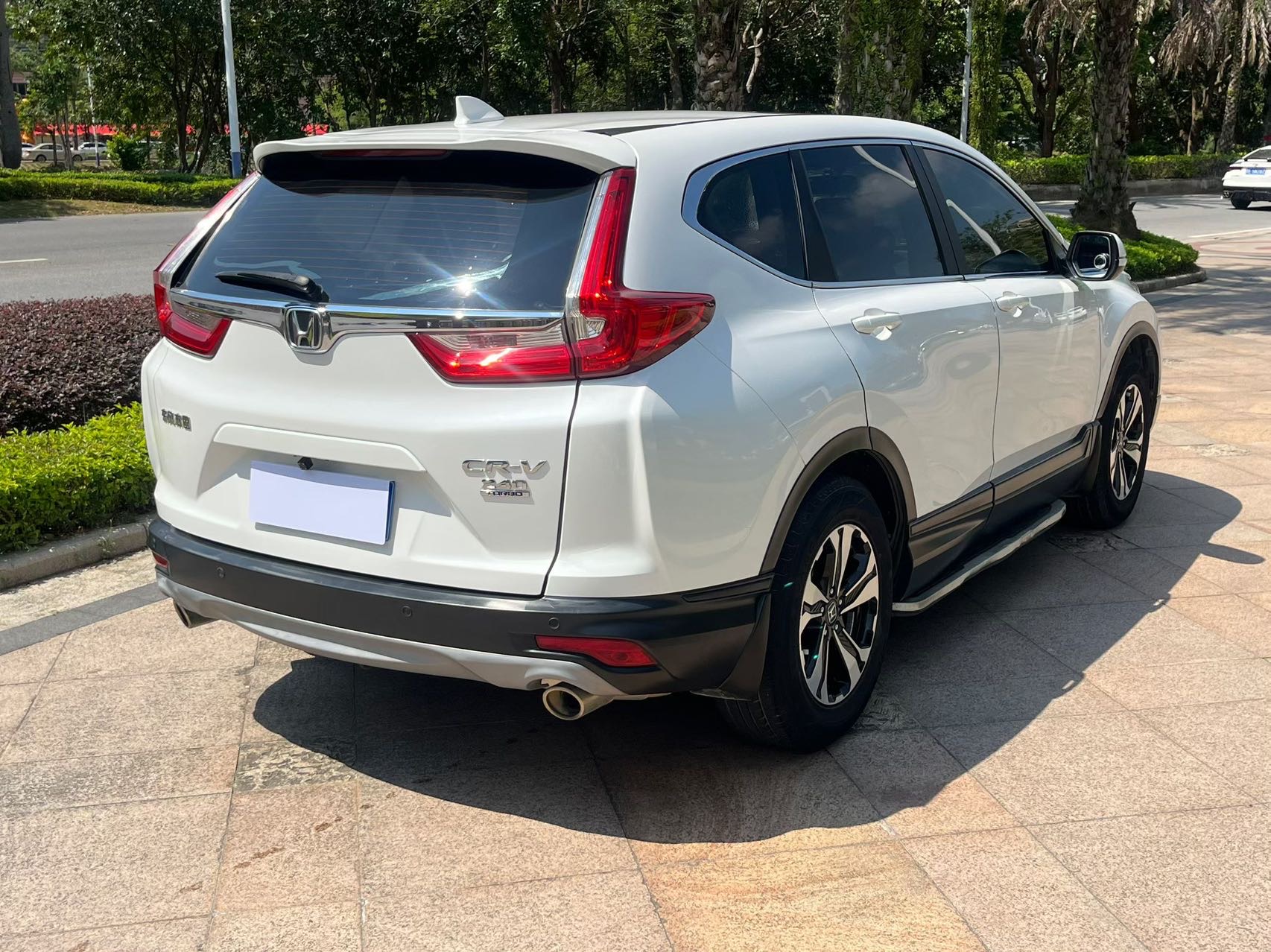
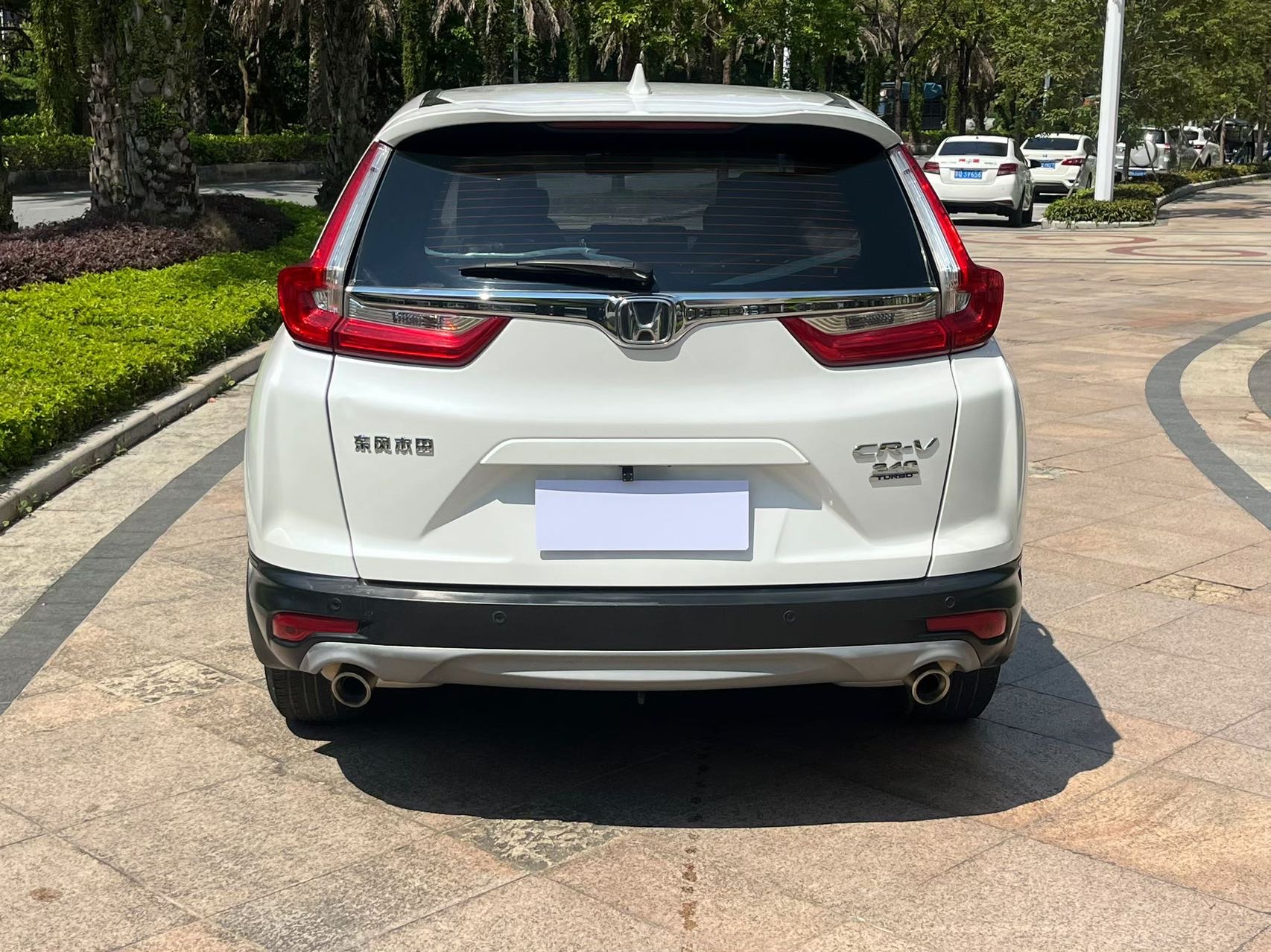
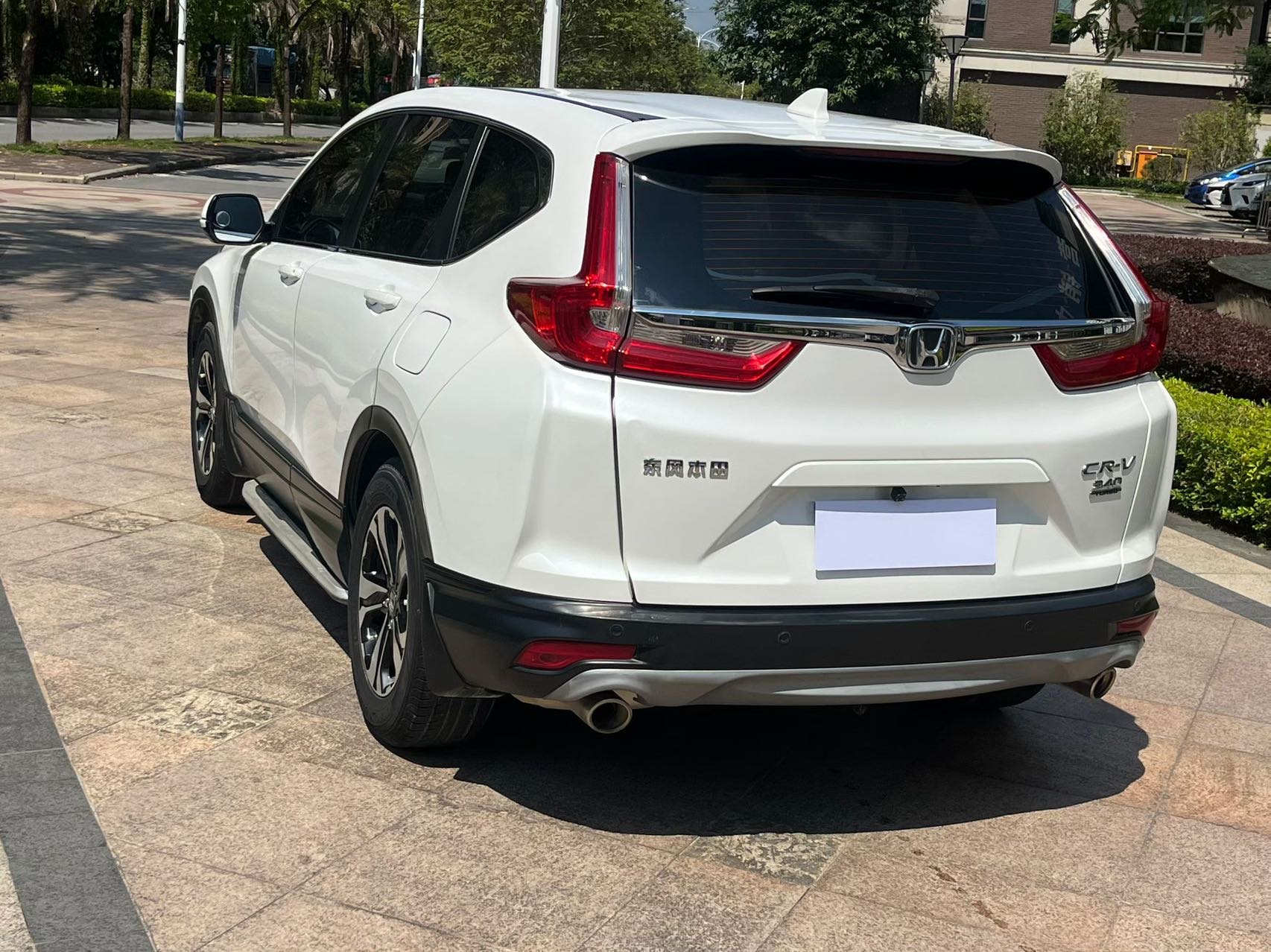



Basic Information

BrandHonda
SeriesCR-V
Year2019
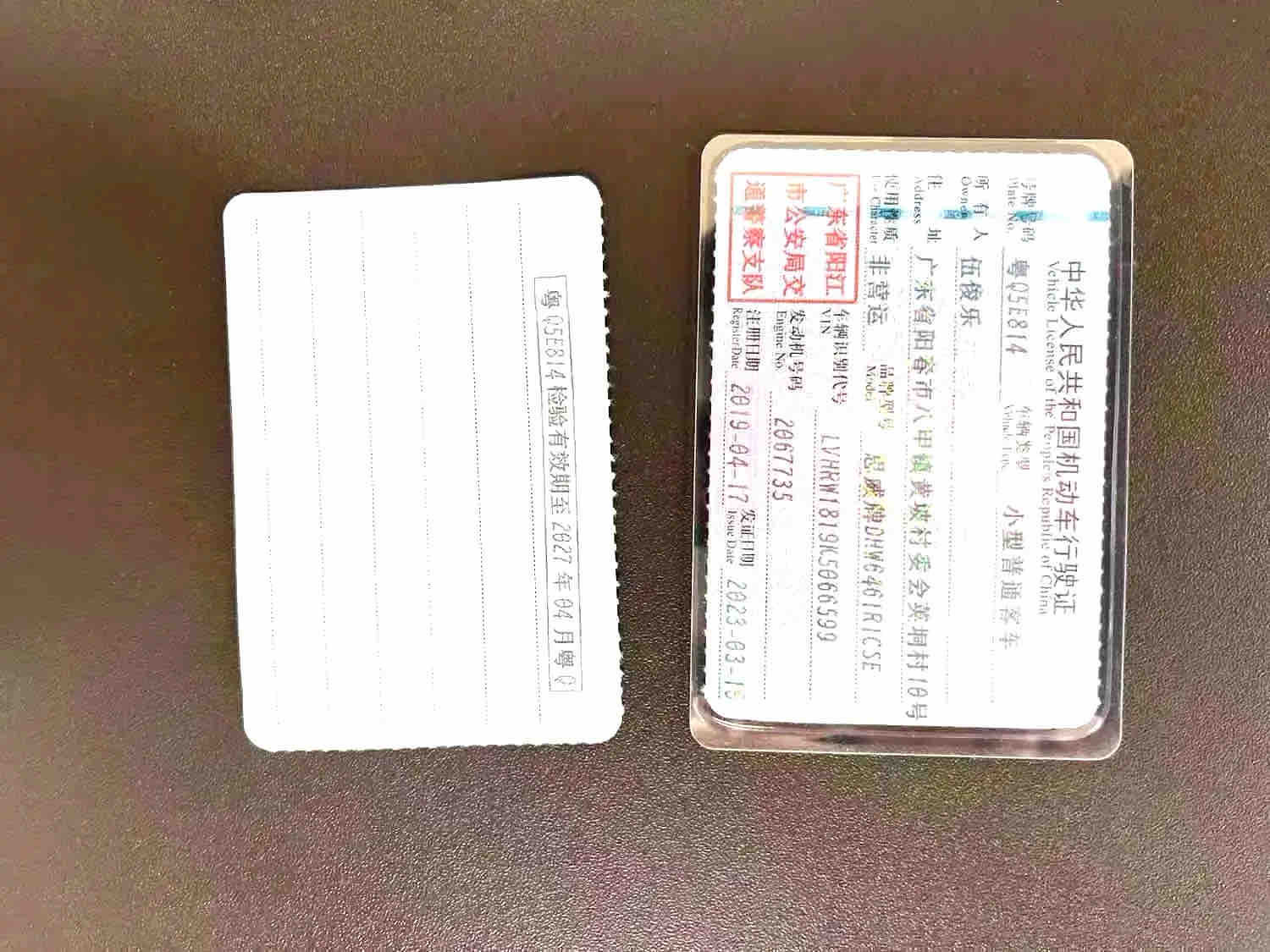
First Registration2019/04
Mileage60,000km
Transfer Count1times
FuelGasoline
TransmissionCVT
Engine1.5T 193 L4
ColorWhite
Seats-

Condition Description

Third-party inspection report: front bumper replaced at 5,000 km; metal body panels retain original paint.

燃油车
轿车
自动
Inspection report
维保开放
事故开放
查验开放

Configuration Highlights

✓品牌: 本田
✓车系: 本田CR-V
✓车型: 2019款 240TURBO CVT两驱舒适版 国V
✓车身类型: 轿车
✓排量: 1.5T
✓变速箱: 自动
✓能源类型: 燃油车
✓VIN: LVHRW1819K5066599
✓搜索关键词: 本田本田CR-V 2019款本田CR-V240TURBOCVT两驱舒适版国V

Document Information

Inspection Expiry Date2027/04
Warranty Expiry Date-
Insurance Expiry Date2027/04

Q&A

More

How do I evaluate interior wear on a used car from China to estimate real mileage and usage intensity?

Interior wear is harder to fake than an odometer and often reveals true usage better than any document. Focus on high-contact points the seller rarely restores. The driver's seat bolster shows creasing and cracking by 80,000-100,000 km even with covers. Steering wheel leather polishes smooth and darkens with hand oils; a shiny wheel with low claimed mileage is a red flag. Pedal rubbers wear through at similar rates — check accelerator, brake, and clutch depth. Second-row wear patterns tell you how the car was used: heavy child-seat indentations suggest family use (usually gentler), while uniform rear wear with clean front suggests commercial or ride-hailing duty. Check seat rails for rust (indicates water ingress) and look under floor mats for moisture staining or musty smell — flood cars often hide it there. Also examine the infotainment and instrument cluster: Chinese EVs log usage data internally, and a dealer diagnostic readout can cross-check driving hours against mileage. Request close-up, well-lit photos of these specific points during your live video inspection rather than relying on the seller's gallery.


Which documents prove a used car exported from China is legal to import, and how do I verify them?

Key documents to request and verify: 1. Export declaration (报关单): proves the car legally left China. Check the VIN, model and exporter name match the car. 2. Commercial invoice: must match your payment amount; customs uses it to assess duties. 3. Bill of lading: confirm the consignee is you or your agent, and the VIN/container number is correct. 4. Certificate of origin: needed for tariff preferences in some markets. 5. Condition/inspection report: ideally from an independent third party, with photos and dates. Verification tips: cross-check the VIN on every document — any mismatch causes customs holds. Ask your destination customs broker to review scanned copies before the car ships, and release the final payment only after documents pass that review. A legitimate exporter will provide all of these without hesitation.

If I want to upgrade the factory halogen headlights to LED headlights and it causes the vehicle's BCM (Body Control Module) to lock, can you assist in unlocking it?

It's extremely difficult. Unauthorized modifications can lead to module current overload protection, resulting in a lock. In China, you need to use the factory online engineer account to reprogram it. It's basically impossible to perform online decoding overseas. We strongly warn against blindly modifying the electrical systems of modern integrated circuit vehicles.