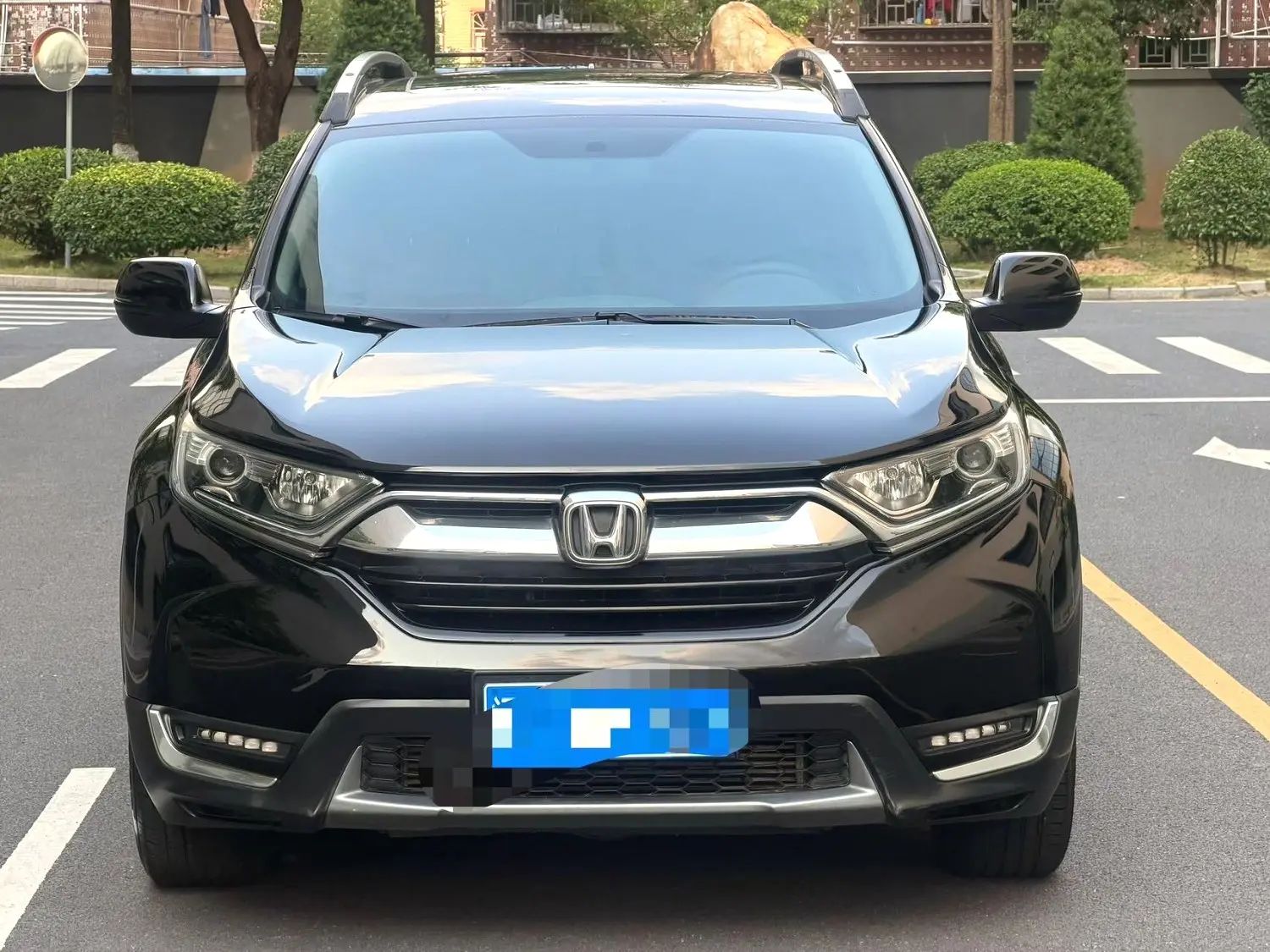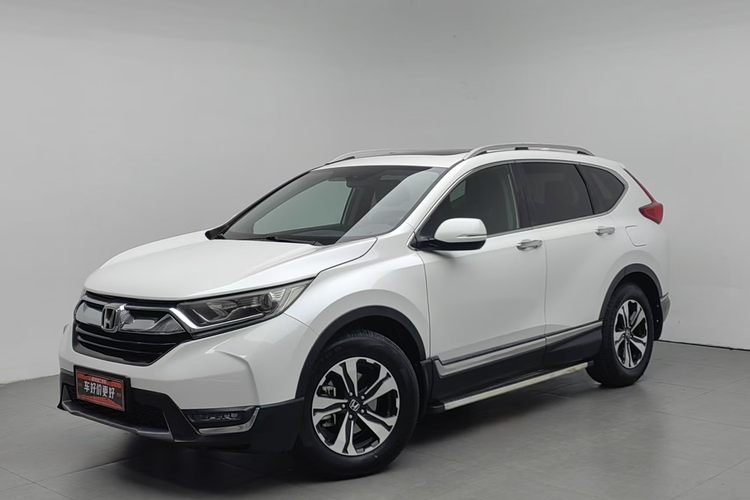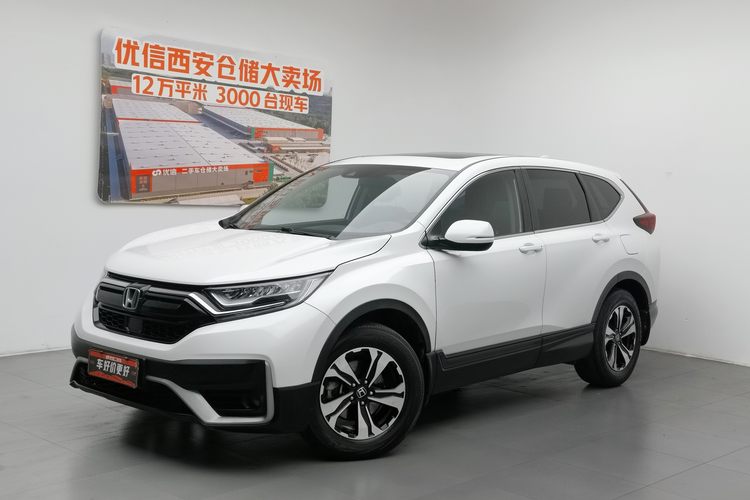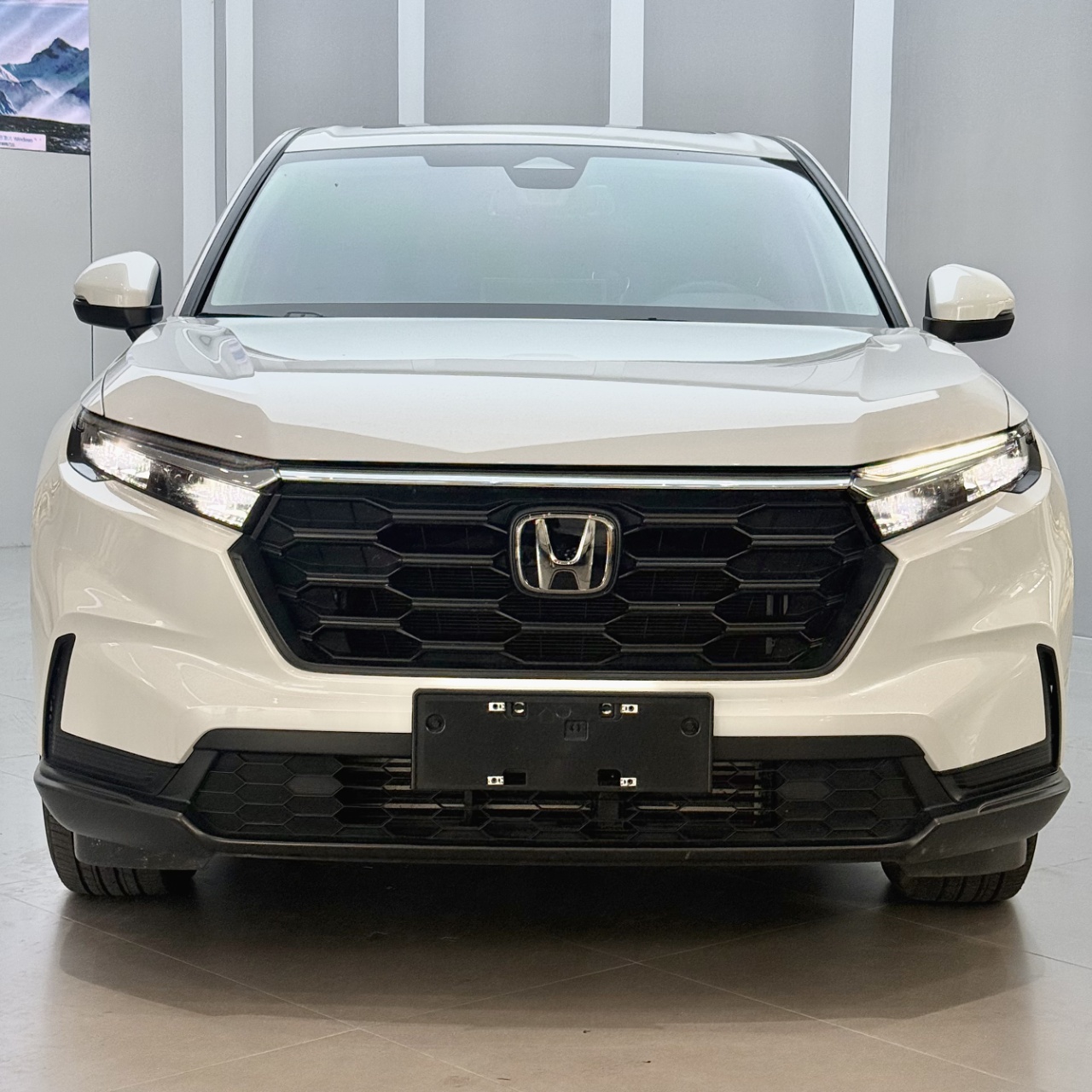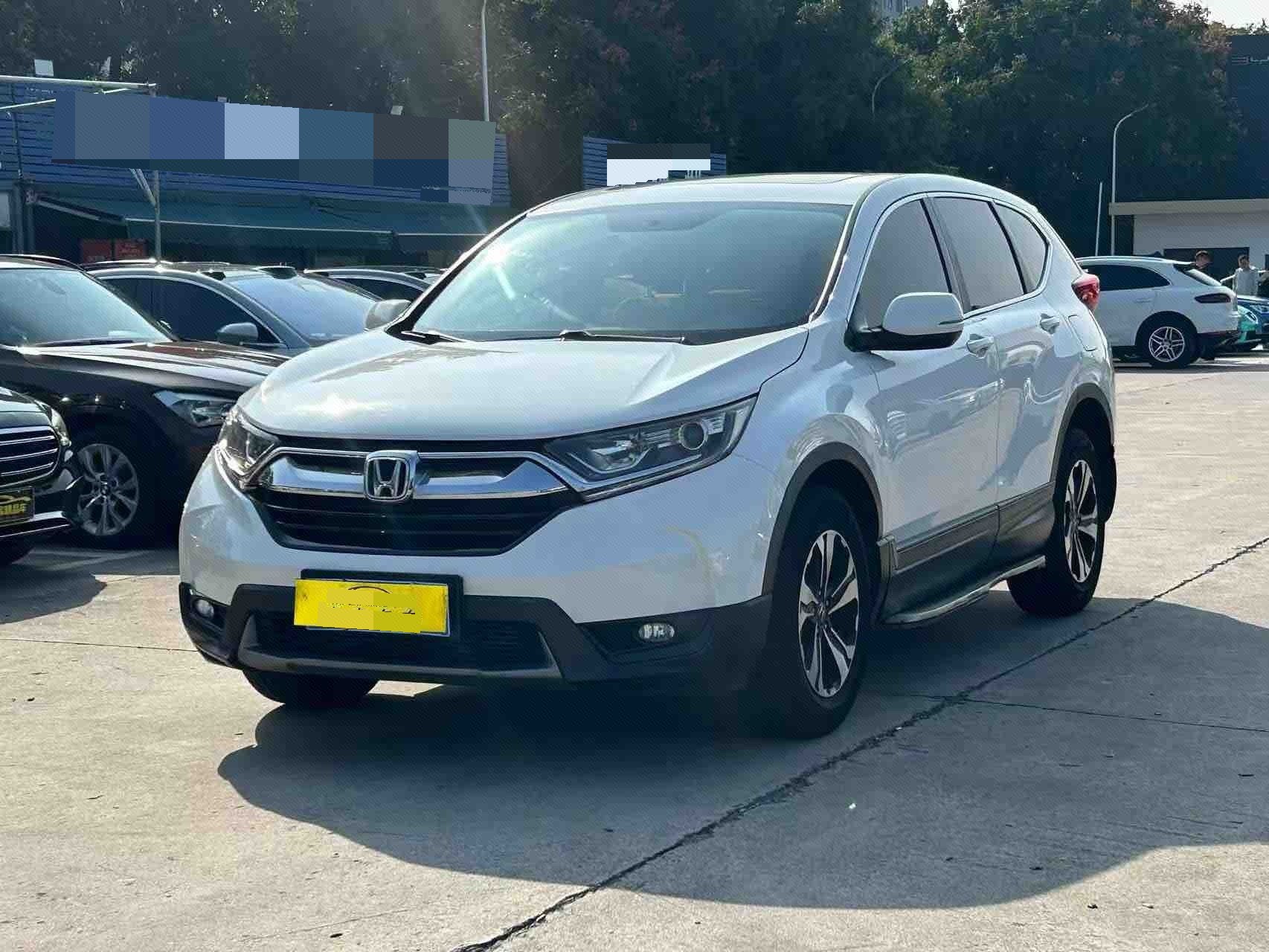
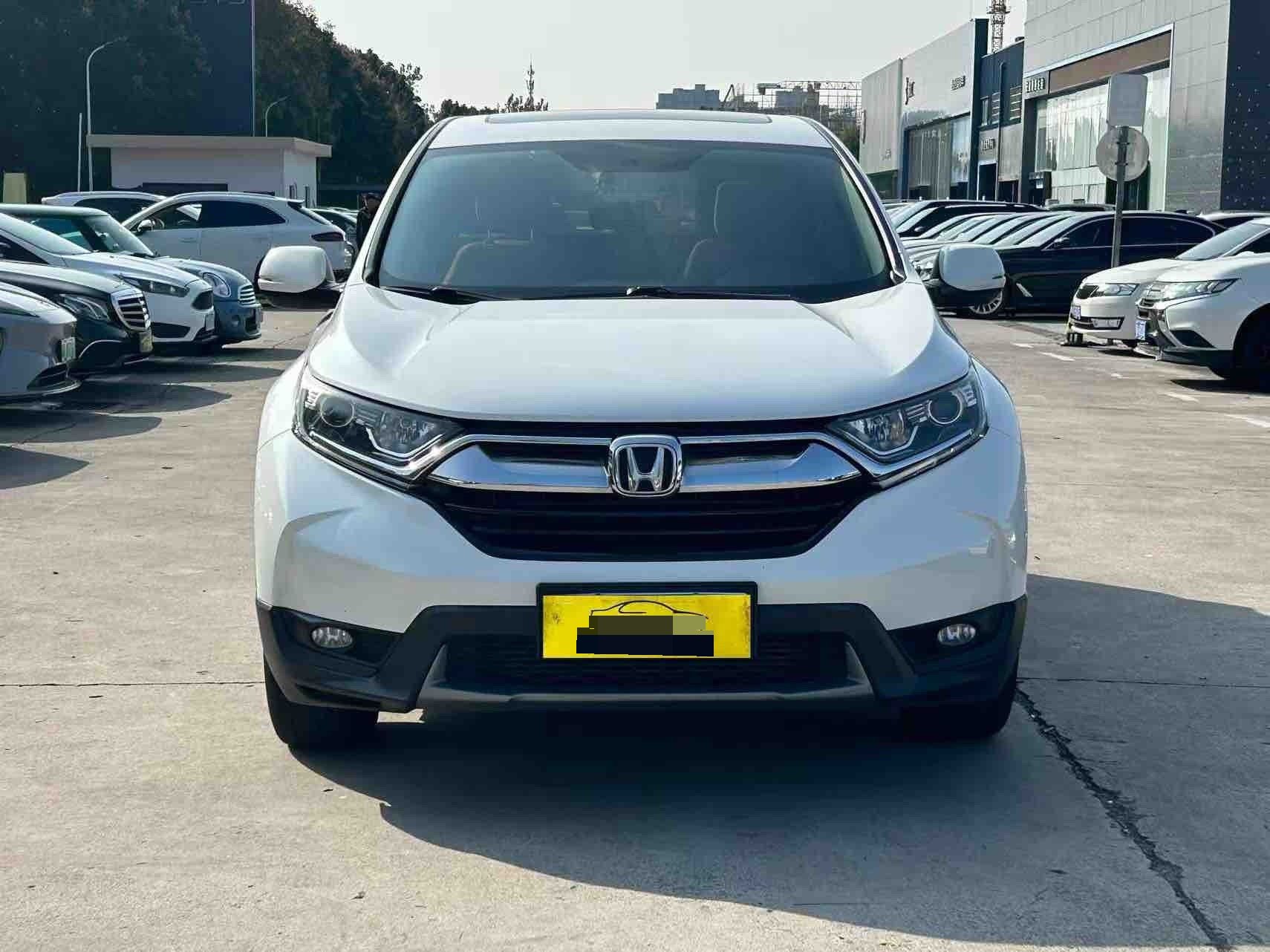
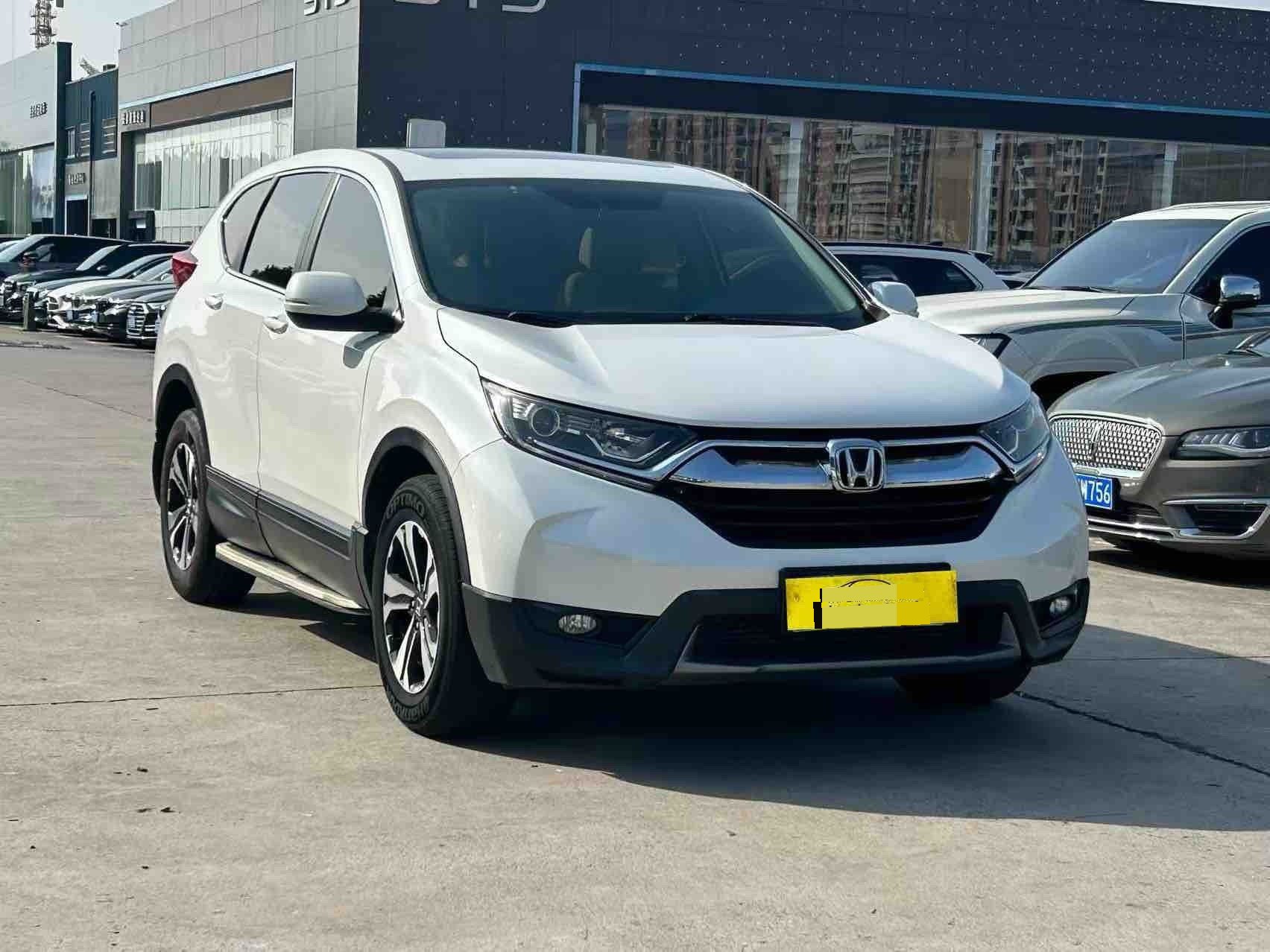
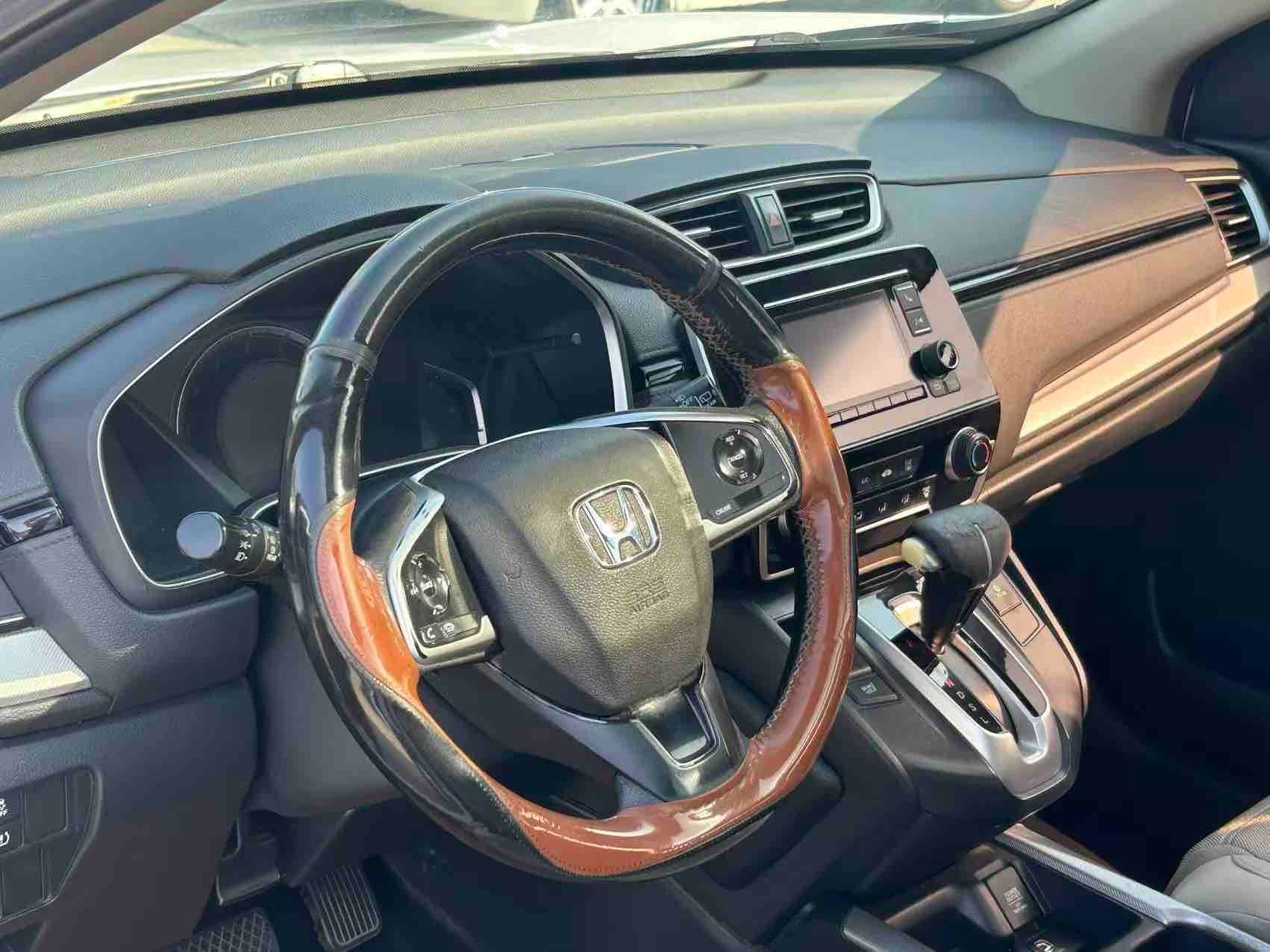
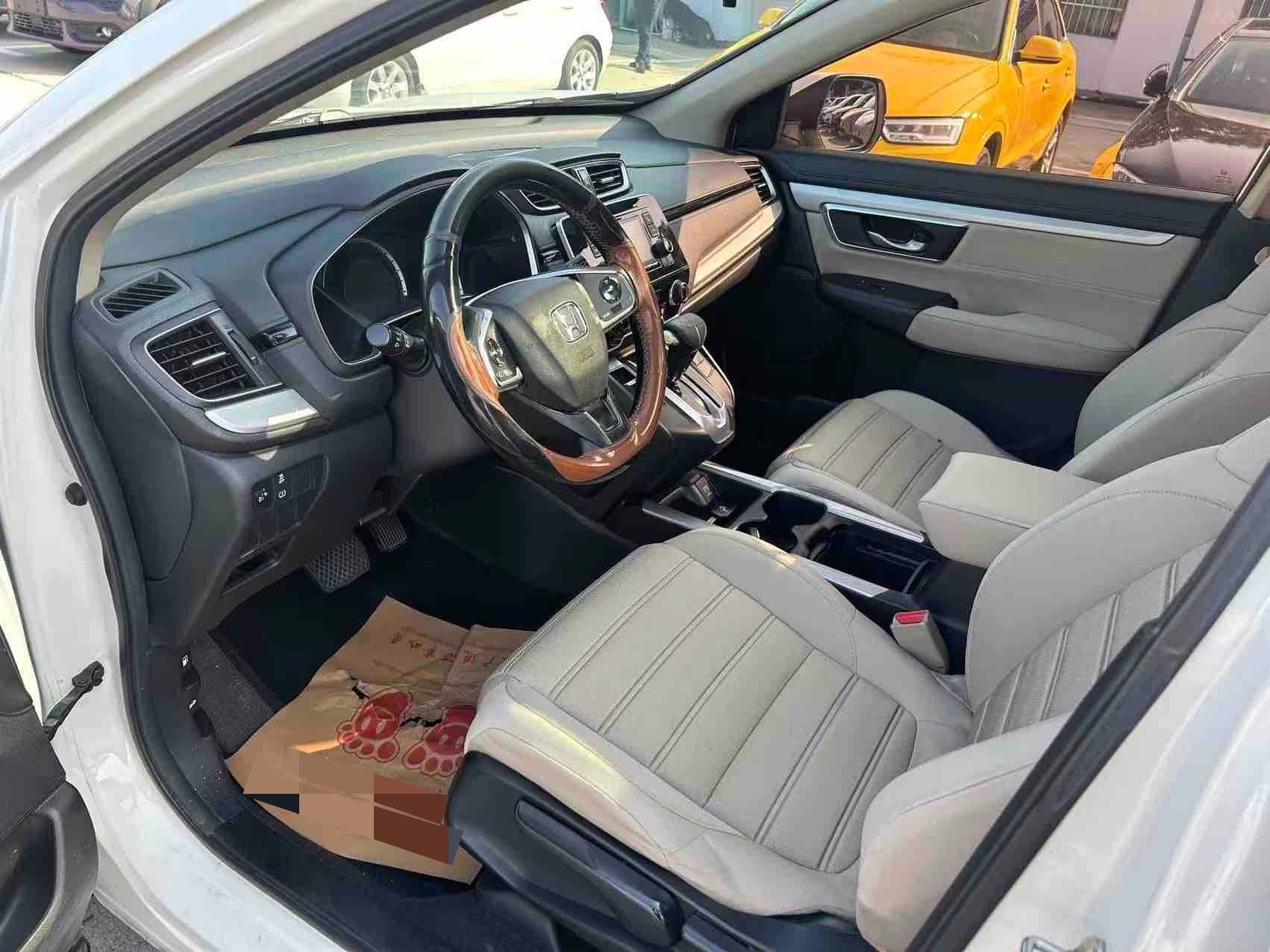
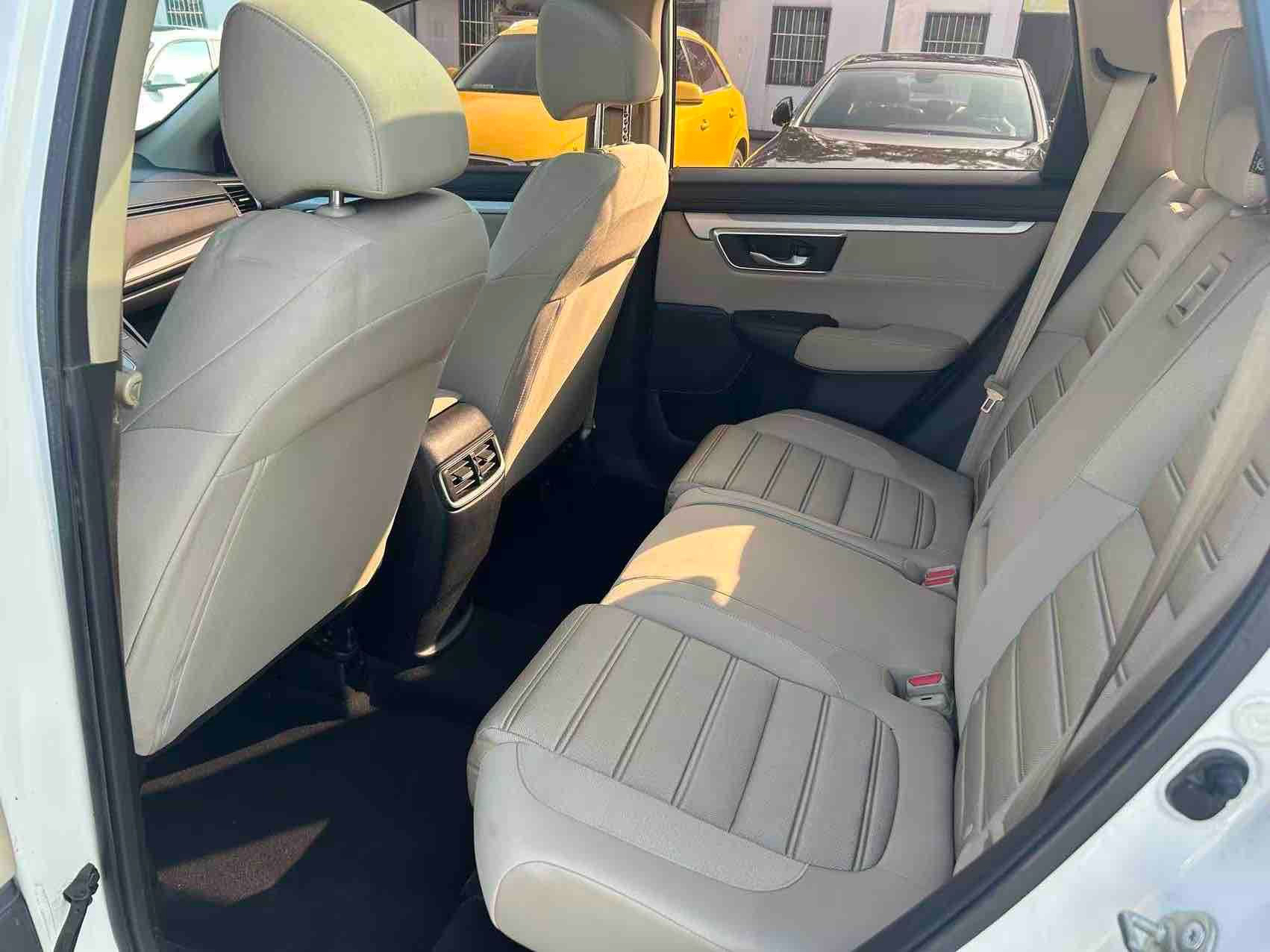
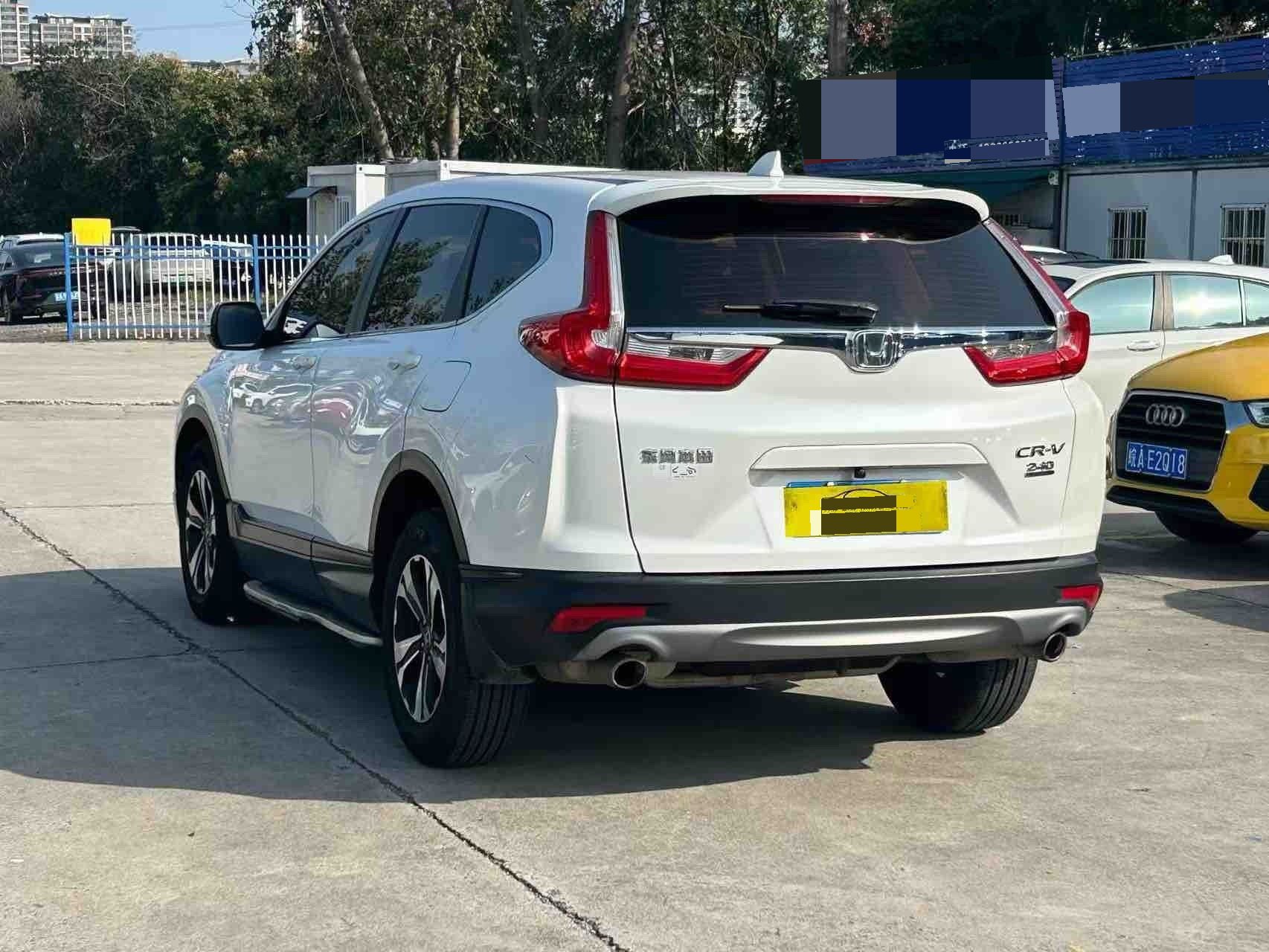
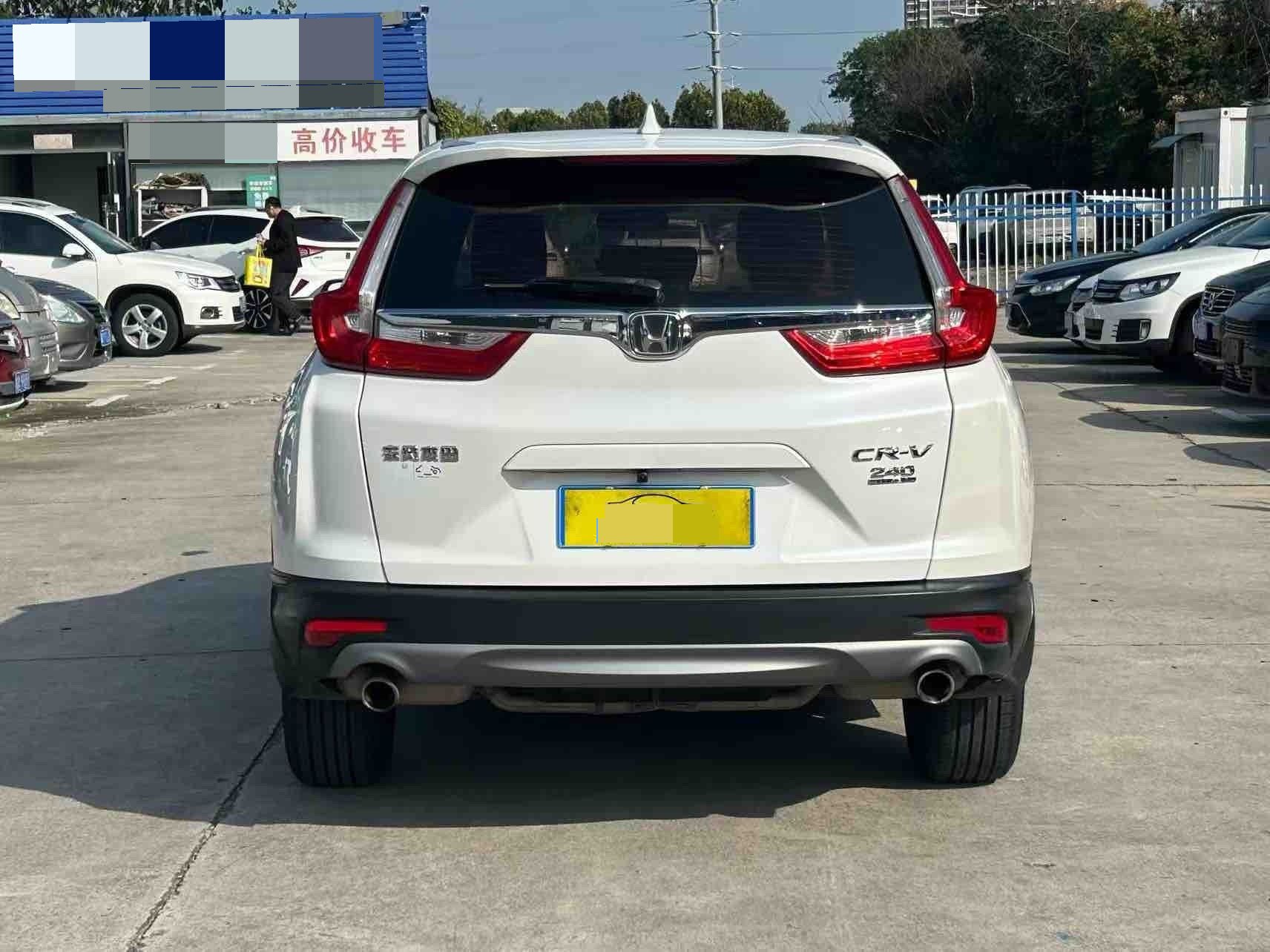
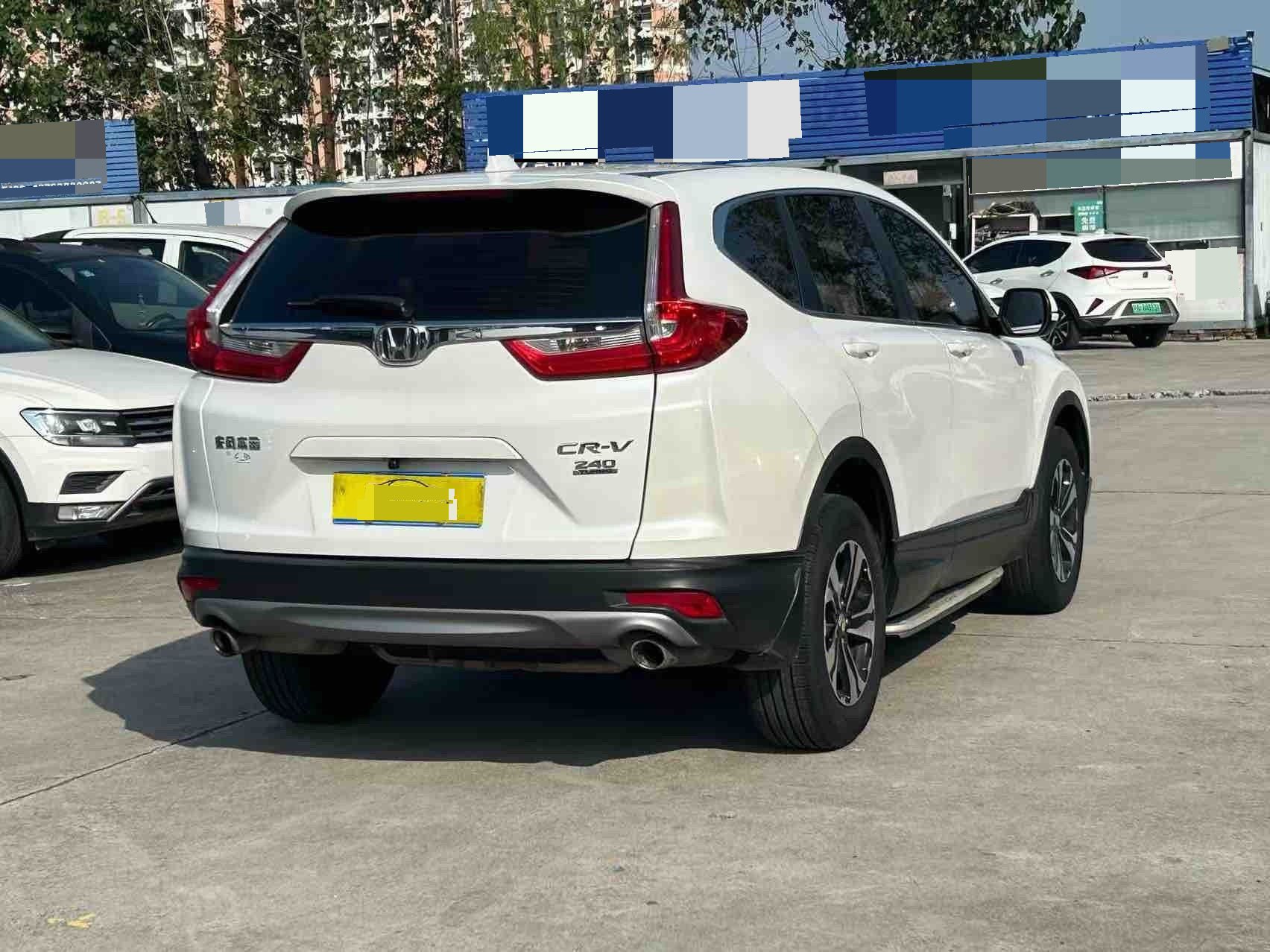



Basic Information

BrandHonda
SeriesCR-V
Year2019
First Registration2019/03
Mileage95,000km
Transfer Count0times
FuelGasoline
TransmissionCVT
Engine1.5T 193 L4
ColorWhite
Seats-

Condition Description

Original paint on 2 panels

Document Information

Inspection Expiry Date-
Warranty Expiry Date-
Insurance Expiry Date2027/03

Q&A

More

What should I do if my car arrives damaged after shipping from China?

Act immediately at the port: 1) Inspect the car before signing anything. Note every scratch, dent, or missing item on the delivery receipt — add remarks like "container seal intact, right door dented" before you sign. 2) Take dated photos and video of the damage from multiple angles, including the container exterior and seal number. 3) Report to the shipping line or agent in writing within 3 days, and notify the insurance company if you bought cargo insurance — most policies require notice within 7 days of delivery. 4) Get a written repair estimate from a local body shop. Claims succeed or fail on documentation: the signed delivery receipt with remarks, photos, and the bill of lading are your evidence. Without remarks on the delivery receipt, the carrier will argue the damage happened after discharge.


What hidden costs should I budget for when importing a used car from China beyond the FOB price?

Beyond the FOB price, expect: ocean freight (typically $800–2,500 depending on destination), marine insurance (about 0.3–0.5% of the car's value), port handling charges at both ends, customs duty and import tax/VAT in your country, compliance or homologation certification, and inland delivery to your city. Add currency transfer fees and the inspection fee if you hire a third party. Ask the exporter for a landed-cost breakdown and confirm exactly what the quote includes. A cheap FOB price with everything else shifted to you can add 30–50% to the real total. Budget a 15% buffer on top of the estimate, and get fixed quotes for freight and insurance in writing before paying the balance.

What is a battery SOH certificate and why does it matter when buying a used EV from China?

SOH (State of Health) measures the battery's remaining capacity as a percentage of its original capacity. Two EVs with the same mileage can have very different SOH depending on charging habits and climate exposure, and since the battery represents 30-50% of a used EV's value, the SOH number is effectively the real price tag. A proper certificate includes current SOH percentage, cell voltage balance, charge cycle counts, battery management system fault codes, and often a projected range estimate. In hot-climate markets like the Gulf, a degraded battery degrades even faster, so a documented SOH above 85-90% is strongly recommended. Exporters who provide verified SOH certificates close deals faster and command better prices, so treat the certificate as a core purchase document, not an extra.