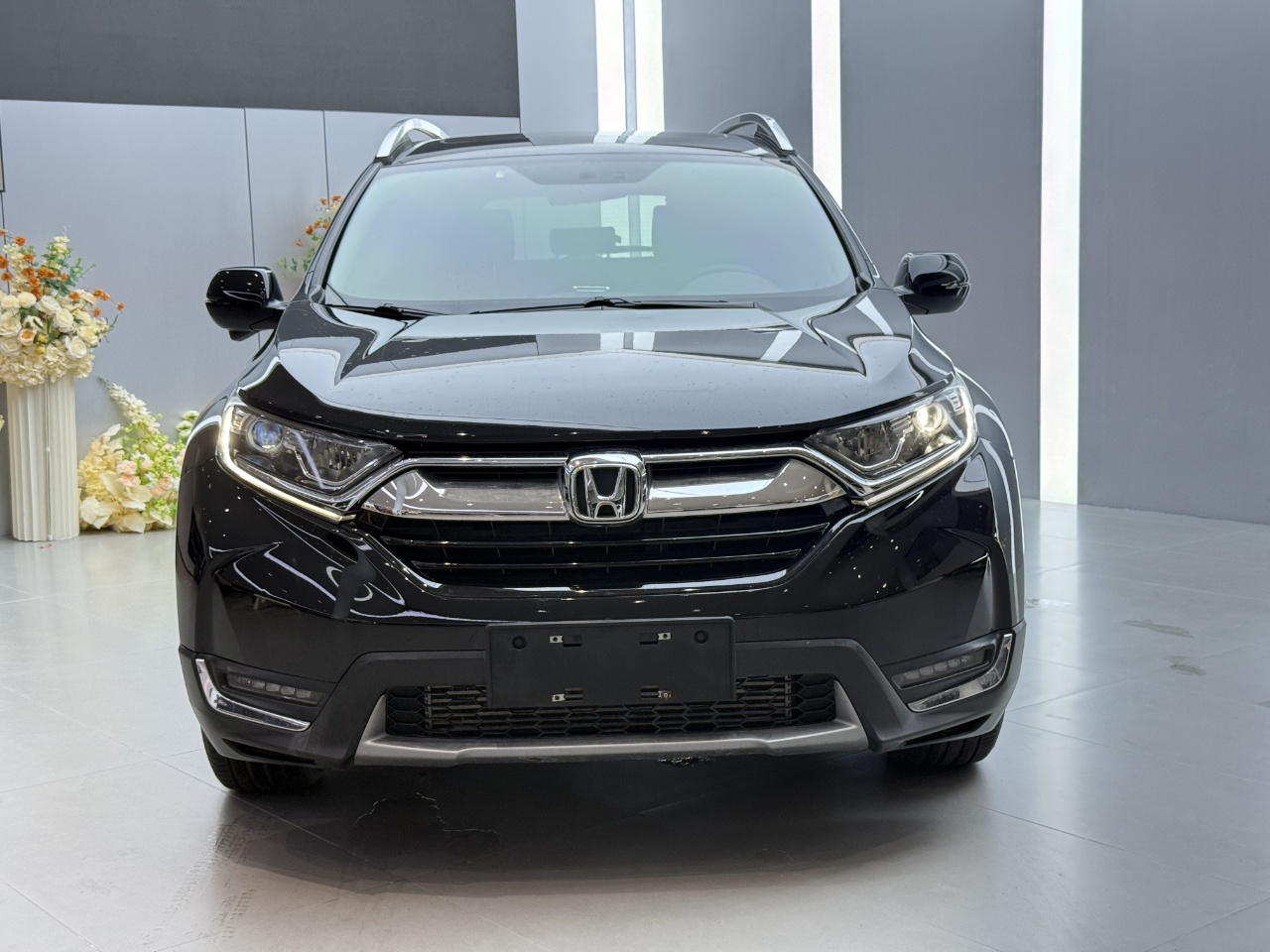
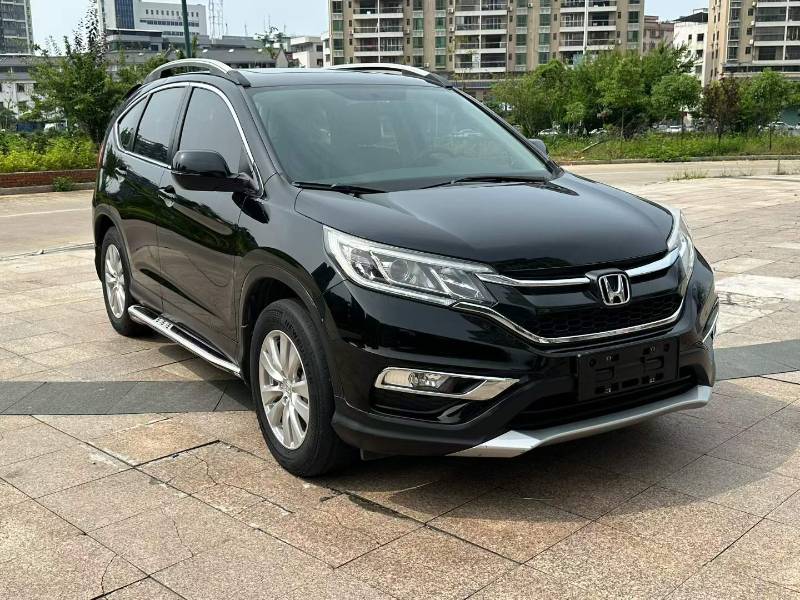
Basic Information

BrandHonda
SeriesCR-V
Year2019
First Registration2019/10
Mileage90,000km
Transfer Count0times
FuelGasoline
TransmissionCVT
Engine1.5T 193 L4
ColorWhite
Seats-

Condition Description

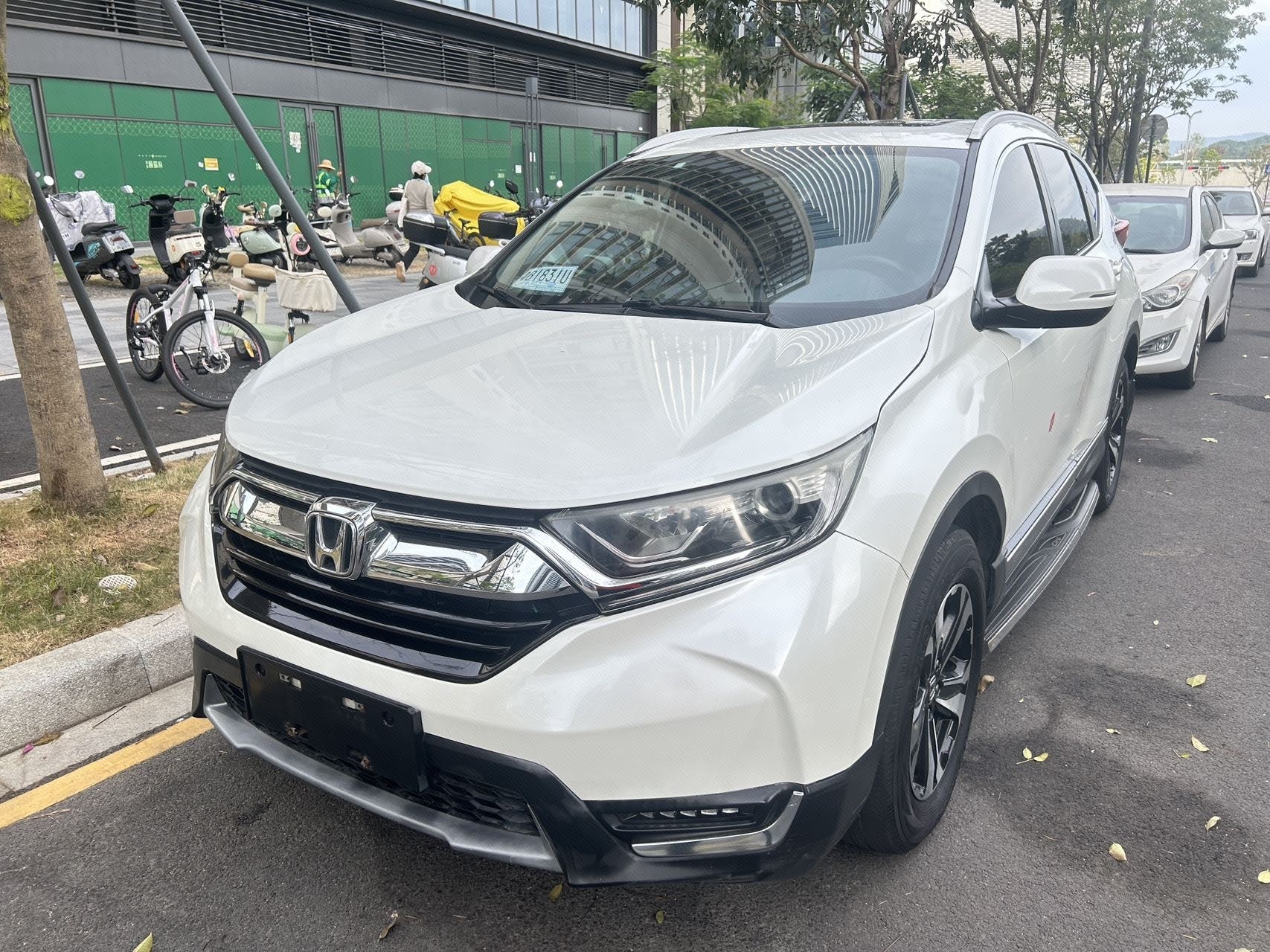
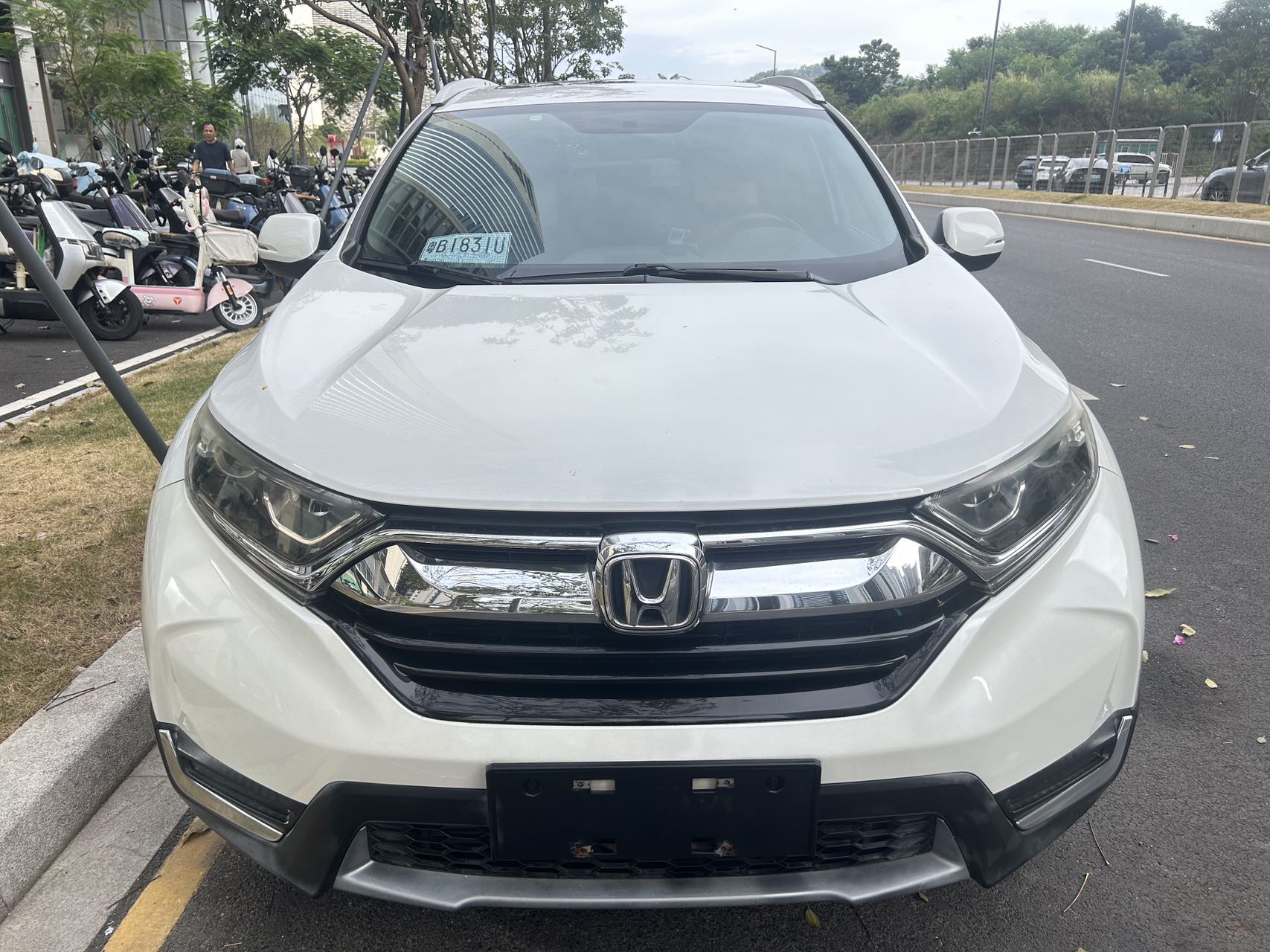
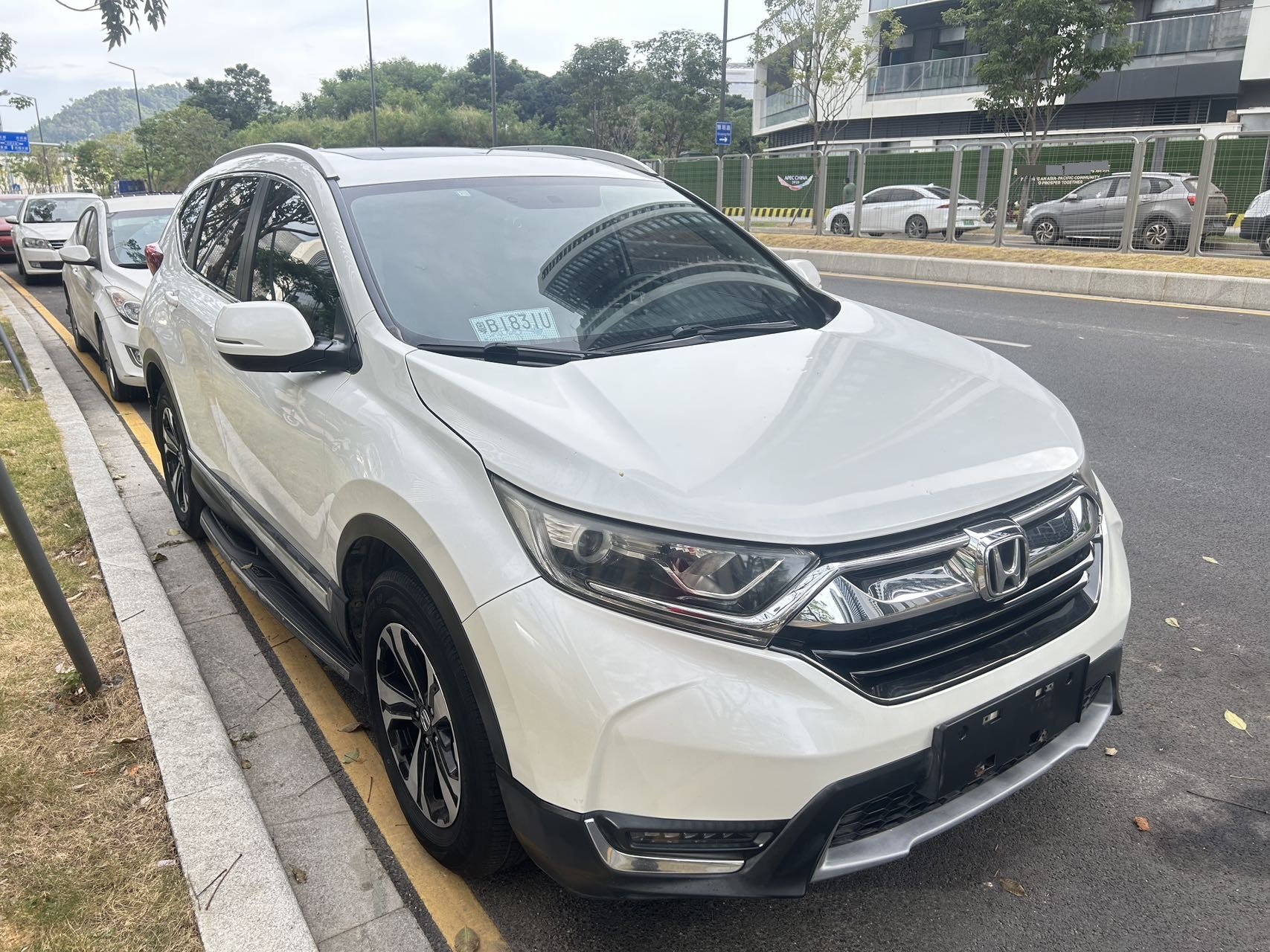
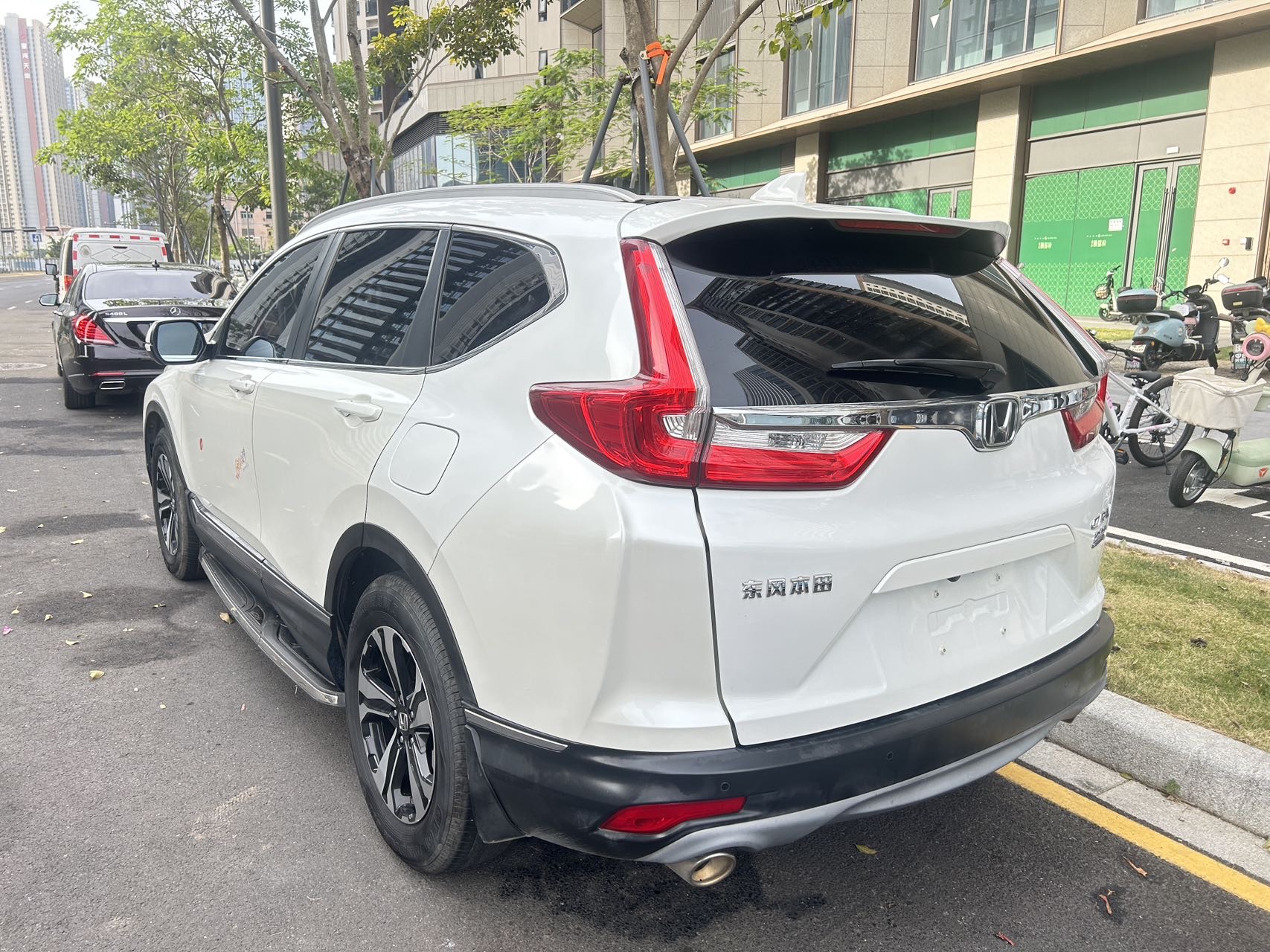
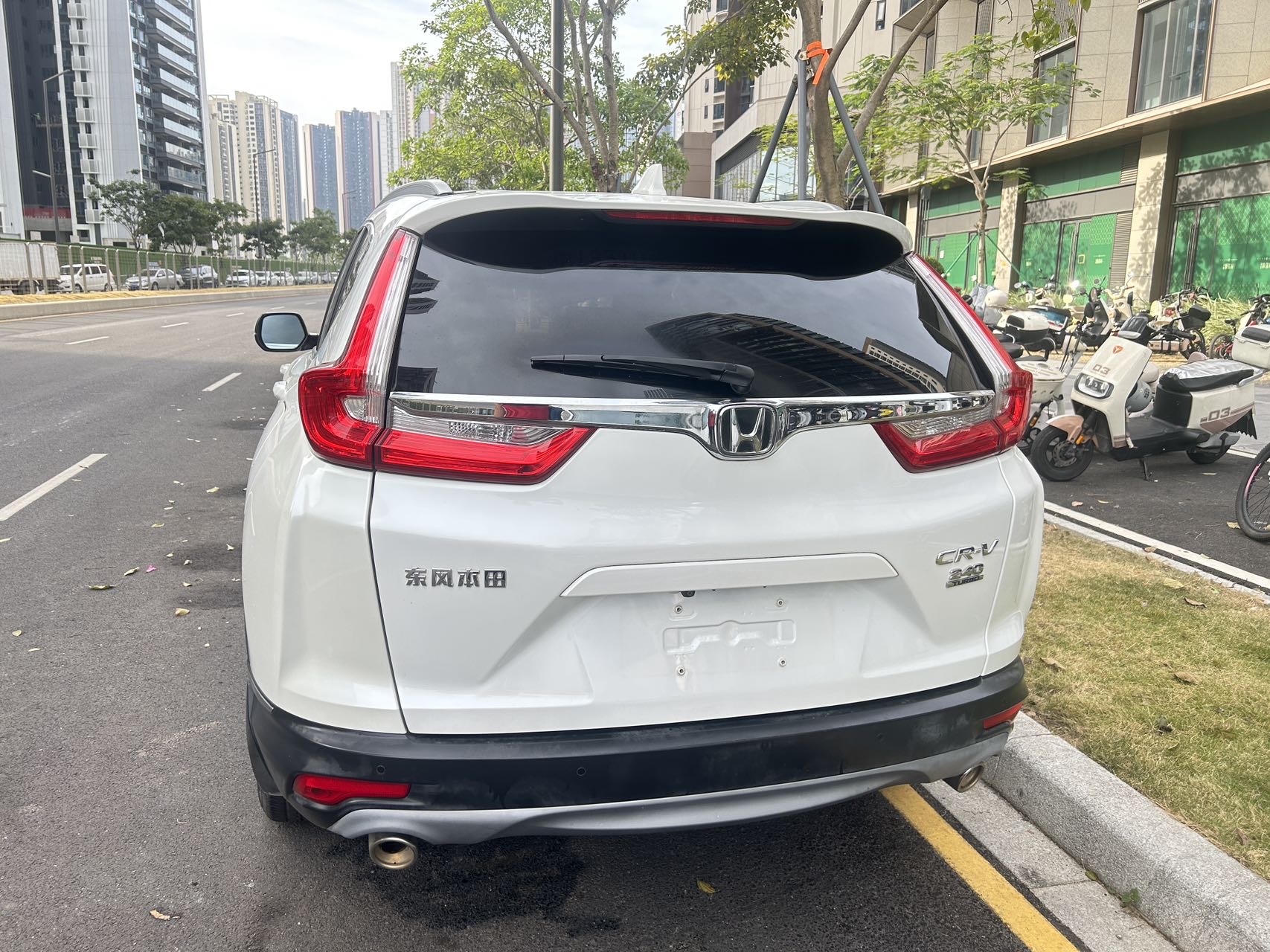
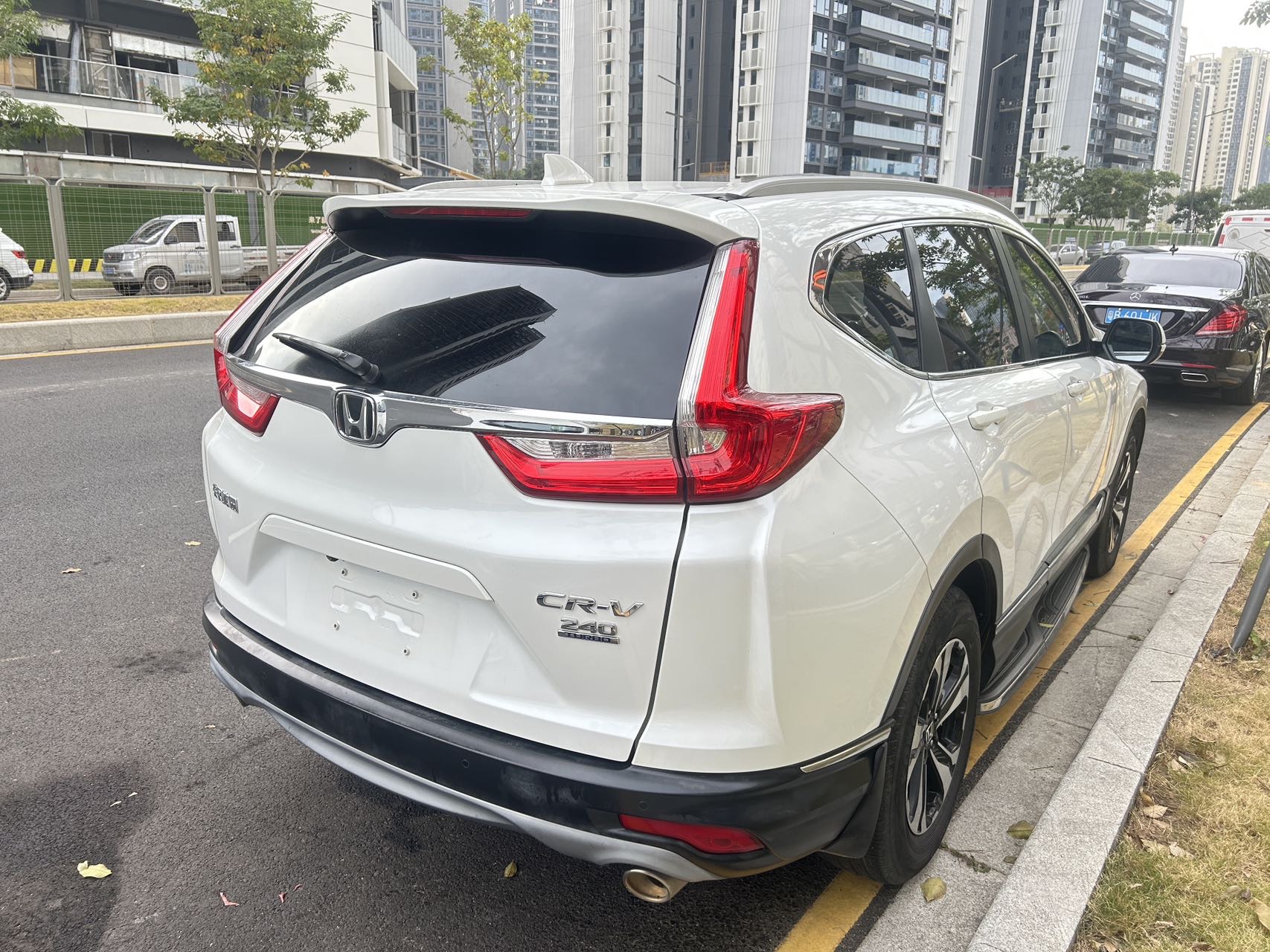
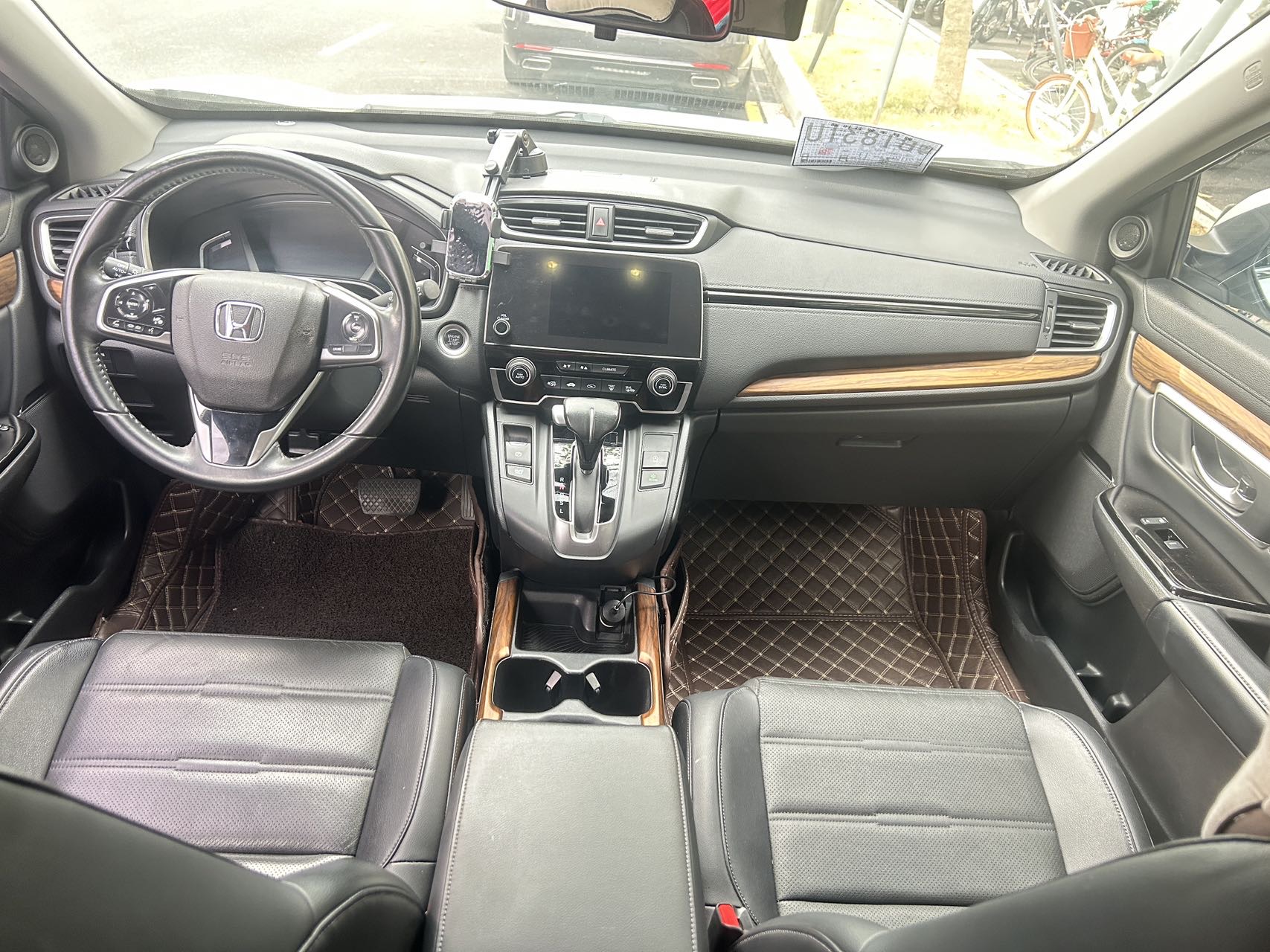
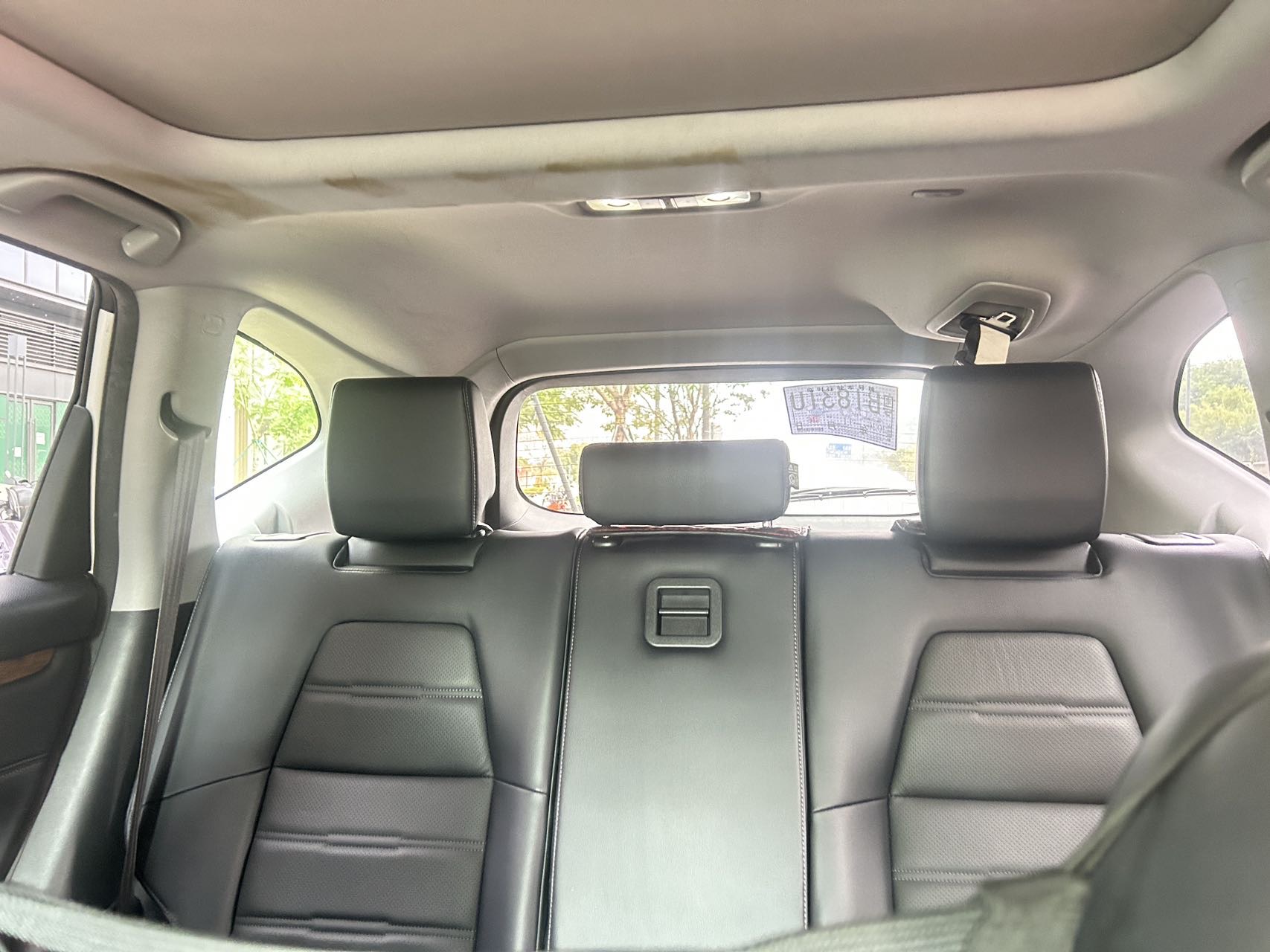
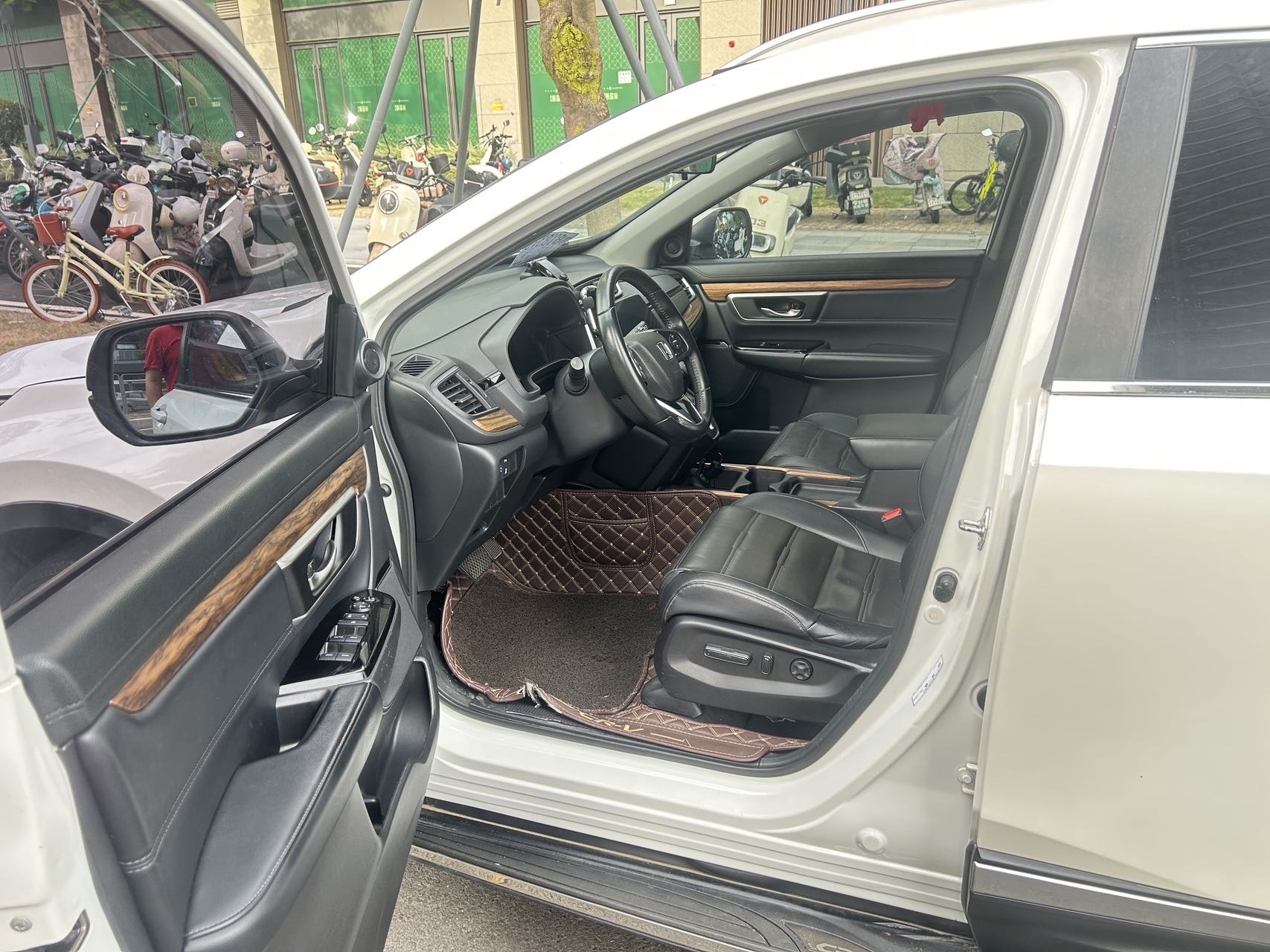
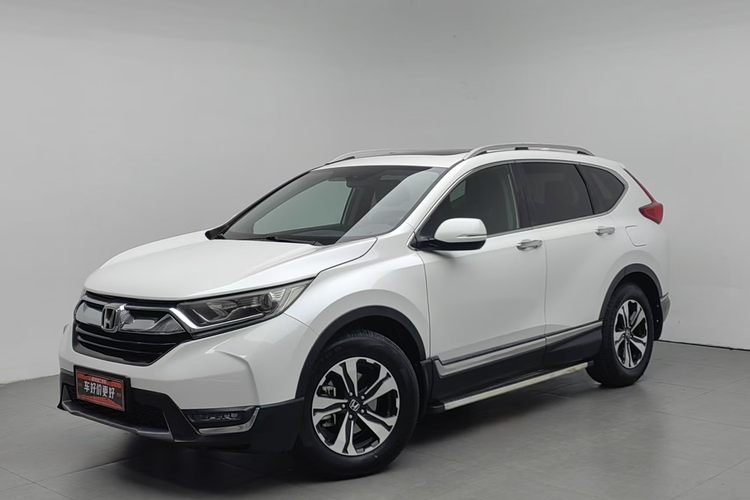
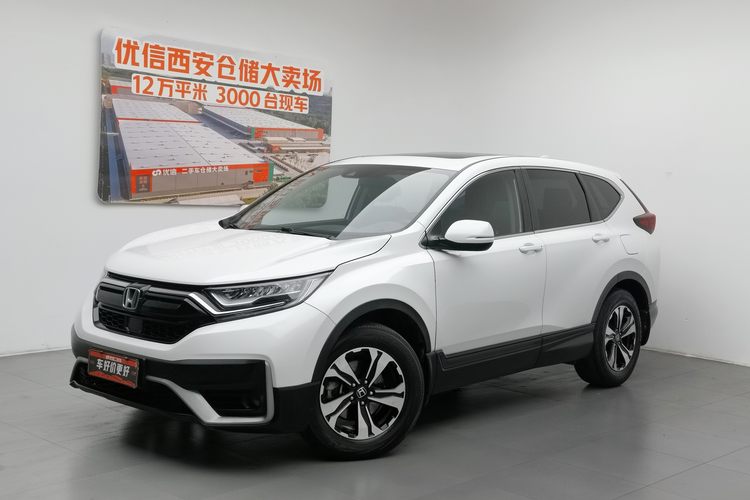
One-owner private car, high-end trim with panoramic sunroof and dual power seats. Actual mileage. Fees valid until October 2027. Excellent original condition, 3 panels repainted, all other panels original paint. One insurance claim on record with payout of 2,000. Recently inspected by ChaBoshi with SSS grade. Dealer trade-in vehicle, transfer documents required.

Document Information

Inspection Expiry Date-
Warranty Expiry Date-
Insurance Expiry Date2027/10

Q&A

More

How to prove that the chassis has no serious rust, corrosion, or bottom damage?

All vehicles on the lift must be inspected. We will provide high-definition close-up photos of the chassis directly below, suspension components, and the mid to rear section of the exhaust. We will honestly show any minor surface rust (a common phenomenon in cast iron); if we find bent longitudinal beams or extensive through-corrosion, the vehicle will be scrapped and not exported.

How can I judge the interior condition of a used Chinese car remotely to estimate real usage?

Ask the seller for detailed close-up video, not photos — video is harder to edit. Check: 1) Driver's seat bolster and steering wheel leather for wear matching the claimed mileage — a shiny, polished wheel at 30,000 km is a red flag; 2) Pedal rubbers — worn-through pedals contradict low mileage; 3) Buttons and knobs — faded or shiny climate and window controls suggest heavy use; 4) Seat rails and tracks — rust or heavy dirt means possible water exposure; 5) Headliner and seat backs — stains or sagging. Compare logically: wear should be consistent across the cabin. A car showing 50,000 km should have light wear everywhere, not a destroyed driver's seat with a pristine passenger side. Also ask for the odometer photo with the ignition on, plus the car's system info screen, which often logs total mileage independently.

How do I compare quotes from different Chinese exporters, and why is the cheapest offer often risky?

Comparing quotes properly means comparing the same thing: 1. Normalize the scope: some quotes include inland transport, export clearance, inspection and ocean freight, others are FOB only. Ask each exporter for a line-item breakdown so you can compare like with like. 2. Check what is excluded: port charges at destination, customs duties, homologation and registration are almost always on you. Get a written list of everything NOT included. 3. Look beyond the number: a quote 10-15% below the market usually means the car has an issue (accident history, rolled-back mileage, pending lien) or the exporter plans to cut corners on inspection and loading. 4. Verify the exporter: business license, export qualification, recent shipment records, and references from buyers in your region. A realistic quote from a verifiable exporter is worth more than a bargain that turns into a dispute. Always pay against milestones with inspection before balance payment.