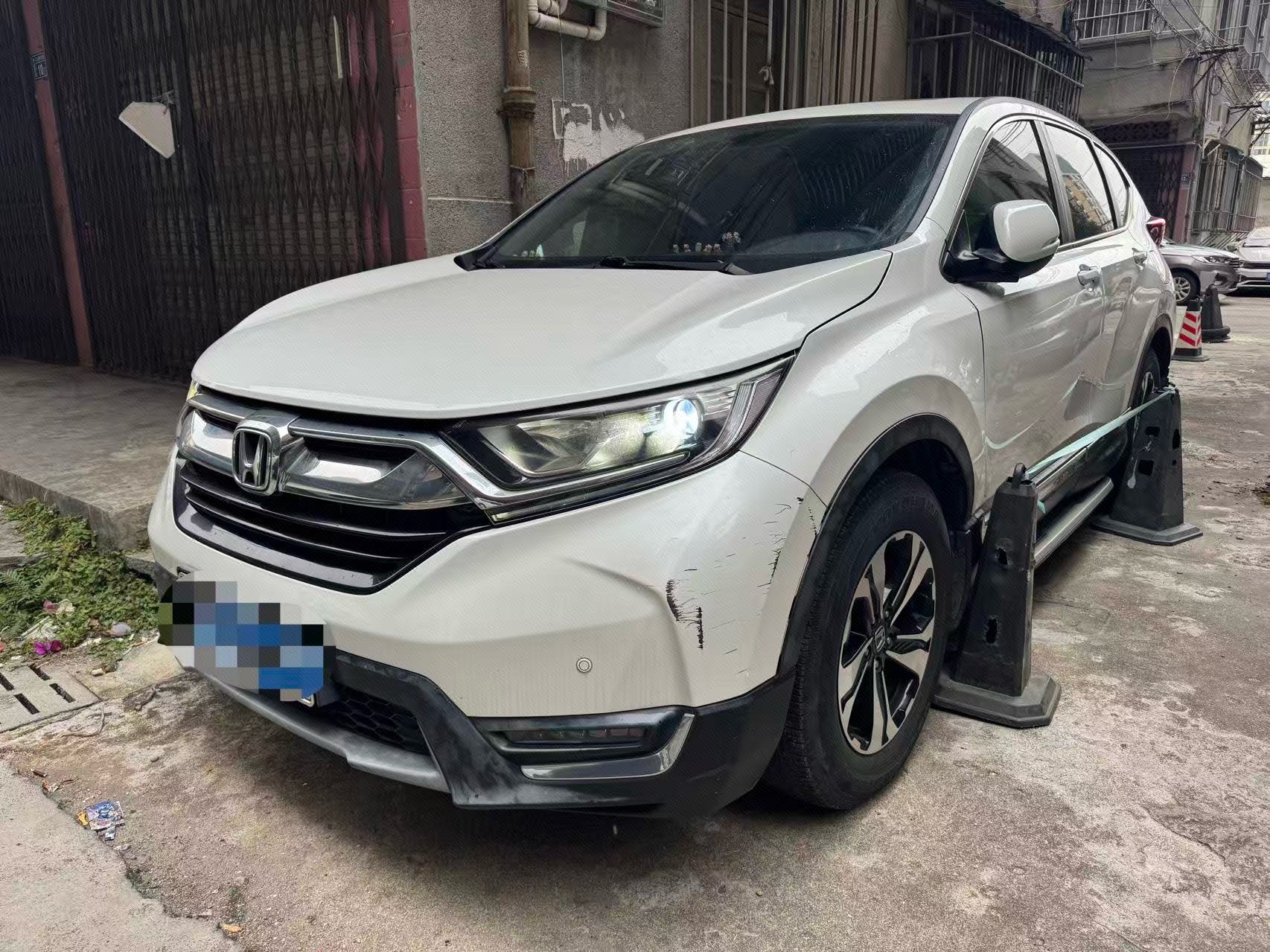
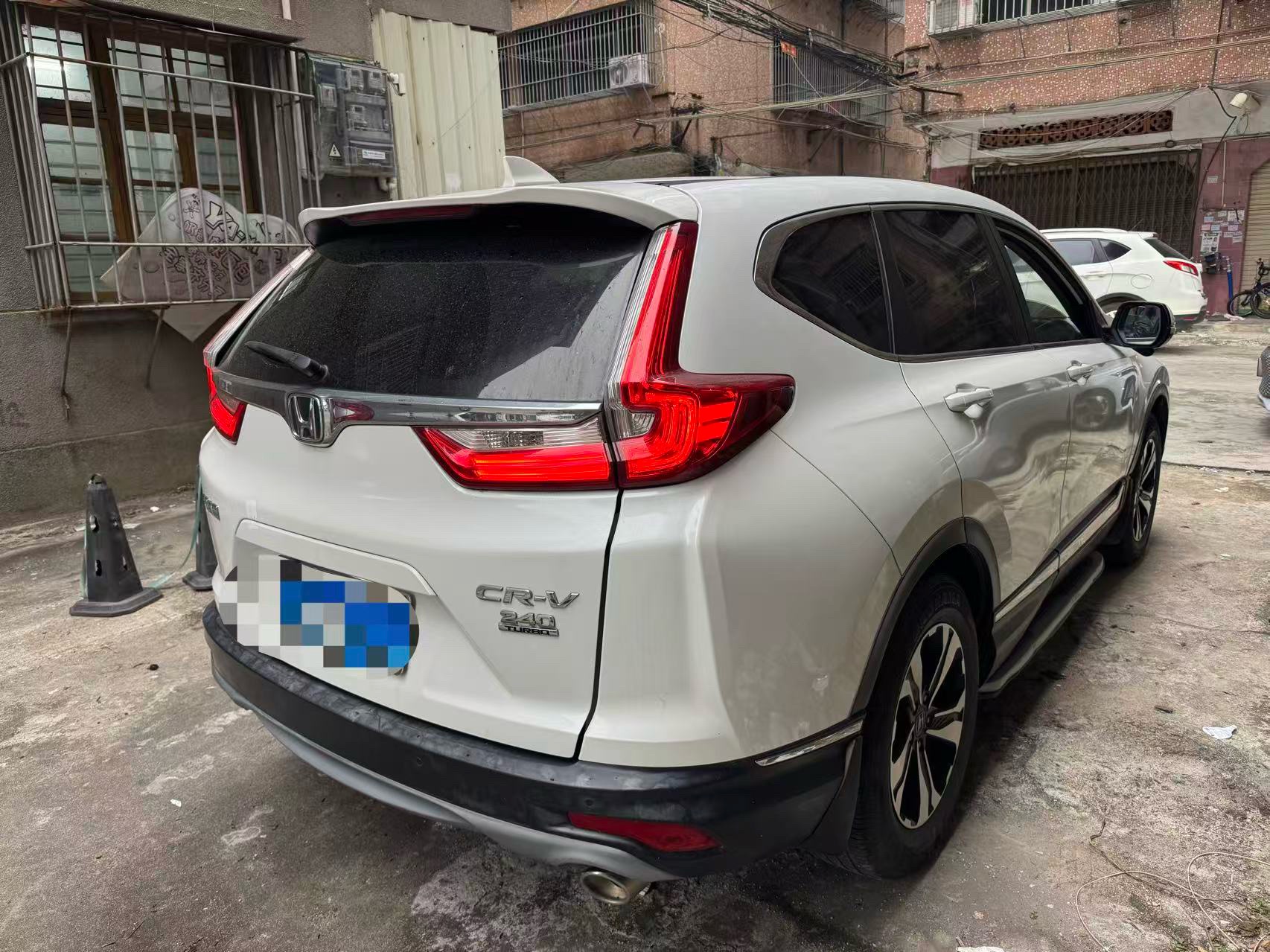
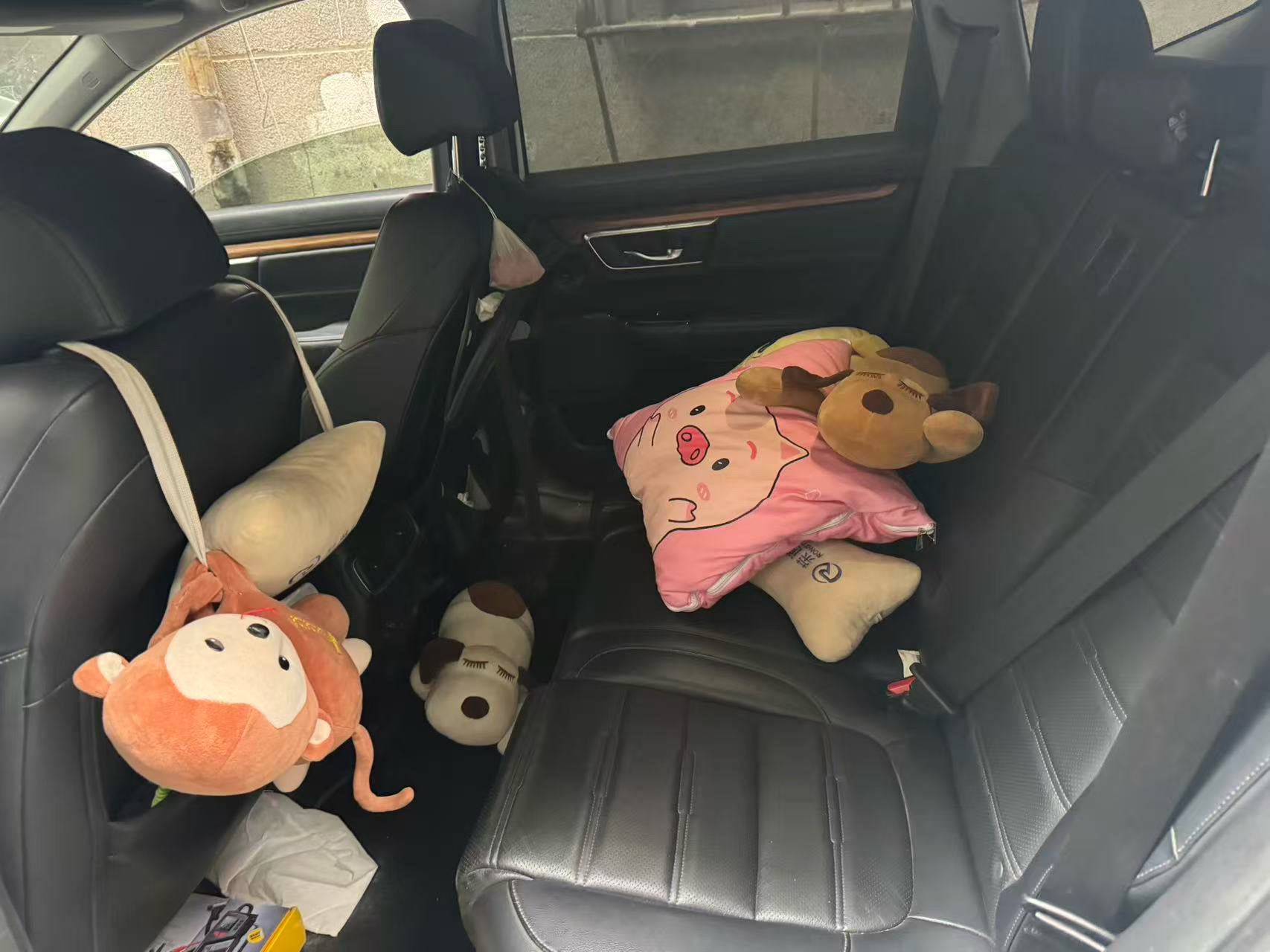
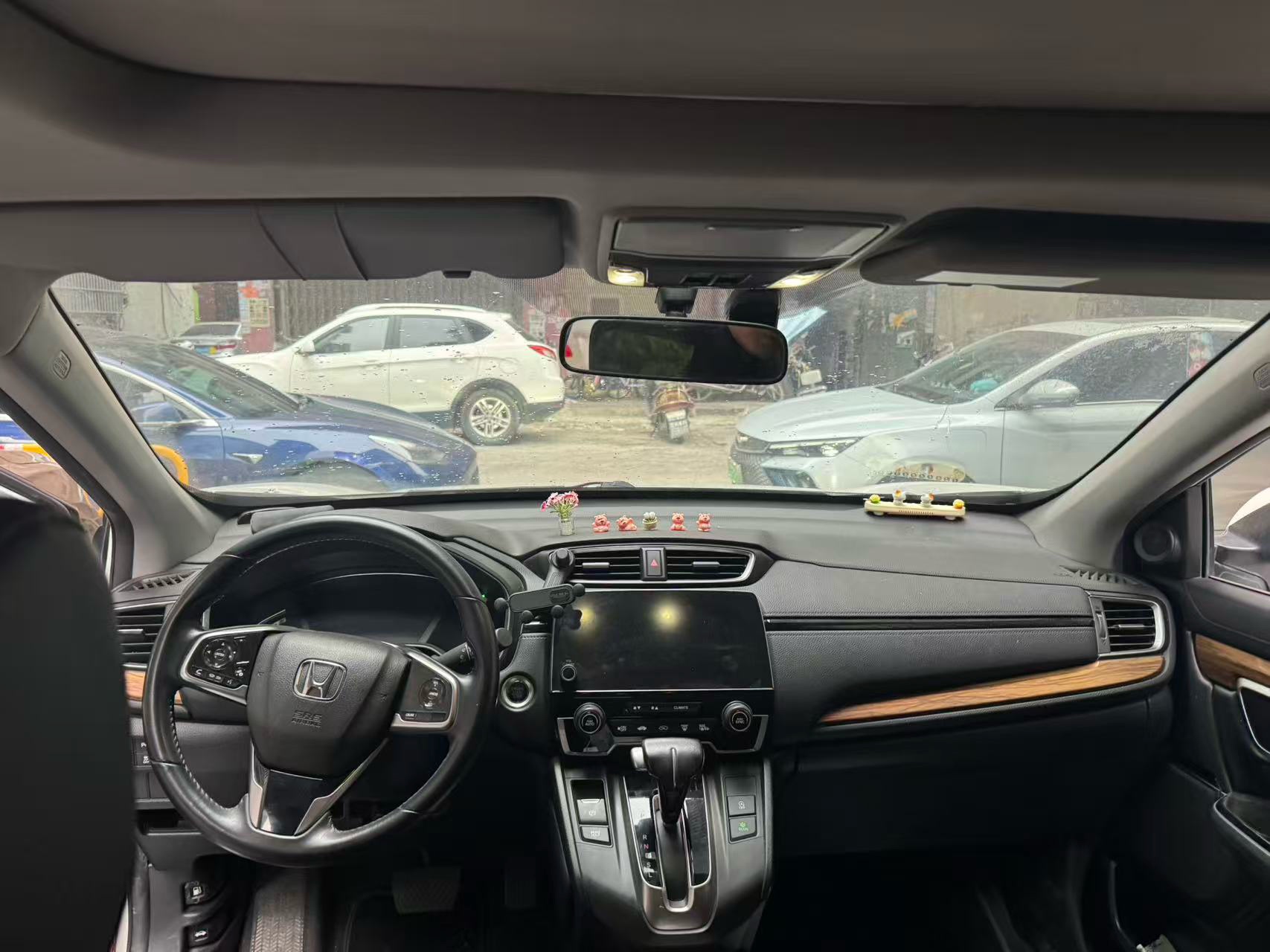



Basic Information

BrandHonda
SeriesCR-V
Year2019
First Registration2019/11
Mileage31,000km
Transfer Count0times
FuelGasoline
TransmissionCVT
Engine1.5T 193 L4
ColorWhite
Seats-

Condition Description

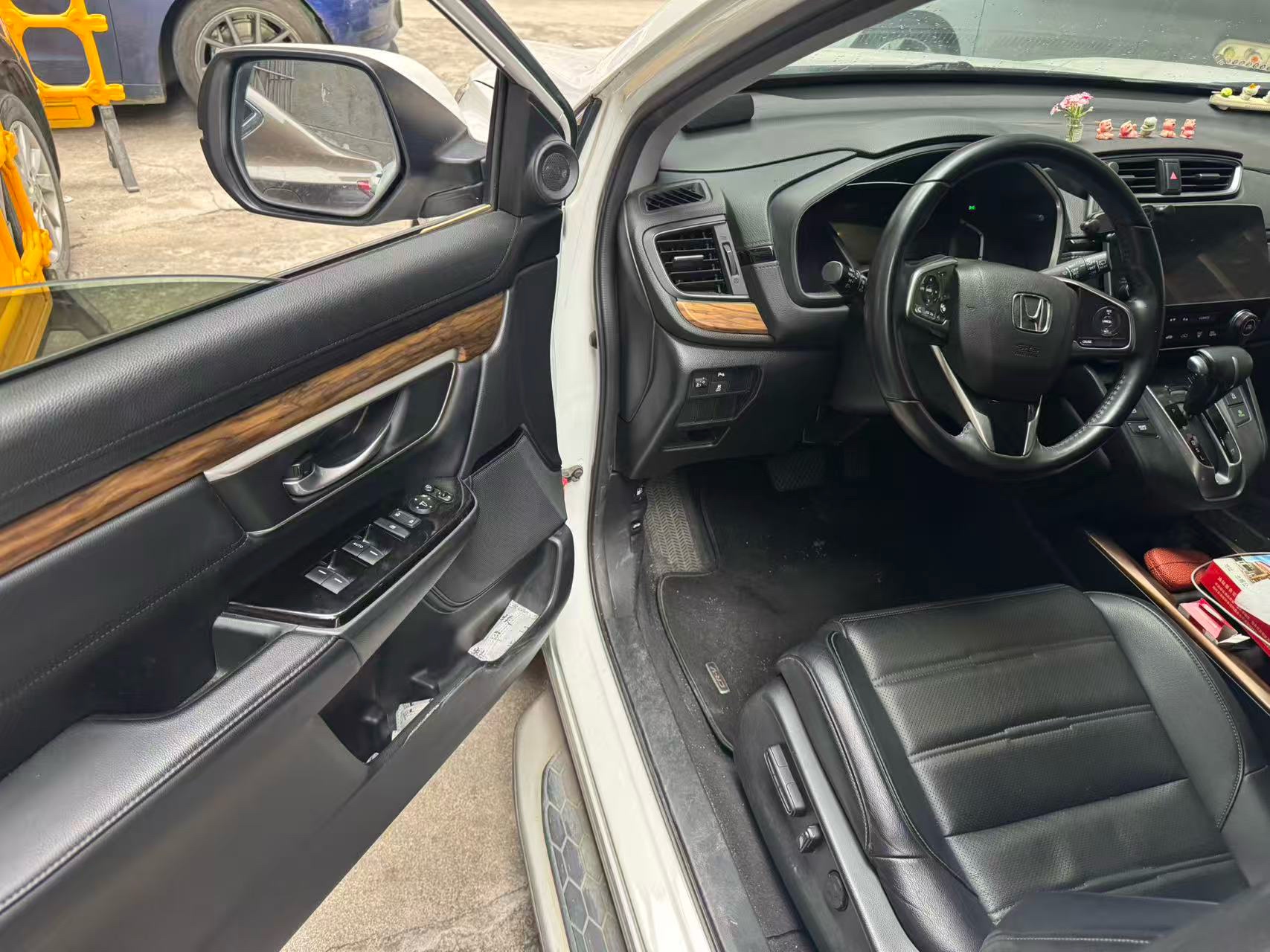
One-owner, actual mileage. Insurance expired. Condition: right front door repainted, right rear door panel repaired. Investment needed: front bumper.

Document Information

Inspection Expiry Date-
Warranty Expiry Date-
Insurance Expiry Date2027/11

Q&A

More

How does the buying process actually work step by step when importing a used car from China?

A typical safe flow looks like this: 1. Sourcing: you pick a car from listings; the exporter confirms availability, sends photos, video and a condition report. 2. Contract: a written sales contract stating VIN, price, included costs, inspection standards and delivery terms (FOB or CIF). 3. Deposit: usually 10–30% after you or a third party verify the car. Pay to a company account, never personal. 4. Inspection: independent pre-shipment inspection; you approve the report before shipping. 5. Balance payment: due before shipment, against copy of the bill of lading. 6. Shipping and documents: exporter sends original documents by courier; you track the vessel. 7. Arrival: your customs agent clears the car, you pay duties and collect it. Timeline: typically 3–8 weeks from deposit to arrival, depending on route. Any exporter pushing for 100% upfront payment should be treated as a red flag.


How to ensure quality consistency for a batch of over ten vehicles during B2B bulk purchasing?

For B2B large customer orders, a "sampling + full inspection" dual regulation is adopted. Core parameters (no major accidents, no water damage or fire) are subject to 100% inspection per vehicle; appearance and condition are uniformly graded (e.g., uniformly purchasing Grade A), and panoramic images of all vehicles in the batch along with a core indicators comparison list are provided before shipment.

How to confirm that the car windows are all original factory parts and not replaced due to an accident?

The technician will check the production date codes and brand logos in the lower left corner of all the car's glass (including the windshield, four doors, and rear window) to see if they match the vehicle's factory date on the nameplate. If any glass is found to have a date later than the vehicle's production date, it will be recorded as evidence of a "previous damage replacement."