


24H

Basic Information

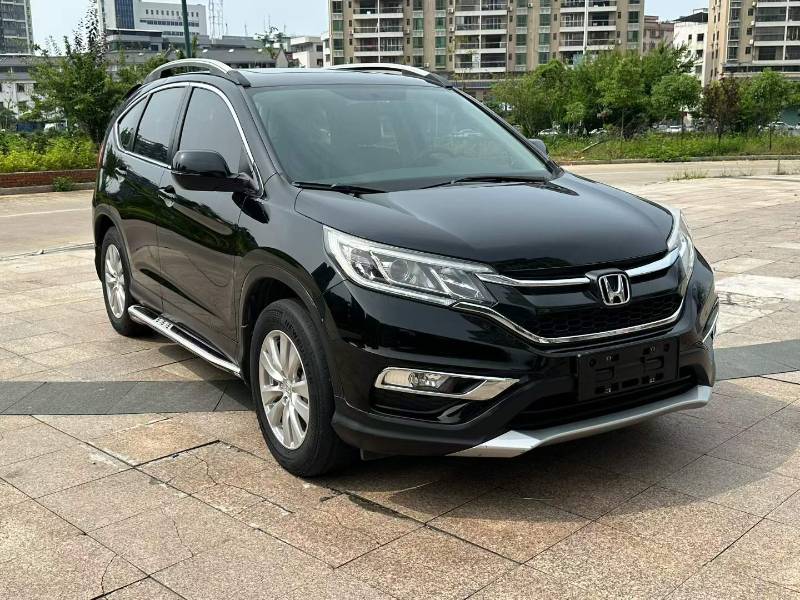
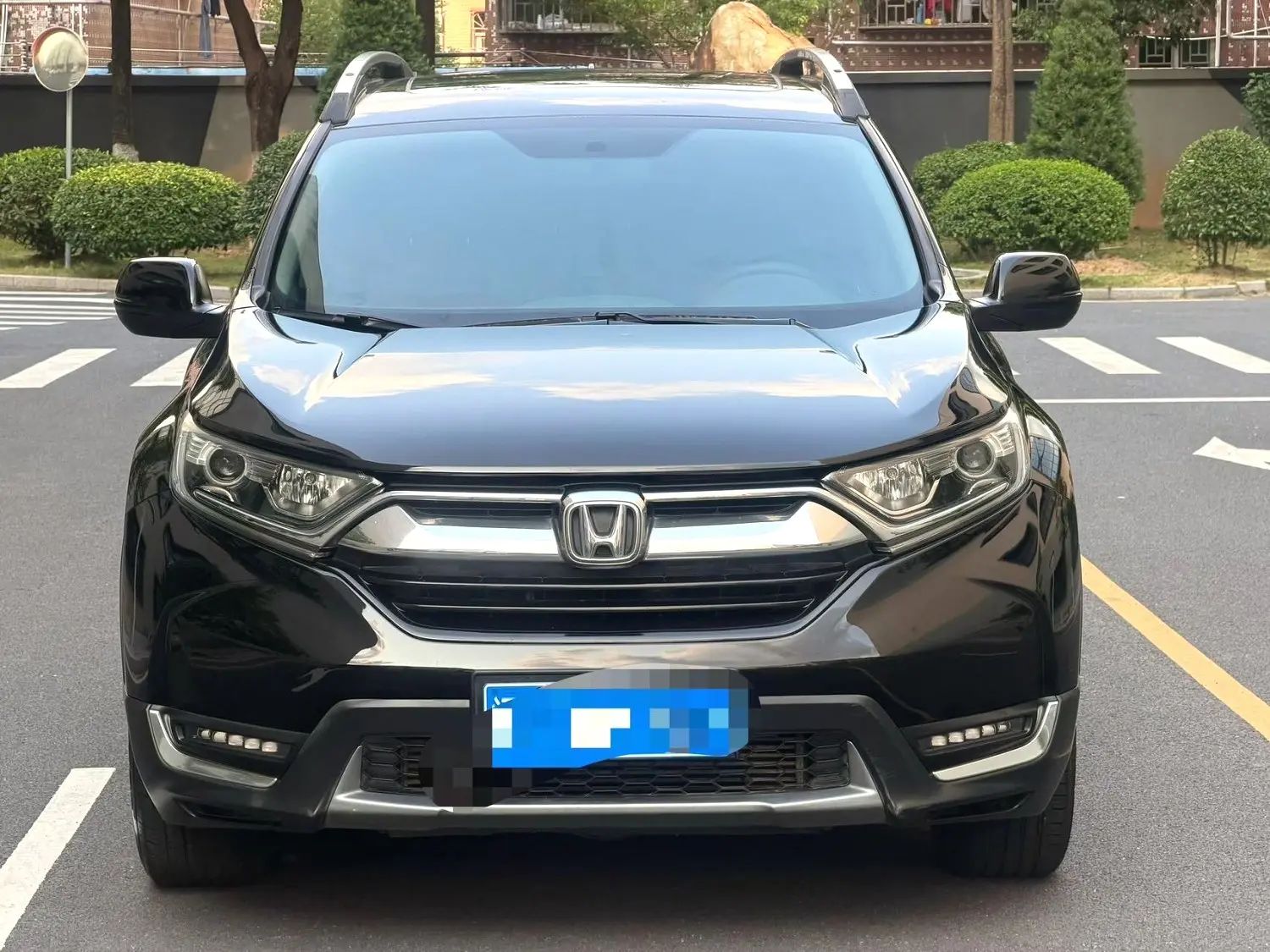
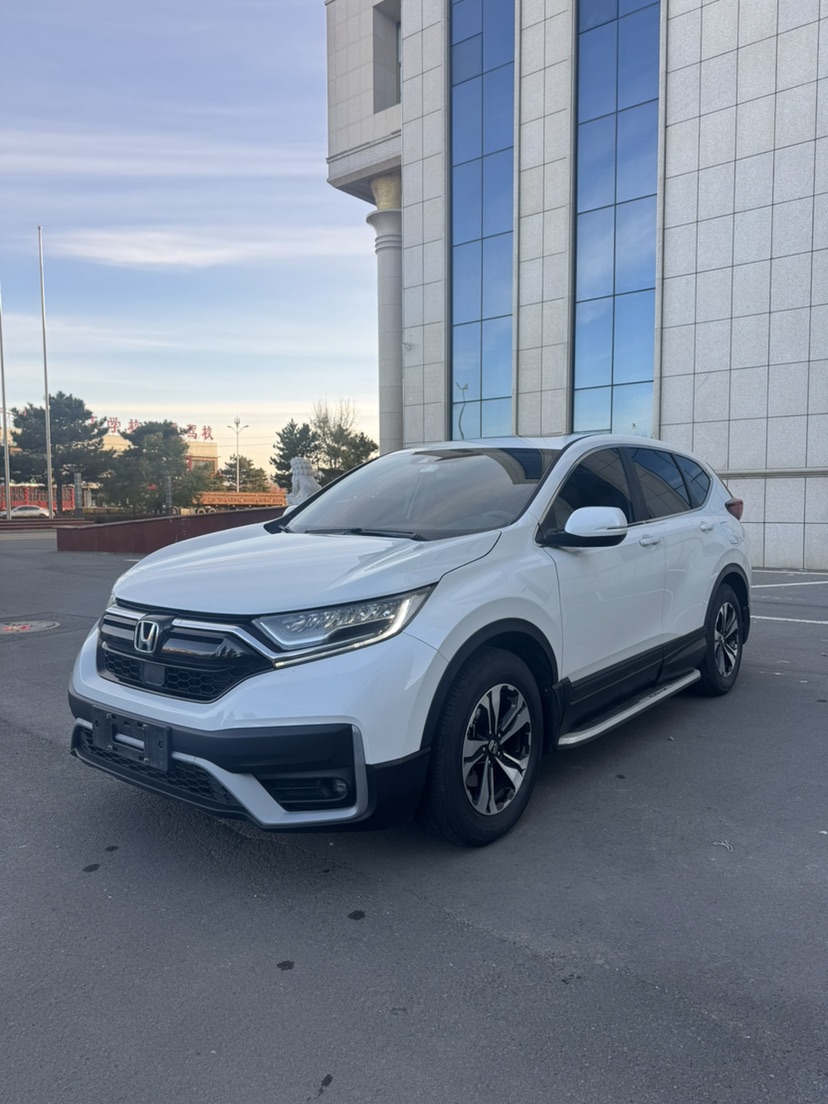
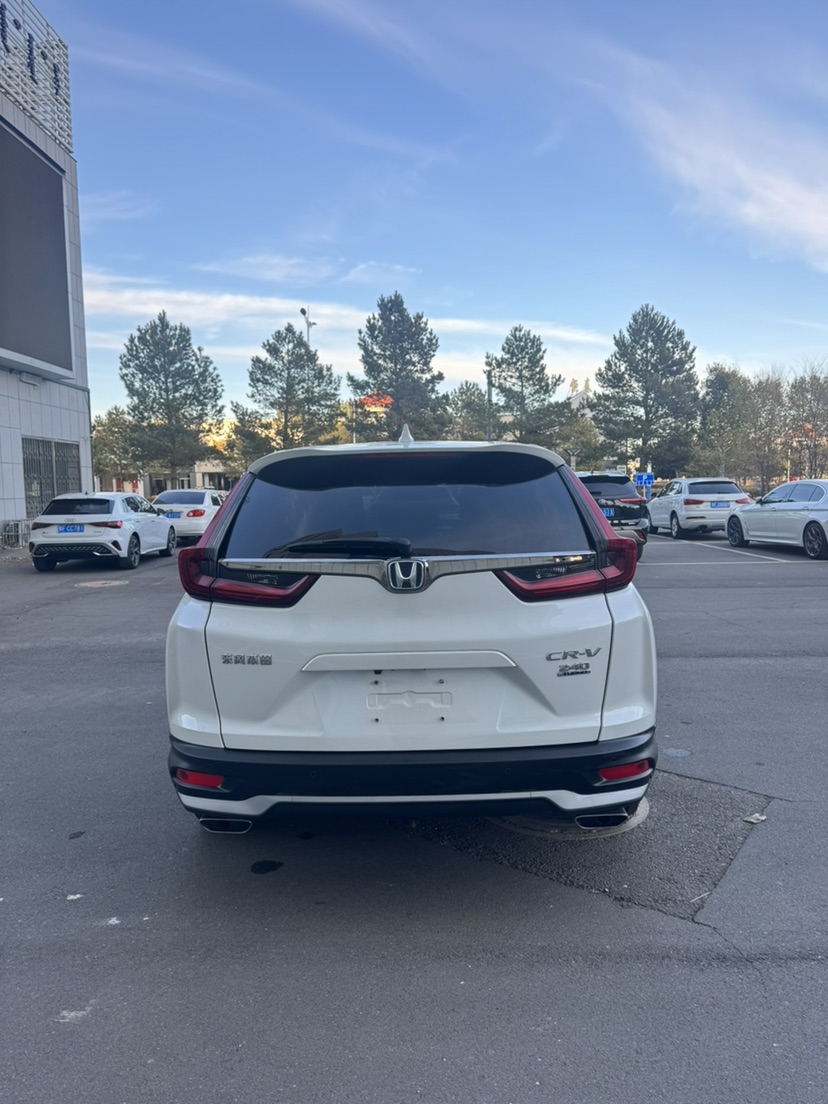
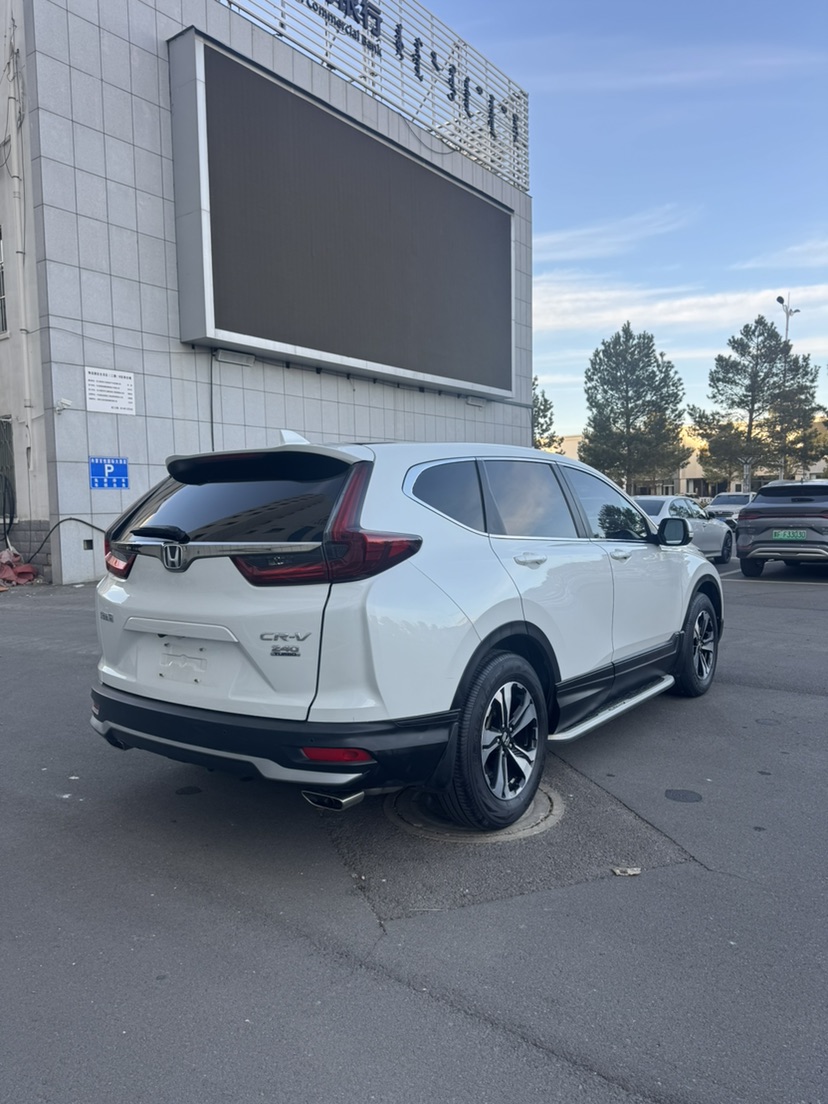
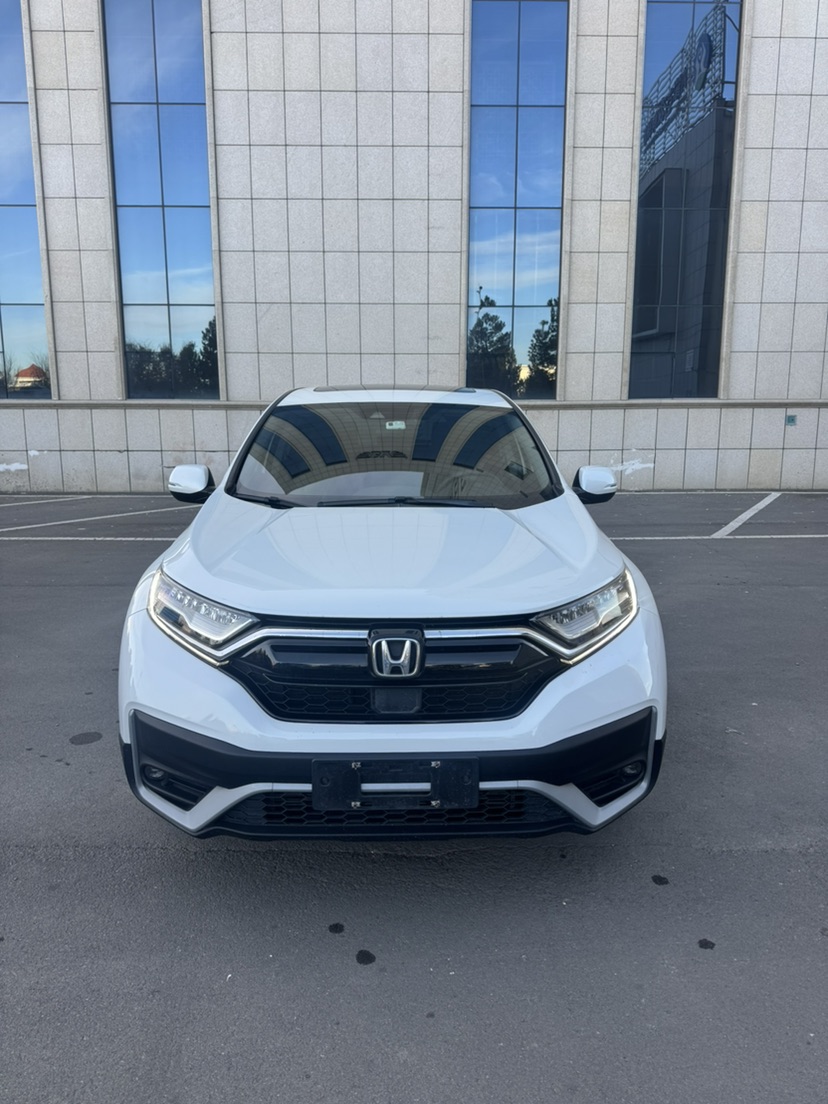
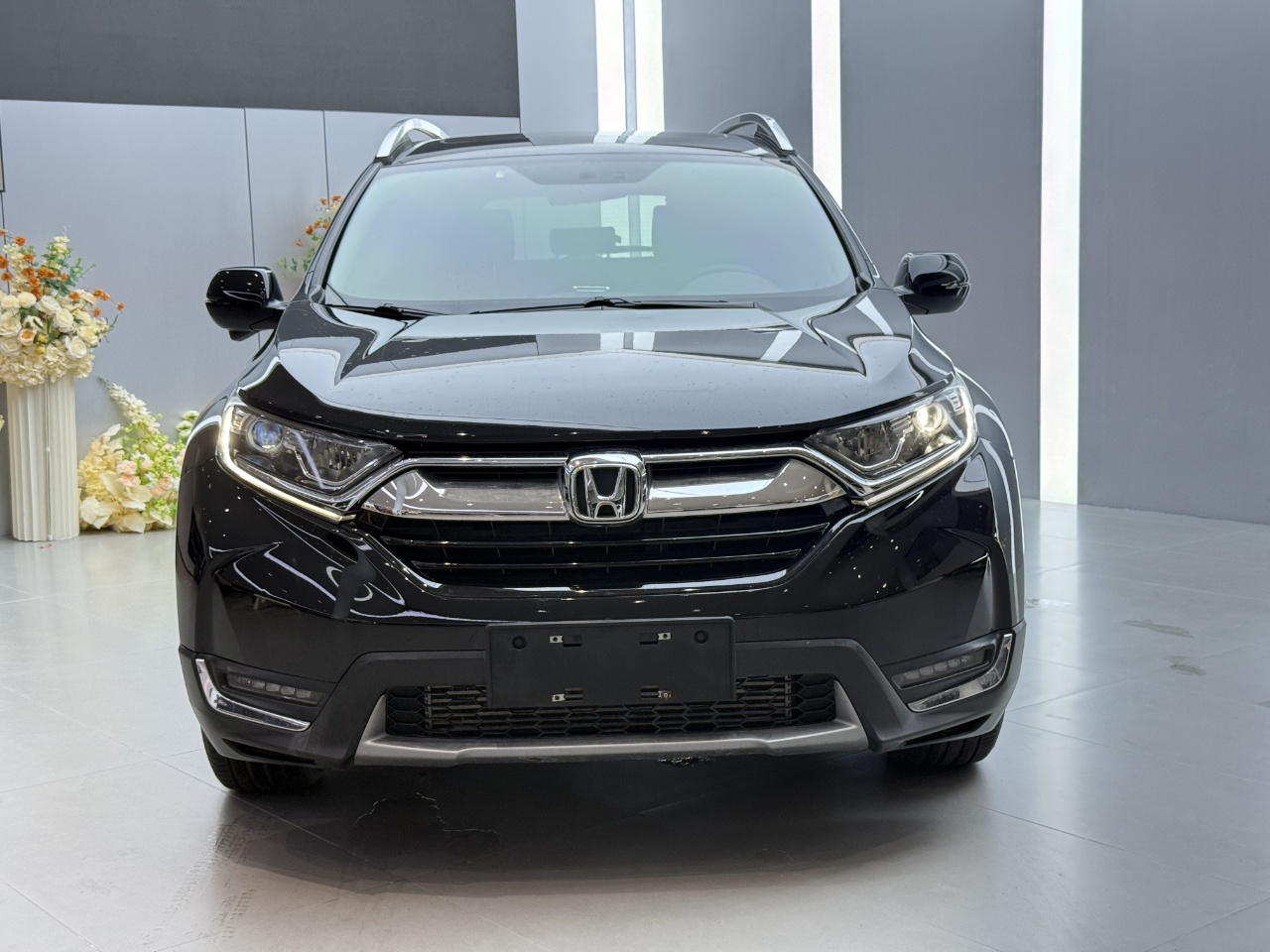
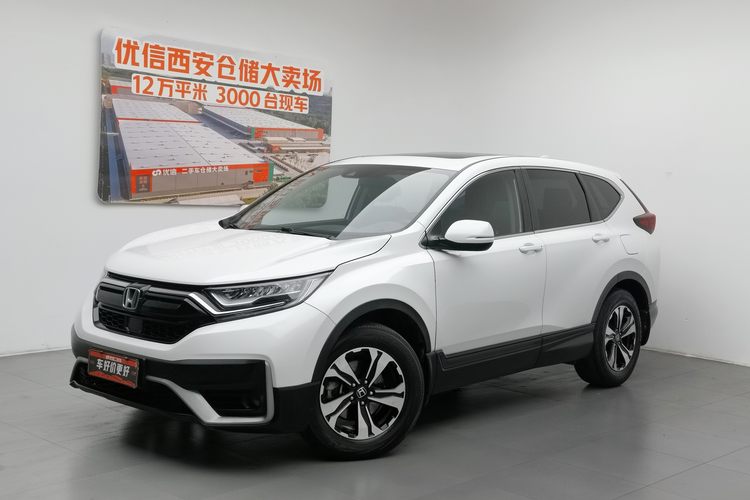
BrandHonda
SeriesCR-V
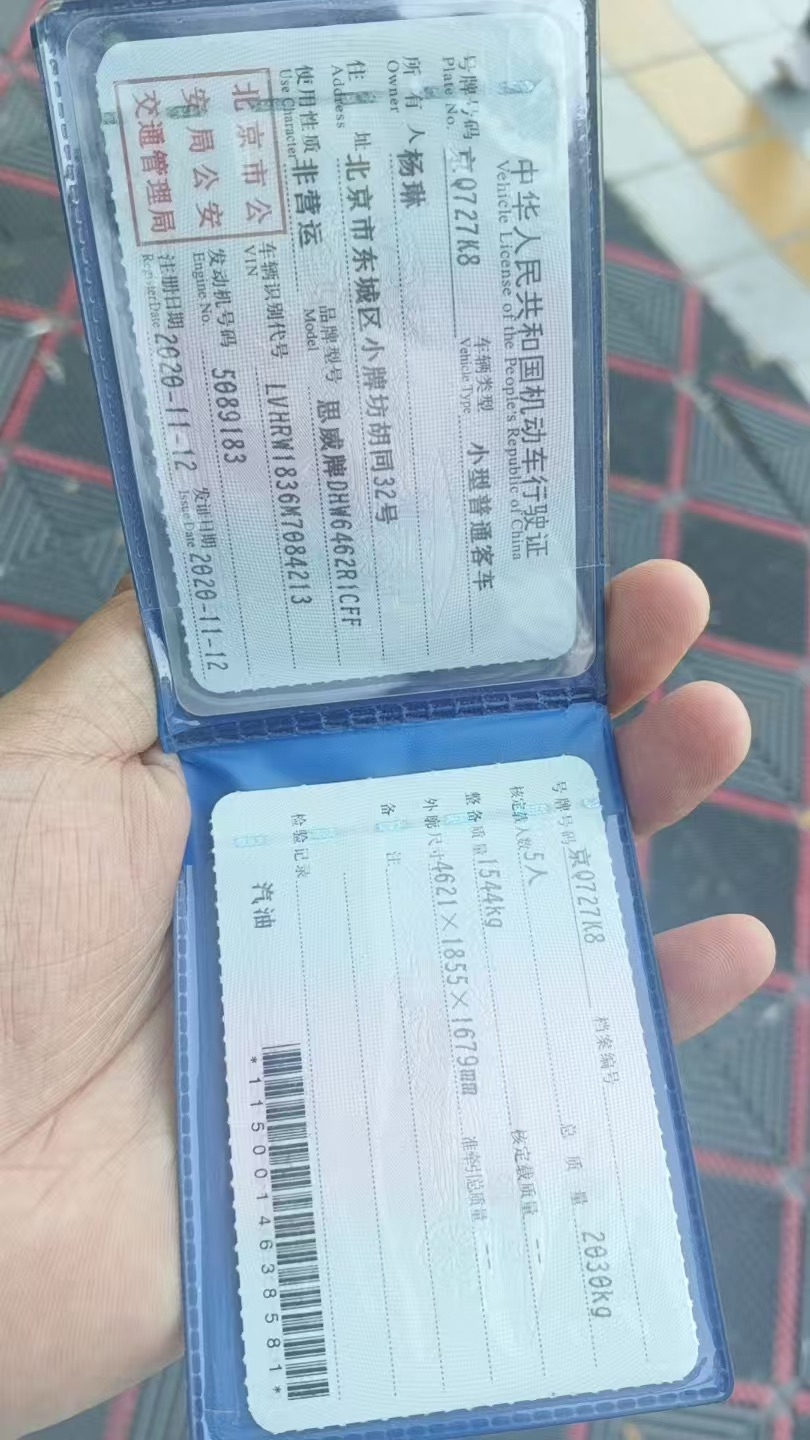
Year2020
First Registration2020/11
Mileage80,000km
Transfer Count1times
FuelGasoline
TransmissionCVT
Engine1.5T 193 L4
ColorWhite
Seats-

Condition Description

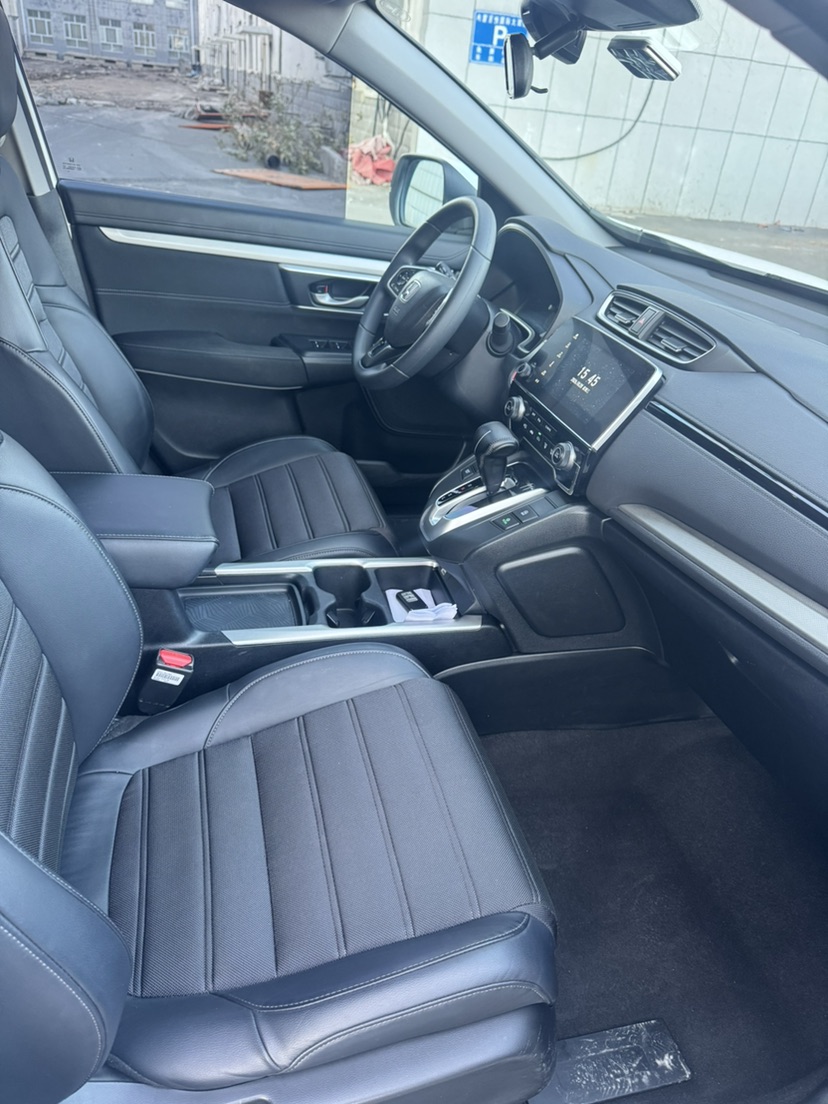
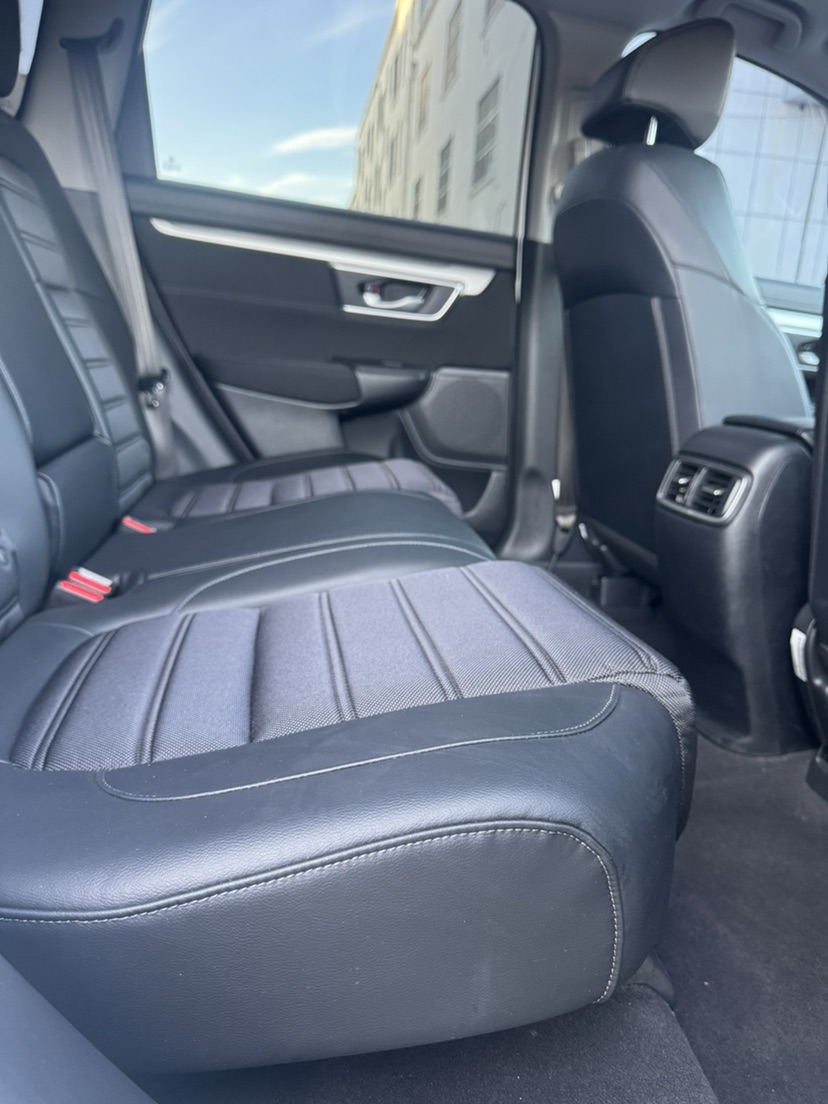
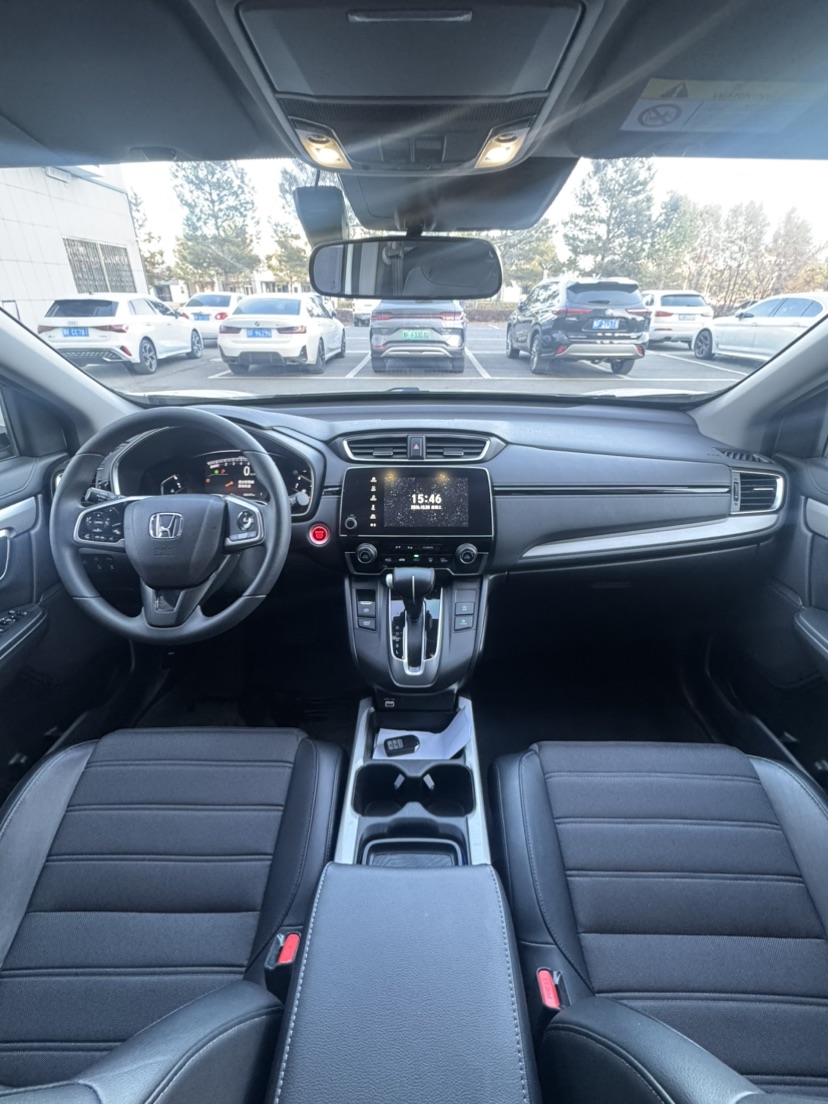
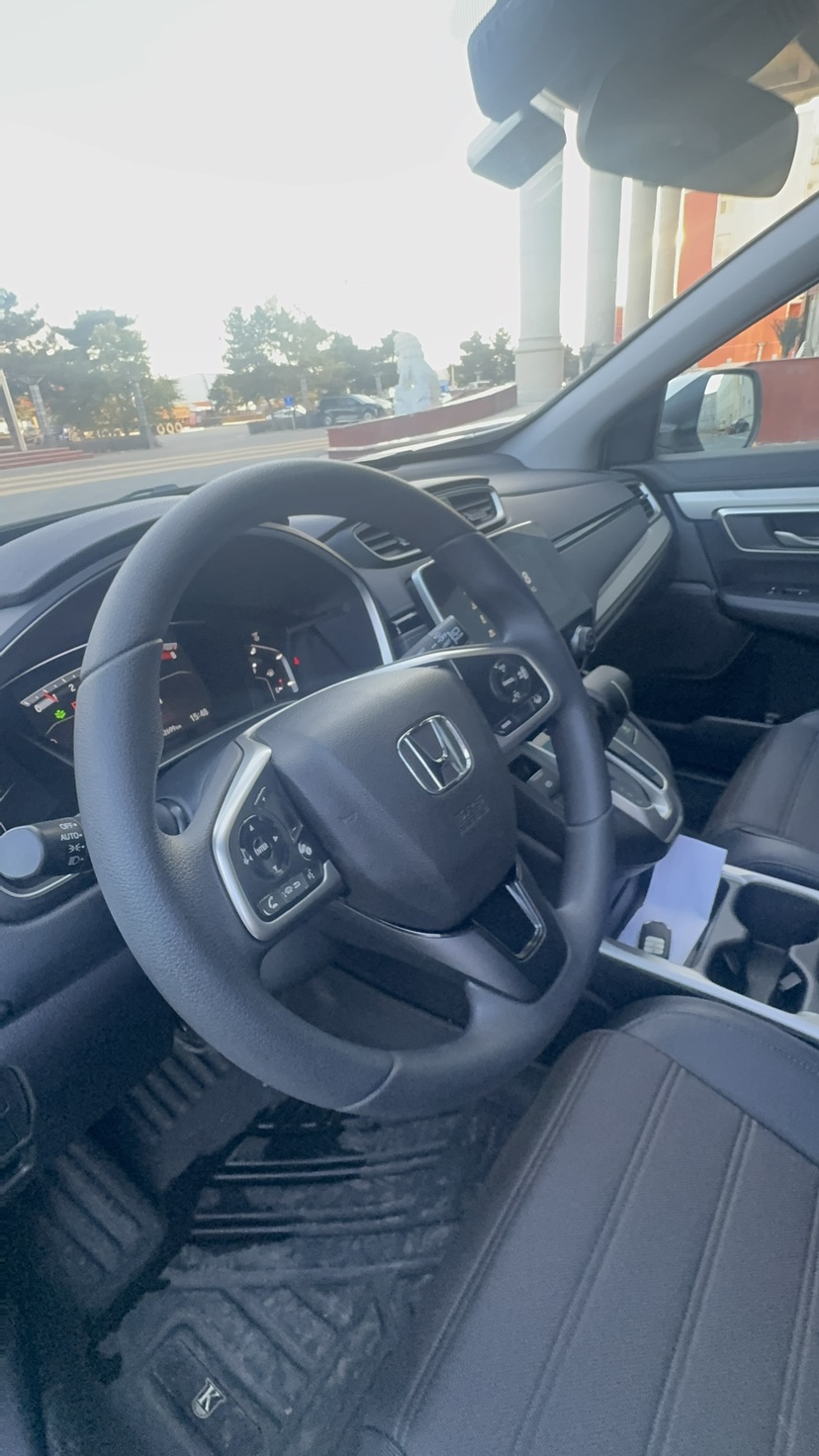
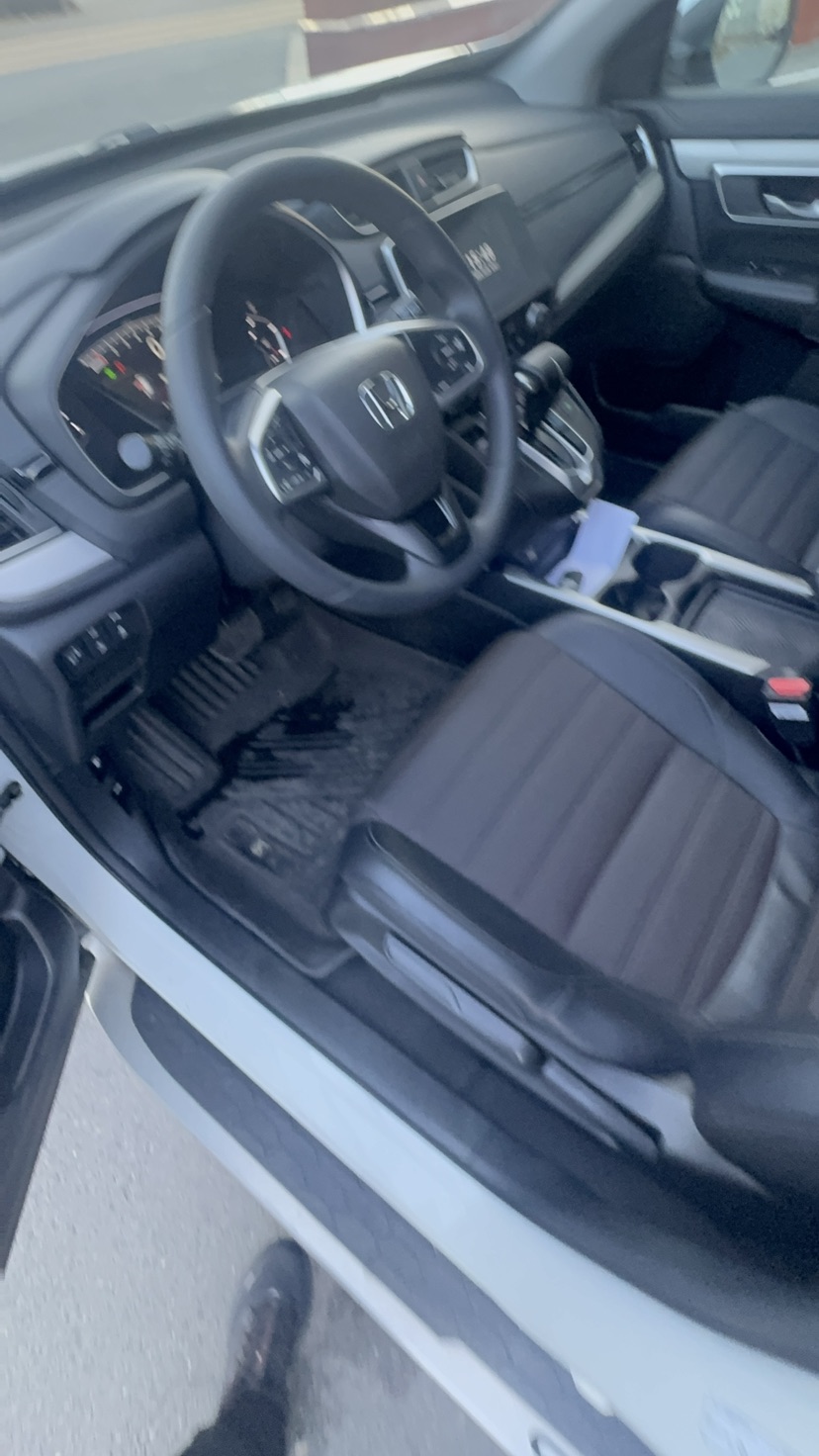
Original paint throughout, guaranteed true odometer reading, single owner.

燃油车
SUV
自动
维保开放
事故开放
查验开放

Configuration Highlights

✓品牌: 本田
✓车系: 本田CR-V
✓车型: 2021款 240TURBO CVT两驱都市版
✓车身类型: SUV
✓座位数: 5
✓排量: 1.5T
✓变速箱: 自动
✓能源类型: 燃油车
✓VIN: LVHRW1836M7084213
✓搜索关键词: 本田本田CR-V 2021款本田CR-V240TURBOCVT两驱都市版

Document Information

Inspection Expiry Date2026/11
Warranty Expiry Date-
Insurance Expiry Date2026/11

Q&A

More

What hidden fees should I watch for in a Chinese exporter's quotation, and how do I get a transparent breakdown?

Common charges beyond the car price: pre-shipment inspection fee, inland trucking from the car's city to the port, export customs clearance, documentation fee, terminal handling charges (THC), certificate fees, and markups hidden inside the freight quote. How to protect yourself: ask for an itemized quotation with each charge listed separately; compare 2-3 exporters, because a very low car price is often offset by inflated fees; confirm which costs are included up to the port of loading and which you pay at destination; agree in writing on the payment currency and the exchange rate date. Your total budget should be: car price + export fees + freight + insurance + destination port charges + import duties and taxes.
What are the core advantages of buying used luxury cars (like Porsche, BBA) in China compared to purchasing them directly overseas?

China has a large number of luxury cars and a fast turnover rate. For luxury cars of the same year and mileage, the FOB offshore price in the Chinese market usually still has a 10%-15% arbitrage opportunity after deducting shipping costs, especially for models with high depreciation rates.

How do I evaluate interior wear on a used car from China to estimate real mileage and usage intensity?

Interior wear is harder to fake than an odometer and often reveals true usage better than any document. Focus on high-contact points the seller rarely restores. The driver's seat bolster shows creasing and cracking by 80,000-100,000 km even with covers. Steering wheel leather polishes smooth and darkens with hand oils; a shiny wheel with low claimed mileage is a red flag. Pedal rubbers wear through at similar rates — check accelerator, brake, and clutch depth. Second-row wear patterns tell you how the car was used: heavy child-seat indentations suggest family use (usually gentler), while uniform rear wear with clean front suggests commercial or ride-hailing duty. Check seat rails for rust (indicates water ingress) and look under floor mats for moisture staining or musty smell — flood cars often hide it there. Also examine the infotainment and instrument cluster: Chinese EVs log usage data internally, and a dealer diagnostic readout can cross-check driving hours against mileage. Request close-up, well-lit photos of these specific points during your live video inspection rather than relying on the seller's gallery.