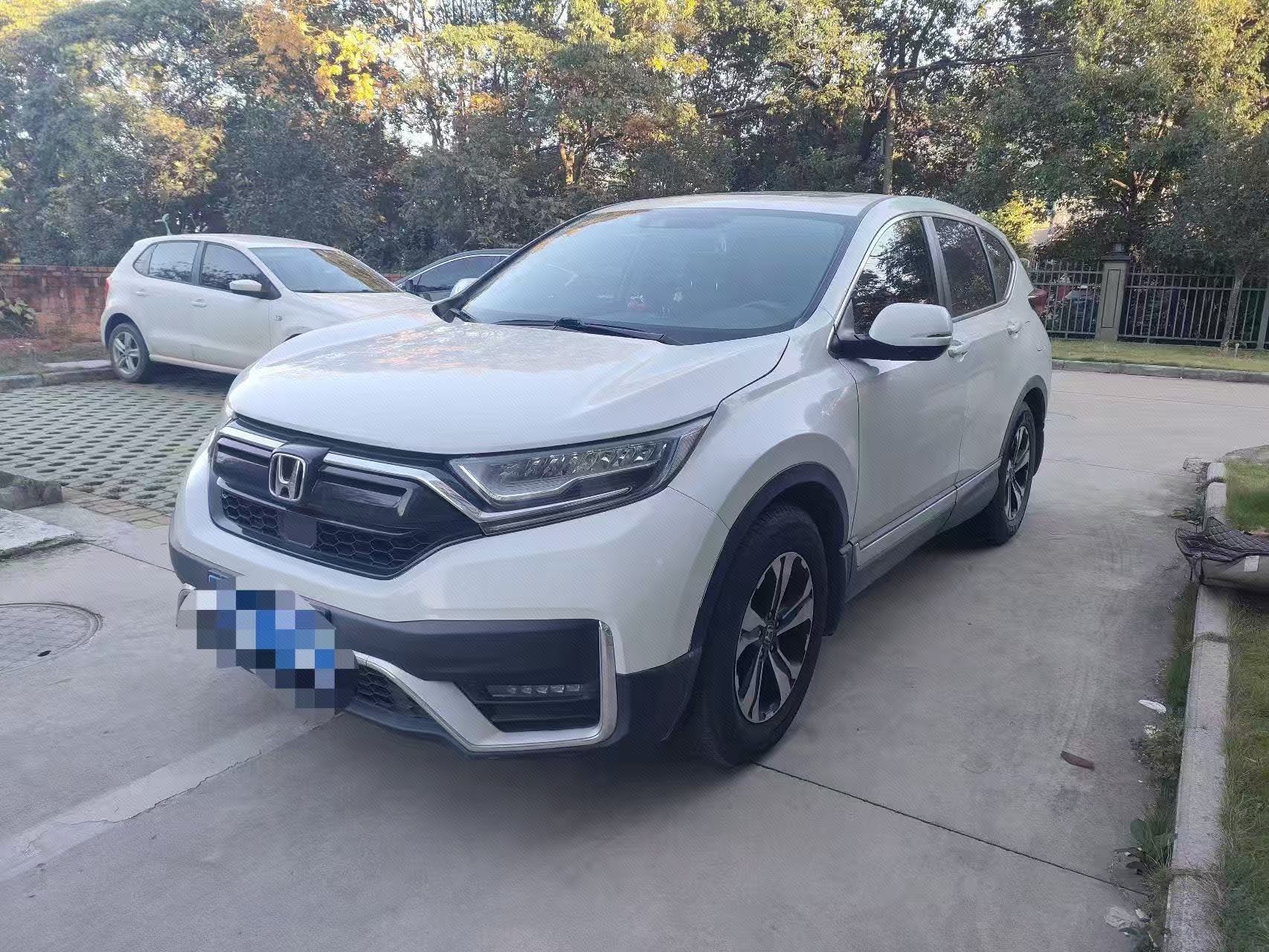
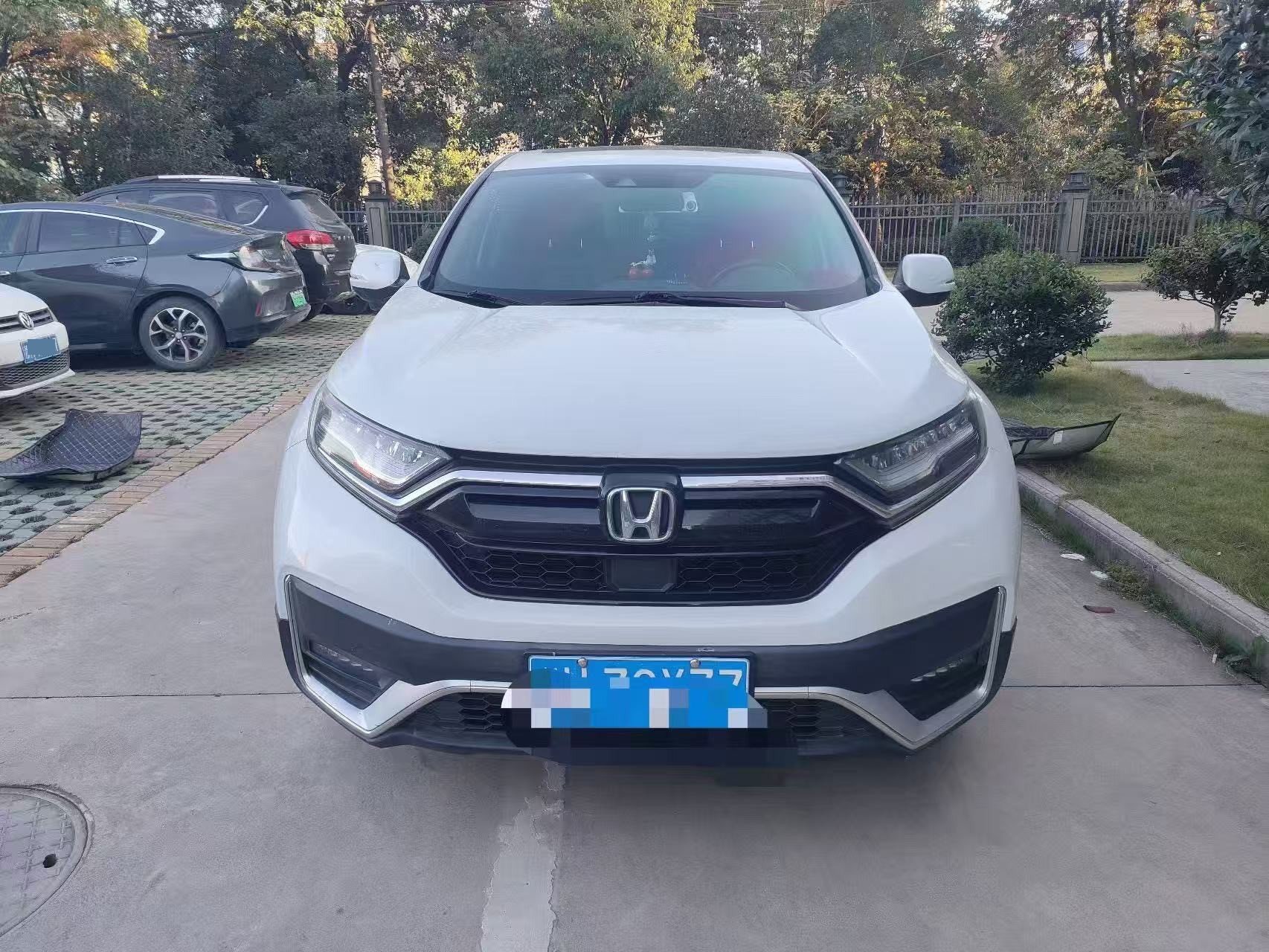
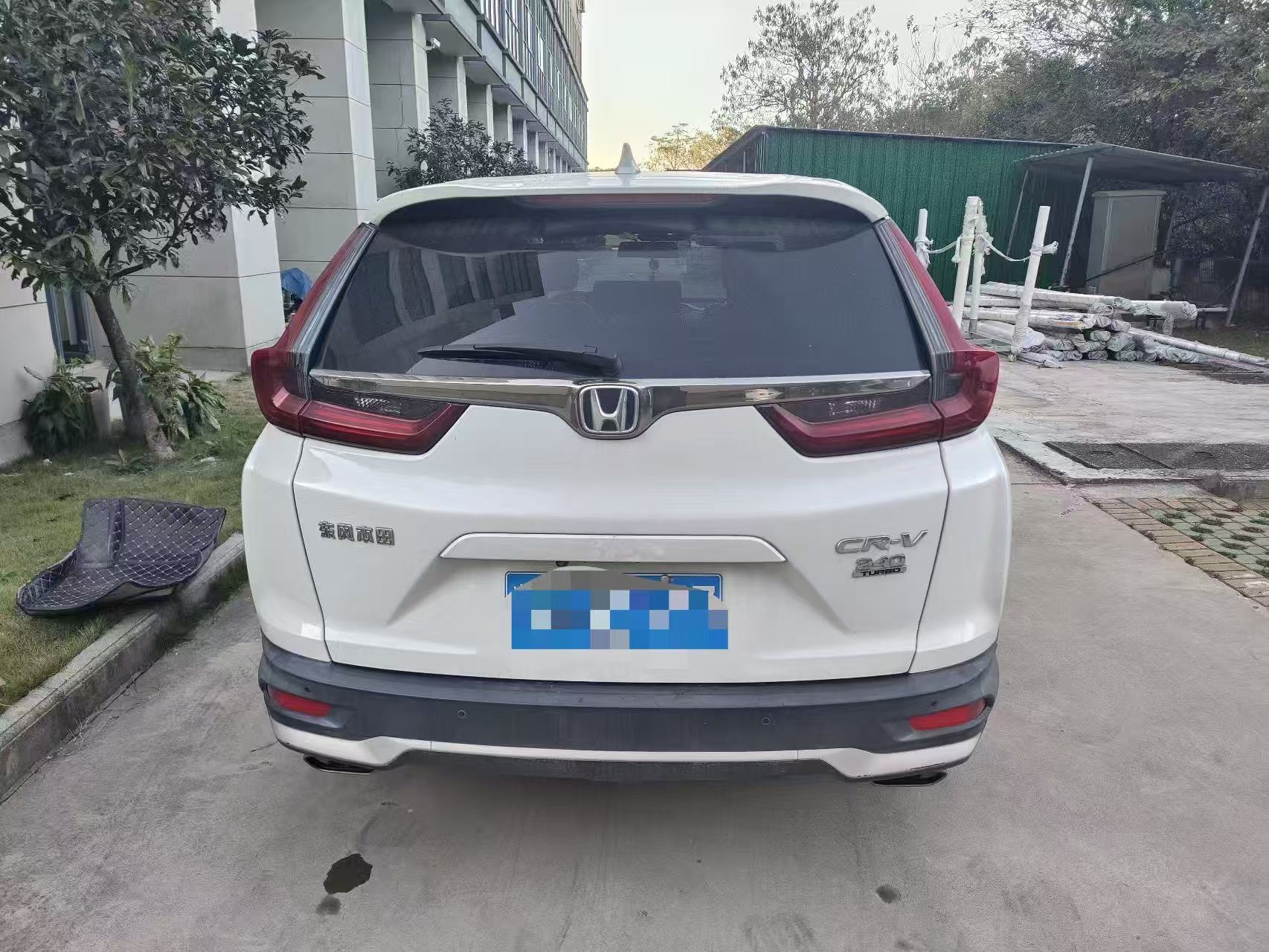
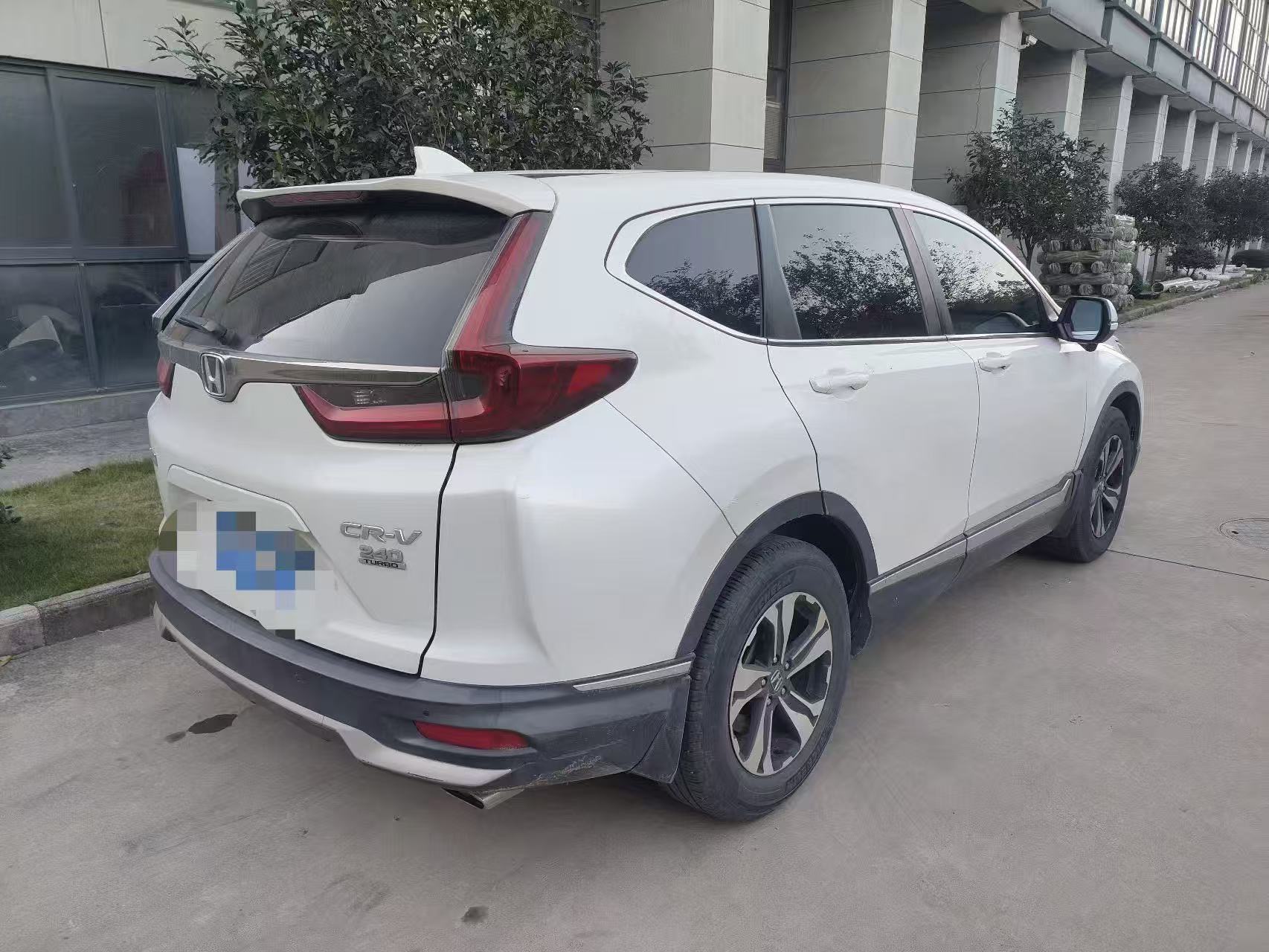



24H

Basic Information

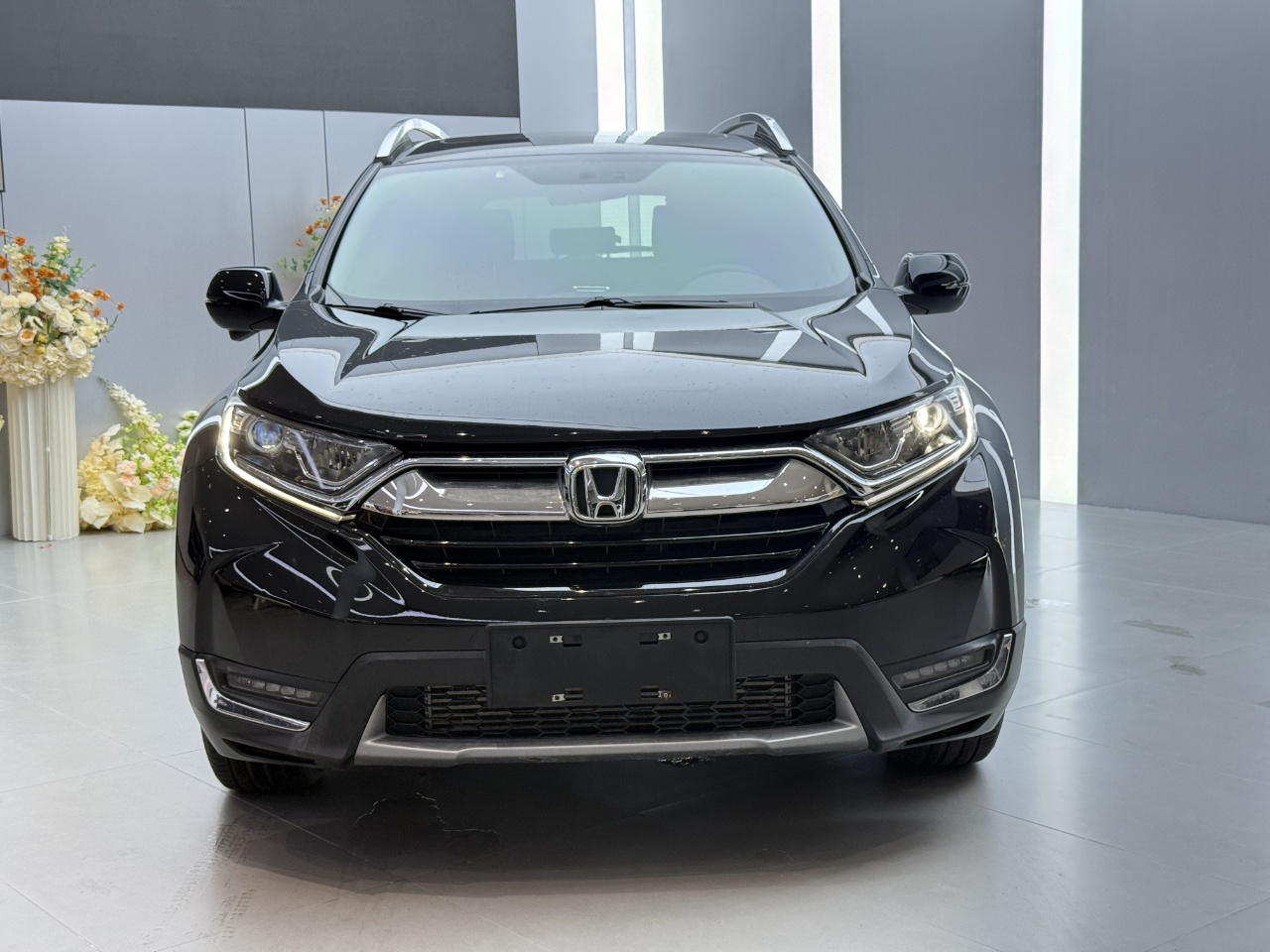
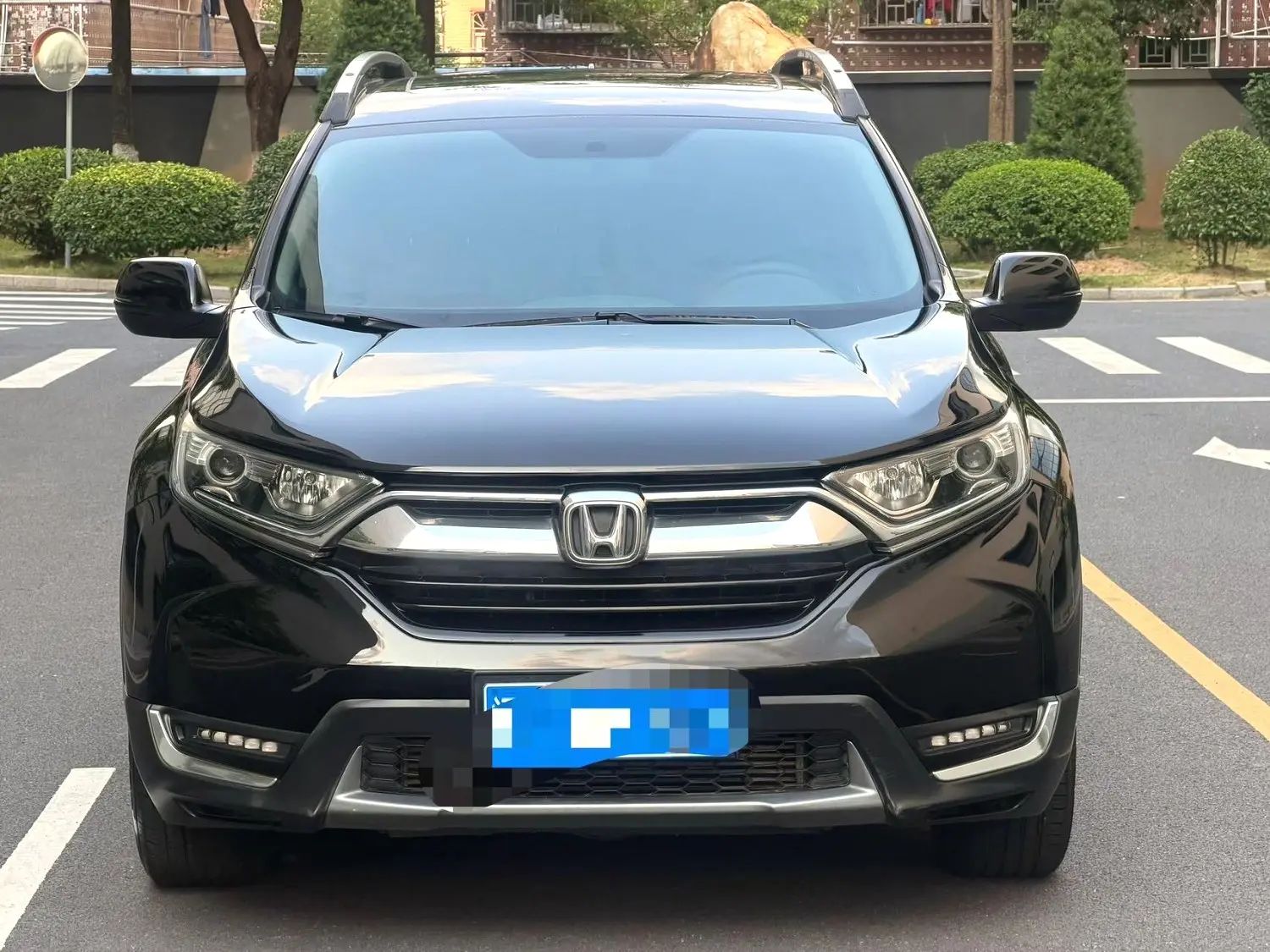
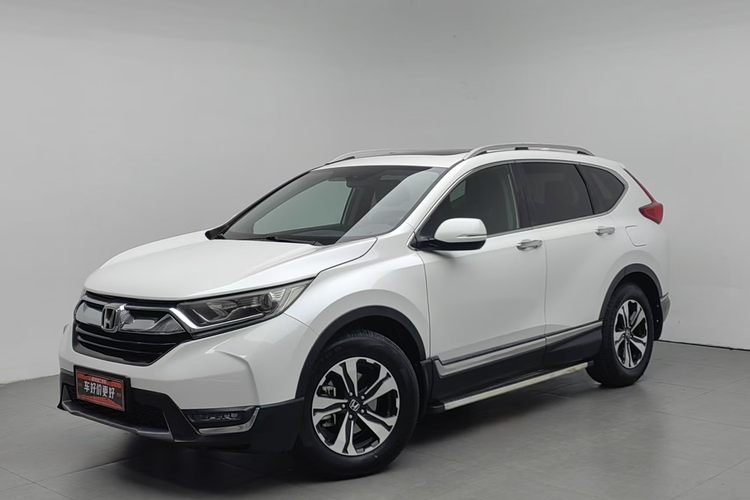
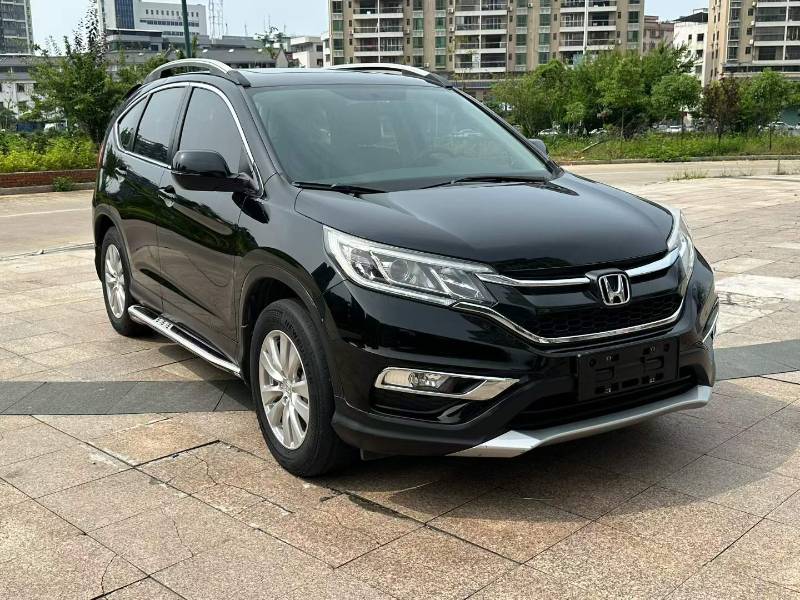
BrandHonda
SeriesCR-V
Year2020
First Registration2020/10
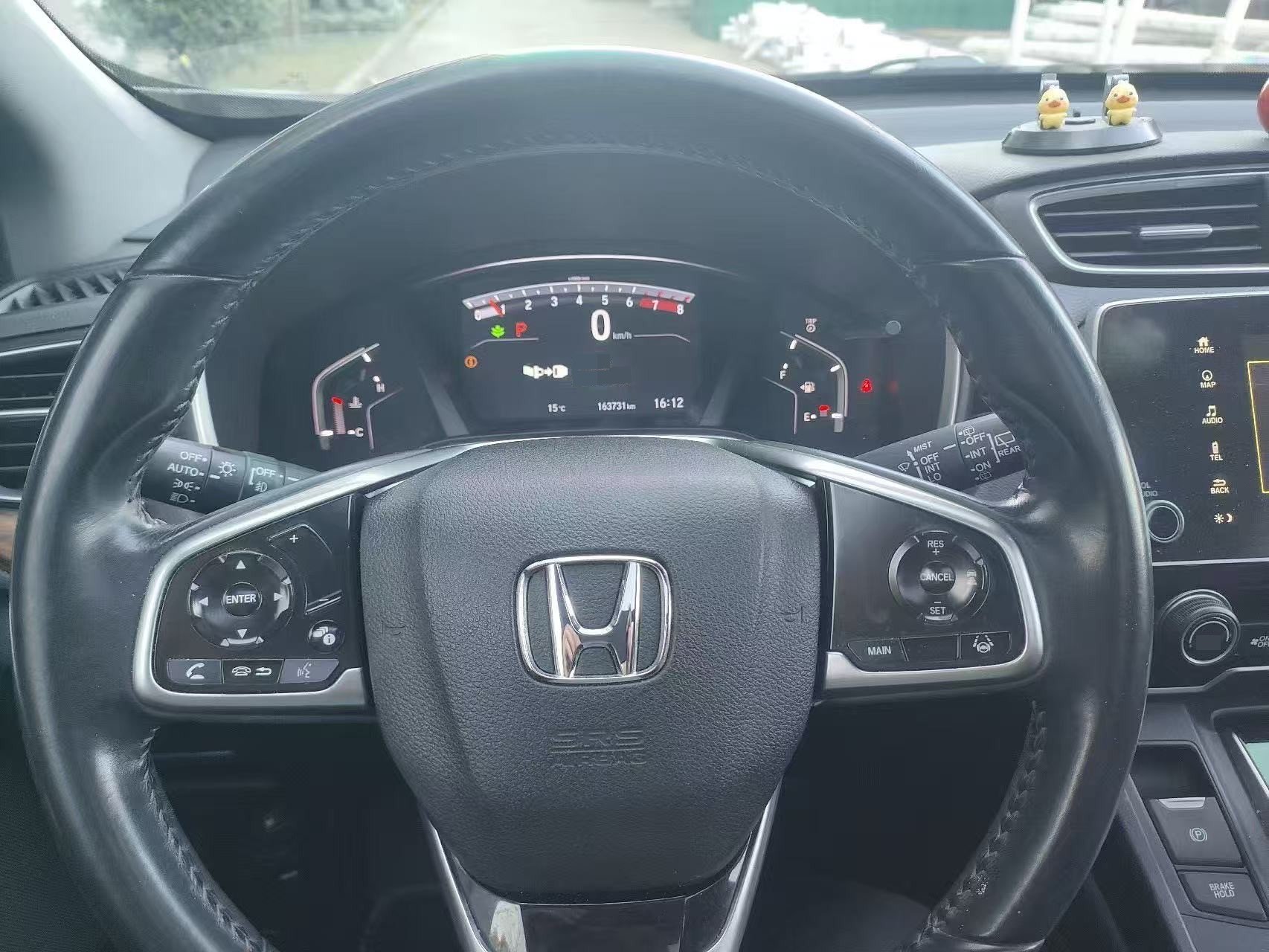
Mileage160,000km
Transfer Count0times
FuelGasoline
TransmissionCVT
Engine1.5T 193 L4
ColorWhite
Seats-

Condition Description

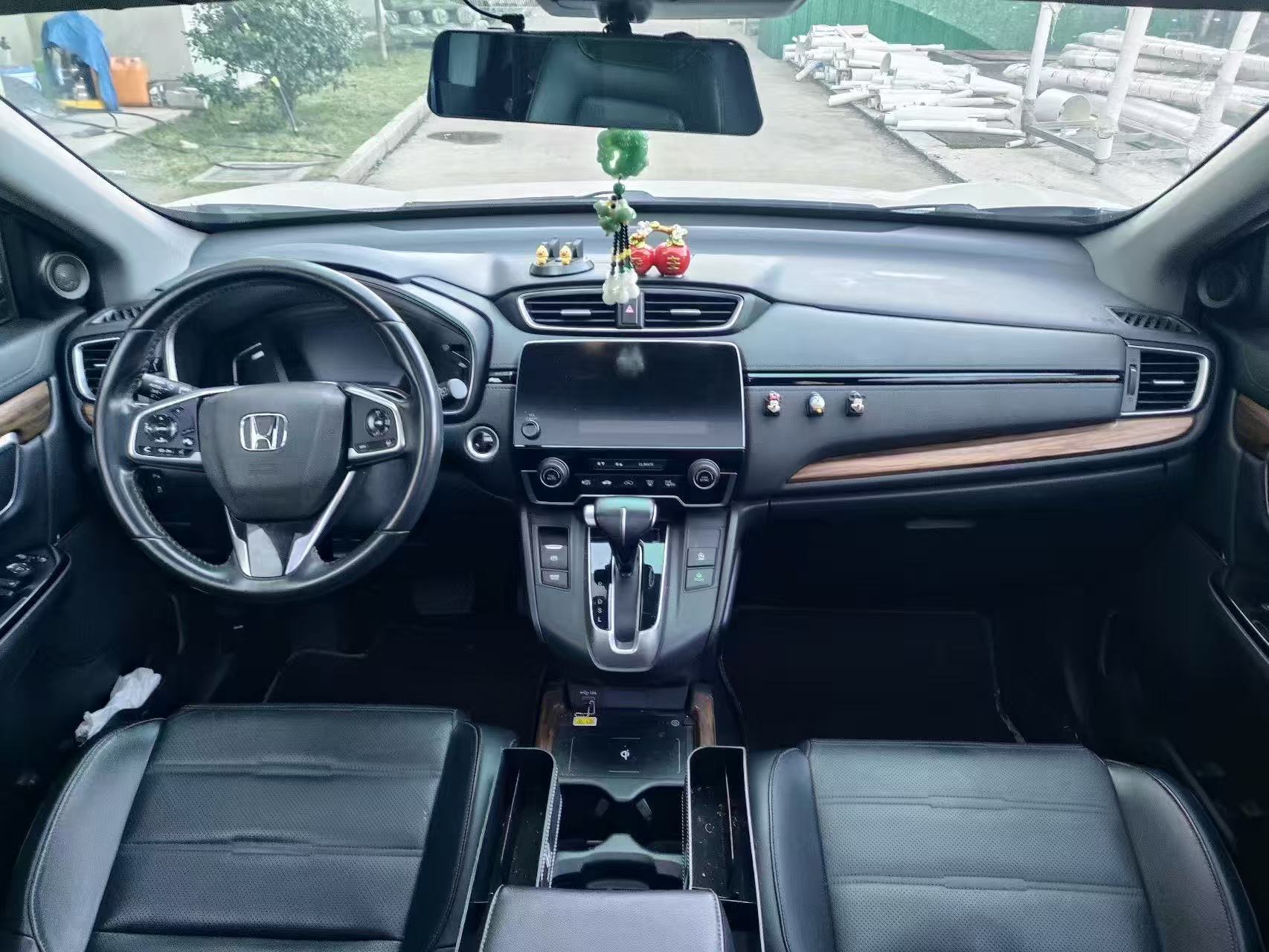
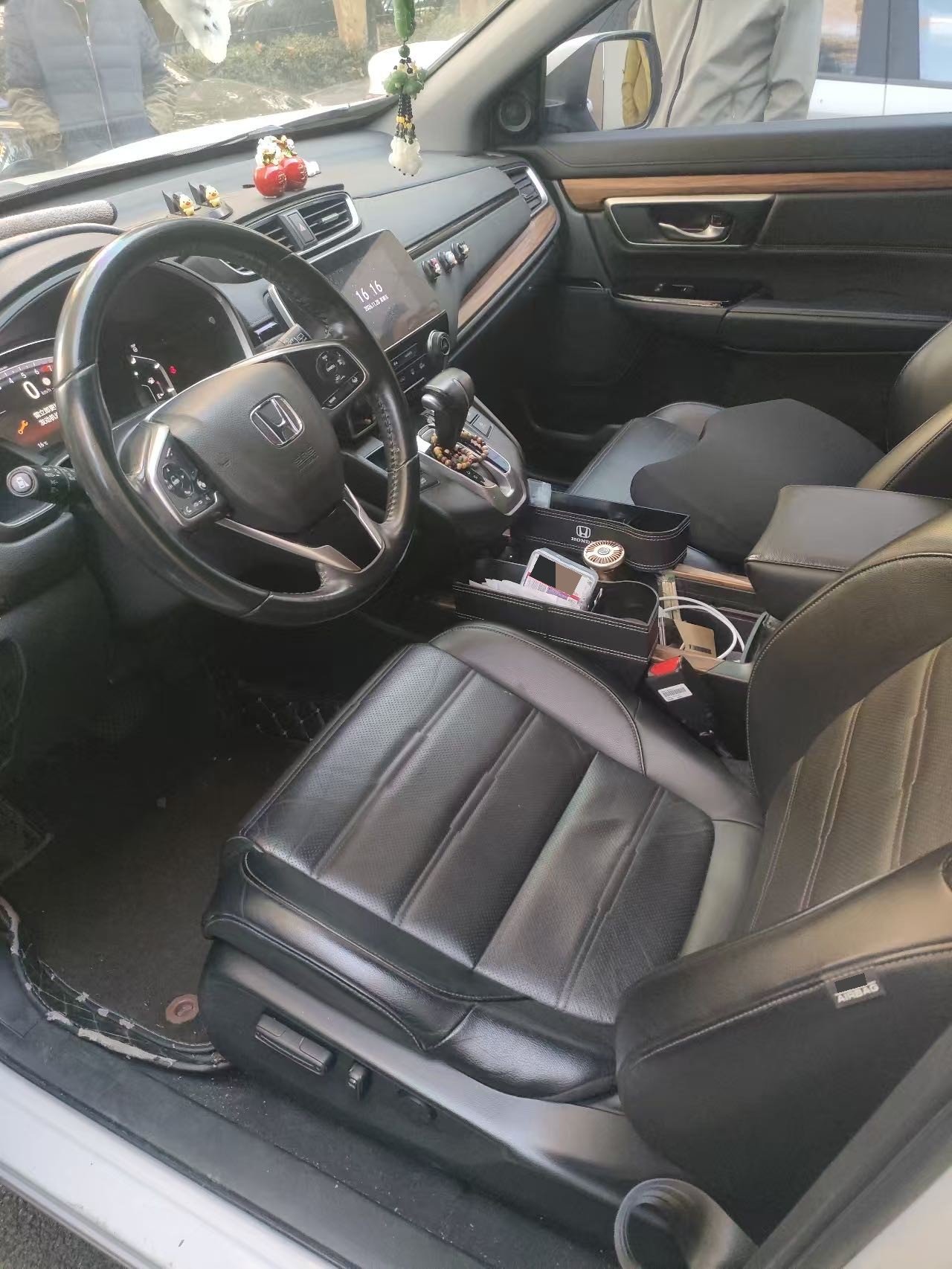
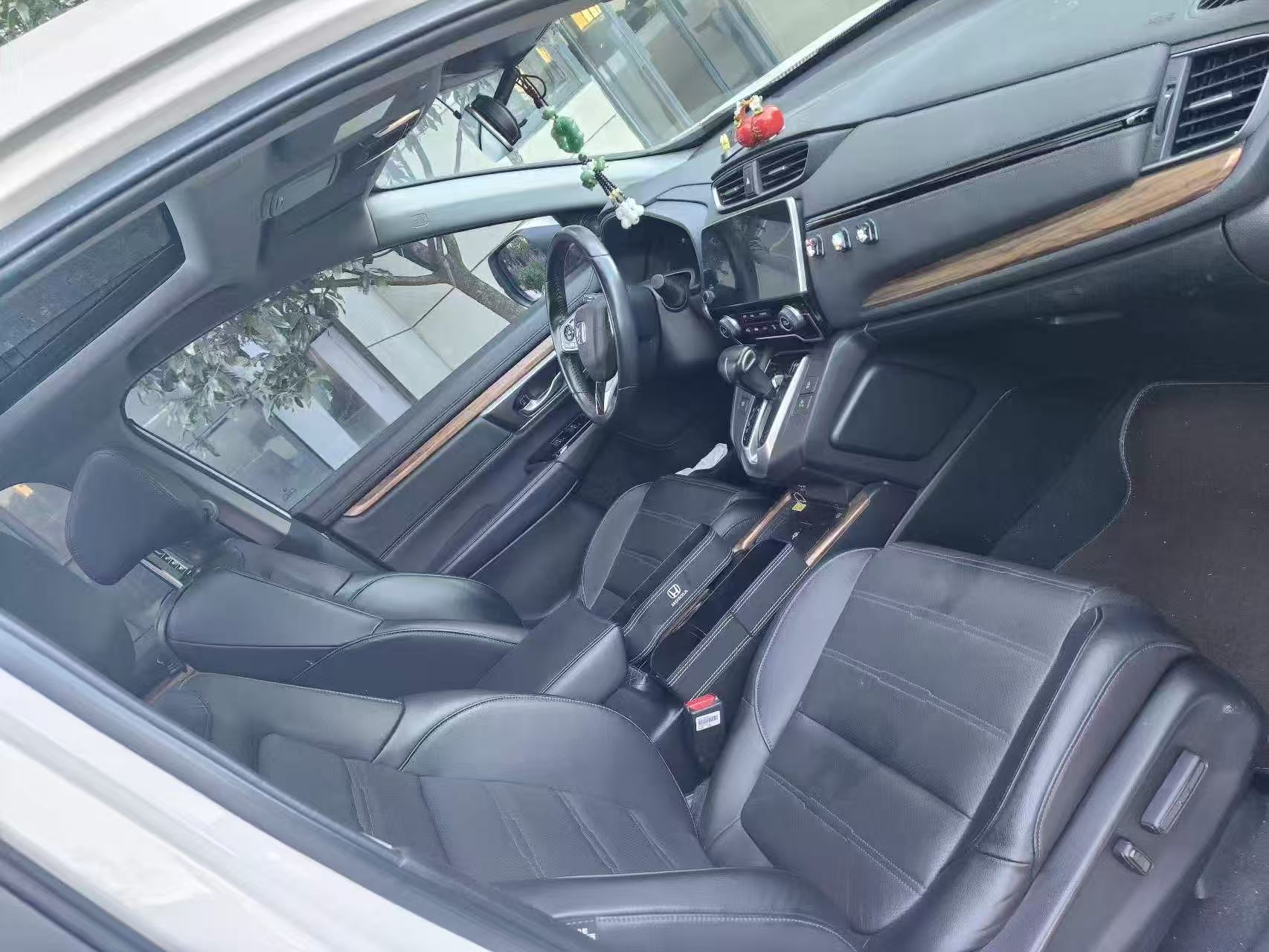
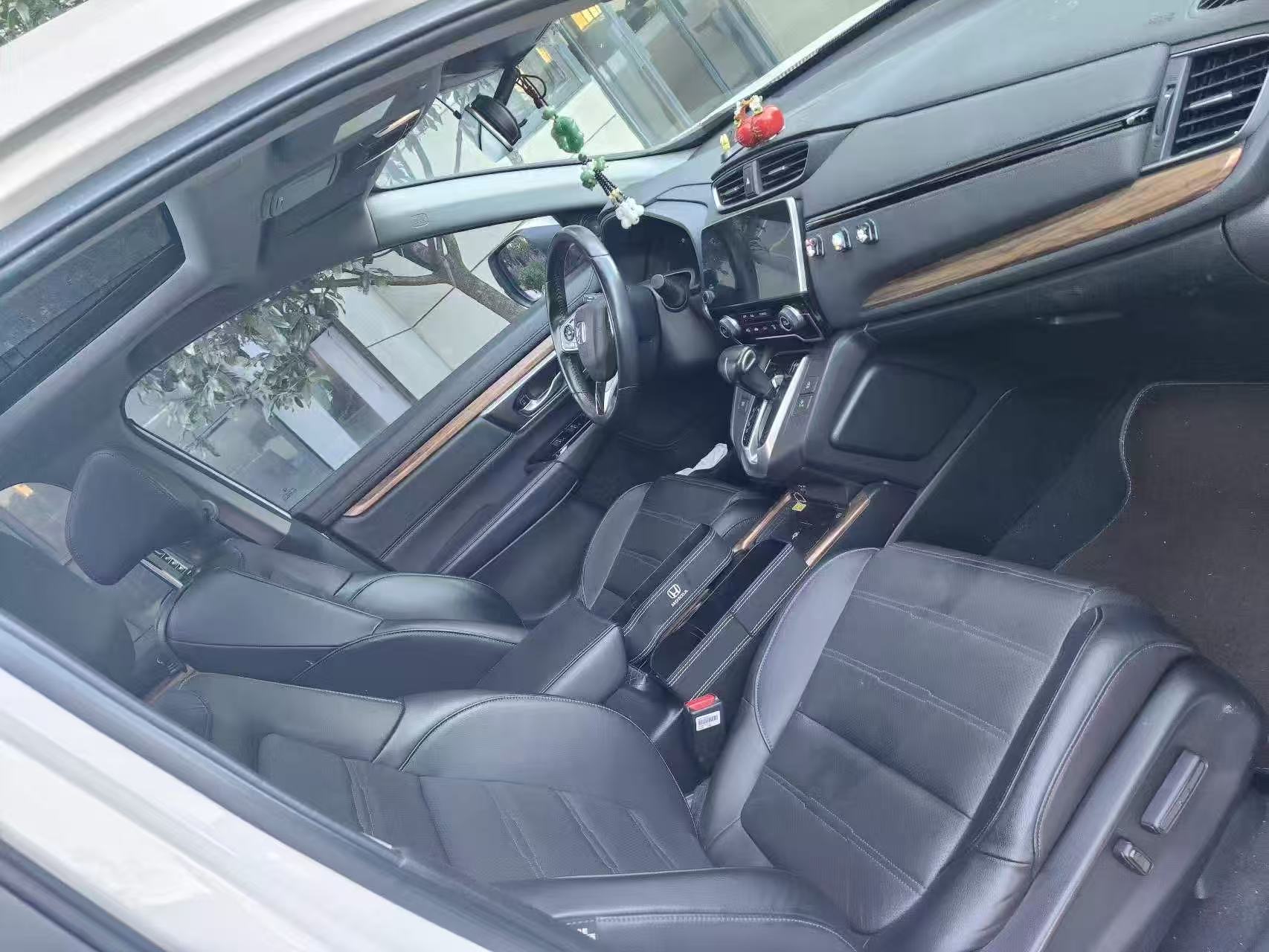
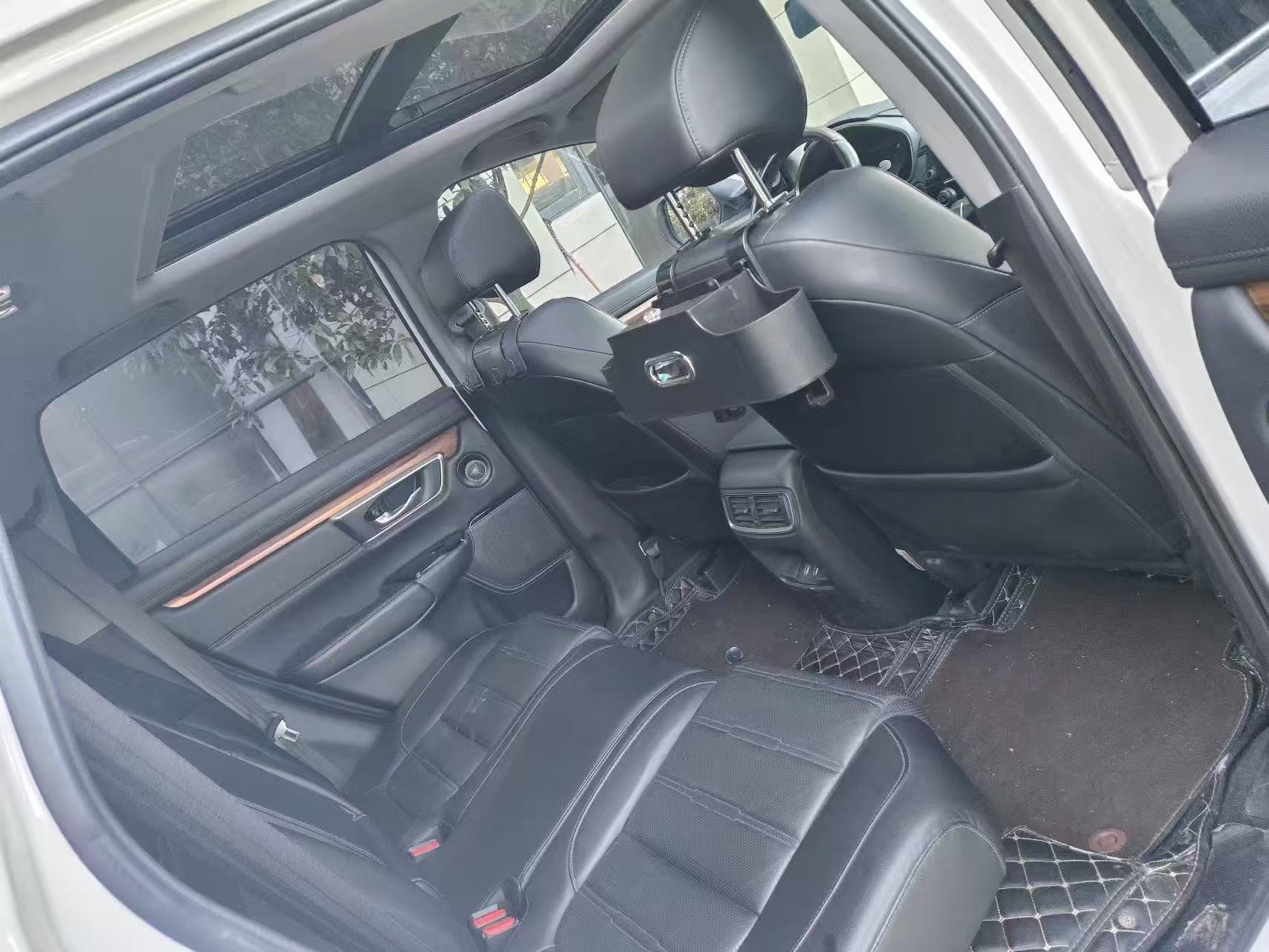
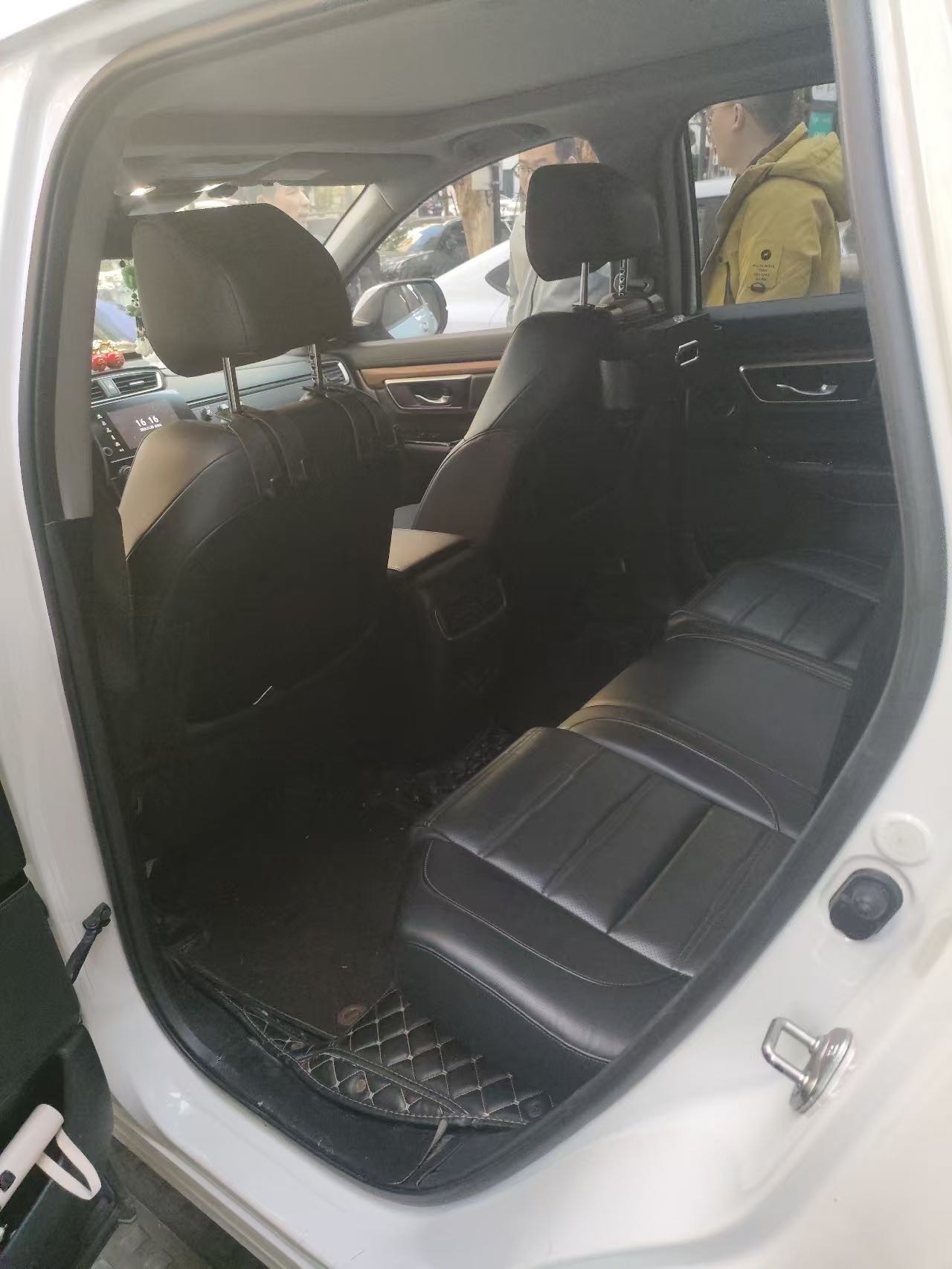
One-owner vehicle, excellent condition, 3 panels repainted, passed Chaboshi inspection with S grade.

Document Information

Inspection Expiry Date-
Warranty Expiry Date-
Insurance Expiry Date2026/12

Q&A

More

Can I get spare parts for a Chinese-brand car in my country, and how do I order them from China?

Parts availability depends on the brand's official presence in your market, but even unsupported brands can be maintained through direct ordering. Check three channels first: the brand's official dealer network (if any), third-party importers who specialize in Chinese auto parts, and generic equivalents. For wear items like brake pads, filters, and wipers, aftermarket suppliers usually stock cross-references by VIN. For model-specific parts — headlights, sensors, control modules — order directly from China. Ask your exporter for the parts catalog by VIN, confirm OEM part numbers, and compare prices. A turbocharger that costs $900 from a local dealer often ships from China for $350 plus $80 freight. Practical tips: bundle multiple parts into one shipment to amortize freight; ask for DDP (delivered duty paid) pricing so customs clearance is handled; and always verify part numbers against your VIN before paying, as Chinese models have running changes mid-year. Keep a small stock of common wear parts — oil filters, air filters, spark plugs — to avoid a 4-6 week wait for routine maintenance.


How do I verify the maintenance and service history of a used car in China before buying it?

A complete service history tells you more about a car than its mileage. In China, most maintenance is done at authorized (4S) dealers, and each visit is recorded in the brand's national database. First, ask the seller for the service booklet and maintenance invoices, then have your inspection agent call the brand's 4S network with the VIN to pull the full service record. This shows oil changes, major repairs, recall work and accident-related repairs. Second, check that the mileage recorded at each service visit increases logically. A gap between the database mileage and the dashboard reading is a red flag. Third, ask for the annual inspection (nianjian) records, which are mandatory in China and show whether the car passed emissions and safety checks on time. If the seller claims a full service history but the database shows no records, assume the car was maintained at small independent shops or neglected. Adjust your offer accordingly — plenty of used cars in China have documented histories.

Is China's "National VI B" emission standard equivalent to Europe's Euro VI standard?

From a technical perspective, China's "National VI B (China VI-b)" is one of the strictest emission standards globally, with limits on carbon monoxide, nitrogen oxides, and particulate matter that are even stricter than some of Europe's Euro VI standards. However, the two are not legally recognized by each other, depending on your country's import regulations.