48H

Basic Information

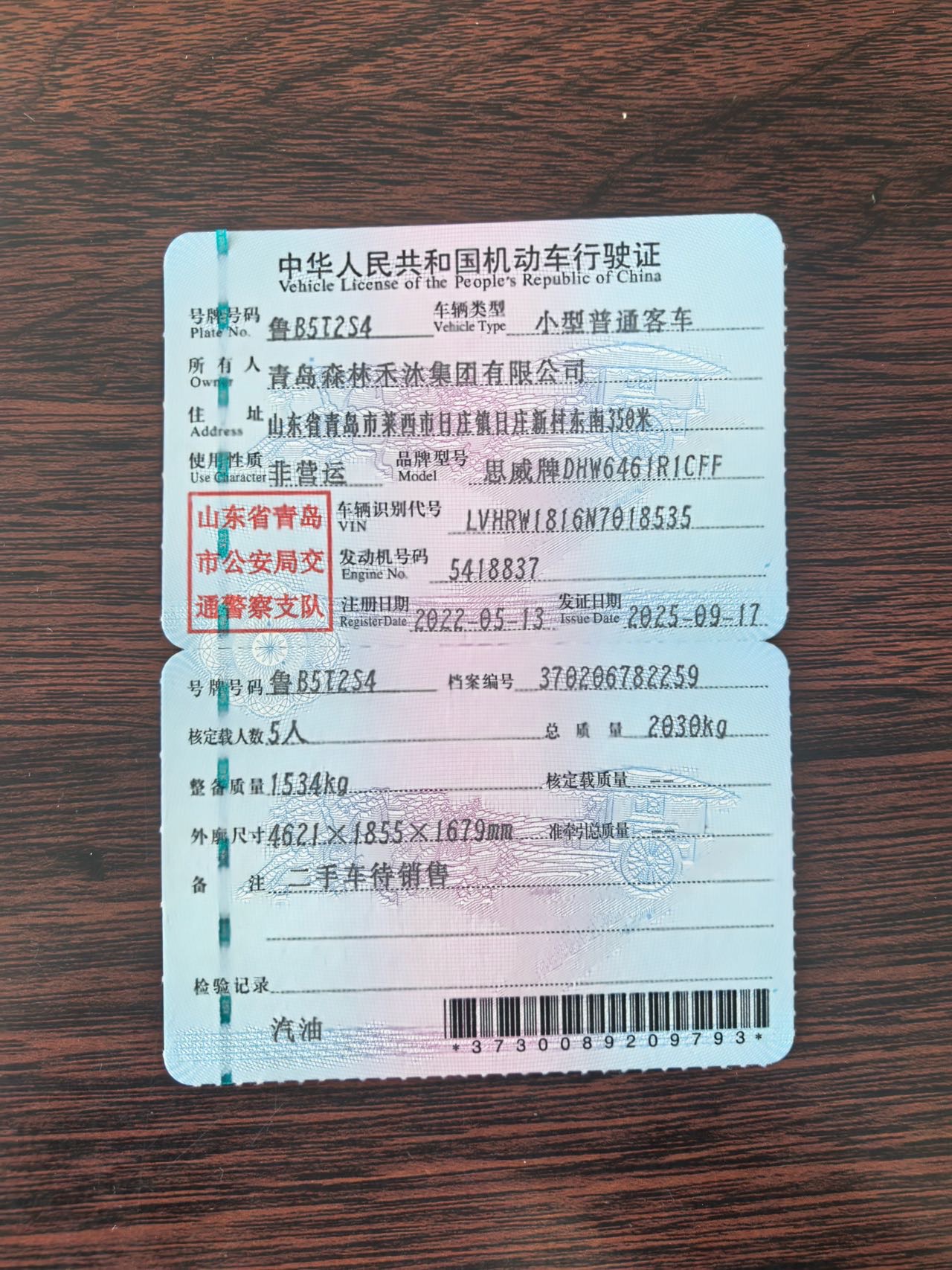
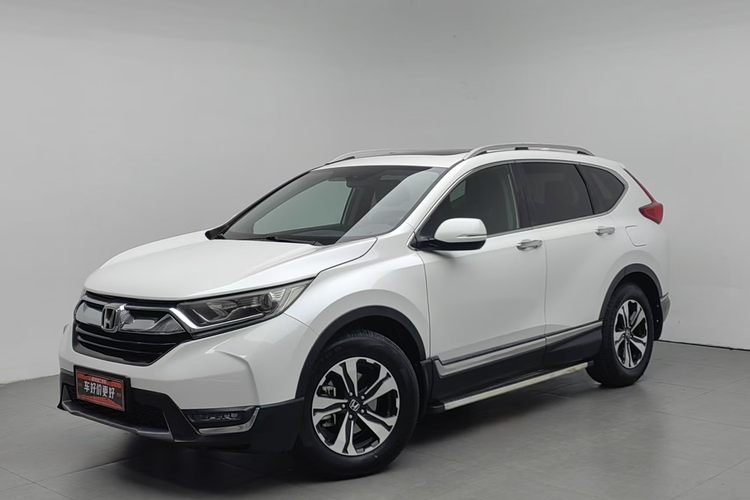
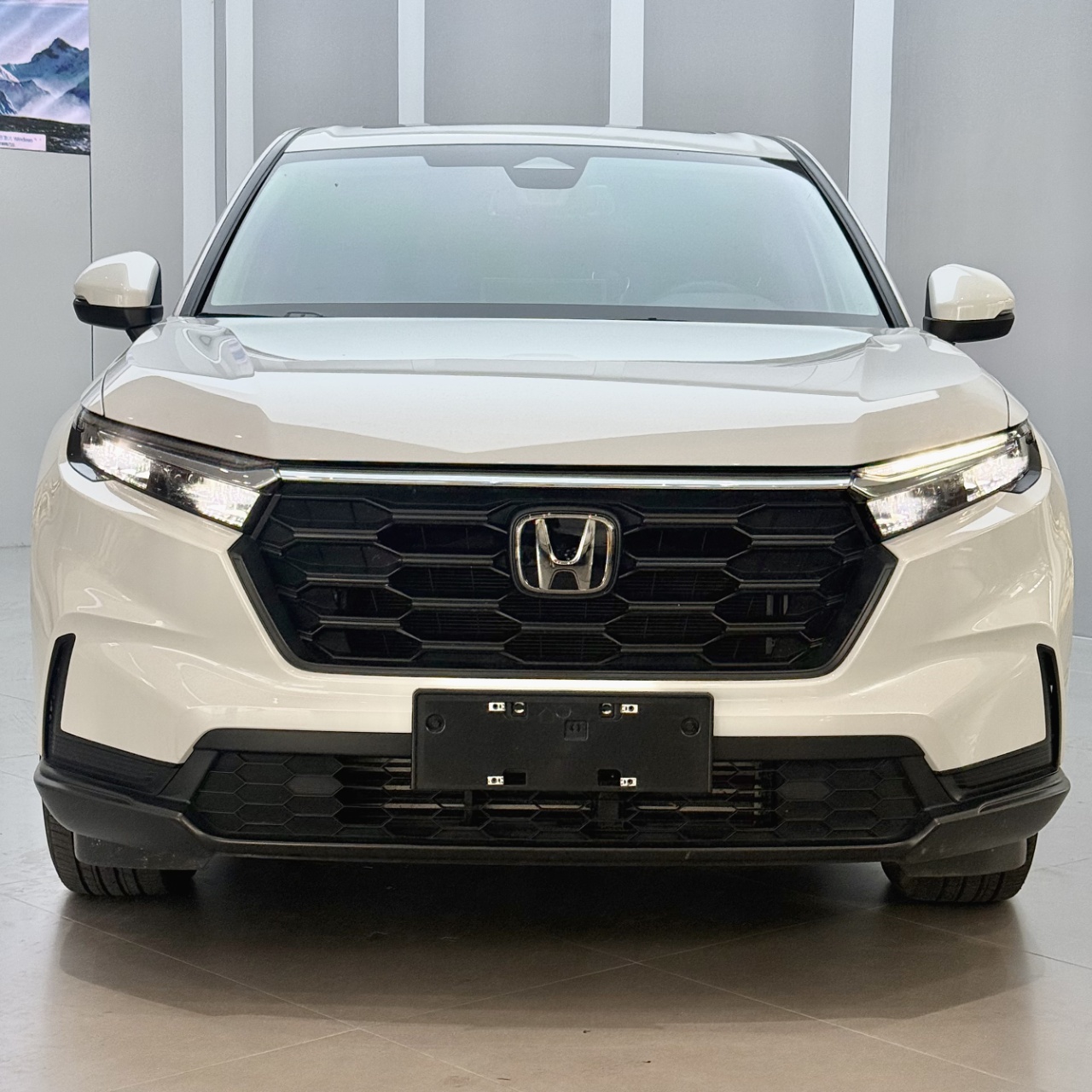
BrandHonda
SeriesCR-V
Year2022
First Registration2022/05
Mileage66,000km
Transfer Count0times
FuelGasoline
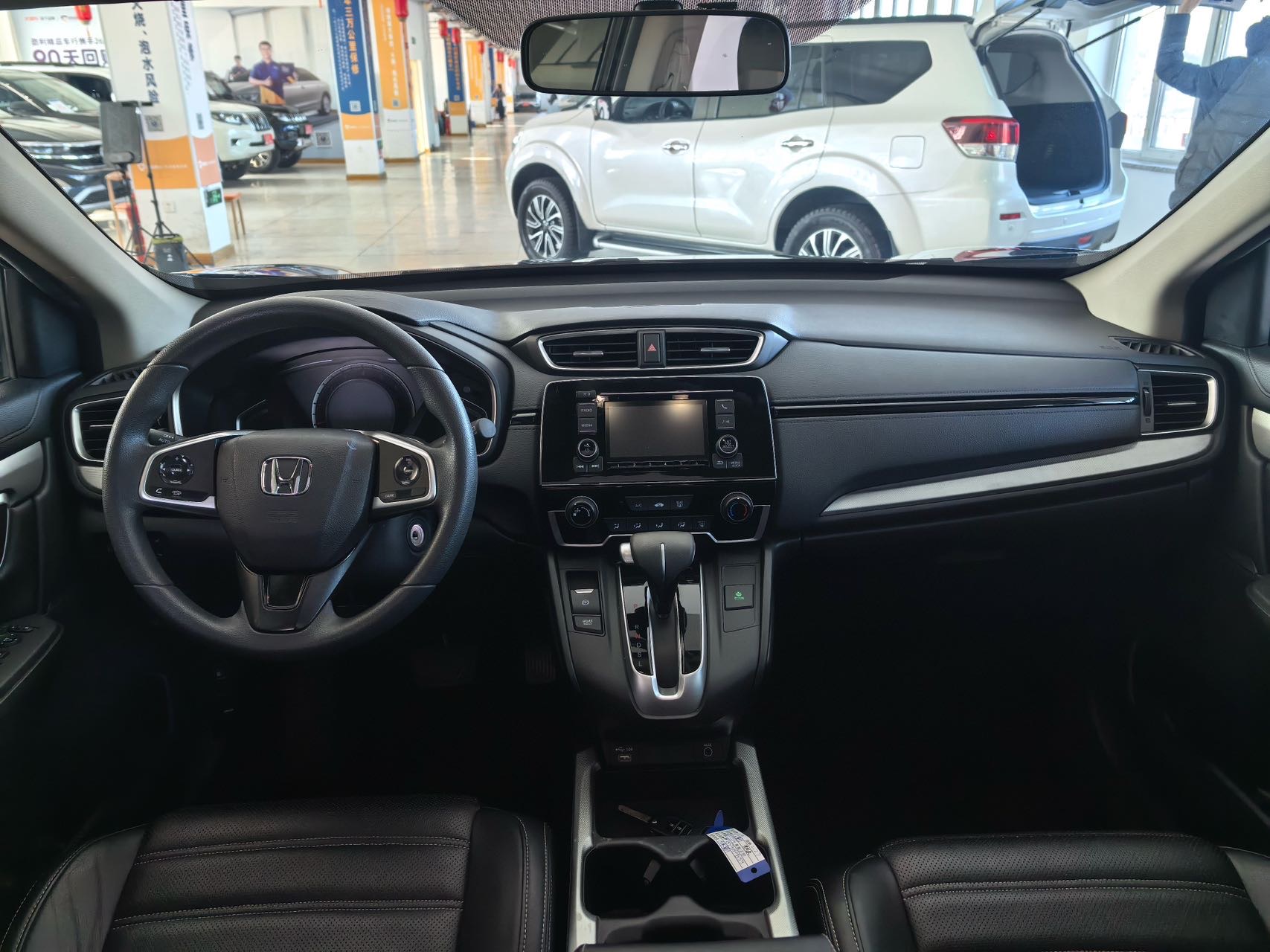
TransmissionCVT
Engine1.5T 193 L4
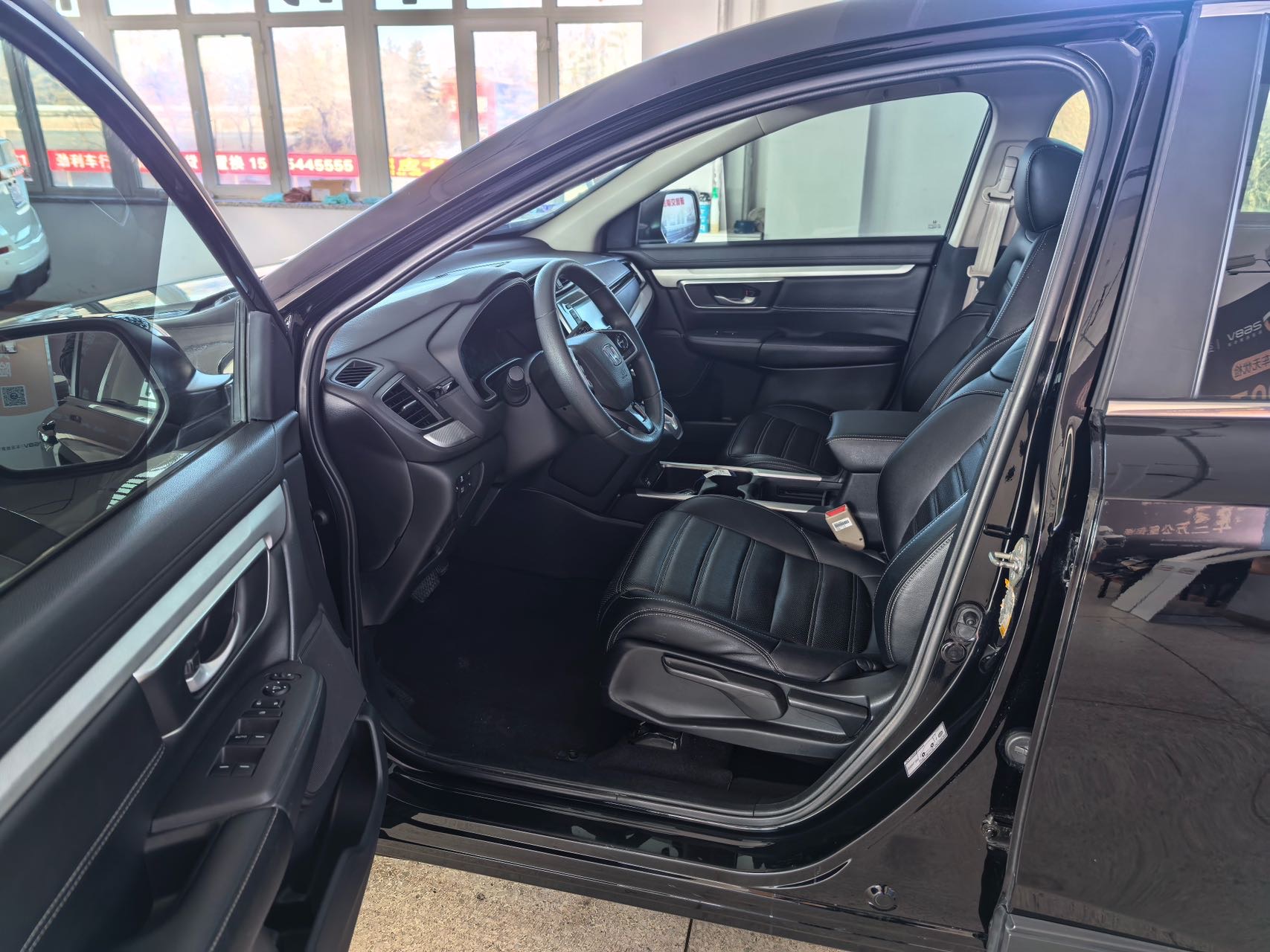
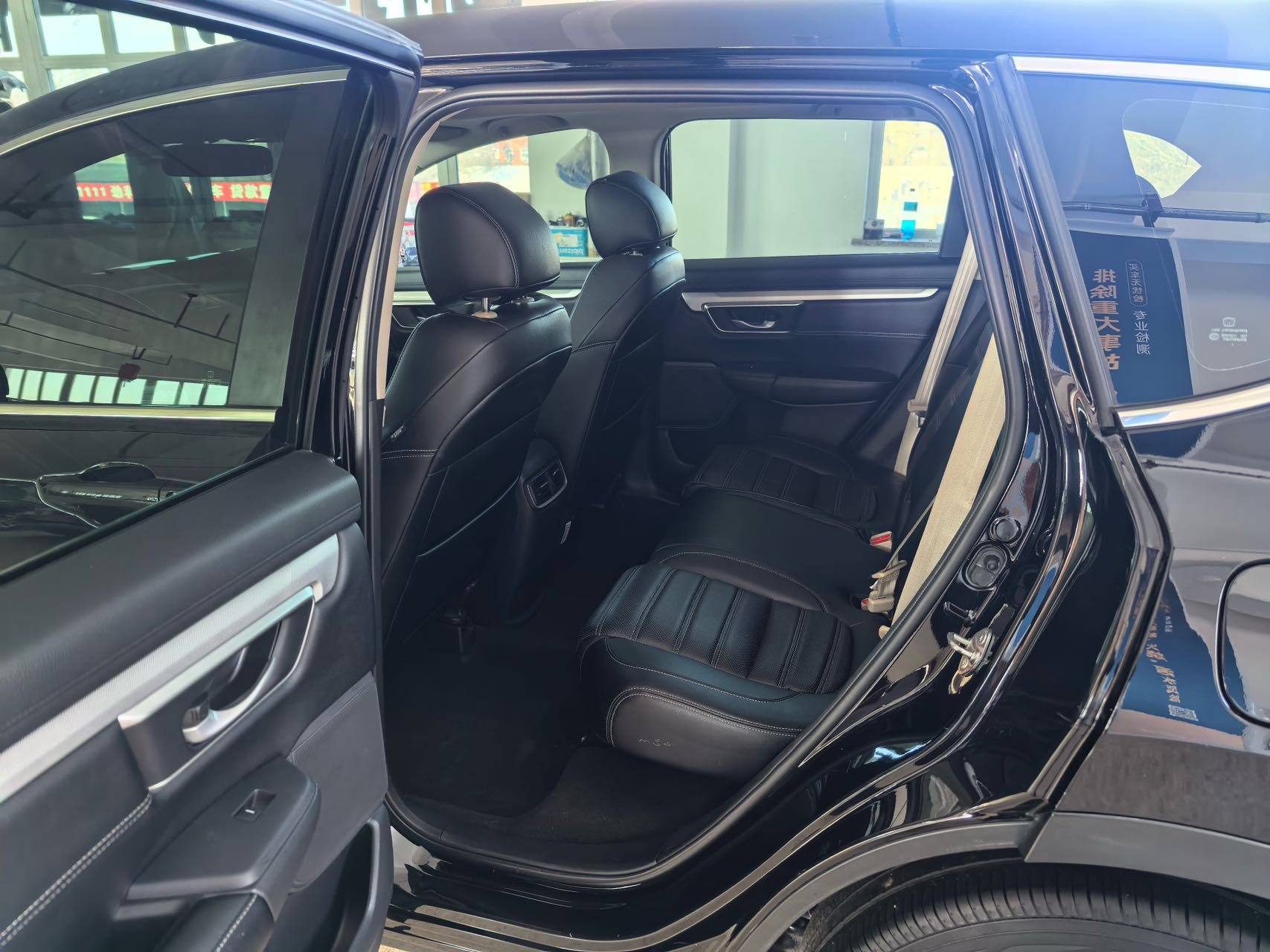
ColorBlack
Seats-

Condition Description

Average condition

Original paint

可议价
已上架
Wholesale

Configuration Highlights

✓品牌: 本田
✓车系: 本田CR-V
✓车型: 本田 CR-V 2021款 1.5T CVT 240TURBO 两驱 舒适版
✓能源类型: 燃油车
✓发动机: 1.5T
✓变速箱: CVT
✓驱动方式: 前轮驱动
✓排放标准: 国VI
✓指导价: 17.98万
✓车源编号: 12675386
✓VIN: LVHR*******018535

Document Information

Inspection Expiry Date2028/05
Warranty Expiry Date-
Insurance Expiry Date2026/05

Q&A

More

Will the type of refrigerant in the vehicle (such as R134a or R1234yf) be indicated on the export documents for environmental customs clearance?

Europe and some developed countries have very strict regulations on greenhouse gases. If required by customs, we will specify the exact refrigerant type and charge amount according to the vehicle's air conditioning compressor nameplate in the remarks section of the packing list and commercial invoice.

What is the difference between EXW, FOB, and CIF prices from a Chinese exporter, and which incoterm should I choose as a first-time buyer?

EXW means you pay only for the car at the seller's yard—you handle everything else, including inland transport in China and export clearance, which is impractical from overseas. FOB includes delivery to the port and export customs clearance; you pay for ocean freight and insurance. CIF adds freight and basic insurance to a named destination port. For a first-time buyer, FOB is usually the best balance: the exporter, who knows Chinese logistics, handles the complicated part, while you control the freight booking and can shop rates among forwarders. Watch for exporters quoting unrealistically low FOB prices and making margin on inflated 'shipping services' later. Get a separate freight quote before signing, and compare the exporter's CIF offer against FOB plus your own freight estimate. Ask explicitly whether the price includes inspection, export license fees, and port charges—ambiguity here is the most common source of disputes.

After the vehicle arrived at the port, it was found that the rubber parts of the chassis (such as dust covers and engine mounts) had extensive cracking. Does this fall under the compensation for "certain repair parts compensation"?

Absolutely not. The aging and cracking of rubber parts are inevitable over time and are a normal manifestation of vehicle depreciation. Our compensation only covers sudden and catastrophic mechanical failures, such as engine cylinder scoring or transmission gear breakage.