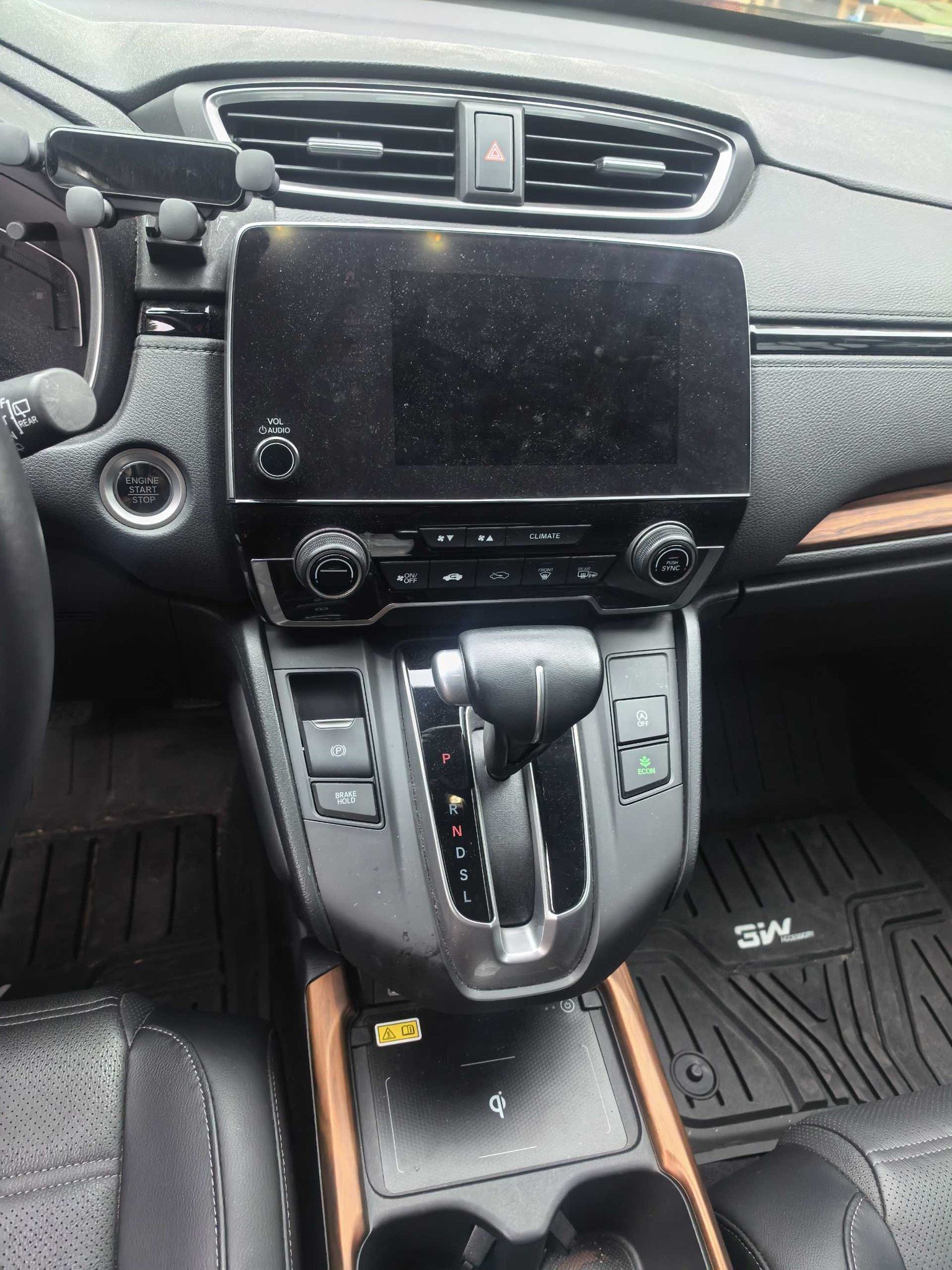
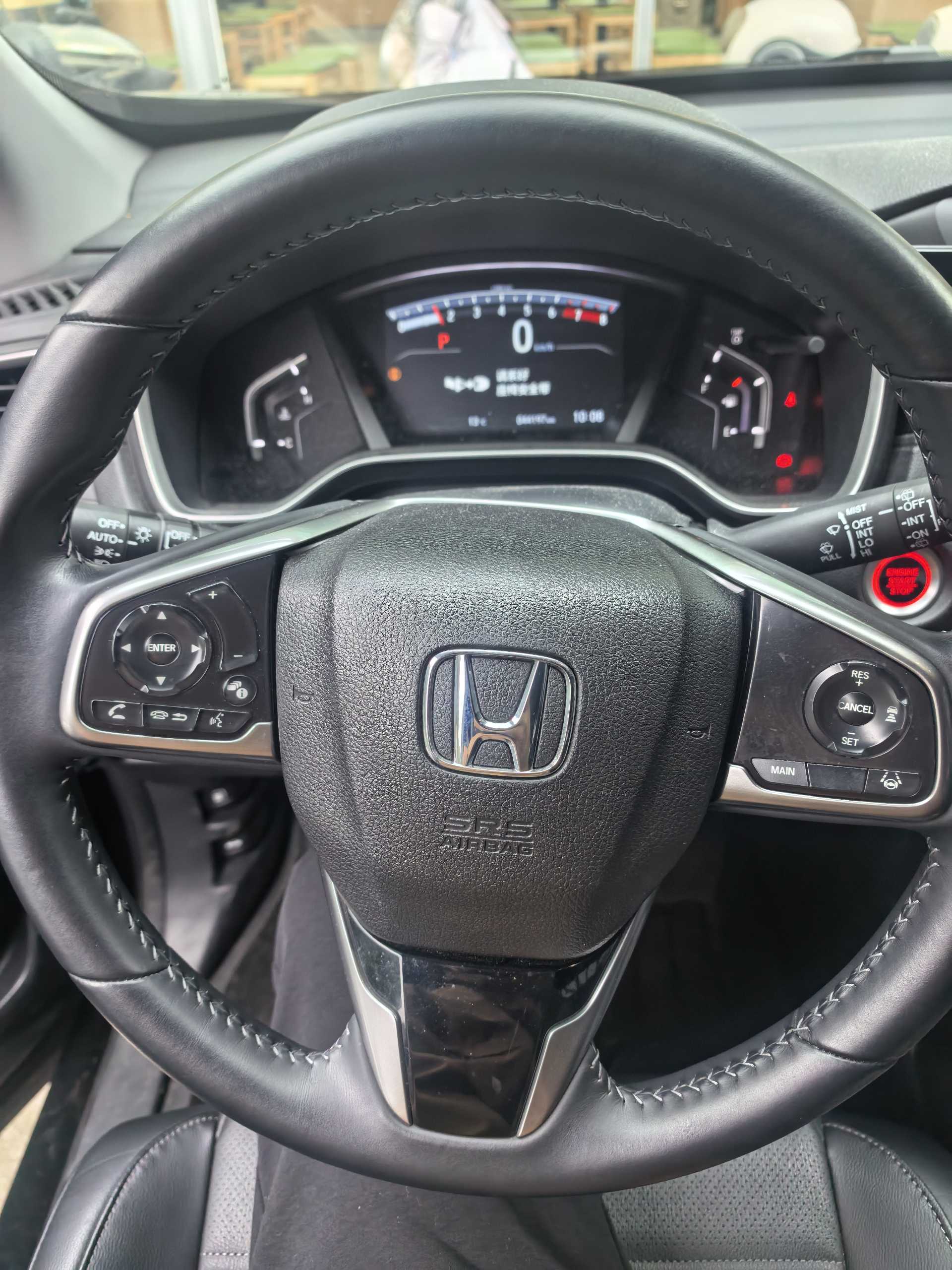
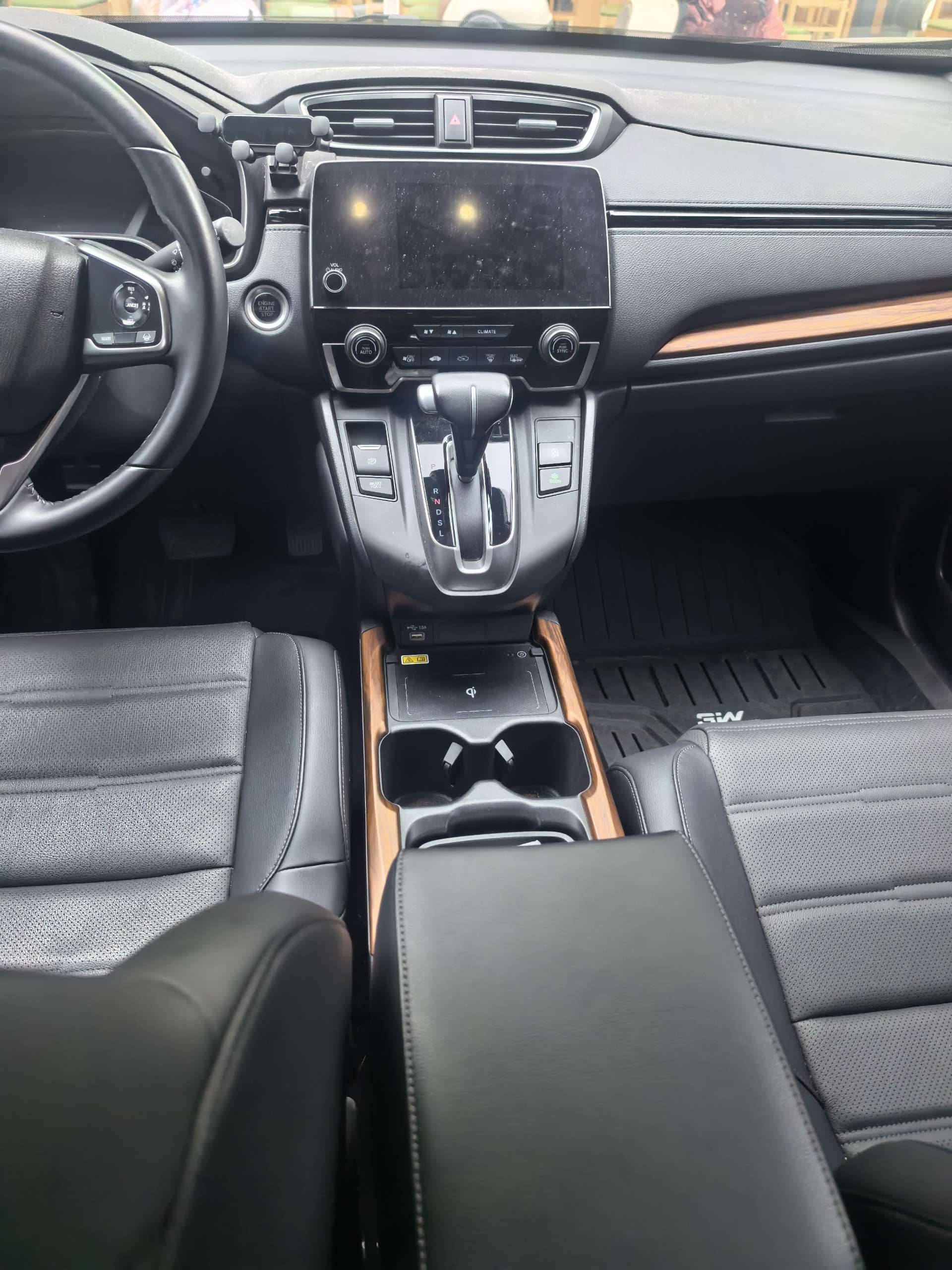
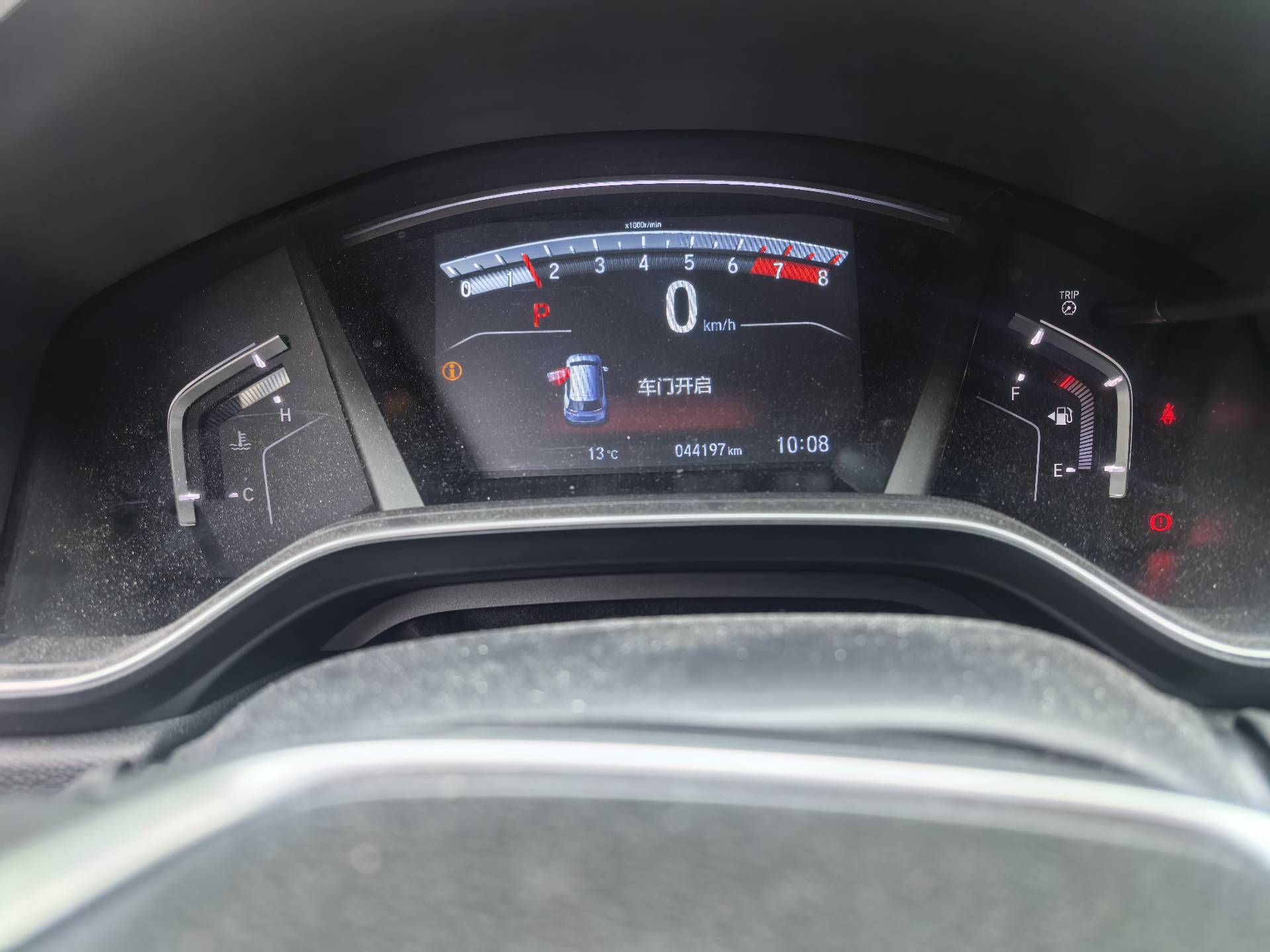



24H

Basic Information

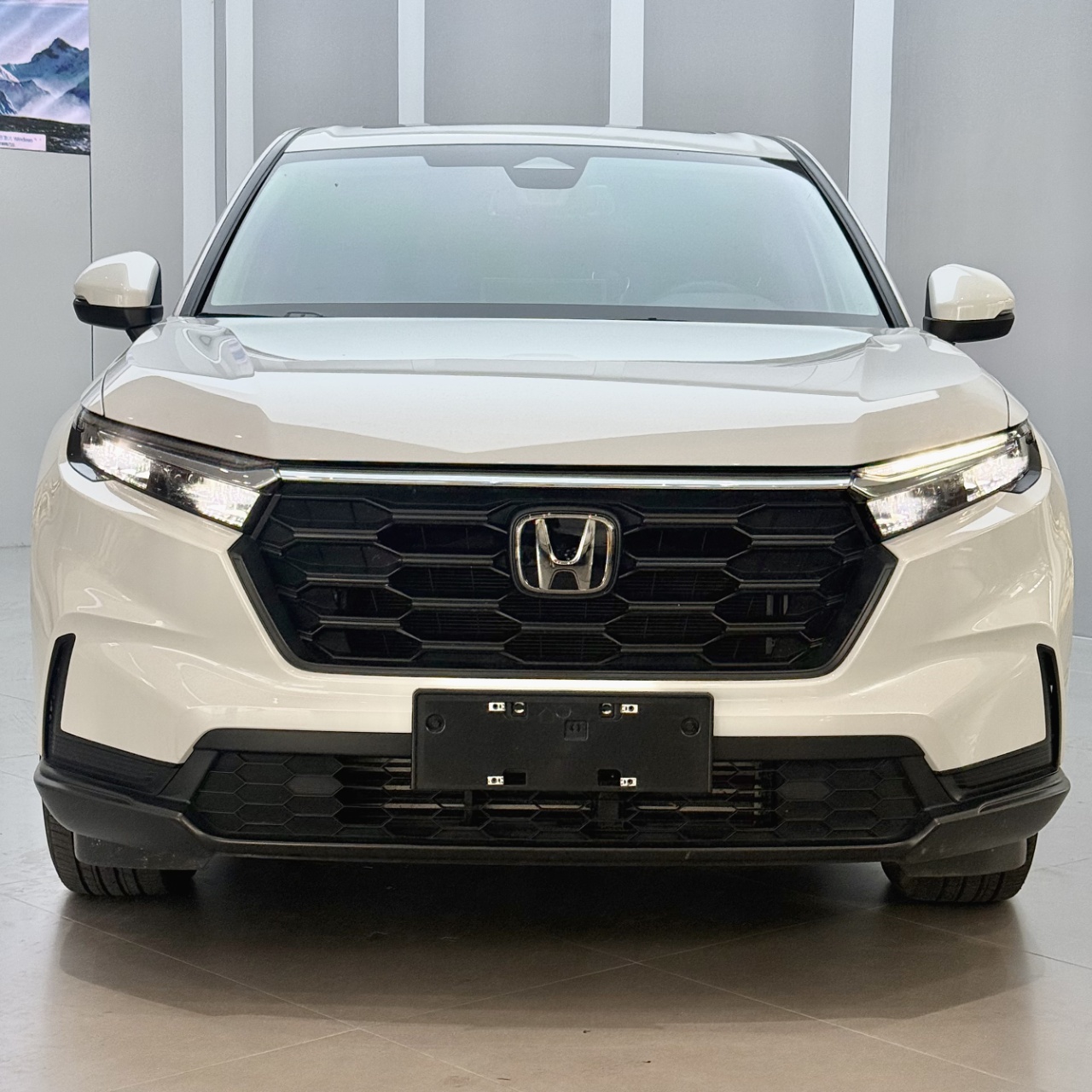
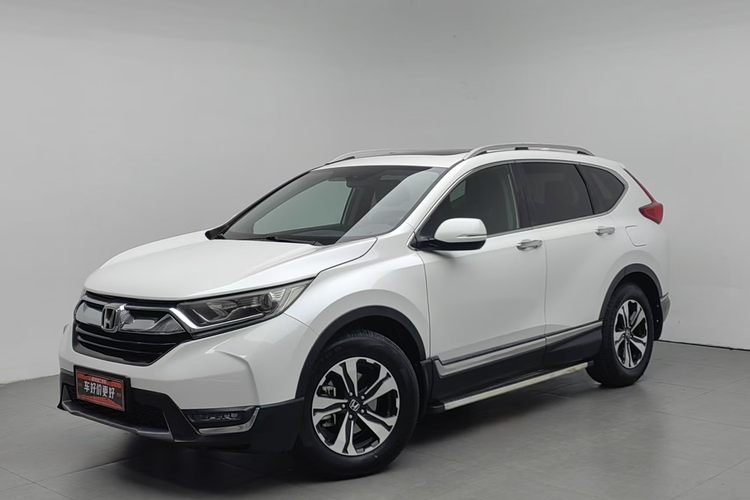
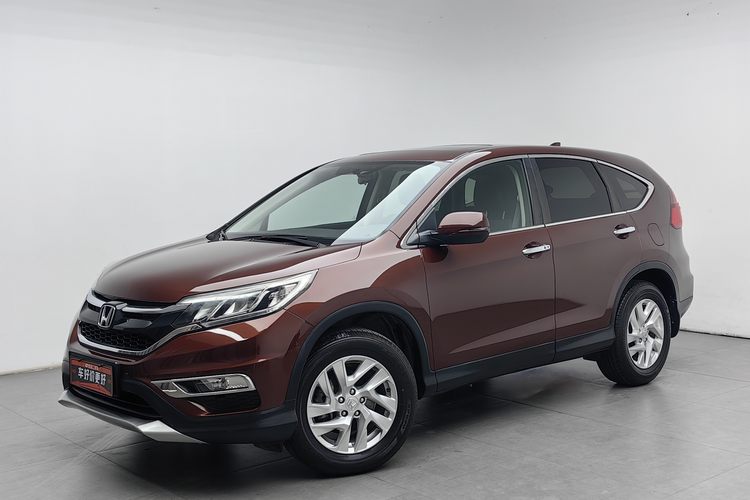
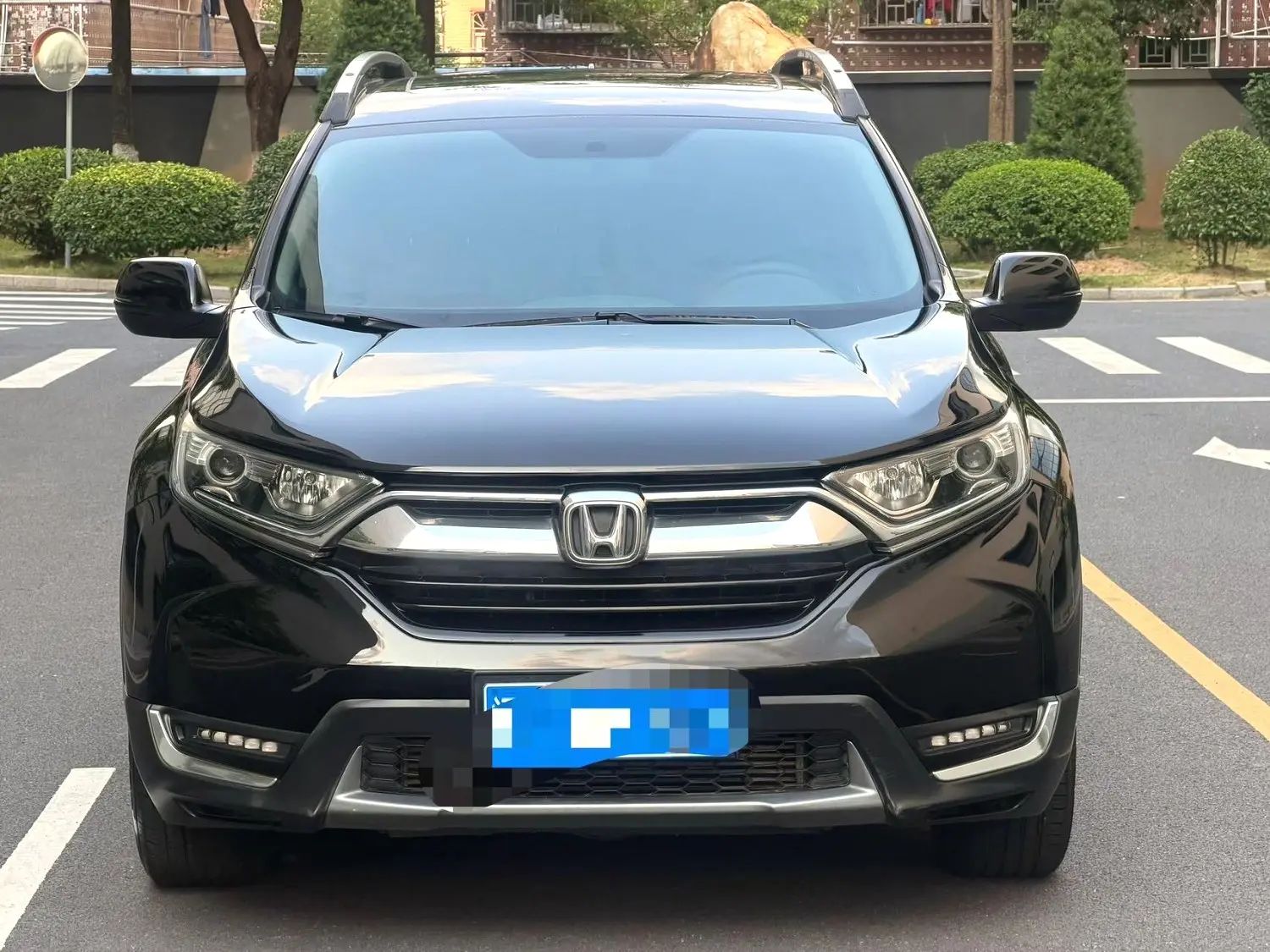
BrandHonda
SeriesCR-V
Year2022
First Registration2022/03
Mileage40,000km
Transfer Count0times
FuelGasoline
TransmissionCVT
Engine1.5T 193 L4
ColorBlack
Seats-

Condition Description

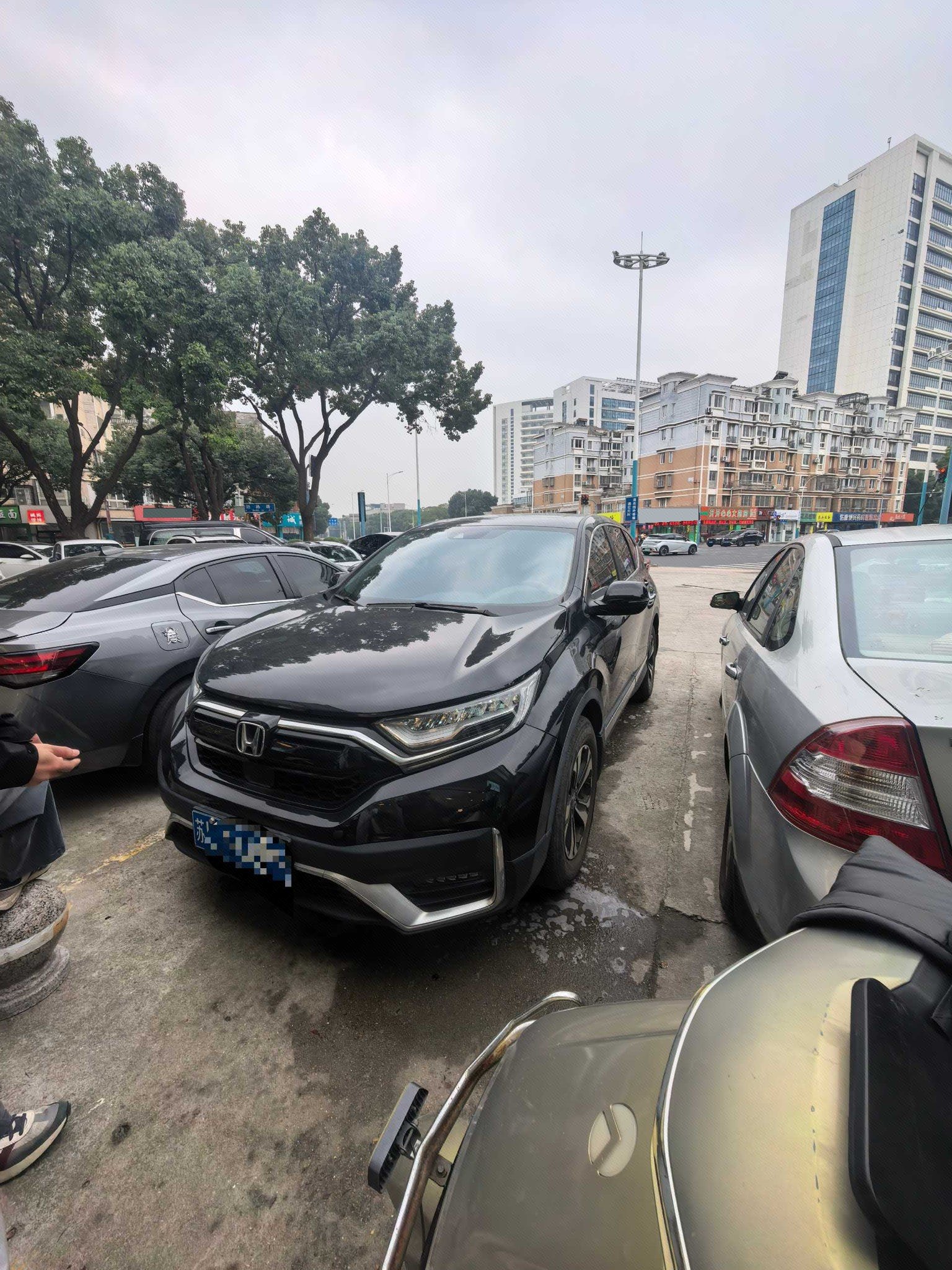
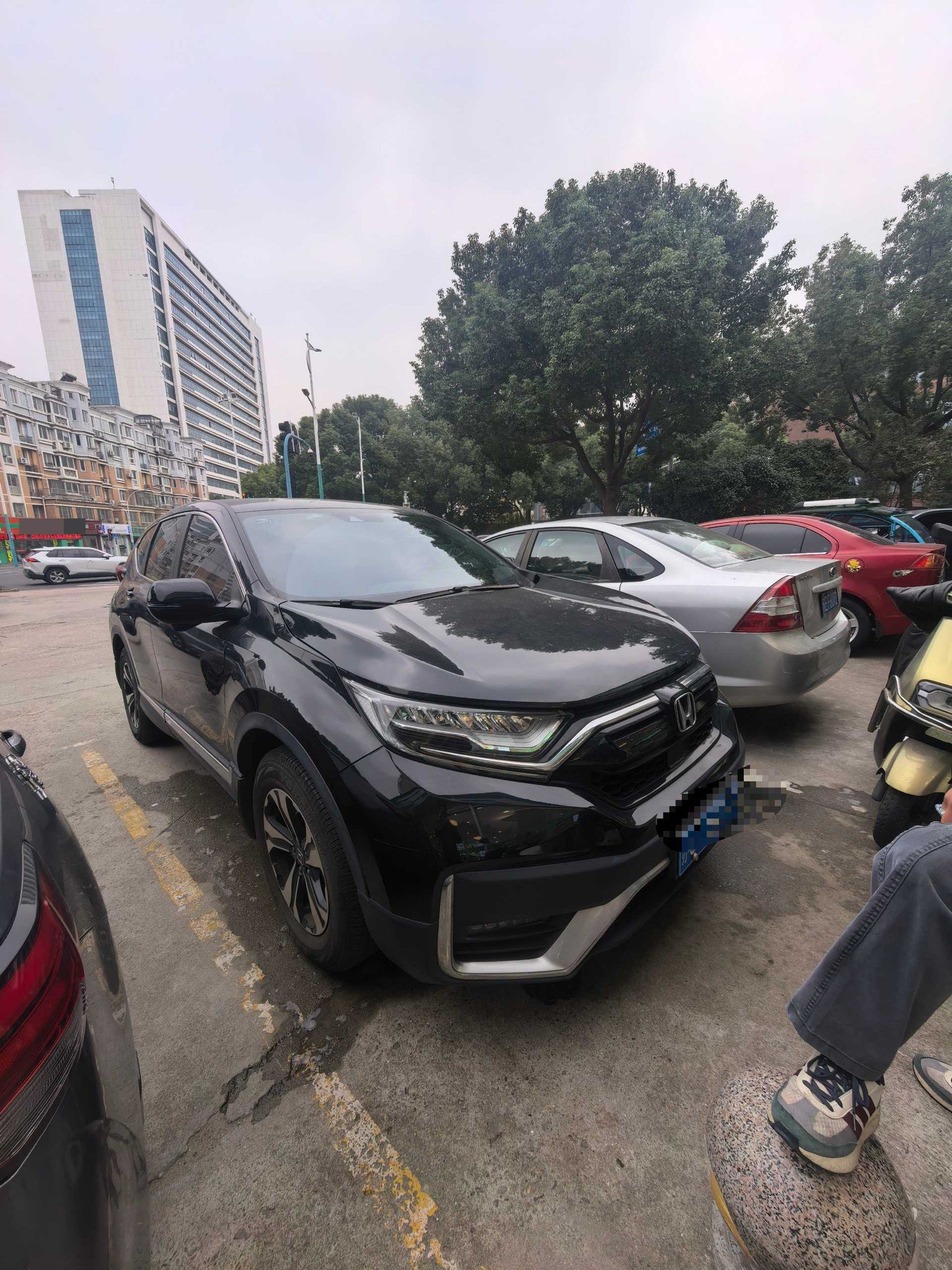
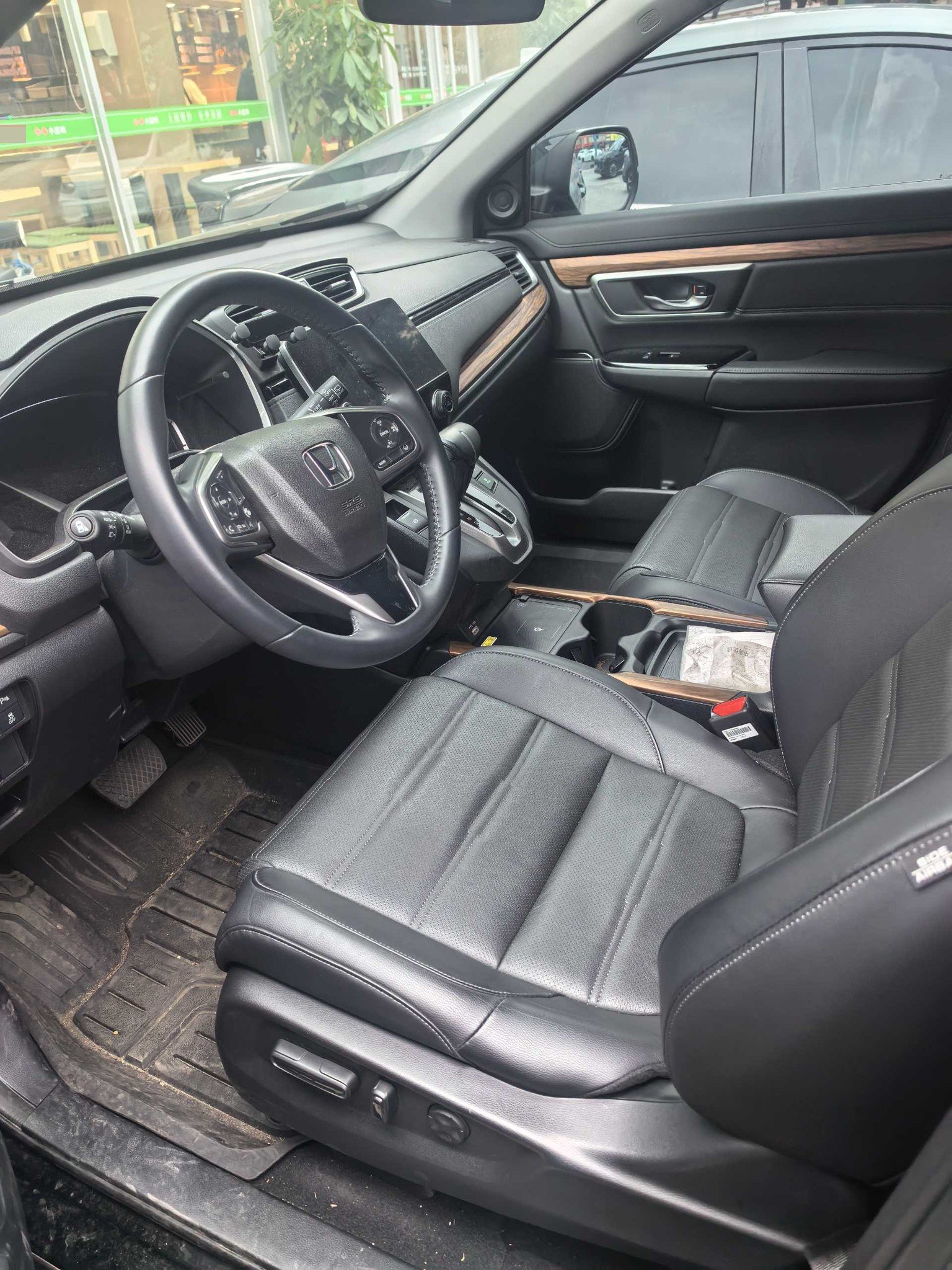
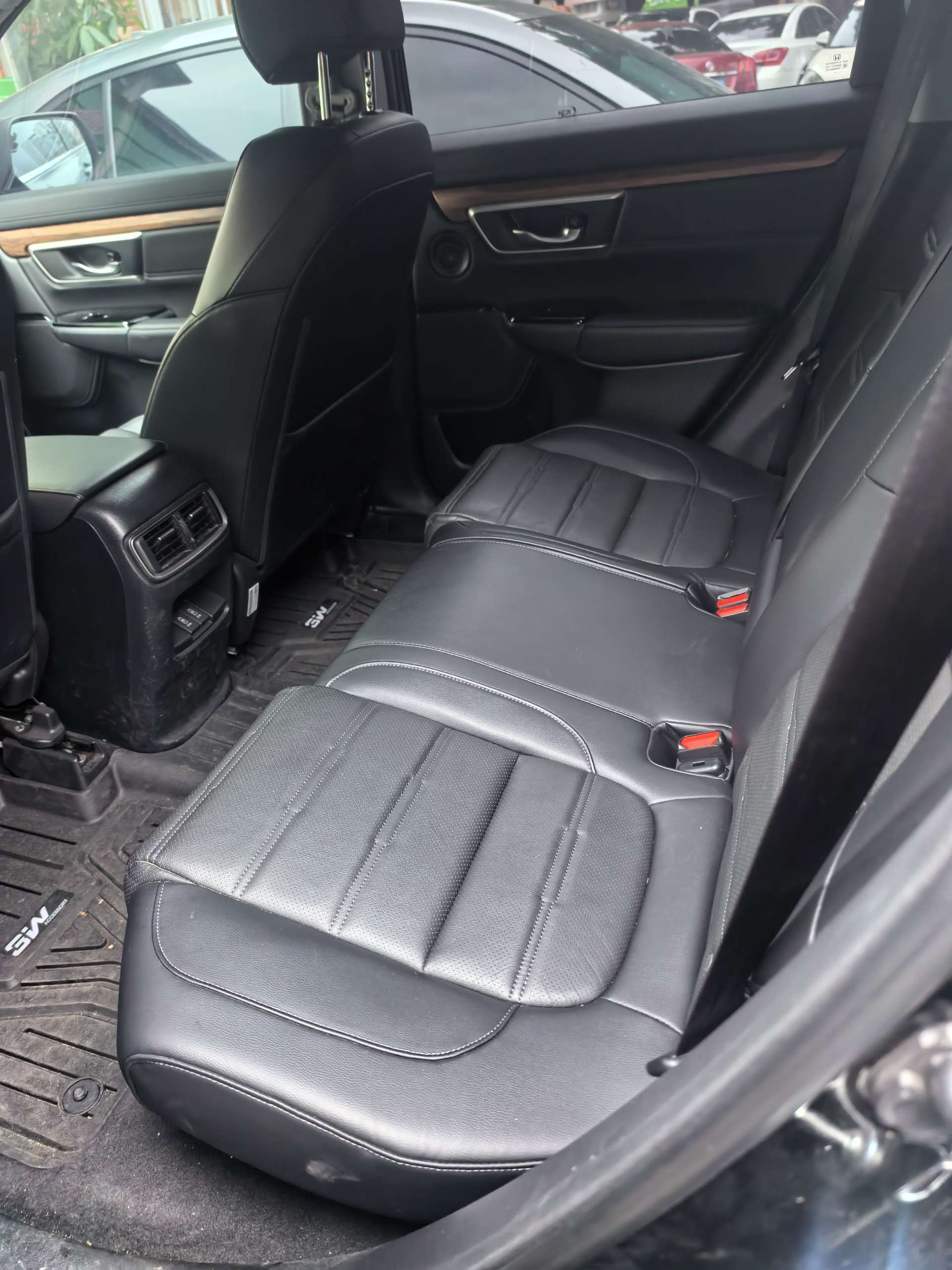
One-owner, well-maintained; two panels repainted.

Document Information

Inspection Expiry Date-
Warranty Expiry Date-
Insurance Expiry Date2027/03

Q&A

More

What export documents come with a used car shipped from China, and which ones do customs in my country require?

A compliant shipment from China includes a standard document set. Verify you receive all of them before the ship departs, because correcting documents mid-transit is slow and expensive. The core set: commercial invoice, bill of lading (original, if your country requires presentation for customs), packing list, certificate of origin, and the export customs declaration. For used cars, also expect the Chinese registration certificate copy, deregistration proof, and a condition/inspection report. Some destinations require additional certificates — GCC states need GSO conformity, EU countries need COC or individual approval, several African nations require BESC/ECTN tracking numbers issued before loading. Your customs broker will typically need the invoice and bill of lading at minimum, plus proof of vehicle age and emissions where age limits apply. Ask your exporter for scanned copies the day the vessel sails, not when it arrives: pre-clearance can cut port storage fees significantly. One caution: the invoice value must match your payment records. Under-declaring to save duties is customs fraud in most countries and risks seizure.


What does the real landed cost of importing a used car from China look like, and which line items do buyers most often underestimate?

A realistic landed cost has five layers: the car price, export-side fees (deregistration, export license, inland trucking to the port), international freight and insurance, destination duties and taxes, and local charges (port handling, inspection, registration). Buyers most often underestimate three items. First, destination duties are calculated on the customs value, which may include freight, so a cheap car can still attract significant tax. Second, port and terminal charges at both ends add up; demurrage fees apply quickly if documents are late. Third, compliance costs such as homologation, emissions testing, or translation of documents can run into hundreds of dollars depending on the country. Ask every exporter for a written, itemized quote to your port, not just an FOB price, and keep a 5% contingency. Quotes that look unusually cheap usually hide costs in the freight or handling lines.

Do digital keys, NFC key cards, and phone-as-key features on used Chinese EVs still work after export?

Most Chinese EVs support three access methods: a traditional key fob, an NFC card, and phone-based digital keys via the brand's app. After export, the fob and NFC card keep working locally — they use short-range radio, so no internet connection is required. That makes the NFC card your most reliable backup; make sure the seller physically includes it, and verify it locks and unlocks the car before payment. Phone-as-key is different: it usually depends on the manufacturer's cloud server recognizing your account. If the app is not available or supported in your country, this feature may stop working. Have the seller demonstrate a full key handover: delete their phone from the vehicle, reset all paired devices, and transfer the main account to your email. Some brands also allow the key fob to be reprogrammed at any authorized dealer. Test every entry method during the pre-shipment video call, and put all keys and cards included into your contract — replacing a lost NFC card overseas can take weeks.